
The Science of Gel: Understanding How Gelatin and AgarAgar Work

Welcome to BakeWithEase, where baking becomes an art form you can effortlessly master. Ever wondered about the magic behind perfectly set desserts? Dive into The Science of Gel and unlock the secrets of gelatin agar agar recipes. Discover how these fascinating ingredients can elevate your baking from ordinary to extraordinary, starting with a deeper understanding of their unique properties. Curious to see how these techniques work? Let's get started!
- The Science of Gelling: Gelatin and Agar-Agar in Culinary Applications
- Gelling Agents: Fundamentals of Structure and Function
- Gelatin: An Animal-Derived Gelling Agent
- Agar-Agar: A Plant-Based Gelling Agent
- Recipe Applications: Utilizing Gelatin and Agar-Agar
- Optimizing Gel Formation: Best Practices
- Conclusion: Harnessing Gelling Agents for Culinary Innovation
-
Frequently Asked Questions
- What is the fundamental difference between gelatin and agar-agar?
- How do gelatin and agar-agar create a gel?
- Can I substitute agar-agar directly for gelatin in any recipe?
- What types of recipes are best suited for using agar-agar instead of gelatin?
- Where can I find reliable "Gelatin Agar Agar Recipes"?
- Final Reflection: The Enduring Allure of Gels
- Unlock the Secrets of Gelling!
The Science of Gelling: Gelatin and Agar-Agar in Culinary Applications
Understanding how ingredients interact at a molecular level is key to mastering baking and dessert creation. Gelling agents are fascinating examples of this, transforming liquids into delightful, stable structures. Whether you're making a delicate panna cotta or a firm vegan cheesecake, the gelling agent you choose and how you use it significantly impacts the final texture and stability of your creation. This deep dive explores two popular gelling agents: gelatin and agar-agar.
Gelling Agents: Fundamentals of Structure and Function
Gelling agents are substances used in food preparation to thicken and stabilize liquid mixtures, forming a gel. A gel is essentially a semi-solid system where a solid network is dispersed throughout a liquid phase, trapping the liquid and preventing it from flowing freely. This network provides structure and rigidity to the mixture, transforming it from a pourable liquid into a spoonable or sliceable consistency.
The effectiveness and properties of a gelling agent depend heavily on its chemical structure and how it interacts with water and other components in the food system. Different gelling agents require specific conditions—such as temperature, pH levels, and the presence of other solutes like sugar or salt—to properly hydrate, dissolve, and form their characteristic network structure. Understanding these fundamentals is crucial for achieving the desired texture and stability in a wide array of culinary applications, from custards and jellies to sauces and fillings.
What are Gelling Agents?
Gelling agents are food additives that create a gel structure by forming a three-dimensional network within a liquid. This network holds the liquid in place, giving the substance a solid or semi-solid form. Think of them as microscopic scaffolding materials that build structure within your dessert or dish. Their primary role is to provide texture, stability, and shape retention, which are essential properties in many prepared foods.
These agents can be derived from various sources, including animal proteins (like gelatin), plant polysaccharides (like agar-agar, pectin, carrageenan), and even microbial sources. The choice of gelling agent often depends on the desired texture, the required setting conditions (e.g., temperature), dietary restrictions (vegan, vegetarian), and the specific application. For instance, some agents create a firm, brittle gel, while others produce a soft, elastic one.
Proteins and Polysaccharides in Gel Formation
The two primary classes of molecules responsible for gelling in food are proteins and polysaccharides. Protein-based gelling agents, like gelatin, form gels through the interaction and aggregation of protein molecules. When heated in water, the protein chains unfold and disperse. As the mixture cools, these chains re-associate, trapping water within a protein matrix, resulting in a gel. This process is often reversible with heat.
Polysaccharide-based gelling agents, such as agar-agar, pectin, and carrageenan, form gels through the interaction of long carbohydrate chains. These polysaccharides hydrate and dissolve when heated in water. Upon cooling, the chains align and aggregate, forming junction zones that create a rigid, interconnected network that holds the water. The specific structure and arrangement of the sugar units in the polysaccharide determine the type and strength of the gel formed, and many polysaccharide gels are heat-stable once set.
Gelatin: An Animal-Derived Gelling Agent
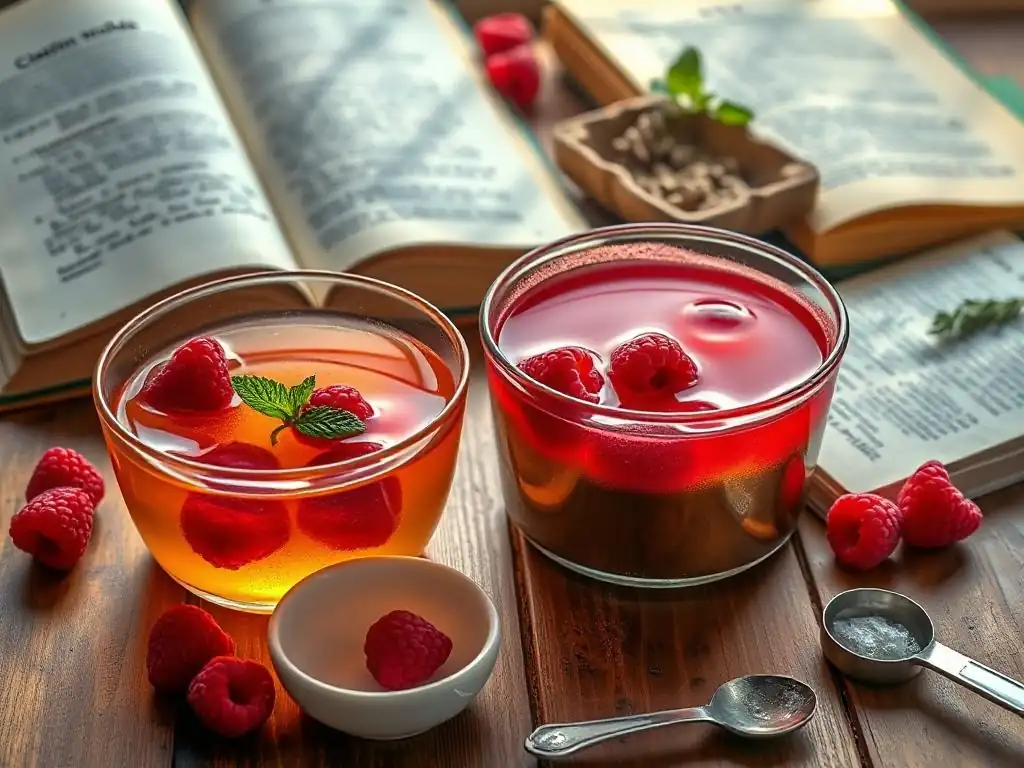
Gelatin is a common gelling agent derived from animal collagen. It's widely used in desserts like jelly, mousse, and panna cotta, as well as in confectionery and pharmaceuticals. Its popularity stems from its unique melting properties – it melts just below body temperature, giving a pleasant mouthfeel. Unlike many plant-based gels, gelatin gels are thermoreversible, meaning they will liquefy when heated and re-set when cooled.
Historically, gelatin production dates back centuries, utilizing parts of animals that would otherwise be discarded. Its ability to create a clear, shimmering gel has made it a staple in both home kitchens and industrial food production. While its animal origin makes it unsuitable for vegetarian and vegan diets, its specific textural qualities are often sought after in traditional recipes.
Production and Composition of Gelatin
Gelatin is produced through the partial hydrolysis of collagen, a protein found abundantly in the connective tissues, bones, and skins of animals, primarily pigs and cattle. The process involves treating these raw materials with acid (Type A gelatin) or alkali (Type B gelatin) to break down the complex collagen structure into smaller, water-soluble protein fragments. This hydrolysis process is followed by extraction with hot water, purification, concentration, and drying.
Chemically, gelatin is not a complete protein as it lacks certain essential amino acids. Its composition is primarily polypeptide chains, rich in amino acids like glycine, proline, and hydroxyproline. These amino acids are arranged in specific sequences that allow the protein chains to form the characteristic triple helix structure of collagen in tissues, and to aggregate in a specific way upon cooling after being dispersed in hot water.
Gelatin's Gelling Mechanism: Collagen Hydrolysis and Network Formation
The gelling mechanism of gelatin is a fascinating process rooted in the behavior of its polypeptide chains. Initially, in cold water, gelatin granules or sheets absorb water and swell – a process called blooming or hydration. When heated, the hydrogen bonds holding the collagen triple helix fragments together break down, causing the chains to separate and disperse uniformly in the liquid.
As the hot gelatin solution cools, the polypeptide chains begin to re-associate. Specific sequences within the chains reform hydrogen bonds, causing segments to re-fold into partial helix structures, similar to the original collagen. These helical segments act as junction zones, linking together different polypeptide chains and forming a three-dimensional network that traps the surrounding water molecules. This network is what gives gelatin its gel structure. The strength of the gel depends on the concentration of gelatin, the temperature, and the molecular weight distribution of the hydrolyzed collagen chains.
Types of Gelatin and Their Applications
Gelatin is commonly available in two main forms: powdered and sheet (or leaf) gelatin. Both forms perform the same gelling function but differ in handling and measurement. Sheet gelatin is often preferred by professional chefs for its purity and ease of use, as it can be counted by the number of sheets rather than weighed precisely, though grams are the standard for accurate measurement. Powdered gelatin is more widely available and is measured by volume or weight.
Different types of gelatin also exist based on their Bloom strength, which measures their gelling power. Higher Bloom strength gelatin creates a firmer gel at the same concentration. Typical applications range from delicate aspics and mousses using lower concentrations or lower Bloom strength gelatin to firm jellies and gummy candies requiring higher concentrations or higher Bloom strength gelatin. Understanding these differences is key to mastering gelatin agar agar recipes and substitutions.
Bloom Strength: Measurement and Significance
Bloom strength is the standard measure of the gelling power or stiffness of gelatin. It is determined by measuring the weight in grams required to depress a standard plunger 4 mm into a 6.67% gelatin solution that has been held at 10°C (50°F) for 17 hours. The resulting value, expressed in grams, typically ranges from about 50 Bloom (very weak) to 300 Bloom (very strong).
The significance of Bloom strength lies in its direct correlation to the amount of gelatin needed to achieve a desired gel consistency. A higher Bloom strength means less gelatin is required to produce a gel of the same firmness compared to a lower Bloom strength gelatin. For example, if a recipe calls for 10 grams of 200 Bloom gelatin, you might need approximately 12-14 grams of 150 Bloom gelatin to achieve a similar gel strength. This measurement is critical for consistent results, especially in commercial food production and for accurate recipe development.
Powdered vs. Sheet Gelatin: Properties and Use
Powdered gelatin is granulated and typically comes in small envelopes or containers. It is easy to measure by volume (e.g., teaspoons or tablespoons) or weight. Its fine granules allow for quick hydration when sprinkled over cold liquid. It's generally considered versatile and widely available, making it a popular choice for home bakers experimenting with various gelatin agar agar recipes. One standard envelope of powdered gelatin (about 7 grams or 0.25 ounces) is often cited as sufficient to gel about 2 cups (around 475 ml) of liquid, resulting in a medium-firm set, though this can vary based on Bloom strength.
Sheet gelatin, also known as leaf gelatin, comes in thin, rectangular sheets. It is measured by counting the number of sheets. Sheet gelatin must be soaked in cold water for several minutes until pliable (bloomed) before being dissolved. Many chefs prefer sheet gelatin because it is often perceived as producing a clearer gel and because the gelling power per sheet is often standardized within a brand, simplifying measurement for known Bloom strengths. For instance, a standard sheet might weigh around 2-3 grams with a specific Bloom strength, allowing for precise control over the final gel firmness.
Techniques for Using Gelatin
Properly handling gelatin is essential for achieving a smooth, lump-free gel with the correct texture. Incorrect technique can lead to grainy gels, weak sets, or undissolved particles. The process typically involves hydrating the gelatin first, then dissolving it completely, and finally incorporating it into the liquid you wish to gel.
Care must be taken regarding temperature. Gelatin dissolves in hot liquids but loses its gelling power if boiled for too long. It also sets best when chilled thoroughly. Acidic ingredients like fruit juices can weaken the final gel strength, sometimes requiring an adjustment in the amount of gelatin used.
Hydration (Blooming) of Gelatin
Hydration, or blooming, is the crucial first step when using gelatin. It involves soaking the dry gelatin (powder or sheets) in a small amount of cold liquid, usually water or another liquid specified in the recipe. For powdered gelatin, you typically sprinkle the granules evenly over the surface of the cold liquid (often about 4-5 times the weight of the gelatin in liquid) and let it stand for 5-10 minutes. The granules will absorb the liquid and swell, becoming translucent and jelly-like.
Sheet gelatin requires soaking the sheets completely submerged in a generous amount of cold water for about 5-10 minutes until they are soft and pliable. After soaking, the softened sheets are squeezed gently to remove excess water before being added to the hot liquid for dissolving. Blooming ensures that the gelatin dissolves smoothly and evenly when heated, preventing lumps and ensuring the full gelling potential is reached.
Dissolving Gelatin: Methods and Considerations
Once bloomed, gelatin must be dissolved in a warm or hot liquid to activate its gelling properties. For powdered gelatin, the bloomed mixture can be added directly to a warm base liquid (like warm milk or cream) and stirred until completely dissolved.
Alternatively, the bloomed gelatin can be gently heated over a double boiler or briefly in a microwave (just until liquid, not boiling) and then stirred into the main mixture. The temperature of the liquid should be warm enough to fully dissolve the gelatin, typically above 40°C (104°F), but ideally not boiling, as prolonged high heat can degrade the protein and reduce gelling strength.
For sheet gelatin, the squeezed, bloomed sheets are added to a warm liquid and stirred until they melt completely. It's important to ensure there are no solid bits remaining before the mixture cools. When incorporating dissolved gelatin into a cold mixture (like whipped cream or yogurt), it's best to temper the gelatin first by stirring a small amount of the cold mixture into the warm gelatin solution before combining everything. This prevents the gelatin from solidifying too quickly and creating streaks or lumps.
Troubleshooting Gelatin-Based Recipes
Common issues in gelatin-based recipes include failure to set, a grainy texture, or a gel that is too weak. Failure to set often results from insufficient gelatin, improper dissolution (leaving undissolved clumps), adding gelatin to a mixture that is too cold, or using ingredients that inhibit gelling. Certain enzymes in fresh tropical fruits like pineapple, papaya, kiwi, and mango contain proteases that break down gelatin's protein structure; these fruits must be cooked first to denature the enzymes.
A grainy texture usually indicates that the gelatin was not fully dissolved or was added to a mixture that was too cold, causing it to set unevenly before being fully dispersed. To avoid this, ensure the liquid you dissolve the gelatin in is adequately warm and that the gelatin is completely liquid before combining it with other ingredients. If a gel is too weak, it might be due to using too little gelatin, using gelatin with a lower Bloom strength than required, or the presence of acidic ingredients which can slightly reduce gelling power.
Agar-Agar: A Plant-Based Gelling Agent
Agar-agar, often simply called agar, is a powerful plant-based gelling agent derived from red algae (seaweed). It is a popular alternative to gelatin, particularly in vegetarian and vegan cooking, and is widely used in Asian desserts. Agar-agar creates a firm, clear gel that sets at room temperature and remains solid even at higher temperatures, making it ideal for applications where heat stability is important, such as in layered desserts or dishes served warm.
Unlike gelatin's elastic, melt-in-your-mouth texture, agar-agar produces a firmer, more brittle gel that tends to break down in the mouth rather than melt. This difference in texture is a key consideration when adapting gelatin agar agar recipes. Its neutral taste and odor make it versatile for use in both sweet and savory applications.
Sources and Composition of Agar-Agar
Agar-agar is extracted primarily from certain species of red algae, such as Gracilaria and Gelidium. The algae are harvested, washed, and boiled to release the agar into solution. The liquid is then filtered, cooled to form a gel, and the gel is typically frozen and thawed. This freeze-thaw cycle helps to express water and concentrate the agar. Finally, the concentrated agar is dried and processed into various forms like powder, flakes, or bars.
Chemically, agar-agar is a complex polysaccharide composed mainly of agarose and agaropectin. Agarose is the primary gelling component, forming a double helix structure that aggregates to create the gel network. Agaropectin is a more branched, non-gelling component that contains sulfate groups. The ratio of agarose to agaropectin and the degree of sulfation can affect the gel properties, but high-quality food-grade agar is predominantly agarose, ensuring strong gelling power.
Agar-Agar's Gelling Mechanism: Polysaccharide Interactions
The gelling mechanism of agar-agar involves the formation of a rigid network from agarose polysaccharides. When dry agar is heated in water, the polysaccharide chains hydrate and become dispersed. As the solution cools, typically below 40-45°C (104-113°F), the random coils of the agarose chains begin to associate.
Specific regions of the chains form double helices, and these helices then aggregate into bundles or superhelices. These bundles act as junction zones, creating a robust three-dimensional network that traps water molecules within its structure. This network is held together primarily by hydrogen bonds. The key difference from gelatin is that once set, agar-agar gels are stable at much higher temperatures, often remaining solid up to 85-90°C (185-194°F), and they do not melt back into a liquid upon reheating, making them less thermoreversible than gelatin.
Forms of Agar-Agar: Powder, Flakes, and Strips
Agar-agar is available in several forms, each requiring slightly different handling and having varying strengths. The most common forms are powder, flakes, and bars or strips. Powdered agar-agar is the most concentrated form and is generally considered the easiest to use and measure accurately. It dissolves relatively quickly when boiled in liquid and provides the most reliable results for many gelatin agar agar recipes.
Agar flakes are less dense than the powder and need to be used in larger quantities. They also require a longer boiling time to dissolve completely. Agar strips or bars are the least processed form and need to be broken up, soaked, and boiled for an extended period to dissolve. Due to the variation in concentration and dissolution time across forms, it's crucial to follow recipe instructions carefully regarding the specific type of agar-agar used. As a general guideline, powdered agar is roughly 3-4 times stronger than flakes.
Using Agar-Agar in Culinary Applications
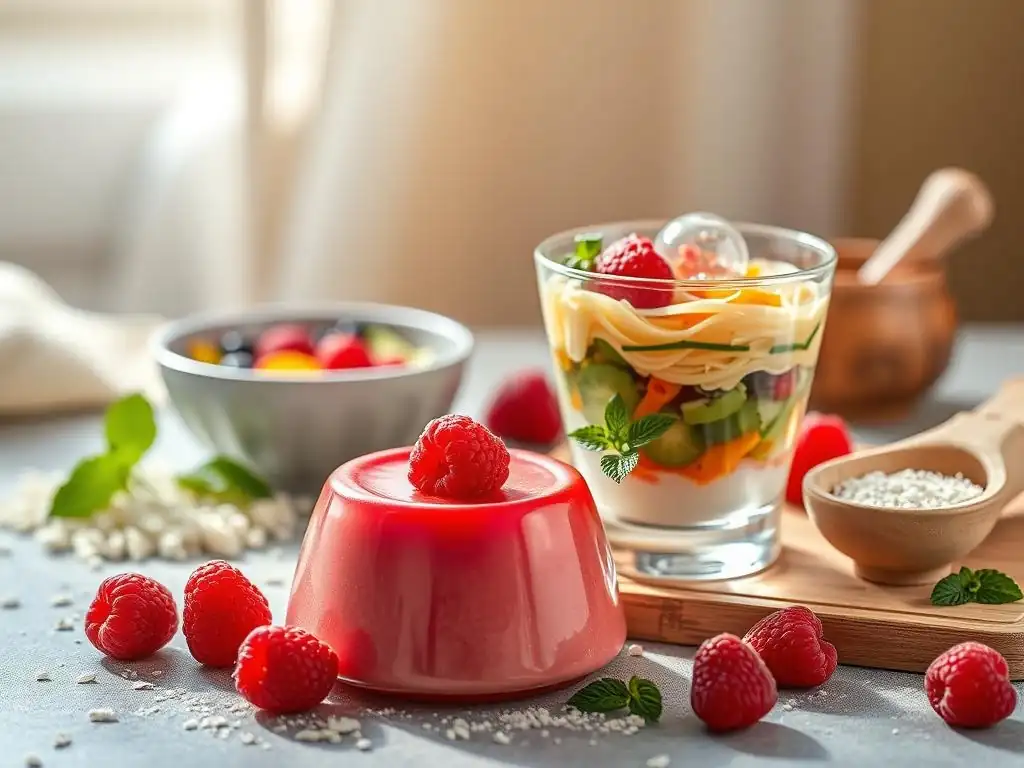
Using agar-agar effectively requires understanding its specific properties. Unlike gelatin, which simply needs to be dissolved in warm liquid, agar-agar must be brought to a boil and simmered for a few minutes to ensure it fully dissolves and activates its gelling power. The time required for boiling depends on the form (powder dissolves faster than flakes or strips).
Agar-agar sets quickly at room temperature, typically within 30-60 minutes, and does not require refrigeration to set, although chilling will firm it further. This rapid setting can be an advantage or a challenge; mixtures cool and set quickly, so they need to be poured into molds or serving dishes relatively fast after boiling. It's also important to note that acidic ingredients can weaken agar-agar's gelling strength, sometimes requiring an increased amount of agar-agar or incorporating the acidic ingredient after the agar has dissolved and the mixture has cooled slightly.
Hydrating Agar-Agar: Optimal Procedures
While agar-agar doesn't "bloom" in the same way gelatin does, hydrating it before boiling is still a recommended step, especially for flakes or strips, to help them dissolve more easily. Powdered agar can often be whisked directly into cold liquid before heating, but soaking flakes or strips in cold water for 10-15 minutes helps soften them.
The crucial step for activating agar-agar's gelling ability is bringing the mixture to a full, rolling boil and simmering. For powdered agar, simmering for 1-2 minutes after boiling is usually sufficient to ensure complete dissolution. For flakes, simmering for 5-7 minutes or longer might be necessary, and for strips, potentially 10-15 minutes or until no solid particles remain. Constant stirring during the heating and boiling process helps prevent scorching and ensures even dissolution.
Setting Temperatures and Resulting Textures
One of the defining characteristics of agar-agar is its unique setting and melting temperature profile. Agar-agar solutions typically set at temperatures between 35°C and 45°C (95°F and 113°F), which is significantly higher than gelatin's setting point (around 10-15°C or 50-59°F). This means agar-agar gels set quickly at room temperature.
Once set, agar-agar gels are remarkably heat-stable, melting at temperatures around 85-90°C (185-194°F). This high melting point makes agar-agar ideal for creating gels that need to hold their shape even in warm environments or in layered desserts where a warm layer might be poured over a set layer. The resulting texture is typically firm, slightly brittle, and sliceable, lacking the elastic "jiggle" and melt-in-your-mouth quality characteristic of gelatin gels.
Gelatin vs. Agar-Agar: Comparative Analysis
Choosing between gelatin and agar-agar depends on several factors, including dietary needs, desired texture, and the specific application. Gelatin is animal-derived, sets when chilled, melts easily in the mouth, and creates a wobbly, elastic gel. Agar-agar is plant-derived, sets at room temperature, remains solid at higher temperatures, and produces a firmer, more brittle gel. These fundamental differences mean they are not always directly interchangeable in gelatin agar agar recipes without adjustment.
Consider the application: a delicate mousse or panna cotta benefits from gelatin's smooth, melting texture. A vegan jelly, a firm terrine, or a layered dessert where heat stability is needed might be better suited for agar-agar. Understanding these differences is key to successful recipe adaptation and creation.
Gelling Strength and Concentration Considerations
Agar-agar is significantly stronger than gelatin in terms of gelling power. As a general rule of thumb, you need much less agar-agar powder than gelatin powder to gel the same amount of liquid. A common approximation is that agar-agar powder is about 8-10 times stronger than gelatin powder by weight. For example, if a recipe calls for 10 grams of gelatin powder, you might only need 1-1.25 grams of agar-agar powder to achieve a similar level of firmness, though the texture will differ.
Concentration plays a critical role in the final gel firmness for both agents. For gelatin, concentrations typically range from 0.5% for a very delicate gel to 5% or more for firm gummy candies. For agar-agar, concentrations as low as 0.1-0.2% can produce a soft gel, while concentrations around 0.5-1% yield a firm, sliceable gel. Precise measurements are crucial for consistent results with both gelling agents.
Sensory Attributes: Taste and Texture
The sensory experience of eating a gelled dessert is heavily influenced by the gelling agent used. Gelatin gels are known for their characteristic "jiggle" and elasticity. They melt readily at body temperature, releasing flavors smoothly and providing a creamy, dissolving sensation in the mouth. Gelatin is essentially tasteless and odorless when properly prepared.
Agar-agar gels, on the other hand, are firmer and more brittle. They fracture or break when bitten into rather than melting smoothly. While agar-agar is also relatively tasteless and odorless, its non-melting texture contributes to a different mouthfeel – often described as more "solid" or "jelly-like" in a firmer sense than gelatin jelly. This textural difference is a primary reason why gelatin agar agar recipes often require careful consideration of the desired outcome.
Application-Specific Recommendations
- Delicate Mousses and Panna Cottas: Gelatin is typically preferred for its smooth, melting texture.
- Clear Jellies (Jello): Both can be used, but gelatin gives the classic wobbly texture, while agar-agar results in a firmer, more heat-stable jelly.
- Vegan Desserts: Agar-agar (or other plant-based thickeners like carrageenan or pectin) is necessary.
- Layered Desserts: Agar-agar's higher melting point makes it excellent for layers that need to remain solid when warmer layers are added.
- Pies and Tarts (Fillings): Agar-agar can be used for fruit fillings that need to set firmly and remain stable.
- Gummy Candies: High-Bloom gelatin is traditionally used for its unique chewy texture, though some gelatin agar agar recipes attempt vegan gummy alternatives with texture differences.
Recipe Applications: Utilizing Gelatin and Agar-Agar
Both gelatin and agar-agar are incredibly versatile in the kitchen, forming the base for countless desserts and savory dishes. Exploring gelatin agar agar recipes showcases the unique properties each brings to the table. From classic fruit jellies to modern vegan creations, these gelling agents allow for creativity in texture and form.
Working with either requires attention to detail regarding hydration, dissolution, and temperature. Successful application hinges on understanding the science behind their gelling mechanisms and how they interact with other ingredients in your specific recipe.
Recipes Using Gelatin
Classic gelatin recipes abound in the world of desserts. Think of the iconic Jell-O dessert, a simple mixture of flavored liquid, sugar, and gelatin. More sophisticated applications include:
- Panna Cotta: Cream, sugar, and vanilla are gently heated with gelatin, then chilled to set into a silky, smooth custard-like dessert.
- Mousses: Gelatin helps stabilize whipped cream, egg whites, or fruit purées, giving mousses their light, airy texture while ensuring they hold their shape. A chocolate mousse might use just enough gelatin to set without being rubbery.
- Aspics: Savory gels, often made with broth or stock, stabilized with gelatin to encase meats, vegetables, or eggs.
- Marshmallows: Gelatin provides the structure and chewiness in these fluffy confections.
These examples highlight gelatin's ability to create gels ranging from very tender to quite firm, often with an appealing clarity.
Recipes Using Agar-Agar
Agar-agar recipes are increasingly popular, particularly in plant-based cooking and traditional Asian cuisine. Some common uses include:
- Vegan Jellies: Fruit juices or flavored liquids are boiled with agar-agar to create fruit jellies that set quickly at room temperature.
- Vegan Panna Cotta or Cheesecakes: Agar-agar provides the necessary structure for dairy-free versions of these desserts, though the texture will be firmer and less melting than gelatin-based versions.
- Yōkan: A traditional Japanese sweet made from red bean paste, sugar, and agar-agar, creating a firm, sliceable block.
- Fruit Tarts and Glazes: Agar-agar can be used to create clear, stable glazes over fruit that won't melt at room temperature.
- Vegan Custards and Puddings: Agar-agar helps thicken and set plant-based milks into custards, often combined with starches for a smoother texture.
These applications demonstrate agar-agar's strength and heat stability, allowing for gels that hold their shape even outside refrigeration.
Converting Gelatin Recipes to Agar-Agar: Considerations and Adjustments
Converting gelatin agar agar recipes requires more than just substituting by weight; textural differences are significant. A typical starting point for substitution is using about 1/8 to 1/10 the amount of agar-agar powder as the original gelatin powder by weight (e.g., 1g agar for 8-10g gelatin), or using equal parts agar flakes for gelatin powder by volume. However, this is just an estimate, and testing is recommended.
Key considerations for conversion include:
- Quantity: Start with a small amount of agar-agar and adjust in future attempts. Too much agar results in a hard, brittle gel.
- Dissolution: Agar-agar must be boiled to dissolve completely; gelatin only needs warm liquid.
- Setting: Agar-agar sets faster and at a higher temperature than gelatin. Work quickly once the mixture cools slightly from boiling.
- Texture: Accept that the final texture will be firmer and less elastic than the original gelatin version.
- Acidity: Highly acidic ingredients may require slightly more agar-agar. Add acidic elements after the agar has dissolved and the mixture has cooled slightly if possible.
- Dairy/Fat: High-fat ingredients like heavy cream can sometimes slightly inhibit agar's gelling, potentially requiring a minor increase in agar.
Optimizing Gel Formation: Best Practices
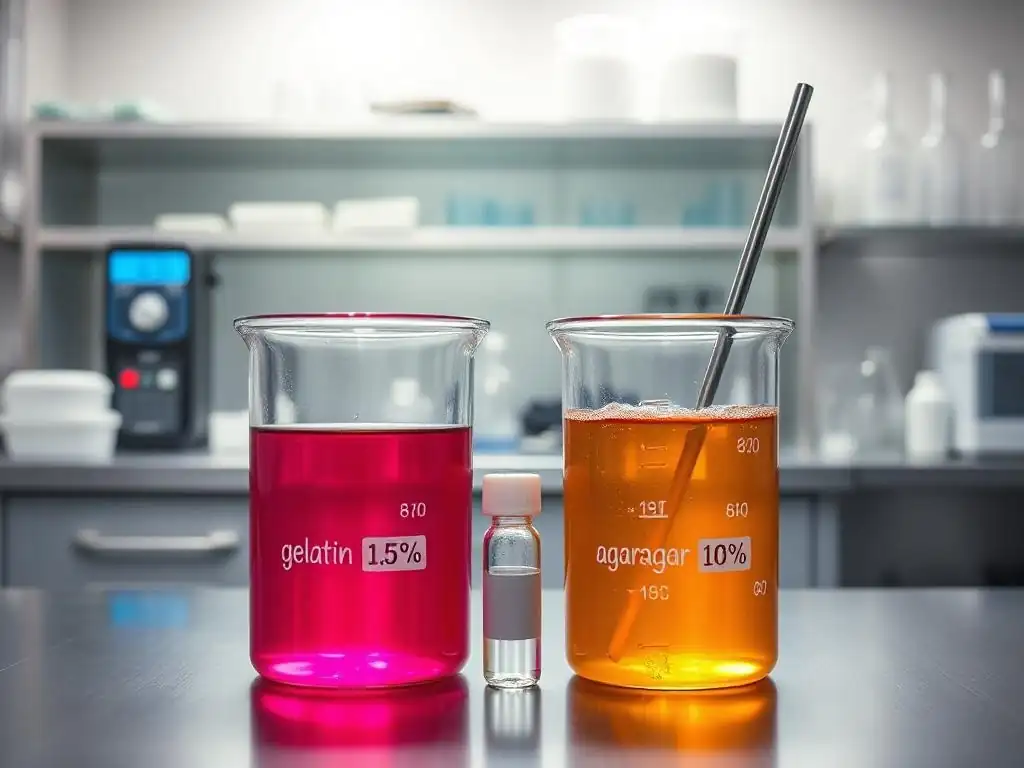
Achieving the perfect gel consistency involves controlling various factors beyond just the gelling agent itself. Temperature, pH, and the presence of other ingredients like sugar and salt all influence the hydration, dissolution, and network formation processes. Mastering these variables allows for precise control over the final texture, whether aiming for a delicate wobble or a firm slice.
Best practices involve accurate measurement, proper hydration and dissolution techniques for the specific gelling agent being used, and understanding how other recipe components interact with the gelling matrix. Attention to these details is crucial for consistent and successful results in all gelatin agar agar recipes.
Factors Influencing Gel Strength: Temperature, pH, and Solute Concentration
Several factors impact the final strength and setting properties of both gelatin and agar-agar gels.
- Temperature: Gelatin requires cooling to set and melts with heat. Agar-agar requires boiling to dissolve and sets rapidly upon cooling, remaining stable at higher temperatures than gelatin. The rate of cooling can also affect texture; slower cooling can sometimes result in slightly larger junction zones and a firmer gel for some systems, though rapid chilling is often used to speed up setting.
- pH: Both gelatin and agar-agar are sensitive to pH. Gelatin's gelling strength is optimal around a neutral pH (5.0-8.0) and weakens significantly at very low (acidic) or very high (alkaline) pH values. Agar-agar is more stable in acidic conditions than gelatin, but prolonged boiling at low pH can still cause some degradation and reduced gelling power. Highly acidic fruit juices (like lemon or lime) are notorious for weakening gels.
- Solute Concentration: The presence of sugars and salts can affect gel strength. High sugar concentrations generally tend to weaken gelatin gels by competing for water needed for hydration and interfering with protein chain re-association. Salt's effect varies; low salt concentrations might slightly enhance gelatin gel strength, while high concentrations can weaken it. Agar-agar's gel strength is less affected by sugar than gelatin, which is why it's favored in very sweet Asian desserts. High salt concentrations can sometimes slightly enhance agar gel strength.
Achieving Desired Textures: Techniques for Gelatin and Agar-Agar
Manipulating the amount of gelling agent is the primary way to control texture: more agent equals a firmer gel. However, other techniques can refine the outcome. For gelatin, gentle heating and slow cooling can sometimes yield a slightly clearer, more elastic gel compared to rapid chilling. Incorporating air, as in a mousse, results in a lighter, less dense gel structure.
For agar-agar, the texture is inherently firmer and more brittle. To achieve a smoother texture in agar-agar gels, sometimes starches (like cornstarch or tapioca starch) or gums (like xanthan gum) are used in combination with agar-agar in gelatin agar agar recipes, particularly in vegan custards or puddings, to counteract the brittleness and add creaminess. The specific boiling time for agar-agar also matters; ensuring it's fully dissolved is key to avoiding graininess and achieving a smooth set.
Advanced Techniques: Layered Gels and Creative Applications
Once the fundamentals are mastered, gelling agents open up possibilities for advanced culinary creations. Layered gels are a classic example, requiring careful timing and temperature control. When layering gelatin-based gels, ensure each layer is set but not fully hardened before adding the next, and that the next layer is cooled significantly but still liquid enough to pour without melting the layer below.
With agar-agar, layering is often simpler due to its higher setting and melting temperatures. A base layer can be set at room temperature, and a subsequent layer, even if warm, can often be poured on top without disturbing the set layer below. Creative applications include:
- Creating "caviar" or spheres through reverse spherification (often using calcium chloride and sodium alginate, another gelling system, but understanding gel science is foundational).
- Encapsulating flavors in gels that burst in the mouth.
- Using gels as structural elements in plated desserts or savory dishes.
- Developing complex, multi-textured desserts combining gels with foams, creams, and solids, drawing on knowledge of gelatin agar agar recipes and beyond.
Conclusion: Harnessing Gelling Agents for Culinary Innovation
Gelatin and agar-agar, though different in origin and properties, are powerful tools in the baker's and chef's repertoire. Understanding the science behind how these protein and polysaccharide chains interact with water to form intricate networks unlocks the potential to create a vast array of textures and structures in culinary applications. From the delicate wobble of a classic panna cotta made with gelatin to the firm, heat-stable layers in a vegan terrine set with agar-agar, the choice and handling of the gelling agent are paramount.
Exploring gelatin agar agar recipes provides a hands-on way to appreciate these differences and learn how to manipulate gelling power, setting times, and final textures. Whether you're adapting traditional recipes for dietary needs, troubleshooting a failed set, or experimenting with advanced layering techniques, a solid grasp of gelling science empowers you to achieve consistent, delicious, and visually stunning results.
By respecting the unique requirements of each agent – blooming gelatin in cold water, boiling agar-agar to dissolve fully, and minding the influence of temperature, pH, and other ingredients – you can confidently harness their capabilities for boundless culinary innovation in your own kitchen.
Frequently Asked Questions
What is the fundamental difference between gelatin and agar-agar?
Gelatin is derived from animal collagen, while agar-agar is extracted from red algae. This makes agar-agar a suitable vegetarian alternative to gelatin.
How do gelatin and agar-agar create a gel?
Both substances form a gel by creating a three-dimensional network when cooled. This network traps water and other ingredients, resulting in the characteristic gel texture.
Can I substitute agar-agar directly for gelatin in any recipe?
Not always. Agar-agar has a stronger gelling power than gelatin, so you usually need less. You might also need to adjust the cooking time and temperature.
What types of recipes are best suited for using agar-agar instead of gelatin?
Agar-agar is often preferred in vegan desserts and recipes where a firmer gel is desired. It's also suitable for recipes that require gelling at higher temperatures.
Where can I find reliable "Gelatin Agar Agar Recipes"?
Websites like BakeWithEase.com are great resources. Look for recipes that specifically mention using either gelatin or agar-agar and provide clear instructions for each ingredient.
Final Reflection: The Enduring Allure of Gels
The science behind gelatin and agar-agar isn't just confined to the laboratory; it's the very foundation of countless culinary creations enjoyed worldwide. Understanding these remarkable substances allows us to appreciate the artistry and precision involved in crafting everything from delicate jellies to robust terrines. This knowledge empowers us to experiment, innovate, and elevate our own culinary experiences.
The impact of gelatin and agar-agar extends far beyond the simple act of thickening a liquid. These ingredients have shaped culinary traditions across cultures and centuries, acting as both a functional and symbolic element in countless dishes. Their versatility allows for endless creative possibilities, constantly pushing the boundaries of texture and flavor. The most beautiful thing we can experience is the mysterious. It is the source of all true art and science.
- Albert Einstein. This quote, while not directly about gelatin or agar-agar, perfectly captures the sense of wonder and exploration that these ingredients inspire in both the scientist and the chef.
Consider the possibilities: You now possess the knowledge to understand the subtle differences between gelatin and agar-agar, to choose the perfect gelling agent for your next culinary adventure, and to confidently experiment with textures and flavors. Don't just follow recipes; understand them. Embrace the science, explore the possibilities, and create your own unique gel-based masterpieces. The world of culinary innovation awaits!
Unlock the Secrets of Gelling!
Thanks for diving deep into the fascinating world of gelatin and agar-agar! You've now armed yourself with the knowledge to create incredible textures in your baking and cooking. Ready to put your newfound expertise to the test?
- Experiment with different ratios: Try adjusting the gelatin or agar-agar amounts in your favorite recipes to see how it affects the final texture. This is where the real fun begins!
- Share your creations: Show off your gel-infused masterpieces on social media using #BakeWithEaseGels – we can’t wait to see what you come up with!
- Explore new recipes: Search online for recipes specifically designed to showcase the unique properties of gelatin and agar-agar; you might discover exciting new culinary adventures!
What unexpected texture will you create next? Let us know in the comments below!