
Baking Chemistry: Why Precise Ratios Matter for Perfect Rise and Texture

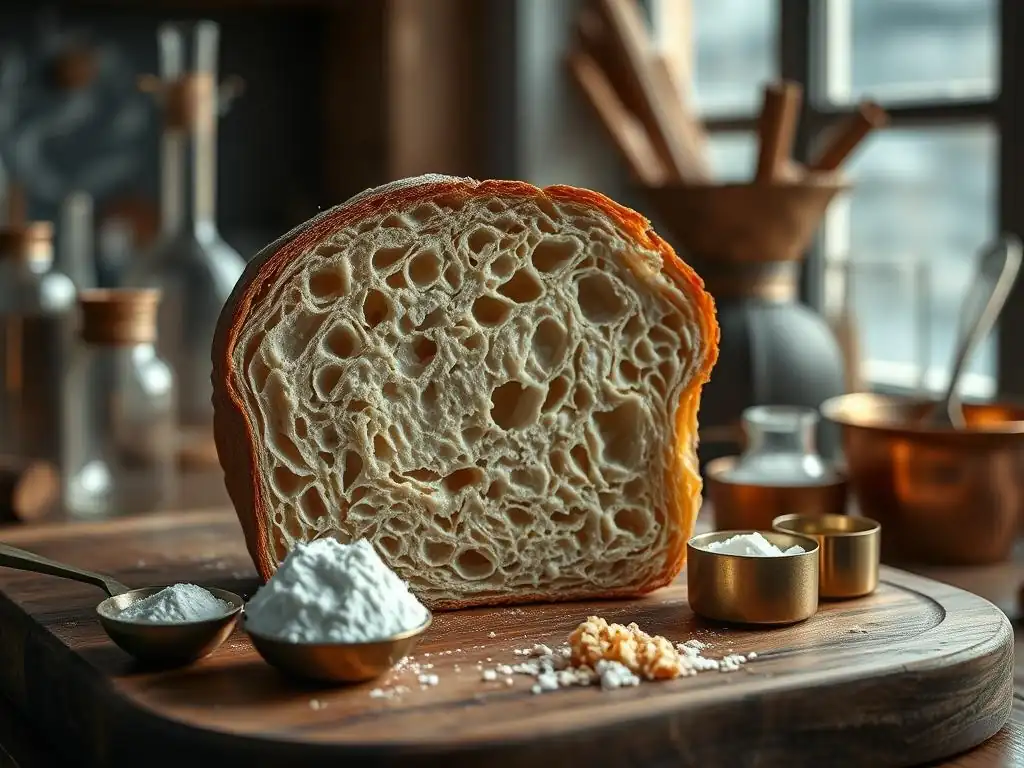
Welcome to BakeWithEase, where we unlock the secrets to baking success! Ever wondered why some recipes work flawlessly while others fall flat? It all boils down to baking chemistry and understanding why precise baking ratios matter. Discover the key to achieving the perfect rise, texture, and flavor in every bake. Ready to transform your baking from good to extraordinary? Let's dive in!
- The Science of Baking: Understanding Chemical Reactions
- Understanding Key Ingredients and Their Roles
- The Impact of Ingredient Ratios on Baking Outcomes
- Troubleshooting Common Baking Issues with Ratio Adjustments
- Tips for Achieving Precise Baking Ratios
- Mastering Baking Chemistry: Embrace Precision
-
Frequently Asked Questions
- Why are precise baking ratios so important?
- What can happen if I don't follow the recipe's ingredient ratios exactly?
- How do baking ratios affect the rise of my baked goods?
- Does humidity affect baking ratios, and if so, how can I adjust?
- Where can I find reliable baking ratios and recipes to ensure consistent results?
- Final Reflection: The Sweet Science of Precision in Baking
- Unlock Your Baking Potential: Master the Science of Perfect Treats!
The Science of Baking: Understanding Chemical Reactions
Baking is often described as both an art and a science, and while the artistic side allows for creativity and flair, the scientific principles, particularly the chemical reactions at play, are non-negotiable for consistent, successful results. Every ingredient in a recipe plays a specific role, reacting with others under heat to create the final product's structure, texture, and flavor. Understanding these reactions, from gluten development to the leavening process, is fundamental to mastering baking.
When you mix flour, water, yeast, and salt, you're initiating a complex series of chemical and biological processes. Yeast consumes sugars and produces carbon dioxide gas, causing the dough to rise. Simultaneously, proteins in the flour interact with water to form gluten, a network that traps this gas, giving bread its characteristic airy structure. In cakes and cookies, leavening agents like baking soda and baking powder react with acids and moisture to produce carbon dioxide, providing lift. These reactions are highly sensitive to the quantity and proportion of each ingredient.
The Importance of Accurate Measurements in Baking
In baking, unlike cooking where a pinch of this or a dash of that might work, precision is paramount. The difference between a light, airy cake and a dense, heavy one can often be traced back to inaccurate measurements. Ingredients interact in specific chemical ratios, and altering these proportions, even slightly, can throw the entire reaction out of balance. For instance, too much flour can absorb excess liquid, making a dough or batter stiff, while too little can result in a weak structure that collapses during baking.
Consider leavening agents: using too much baking soda can lead to a soapy or metallic taste and cause rapid, unstable rising followed by collapse, while too little will result in a flat, dense bake. Similarly, the balance between sugar, fat, and flour dictates whether a cookie spreads thin and crisp or stays thick and chewy. These ingredients don't just add flavor; they are structural components that require accurate measurement to perform their intended function within the recipe's chemical framework.
Why Precise Baking Ratios Matter: Introduction
At its heart, baking is applied chemistry, and the recipe is essentially a formula. Just as a chemist carefully measures reactants to achieve a desired outcome, a baker must precisely measure ingredients because precise baking ratios matter significantly. These ratios determine the fundamental characteristics of the baked good, including its structure, tenderness, moisture content, browning, and rise. Deviating from the correct proportions can lead to a host of issues, from poor texture to complete failure.
The concept that precise baking ratios matter is critical for consistent results. If you bake the same recipe multiple times but measure ingredients inconsistently, you will likely get different results each time. One batch of cookies might spread perfectly, while the next, made with slightly too much flour or too little sugar, might be tough and cakey. Understanding and respecting these ratios is the key to replicating successful bakes and troubleshooting when things go wrong.
Understanding Key Ingredients and Their Roles
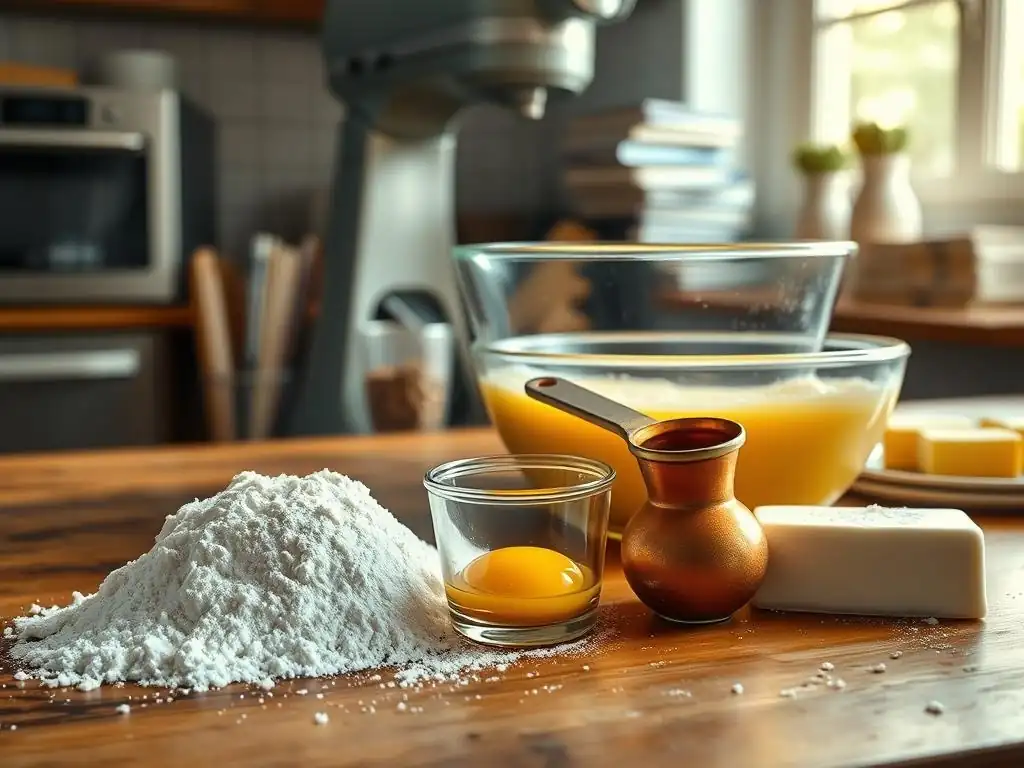
The Role of Flour in Baking
Flour is the backbone of most baked goods, providing structure through its protein content, primarily glutenin and gliadin, which form gluten when hydrated and worked. Different types of flour have varying protein levels, which dictates their best use. For example, bread flour typically contains 12-14% protein, ideal for strong, elastic doughs needed for yeast breads. All-purpose flour, with 10-12% protein, is versatile for cakes, cookies, and pastries. Cake flour, lower in protein at around 8-10%, results in a tender, fine crumb.
The amount of flour used directly impacts the consistency of the batter or dough and its ability to hold shape and structure during baking. Too much flour can make a product dry and tough because excess protein develops too much gluten and absorbs too much moisture. Conversely, too little flour can result in a weak structure that cannot support the rise from leavening agents, leading to a collapsed or excessively soft product. The ratio of flour to liquid and fat is a primary determinant of texture.
Gluten Development and Protein Content
Gluten development is a crucial process initiated when flour is mixed with liquid. The proteins glutenin and gliadin absorb water and, through mixing or kneading, link together to form gluten strands, creating an elastic network. This network provides the necessary structure to trap gases produced by leavening agents, allowing dough and batters to rise. The degree of gluten development needed varies greatly depending on the baked good.
For chewy breads, significant gluten development is desired, achieved through kneading bread flour with its higher protein content. For tender cakes and pastries, minimal gluten development is preferred; low-protein flours like cake flour are used, and mixing is kept to a minimum. The ratio of liquid to flour also affects gluten development; a higher hydration dough (more water relative to flour) allows for easier gluten formation and often results in a more open crumb structure in bread. Understanding protein content and controlling gluten development through ingredient ratios and mixing technique is vital.
The Science of Sugar: Sweetness, Structure, and Moisture
Sugar does more than just add sweetness; it's a multifaceted ingredient that significantly impacts the structure, texture, moisture, and browning of baked goods. Sugar is hygroscopic, meaning it attracts and retains moisture, which helps keep baked goods soft and extends their shelf life. In batters and doughs, sugar interferes with gluten development by competing for water, leading to a more tender crumb. It also raises the temperature at which proteins and starches set, allowing the product to spread more before setting, which is particularly important for cookies.
During baking, sugar undergoes caramelization at high temperatures, contributing to the golden-brown color of crusts and cookies and adding complex flavors. It also participates in the Maillard reaction, a chemical process between amino acids and reducing sugars that creates browning and enhances flavor development, especially in crusts. The type of sugar matters too; granulated sugar provides structure and crispness, while brown sugar adds moisture and chewiness due to the molasses content.
Sugar's Impact on Texture, Browning, and Shelf Life
The ratio of sugar to other ingredients profoundly affects texture. In cookies, a higher sugar-to-flour ratio generally results in a thinner, crispier cookie that spreads more. A lower ratio yields a thicker, cakey cookie. For cakes, sugar contributes to a tender, moist crumb; too little sugar can result in a dry, tough cake with poor volume, while too much can cause the cake to collapse or be excessively sticky and dense.
Sugar's role in browning is critical for achieving appealing color and flavor. The Maillard reaction occurs above 285°F (140°C), while caramelization starts around 320°F (160°C) for sucrose. The presence of sugar lowers the setting temperature of batters and doughs, allowing more time for these browning reactions to occur before the structure is fully set. This is why products high in sugar brown more readily. Furthermore, sugar's ability to hold moisture is key to extending shelf life, keeping cakes and muffins soft and preventing staling.
Fats and Oils: Adding Moisture, Tenderness, and Flavor
Fats, whether solid (like butter or shortening) or liquid (like vegetable oil), are essential for adding moisture, tenderness, and flavor to baked goods. They work by coating flour particles, inhibiting gluten development. This results in a more tender product with a finer crumb structure. Fats also contribute to flakiness in pastries by creating layers between dough. During baking, fat melts, creating pockets that contribute to tenderness and a pleasant mouthfeel.
Beyond texture, fats carry flavor compounds and contribute their own flavor (especially butter). They also help distribute heat evenly throughout the product. The type of fat used significantly impacts the outcome; solid fats like butter or shortening contribute to structure and flakiness, while liquid oils create a more tender, moist crumb in cakes but are generally not used in pastries where layering is desired.
Precise Fat Ratios for Optimal Flavor and Mouthfeel
The ratio of fat to flour and sugar is crucial for achieving the desired texture and mouthfeel. In cookies, a higher fat ratio leads to more spread and a more tender, sometimes crumbly, texture. In cakes, adequate fat is needed for a moist and tender crumb; too little fat can result in a dry, tough cake.
For pastries like pie crust or puff pastry, the ratio of solid fat to flour is critical for creating distinct layers. A common ratio for pie crust might be around 1:2 fat to flour by weight, but the exact ratio and technique (like keeping ingredients cold) are key to achieving flakiness.
Using precise fat ratios ensures that the fat performs its intended function – whether it's tenderizing, creating layers, or adding richness – without making the product greasy or heavy. For instance, exceeding the optimal fat ratio in a cake can cause it to be too dense and greasy, while too little fat in a cookie can result in a hard, dry texture. Precise baking ratios matter significantly when it comes to fats and their impact on the final product's sensory qualities.
Leavening Agents: The Secret to Perfect Rise
Leavening agents are the ingredients responsible for producing the gases that make baked goods rise, creating a light and airy texture. The most common chemical leavening agents are baking soda and baking powder, which produce carbon dioxide gas through chemical reactions. Yeast is a biological leavening agent used primarily in bread, producing carbon dioxide through fermentation.
The effectiveness of chemical leavening agents depends on the presence of moisture, heat, and often an acid. Precise measurement is critical because using too much can cause a rapid, uncontrolled rise followed by collapse, leave a chemical aftertaste, and affect browning. Using too little results in poor volume and a dense product. The type of leavening agent used is determined by the recipe's ingredients, specifically whether it contains acidic components.
Baking Soda vs. Baking Powder: Understanding the Differences
Baking soda (sodium bicarbonate) is a single-acting leavening agent that requires an acid and moisture to produce carbon dioxide gas. Common acidic ingredients in baking include buttermilk, yogurt, sour cream, molasses, brown sugar, honey, fruit juices, vinegar, and natural cocoa powder. The reaction begins immediately when wet ingredients containing an acid are combined with baking soda.
Baking powder is a complete leavening system containing baking soda, one or more acid salts (like cream of tartar or sodium aluminum sulfate), and a starch (to absorb moisture and prevent premature reaction). Most baking powders are double-acting, meaning they produce gas in two stages: once when mixed with liquid, and again when heated in the oven.
Because baking powder contains both the base (baking soda) and the acid, it can be used in recipes that don't contain other acidic ingredients. The choice between baking soda and baking powder, and the precise amount used, depends on the recipe's specific balance of acidic and alkaline ingredients.
The Importance of Precise Leavening Agent Ratios
Getting the leavening ratio right is absolutely critical for successful baking. Too much leavening can cause excessive, unstable rising leading to a coarse crumb and collapse, often with a noticeable chemical or soapy flavor. For example, using 1.5 teaspoons of baking powder per cup of flour (instead of the typical 1 teaspoon) might over-aerate a cake batter, resulting in large, uneven holes and potential collapse.
Conversely, using too little leavening will result in poor volume, a dense texture, and a heavy product. A recipe calling for 1 teaspoon of baking powder that only receives 1/2 teaspoon per cup of flour will simply not rise adequately. The correct ratio ensures that just enough gas is produced to create a light, airy texture without compromising the structure or flavor. This is a prime example of why precise baking ratios matter immensely for achieving the desired rise and texture.
The Impact of Ingredient Ratios on Baking Outcomes
Precise Ratios for Cakes: Achieving the Perfect Crumb
Cake recipes rely heavily on precise ratios of flour, sugar, fat, eggs, and liquid to achieve a tender, moist crumb with good structure. Classic cake formulas, like the pound cake (traditionally equal weights of flour, butter, sugar, and eggs), demonstrate the importance of these proportions. These ratios dictate the balance between structure (flour, eggs) and tenderness/moisture (sugar, fat, liquid).
For example, increasing the sugar ratio relative to flour can make a cake more tender and moist, but too much can weaken the structure, causing it to sink. Increasing the fat ratio adds richness and tenderness, but excessive fat can make the cake heavy and greasy. The ratio of liquid to dry ingredients affects the batter's consistency and the cake's final moisture level. Achieving a fine, even crumb requires balancing these components accurately, reinforcing the idea that precise baking ratios matter for cake perfection.
Bread Baking: Mastering Hydration and Gluten Development
In bread baking, the ratio of water to flour, known as hydration, is one of the most critical factors influencing dough handling, gluten development, and the final bread's texture and crumb structure. Hydration is typically expressed as a percentage of the flour weight. A 60% hydration dough has 60 grams of water for every 100 grams of flour.
Lower hydration doughs (e.g., 55-65%) are stiffer and easier to handle, resulting in denser breads. Higher hydration doughs (e.g., 70-80% or even higher) are stickier and more challenging to work with but often produce breads with a more open, airy crumb structure, like ciabatta or sourdough.
Mastering bread baking involves understanding how different hydration levels impact gluten development and fermentation. Higher hydration allows gluten to form more easily with less kneading, but requires techniques like stretch-and-folds to build strength. The ratio of yeast or starter to flour, and salt to flour, are also critical ratios in bread making, affecting fermentation rate, flavor, and structure. Getting these precise baking ratios matter is fundamental to baking great bread.
Understanding Baker's Percentage for Bread Dough
Baker's percentage is a standard notation used in bread baking to express the ratio of each ingredient relative to the weight of the flour, which is always set at 100%. This system makes it easy to scale recipes up or down and understand the fundamental ratios that define different types of bread. For example, a basic lean dough might be expressed as:
- Flour: 100%
- Water: 65%
- Yeast: 1-2% (or starter at a higher percentage)
- Salt: 2%
This means if you use 500g of flour, you would use 325g of water (500 * 0.65), 5-10g of yeast (500 * 0.01 to 0.02), and 10g of salt (500 * 0.02). Using baker's percentage highlights how precise baking ratios matter and provides a clear framework for consistently reproducing or modifying bread recipes based on these core proportions.
Cookies offer a fantastic illustration of how ingredient ratios directly determine texture, ranging from thin and crisp to thick and chewy or soft and cakey. The primary ratios influencing cookie texture are those between flour, sugar, and fat, as well as the type of leavening used.
- Thin and Crisp: Often have a higher ratio of sugar and fat to flour, sometimes using melted butter, and rely on baking soda to spread.
- Thick and Chewy: Tend to have a slightly lower sugar and fat ratio than crisp cookies, often use a mix of granulated and brown sugar (for moisture), and may use both baking soda and baking powder.
- Soft and Cakey: Have a higher ratio of flour and eggs, lower fat, and typically use baking powder for a cake-like lift and texture.
Adjusting these precise baking ratios allows bakers to intentionally create different cookie styles. For instance, increasing the brown sugar ratio in a classic chocolate chip cookie recipe increases chewiness and moisture compared to using only granulated sugar.
Pastry Perfection: The Importance of Fat-to-Flour Ratio
Achieving flaky or tender pastry relies heavily on the precise ratio of cold fat to flour. In recipes like pie crust or biscuits, solid fat (like butter or shortening) is cut into the flour. When baked, the fat melts, creating steam that pushes apart the layers of dough, resulting in flakiness. The amount of fat relative to flour is critical.
A standard ratio for flaky pie crust is often around 1:2 fat to flour by weight (e.g., 100g fat to 200g flour), plus a small amount of ice water. Too little fat results in a tough, hard crust, while too much can make it greasy and crumbly without developing distinct layers. The size of the fat pieces is also important, but the correct fat-to-flour ratio is the foundational element for achieving the desired flaky texture in pastries.
Troubleshooting Common Baking Issues with Ratio Adjustments
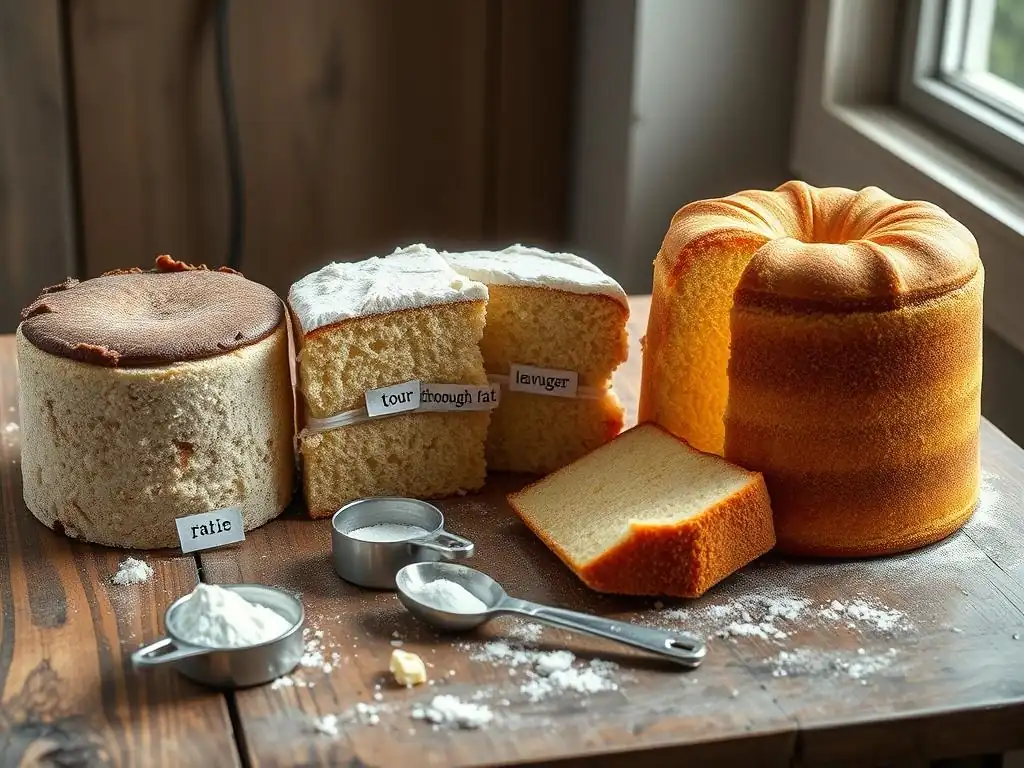
Understanding how ingredient ratios affect outcomes is key to troubleshooting baking failures. Many common problems can be solved by identifying and correcting an imbalance in the recipe's proportions.
Flat Cakes: Identifying the Ratio Imbalance
Flat cakes can result from several issues, but often point to a ratio imbalance involving leavening, fat, sugar, or liquid.
- Too little leavening: Insufficient gas production means the cake won't rise properly.
- Too much fat or sugar: While contributing tenderness, excess can weaken the structure, causing the cake to collapse during or after baking.
- Too much liquid: An overly wet batter can be too heavy for the leavening and structure to support a proper rise.
If a cake consistently bakes flat despite proper leavening, consider if the fat or sugar ratio is too high for the amount of flour and eggs providing structure. Precise baking ratios matter for maintaining structural integrity during the bake.
Dense Breads: Adjusting Hydration and Flour Levels
Dense bread is often a sign of insufficient rise or poor gluten development, both of which can be related to ingredient ratios.
- Too low hydration: A dough that is too stiff (low water-to-flour ratio) can inhibit yeast activity and make gluten development more difficult, resulting in a dense crumb.
- Too much flour: Adding too much flour during mixing or kneading (beyond the recipe's specified ratio) increases the protein content relative to liquid, leading to a tough, dense loaf.
- Incorrect yeast/starter ratio: Too little leavening will result in insufficient gas production for a light loaf.
Adjusting the hydration level, ensuring accurate flour measurement, and using the correct amount of leavening are critical steps in troubleshooting dense bread. Understanding that precise baking ratios matter for yeast activity and gluten structure is key.
Tough cookies are typically the result of over-developing gluten or having too little tenderizing ingredients.
- Too little fat and/or sugar: Fat and sugar inhibit gluten development. If their ratio to flour is too low, more gluten develops, resulting in a tougher texture.
- Too much flour: Adding excess flour beyond the recipe's ratio will also increase the gluten-forming proteins relative to tenderizers.
- Overmixing: While not a ratio issue itself, overmixing develops too much gluten, exacerbating issues from incorrect ratios.
If your cookies are tough, examine the ratios of fat, sugar, and flour in your recipe. Increasing the fat or sugar slightly (while maintaining overall balance) can help tenderize the cookie. This highlights how precise baking ratios matter for controlling gluten development and achieving tenderness.
Tips for Achieving Precise Baking Ratios
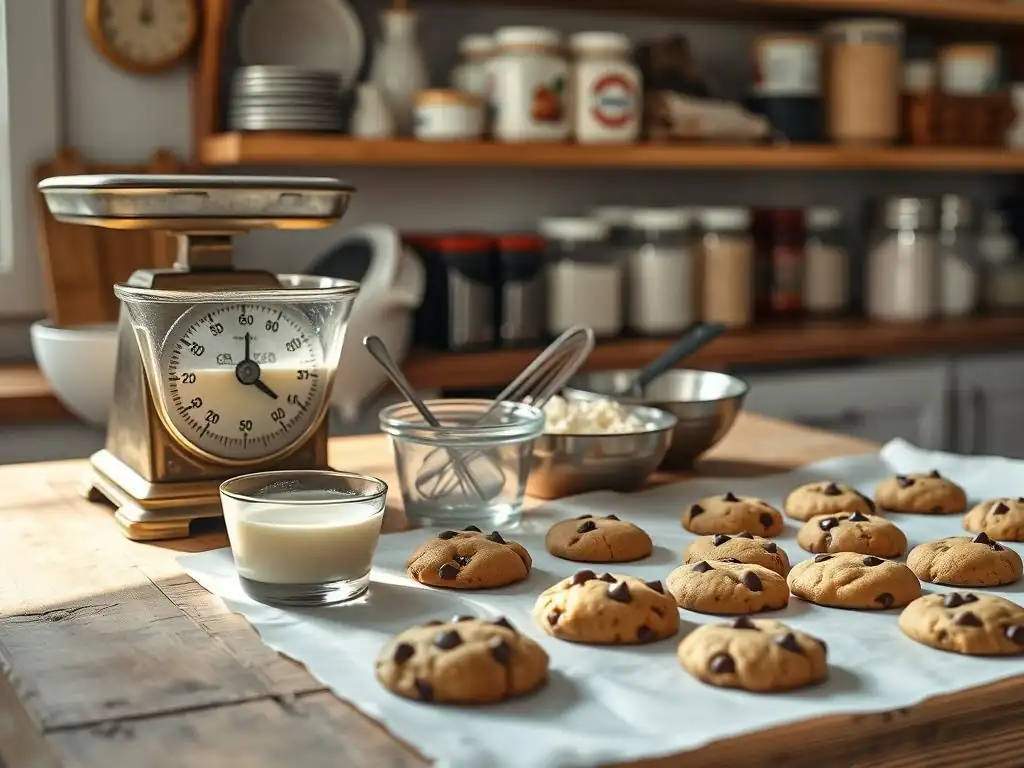
Achieving precise baking ratios consistently requires attention to detail and the right tools. Even small errors in measurement can lead to noticeable differences in the final product.
Investing in Accurate Measuring Tools
Reliable measuring tools are fundamental to accurate baking.
- Digital Kitchen Scale: This is the most accurate way to measure ingredients, especially flour, sugar, and fat, as it measures by weight rather than volume, which can vary significantly.
- Standard Measuring Cups and Spoons: While weight is preferred for accuracy, volumetric measuring cups and spoons are still necessary for liquids and smaller quantities of ingredients like leavening agents and spices. Ensure you use standard, level measures.
Using consistent and accurate tools is the first step in ensuring that the precise baking ratios specified in a recipe are actually achieved in your mixing bowl.
The Difference Between Measuring by Volume and Weight
Measuring by volume (using cups and spoons) can be highly inconsistent, especially for compressible ingredients like flour. A cup of flour can weigh anywhere from 100g to 150g depending on how it's scooped and packed. This variability makes it difficult to replicate precise baking ratios.
Measuring by weight, however, is exact. 100g of flour is always 100g of flour, regardless of how compacted it is. This consistency is why professional bakers and serious home bakers prefer to measure by weight, particularly for dry ingredients. When a recipe provides measurements by weight, it's much easier to achieve the intended precise baking ratios.
Using a Kitchen Scale for Consistent Results
Using a digital kitchen scale is the simplest way to ensure you are hitting the precise baking ratios called for in a recipe. Place your mixing bowl on the scale, tare it to zero, and add ingredients by weight. This eliminates the variability associated with scooping and leveling cups.
For example, if a recipe calls for 300g of flour, you simply weigh out 300g. This is far more accurate than trying to measure 2.5 cups, which could easily be off by 20-30g depending on your technique. Embracing a kitchen scale is perhaps the single most impactful step you can take to improve the consistency and success of your baking by ensuring precise baking ratios.
Understanding Ingredient Density and Conversions
While measuring by weight is ideal, many recipes still use volume measurements. Understanding the approximate density of common baking ingredients can help you convert or estimate weights if needed, though direct weighing is always best. For instance, a cup of all-purpose flour weighs approximately 120-130g, granulated sugar about 200g, and liquid (like water or milk) about 237g (8 fluid ounces).
Knowing these general conversions can be helpful, but relying on a recipe that provides weight measurements is the most reliable way to achieve precise baking ratios. If a recipe only provides volume, consider finding a similar recipe that provides weights or looking up reliable volume-to-weight conversion charts, keeping in mind these are still approximations.
Let's look at a classic chocolate chip cookie and how small ratio changes impact it. A basic recipe might have a ratio of roughly 1 part butter, 1 part sugar (mix of white/brown), 1.5-2 parts flour, and eggs/leavening.
Consider these variations, illustrating how precise baking ratios matter:
- Standard: Balanced ratios for a chewy-on-the-inside, crisp-on-the-edges cookie.
- Increased Flour: Results in a thicker, cakier cookie that spreads less.
- Increased Sugar (especially white): Leads to more spread and a thinner, crispier cookie.
- Increased Brown Sugar vs. White: More brown sugar adds moisture and chewiness compared to a recipe using mostly white sugar.
- Increased Butter (melted): More spread, flatter, sometimes crispier cookie.
By slightly altering the ratios of flour, sugar, and fat, you can intentionally change the texture of the final cookie, demonstrating clearly why precise baking ratios matter in achieving specific outcomes.
Mastering Baking Chemistry: Embrace Precision
Baking is a wonderful craft that rewards both creativity and technical skill. While there's joy in the process and the delicious results, understanding the underlying chemistry and appreciating why precise baking ratios matter is fundamental to consistent success. Each ingredient plays a vital role, and their interactions are governed by the laws of chemistry.
By paying close attention to accurate measurements, preferably using a kitchen scale, and understanding the function of key ingredients and how their proportions influence texture, rise, and flavor, you gain greater control over your baking. This knowledge empowers you to not only follow recipes more successfully but also to troubleshoot issues and even intelligently adapt recipes.
The Art and Science of Baking: Conclusion
Ultimately, mastering baking involves appreciating the interplay between the artistic choices you make (flavor combinations, presentation) and the scientific principles that ensure your creations are structurally sound and texturally appealing. Precise baking ratios matter not because baking is rigid and unforgiving, but because these ratios are the blueprint for the chemical reactions that transform simple ingredients into delightful treats.
Embracing precision in your measurements is a key step in elevating your baking skills. It allows you to move beyond simply following instructions to truly understanding why recipes work, leading to more consistent results and the confidence to tackle more complex bakes. So, grab your scale, measure carefully, and enjoy the rewarding process of chemical transformation in your kitchen!
Further Exploration: Advanced Baking Techniques
Once you've mastered the fundamentals of precise measurement and ingredient ratios, you can delve into more advanced baking techniques that build upon this foundation.
- Laminating Dough: Techniques like making puff pastry or croissants rely on precise fat-to-dough ratios and specific folding methods to create hundreds of thin layers.
- Sourdough Baking: Understanding hydration ratios, starter activity (influenced by feeding ratios), and fermentation times is crucial for successful sourdough.
- Emulsification: Techniques for creating stable emulsions, like in génoise or some buttercreams, involve carefully combining fats and liquids, often guided by specific ratios.
- Sugar Cookery: Working with sugar syrups for candies or meringues requires precise temperature control based on sugar-to-liquid ratios.
Exploring these areas further demonstrates how the principle that precise baking ratios matter continues to be a cornerstone of more complex and rewarding baking endeavors.
Frequently Asked Questions
Why are precise baking ratios so important?
Precise ratios are crucial because baking relies on chemical reactions. Deviating from the recipe can disrupt these reactions, leading to undesirable outcomes like flat cakes or tough cookies.
What can happen if I don't follow the recipe's ingredient ratios exactly?
Ignoring ratios can lead to various issues. For example, too much flour can result in a dry, dense product, while too little can cause a soggy, underbaked result. The delicate balance is key.
How do baking ratios affect the rise of my baked goods?
Leavening agents like baking powder and yeast require specific ratios of other ingredients (like flour and liquids) to function correctly. If these ratios are off, the leavening process will be inhibited, resulting in a poor rise.
Does humidity affect baking ratios, and if so, how can I adjust?
Yes, humidity can affect baking. In humid environments, you might need to slightly reduce the liquid in your recipe. Experimentation is key to finding the right balance.
Where can I find reliable baking ratios and recipes to ensure consistent results?
Resources like BakeWithEase.com provide tested and reliable recipes with precise ratios. Following these ensures consistent and predictable results in your baking endeavors.
Final Reflection: The Sweet Science of Precision in Baking
The pursuit of the perfect loaf, cookie, or cake hinges on understanding that precise baking ratios matter more than many home bakers realize. It's not just about following a recipe; it's about grasping the fundamental chemical reactions that transform simple ingredients into culinary masterpieces. Ignoring these ratios isn't just about a slightly less fluffy cake; it's about fundamentally altering the very structure and texture of your baked goods.
The impact of understanding baking chemistry extends far beyond the kitchen. It fosters a deeper appreciation for the intricate interplay of science and art, reminding us that even seemingly simple processes are governed by precise rules. The best bakers are the ones who understand the science behind the art.
This quote, while simple, encapsulates the core message of this article. It's a reminder that mastering baking isn't just about memorizing recipes, but about understanding the why behind each ingredient and measurement, allowing for greater creativity and adaptability in the kitchen.
Now, consider your own baking experiences. Have you ever wondered why one batch turned out perfectly while another fell flat? The answer likely lies in the subtle variations in your measurements. I encourage you to embrace the precision detailed in this article. Don't just bake; understand what you're baking. By paying close attention to ratios and the underlying chemical processes, you'll unlock a new level of confidence and creativity in the kitchen, transforming your baking from a hobby into a truly rewarding and delicious journey of discovery.
Unlock Your Baking Potential: Master the Science of Perfect Treats!
Thanks for diving into the world of baking chemistry with us! You've now got the secrets to unlocking perfectly risen loaves and flawlessly textured cakes. Ready to put your newfound knowledge to the test?
- Bake your masterpiece: Try out a new recipe today, paying close attention to the precise ingredient ratios we discussed. Don't be afraid to experiment slightly, noting the changes in your results!
- Share your baking journey: Snap a picture of your creation and share it with us on social media – we'd love to see what you bake! Use #BakeWithEase to join the community.
- Challenge your baking skills: Try adapting a favorite recipe using the principles of precise measurements. How does it change the outcome?
What unexpected baking breakthrough will you discover by mastering the science behind your recipes?