
The Impact of Sugar on Leavening: Balancing Sweetness and Rise

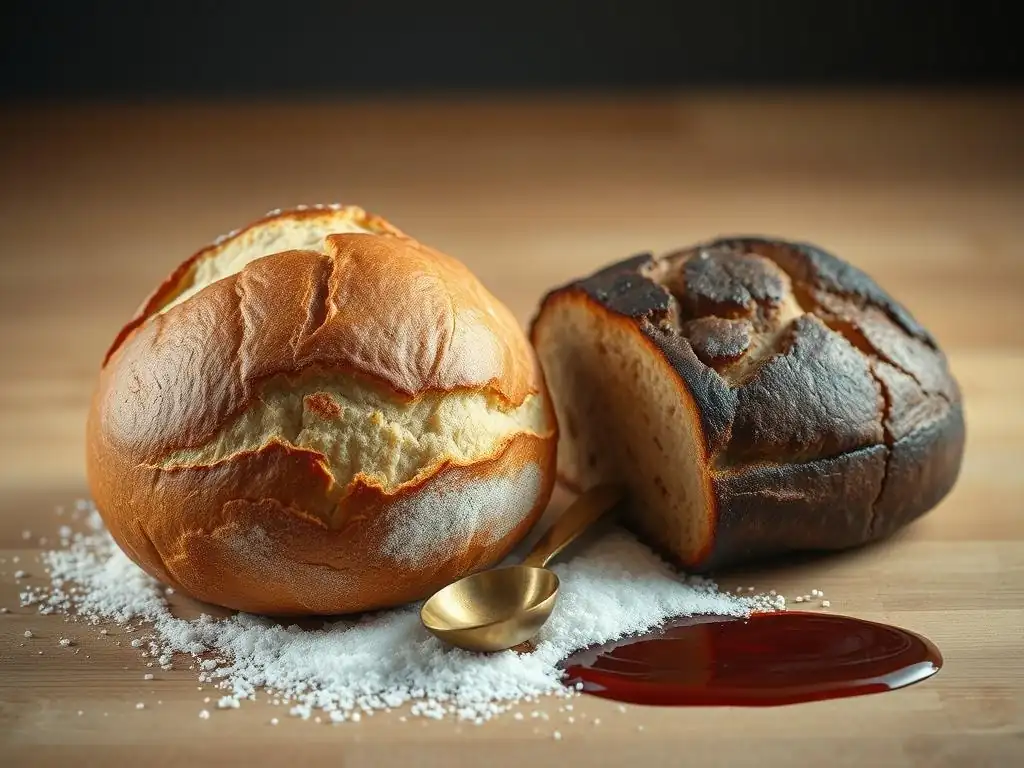
Welcome to BakeWithEase, your kitchen companion for unlocking the secrets of baking! Ever wondered how something as simple as sugar affects bread rise? It's more than just sweetness! Dive into our Baking Tips & Hacks and discover the delicate balance between flavor and leavening. Prepare to transform your dough and elevate your baking game. Let's get started!
- Understanding Sugar's Role in Baking and Leavening
- Sugar Affects Bread Rise: The Science Explained
- Achieving Optimal Rise: Managing Sugar Levels in Bread Recipes
- Troubleshooting Leavening Problems Related to Sugar Content
- Beyond Bread: Sugar's Impact on Other Leavened Products
- Practical Tips for Baking with Sugar and Leavening Agents
- Recipes That Showcase Sugar's Leavening Balance
- Mastering the Art of Baking with Sugar and Leavening
- Frequently Asked Questions
- Final Reflection: The Sweet Science of a Perfect Rise
- Unlock Your Baking Potential: Mastering Sweet & Fluffy Treats!
Understanding Sugar's Role in Baking and Leavening
Sugar's Functions Beyond Sweetness in Baked Goods
Sugar is a cornerstone ingredient in baking, and its role extends far beyond simply providing sweetness. It significantly impacts the texture, color, moisture, and structure of baked goods. For instance, sugar contributes to the desirable golden-brown crust through processes like the Maillard reaction (reaction between amino acids and reducing sugars at high temperatures) and caramelization (browning of sugars themselves at even higher temperatures). Without sufficient sugar, baked goods would often lack this appealing color and depth of flavor.
Furthermore, sugar acts as a tenderizer by interfering with gluten development in flour-based recipes. It competes with flour for water, reducing the hydration of gluten proteins and resulting in a softer crumb. In cakes and cookies, sugar also helps stabilize protein foams, like whipped egg whites or creamed butter and sugar mixtures, which are crucial for incorporating air and contributing to leavening and structure. Its hygroscopic nature means it attracts and retains moisture, which helps keep baked goods fresh and moist for longer periods.
How Sugar Interacts with Yeast
In yeast-leavened products like bread, sugar plays a vital, albeit complex, role as food for the yeast organisms. Yeast consumes simple sugars (like glucose and fructose) through fermentation, producing carbon dioxide gas and alcohol as byproducts. This carbon dioxide gas is what gets trapped in the gluten network of the dough, causing it to rise. Enzymes present in flour and yeast, such as amylase and invertase, break down more complex sugars like sucrose (table sugar) and starches into these simple, fermentable sugars that the yeast can readily consume.
A small amount of sugar is beneficial for yeast activity, giving it a readily available food source to kickstart fermentation, especially in lean doughs (low fat, low sugar). However, the relationship is not linear. While yeast needs sugar to produce the gas that causes dough to rise, too much sugar can actually hinder this process. Understanding this balance is key to successful yeast-leavened baking, particularly when considering how sugar affects bread rise.
Sugar Affects Bread Rise: The Science Explained
The Inhibitory Effect of Sugar on Yeast Activity
While yeast feeds on sugar, high concentrations of sugar in dough can significantly slow down or even inhibit yeast activity. This is a crucial point when discussing how sugar affects bread rise. When the concentration of sugar outside the yeast cell is much higher than inside, water is drawn out of the yeast cell through a process called osmosis. This dehydration effect stresses the yeast, making it sluggish and less efficient at producing carbon dioxide.
Imagine yeast cells floating in a very sugary syrup; the sugar pulls the water out of them. This osmotic stress can severely impede fermentation, leading to a slower rise or, in extreme cases with very high sugar levels (say, above 15-20% of the flour weight, though this varies by yeast strain), a complete failure to rise adequately. This is why rich, sweet doughs often require more yeast or longer proofing times compared to lean, rustic bread doughs.
Osmotic Pressure: How Sugar Concentration Impacts Yeast
Osmotic pressure is the pressure that would have to be applied to a pure solvent to prevent it from passing into a given solution by osmosis, often used to express the concentration of the solution. In baking, we are concerned with the osmotic pressure exerted by dissolved sugars in the dough's water phase on the yeast cell membrane. Water naturally moves from an area of lower solute concentration (inside the yeast cell) to an area of higher solute concentration (the sugary dough environment) to try and equalize the concentrations.
When sugar concentration is high, this osmotic draw of water out of the yeast cell is strong. This osmotic pressure difference across the cell membrane disrupts the yeast's internal cellular processes, reducing its metabolic rate and thus its ability to ferment sugars and produce CO2. Certain specialized yeast strains, known as osmotolerant yeast, have adapted mechanisms to cope with these high-sugar environments and are often recommended for sweet doughs where the high sugar concentration significantly affects bread rise if regular yeast is used.
Different Types of Sugar and Their Effects on Leavening (Granulated, Brown, Honey, Molasses)
The type of sugar used can also influence yeast activity, primarily based on its composition and moisture content. Granulated sugar, which is nearly pure sucrose, needs to be broken down into glucose and fructose by yeast enzymes before it can be readily consumed. Brown sugar, a mix of sucrose and molasses, behaves similarly to granulated sugar but adds moisture and flavor, which can slightly affect dough consistency and fermentation rate.
Honey and molasses, on the other hand, contain a higher proportion of simple sugars (glucose and fructose) that yeast can consume directly, potentially leading to a faster initial fermentation. However, they also contain minerals and other compounds that can sometimes affect yeast activity or dough pH. Molasses, being highly concentrated, can exert significant osmotic pressure. While these alternative sugars contribute unique flavors and colors, bakers must be mindful that the specific sugar type, its concentration, and its impact on hydration all play a part in how sugar affects bread rise.
Achieving Optimal Rise: Managing Sugar Levels in Bread Recipes
Strategies for Balancing Sweetness and Leavening Power
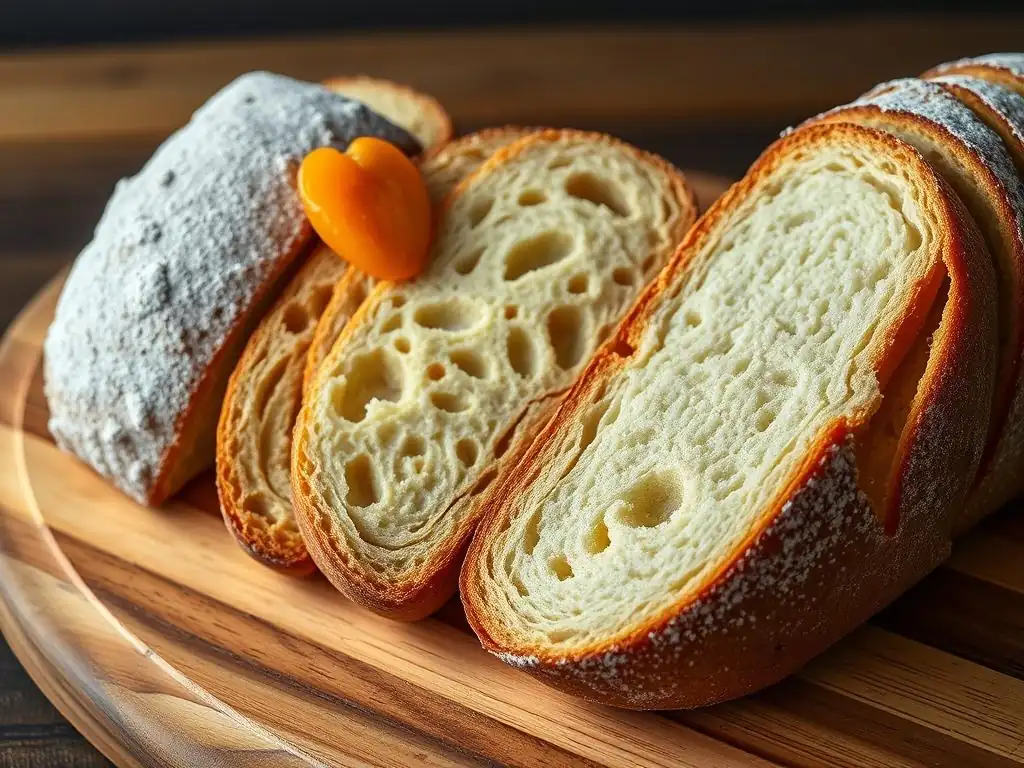
Successfully baking sweet, leavened goods requires a careful balance between achieving the desired sweetness and ensuring adequate leavening. One primary strategy is selecting the appropriate type and amount of yeast for the sugar level in the recipe. For doughs with high sugar percentages (generally above 5-10% relative to flour weight), using osmotolerant yeast is highly recommended. This specialized yeast is more resistant to the dehydrating effects of high sugar concentrations and performs better in these conditions.
Another strategy involves adjusting the quantity of yeast. A recipe with a higher sugar content might require a slightly increased amount of standard active dry or instant yeast compared to a lean dough recipe to compensate for the inhibitory effect. Additionally, managing the fermentation environment is crucial. Providing a consistently warm (around 75-80°F or 24-27°C) and humid environment during proofing can help yeast overcome some of the stress induced by sugar, allowing for a better rise.
Adjusting Recipe Formulas to Account for Sugar's Influence
When modifying a recipe or developing a new one, understanding how sugar affects bread rise is paramount. For sweet doughs, bakers often calculate sugar as a percentage of the total flour weight (baker's percentage). As this percentage increases, adjustments are typically needed. For example, a standard lean bread might have 0-2% sugar, while a brioche could have 10-20% or even more.
If increasing sugar in a recipe, consider increasing the yeast percentage slightly or switching to osmotolerant yeast, especially if the sugar content goes above 5-8%. Also, be prepared for a potentially slower initial rise; patience during proofing is key. Alternatively, if reducing sugar in a sweet recipe, you might find the dough rises faster and requires less yeast, though the final product will have less browning and a different texture. It's a constant calibration to ensure the desired sweetness doesn't compromise the lift.
Identifying Common Issues: Dense Bread, Slow Rise, and Flat Loaves
When baking sweet doughs, several issues can arise if the sugar-leavening balance is off. A common problem is a very slow or stalled rise during the bulk fermentation or proofing stages. The dough may not double in size within the expected time frame, or it might barely increase in volume at all. This is often a direct result of high sugar levels inhibiting yeast activity.
Another tell-tale sign of sugar-related leavening failure is a dense, heavy crumb in the final baked product. The bread will lack the airy structure characteristic of well-leavened dough. Flat loaves, or loaves that collapse in the oven, can also indicate insufficient gas production during fermentation, which, in a sweet dough, points strongly to sugar inhibition as a potential cause. Recognizing these symptoms helps pinpoint the issue.
If you encounter a poor rise in a sweet dough, consider the sugar content relative to the flour. Was it a very rich dough with a high percentage of sugar? Check the type of yeast used. Was it standard active dry or instant yeast, or osmotolerant yeast? Standard yeast struggles significantly more than osmotolerant yeast in high-sugar environments.
Also, consider the proofing conditions. Was the dough left in a cool environment? Cold temperatures further slow down yeast activity, exacerbating the inhibitory effect of sugar. Review the recipe instructions; sometimes, sweet doughs require significantly longer proofing times than lean doughs. Comparing your process and ingredients to best practices for sweet doughs will help diagnose why sugar affects bread rise negatively in your specific bake.
Corrective Measures: Reducing Sugar, Increasing Yeast, or Adjusting Proofing Time
If you suspect high sugar content is hindering your dough's rise, there are several corrective measures you can take in future attempts. If possible without sacrificing too much sweetness or texture, slightly reducing the sugar percentage in the recipe can help. Even a reduction of a few percentage points can make a difference for the yeast.
Alternatively, you can increase the amount of yeast used. For instance, if a lean dough recipe uses 1% instant yeast, a sweet dough recipe with 15% sugar might benefit from 1.5% or even 2% standard instant yeast, or switching to the equivalent amount of osmotolerant yeast. Lastly, adjusting the proofing time and temperature is crucial. Allow significantly more time for sweet doughs to rise, and ensure they are proofing in a consistently warm, draft-free spot to give the yeast the best chance to work against the osmotic pressure.
Beyond Bread: Sugar's Impact on Other Leavened Products
Cakes: Sugar's Role in Texture and Rise
In cakes, sugar's interaction with leavening agents (often baking powder and baking soda) is different from its interaction with yeast, but equally significant. While sugar doesn't directly feed chemical leaveners, it contributes to the cake's rise and structure in several ways. When creaming butter and sugar, sharp sugar crystals cut into the fat, creating tiny air pockets. These air pockets expand during baking, contributing to the cake's overall lift and fine crumb structure.
Sugar also tenderizes the cake by interfering with gluten development, as mentioned earlier. This tenderness is crucial for a soft, moist cake crumb. Furthermore, sugar raises the temperature at which proteins and starches set, allowing the leavening gases more time to expand before the structure solidifies. This contributes to a higher rise and a more tender texture. The amount of sugar in a cake recipe heavily dictates its texture, moisture, and final volume.
Scones: Leavening and Sweetness Considerations
Scones often use baking powder as their primary leavening agent, sometimes supplemented with baking soda if an acidic ingredient (like buttermilk) is present. Sugar in scone recipes primarily contributes to sweetness, browning, and tenderness. While it doesn't directly interact with the chemical leaveners in the way it does with yeast, the amount of sugar still affects the final rise and spread.
Too much sugar in a scone can cause it to spread excessively during baking because sugar melts and makes the dough more fluid. This can result in flatter scones with less vertical rise. The balance of sugar, fat (butter), and flour is key to achieving the desired flaky texture and height in scones. The sugar also promotes a crispier exterior crust through browning.
Quick Breads: Sugar's Interaction with Baking Powder and Baking Soda
Quick breads, like muffins, loaves, and pancakes, rely entirely on chemical leavening (baking powder and/or baking soda) for their rise. Sugar in quick breads contributes to sweetness, moisture, tenderness, and browning. Its impact on leavening is indirect but important.
Similar to cakes, sugar interferes with gluten development, resulting in a tender crumb. It also helps retain moisture, preventing the quick bread from drying out too quickly. The amount of sugar can affect how quickly the proteins in the batter set during baking; higher sugar content means a later setting time, allowing more time for the CO2 gas produced by the leaveners to expand, potentially leading to a slightly higher rise, provided the structure can support it. However, excessive sugar can also lead to a gummy texture or sunken center if the structure doesn't set properly.
Practical Tips for Baking with Sugar and Leavening Agents
Choosing the Right Sugar for Your Recipe
Selecting the appropriate type of sugar is more than just a matter of sweetness; it impacts texture, moisture, and leavening. For yeast-leavened bread where sugar affects bread rise significantly, granulated sugar is common. For sweeter doughs, consider using osmotolerant yeast alongside granulated sugar or exploring recipes specifically designed for sugars like honey or molasses, understanding they will add moisture and flavor.
In cakes and cookies, fine granulated sugar (caster sugar) creams better with butter for aeration. Brown sugar adds moisture and chewiness due to its molasses content. Powdered sugar is used for icings and dusting. Always check the recipe's recommendation, as substituting sugar types without adjustment can alter the final product's texture and rise.
Measuring Sugar Accurately for Consistent Results
Accurate measurement of all ingredients, especially sugar, is critical for consistent baking outcomes. In lean bread doughs, minor variations in sugar might not drastically affect the rise. However, in sweet doughs where sugar affects bread rise significantly due to osmotic pressure, even small measurement errors can impact yeast activity.
For dry sugars like granulated or brown sugar, using a kitchen scale for weight measurement is the most accurate method. Volume measurements (cups) can vary depending on how tightly the sugar is packed. For liquid sugars like honey or molasses, volume measurement is usually sufficient, but ensure you measure accurately. Consistency in measurement helps ensure that the sugar level is precisely what the recipe intended, giving the leavening agents the best chance to perform correctly.
Properly Proofing Dough with Varying Sugar Levels
Proofing is the final rise of shaped dough before baking, and it's a critical stage, especially for sweet doughs where sugar affects bread rise. Doughs with higher sugar content will generally rise slower than lean doughs due to the inhibitory effect on yeast. Be patient and allow sufficient time for the dough to double or nearly double in size, which could take significantly longer (e.g., 2-3 hours or more at room temperature) than a lean dough.
A warm, humid environment helps yeast activity. Proofing in a slightly warm oven (turned off, with the light on) or a dedicated proofing box can be beneficial. Covering the dough prevents a skin from forming, which would restrict its ability to rise. Pay attention to visual cues (dough size) rather than just the clock, as actual proofing time can vary based on temperature, humidity, and the exact sugar and yeast levels.
Recipes That Showcase Sugar's Leavening Balance
Brioche: A Rich, Sweet Dough with Adjusted Leavening
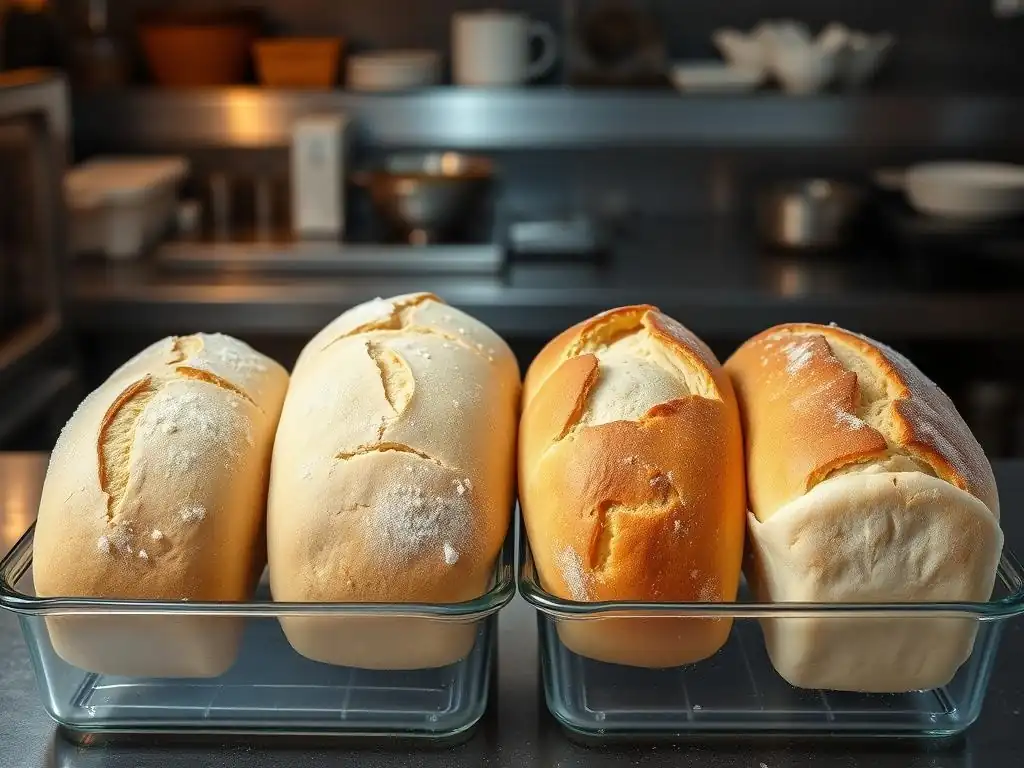
Brioche is a classic example of a sweet, enriched dough where the high sugar and fat content significantly impacts leavening. Traditional brioche recipes often contain 10-20% sugar and a substantial amount of butter (sometimes up to 50-60% of the flour weight) and eggs. This rich composition makes it challenging for standard yeast.
To achieve the characteristic light and airy texture of brioche, bakers often use a higher percentage of yeast, utilize osmotolerant yeast, or employ slow, cold fermentation methods (like overnight proofing in the refrigerator). The cold temperature slows fermentation but allows desirable flavors to develop while the yeast gradually works against the osmotic pressure exerted by the sugar. This careful management of yeast, sugar, and fermentation time is crucial for a successful brioche.
Cinnamon Rolls: Balancing Sugar and Yeast for a Perfect Rise
Cinnamon rolls are another popular sweet treat where understanding how sugar affects bread rise is key. The dough itself is typically moderately sweet (perhaps 5-10% sugar), but the filling often contains a large amount of sugar, which can leach into the dough during proofing and baking, particularly if the rolls are packed tightly.
Bakers compensate for the sugar in the dough and potential sugar migration from the filling by ensuring adequate yeast is used and allowing sufficient proofing time. The warmth and humidity often present during cinnamon roll proofing (sometimes placed in a warm spot) also help the yeast perform. Achieving tall, fluffy cinnamon rolls requires a delicate balance: enough yeast to lift the moderately sweet dough, proper sealing of the filling to minimize sugar leakage, and careful proofing to develop structure before the sugar melts and potentially causes collapse.
Lower-Sugar Bread: Whole Wheat Bread with Honey
While much of the discussion focuses on high-sugar doughs, considering lower-sugar options like whole wheat bread with honey provides another perspective. In a lean whole wheat bread recipe (say, 2-4% sugar from honey), the primary challenge is often the whole wheat flour itself, which can impede gluten development. The small amount of honey serves primarily as a readily available food source for the yeast, helping to boost initial fermentation.
Because the sugar concentration is relatively low, osmotic pressure is not a significant concern. The honey contributes unique flavor and helps with browning, but the leavening is less affected by sugar inhibition compared to very sweet doughs. This highlights that while sugar affects bread rise, the degree of impact is directly related to its concentration in the dough relative to the water and yeast.
Mastering the Art of Baking with Sugar and Leavening
Key Takeaways: Optimizing Sweetness and Rise in Your Baked Goods
Understanding the dual nature of sugar in baking is fundamental. It provides essential sweetness, moisture, color, and tenderness, but when working with yeast, high concentrations can significantly inhibit leavening by creating osmotic stress. This dynamic is central to how sugar affects bread rise. For successful sweet, yeast-leavened goods, choose the right yeast (osmotolerant for high sugar), adjust yeast quantity, and control proofing conditions (warmth, humidity, time).
In chemically leavened products like cakes and quick breads, sugar aids rise through aeration (creaming) and by delaying protein setting, allowing leavening gases more time to expand. However, excessive sugar can lead to structural issues. Accurate measurement and careful recipe balance are crucial across all types of leavened baked goods to achieve both desired sweetness and optimal lift.
Further Exploration: Advanced Techniques and Sugar Substitutes
For those looking to delve deeper, exploring advanced techniques like preferments (poolish, biga, levain) in sweet doughs can improve flavor and structure, as these pre-fermented mixtures often contain yeast that has already begun processing sugars. Investigating the specific osmotolerance levels of different commercial yeast strains can also be beneficial for serious bread bakers.
Additionally, experimenting with sugar substitutes presents a new set of challenges and opportunities. Non-nutritive sweeteners do not provide food for yeast and lack the structural and browning properties of sugar. Baking with these requires significant recipe adjustments, often incorporating other ingredients to compensate for sugar's missing functions beyond sweetness. Understanding the foundational principles of how sugar affects bread rise provides a solid base for exploring these more complex baking scenarios.
Frequently Asked Questions
What is the primary impact of sugar on bread dough's rise?
Sugar provides food for the yeast, accelerating its activity and leading to a faster, more vigorous rise. However, too much sugar can inhibit yeast activity, slowing down or even preventing the dough from rising properly.
How does sugar affect the texture of bread?
Beyond its impact on leavening, sugar contributes to a softer and more tender crumb in bread. It also helps to retain moisture, preventing the bread from drying out too quickly.
What type of sugar is best for bread making?
Generally, granulated sugar is a good choice for bread making due to its consistent texture and solubility. However, other sugars like honey or molasses can add unique flavors and moisture, but may require recipe adjustments.
Can I use sugar substitutes in bread recipes designed for sugar?
Using sugar substitutes can be tricky, as they may not provide the same food source for yeast or contribute to the same texture. Experimentation is often required, and the rise and final product may differ significantly.
How much sugar is too much when it comes to bread making?
The appropriate amount of sugar depends on the recipe, but a general rule is that excessive sugar (over 10% of the flour weight) can hinder yeast activity. It's crucial to follow the recipe to achieve the desired balance between sweetness and rise.
Final Reflection: The Sweet Science of a Perfect Rise
The delicate dance between sugar and leavening agents remains a crucial element in baking, impacting not only the sweetness of the final product but also its very structure. Understanding this interaction is not merely a matter of achieving the perfect loaf; it's about mastering a fundamental principle of baking that continues to shape culinary traditions worldwide. The subtle shifts in texture and volume, directly influenced by sugar's role in yeast activity and gluten development, highlight the intricate chemistry at play in even the simplest recipes.
The exploration of sugar's influence on bread rise has been a journey into the heart of baking itself. It's a reminder that seemingly simple ingredients hold complex interactions, demanding careful attention and understanding. The baker's skill lies not only in following recipes, but in understanding the why behind each ingredient and technique.
This quote perfectly encapsulates the importance of moving beyond rote memorization to a deeper appreciation of the scientific principles underpinning the art of baking. The impact of this knowledge extends beyond the kitchen, reminding us that even seemingly mundane processes can reveal fascinating complexities.
Now, consider your own baking experiences. Have you noticed the subtle differences in texture and rise when altering sugar quantities? I encourage you to experiment, to consciously adjust sugar levels in your next bread recipe, and observe the results. By actively engaging with this knowledge, you'll not only improve your baking skills but also deepen your appreciation for the intricate relationship between science and culinary artistry. The perfect loaf awaits – a testament to your understanding of the sweet science of a perfect rise.
Unlock Your Baking Potential: Mastering Sweet & Fluffy Treats!
Thanks for exploring the world of sugar and leavening! You now have the knowledge to create truly exceptional baked goods. Are you ready to put your newfound skills into practice?
- Experiment with different sugar types: Try substituting some of the granulated sugar with brown sugar, honey, or maple syrup in your next recipe to see how it impacts both flavor and rise. Note the differences!
- Share your baking successes (and challenges!): Join our baking community on social media and share your creations—we'd love to see them!
- Explore more baking tips: Check out other articles on our website for additional techniques to perfect your baking skills.
What surprising flavor combinations will you create now that you understand sugar's role in leavening?