
Transform Any Recipe: Simple Steps for Veganizing Your Favorites

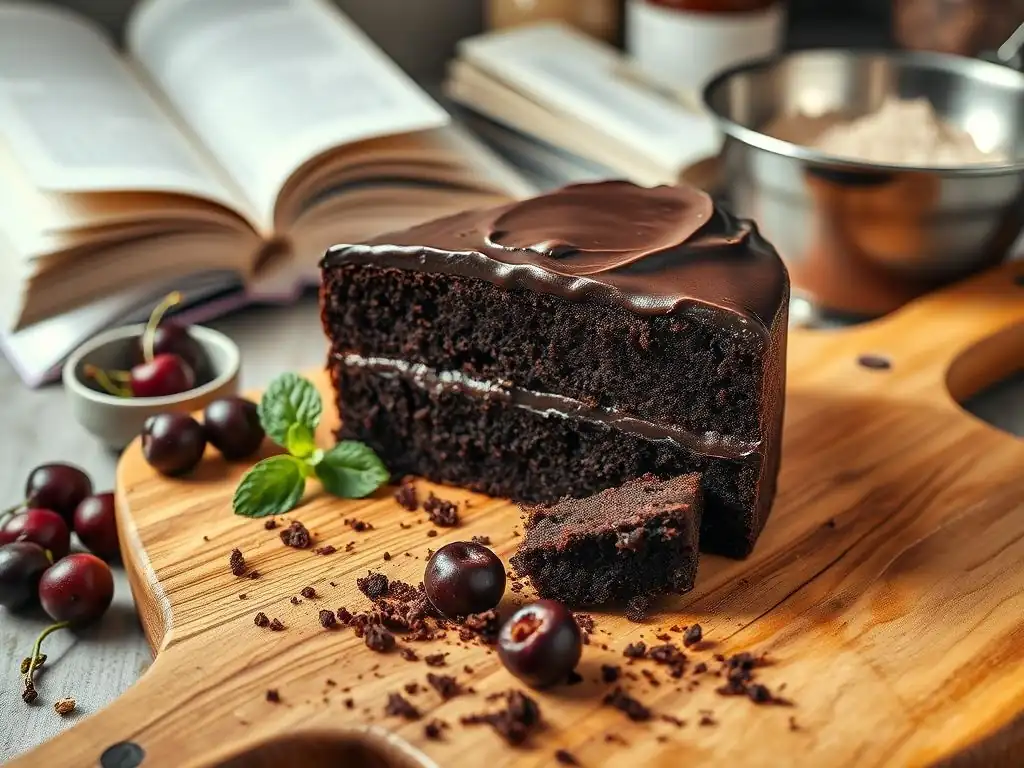
Welcome to BakeWithEase, your haven for effortless baking! Ever dream of indulging in your favorite treats guilt-free? Dive into the delicious world of plant-based baking and discover how to transform any recipe, starting with a decadent chocolate cake. Curious how simple it is to veganize your favorite chocolate cake? Let's unlock the secrets together and prove that vegan baking can be both easy and incredibly rewarding.
- Introduction: Vegan Baking Made Easy with BakeWithEase
- Understanding the Basics of Vegan Baking Substitutions
- Veganizing Your Favorite Chocolate Chip Cookies: A Step-by-Step Guide
- Advanced Vegan Baking Techniques for Chocolate Chip Cookies
- Troubleshooting Common Issues When Veganizing Recipes
- Vegan Chocolate Chip Cookie Recipe Inspiration: [Link to Related Vegan Cookie Recipe on BakeWithEase]
- Beyond Chocolate Chip Cookies: Applying Veganization Techniques to Other Recipes
- Conclusion: Mastering the Art of Vegan Baking with BakeWithEase
-
Frequently Asked Questions
- How can I replace eggs in a chocolate cake recipe to make it vegan?
- What are some good vegan substitutes for butter in a chocolate cake?
- How do I replace dairy milk in my favorite chocolate cake recipe?
- What's the best way to ensure my vegan chocolate cake is still moist and delicious?
- Can I still use chocolate chips in my vegan chocolate cake, or do I need a special kind?
- Final Reflection: Embracing Change Through Veganization
- Unleash Your Inner Vegan Chef!
Introduction: Vegan Baking Made Easy with BakeWithEase
Welcome to the delightful world of vegan baking! If you've ever wanted to enjoy your favorite treats without animal products, you're in the right place. Vegan baking is a rewarding journey that opens up a whole new realm of possibilities in your kitchen. It's about understanding the science behind ingredients and finding clever plant-based alternatives that perform just as well, if not better, than their traditional counterparts. At BakeWithEase, we believe that switching to vegan ingredients shouldn't mean sacrificing flavor or texture.
This guide will walk you through the fundamental principles of transforming your beloved non-vegan recipes into delicious vegan versions. We'll use chocolate chip cookies as our primary example, breaking down the process step-by-step. However, the techniques and substitutions you learn here are versatile and can be applied to a wide range of baked goods, from cakes and muffins to brownies and, yes, even helping you learn how to veganize favorite chocolate cake recipes. Get ready to experiment, learn, and bake some incredible plant-based treats!
Understanding the Basics of Vegan Baking Substitutions
Embarking on your vegan baking adventure requires a foundational understanding of why certain ingredients are used in traditional recipes and how plant-based substitutes can fulfill those roles. It's not just about swapping one item for another; it's about understanding function – what does an egg do in a recipe? What role does butter play? Once you grasp these concepts, veganizing becomes intuitive and fun.
Vegan baking substitutions are essential because traditional recipes rely heavily on animal products like eggs, dairy milk, and butter for structure, moisture, leavening, and richness. Successfully replacing these requires knowing which plant-based options mimic their functions most effectively. This knowledge is key whether you're tackling a simple cookie recipe or aiming to veganize favorite chocolate cake from scratch.
Why Veganize Your Favorite Recipes? [Health and Ethical Considerations]
Many bakers choose to veganize their favorite recipes for a variety of compelling reasons. Health considerations are a significant driver; plant-based diets are often associated with lower intake of saturated fat and cholesterol, and increasing consumption of fiber and certain vitamins and minerals. Swapping dairy butter for a vegan alternative or using egg substitutes can align your baking with a healthier lifestyle without giving up the joy of treats.
Beyond health, ethical considerations play a central role. Veganism is rooted in the desire to avoid animal exploitation. By choosing plant-based ingredients, bakers reduce their impact on animal welfare and the environment. The production of dairy and eggs has significant environmental footprints, including land use, water consumption, and greenhouse gas emissions. Opting for vegan baking is a tangible way to contribute to a more sustainable food system, allowing you to enjoy your veganized favorite chocolate cake with peace of mind.
Essential Vegan Baking Ingredients: A Beginner's Guide
Getting started with vegan baking is easier when you stock your pantry with a few essential plant-based staples. These ingredients form the backbone of most vegan recipes and provide the necessary structure, moisture, and flavor. Think of them as your new go-to heroes in the kitchen.
Your essential vegan baking pantry should include items like plant-based milks (almond, soy, oat, or cashew milk are popular choices), vegan butter or margarine, various egg substitutes (flaxseed meal, chia seeds, applesauce, commercial replacers), and plant-based yogurts or sour cream for richness and tang. You'll also want baking powder and baking soda, as these leaveners are crucial, especially when working without eggs. Don't forget staples like flour, sugar (ensure it's vegan-friendly, as some refined sugars are processed with bone char), vanilla extract, and a good quality vegan chocolate. Having these on hand makes spontaneous vegan baking much more accessible.
Common Non-Vegan Ingredients and Their Vegan Alternatives
Understanding the most common animal-derived ingredients in baking and their reliable plant-based substitutes is fundamental. This knowledge allows you to look at almost any traditional recipe and confidently identify how to adapt it. It's like having a translation guide for your baking endeavors.
Here's a quick rundown of common swaps:
- Eggs: Replaced by mashed banana, applesauce, pumpkin puree, flaxseed meal + water (flax egg), chia seeds + water (chia egg), silken tofu, commercial egg replacers, or even just aquafaba (chickpea brine) for meringues. The best substitute depends on the egg's function (binding, leavening, moisture).
- Dairy Milk: Easily swapped with any plant-based milk like almond, soy, oat, rice, or cashew milk. Choose unsweetened varieties for most baking unless the recipe specifically calls for sweetness.
- Dairy Butter: Replaced by vegan butter or margarine, coconut oil, or other vegetable oils. Vegan butters are designed to mimic dairy butter's texture and behavior in baking.
- Heavy Cream: Can be substituted with full-fat canned coconut milk (the solid part), cashew cream, or commercial vegan heavy cream alternatives.
- Buttermilk: Recreated by combining plant-based milk with a tablespoon of vinegar or lemon juice and letting it sit for 5-10 minutes until it curdles slightly.
- Honey: Replaced with maple syrup, agave nectar, or other liquid sweeteners.
Knowing these basic swaps empowers you to begin the transformation process, whether you're working on cookies, muffins, or planning to veganize favorite chocolate cake recipes from your collection.
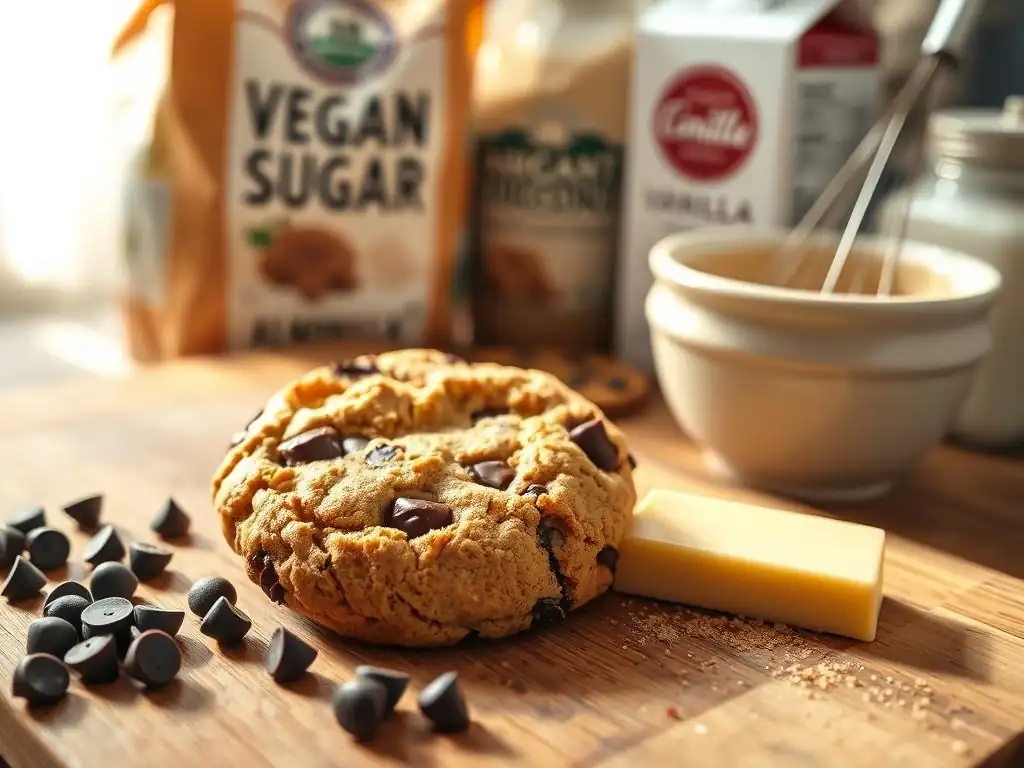
Let's put theory into practice by focusing on a classic: chocolate chip cookies. This familiar recipe provides an excellent framework for understanding how to apply vegan substitutions and adjustments. The goal is to achieve that perfect cookie texture – chewy, crispy, or soft – without any animal products.
Veganizing chocolate chip cookies involves carefully replacing the eggs and dairy butter, which are crucial for texture, spread, and flavor. We'll break down each key substitution and discuss how it impacts the final cookie. While these steps focus on cookies, the principles are transferable; learning to veganize this favorite means you're well on your way to mastering how to veganize favorite chocolate cake or any other baked good.
Eggs serve multiple purposes in traditional baking: they bind ingredients together, provide moisture, contribute to leavening, and add richness. Choosing the right vegan egg substitute depends on which of these functions is most critical in your specific cookie recipe. For chocolate chip cookies, binding is often the primary role of the egg.
A single large chicken egg, weighing roughly 50 grams, is typically replaced by a measure of a plant-based alternative. The effectiveness varies. For instance, while one egg might provide significant lift in a cake, its role in a dense cookie dough is more about holding everything together. This is where understanding the different vegan options becomes invaluable.
Using Mashed Banana as an Egg Replacement
Mashed banana is a simple and readily available vegan egg substitute, often used in recipes requiring 1-2 eggs. About 1/4 cup of mashed ripe banana can replace one egg. It works well as a binder and adds moisture, making cookies soft and chewy.
However, be aware that banana imparts its flavor and can make baked goods denser. It's best used in recipes where a slight banana taste is welcome or won't clash, like spice cookies or certain muffins. For a classic chocolate chip cookie, the banana flavor might be noticeable, though some enjoy it. The extra moisture from the banana might also require a slight adjustment in baking time or temperature to prevent a gummy texture.
Chia Seed "Eggs" for Binding
Chia seeds, when mixed with water, form a gel-like consistency that is excellent for binding ingredients. To make a chia egg, combine 1 tablespoon of chia seeds (whole or ground) with 3 tablespoons of water and let it sit for about 5-10 minutes until it thickens into a gelatinous mixture. This amount typically replaces one egg.
Chia eggs are a popular choice for cookies, muffins, and quick breads because they provide good binding without adding significant flavor. Using ground chia seeds can result in a smoother texture, while whole seeds will be visible in the final product. Chia eggs contribute fiber and omega-3 fatty acids, adding a nutritional boost, but they don't provide leavening, so ensure your recipe has adequate baking powder or soda if lift is needed.
Commercial Vegan Egg Replacers: A Comparison
Various commercial vegan egg replacers are available, designed to mimic the function of eggs in baking. These often contain starches (like potato or tapioca starch), leavening agents, and binders (like cellulose gum). Popular brands include Bob's Red Mill Egg Replacer, Ener-G Egg Replacer, and Follow Your Heart Vegan Egg.
These products are convenient and formulated to work across different recipes. They typically come with instructions specifying how much powder and water to mix to replace one egg (e.g., 1.5 tablespoons powder + 2-3 tablespoons water). While effective for binding and sometimes contributing a little lift, their performance can vary by brand and recipe. They are a reliable option when you want a neutral-flavored binder without the added moisture or flavor of fruit purees or seed eggs, making them suitable for sensitive recipes like veganized favorite chocolate cake where flavor purity is key.
Step 2: Substituting Dairy Products - Vegan Butter Options
Dairy butter is crucial in traditional chocolate chip cookies, providing richness, flavor, and contributing to the cookie's spread and texture due to its fat content and melting properties. Replacing it effectively is key to achieving a satisfying vegan cookie.
Vegan butter alternatives are designed specifically for this purpose. They are typically made from a blend of plant-based oils (like shea, coconut, or palm oil) and water, formulated to have a similar fat content (around 80%) and melting point to dairy butter. Using a good quality vegan butter is arguably the most important dairy substitution for achieving authentic cookie results.
Choosing the Right Vegan Butter for Chocolate Chip Cookies
Not all vegan butters are created equal, and their behavior can vary in baking. For cookies, you generally want a stick-style vegan butter that is firm when cold and melts similarly to dairy butter. Tub margarines often have a higher water content and may not yield the same results, potentially leading to cookies that spread too much or have a less desirable texture.
Look for vegan butters specifically labeled for baking or those that come in stick form. Brands like Miyoko's Kitchen (cashew-based, excellent flavor but can be pricier), Melt Organic, Earth Balance sticks, or Country Crock Plant Butter sticks are popular and reliable choices. Experimenting with a couple of different brands might be necessary to find the one that gives you the perfect spread and chewiness in your vegan chocolate chip cookies. The fat content is critical; using a product with insufficient fat will negatively impact texture and richness, a principle that also applies when you veganize favorite chocolate cake recipes.
Beyond the primary substitutions of egg and butter, other ingredients in a chocolate chip cookie recipe can influence the final texture. Making minor adjustments to sugar and flour can help compensate for differences introduced by vegan substitutes and ensure your cookies turn out just right.
Veganizing a recipe isn't always a one-to-one swap; sometimes, slight tweaks are needed to achieve optimal results. This might involve adjusting the amount of flour to account for extra moisture from a substitute or considering the type of sugar used. Pay attention to the original recipe's ratios and be prepared to make small adjustments based on how your dough feels.
Sugar Considerations: Refined Sugar-Free Options
Traditional cookie recipes often use white granulated sugar and brown sugar. While most brown sugars are vegan, some white granulated sugars are processed using bone char, making them non-vegan. To ensure your cookies are fully vegan, look for sugar explicitly labeled as vegan or organic, as these typically avoid bone char processing.
If you're also looking to reduce refined sugar, options like coconut sugar or maple sugar can be used. These will impart a slightly different flavor and color to your cookies and might affect the texture slightly due to differences in moisture content and crystal size compared to cane sugar. For instance, using all coconut sugar might result in a slightly less crisp edge. When aiming to veganize favorite chocolate cake or cookies, ensure all ingredients, including sugar, align with vegan principles.
The Role of Flour: Adjusting for Gluten-Free Vegan Cookies
All-purpose flour provides structure in cookies. When veganizing, especially if using wetter egg substitutes like banana or applesauce, you might find the dough is too soft. In such cases, adding an extra 1-2 tablespoons of flour per cup called for in the original recipe can help achieve the correct consistency.
If you're also aiming for gluten-free vegan cookies, the type of gluten-free flour blend used will significantly impact texture. Gluten-free flours often absorb moisture differently than wheat flour. Using a high-quality gluten-free blend specifically designed for baking is recommended. You may need to adjust liquid slightly based on the blend. For instance, almond flour or oat flour blends can work well, but they behave differently than a rice flour blend. This same consideration applies when attempting to veganize favorite chocolate cake using gluten-free flours.
No chocolate chip cookie is complete without the chocolate chips! Fortunately, finding delicious vegan chocolate chips is now easier than ever, with many options available in standard grocery stores.
Ensuring your chocolate chips are vegan is a crucial final step in the veganization process. Traditional chocolate chips often contain dairy milk or milk fat. Reading the ingredient label is essential to confirm they are free from animal products.
Choosing Dairy-Free Chocolate Chips
Most major grocery stores now carry several brands of dairy-free chocolate chips. Look for labels that say "dairy-free," "vegan," or check the ingredient list for milk ingredients (like milk fat, milk solids, whey, or casein). Popular brands that offer vegan options include Enjoy Life (specifically free from many allergens), Pascha Chocolate (often organic and fair trade), and sometimes store brands.
Dark chocolate chips are often accidentally vegan, but not always, so reading the label is still necessary. Semi-sweet chips are less likely to be vegan than dark, but some brands do produce vegan semi-sweet options. The key is vigilance at the grocery store!
Making Your Own Vegan Chocolate Chips
If you have trouble finding suitable vegan chocolate chips or want more control over the ingredients, you can make your own! This typically involves melting down a bar of vegan chocolate (ensure the bar is dairy-free) and chopping it into chip-sized pieces or using a mold.
Simply melt a good quality vegan chocolate bar gently (either in a double boiler or carefully in the microwave), spread it thinly on parchment paper, let it cool slightly, and then chop it into irregular chunks. Alternatively, you can use small molds designed for chocolate chips. While a bit more effort, this guarantees your chips are vegan and allows you to control the type and quality of chocolate used.
Once you've mastered the basic substitutions, you can fine-tune your vegan chocolate chip cookies to achieve your desired texture – whether that's wonderfully chewy, delightfully crispy, or perfectly soft. These techniques involve understanding how ingredient ratios and baking methods influence the final product.
Achieving specific textures in vegan baking often requires a slightly different approach than traditional methods. Since vegan doughs lack the structure and binding provided by eggs and dairy proteins, techniques like chilling the dough or adjusting baking time become even more critical. These tips are also useful when you veganize favorite chocolate cake recipes and want to control moisture and crumb texture.
For chewy vegan chocolate chip cookies, the key is often moisture and using ingredients that promote softness rather than spread. Using a higher ratio of brown sugar to white sugar can help, as brown sugar contains more moisture. Using a slightly wetter egg substitute like applesauce or mashed banana can also contribute to chewiness.
Baking technique is also vital. Bake the cookies just until the edges are set and lightly golden, but the centers still look a little soft and underbaked. They will continue to cook and set as they cool on the baking sheet. Slightly underbaking is a classic trick for achieving a chewy center. Chilling the dough for at least 30 minutes (or even up to 2-3 days) before baking helps the ingredients meld, reduces spread, and can contribute to a chewier texture.
To get that satisfying crunch in your vegan chocolate chip cookies, focus on ingredients that encourage spread and techniques that promote drying. Using a higher ratio of white granulated sugar compared to brown sugar will result in a crispier cookie. Using a vegan butter with a slightly higher melting point or oil can also increase spread and crispiness.
Baking for a longer time at a slightly lower temperature, or baking until the entire cookie is golden brown, will help remove moisture and create a crisp texture. Pressing the cookies down slightly before baking can also encourage more spread, leading to thinner, crispier edges. Ensure the cookies cool completely on a wire rack to prevent steam from softening them.
Flat cookies are a common issue in both traditional and vegan baking, often caused by ingredients being too warm, too much leavening, or incorrect fat ratios. In vegan cookies, using a vegan butter with too low a melting point or one with high water content can exacerbate this problem.
To prevent flat vegan cookies:
- Ensure your vegan butter is cold and firm when creaming it with sugar (if the recipe calls for creaming). Do not use melted vegan butter unless the recipe specifically instructs it.
- Chill the dough thoroughly for at least
30-60 minutesbefore baking. Cold dough spreads less in the oven. - Check your leavening agents. Ensure your baking powder and baking soda are fresh. Using too much can cause rapid spread.
- Measure your flour correctly. Too little flour can lead to excessive spread. Use the spoon-and-level method.
- Consider adding a touch more flour if using a very moist egg substitute.
These tips help create a dough that holds its shape better during baking, resulting in thicker, more appealing cookies.
Troubleshooting Common Issues When Veganizing Recipes
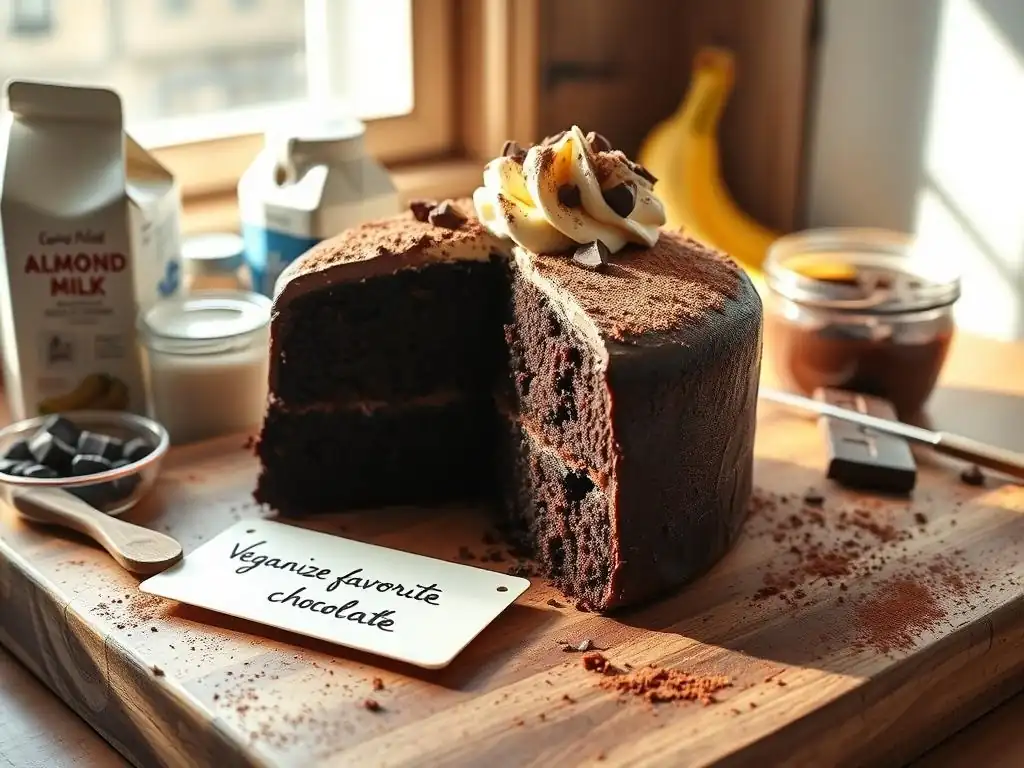
Even with the best intentions and substitutions, things can sometimes go awry when veganizing a beloved recipe for the first time. Understanding common problems and their likely causes can help you diagnose issues and adjust for future baking attempts. This troubleshooting mindset is invaluable whether you're perfecting vegan chocolate chip cookies or trying to veganize favorite chocolate cake recipes.
Don't get discouraged if your first attempt isn't perfect! Baking is a science, and vegan baking adds a few extra variables. Each ingredient swap can subtly alter the chemistry of the dough or batter. Learning to identify what went wrong is part of the process and makes you a more skilled baker.
Cakey cookies typically have a crumbly, bread-like texture rather than a dense or chewy one. This is often caused by too much flour, too much leavening (baking powder or soda), or using an egg substitute that provides too much structure or lift, like some commercial replacers high in starch.
If your vegan cookies are too cakey, consider reducing the amount of flour slightly in your next batch, especially if you adjusted it upwards initially. Ensure you are using the correct amount of leavening agents as specified by the original recipe (or slightly less if needed). Also, evaluate your egg substitute; if you used a commercial replacer, try a binder like a chia or flax egg instead, which provides less lift and more density. Sometimes, simply reducing the baking temperature slightly can help the cookies spread more before setting, leading to a less cakey result.
Cookies that spread too much and end up flat and greasy can be disappointing. This is frequently caused by the fat being too soft or melted, too little flour, too much sugar, or the oven temperature being too low. In vegan baking, the type of vegan butter is a common culprit.
If your vegan cookies spread too thin, ensure your vegan butter was cold and firm when you started. Avoid using melted vegan butter unless the recipe specifically calls for it. Check your flour measurement – using too little flour means there isn't enough structure to hold the cookie's shape as it bakes. Ensure your oven is accurately calibrated; an oven that isn't hot enough will cause the cookies to spread excessively before the leavening can set them. Chilling the dough is also a very effective way to combat over-spreading.
Dry cookies lack moisture and can be crumbly or hard. This often results from using too much flour, not enough fat or liquid, or overbaking. When veganizing, using a very absorbent egg substitute or an oil instead of a solid vegan butter can sometimes contribute to dryness.
To fix dry vegan cookies, you may need to increase the moisture content in future batches. This could involve slightly reducing the flour, increasing the amount of vegan butter or oil, or using a more moist egg substitute like applesauce or mashed banana. Ensure you are not overbaking; remove cookies from the oven as soon as the edges are set. Storing cookies properly in an airtight container can also help maintain moisture. If your current batch is already too dry, you can sometimes soften them slightly by placing a piece of bread in the storage container with them overnight.
Looking for a tested and perfected vegan chocolate chip cookie recipe to get you started? While we can't include a direct link here, you can find fantastic recipes on BakeWithEase.com! Search for "Vegan Chocolate Chip Cookies" on our site for reliable, step-by-step guides that apply the principles we've discussed. These recipes are developed to ensure excellent texture and flavor using plant-based ingredients.
Exploring specific recipes on our site will give you concrete examples of the ingredient ratios and techniques discussed in this guide. It's a great way to put your newfound knowledge into practice with a recipe designed for success. You'll find recipes that cater to different preferences, whether you prefer chewy, crispy, or soft vegan cookies.
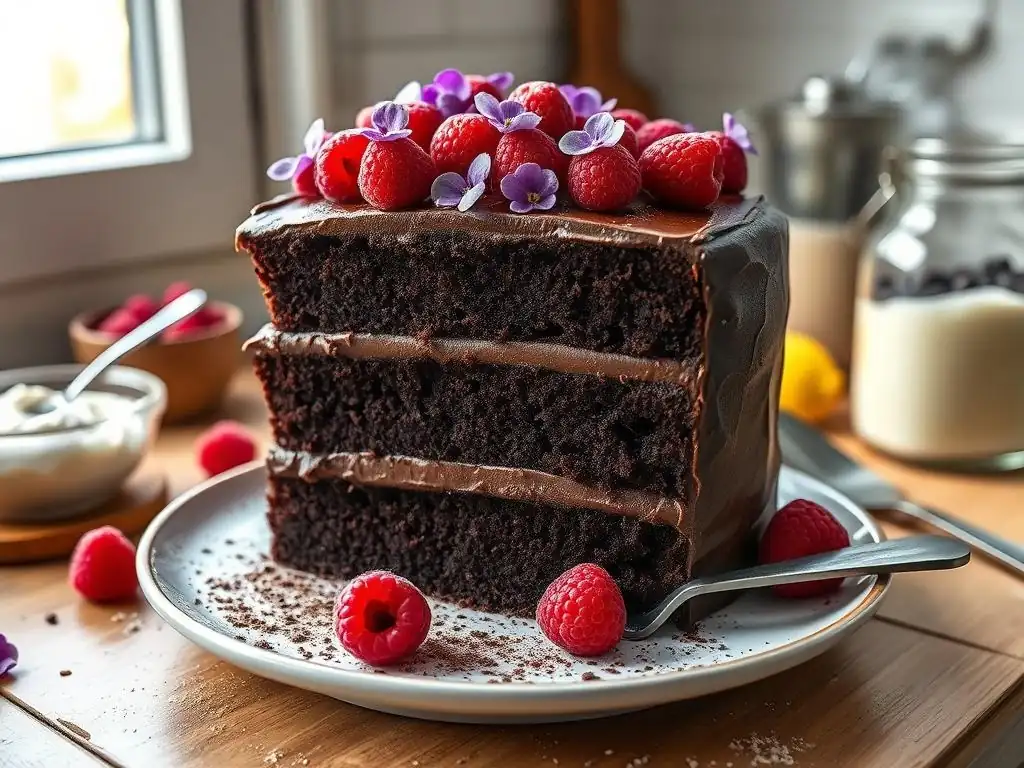
The principles of vegan substitution are not limited to chocolate chip cookies. The methods you've learned for replacing eggs, dairy butter, and milk are applicable to a vast array of baked goods. Once you understand the function of the original non-vegan ingredient, you can select the appropriate plant-based alternative. This allows you to tackle everything from simple muffins to complex layer cakes.
Applying these techniques means you can revisit many of your old favorite recipes and give them a vegan makeover. Whether it's a family brownie recipe, a beloved muffin flavor, or the challenge of how to veganize favorite chocolate cake that holds sentimental value, the foundational knowledge remains the same. It's about smart substitutions and sometimes minor adjustments to ensure the structure and texture are right.
Veganizing Brownies
Veganizing brownies is very similar to cookies, focusing on replacing eggs and butter. Eggs provide structure and chewiness in brownies. Vegan substitutes like applesauce, mashed banana, or commercial replacers work well for binding. Silken tofu or even pureed black beans can also add moisture and fudginess without a strong flavor if used in moderation.
Vegan butter or melted coconut oil can replace dairy butter, providing the necessary fat for moisture and richness. The key with brownies is often balancing the wet and dry ingredients to achieve that perfect fudgy or cakey texture, depending on preference. Cocoa powder and vegan chocolate chips are readily available, making the chocolate component straightforward. Applying the same principles used for veganizing favorite chocolate cake often yields great brownie results.
Veganizing Muffins
Muffins are typically more forgiving than cookies or cakes, making them a great starting point for veganizing. Eggs in muffins primarily act as binders and contribute to leavening. Flax eggs, chia eggs, applesauce, or even just baking powder and baking soda activated with plant milk and vinegar (creating vegan "buttermilk") are effective substitutes.
Dairy milk can be replaced with any plant-based milk. Oil or melted vegan butter replaces dairy butter or oil. Since muffins rely heavily on chemical leaveners (baking powder and soda) for their rise, ensuring these are fresh and correctly measured is crucial for a light texture. The batter consistency is key; it should be thick but pourable. These techniques are also transferable when learning how to veganize favorite chocolate cake recipes that use oil or melted fat.
Veganizing Scones
Scones rely on cold, solid fat (butter) being cut into the flour to create a tender, flaky texture. This requires a firm, stick-style vegan butter that mimics dairy butter's behavior. The vegan butter must be kept very cold and cut into the dry ingredients until the mixture resembles coarse crumbs.
Plant-based milk or vegan buttermilk (plant milk + vinegar) replaces dairy liquid. Eggs, if used in the original scone recipe, can be replaced with a minimal binder like a small amount of applesauce or a commercial replacer, but often the structure comes more from the flour and fat. Handling the dough minimally is essential to prevent toughness, just like in traditional scone making. The goal is a light, tender crumb, which cold vegan butter helps achieve, much like it would if you were to veganize favorite chocolate cake that relies on solid fat.
Conclusion: Mastering the Art of Vegan Baking with BakeWithEase
Transforming your favorite recipes into delicious vegan versions is a rewarding culinary skill. By understanding the function of traditional ingredients and exploring the wide array of plant-based alternatives, you can recreate almost any baked good without compromising on flavor or texture. From mastering the perfect vegan chocolate chip cookie to tackling more complex challenges like how to veganize favorite chocolate cake recipes, the principles of substitution and adjustment remain consistent.
At BakeWithEase, we are committed to making baking accessible and enjoyable for everyone, regardless of dietary choices. We encourage you to experiment, be patient, and celebrate your successes in the kitchen. With practice and the knowledge gained from guides like this, you'll become confident in your ability to veganize a wide variety of recipes, opening up a world of delicious plant-based possibilities. Happy vegan baking!
Frequently Asked Questions
How can I replace eggs in a chocolate cake recipe to make it vegan?
You can use several options, such as applesauce, mashed banana, or flaxseed meal mixed with water. These act as binders and moisture providers, mimicking the egg's function. Remember to choose one that complements the chocolate flavor well.
What are some good vegan substitutes for butter in a chocolate cake?
Popular choices include vegan butter sticks, coconut oil, or even avocado oil. Vegan butter sticks are often the closest in texture and flavor to traditional butter, while oils can impart a subtle flavor.
How do I replace dairy milk in my favorite chocolate cake recipe?
Almond milk, soy milk, oat milk, or coconut milk are all excellent substitutes for dairy milk. Each has a slightly different flavor profile, so experiment to find your favorite. Plant-based milks are widely available and easily incorporated.
What's the best way to ensure my vegan chocolate cake is still moist and delicious?
Don't overbake the cake. Vegan cakes can sometimes dry out faster. Adding a touch of applesauce or using a higher oil content can help maintain moisture and richness.
Can I still use chocolate chips in my vegan chocolate cake, or do I need a special kind?
Yes, but you need to check the ingredients. Ensure the chocolate chips are dairy-free; many brands offer vegan chocolate chips. Alternatively, you can use chopped vegan chocolate bars.
Final Reflection: Embracing Change Through Veganization
In a world increasingly aware of the impact of our food choices, the ability to veganize our favorite chocolate cake is not just a culinary skill but a powerful statement of our values and priorities. As we navigate the complexities of modern diets and environmental concerns, transforming beloved recipes into plant-based versions allows us to enjoy the comfort of tradition while embracing a more sustainable lifestyle. This shift in perspective is not merely about food; it reflects a deeper commitment to health, compassion, and environmental stewardship.
Creating vegan versions of our cherished dishes fosters a sense of community and inclusivity, inviting everyone to partake in the joy of cooking and sharing meals. The act of veganizing a recipe can spark conversations about dietary choices, ethics, and sustainability, bridging gaps between diverse culinary traditions. As we share these adaptations, we contribute to a growing movement that celebrates plant-based living. Food is a universal language that can unite us all, regardless of our differences.
This sentiment resonates deeply as we explore how our favorite flavors can be reimagined to accommodate a wider range of dietary needs and preferences.
As you reflect on your own culinary journey, consider how you can incorporate the lessons from this article into your daily life. Embrace the challenge of veganizing your favorite chocolate cake and share your creations with friends and family. Let this be an opportunity not only to enjoy delicious desserts but also to inspire others to explore the possibilities of plant-based cooking. Together, we can cultivate a more compassionate and sustainable food culture, one recipe at a time.
Unleash Your Inner Vegan Chef!
Thanks for taking the time to explore the world of vegan cooking with us! We hope you've discovered some delicious and easy ways to transform your favorite recipes. Ready to dive in and experiment?
- Try veganizing one of your go-to recipes today! Start small – even swapping out just one ingredient can make a big difference. Think creamy cashew cream instead of heavy cream, or lentils instead of ground beef.
- Share your vegan creations with us! We'd love to see your culinary masterpieces. Use #BakeWithEaseVegan on social media.
- Challenge a friend to join you on this delicious journey! Let's inspire each other to create a more compassionate and flavorful kitchen.
What exciting vegan dish will you be tackling first? Let us know in the comments below!