
Caster Sugar Explained: The Secret Ingredient for Light and Airy Bakes

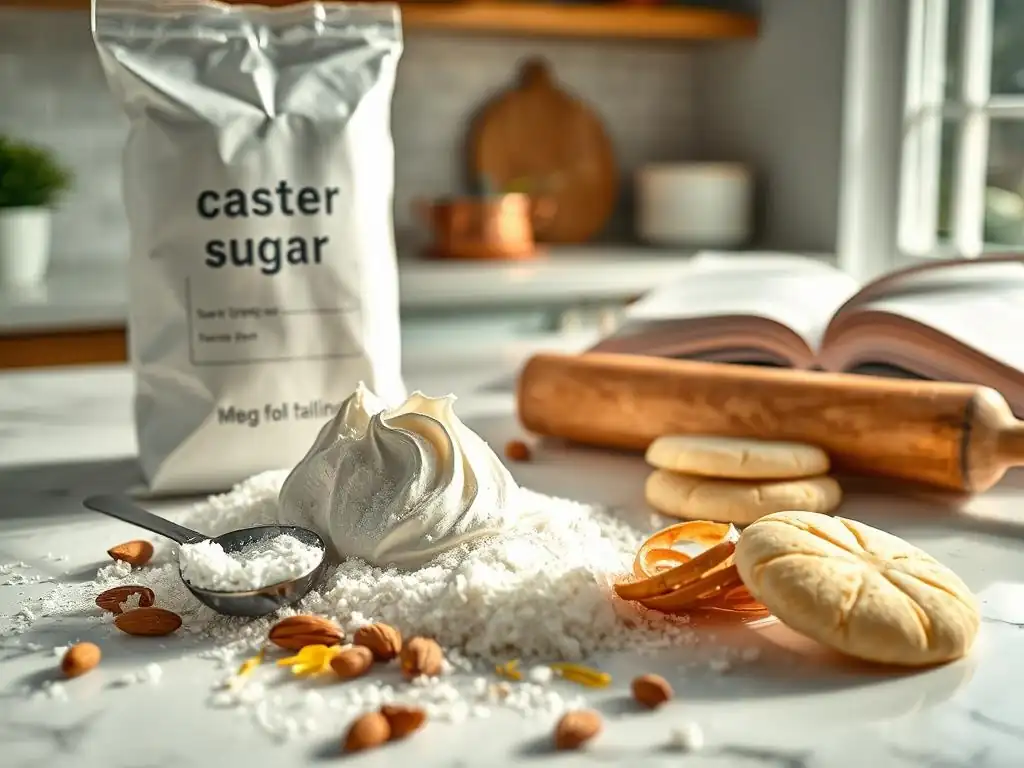
Welcome to BakeWithEase, your companion on a journey to baking bliss! Ever wondered how seemingly simple ingredients can unlock extraordinary textures and flavors? Discover the secret behind light and airy cakes, delicate meringues, and perfectly crisp cookies. Dive in to explore exactly how to use caster sugar and elevate your baking from good to unforgettable. What makes this fine sugar so crucial, and how can you ensure you're using it correctly? The answer awaits...
- Baking with Caster Sugar: A Comprehensive Guide
- Why Use Caster Sugar? Benefits for Your Bakes
- How to Use Caster Sugar in Your Baking Recipes
- Making Your Own Caster Sugar: A DIY Guide
- Storing Caster Sugar: Keeping it Fresh and Ready to Use
- Troubleshooting: Common Issues with Caster Sugar in Baking
- Mastering the Art of Baking with Caster Sugar: Conclusion
-
Frequently Asked Questions
- What exactly is caster sugar and how does it differ from granulated sugar?
- Why is caster sugar recommended in many BakeWithEase recipes, especially for cakes?
- Can I substitute granulated sugar for caster sugar if I don't have any on hand?
- How does using caster sugar impact the texture and rise of meringues and macarons?
- Where can I find caster sugar, and what are some alternative names it might be sold under?
- Final Reflection: The Sweet Science of Baking, and the Art of Airy Perfection
- Unlock Your Baking Potential: Master the Art of Light & Airy Cakes!
Baking with Caster Sugar: A Comprehensive Guide
Defining Caster Sugar: Finer than Granulated
Caster sugar, often called superfine sugar in the United States, is a type of granulated sugar that has been processed to a much finer consistency than standard table sugar. Its crystals are significantly smaller, falling somewhere between regular granulated sugar and powdered (confectioners') sugar. This smaller crystal size is achieved through a specific milling process that doesn't go so far as to powder the sugar but reduces the grain size considerably.
This fineness is key to understanding how to use caster sugar effectively in your baking. While it's still pure sucrose, just like its coarser cousin, its physical structure changes how it behaves when mixed with other ingredients. Think of it as the Goldilocks of sugars for many delicate bakes – not too coarse, not too fine, but just right for dissolving quickly and incorporating air efficiently, which is crucial for achieving a light and airy texture.
Caster Sugar vs. Granulated Sugar: Key Differences for Baking
The primary difference between caster sugar and granulated sugar lies in their crystal size. Granulated sugar has larger, more uniform crystals, while caster sugar has crystals that are approximately half the size. This seemingly small difference has a significant impact on baking results. When you cream butter and sugar together, the sharp edges of sugar crystals cut into the fat, creating tiny air pockets. Caster sugar's smaller crystals create more numerous, smaller air pockets, leading to a finer crumb structure in cakes.
Furthermore, caster sugar dissolves much more rapidly than granulated sugar. This is particularly important in recipes where sugar doesn't get a lot of heat or liquid to help it dissolve, such as meringues, delicate sponges, or cold preparations. Using caster sugar helps prevent that slightly gritty texture you might get from undissolved granulated sugar, ensuring a smoother mouthfeel in your finished bake. Understanding these differences is fundamental to mastering how to use caster sugar for optimal results.
The Science Behind Caster Sugar's Texture
The magic of caster sugar's performance in baking is rooted in its increased surface area. Because the individual crystals are so much smaller than those of granulated sugar, a given weight of caster sugar has a much larger total surface area exposed. This larger surface area allows it to interact more readily with other ingredients, particularly fats and liquids. When creaming with butter, for instance, the increased surface area facilitates the mechanical process of incorporating air.
Moreover, the higher surface area accelerates the rate at which caster sugar dissolves. Sugar needs moisture to break down its crystalline structure, and with more surface available to absorb that moisture, the process happens faster. This quick dissolution is vital for stabilizing egg foams in meringues or génoise sponges, where unincorporated sugar can weigh down the mixture and prevent it from achieving maximum volume and stability. It's a subtle scientific principle that yields noticeable improvements in the texture and structure of your bakes when using caster sugar correctly.
Why Use Caster Sugar? Benefits for Your Bakes
Achieving Light and Airy Cakes with Caster Sugar
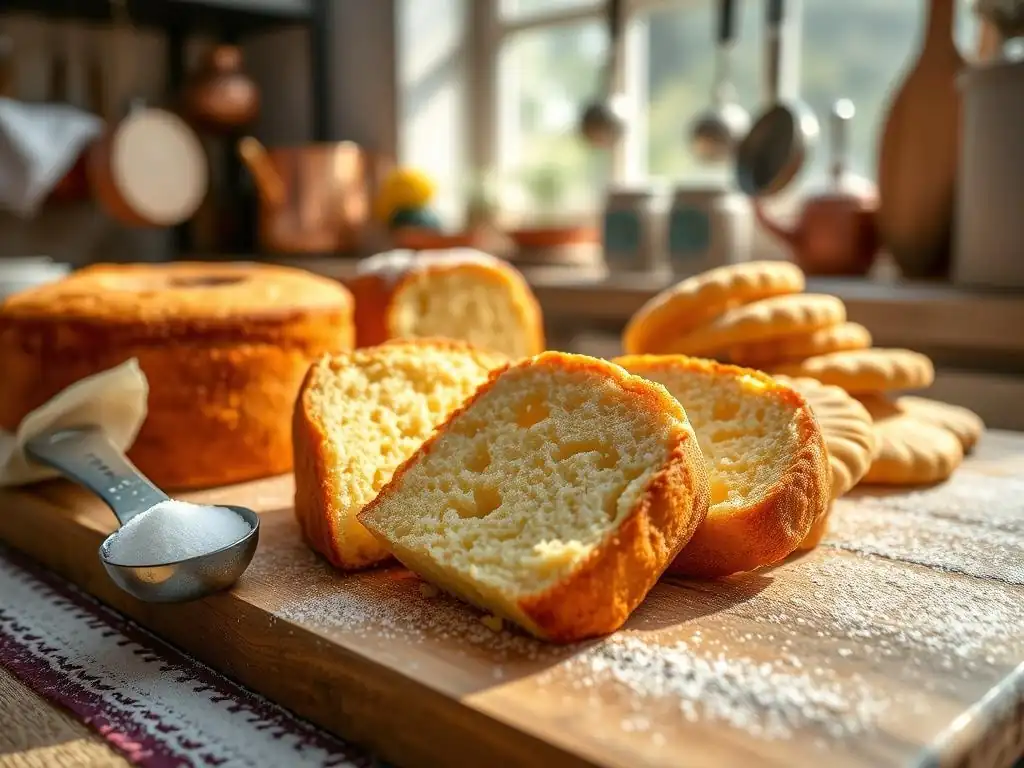
One of the most celebrated benefits of using caster sugar is its ability to help you achieve truly light and airy cakes. When you cream butter and caster sugar together, the fine crystals are highly effective at cutting into the butter, creating and trapping a large number of tiny air pockets. This process, known as aeration, is the foundation of many cake recipes, providing lift and tenderness. The smaller crystals of caster sugar are more efficient at this mechanical aeration than larger granulated crystals.
Consider a classic sponge cake or a Victoria sponge recipe. These cakes rely heavily on the creaming method or whisked eggs for their volume and light texture. Using caster sugar in these recipes ensures that the maximum amount of air is incorporated early in the process and that the sugar dissolves quickly into the batter or egg foam. This leads to a finer, more even crumb structure and a significantly lighter result compared to using coarser granulated sugar, demonstrating the tangible benefits of knowing how to use caster sugar.
Caster Sugar for Even Mixing and Dissolving
The fine grain of caster sugar contributes significantly to ease of mixing and rapid dissolution, which is crucial in many baking applications. When added to batters or doughs, it disperses more evenly than granulated sugar, reducing the chance of pockets of undissolved sugar. This even distribution ensures consistent sweetness throughout the bake and prevents localized toughening that can occur if sugar isn't fully incorporated.
In recipes where rapid dissolution is paramount, such as whisked egg whites for meringues or delicate sauces and syrups that aren't heated for long, caster sugar is indispensable. Its ability to dissolve quickly means it won't leave a gritty residue. For example, in a French meringue, whisking egg whites with caster sugar gradually allows the sugar to dissolve completely into the protein structure, stabilizing the foam and resulting in a smooth, glossy, and stable meringue, highlighting another key advantage of using caster sugar.
Preventing Gritty Texture: The Caster Sugar Advantage
Nobody wants a beautiful bake ruined by an unpleasant gritty texture from undissolved sugar crystals. This is where caster sugar truly shines. Its superfine nature ensures that it melts and incorporates seamlessly into mixtures, even those that aren't subjected to high heat or extended cooking times. This is particularly important in recipes like frostings, glazes, and delicate cookie doughs where a smooth finish is desired.
Think about making a simple buttercream frosting. If you use granulated sugar, you might find tiny crystals remaining, no matter how long you beat it, unless you convert it to powdered sugar. However, using caster sugar allows it to dissolve into the butter and liquid components much more readily, resulting in a far smoother, more luxurious texture. This advantage makes understanding how to use caster sugar properly essential for achieving professional-quality results in terms of texture and mouthfeel.
How to Use Caster Sugar in Your Baking Recipes
Substituting Caster Sugar in Recipes: A Simple Guide
While many recipes specifically call for caster sugar, you might find yourself needing to substitute it, perhaps using granulated sugar you have on hand. Generally, you can substitute granulated sugar for caster sugar in a 1:1 ratio by weight. For example, if a recipe calls for 100g of caster sugar, use 100g of granulated sugar.
However, be aware that granulated sugar is less dense than caster sugar by volume. A cup of granulated sugar weighs more than a cup of caster sugar, so substituting by volume (cup for cup) is not recommended and will likely result in an overly sweet or improperly balanced bake.
It's also important to consider the impact of this substitution on the final texture. As discussed, granulated sugar dissolves slower and creates larger air pockets when creamed. Therefore, using granulated sugar instead of caster sugar might result in a slightly denser cake or a meringue that takes longer to whip and might be less stable. For recipes where texture is critical, like delicate sponges, meringues, or shortbread, it's best to stick to caster sugar if possible. If you must substitute, be prepared for potential subtle differences in the outcome when learning how to use caster sugar variations.
Best Uses for Caster Sugar: Cakes, Meringues, and More
Caster sugar is the preferred sugar for a variety of specific baking applications where its unique properties offer a distinct advantage. It is the classic choice for delicate sponge cakes, such as génoise or chiffon, where it is often whisked directly into eggs to create a stable, airy foam that forms the structure of the cake. Its quick dissolution is key here, preventing the sugar from weighing down the fragile foam.
Meringues are another prime example where caster sugar is indispensable. When making French, Swiss, or Italian meringues, gradually adding superfine sugar to whisked egg whites allows it to dissolve completely, creating a strong, stable, and glossy meringue that holds its shape beautifully and bakes up crisp without weeping. Beyond these, caster sugar is excellent in shortbread for a tender crumb, in light cookies, and even sprinkled over fresh fruit or used in cocktails because it dissolves so readily without heating. Mastering how to use caster sugar in these specific recipes can elevate your results significantly.
Making Your Own Caster Sugar: A DIY Guide
Turning Granulated Sugar into Caster Sugar: A Step-by-Step Tutorial
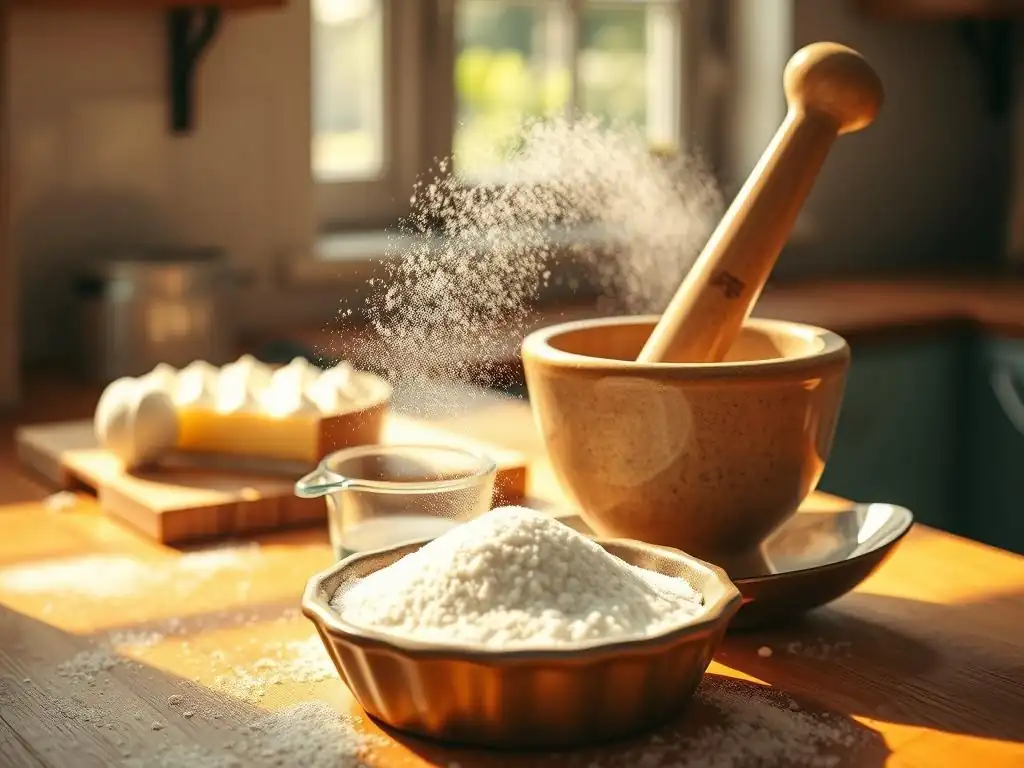
If you find yourself needing caster sugar but only have granulated sugar in your pantry, don't worry – you can easily make your own! The process involves simply reducing the crystal size of regular granulated sugar using a blender, food processor, or even a clean coffee grinder. Start with the amount of granulated sugar required for your recipe. It's usually best to work in batches if you need a large quantity, as overcrowding the appliance can lead to uneven results.
Measure your granulated sugar and place it into the clean, dry container of your chosen appliance. Pulse the sugar in short bursts, usually just for 10-30 seconds total, depending on the power of your machine. Stop frequently to check the consistency. You are aiming for a texture that is finer than granulated sugar but not yet powdered sugar – it should still look like tiny crystals, not a fine flour. Learning how to use caster sugar you've made yourself is a handy skill for any baker.
Tips for Achieving the Perfect Caster Sugar Consistency
Achieving the correct consistency when making your own caster sugar is crucial. The goal is superfine crystals, not powdered sugar. Processing the sugar for too long will turn it into confectioners' sugar, which behaves very differently in recipes due to the addition of cornstarch (often found in commercial powdered sugar) and its even finer particle size. Check the sugar's texture by rubbing a small amount between your fingers – it should feel significantly finer than granulated sugar but still have a slight crystalline feel, not smooth and powdery.
Another tip is to ensure your blender or food processor is completely dry before you start. Any moisture can cause the sugar to clump and make it difficult to process into an even consistency. Also, avoid filling the container too full; processing smaller amounts allows the blades to work more effectively and evenly. By following these steps and tips, you can easily create your own superfine caster sugar whenever a recipe calls for it, allowing you to explore more baking possibilities without a special trip to the store.
Storing Caster Sugar: Keeping it Fresh and Ready to Use
Proper Storage Techniques to Prevent Clumping
Proper storage is essential for keeping your caster sugar in optimal condition and preventing it from clumping, which can make it difficult to measure and use. Like all sugars, caster sugar is hygroscopic, meaning it readily absorbs moisture from the air. When it absorbs moisture and then dries out, the crystals can stick together, forming hard lumps. To avoid this, always store caster sugar in an airtight container.
Choose a container with a tight-fitting lid, such as a glass jar, a plastic food storage container with a rubber seal, or even a sturdy zip-top bag with as much air pressed out as possible. Store the container in a cool, dry place away from direct sunlight and sources of heat or humidity, like above the stove or near a window. The pantry is usually an ideal spot. Proper storage ensures your caster sugar remains free-flowing and ready whenever you need to use caster sugar in your next baking project.
Shelf Life of Caster Sugar: What You Need to Know
Sugar, including caster sugar, has an incredibly long shelf life due to its low moisture content, which inhibits microbial growth. Technically, pure sugar does not expire. However, while it won't spoil in the traditional sense, its quality can degrade over time if not stored properly. The main issue is moisture absorption, which leads to clumping and hardening. While hardened sugar is still safe to eat and use, it can be frustrating to work with and may require extra effort to break up before measuring accurately.
Provided it is stored in an airtight container in a cool, dry place, caster sugar can last for years, maintaining its quality for baking. The best indicator of its usability is its texture. If it's free-flowing or easily breaks apart if slightly clumped, it's perfectly fine to use. If it has turned into a solid block that's impossible to break, you might consider discarding it or trying to process it again, but for best baking results, properly stored, free-flowing caster sugar is always preferred when figuring out how to use caster sugar effectively.
Troubleshooting: Common Issues with Caster Sugar in Baking
Addressing Lumps and Clumps in Caster Sugar
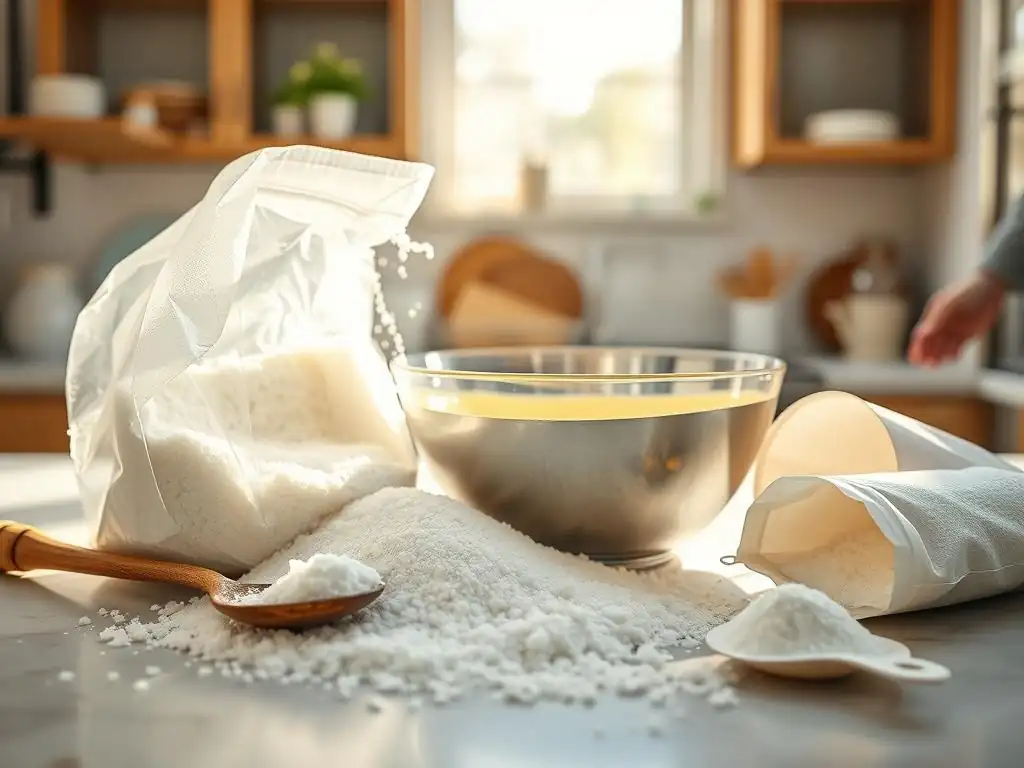
Despite best efforts in storage, you might occasionally find your caster sugar has developed some lumps or has become slightly clumpy. This usually indicates it has absorbed some moisture. For minor clumping, simply breaking up the lumps with a spoon or your fingers within the measuring cup might suffice. For more significant clumping, you can easily remedy the situation.
The most effective way to deal with lumpy caster sugar is to sift it. Passing the sugar through a fine-mesh sieve will break up the clumps and return it to a free-flowing state. If the clumping is severe, you can also briefly pulse the sugar in a clean, dry blender or food processor for just a few seconds – be very careful not to over-process and turn it into powdered sugar. Sifting or briefly processing ensures you can accurately measure and effectively use caster sugar in your recipes.
If you've substituted granulated sugar for caster sugar and encountered issues, understanding the root cause can help you troubleshoot. A common problem is a cake that is less airy or has a coarser crumb than expected. This is likely due to the granulated sugar being less efficient at aerating the butter during the creaming process and dissolving slower in the batter. To mitigate this in the future, ensure you cream the butter and granulated sugar for a longer time than you would with caster sugar, aiming for a very light and fluffy mixture before adding other ingredients.
Another potential issue, particularly in meringues or delicate sauces, is a slightly gritty texture from undissolved granulated sugar. If this happens, there's not much you can do after the bake is complete. However, for future attempts when substituting, you could try dissolving the granulated sugar in a small amount of warm liquid from the recipe (if applicable and won't negatively affect the outcome) before adding it, or simply plan ahead to have caster sugar on hand for recipes where a smooth texture is paramount and dissolution is key to how to use caster sugar successfully.
Mastering the Art of Baking with Caster Sugar: Conclusion
Caster Sugar: Your Secret Weapon for Baking Success
Caster sugar, with its distinctively fine crystals, truly is a secret weapon in the baker's arsenal, especially when aiming for delicate textures and superior results. Its ability to dissolve quickly and incorporate air efficiently makes it indispensable for a range of classic bakes, from light-as-air sponge cakes and stable, glossy meringues to smooth frostings and tender shortbread. Understanding the nuances of how to use caster sugar, including its differences from granulated sugar and its specific applications, is key to unlocking its full potential in your kitchen.
Whether you're following a recipe that specifically calls for it or experimenting with substitutions, recognizing the impact of sugar crystal size on your final product empowers you to make informed choices. By using caster sugar where it shines, storing it properly, and knowing how to handle common issues like clumping, you're well on your way to mastering many baking techniques. Embrace this superfine ingredient, and prepare to elevate your cakes, cookies, and pastries to new heights of lightness and perfection.
Frequently Asked Questions
What exactly is caster sugar and how does it differ from granulated sugar?
Caster sugar, also called superfine sugar, has a finer crystal size than granulated sugar. This difference results in it dissolving more easily and creating a smoother texture in baked goods.
Why is caster sugar recommended in many BakeWithEase recipes, especially for cakes?
Caster sugar is favored in cake recipes because it dissolves quickly into the batter, leading to a lighter and more even crumb. This prevents a gritty texture often found when using granulated sugar.
Can I substitute granulated sugar for caster sugar if I don't have any on hand?
Yes, but you may not achieve the same results. You can try pulsing granulated sugar in a food processor to make it finer, but monitor the texture of your batter. Ensure complete dissolving to avoid a gritty texture.
How does using caster sugar impact the texture and rise of meringues and macarons?
Caster sugar is crucial for achieving the perfect meringue and macaron texture. Its fine crystals help create a stable and glossy meringue and contribute to the smooth shell and "feet" of macarons.
Where can I find caster sugar, and what are some alternative names it might be sold under?
Caster sugar is widely available in most supermarkets, often in the baking aisle. It is sometimes labeled as "superfine sugar" or "baker's sugar". Check the ingredient list to confirm the grain size.
Final Reflection: The Sweet Science of Baking, and the Art of Airy Perfection
The quest for the perfect bake often hinges on seemingly small details, and the choice of sugar is paramount. Understanding the unique properties of caster sugar, as explored throughout this article, isn't just about following a recipe; it's about unlocking the potential for lighter, fluffier, and more exquisitely textured results. This knowledge translates directly to the joy of baking, elevating everyday treats to something truly special.
The subtle difference caster sugar makes in a recipe is a testament to the power of precision in cooking. It's a detail often overlooked, yet its impact is undeniable. The fine grain size ensures even distribution, preventing crystallization and promoting a smooth, consistent texture. This seemingly small detail speaks volumes about the interconnectedness of ingredients and the delicate balance required in baking. The best bakers are those who understand not just the recipe, but the why behind each ingredient.
– Unknown This quote perfectly encapsulates the essence of what we've explored here: a deeper understanding of caster sugar allows for a more intuitive and ultimately more successful baking experience.
Now, consider your own baking journey. What have you learned about the role of caster sugar in your favorite recipes? Perhaps you'll experiment with substituting it in a familiar recipe, or perhaps you'll be more mindful of its texture and how it interacts with other ingredients.
I encourage you to embrace the subtle science of baking, to explore the nuances of each ingredient, and to discover the joy of creating light and airy bakes that delight both the palate and the soul. The journey of culinary exploration is a lifelong one, and mastering the art of using caster sugar is just one delicious step along the way.
Unlock Your Baking Potential: Master the Art of Light & Airy Cakes!
Thanks for diving deep into the world of caster sugar with us! You've now unlocked a key ingredient to creating lighter, fluffier baked goods. Ready to put your new knowledge into practice?
- Bake your dream cake: Try a recipe you’ve been eyeing, but this time, focus on the texture achieved with caster sugar. Pay close attention to how it incorporates into the batter and affects the final result.
- Share your success (or challenges!): Tell us about your experience in the comments – we’d love to hear your baking journey!
- Explore other sugar types: Now that you're a caster sugar expert, delve into the world of other sugars (granulated, brown, powdered) and discover their unique baking properties.
What's your next baking adventure, and how will you use your newfound caster sugar expertise?