
Decoding Sugar's Secrets: Your Guide to Perfect Baking Textures

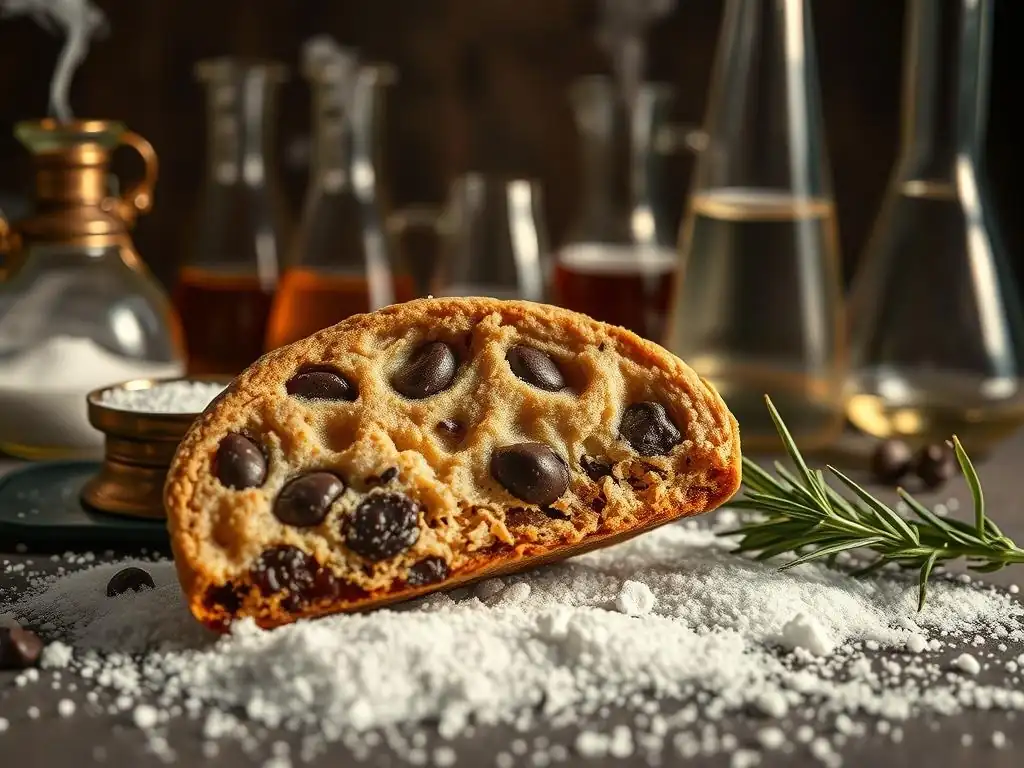
Welcome to BakeWithEase, your trusted companion in the delightful world of baking! Unlocking the secrets to perfect pastries and breads starts with understanding the fundamentals. Ever wondered how to use sugar in baking to achieve that ideal texture and flavor? Dive into our guide and discover the magic behind sugar's transformative power, turning simple ingredients into edible masterpieces. Get ready to elevate your baking game and impress with every creation!
- Understanding Sugar's Role in Baking
- Mastering Sugar Types for Optimal Baking Results
- How to Use Sugar in Baking: Techniques for Texture Perfection
- Sugar's Impact on Different Baked Goods: Texture Transformations
- Troubleshooting Sugar-Related Baking Issues
- Sugar Substitutes: Exploring Alternatives
- Advanced Sugar Techniques
- Tips for Success: Sugar's Sweet Spot
- Perfecting Your Bake: Sugar's Role in Achieving the Ideal Texture
-
Frequently Asked Questions
- How does sugar affect the texture of baked goods?
- What types of sugar are best for different baking applications?
- Can I substitute sugar with artificial sweeteners in baking?
- How does sugar contribute to the browning process in baking?
- What happens if I use too much or too little sugar in a baking recipe?
- Final Reflection: The Sweet Science of Baking Perfection
- Unlock Your Baking Potential: Master Texture Today!
Understanding Sugar's Role in Baking
Sugar is far more than just a sweetener in baking; it's a fundamental ingredient that influences texture, structure, moisture, color, and flavor. Understanding how to use sugar baking effectively is key to achieving consistent and delicious results, whether you're making a light sponge cake or chewy chocolate chip cookies. Its chemical properties interact with other ingredients, undergoing transformations during the baking process that are critical to the final product.
From providing food for yeast in bread making to creating that irresistible golden crust on a pastry, sugar plays multiple vital roles. It helps tenderize baked goods by interfering with gluten development and protein coagulation, contributes to browning through the Maillard reaction and caramelization, and extends shelf life by retaining moisture. Mastering these functions is essential for any baker looking to elevate their skills and truly understand the science behind their favorite treats.
The Science Behind Sugar in Baked Goods
Sugar, primarily sucrose in granulated form, is a simple carbohydrate composed of glucose and fructose. When heated, it undergoes significant changes. At temperatures around 320°F (160°C), sugar begins to caramelize, breaking down and developing complex flavors and a brown color. This process is crucial for elements like caramel sauces or the crust of certain breads.
Beyond caramelization, sugar participates in the Maillard reaction alongside proteins, which occurs at lower temperatures, typically above 280°F (140°C). This reaction is responsible for the rich brown color and savory aromas found in baked goods, contributing significantly to their overall appeal and flavor profile. Understanding these reactions helps explain how to use sugar baking to control browning and flavor development.
Sugar's Impact on Texture, Flavor, and Structure
Sugar profoundly impacts the texture of baked goods. In cakes and cookies, it interferes with the formation of gluten strands, leading to a more tender crumb. It also contributes to tenderness by competing with flour for moisture. For example, increasing the sugar content in a cookie recipe generally results in a softer, more spread-out cookie, while reducing it yields a cakier, less spread cookie.
Flavor is obviously enhanced by sugar's sweetness, but its impact goes deeper. Different sugars, like brown sugar with its molasses content, add distinct flavor notes. Furthermore, sugar enhances other flavors by balancing acidity and bitterness. Structurally, sugar helps stabilize whipped egg whites (as in meringues) and, when creamed with fat, incorporates air, which acts as a leavening agent, contributing to the rise and lightness of cakes and cookies. Knowing how to use sugar baking for these effects is fundamental.
Mastering Sugar Types for Optimal Baking Results
The type of sugar you choose can dramatically alter the outcome of your baked goods. While they all provide sweetness, their crystal size, moisture content, and processing methods lead to different behaviors in recipes. Selecting the right sugar is a key part of understanding how to use sugar baking to achieve specific textures and flavors.
Experimenting with different sugars, such as swapping granulated sugar for brown sugar or using superfine sugar instead of regular granulated, can open up a world of textural possibilities. Each type has unique properties that make it particularly suited for certain applications, from delicate pastries to robust loaves of bread.
Granulated Sugar: The Baking Staple
Granulated sugar, also known as table sugar, is the most common type used in baking. Its medium-sized crystals do not clump easily and dissolve relatively well in liquids. When creamed with butter, the sharp edges of granulated sugar crystals cut into the fat, creating small air pockets essential for leavening in cakes and cookies.
Approximately 1 cup of granulated sugar weighs about 7 ounces (200 grams). Its neutral flavor profile allows other ingredients to shine, making it versatile for a wide range of recipes, from simple butter cookies to complex layered cakes. Understanding how to use sugar baking with granulated sugar is foundational for most bakers.
Caster Sugar (Superfine Sugar): Achieving Delicate Textures
Caster sugar, or superfine sugar, has smaller crystals than granulated sugar. This allows it to dissolve more quickly and evenly into batters and meringues, leading to a smoother texture and preventing a gritty mouthfeel. It's particularly favored in delicate recipes like sponge cakes, meringues, and cocktails.
Due to its finer texture, caster sugar incorporates air more readily when whipped with eggs or creamed with butter, contributing to a lighter, more tender crumb. While its weight is similar to granulated sugar per cup (around 7 ounces or 190 grams, as it packs slightly less densely), its performance differs. Using caster sugar is a refined technique in how to use sugar baking for fine results.
Brown Sugar: Adding Moisture and Molasses Flavor
Brown sugar is granulated sugar with added molasses, which gives it its characteristic color, moist texture, and distinct caramel-like flavor. The molasses content also makes brown sugar more acidic, which can react with baking soda to produce carbon dioxide, aiding in leavening.
There are two main types: light brown sugar and dark brown sugar. Both are crucial elements when considering how to use sugar baking for specific outcomes. Light brown sugar contains less molasses (typically around 3.5% by weight) than dark brown sugar (around 6.5%), resulting in a milder flavor and lighter color. Brown sugar typically weighs about 7.5 ounces (215 grams) per packed cup.
Light Brown Sugar vs. Dark Brown Sugar: Choosing the Right Type
Light brown sugar offers a subtle molasses flavor that complements a wide variety of baked goods, including chocolate chip cookies, muffins, and quick breads. Its moderate moisture content contributes to a tender and slightly chewy texture.
Dark brown sugar has a more intense molasses flavor and higher moisture content. This makes it ideal for recipes where a strong, rich flavor is desired, such as gingerbread, fruitcakes, or robust barbecue sauces. The extra moisture also contributes to a softer, chewier texture in baked goods. Choosing between them depends on the desired flavor intensity and texture when deciding how to use sugar baking in a recipe.
Powdered Sugar (Icing Sugar): The Key to Smooth Finishes
Powdered sugar, also known as confectioners' sugar or icing sugar, is finely ground granulated sugar mixed with a small amount of cornstarch (typically 3-5%) to prevent clumping. Its powdery texture dissolves instantly, making it perfect for icings, frostings, glazes, and dusting finished baked goods.
Because of its fineness and the addition of cornstarch, powdered sugar behaves differently than granulated sugar in batters. It adds tenderness and contributes to a smooth consistency. A cup of powdered sugar weighs significantly less than granulated sugar, around 4 ounces (115 grams), due to its fluffy nature. Understanding how to use sugar baking for smooth finishes often means reaching for powdered sugar.
How to Use Sugar in Baking: Techniques for Texture Perfection
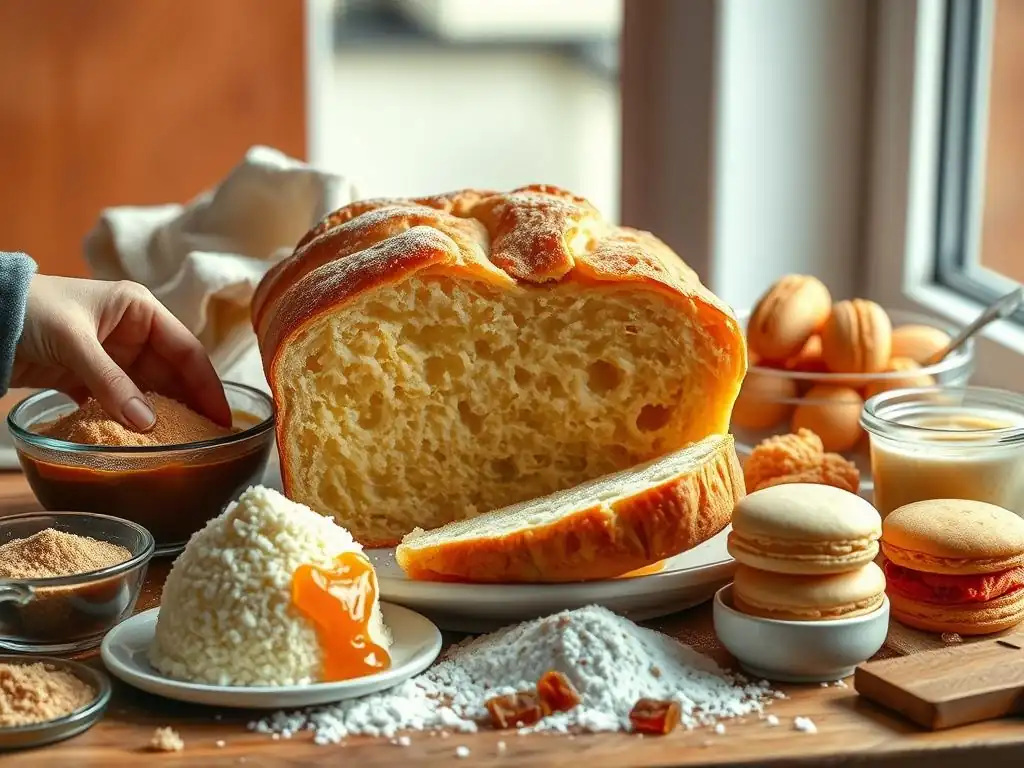
Beyond simply adding sugar to a bowl of ingredients, specific techniques for incorporating sugar are crucial for achieving desired textures. The method of combining sugar with other ingredients dictates how it interacts with fats, liquids, and leavening agents, directly impacting the final structure and texture of the baked good.
Mastering these techniques is a fundamental aspect of understanding how to use sugar baking effectively. Whether it's creating a light and airy cake or a perfectly chewy cookie, the way sugar is handled plays a pivotal role in the outcome.
Creaming Sugar and Butter: Creating Air for Lightness
Creaming involves beating softened butter (or other fat) with sugar until the mixture is lightened in color and fluffy in texture. As the sugar crystals move through the fat, they create tiny air pockets. This trapped air expands during baking, contributing to the leavening and creating a tender crumb structure.
This technique is vital for many cakes, cookies, and some quick breads. The amount of time spent creaming can significantly impact the final texture; creaming for 3-5 minutes on medium speed is often recommended for optimal air incorporation, depending on the recipe and mixer power. This is a prime example of how to use sugar baking for leavening.
Dissolving Sugar in Liquids: Ensuring Even Distribution
In recipes like syrups, glazes, or some batters (like génoise or some bread doughs), sugar is dissolved in a liquid. This ensures the sugar is evenly distributed throughout the mixture, preventing grainy textures and promoting uniform sweetness and moisture.
Heating the liquid often helps the sugar dissolve more quickly. For instance, in simple syrup, equal parts sugar and water are heated until the sugar is fully dissolved. This technique is less about leavening and more about achieving smooth textures and consistent flavor distribution, demonstrating another facet of how to use sugar baking.
Caramelizing Sugar: Adding Depth of Flavor and Color
Caramelization occurs when sugar is heated to high temperatures, causing its molecules to break down and reform into new compounds that provide rich, complex flavors and a range of brown colors. This technique is used to make caramel sauces, brittle, or to add a crisp, flavorful top to desserts like crème brûlée.
The temperature at which sugar caramelizes varies slightly depending on the type of sugar, but it generally starts around 320°F (160°C) for sucrose. As it heats, it progresses from a clear liquid to light amber, then darker brown, developing more intense flavors. Stopping the process at the right point is key to prevent bitterness. This transformative process is a powerful way how to use sugar baking to enhance flavor and appearance.
Sugar's Impact on Different Baked Goods: Texture Transformations
The role of sugar varies depending on the type of baked good. Its interaction with flour, fat, eggs, and leavening agents produces distinct textural outcomes, from the airy lightness of a cake to the satisfying chewiness of a cookie. Understanding these specific impacts is crucial for tailoring your approach to how to use sugar baking for various recipes.
Each category of baked goods presents unique challenges and opportunities for sugar to work its magic. By adjusting the type or amount of sugar, or the method of incorporation, bakers can significantly influence the final texture and quality of their creations.
Cakes: Achieving a Tender and Moist Crumb
In cakes, sugar contributes significantly to tenderness by interfering with gluten development. It also attracts and holds onto moisture, resulting in a moist crumb and helping to extend shelf life. The sugar crystals, when creamed with fat, also create air pockets essential for a light texture.
For instance, a standard butter cake often uses a creaming method, incorporating air and ensuring tenderness. A recipe might call for 1.5 cups (300g) of granulated sugar for a cake using 2 cups (240g) of flour, a ratio that balances sweetness, tenderness, and structure. This highlights how to use sugar baking to control cake texture.
Sugar is a primary driver of cookie texture. Granulated sugar tends to promote spread and crispness, while brown sugar adds moisture and chewiness. The ratio of sugar to fat and flour, as well as the creaming method, heavily influences the final cookie texture.
Consider a classic chocolate chip cookie: using more brown sugar relative to granulated sugar (e.g., 1 cup brown, 0.5 cup granulated) results in a chewier cookie with less spread compared to using primarily granulated sugar (e.g., 1.5 cups granulated), which yields a crispier, more spread-out cookie. This demonstrates a practical application of how to use sugar baking for textural control.
Breads: Sugar's Role in Yeast Activation and Crust Development
In yeasted breads, sugar serves as food for the yeast, helping to activate it and promote fermentation, which produces the carbon dioxide needed for the bread to rise. While not all bread recipes contain sugar, even a small amount (often 1-2% of the flour weight) can significantly boost yeast activity.
Beyond feeding yeast, sugar contributes to the browning of the crust through caramelization and the Maillard reaction, giving the bread an appealing color and flavor. For example, a brioche dough might contain 5-10% sugar (relative to flour weight) for richness and a golden crust, illustrating how to use sugar baking in yeasted goods.
Pastries: Creating Flaky and Delicate Textures
In pastries like pie crusts or puff pastry, sugar is often used in smaller quantities, primarily for flavor and to aid in browning. Too much sugar can interfere with the flakiness by disrupting the layers of fat and flour.
In some pastry doughs, like sweet tart dough (pâte sucrée), a moderate amount of powdered sugar is used. The fine texture of powdered sugar integrates smoothly without promoting excessive gluten development, helping to create a tender, delicate crust that holds its shape well. This shows how to use sugar baking subtly for structural integrity and tenderness.
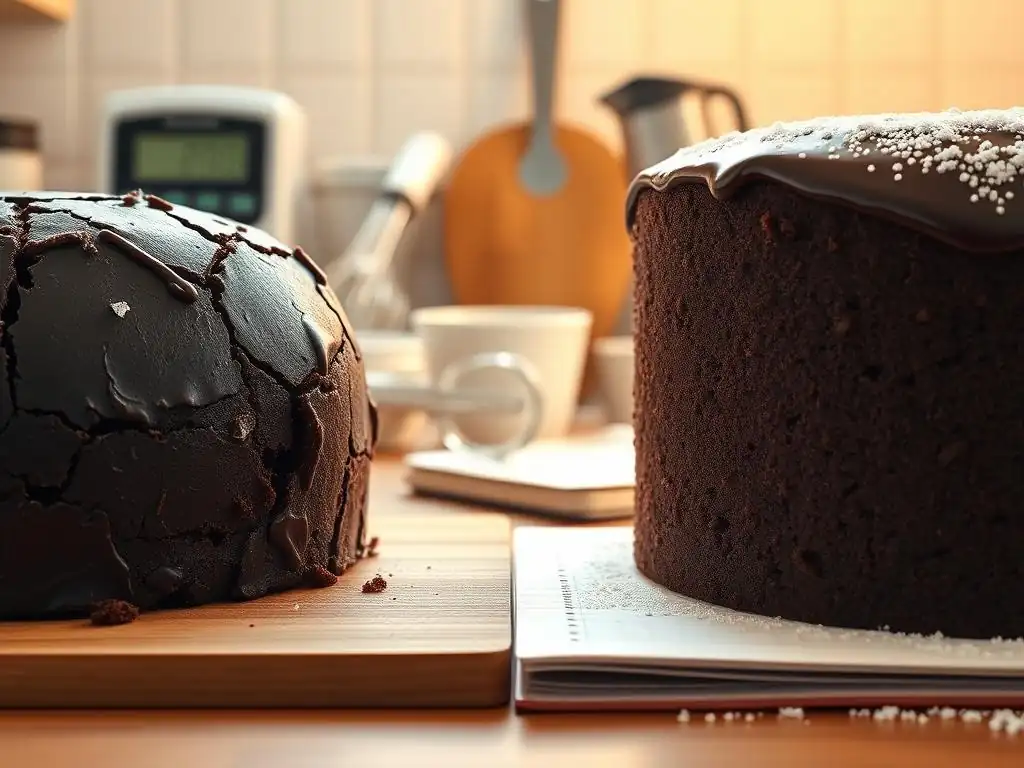
Even experienced bakers encounter issues, and often, sugar is involved. Problems like dry cakes, cookies that spread too much, or dense baked goods can often be traced back to the type, amount, or method of incorporating sugar. Identifying these common pitfalls is key to mastering how to use sugar baking effectively and correcting mistakes.
Understanding the underlying science behind sugar's interactions can help diagnose and fix problems. Instead of discarding a failed batch, analyzing what might have gone wrong with the sugar can turn a baking mishap into a learning opportunity.
Why is My Cake Dry? Sugar's Moisture-Retaining Properties
Sugar is hygroscopic, meaning it attracts and holds onto moisture. If a cake is dry, it might be due to too little sugar relative to the flour and liquid components. The sugar wasn't available in sufficient quantity to bind water molecules, resulting in a drier crumb.
For instance, reducing the sugar in a standard vanilla cake recipe by 25% without adjusting other liquids can lead to a noticeably drier cake. Sugar also tenderizes by interfering with gluten; less sugar can mean more gluten development, also contributing to dryness and toughness. This highlights how to use sugar baking for moisture retention.
Excessive cookie spread is often linked to the sugar-to-fat ratio and the type of sugar used. Using too much sugar, especially granulated sugar, or creaming the butter and sugar for too long can cause cookies to spread excessively thin during baking. Warmer butter also contributes to spread.
A recipe with a high ratio of granulated sugar to flour and a high amount of softened butter (e.g., 1 cup butter, 1.5 cups granulated sugar, 1.5 cups flour) will likely spread more than a recipe with less sugar, more brown sugar, or firmer butter. Adjusting these ratios is a key part of understanding how to use sugar baking for cookie texture.
Dense and Heavy Baked Goods: Understanding Sugar's Role in Leavening
While sugar isn't a chemical leavener itself, it plays a crucial role in mechanical leavening (via creaming with fat) and biological leavening (feeding yeast). If a cake or cookie is dense, it could be that the sugar wasn't properly creamed with the butter to incorporate sufficient air, or in bread, insufficient sugar was available for yeast activation.
Using a sugar type that doesn't cream well with fat, like powdered sugar in a recipe designed for granulated, can also lead to a denser texture because less air is incorporated. Ensuring the butter is softened correctly and creaming until truly light and fluffy is essential for achieving a lighter texture when considering how to use sugar baking for leavening.
Sugar Substitutes: Exploring Alternatives
For various reasons, including dietary needs or health concerns, bakers often explore sugar substitutes. However, replacing sugar in a recipe is not a simple 1:1 swap, as substitutes often lack the functional properties of sugar regarding texture, moisture retention, browning, and structure. Understanding how to use sugar baking with substitutes requires careful consideration and adaptation.
Different substitutes behave differently, and their impact on baked goods can vary widely. It's important to choose a substitute appropriate for the specific recipe and be prepared to make adjustments to achieve a satisfactory result.
Natural Sweeteners: Honey, Maple Syrup, and Agave
Natural liquid sweeteners like honey, maple syrup, and agave nectar offer distinct flavors and are sweeter than granulated sugar by volume, although their sweetness intensity varies. They also add significant moisture to baked goods.
When substituting honey for granulated sugar, a common guideline is to use about 2/3 to 3/4 cup of honey for every cup of sugar, and reduce the liquid in the recipe by about 1/4 cup. These substitutes also contribute to browning more readily than sugar due to their fructose content, which caramelizes at lower temperatures. This is a different approach to how to use sugar baking.
Artificial Sweeteners: Considerations for Texture and Taste
Artificial sweeteners provide sweetness with minimal calories but lack the bulk, moisture-retaining properties, and ability to caramelize or contribute to structure that sugar provides. Replacing sugar entirely with artificial sweeteners often results in baked goods that are dry, lack volume, and don't brown properly.
Some artificial sweeteners can also develop off-flavors when heated. Using blends designed for baking, which often include bulking agents, can help mitigate some textural issues, but results may still differ significantly from recipes made with sugar. This is a complex aspect of how to use sugar baking with alternatives.
Substituting sugar requires more than just swapping sweeteners. For example, in a gluten-free chocolate chip cookie recipe, replacing granulated and brown sugar with a liquid sweetener like maple syrup would necessitate reducing other liquids, potentially increasing flour or adding a binder (like psyllium husk) for structure, and accepting a different texture and browning profile.
A recipe originally calling for 1 cup granulated sugar and 1/2 cup brown sugar might be adapted by using 1 cup maple syrup, reducing liquid elsewhere by 1/2 cup, and possibly adding an extra tablespoon of flour to compensate for the added moisture and lack of sugar bulk. This is a practical example of adjusting how to use sugar baking with substitutes.
Advanced Sugar Techniques
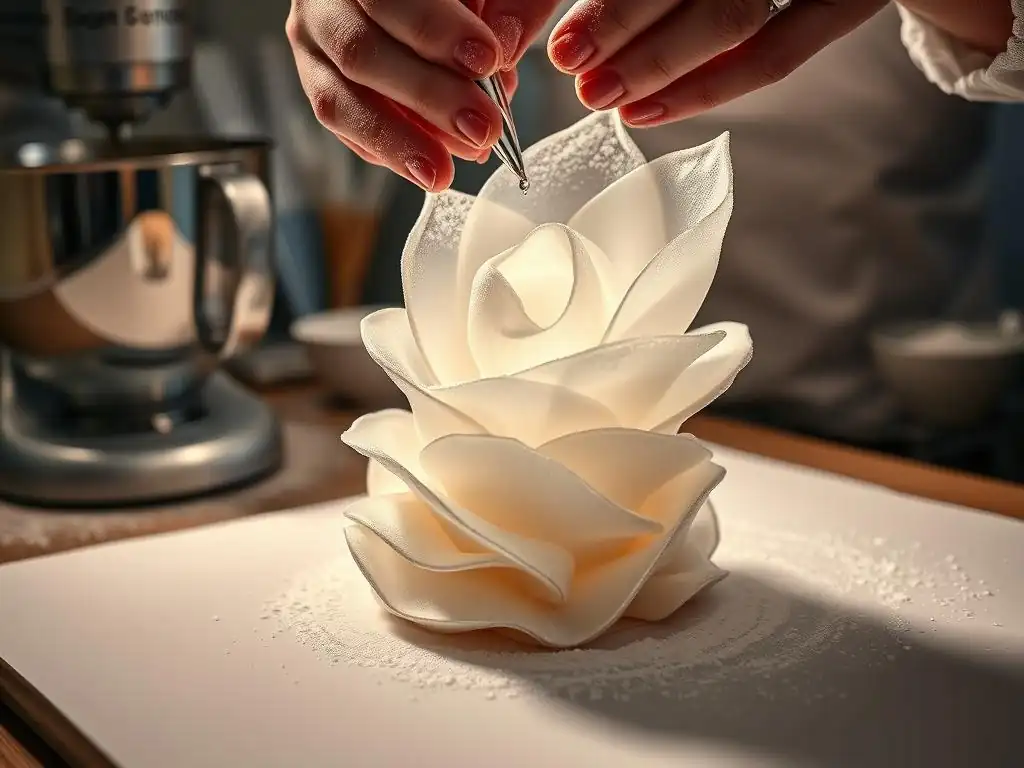
Moving beyond basic sugar incorporation, several advanced techniques utilize sugar's unique properties to create intricate textures, flavors, and decorations. These methods require precision and an understanding of sugar's behavior at different temperatures and concentrations.
Exploring advanced sugar techniques can significantly expand a baker's repertoire, allowing for the creation of impressive and delicious desserts. These methods often involve heating sugar to specific stages or using it in concentrated forms.
Making Homemade Invert Sugar: Boosting Moisture and Shelf Life
Invert sugar is a liquid sweetener made by heating a solution of sucrose and water with an acid (like lemon juice or cream of tartar) or an enzyme. This process breaks sucrose down into its component sugars, glucose and fructose. Invert sugar is sweeter than sucrose and, importantly, is more hygroscopic (attracts and retains moisture).
Using invert sugar (or substances high in it, like honey or corn syrup) in baked goods can prevent crystallization, improve moisture retention, and extend shelf life. It's often used in commercial baking and confectionery. A typical recipe involves heating 2 cups sugar and 1 cup water with a pinch of cream of tartar to 236°F (113°C). This is a sophisticated way how to use sugar baking for specific functional benefits.
Sugar Syrups: Creating Glazes and Flavor Infusions
Sugar syrups, made by dissolving sugar in liquid, are versatile in baking. Simple syrups (equal parts sugar and water) can be flavored with extracts, spices, or fruit zest and brushed onto cakes to add moisture and flavor. More concentrated syrups are used for glazes, candying fruits, or making Italian meringue.
The concentration of the syrup (ratio of sugar to water) dictates its viscosity and how it behaves when cooled. A simple syrup (1:1) is thin, while a heavy syrup (2:1) is thicker and used for glazing. Understanding these ratios is key to how to use sugar baking for glazes and infusions.
The Art of Sugar Decoration: Royal Icing Techniques
Royal icing is a hard, decorative icing made from powdered sugar, egg whites (or meringue powder), and sometimes lemon juice. It dries to a smooth, hard finish, making it ideal for piping intricate designs, creating dimensional decorations, or flooding cookies with a smooth surface.
The consistency of royal icing can be adjusted by adding more powdered sugar for stiffness (piping outlines, creating flowers) or more liquid for a thinner consistency (flooding areas). Mastering royal icing involves practice with piping bags and tips to control the flow and create desired shapes, showcasing how to use sugar baking for artistic purposes.
Tips for Success: Sugar's Sweet Spot
Achieving consistent success in baking with sugar relies on attention to detail. Accurate measurement, proper storage, and understanding how to adjust quantities are fundamental skills. These seemingly simple steps are critical components of mastering how to use sugar baking to get perfect results every time.
Paying close attention to these details can prevent common baking errors and help you consistently produce delicious, perfectly textured baked goods.
Measuring Sugar Accurately: Ensuring Consistent Results
Baking is a science, and accuracy in measuring ingredients, especially sugar, is paramount. Using too much or too little sugar can significantly alter texture, moisture, sweetness, and browning. Granulated and superfine sugars should be scooped and leveled, while brown sugar should be firmly packed into the measuring cup.
Using a kitchen scale provides the most accurate measurement, as cup volumes can vary. For example, a cup of granulated sugar is typically 200g, while a cup of packed light brown sugar is around 215g, and a cup of powdered sugar is only about 115g. Precise measurement is foundational to how to use sugar baking successfully.
Storing Sugar Properly: Maintaining Quality and Freshness
Sugar itself doesn't spoil, but improper storage can lead to issues. Granulated and powdered sugars should be stored in airtight containers in a cool, dry place to prevent them from absorbing moisture and clumping.
Brown sugar, due to its molasses content, can dry out and harden when exposed to air. Storing it in an airtight container is essential. If it hardens, placing a slice of bread or a marshmallow in the container overnight can help soften it by transferring moisture. Proper storage ensures sugar is ready to perform its role correctly when you are ready to apply your knowledge of how to use sugar baking.
Experimenting with Sugar Ratios: Adjusting Sweetness Levels
Once comfortable with basic recipes, experimenting with sugar ratios can help you customize sweetness and texture. Reducing sugar slightly (e.g., by 10-15%) in some recipes might be possible without drastically altering the outcome, especially in recipes with other strong flavors like chocolate or spices.
However, significant reductions (25% or more) will likely require other recipe adjustments to maintain structure, moisture, and tenderness. Start with small changes and note the results. This iterative process of adjusting and testing is part of truly mastering how to use sugar baking to suit your preferences.
Perfecting Your Bake: Sugar's Role in Achieving the Ideal Texture
Ultimately, understanding how to use sugar baking is about recognizing its multifaceted role in creating the textures we love. From providing tenderness and moisture to contributing to leavening and browning, sugar is an indispensable player in the symphony of baking ingredients.
By mastering the different types of sugar and the techniques for incorporating them, you gain greater control over your baked goods. Embrace experimentation, pay attention to the details, and you'll be well on your way to consistently achieving perfect textures in all your baking adventures.
Frequently Asked Questions
How does sugar affect the texture of baked goods?
Sugar significantly impacts texture by controlling moisture, tenderizing gluten, and influencing browning. It's a crucial ingredient for achieving the desired crumb and chewiness.
What types of sugar are best for different baking applications?
Different sugars have unique properties. Granulated sugar is versatile, brown sugar adds moisture and chewiness, and powdered sugar is used for smooth frostings.
Can I substitute sugar with artificial sweeteners in baking?
Substituting sugar with artificial sweeteners can drastically change the outcome. Many sweeteners lack the browning and moisture-retaining properties of sugar, requiring recipe adjustments.
How does sugar contribute to the browning process in baking?
Sugar caramelizes during baking, contributing to the golden-brown color and distinct flavor. This Maillard reaction is essential for creating appealing and flavorful crusts.
What happens if I use too much or too little sugar in a baking recipe?
Too much sugar can lead to a flat, overly sweet, and potentially sticky result. Too little sugar can result in a dry, tough, and less flavorful baked good.
Final Reflection: The Sweet Science of Baking Perfection
Understanding the role of sugar in baking isn't just about sweetness; it's the key to unlocking a world of textures, from the delicate crumb of a cake to the chewy bite of a cookie. Mastering sugar's multifaceted influence transforms baking from a haphazard process into a precise art, allowing for consistent, delicious results every time. This knowledge empowers home bakers to confidently experiment and create truly exceptional treats.
The impact of sugar on our culinary landscape is undeniable. From the simplest sponge cake to the most elaborate pastry, sugar plays a pivotal role in shaping our sensory experience. It's more than just a sweetener; it's a structural component, a leavening agent, and a crucial factor in browning and moisture retention. As Julia Child wisely said, Find something you're passionate about and keep tremendously interested in it.
For me, that passion lies in understanding the subtle nuances of sugar's influence on baking, and sharing that knowledge to inspire others to explore the endless possibilities within the kitchen.
Now, it's your turn to embark on this delicious journey. Don't be afraid to experiment with different types of sugar, to meticulously measure, and to observe the subtle changes in your baked goods. Each batch is a lesson, each experiment a step closer to mastering the sweet science of baking. Embrace the process, savor the results, and most importantly, have fun creating your own perfect textures. The world of baking awaits your exploration!
Unlock Your Baking Potential: Master Texture Today!
Thanks for diving into the world of perfect baking textures! We hope you gained valuable insights into how sugar impacts your recipes. Now it's time to put that knowledge into action.
- Experiment with different sugar types: Try substituting granulated sugar with brown sugar or even honey in your next recipe to see how the texture changes. This is the perfect way to apply what you've learned!
- Share your baking triumphs (and challenges!): Let's build a community of bakers! Tell us about your experiences in the comments below. What textures surprised you?
- Challenge yourself with a new recipe: Find a recipe that specifically calls for a certain sugar type to achieve a particular texture and give it a go! Push your baking boundaries!
What unique texture are you excited to create in your next baking adventure?