
Balancing Butter and Oil: The Key to UltraTender Muffins Every Time

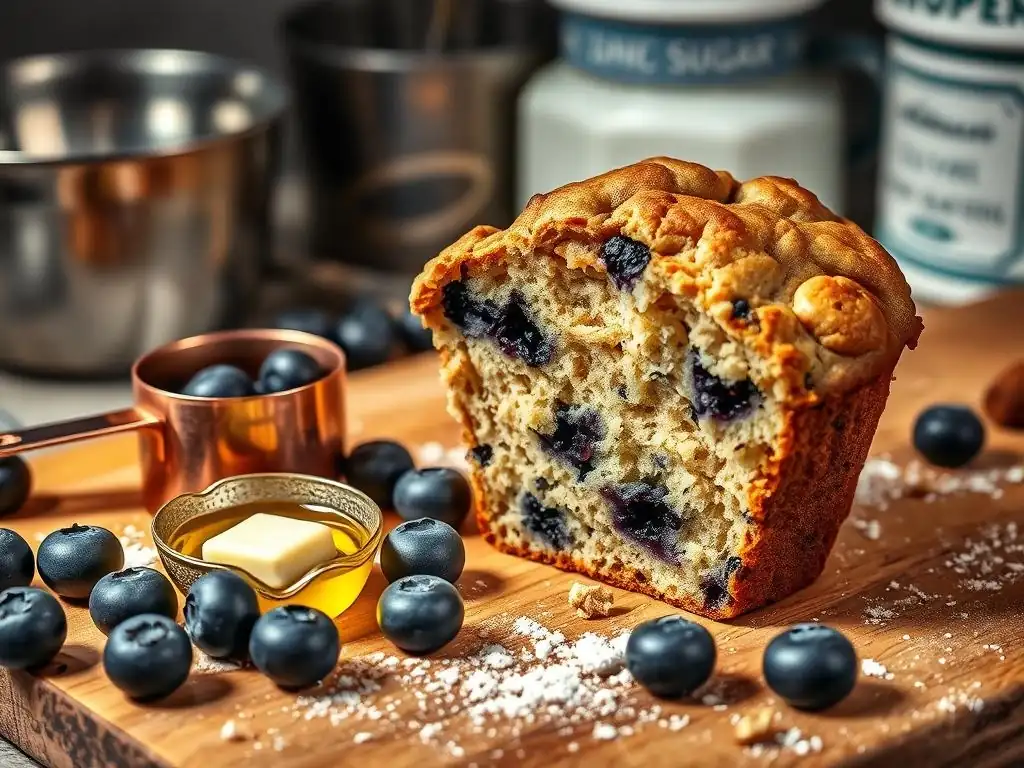
Welcome to BakeWithEase, where baking becomes a joy, not a chore! Ever wondered what makes a muffin truly irresistible? This week, we unlock the secret to achieving bakery-level perfection with our ultra tender muffin recipe. Discover the surprisingly simple technique involving the perfect balance of butter and oil that guarantees moist, melt-in-your-mouth muffins every single time. Ready to elevate your muffin game? Let's get baking!
- Introduction: Achieving Muffin Perfection with the Right Fats
- Butter's Contribution: Flavor and Structure in Muffins
- Oil's Secret Weapon: Moisture and Tenderness
- The Perfect Balance: Combining Butter and Oil for Ultra-Tender Muffins
- Ultra-Tender Muffin Recipe: Putting the Balance to the Test
- Troubleshooting: Addressing Common Muffin Baking Issues
- Beyond the Basics: Exploring Variations and Flavor Combinations
- Conclusion: Mastering the Art of Ultra-Tender Muffins
-
Frequently Asked Questions
- What makes a muffin "ultra tender" according to BakeWithEase?
- Why use both butter and oil in a muffin recipe?
- What happens if I use only butter in my muffin recipe?
- Can I substitute all the butter with oil in the "Ultra Tender Muffin Recipe"?
- Where can I find the "Ultra Tender Muffin Recipe" mentioned on BakeWithEase?
- Final Reflection: The Enduring Quest for Ultra-Tender Muffins
- Unlock Your Muffin Mastery: Bake the Perfect Batch Today!
Introduction: Achieving Muffin Perfection with the Right Fats
Baking a truly ultra-tender muffin is a goal many home bakers strive for. That perfect crumb, that moist interior, that slightly crisp top – it's a delightful combination. While many ingredients play a role, the type and proportion of fat used are fundamental. Many recipes call for either butter or oil, but unlocking the secret to consistently tender muffins often lies in a clever combination of both.
Understanding how fats work in baking is the first step towards mastering the art of the ultra tender muffin recipe. Fats contribute not just moisture and tenderness, but also flavor, structure, and even color. By strategically balancing butter and oil, you can leverage the unique properties of each to create muffins that are superior in both texture and taste. This approach moves beyond simple single-fat recipes to a more nuanced technique for achieving baking excellence.
Why Choose Butter and Oil for the Ultimate Muffin Texture?
Using both butter and oil in your muffin recipe offers a synergistic effect that single fats can't quite match. Butter brings a rich, creamy flavor and promotes browning, contributing to that desirable golden crust and a slightly firmer, yet still tender, crumb structure. It contains milk solids and water, which evaporate during baking, creating steam that helps the muffin rise and develop a more complex structure.
Oil, on the other hand, is 100% fat and remains liquid at room temperature. This property allows it to coat flour particles more effectively, inhibiting gluten development. Less gluten means a more tender crumb. Oil also contributes significant moisture, resulting in muffins that stay moist and soft for longer periods compared to those made solely with butter. Combining them gives you the best of both worlds: the flavor complexity and structure support of butter with the superior moisture retention and tenderness provided by oil.
Understanding the Role of Fats in Muffin Baking
Fats are crucial to the texture and keeping quality of baked goods like muffins. They tenderize by coating the flour proteins, preventing them from forming long, tough gluten strands when hydrated. This is why muffins made with insufficient fat can be tough or dry. Fats also interfere with starch gelatinization, further contributing to a softer texture.
Beyond tenderness, fats add richness and carry flavor compounds throughout the batter. They also influence leavening; solid fats like butter, when creamed with sugar, create tiny air pockets that expand during baking, contributing to lift and a fine crumb. Liquid fats like oil don't aerate batter in the same way, but they ensure a consistently moist texture. The interplay between solid and liquid fats is key to achieving the ultra-tender muffin ideal.
Butter's Contribution: Flavor and Structure in Muffins
Butter is a beloved ingredient in baking, and for good reason. Its unique composition and properties add depth and character to muffins that oil alone cannot replicate. It's more than just a fat; it's a flavor powerhouse and a structural contributor.
When you bite into a muffin made with butter, you immediately notice the difference. The rich, slightly nutty, and creamy flavor is distinct. Furthermore, butter's ability to brown during baking contributes to the appealing color and subtle caramelized notes on the muffin's exterior.
The Richness and Flavor Profile of Butter in Muffins
Butter, typically composed of about 80-82% fat, 16-18% water, and 1-2% milk solids, brings a complex flavor that enhances any muffin recipe. The fat carries fat-soluble flavor compounds, distributing them evenly throughout the batter. The milk solids contribute to browning through the Maillard reaction during baking, adding savory, toasted notes to the crust.
Consider a simple vanilla muffin. Made with oil, it might be moist but taste somewhat flat. Made with butter, it gains a depth of flavor that complements the vanilla beautifully. Even better, browning the butter before adding it can introduce even more complex, nutty flavors, transforming a basic ultra tender muffin recipe into something extraordinary. This richness is a key reason why butter remains essential, even when pairing it with oil.
How Butter Creates a Tender Crumb and Golden Crust
Butter's dual nature as a solid fat (at room temperature) and its water content are key to its function. When cold butter is cut into flour, it creates small pockets. As the muffin bakes, the water in the butter turns to steam, causing the layers of dough to puff up slightly, contributing to flakiness or a tender crumb depending on the mixing method.
More commonly in muffin recipes, melted or softened butter is used. Even melted, the milk solids and fat contribute to the structure. The milk solids, as mentioned, promote desirable browning on the surface, creating that appealing golden-brown crust. The fat itself coats flour particles, limiting gluten development and ensuring a tender interior crumb, especially when creamed with sugar to create air pockets.
Best Practices for Using Butter in Your Muffin Recipe
To get the best results from butter in your muffin recipe, consider its state. Softened butter (not melted) is ideal for creaming with sugar, which incorporates air and leads to a lighter texture. If the recipe calls for melted butter, ensure it's not hot when added to the wet ingredients, as hot fat can cook the eggs and create a tough texture.
Using quality butter also makes a difference. European-style butter, with its higher fat content (often 82-84%), can provide a richer flavor and slightly more tender result than standard American butter (around 80% fat). For an extra layer of flavor in your ultra tender muffin recipe, try browning the butter gently over medium heat until the milk solids turn amber and it smells nutty. Let it cool slightly before incorporating it into the batter.
Oil's Secret Weapon: Moisture and Tenderness
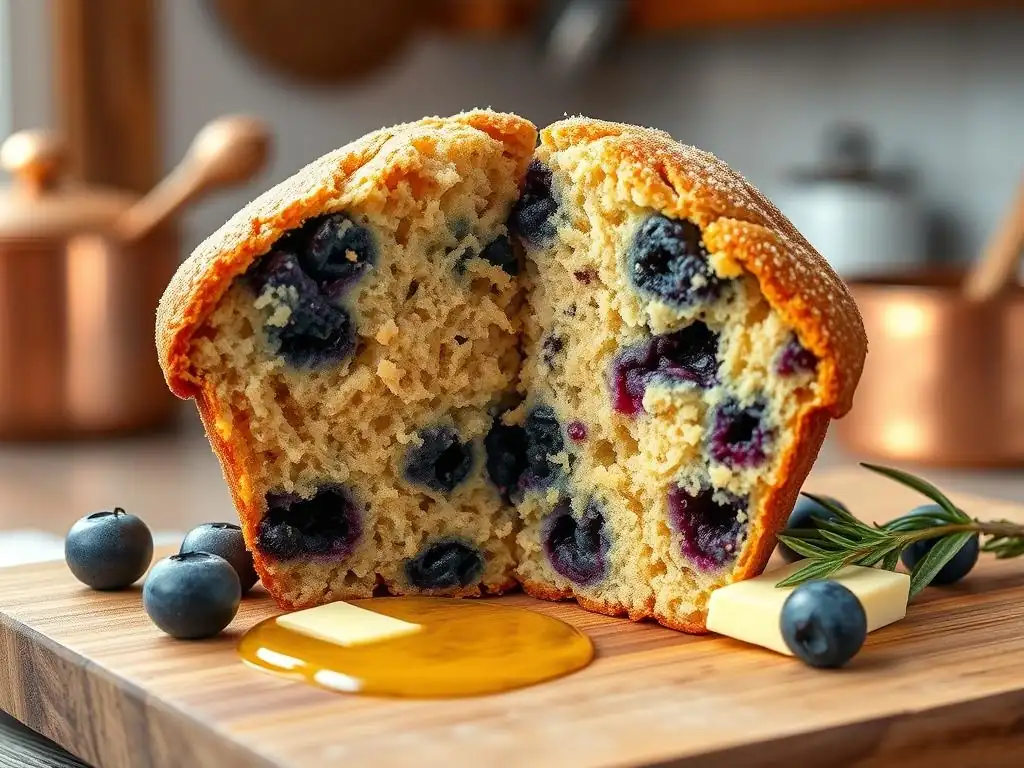
While butter provides structure and flavor, oil is the champion of moisture and long-lasting tenderness in muffins. Its distinct properties make it indispensable for achieving that melt-in-your-mouth texture that defines an ultra-tender muffin.
Unlike butter, which contains water and milk solids, oil is pure fat. This composition means it interacts with other ingredients in a different way, particularly with flour and moisture.
The Science Behind Oil's Impact on Muffin Texture
Oil is a liquid fat at typical baking temperatures and room temperature. This liquid state allows it to coat flour particles more thoroughly and efficiently than solid or softened butter. By coating the flour, the oil creates a barrier that prevents the wheat proteins (glutenin and gliadin) from fully hydrating and forming a strong gluten network when mixed with liquid.
A weaker gluten network results in a more tender crumb. Think of it like this: strong gluten is like a sturdy scaffolding (great for bread); a weaker gluten network is like a looser structure (great for cakes and muffins). Oil's ability to effectively inhibit gluten development is a primary reason why it contributes so significantly to the tenderness of an ultra tender muffin recipe.
Why Oil Results in Extra Moist and Tender Muffins
Because oil is 100% fat and contains no water, it doesn't evaporate during baking in the same way butter does. This means more of the fat remains in the baked good, contributing to a moist mouthfeel. Furthermore, oil tends to keep baked goods softer over time. While muffins made solely with butter can sometimes dry out or become crumbly after a day or two, muffins made with oil or a combination tend to retain their moisture and soft texture for longer.
This makes oil particularly valuable for recipes where you want the muffins to stay fresh and tender for several days. It ensures that your ultra tender muffin recipe delivers on its promise not just straight out of the oven, but also in subsequent servings. The even distribution of oil throughout the batter also contributes to a consistently soft texture from edge to center.
Choosing the Right Oil for Your Muffin Recipe: [Canola Oil, Vegetable Oil, Melted Coconut Oil]
The type of oil you choose can influence the flavor and texture of your ultra tender muffin recipe. Neutral-flavored oils are often preferred as they won't overpower the other ingredients.
- Canola Oil: This is a very popular choice due to its neutral flavor, light texture, and high smoke point. It's readily available and consistently produces moist results. Using canola oil is a reliable way to ensure your ultra tender muffin recipe focuses on the primary flavors you add, like fruit or chocolate, without adding an oily taste.
- Vegetable Oil: Similar to canola oil, generic vegetable oil (often a blend of soybean, corn, and other oils) is neutral and effective. It's an economical and widely available option that works well in most muffin recipes calling for oil.
- Melted Coconut Oil: This oil is solid at room temperature but melts when warmed. While it has a distinct flavor, it can be used in place of other oils, especially in recipes where a hint of coconut is welcome (like tropical fruit muffins). Ensure it's fully melted and slightly cooled before adding to the batter. Note that refined coconut oil has a much milder flavor than unrefined.
Other oils like grapeseed or sunflower oil also work well due to their neutral profile. Avoid strong-flavored oils like extra virgin olive oil unless the recipe specifically calls for it, as their intense taste can clash with typical muffin flavors.
The Perfect Balance: Combining Butter and Oil for Ultra-Tender Muffins
The magic truly happens when you combine butter and oil. It's not just about using both; it's about finding the right ratio and method to harness the strengths of each fat for the ultimate ultra-tender muffin. This balanced approach is the hallmark of a truly exceptional muffin recipe.
Achieving the perfect balance requires understanding how different ratios affect the final outcome and mastering the technique of incorporating both fats effectively into your batter. It's a subtle art that elevates a good muffin to a great one.
Finding the Ideal Ratio of Butter to Oil for Optimal Results
There's no single "perfect" ratio that works for every ultra tender muffin recipe, as it depends on the desired outcome and other ingredients. However, a common and effective starting point is often a 1:1 ratio by weight or volume, or slightly more oil than butter. For example, a recipe might call for 1/4 cup melted butter and 1/4 cup vegetable oil, or perhaps 1/4 cup melted butter and 1/3 cup oil.
Using a significant proportion of oil (say, 50-75% of the total fat) ensures maximum moisture and tenderness, while the remaining butter (25-50%) provides crucial flavor and helps with the crust development and subtle structural lift. Experimentation is key here. If your muffins are consistently too dry, lean towards a higher oil percentage in your next batch. If they lack flavor or structure, increase the butter slightly. Many successful ultra tender muffin recipes utilize this balanced fat approach.
Step-by-Step Guide: Incorporating Butter and Oil for the Best Muffin Texture
Incorporating both fats usually happens during the "wet ingredients" stage of the muffin method (mixing wet ingredients separately from dry). Here's a typical approach for an ultra tender muffin recipe:
- Melt the butter: Gently melt the required amount of butter. Be careful not to brown it unless the recipe specifically instructs you to. Let it cool slightly so it's warm, not hot.
- Combine fats: In a bowl, whisk together the slightly cooled melted butter and the specified amount of liquid oil (like canola or vegetable oil).
- Mix with wet ingredients: Add this fat mixture to the other wet ingredients (eggs, milk, sugar, vanilla, etc.) and whisk until well combined.
- Combine wet and dry: Pour the combined wet ingredients into the bowl of dry ingredients (flour, baking powder, salt, etc. ).
- Mix gently: Mix just until the dry ingredients are moistened. A few lumps are okay. Overmixing will develop gluten and lead to tough muffins, counteracting the tenderizing effect of the fats.
This method ensures the fats are evenly distributed throughout the wet mixture before being introduced to the flour, promoting even tenderness.
Common Mistakes to Avoid When Using Butter and Oil Together
Even with the right ratio, technique matters. Avoid these common pitfalls when making your ultra tender muffin recipe:
- Adding hot melted butter: As mentioned, hot butter can start cooking the eggs in the wet mixture, leading to a less tender result. Always let melted butter cool slightly.
- Overmixing the batter: This is perhaps the most common muffin mistake. Overmixing develops gluten, making the muffins tough and dense, regardless of how much fat you use. Mix only until the dry ingredients are just incorporated.
- Using cold oil: While butter needs to be melted, oil should generally be at room temperature for easy incorporation. Very cold oil might not mix smoothly with other liquids.
- Incorrect measurements: Baking is a science. Using too much or too little of either fat will throw off the balance and affect the final texture. Use proper measuring cups and spoons, ideally weighing ingredients for best accuracy, especially for flour.
Ultra-Tender Muffin Recipe: Putting the Balance to the Test
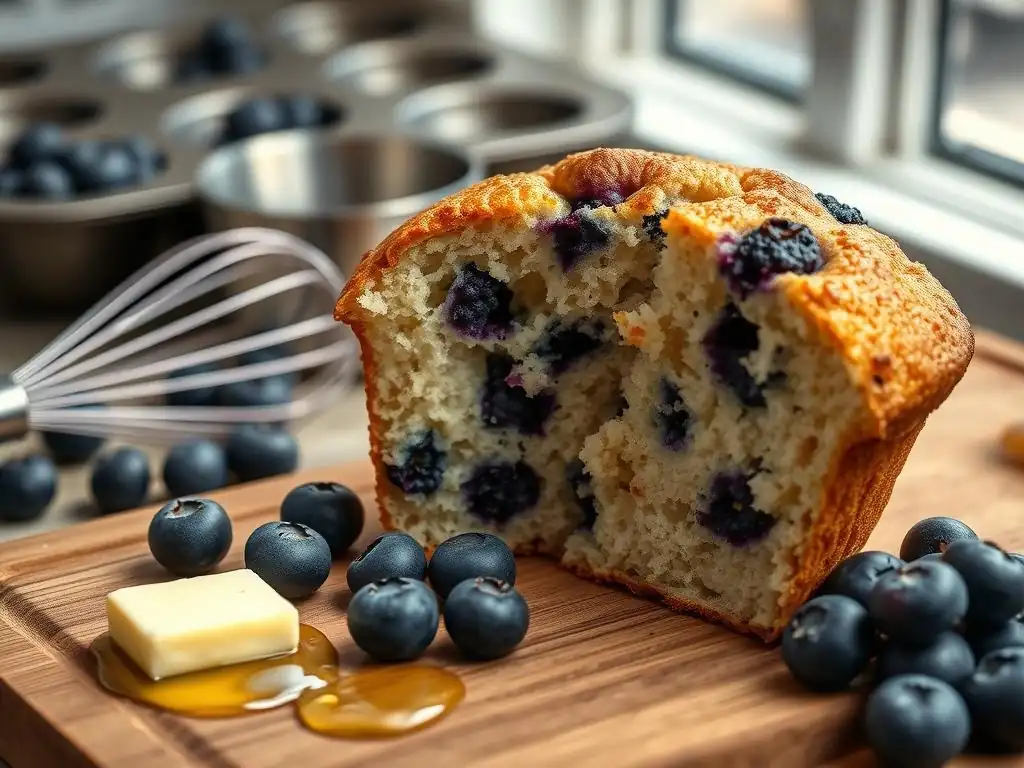
Let's put theory into practice with a simple ultra tender muffin recipe that leverages the power of both butter and oil. This base recipe can be customized with your favorite add-ins.
This recipe aims for that signature moist, tender crumb and delicious flavor profile achieved by balancing fat types. It's designed to be straightforward, perfect for bakers of all levels.
Ingredients for the Perfectly Balanced Ultra-Tender Muffin
Here are the components needed for our base ultra tender muffin recipe:
- 1 and 3/4 cups (approx. 210g) all-purpose flour
- 2 teaspoons baking powder
- 1/4 teaspoon baking soda
- 1/4 teaspoon salt
- 1/2 cup (approx. 100g) granulated sugar
- 1 large egg
- 1/2 cup (approx. 120ml) milk (whole or 2%)
- 1/4 cup (approx. 60ml) melted unsalted butter, slightly cooled
- 1/4 cup (approx. 60ml) neutral vegetable oil (like canola or sunflower)
- 1 teaspoon vanilla extract
- Optional: 1 cup of add-ins (e.g., blueberries, chocolate chips, chopped nuts)
This ingredient list features a balanced amount of both melted butter and liquid oil, alongside leaveners and just enough sugar for sweetness and moisture. The ratio here leans slightly towards equal parts butter and oil by volume, providing both flavor and exceptional tenderness.
Baking Instructions: Achieving Muffin Perfection
Follow these steps to bake your ultra tender muffin recipe:
- Preheat your oven to 400°F (200°C). Line a 12-cup muffin tin with paper liners or grease it well.
- In a large bowl, whisk together the flour, baking powder, baking soda, salt, and sugar. Make a well in the center.
- In a separate medium bowl, whisk together the egg, milk, slightly cooled melted butter, vegetable oil, and vanilla extract until well combined.
- Pour the wet ingredients into the well of the dry ingredients.
- Using a spatula or wooden spoon, mix gently just until the dry ingredients are moistened. Do not overmix; the batter will be lumpy. If using add-ins, gently fold them in now.
- Divide the batter evenly among the prepared muffin cups, filling each about two-thirds to three-quarters full.
- Bake for 18-22 minutes, or until a toothpick inserted into the center of a muffin comes out clean. The tops should be golden brown.
- Let the muffins cool in the tin for 5-10 minutes before transferring them to a wire rack to cool completely.
Baking at a slightly higher initial temperature (400°F) for the first few minutes (though this recipe bakes at 400°F for the whole time) can help create a good dome, while the balanced fats ensure the interior remains tender.
Tips for Customizing Your Ultra-Tender Muffin Recipe
This base ultra tender muffin recipe is incredibly versatile. Feel free to customize it:
- Add-ins: Fold in 1 cup of your favorite additions. Popular choices include fresh or frozen berries (like 1 cup blueberries), chocolate chips (1 cup), chopped nuts (1/2 cup), or a mix of dried fruit and spices.
- Flavor Extracts: Swap or add extracts. A little almond extract (1/2 teaspoon) pairs well with berries, or try lemon extract (1 teaspoon) with poppy seeds.
- Spices: Whisk ground cinnamon (1 teaspoon), nutmeg (1/4 teaspoon), or cardamom (1/2 teaspoon) into the dry ingredients for spiced muffins.
- Citrus Zest: Add the zest of one lemon or orange to the wet ingredients for a bright flavor.
- Brown Sugar: Replace half of the granulated sugar with packed light brown sugar for a moister muffin with a hint of caramel flavor.
Remember to keep the total volume of liquid and fat roughly the same when making substitutions to maintain the ultra tender muffin texture.
Troubleshooting: Addressing Common Muffin Baking Issues
Even with a great ultra tender muffin recipe, things can occasionally go wrong. Knowing how to troubleshoot common problems will help you achieve perfect results consistently.
Here are some frequent issues and simple fixes to get you back on track to baking delicious, tender muffins.
My Muffins are Dry: [Use more oil, add sour cream, avoid overbaking]
Dry muffins are often a sign of too little fat, too much flour, or overbaking.
- Use more oil: Oil is the ultimate moisture provider. In your next batch, slightly increase the amount of oil while keeping the total fat (butter + oil) consistent, or slightly increase the total fat amount, favoring oil. For instance, if using 1/4 cup butter and 1/4 cup oil, try 1/4 cup butter and 1/3 cup oil.
- Add sour cream or yogurt: Incorporating a dairy product like sour cream or plain yogurt (1/4 to 1/2 cup per recipe) adds extra fat and moisture while also contributing a slight tang that enhances flavor. Their acidity can also react with baking soda for extra lift.
- Avoid overbaking: This is critical. Even a perfectly balanced batter will yield dry muffins if left in the oven too long. Start checking for doneness at the minimum bake time specified (e.g., 18 minutes in our recipe). The toothpick test is your friend – it should come out clean or with a few moist crumbs attached, but no wet batter.
My Muffins are Too Oily: [Reduce oil, increase flour, ensure accurate measurements]
If your muffins have a greasy texture or look wet inside, you might have used too much oil or not enough dry ingredients.
- Reduce oil: Slightly decrease the amount of oil in the recipe, perhaps by 1-2 tablespoons. You can compensate by adding a tiny bit more butter for flavor, but prioritize reducing the oil if greasiness is the main issue.
- Increase flour: The ratio of wet to dry ingredients is key. If the batter seems excessively wet or oily, you might need a little more flour to absorb the fat. Add 1-2 tablespoons of flour to the dry ingredients in your next attempt. Ensure you are measuring flour correctly – spoon it lightly into the measuring cup and level off, don't scoop directly from the bag as this compacts it.
- Ensure accurate measurements: Double-check your measurements for both fats and flour. A simple mismeasurement is a common culprit for texture issues. Using a kitchen scale for flour (approx. 120-130g per cup) can significantly improve consistency.
My Muffins Lack Flavor: [Use browned butter, add vanilla extract, incorporate spices]
Sometimes muffins can be moist but just... bland. This is where boosting your flavorings comes in.
- Use browned butter: Browning the butter before adding it introduces a nutty, caramelized depth of flavor that is far more intense than plain melted butter. This is a simple but powerful technique for enhancing any ultra tender muffin recipe.
- Add vanilla extract: Ensure you're using a good quality vanilla extract, and don't be shy with it. 1 teaspoon is standard, but you can often increase it slightly (to 1.5 teaspoons) for more pronounced vanilla flavor.
- Incorporate spices or extracts: Depending on the muffin type, spices like cinnamon, nutmeg, cardamom, or extracts like almond, lemon, or maple can dramatically improve the flavor profile. Consider adding citrus zest for brightness. Even a pinch of salt enhances sweetness and overall flavor – make sure you haven't forgotten it!
Beyond the Basics: Exploring Variations and Flavor Combinations
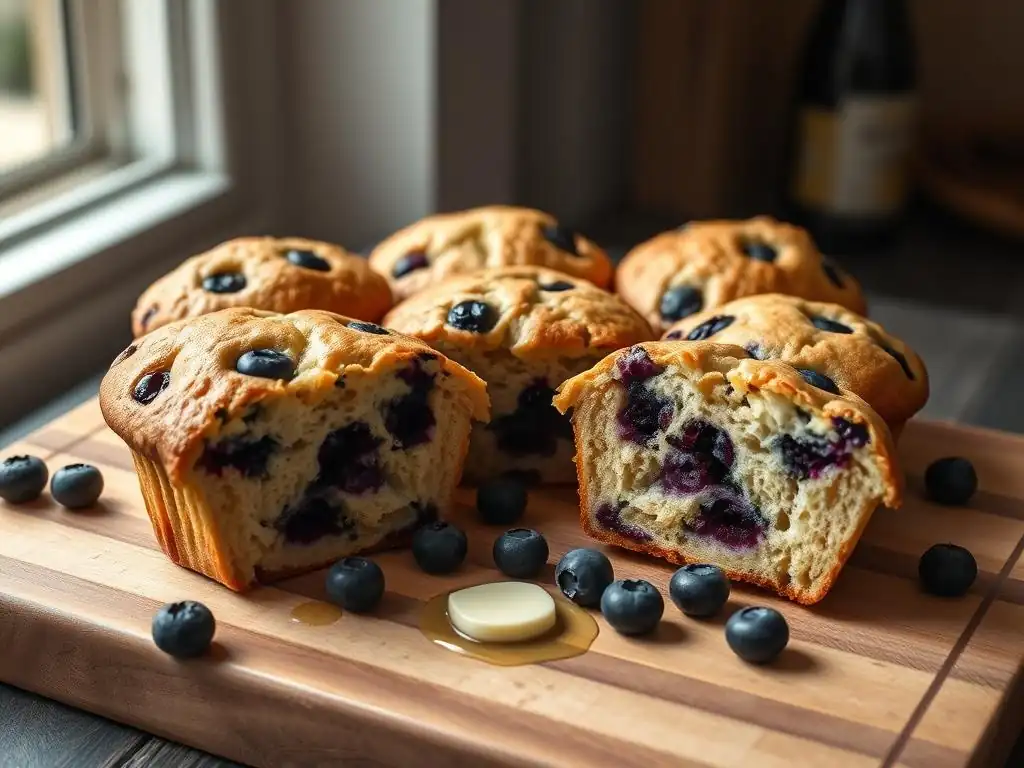
Once you've mastered the basic ultra tender muffin recipe using a butter and oil blend, you can start experimenting with different ingredients to create unique flavor profiles and textures. The world of muffins is vast and exciting!
Exploring different types of fats and complementary flavors allows you to put your own spin on the classic tender muffin concept.
Using Different Types of Butter: [European vs. American Butter]
The type of butter you use can subtly impact your ultra tender muffin recipe.
- European Butter: This butter typically has a higher fat content (82-84%) and lower water content than standard American butter (around 80% fat). The higher fat contributes to a slightly richer flavor and potentially a more tender crumb due to less water interfering with gluten development. If you want a truly luxurious muffin, try using high-fat European-style butter in the butter portion of your blend.
- American Butter: Standard American butter works perfectly well and is what most recipes are developed with. It provides reliable flavor and texture. Using unsalted butter gives you more control over the saltiness of the final product.
While the difference might be subtle, using European butter can be a way to elevate your ultra tender muffin recipe slightly.
Experimenting with Different Oils: [Avocado Oil, Walnut Oil]
Beyond the neutral oils, you can experiment with oils that have their own distinct flavors, provided they complement the other ingredients in your muffin recipe.
- Avocado Oil: This oil has a very mild, slightly buttery flavor and a high smoke point. It's a healthy option and works well in most recipes as a direct substitute for vegetable or canola oil, contributing moisture without a strong taste.
- Walnut Oil: This oil has a pronounced nutty flavor. It's excellent in muffins that feature nuts (like walnuts or pecans), apple, or maple. Use it in conjunction with butter in a recipe where its flavor will enhance, rather than clash with, the other ingredients. Note that walnut oil can be more expensive and is best stored in the refrigerator to prevent rancidity.
Remember that flavored oils will impact the final taste, so choose wisely based on your desired muffin flavor profile.
Adding Complementary Flavors: [Blueberries, Walnuts, Cinnamon]
The add-ins are where your ultra tender muffin recipe truly comes alive! The balanced fat base provides the perfect canvas for countless flavor combinations.
- Blueberries: A classic for a reason! Fresh or frozen (don't thaw!) blueberries burst with flavor and add moisture. Toss frozen berries in a tablespoon of flour before adding to the batter to help prevent them from sinking.
- Walnuts: Chopped walnuts (or pecans) add a lovely crunch and nutty flavor that pairs wonderfully with spices, banana, or pumpkin. Toasting the nuts lightly before adding them enhances their flavor significantly.
- Cinnamon: Ground cinnamon is a warming spice that complements countless muffin flavors, from apple and banana to plain vanilla or chocolate chip. Whisk it into the dry ingredients for even distribution. Other spices like nutmeg, ginger, or cardamom can also be used.
Other ideas include chocolate chips (dark, milk, or white), cranberries (fresh or dried), lemon zest and poppy seeds, grated apple or zucchini, or even savory additions like cheese and herbs (though the sugar amount might need adjustment for savory muffins).
Conclusion: Mastering the Art of Ultra-Tender Muffins
Baking ultra-tender muffins is a rewarding endeavor, and understanding the role of fats is fundamental to achieving consistent success. By moving beyond single-fat recipes and embracing the power of balancing butter and oil, you unlock a new level of texture and flavor in your baking.
The key lies in leveraging butter's rich flavor and structural contribution alongside oil's superior moisture retention and tenderizing capabilities. Finding the right ratio and employing proper mixing technique ensures that each muffin you bake is perfectly moist, tender, and delicious.
Recap: Key Takeaways for Baking the Perfect Muffin
Remember these essential points for your ultra tender muffin recipe journey:
- Butter provides flavor and helps with structure and browning.
- Oil provides unmatched moisture and tenderness by inhibiting gluten development.
- Combining butter and oil offers the best of both worlds for a truly ultra-tender muffin.
- Finding a balanced ratio (often favoring slightly more oil than butter, or equal parts) is crucial.
- Avoid overmixing the batter at all costs – mix just until ingredients are combined.
- Measure ingredients accurately, especially fats and flour.
- Don't overbake! Check for doneness using the toothpick test.
- Experiment with different fats and add-ins to customize your ultra tender muffin recipe.
Further Exploration: Expanding Your Baking Skills
Now that you've mastered the ultra tender muffin recipe using balanced fats, consider exploring other areas of baking where fat plays a critical role.
- Investigate how different fats affect cookie texture (chewy vs. crisp).
- Learn about the role of fat in flaky pastries like pie crusts or croissants.
- Experiment with substituting fats in your favorite cake recipes to see how texture changes.
Understanding how ingredients work, particularly fats, empowers you to adapt recipes and troubleshoot issues, leading to greater confidence and success in all your baking adventures. Keep practicing, keep experimenting, and enjoy the delicious results!
Frequently Asked Questions
What makes a muffin "ultra tender" according to BakeWithEase?
An ultra-tender muffin results from a careful balance of butter and oil in the recipe. This combination provides both flavor and moisture, leading to a superior texture.
Why use both butter and oil in a muffin recipe?
Butter contributes flavor and structure, while oil adds moisture and tenderness. Using both creates the optimal balance for a delicious and soft muffin.
What happens if I use only butter in my muffin recipe?
Using only butter can result in a muffin that is slightly drier and less tender. The lack of oil means it might not stay moist as long.
Can I substitute all the butter with oil in the "Ultra Tender Muffin Recipe"?
While you can substitute, the flavor will be different. You might achieve a very moist muffin, but it could lack the richness butter provides.
Where can I find the "Ultra Tender Muffin Recipe" mentioned on BakeWithEase?
Visit BakeWithEase.com and search for "ultra tender muffin recipe" or navigate to the muffin section of the website to find the full recipe and step-by-step instructions.
Final Reflection: The Enduring Quest for Ultra-Tender Muffins
The pursuit of the perfect, ultra-tender muffin transcends mere baking; it's a testament to the enduring human desire for comfort and culinary perfection. This article explored the often-overlooked nuances of fat selection – butter versus oil – and how their unique properties directly impact the final texture of your muffins. Understanding this fundamental aspect elevates your baking from a simple recipe follow to a mindful creation.
The subtle interplay of butter's richness and oil's emulsification power has profoundly shaped my own baking journey. I've learned that the seemingly small details – the ratio of fats, the temperature of the ingredients, even the type of mixing bowl – all contribute to that elusive, melt-in-your-mouth texture. This exploration has reinforced the importance of understanding the "why" behind a recipe, not just the "how." The best bakers are the ones who understand the science behind the art.
– This quote, though not directly about muffins, perfectly encapsulates the spirit of this article's exploration.
Now, I invite you to take this knowledge and apply it to your own baking adventures. Don't be afraid to experiment, to tweak ratios, and to discover your own perfect balance of butter and oil. The journey to the ultra-tender muffin is a personal one, filled with delicious discoveries and the satisfaction of creating something truly special. Embrace the process, savor the results, and most importantly, enjoy the journey!
Unlock Your Muffin Mastery: Bake the Perfect Batch Today!
Thanks for joining us on this buttery adventure! We hope you've gained the confidence to create ultra-tender muffins every single time. Now it's time to put your new knowledge into practice.
- Bake a test batch! Try out your newfound knowledge with your favorite muffin recipe, focusing on the butter-to-oil ratio. Let us know how it turns out!
- Share your baking triumph (or your learning experience!) with fellow baking enthusiasts on social media using #BakeWithEaseMuffins.
- Explore our other recipes for even more baking inspiration – from classic loaves to decadent cakes.
Ready to unleash your inner pastry chef? What's your favorite muffin flavor to experiment with?