
Sweet Swaps: How to Substitute Sugar with Honey, Maple & Agave

Welcome to BakeWithEase, your trusted guide to baking brilliance!
Ever wondered if you could swap out refined sugar for something a little more wholesome in your favorite recipes? Dive into our latest article, "Sweet Swaps," and discover the delicious secrets of using honey, maple, and agave as a natural sugar substitute. Unlock a world of flavor and healthier baking options – the possibilities are sweeter than you think! Ready to transform your treats?
- Understanding Sugar Substitutes: Honey, Maple & Agave for Baking
- Honey as a Sugar Replacement in Baking: A Deep Dive
- Maple Syrup: Adding a Unique Flavor Profile to Your Baked Goods
- Agave Nectar: A Low Glycemic Index Sweetener for Baking
- Honey vs. Maple vs. Agave: A Side-by-Side Comparison for Baking
- Mastering the Art of Sugar Substitution: Recipes and Examples
- Beyond the Basics: Advanced Tips for Baking with Natural Sweeteners
- Resources for Finding High-Quality Honey, Maple Syrup, and Agave
-
Frequently Asked Questions
- What are the main benefits of using honey, maple syrup, or agave as sugar substitutes in baking?
- How does the liquid consistency of honey, maple syrup, and agave affect baking recipes?
- Can I substitute sugar 1:1 with honey, maple syrup, or agave?
- Do honey, maple syrup, and agave impart different flavors to baked goods?
- What are some considerations when baking with honey, maple syrup, or agave regarding browning?
- Final Reflection: The Sweet Truth About Natural Alternatives
- Unlock Your Baking's Sweet Potential!
Understanding Sugar Substitutes: Honey, Maple & Agave for Baking
Why Consider Honey, Maple Syrup, and Agave as Sugar Alternatives?
Many bakers are exploring natural sweeteners like honey, maple syrup, and agave nectar as alternatives to refined sugar. This shift is often driven by a desire to use ingredients perceived as less processed or offering different nutritional profiles compared to granulated sugar.
While refined sugar provides sweetness and structure, these natural liquid sweeteners bring unique flavors, textures, and properties to baked goods, opening up new possibilities for recipe development and modification. Understanding the distinct characteristics of each — from the floral notes of honey to the earthy depth of maple and the neutral sweetness of agave — is the first step in successfully incorporating a honey maple agave sugar substitute into your baking repertoire.
Beyond perceived health benefits, these sweeteners offer functional advantages in baking. Their liquid form adds moisture, which can result in softer, more tender cakes, cookies, and breads. This extra moisture can be a double-edged sword, requiring adjustments to dry ingredients and baking times, but when managed correctly, it contributes to a delightful texture.
Furthermore, their natural flavors can complement or enhance other ingredients in a recipe, adding complexity that plain white sugar doesn't provide. For instance, the caramel notes of darker maple syrup pair beautifully with nuts and spices, while the subtle sweetness of light agave lets delicate fruit flavors shine.
Health Benefits and Considerations of Natural Sweeteners
While often marketed as healthier, it's important to understand that honey, maple syrup, and agave are still concentrated sources of sugar (carbohydrates). They contribute calories and impact blood sugar levels, though often differently than table sugar (sucrose). Honey, for example, contains a mix of fructose and glucose and offers small amounts of antioxidants, vitamins, and minerals depending on its source. Maple syrup, particularly darker grades, contains beneficial compounds like antioxidants and minerals such as manganese and zinc, though the amounts are relatively small in a typical serving used for sweetening.
Agave nectar is often highlighted for its lower glycemic index (GI) compared to sugar, meaning it may cause a slower rise in blood sugar levels. However, agave is typically very high in fructose, often more so than high-fructose corn syrup. While fructose has a low GI, excessive consumption has been linked to other metabolic concerns.
Therefore, while these natural sweeteners offer some micronutrients and antioxidants not found in refined sugar, they should still be used in moderation as part of a balanced diet. Consulting nutritional information and understanding the specific composition of the sweetener you choose is key when considering them as a honey maple agave sugar substitute for health reasons.
Honey as a Sugar Replacement in Baking: A Deep Dive
Types of Honey for Baking: From Clover to Wildflower
The world of honey is vast and varied, with flavors and colors influenced by the floral sources visited by bees. Lighter honeys, such as clover or acacia, tend to have a milder, more delicate flavor that won't overpower subtle baked goods like vanilla cakes or shortbread cookies. These are often preferred when you want the sweetness without a dominant honey taste. For recipes where you want the honey flavor to shine, like honey cakes, gingerbread, or certain glazes, darker and more robust honeys like buckwheat, wildflower, or avocado honey can add significant depth and complexity.
Specific honey types also have different viscosities and moisture levels, which can slightly affect baking outcomes. For instance, tupelo honey is known for its slow crystallization rate, making it ideal for liquid applications like sauces or frostings. When choosing a honey for baking, consider the desired flavor profile and how it will interact with other ingredients. A strongly flavored honey might clash with delicate fruit, while a mild honey might get lost in a rich chocolate dessert. Experimenting with different varietals is part of the fun of using honey as a sugar substitute.
Honey-to-Sugar Conversion Ratio: Getting it Right for Your Recipe
Substituting honey for granulated sugar isn't a simple 1:1 swap. Because honey is a liquid and is generally sweeter than granulated sugar by volume, you need to use less honey and also adjust the liquid content in your recipe. A common starting point for substituting sugar with honey is to use about 2/3 to 3/4 cup of honey for every cup of granulated sugar called for in the original recipe. This ratio accounts for honey's higher sweetness and its liquid volume.
In addition to reducing the honey quantity, you must also reduce the amount of other liquids in the recipe. For every 1 cup of sugar replaced with honey, reduce the total liquid (like milk, water, or juice) by about 1/4 cup. This helps maintain the correct moisture balance in the batter or dough.
Failure to adjust liquids will result in a product that is too wet, dense, or doesn't bake properly. For example, if a cookie recipe calls for 1 cup sugar and 1/2 cup milk, and you substitute with honey, you'd use about 2/3 cup honey and reduce the milk to 1/4 cup.
Baking with Honey: Tips and Tricks for Moist & Flavorful Results
Honey adds significant moisture to baked goods, which can be a great asset for creating tender cakes and chewy cookies. However, this extra moisture means items baked with honey tend to brown faster than those made with granulated sugar. This is because honey contains fructose, which caramelizes at a lower temperature than sucrose. To prevent over-browning, it's often recommended to reduce the oven temperature by about 25°F (around 15°C) when baking with honey. You might also need to increase the baking time slightly to ensure the center is cooked through without the edges burning.
Another tip for successful baking with honey is to consider adding a small amount of baking soda to recipes, especially those that don't already call for it. Honey is naturally acidic, and baking soda (a base) helps neutralize this acidity. This reaction contributes to leavening, resulting in a lighter texture, and also helps reduce the rapid browning effect. A quarter teaspoon of baking soda per cup of honey is a good starting point. Remember that honey's distinct flavor will be present in the final product, so ensure it complements the other ingredients.
Common Mistakes to Avoid When Baking with Honey
One of the most frequent errors when using honey as a sugar substitute is not adjusting the liquid content of the recipe. Simply swapping sugar for honey cup-for-cup will almost certainly lead to a wet, heavy, and potentially gummy result. Always remember the general rule: reduce honey amount and reduce other liquids. Another mistake is failing to lower the oven temperature. Baking at the standard temperature for sugar-based recipes will likely lead to burned edges and an undercooked interior due to honey's faster caramelization.
Overlooking the flavor profile of the honey is another pitfall. A strong, pungent honey can completely change the intended taste of a delicate recipe. Always taste your honey and consider how its specific flavor will interact with the other ingredients before deciding to use it. Lastly, expect slightly different textures. While honey adds moisture, it can sometimes result in a denser crumb compared to the aeration achieved with granulated sugar when creamed with butter. Embrace these textural differences rather than expecting an identical outcome to the original sugar-based recipe.
Maple Syrup: Adding a Unique Flavor Profile to Your Baked Goods
Grading Maple Syrup: Understanding the Different Flavor Intensities
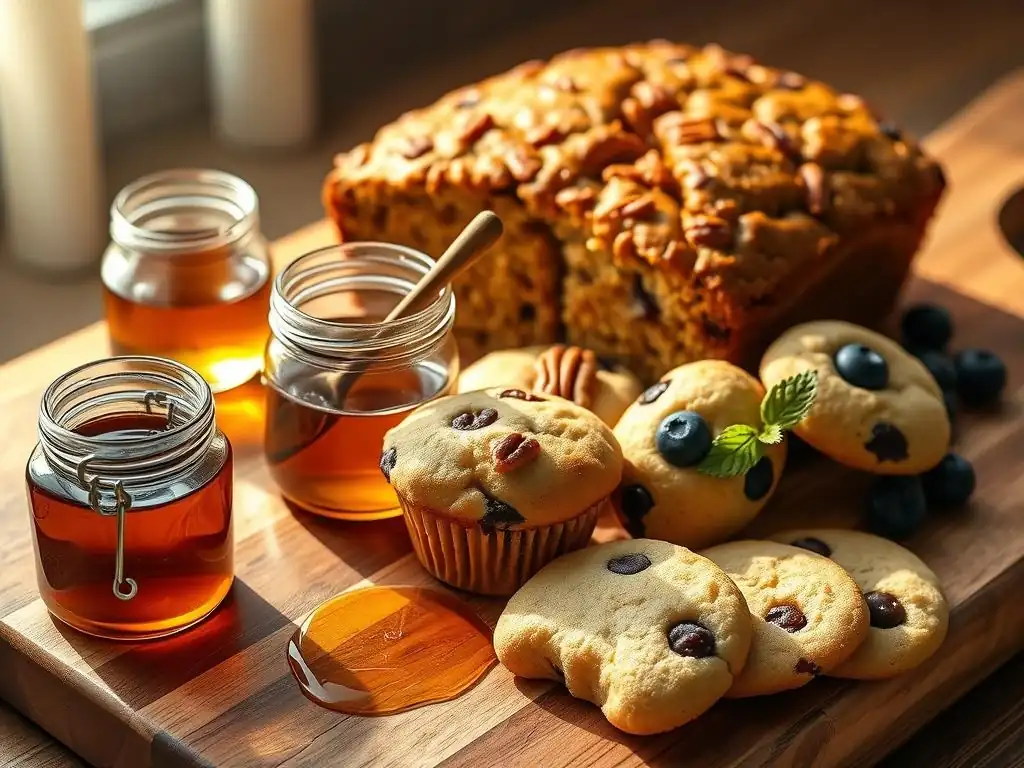
Maple syrup comes in different grades, which primarily indicate its color and flavor intensity. In the United States, the grading system includes Grade A (further divided into Golden Color with Delicate Taste, Amber Color with Rich Taste, and Dark Color with Robust Taste) and Grade B (now often labeled as Grade A Very Dark Color with Strong Taste). Lighter syrups (Golden and Amber) have a milder, more subtle maple flavor, making them versatile for general use and in recipes where a strong maple presence isn't desired.
Darker syrups (Dark and Very Dark) have a more pronounced, intense maple flavor. These are often preferred for baking because their flavor holds up better against other ingredients and high temperatures. If you want your baked goods to really taste like maple, opt for a Grade A Dark or Very Dark syrup.
The "Very Dark" grade, sometimes still referred to as Grade B, is particularly potent and is excellent for recipes like gingerbread, BBQ sauces, or baked beans where a strong, distinctive flavor is needed. Understanding these grades helps you choose the right maple syrup for your desired outcome when using it as a honey maple agave sugar substitute.
Maple Syrup as a Sugar Substitute: Measurement and Adjustments
Like honey, maple syrup is a liquid sweetener and is slightly less sweet than granulated sugar by volume. A good starting point for substituting maple syrup for granulated sugar is to use about 3/4 cup of maple syrup for every cup of sugar. This ratio provides a comparable level of sweetness in most applications.
Similar to honey, you'll need to adjust the liquid content in your recipe when using maple syrup. For every cup of sugar replaced with 3/4 cup of maple syrup, reduce the amount of other liquids by about 3 tablespoons. This helps compensate for the liquid volume introduced by the syrup.
For instance, if a muffin recipe calls for 1 cup sugar and 1/2 cup milk, you would use 3/4 cup maple syrup and reduce the milk by 3 tablespoons (so about 1/2 cup minus 3 tablespoons, or roughly 7 tablespoons milk). Making these adjustments is crucial for achieving the correct batter consistency and final texture.
Recipes That Shine with Maple Syrup: Pancakes, Cakes, and More
Maple syrup's distinct flavor makes it a star in specific types of baked goods and desserts. It's the classic companion for pancakes and waffles, of course, but its uses extend far beyond the breakfast table. Recipes incorporating warm spices like cinnamon, nutmeg, and cloves pair beautifully with maple syrup; think spiced nuts, pumpkin bread, or apple crisp. The caramel-like notes in darker maple syrups also make them excellent in chocolate recipes, adding a subtle complexity.
Consider using maple syrup in recipes where liquid sweeteners are already common or where a slightly denser, moister result is desirable. Banana bread, muffins, quick breads, and certain types of cookies (like oatmeal or spice cookies) are often excellent candidates. Maple-glazed nuts, maple-pecan pie, or even a simple maple-sweetened whipped cream can showcase its unique taste. Its natural flavor profile integrates seamlessly into rustic, comforting baked goods, making it a fantastic honey maple agave sugar substitute for many applications.
The Best Maple Syrup Brands for Baking: Quality Matters
The quality of maple syrup can significantly impact the flavor of your baked goods. Look for 100% pure maple syrup, avoiding "pancake syrups" which are typically made from corn syrup, artificial flavors, and colors, and lack the natural complexity of real maple. Pure maple syrup should have only one ingredient: maple syrup.
While specific brands can vary regionally, focusing on the grade (as discussed earlier) is the most important factor for flavor intensity. Beyond grading, consider sourcing. Syrup from reputable producers, often found at farmers markets or specialty stores, can offer nuanced flavors specific to their region. Supporting producers who follow sustainable practices is also a plus. Ultimately, the "best" brand is one that provides pure, high-quality maple syrup of the desired grade, ensuring that distinctive maple flavor comes through beautifully in your baking projects.
Agave Nectar: A Low Glycemic Index Sweetener for Baking
Understanding Agave Nectar: Light vs. Dark Agave
Agave nectar (or agave syrup) is produced from the core of the agave plant, the same plant used to make tequila. It is typically processed into a liquid sweetener that is thinner in consistency than honey or maple syrup. Agave nectar is commonly available in two main varieties: light and dark. Light agave nectar is filtered more heavily, resulting in a milder, more neutral flavor and a lighter color. This makes it a good choice when you want sweetness without imparting a strong flavor of the sweetener itself, allowing other ingredients to dominate.
Dark agave nectar is less filtered and retains more of the natural minerals and compounds from the agave plant. This results in a slightly stronger, sometimes caramel-like or earthy flavor and a darker color. Dark agave can be used in recipes where its flavor would be complementary, such as chocolate baked goods, gingerbread, or sauces. However, for general baking where a neutral sweetness is desired, light agave is usually the preferred option when using this honey maple agave sugar substitute.
Substituting Sugar with Agave: Ratio and Recipe Modifications
Agave nectar is often perceived as being significantly sweeter than table sugar. While sweetness perception can vary, many find it to be about 1.4 to 1.6 times sweeter than granulated sugar. When substituting agave for sugar in baking, a common starting ratio is to use about 2/3 cup of agave nectar for every cup of granulated sugar. This accounts for its higher sweetness concentration.
Because agave is a liquid sweetener, you will also need to reduce the amount of other liquids in your recipe, similar to substituting with honey or maple syrup. For every cup of sugar replaced with 2/3 cup of agave, reduce the total liquid in the recipe by about 1/4 cup. This adjustment is necessary to maintain the proper moisture balance and prevent the baked good from becoming too wet or dense. For instance, if a cookie recipe calls for 1 cup sugar and 1/2 cup milk, you'd use 2/3 cup agave and reduce the milk to 1/4 cup.
Agave nectar's neutral flavor (especially light agave) makes it versatile for many baking applications where you simply want sweetness without a dominant 'sweetener' taste. It works well in recipes where the primary flavors come from other ingredients, such as fruit tarts, lemon bars, vanilla cakes, and delicate pastries. Its ability to dissolve easily also makes it suitable for frostings, glazes, and sauces.
Recipes that already benefit from added moisture, like muffins, quick breads, and certain types of cookies (though agave can make cookies spread more), can also be good candidates for using agave. Because of its low viscosity, it blends smoothly into batters and doughs. Consider using agave in recipes where you want to avoid the distinct flavors of honey or maple syrup, such as a classic butter cake, sugar cookies (with adjustments for spread), or fruit cobblers. Using agave as a honey maple agave sugar substitute allows the natural flavors of your main ingredients to shine.
Potential Drawbacks of Baking with Agave Nectar
While agave nectar offers advantages like a low glycemic index and neutral flavor, it also presents challenges in baking. Its high fructose content means it caramelizes and browns even faster than honey or maple syrup. This can lead to baked goods that are dark on the outside but potentially undercooked inside. Reducing oven temperature by 25°F (15°C) is often necessary, and you may need to cover the baked good loosely with foil partway through baking to prevent excessive browning.
Another drawback is its effect on texture. Agave can sometimes lead to baked goods that are too moist or dense. Cookies made with agave may spread significantly more than those made with sugar, resulting in thin, crispy cookies rather than chewy or soft ones. Achieving the desired rise and structure can also be more challenging compared to sugar, which contributes to aeration when creamed with fat. Experimentation and recipe adjustments beyond just the ratio and liquid reduction are often required to get optimal results when using agave as a honey maple agave sugar substitute.
Honey vs. Maple vs. Agave: A Side-by-Side Comparison for Baking
Flavor Profiles: Choosing the Right Sweetener for Your Recipe
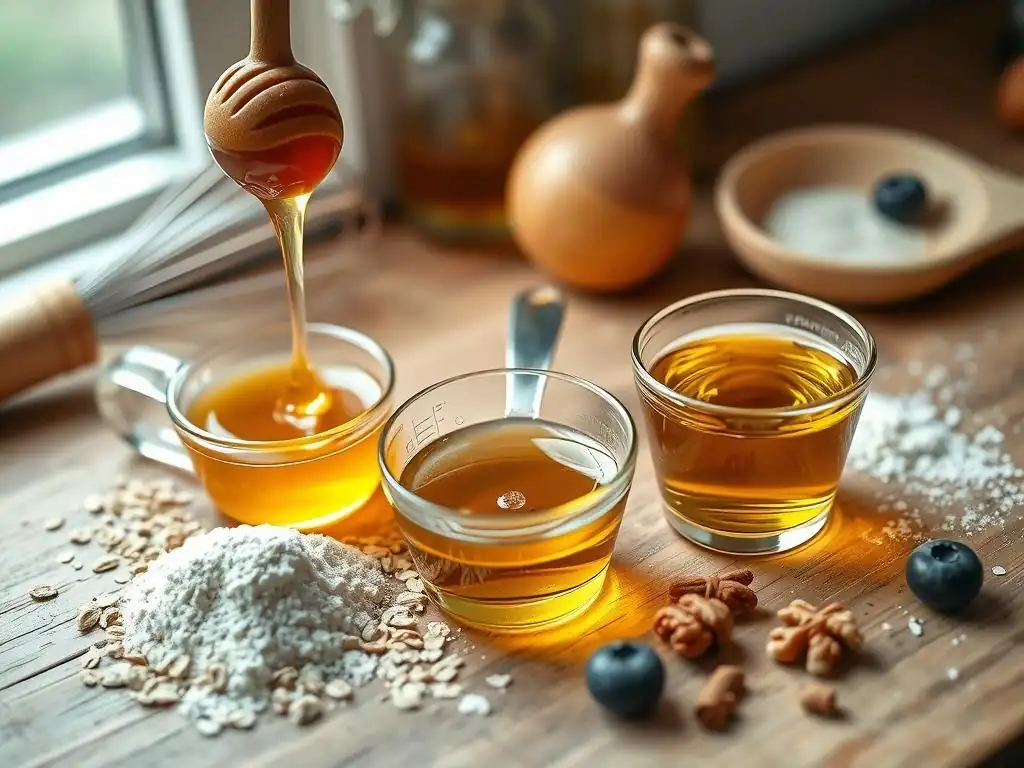
When choosing a honey maple agave sugar substitute, flavor is often the primary consideration. Honey offers a wide spectrum of flavors, from mild and floral (clover, acacia) to robust and earthy (buckwheat, wildflower). Its distinct taste pairs well with spices, nuts, and certain fruits like apples and pears. Maple syrup provides a unique, warm, caramel-like flavor that complements spices, nuts, pumpkin, and chocolate particularly well. Its intensity varies significantly by grade.
Agave nectar, especially the light variety, is valued for its relatively neutral flavor. This makes it ideal for recipes where you don't want the sweetener's taste to interfere with other ingredients, such as delicate fruit desserts, vanilla-based recipes, or frostings. Dark agave has a slightly stronger, sometimes earthy or caramel note. Deciding which sweetener to use depends entirely on the desired outcome and how its flavor profile will enhance or interact with the other components of your baked good.
Moisture Content: How Each Sweetener Affects Baking Texture
All three — honey, maple syrup, and agave — are liquid sweeteners and will add moisture to your baked goods compared to using granulated sugar. This additional moisture generally results in a softer, more tender crumb and can help baked goods stay moist longer. However, the amount of moisture and its impact can vary slightly.
Honey is typically the most viscous of the three and adds significant moisture, often resulting in a dense but moist texture. Maple syrup is usually less viscous than honey but still contributes substantial moisture, leading to tender results. Agave nectar is often the least viscous and can sometimes lead to a slightly different texture, occasionally resulting in more spread in cookies or a slightly different crumb structure in cakes compared to honey or maple syrup. Regardless of which you choose as your honey maple agave sugar substitute, adjusting other liquids is non-negotiable.
Sweetness Levels: Honey, Maple Syrup, and Agave Compared to Sugar
Perceived sweetness levels are crucial for conversion ratios. Granulated sugar (sucrose) serves as the baseline. Honey is generally considered slightly sweeter than sugar by volume, primarily due to its fructose content, leading to conversion ratios typically around 2/3 to 3/4 cup honey per 1 cup sugar. Maple syrup is often considered slightly less sweet than sugar by volume, resulting in conversion ratios around 3/4 cup maple syrup per 1 cup sugar.
Agave nectar is frequently cited as being significantly sweeter than sugar, often 1.4 to 1.6 times as sweet. This is largely due to its very high fructose concentration. The recommended conversion ratio of about 2/3 cup agave per 1 cup sugar reflects this higher perceived sweetness. Keep in mind that sweetness perception can be subjective and influenced by other flavors in the recipe, so these ratios are starting points for using a honey maple agave sugar substitute.
Cost Considerations: The Price of Natural Sweeteners
When evaluating honey, maple syrup, and agave as sugar substitutes, cost is a practical factor. Granulated white sugar is typically the least expensive sweetener option available in most markets. Pure maple syrup is generally the most expensive of the three natural liquid sweeteners, as its production is labor-intensive and geographically limited. The price of maple syrup varies based on grade and source, with darker, stronger grades sometimes being slightly less expensive than lighter ones, though high-quality single-source syrups can command a premium.
Honey prices vary widely depending on the floral source, processing (raw, filtered), and whether it's local or imported. Specialty or varietal honeys tend to be more expensive than generic wildflower or clover honey. Agave nectar usually falls somewhere between honey and maple syrup in terms of cost, often being more expensive than common honey but less expensive than pure maple syrup. Choosing a honey maple agave sugar substitute involves balancing desired flavor, functional properties, perceived health benefits, and budget.
Mastering the Art of Sugar Substitution: Recipes and Examples
Converting Your Favorite Recipes: A Step-by-Step Guide
Successfully converting a favorite recipe from granulated sugar to a liquid sweetener like honey, maple syrup, or agave requires careful attention to detail. First, select the appropriate sweetener based on the desired flavor profile and texture. Next, determine the correct substitution ratio; remember the general guidelines: 2/3 to 3/4 cup honey or agave, or 3/4 cup maple syrup, for every 1 cup of sugar.
Crucially, adjust the liquids: reduce other liquids in the recipe by 1/4 cup for every cup of sugar replaced with honey or agave, and by 3 tablespoons for every cup replaced with maple syrup. Also, consider the acidity of the sweetener and potentially add a pinch of baking soda if the recipe doesn't already include it.
Finally, adjust baking time and temperature — typically reduce oven temperature by 25°F (15°C) and monitor baking closely, as liquid sweeteners brown faster. Start with simpler recipes like muffins or quick breads before tackling more complex items like delicate cakes or cookies where texture is critical.
Apple Crumble Using Honey: A Delicious and Healthy Twist
Using honey as a sugar substitute in apple crumble adds a wonderful depth of flavor and keeps the filling moist. For a standard recipe calling for 1/2 cup of sugar in the apple filling and 1/2 cup in the crumble topping, you might use about 1/3 cup of honey in the filling and potentially a mix of honey and a dry sweetener (like coconut sugar or less honey) in the topping to maintain a crumbly texture.
In the apple filling, swap 1/2 cup sugar for about 1/3 cup honey. Since apple juice is released as the apples cook, you likely won't need to reduce other liquids significantly, but watch the consistency. For the crumble topping, replacing sugar with honey can make it too wet.
A better approach might be to use a smaller amount of honey (e.g., 2-3 tablespoons) for flavor and moisture, and use another dry sweetener or simply less total sweetener for the bulk of the crumb's structure, ensuring it gets crispy. Bake at a slightly lower temperature (around 350°F / 175°C) until the topping is golden and the apples are tender. This honey-sweetened version offers a lovely floral note complementing the apples.
Banana Bread Elevated with Maple Syrup: A Flavorful Upgrade
Banana bread is a perfect candidate for using maple syrup as a sugar substitute. The flavors of banana, spice (cinnamon, nutmeg), and maple are a natural pairing, and the added moisture from the syrup contributes to a wonderfully tender loaf. If your recipe calls for 1 cup of sugar, you can substitute it with about 3/4 cup of pure maple syrup (preferably Grade A Dark or Very Dark for maximum flavor).
For the liquid adjustment, if the original recipe includes milk or yogurt (say, 1/4 cup), reduce that liquid by about 3 tablespoons when using 3/4 cup maple syrup. So, you'd use just 1 tablespoon of milk or yogurt. Mix the wet ingredients (mashed bananas, eggs, melted butter or oil, vanilla, and maple syrup) together, then combine with the dry ingredients. Bake at a slightly reduced temperature, perhaps 325-340°F (160-170°C), monitoring closely for browning. The result is a moist, flavorful banana bread with a delightful hint of maple that elevates the classic comfort food.
Chocolate Avocado Mousse Made Healthier with Agave Nectar: A Guilt-Free Treat
Agave nectar's neutral sweetness and liquid form make it excellent for no-bake desserts or those where minimal baking is involved, like chocolate avocado mousse. This dessert relies on the richness of avocado for texture and cocoa powder for flavor, needing a sweetener that dissolves easily and doesn't add competing tastes. If a recipe calls for 1/2 cup of sugar or another sweetener, you can typically use about 1/3 cup of light agave nectar.
Simply blend ripe avocados, unsweetened cocoa powder, a splash of non-dairy milk (if needed for consistency), vanilla extract, and the agave nectar in a food processor or blender until completely smooth and creamy. Taste and adjust sweetness if necessary. Since this is a no-bake recipe, there are no baking adjustments needed for browning or moisture balance in the same way as cakes or cookies. The agave integrates seamlessly, providing sweetness without any noticeable flavor, allowing the rich chocolate and creamy avocado to be the stars, resulting in a delicious, dairy-free, and relatively guilt-free treat.
Beyond the Basics: Advanced Tips for Baking with Natural Sweeteners
Adjusting Baking Time and Temperature for Optimal Results
As mentioned earlier, liquid natural sweeteners like honey, maple syrup, and agave cause baked goods to brown faster due to their fructose content. A standard recommendation is to reduce the oven temperature by 25°F (15°C) from what the original sugar-based recipe calls for. For example, if a recipe typically bakes at 350°F (175°C), try 325°F (160°C) when using a honey maple agave sugar substitute.
Even with a lower temperature, keep a close eye on your baked goods. If the edges or top start browning too quickly before the center is cooked, you can loosely tent the item with aluminum foil. You might also find that baking time increases slightly at the lower temperature to ensure the interior is fully cooked. Use a cake tester or toothpick to check for doneness in the center. Learning to recognize the signs of doneness when using these sweeteners takes practice, so be patient and observant during the baking process.
The Role of Acidity: Balancing Flavors with Lemon Juice or Vinegar
Honey is naturally acidic, which is why adding a pinch of baking soda (a base) can help neutralize it, improve leavening, and mitigate excessive browning. Maple syrup and agave are generally less acidic than honey, but adding a touch of acid can still be beneficial in some recipes, especially those that rely on baking soda for leavening.
Adding a small amount of acid, such as a teaspoon or two of lemon juice or apple cider vinegar, can activate baking soda more effectively, leading to a better rise and lighter texture. Acid also helps balance sweetness and can brighten other flavors in the recipe. This is particularly useful in muffins, quick breads, and cakes where a tender crumb is desired. Experimenting with this technique can help you achieve better results when using a honey maple agave sugar substitute, especially in recipes where structure and lift are important.
Storing Baked Goods Made with Honey, Maple, and Agave
Baked goods made with honey, maple syrup, or agave tend to retain moisture exceptionally well due to the hygroscopic nature of these sweeteners (they attract and hold onto water). This is often a positive trait, leading to baked goods that stay fresh and moist for longer compared to those made with only granulated sugar.
Store these baked goods in an airtight container at room temperature. For cakes and muffins, this can help them stay tender for several days. Cookies made with liquid sweeteners might soften over time rather than becoming stale and hard. If you've made adjustments that resulted in a slightly denser texture, proper storage is even more important to maintain moisture. While the sweeteners themselves have long shelf lives, the baked goods should be consumed within a reasonable timeframe, typically 3-5 days for most items stored at room temperature, or longer if refrigerated or frozen.
Resources for Finding High-Quality Honey, Maple Syrup, and Agave
Supporting Local Producers: Buying Directly from Farmers Markets
One of the best ways to find high-quality honey and maple syrup is by purchasing directly from local producers at farmers markets or farm stands. Buying locally often means getting access to raw or minimally processed honey, which retains more of its natural pollen and enzymes. Local honey also offers a taste unique to the flora of your region.
For maple syrup, buying directly from a sugarbush (maple farm) or a local producer ensures you're getting pure, unadulterated syrup. You can often learn about their production process and choose specific grades based on their recommendations for your baking needs. Supporting local producers not only gets you a potentially higher quality product but also helps your local economy and food system. When looking for a honey maple agave sugar substitute, prioritizing local sources for honey and maple can enhance both flavor and community connection.
The Importance of Organic and Sustainable Sourcing
When purchasing honey, maple syrup, or agave, considering organic and sustainable sourcing is increasingly important for both environmental and quality reasons. Organic certification for honey means the bees forage on organic land, are not treated with synthetic chemicals, and the honey is processed without prohibited substances. Organic maple syrup comes from trees in forests managed without synthetic pesticides or herbicides, and the processing meets organic standards. Organic agave is grown and processed without synthetic inputs.
Sustainable practices go beyond organic certification and can include methods that support pollinator health (for honey), ensure forest health and regeneration (for maple), or promote water conservation and soil health (for agave). Choosing products labeled organic or from producers known for sustainable practices helps support environmentally friendly agriculture and can often correlate with higher quality sweeteners, free from unwanted residues. Making conscious choices about where your honey maple agave sugar substitute comes from is a way to bake with both flavor and principles in mind.
Frequently Asked Questions
What are the main benefits of using honey, maple syrup, or agave as sugar substitutes in baking?
These sweeteners offer more than just sweetness. They can add unique flavors and moisture to baked goods, and some believe they have a slightly lower glycemic index than refined sugar.
How does the liquid consistency of honey, maple syrup, and agave affect baking recipes?
The liquid nature can alter the texture of your baked goods. You may need to adjust the liquid content in the recipe to maintain the desired consistency.
Can I substitute sugar 1:1 with honey, maple syrup, or agave?
Generally, a 1:1 substitution is not recommended. You'll usually need to use less of the liquid sweetener and reduce other liquids in the recipe.
Do honey, maple syrup, and agave impart different flavors to baked goods?
Yes, each sweetener has a distinct flavor profile. Honey can add a floral note, maple syrup a rich caramel taste, and agave a more neutral sweetness.
What are some considerations when baking with honey, maple syrup, or agave regarding browning?
These sweeteners often cause baked goods to brown more quickly than those made with sugar. Monitor your bakes closely and consider lowering the oven temperature slightly.
Final Reflection: The Sweet Truth About Natural Alternatives
The quest for healthier sweeteners is more relevant than ever, and the impact of simple sugar on our diets demands a closer look. We've explored the delicious world of honey, maple syrup, and agave nectar, revealing their unique flavor profiles and nutritional benefits as viable sugar substitutes. But understanding these alternatives is only half the battle; making informed choices about what we consume is crucial for our well-being.
The shift away from refined sugar is a powerful movement, reflecting a growing awareness of its potential health consequences. This change isn't just about weight management; it's about embracing a more holistic approach to nutrition. The food you eat can be either the safest and most powerful form of medicine or the slowest form of poison.
- Ann Wigmore. This quote underscores the importance of understanding the ingredients we use in our daily lives, and choosing wisely. The subtle nuances of flavor and texture offered by honey, maple, and agave add depth and complexity to our culinary experiences, encouraging us to explore new and exciting recipes.
Now, it's your turn. Consider the sweetness in your life – not just the literal kind, but the sweetness of mindful choices and the joy of discovering healthier alternatives. Experiment with honey, maple syrup, and agave in your favorite recipes. Notice the subtle differences in taste and texture. Most importantly, savor the knowledge that you're making a conscious decision to nourish your body and appreciate the natural wonders our planet provides. Embrace the sweet swap and embark on a journey towards a healthier, more flavorful life.
Unlock Your Baking's Sweet Potential!
Thanks for exploring the delicious world of natural sweeteners with us! You've now got the knowledge to create healthier, equally delicious baked goods. Are you ready to try out your new skills?
- Try a honey-based recipe today! Start with a simple change—perhaps replace sugar with honey in your morning muffin recipe.
- Share your baking adventures with our BakeWithEase community on social media! Use #BakeWithEaseSweetSwaps to inspire others.
- Explore different natural sweeteners for your favorite desserts. Which one will you experiment with next?
What’s the first sweet treat you plan to revamp with these amazing substitutes?