
Dark vs. Milk vs. White: Choosing the Right Chocolate for Your Bake

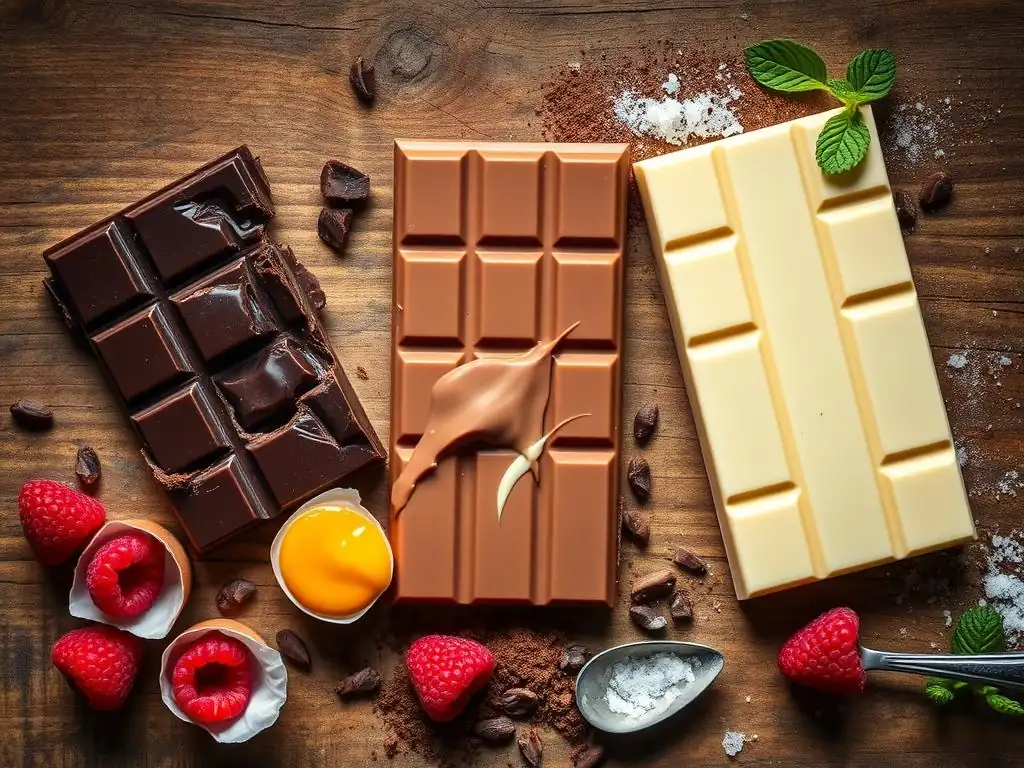
Welcome to BakeWithEase, your partner in perfecting every bake! Ever wondered if your chocolate chip cookies could be even better? Our Chocolate Baking Recipe Guide dives deep into the delicious world of chocolate, uncovering the secrets to selecting the perfect type – dark, milk, or white – for unforgettable results. Ready to unlock the full potential of your next baking adventure? Let's get started!
- Dark vs. Milk vs. White: Choosing the Right Chocolate for Your Bake - BakeWithEase
- Understanding Chocolate for Baking: A Chocolate Baking Recipe Guide
- Dark Chocolate in Baking: Richness and Intensity
- Milk Chocolate in Baking: Sweetness and Creaminess
- White Chocolate in Baking: A Different Kind of Sweetness
- Comparing Chocolate Types for Baking: A Detailed Analysis
- Choosing the Right Chocolate for Your Specific Baking Recipe
- Troubleshooting Chocolate Baking: Common Problems and Solutions
- Elevate Your Baking with the Perfect Chocolate: Final Thoughts
-
Frequently Asked Questions
- What are the key differences between dark, milk, and white chocolate when baking?
- How does the type of chocolate affect the texture of my baked goods?
- Can I substitute one type of chocolate for another in a chocolate baking recipe?
- What kind of chocolate is best for making chocolate chip cookies?
- How do I properly melt chocolate for baking to prevent seizing?
- Final Reflection: The Sweet Science of Chocolate Selection
- Unlock Your Chocolate Baking Potential!
Dark vs. Milk vs. White: Choosing the Right Chocolate for Your Bake - BakeWithEase
Understanding Chocolate for Baking: A Chocolate Baking Recipe Guide
Why Chocolate Choice Matters in Baking
Selecting the appropriate type of chocolate is perhaps one of the most critical decisions you'll make when following any chocolate baking recipe guide. The specific characteristics of dark, milk, and white chocolate dramatically influence the final taste, texture, and appearance of your baked goods. Using a high-quality dark chocolate with a high cocoa percentage, for instance, will yield a deeply rich, slightly bitter brownie, whereas using milk chocolate will result in a much sweeter, creamier, and softer texture.
Beyond just flavor, the melting properties and structural components of different chocolates play a significant role. Chocolate provides structure and moisture in many recipes. For example, the cocoa butter content affects how chocolate chips hold their shape in cookies or how a ganache sets. Understanding these nuances is key to achieving the desired outcome, whether you're aiming for a fudgy molten lava cake or a delicately crisp cookie. It's not just about preference; it's about chemistry and composition in your chocolate baking adventures.
The Impact of Cocoa Content on Baking Results
Cocoa content, typically expressed as a percentage on the chocolate packaging, is a direct indicator of how much cocoa solids and cocoa butter are present. This percentage profoundly impacts the flavor intensity and bitterness of the chocolate. A dark chocolate with 70% cocoa will be significantly more intense and less sweet than one with 50% cocoa. When used in a chocolate baking recipe, this difference translates directly to the finished product's sweetness level and the depth of chocolate flavor.
Furthermore, cocoa content affects the melting point and structure. Higher cocoa percentages mean more cocoa solids and often more cocoa butter (though this varies), leading to a firmer chocolate that melts slower and sets more rigidly. This is why a higher percentage dark chocolate is often preferred for structural elements like chocolate shards or for creating deeply flavored, dense cakes, while lower percentages or milk chocolate lend themselves to softer textures and sweeter profiles in a comprehensive chocolate baking recipe guide.
Dark Chocolate in Baking: Richness and Intensity
Defining Dark Chocolate: Cocoa Solids and Flavor Profiles
Dark chocolate is defined by its significant cocoa solids content, typically ranging from 50% up to 99% or even 100%. Unlike milk chocolate, it contains little to no added milk solids. The flavor profile of dark chocolate varies greatly depending on the cocoa percentage and bean origin, but it is generally characterized by a deep, complex taste that can range from intensely bitter and earthy at higher percentages (like 80%+) to fruity, floral, or nutty at lower percentages (like 50-65%).
The higher the cocoa percentage, the less sugar is typically present, resulting in a more pronounced cocoa flavor and a firmer texture. A 70% dark chocolate, for instance, offers a balance of bitterness and sweetness, making it versatile for many uses. An 85% dark chocolate, however, will impart a much stronger, less sweet, and potentially more bitter note, best suited for recipes where intense chocolate flavor is desired or balanced by other sweet components. This range makes dark chocolate a cornerstone in many sophisticated chocolate baking recipes.
Best Dark Chocolate Baking Recipes: Flourless Chocolate Cake, Chocolate Lava Cakes, Dark Chocolate Brownies
Dark chocolate is the star in recipes where deep, intense chocolate flavor is paramount. Flourless chocolate cake, for example, relies on a high percentage dark chocolate (often 60-70%) to provide its rich, dense, and almost truffle-like texture and profound flavor. The structure comes primarily from the melted chocolate and eggs, making the quality and type of chocolate crucial.
Similarly, chocolate lava cakes (or molten chocolate cakes) are perfected by using dark chocolate. The high cocoa butter content helps the outer layer set while the center remains liquid and fudgy. A 60-70% dark chocolate provides the ideal balance of flavor intensity and melting properties for that signature gooey center. For fudgy brownies, using dark chocolate (around 50-65%) along with cocoa powder creates a deeply chocolatey and moist texture, distinct from cakey versions. These are classic examples in any good chocolate baking recipe guide.
Tips for Baking with Dark Chocolate: Avoiding Bitterness
While the intensity of dark chocolate is desirable, excessive bitterness can sometimes be an issue, especially with higher percentages. One effective tip is to ensure you are using high-quality dark chocolate; cheaper chocolates may contain additives that contribute to an unpleasant bitter or waxy taste. Look for chocolate with a clean ingredient list, primarily cocoa mass, sugar, cocoa butter, and vanilla.
Another strategy is to balance the bitterness with other flavors in the recipe. A pinch of salt can enhance the sweetness and complexity of chocolate. Adding a touch more sugar than you might with milk chocolate, or incorporating flavors like coffee, vanilla, or a touch of acidity (like a raspberry sauce with lava cakes), can beautifully complement and temper the bitterness of high-percentage dark chocolate, improving your overall chocolate baking recipe results.
Milk Chocolate in Baking: Sweetness and Creaminess
Understanding Milk Chocolate: Milk Solids and Flavor
Milk chocolate is characterized by the addition of milk solids (such as powdered milk, liquid milk, or condensed milk) and sugar to the cocoa mass and cocoa butter. This inclusion gives milk chocolate its signature sweeter, creamier, and milder flavor profile compared to dark chocolate. The cocoa content in milk chocolate is typically much lower, often ranging from 10% (the legal minimum in some regions) to around 50%.
The presence of milk solids affects not only the flavor but also the texture and melting point. Milk chocolate is softer than dark chocolate and melts more easily due to its lower cocoa solids and higher sugar content. While less complex than dark chocolate, its sweet and familiar taste makes it incredibly popular in a wide range of applications, particularly in recipes aimed at a broader audience or those where a gentle chocolate note is preferred as part of a comprehensive chocolate baking recipe guide.
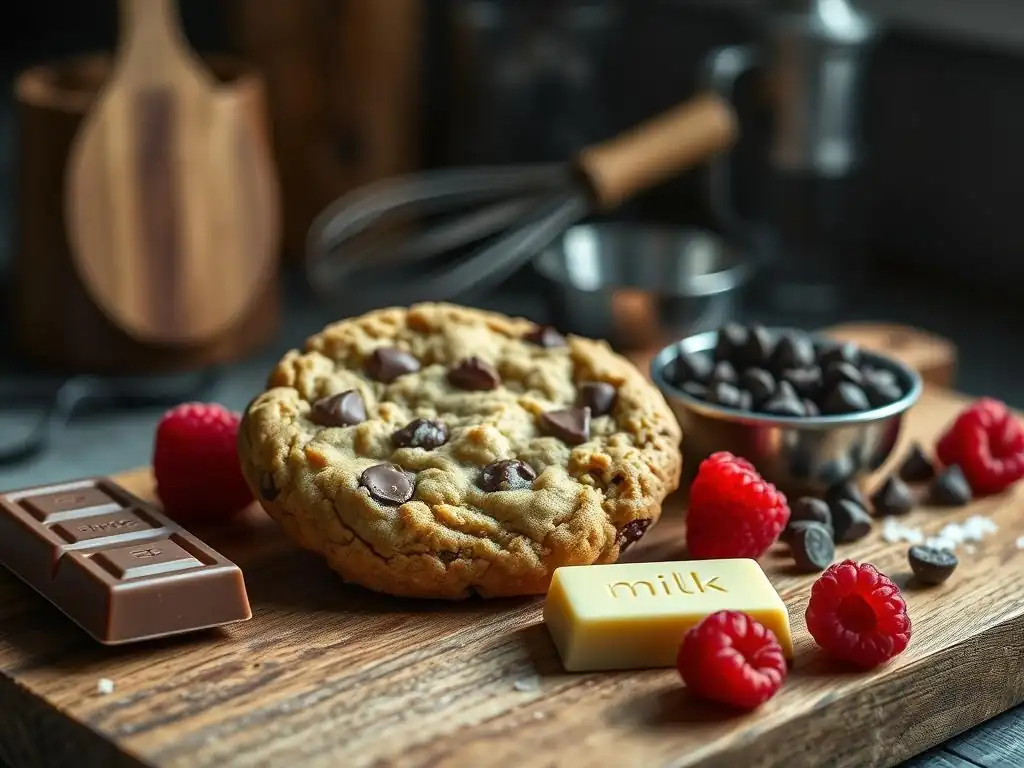
Milk chocolate excels in recipes where its sweetness and creamy melt are assets. Classic chocolate chip cookies are a prime example; milk chocolate chips melt into soft, sweet pockets within the cookie dough, providing a comforting and familiar flavor. While dark or semi-sweet chips are also popular, milk chocolate offers a distinctly sweeter, more approachable cookie.
Milk chocolate is also perfect for creating smooth, sweet confections like milk chocolate fudge. Its higher sugar and milk content contribute to the desired soft, melt-in-your-mouth texture. In blondies, milk chocolate chunks or chips add bursts of creamy sweetness that complement the vanilla and brown sugar base beautifully. These applications highlight how milk chocolate's unique properties enhance specific baked goods.
Baking with Milk Chocolate: Achieving the Right Balance of Sweetness
Baking with milk chocolate requires careful consideration of the overall sweetness of the recipe, as milk chocolate itself contains a significant amount of sugar. If a recipe calls for dark or semi-sweet chocolate and you substitute milk chocolate, you may need to slightly reduce the amount of added sugar in the batter or dough to prevent the final product from being overly sweet.
Pairing milk chocolate with ingredients that provide contrast can also help achieve a balanced flavor. Nuts (like pecans or walnuts), a pinch of sea salt, or tart elements like berries (e.g., raspberries in a blondie) can cut through the sweetness and add complexity. Understanding this balance is crucial when adapting or creating a chocolate baking recipe that features milk chocolate.
White Chocolate in Baking: A Different Kind of Sweetness
What is White Chocolate? Composition and Flavor Profile
White chocolate is unique in that it contains cocoa butter but no cocoa solids. Its primary ingredients are cocoa butter, sugar, milk solids, and often vanilla. By definition, it must contain a minimum percentage of cocoa butter (typically around 20% or more, depending on regional regulations) and milk solids (around 14%). This composition gives white chocolate its distinct ivory color and creamy texture.
Because it lacks cocoa solids, white chocolate does not have the traditional chocolate flavor profile. Instead, its taste is predominantly sweet, creamy, and rich with strong notes of vanilla and milk. The quality of white chocolate is highly dependent on the quality and amount of cocoa butter used; higher quality white chocolate will have a smoother melt and a richer, more nuanced flavor compared to cheaper versions that may taste primarily of sugar and artificial vanilla.
White chocolate's sweet, creamy profile makes it an excellent counterpart to ingredients that provide texture or tartness. White chocolate macadamia nut cookies are a classic example, where the sweet, melting white chocolate chips contrast beautifully with the crunchy, slightly buttery macadamia nuts.
In desserts like white chocolate raspberry cheesecake, the rich sweetness of the white chocolate in the cheesecake filling provides a delightful counterpoint to the tartness of the raspberries. The creamy texture of the melted white chocolate also contributes to a smooth, luxurious cheesecake. White chocolate blondies, similar to their milk chocolate counterparts, benefit from the creamy sweetness and vanilla notes that white chocolate adds, often paired with nuts or fruit for balance in a diverse chocolate baking recipe repertoire.
White Chocolate Baking Tips: Preventing Scorching and Achieving Smoothness
White chocolate is particularly susceptible to scorching because of its high sugar and milk solids content and the absence of protective cocoa solids. When melting white chocolate, it is crucial to use low heat and melt it gently. A double boiler is an ideal method, providing indirect heat that prevents burning. If using a microwave, melt in short intervals (15-30 seconds), stirring thoroughly after each interval, until just melted.
To achieve a smooth consistency, especially for ganaches or melted chocolate for dipping, ensure no water comes into contact with the melting chocolate, as this can cause it to seize. Using high-quality white chocolate with adequate cocoa butter content also helps; cheaper white chocolates with less cocoa butter can be more prone to becoming grainy or difficult to melt smoothly, impacting your chocolate baking recipe outcomes.
Comparing Chocolate Types for Baking: A Detailed Analysis
Flavor Profiles Compared: Dark, Milk, and White
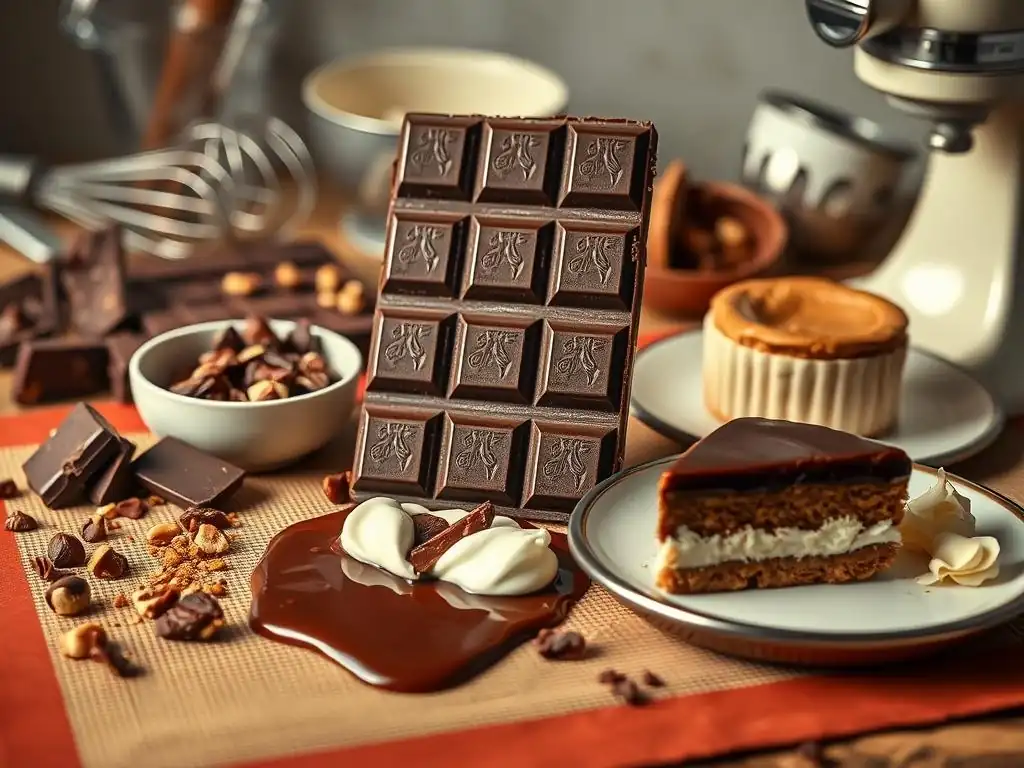
The most obvious difference between dark, milk, and white chocolate lies in their flavor profiles. Dark chocolate offers a range from intensely bitter and complex to moderately sweet and fruity, depending on cocoa percentage. Its flavor is deeply chocolatey, with nuances influenced by bean origin and processing.
Milk chocolate provides a much sweeter, creamier, and milder chocolate flavor. The presence of milk solids softens the cocoa notes and adds a characteristic milky richness. White chocolate, lacking cocoa solids, has no traditional chocolate flavor; instead, it's dominated by sweetness, creaminess, and vanilla notes, making it a distinct ingredient in any chocolate baking recipe guide.
Texture Differences in Baked Goods: The Role of Chocolate Type
The type of chocolate used significantly impacts the texture of the finished baked good. Dark chocolate, with its higher cocoa solids and often higher cocoa butter content, tends to contribute to a firmer, more structured, and sometimes drier texture, especially in dense cakes or cookies. For instance, a brownie made with high-percentage dark chocolate will likely be fudgier and denser than one made with milk chocolate.
Milk chocolate, being softer and containing more sugar and milk solids, results in a creamier, softer, and often chewier texture in baked goods like cookies or fudge. White chocolate, being primarily cocoa butter and sugar, melts very smoothly and contributes a rich creaminess. In cookies, white chocolate chips tend to spread and melt more readily than dark chocolate chips, influencing the final texture and spread of the cookie.
Cocoa Butter Content: Impact on Melting and Baking
Cocoa butter is the fat component of chocolate and plays a vital role in its melting properties, texture, and gloss. Dark chocolate typically has a good amount of cocoa butter (though this varies widely), which contributes to its smooth melt and snap when solid. Milk chocolate has less cocoa butter proportionally due to the addition of milk solids and sugar, affecting its softer texture and lower melting point.
White chocolate, while containing no cocoa solids, is composed largely of cocoa butter (often 20-35% or more). This high cocoa butter content gives white chocolate its incredibly smooth melt and creamy texture. In baking, the amount of cocoa butter influences how the chocolate melts into the batter or dough, how it sets upon cooling, and the overall richness and mouthfeel of the final product, a key consideration in a detailed chocolate baking recipe guide.
Choosing the Right Chocolate for Your Specific Baking Recipe
Matching Chocolate to Recipe: A Guide to Flavor Pairings
Selecting the perfect chocolate for a specific recipe involves considering the desired flavor outcome and how the chocolate will interact with other ingredients. For a deeply intense, sophisticated dessert, a high-percentage dark chocolate (70%+) is often the best choice. If you want a classic, comforting flavor, milk chocolate might be preferred, especially in cookies or simple bars. White chocolate works wonderfully when you need sweetness and creaminess without the cocoa flavor, pairing well with tart fruits or nuts.
Consider the overall flavor profile of the recipe. Are you pairing the chocolate with something tart like cherries or raspberries? Dark chocolate's bitterness provides a nice contrast. Are you making something rich and nutty? Milk or white chocolate can complement these flavors without overpowering them. Thinking about these pairings is essential for any successful chocolate baking recipe.
Considering Cocoa Percentage: Achieving Desired Intensity
Within the category of dark chocolate, the specific cocoa percentage is a critical decision that dictates the intensity and sweetness of the final product. A recipe calling for "dark chocolate" might perform very differently depending on whether you use 50% or 85%. For a subtle chocolate note, a 50-60% dark chocolate might suffice. For a powerful, less sweet flavor, opt for 70% or higher.
Some recipes specify a range, such as "60-72% dark chocolate," offering flexibility while ensuring the intended flavor and structure are achieved. Experimenting with different percentages in familiar recipes, like brownies or chocolate cake, can help you understand how each level of cocoa content impacts the flavor and texture, refining your skills with any chocolate baking recipe you attempt.
When to Use Dark, Milk, or White Chocolate: Practical Examples
Use dark chocolate when you want a rich, intense, or slightly bitter chocolate flavor that is not overly sweet. It's ideal for sophisticated desserts, ganaches meant for truffles, or recipes where chocolate is the primary flavor component, like a molten lava cake or a dense chocolate torte.
Use milk chocolate when you desire a sweeter, creamier, and milder chocolate flavor that appeals to a broad palate. It's perfect for classic chocolate chip cookies, sweet fudges, or as a softer element in bars and brownies.
Use white chocolate when you need sweetness, creaminess, and vanilla notes without the cocoa flavor. It pairs exceptionally well with fruits like raspberries or cranberries, nuts like macadamias, and in recipes where its color provides visual contrast, such as in blondies or layered desserts. Choosing correctly is a key step in any chocolate baking recipe guide.
Troubleshooting Chocolate Baking: Common Problems and Solutions
Dealing with Chocolate Seizing: Prevention and Rescue
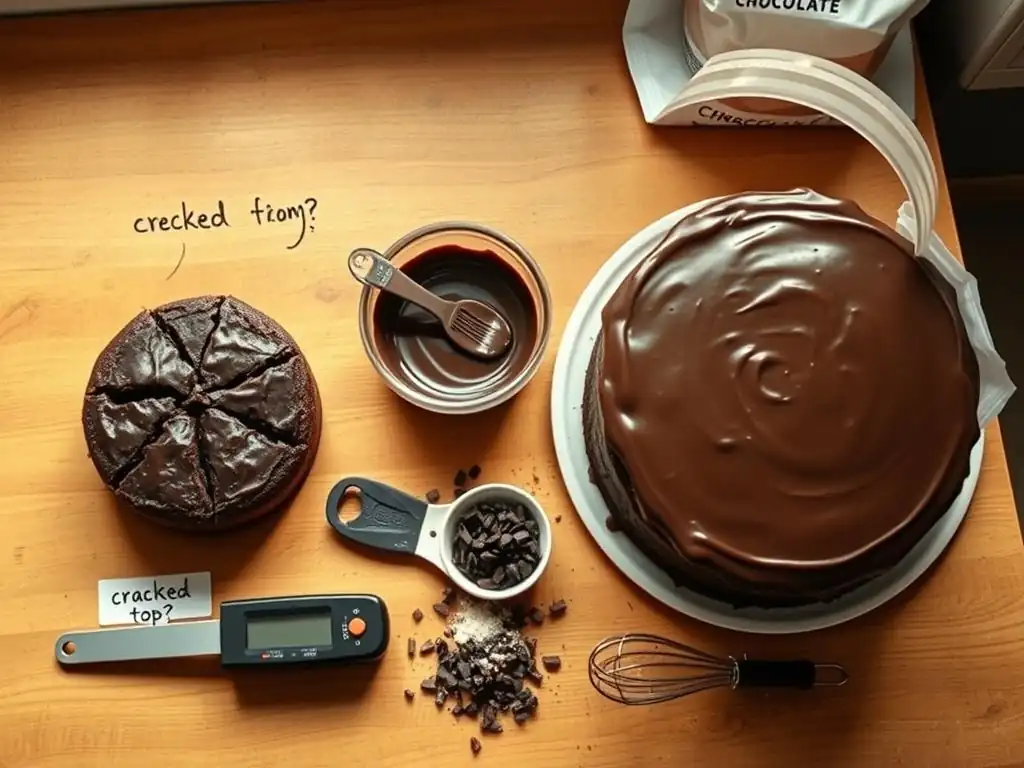
Chocolate seizing is a common frustration in baking. It occurs when melted chocolate suddenly turns from a smooth, liquid state into a thick, grainy, clumpy mass. This is almost always caused by the introduction of a tiny amount of liquid (even a single drop of water or steam) or sometimes by overheating. Cocoa solids and sugar in chocolate react poorly to small amounts of moisture.
To prevent seizing, ensure all your equipment (bowls, spatulas) is completely dry before melting chocolate. Use indirect heat (double boiler) or melt gently in the microwave on low power, stirring frequently. If chocolate does seize, you can sometimes rescue it by vigorously whisking in a tablespoon or two of hot liquid (like hot milk, cream, or melted butter) per ounce of seized chocolate. This re-disperses the cocoa solids, though it will result in a thinner consistency suitable for ganache but not necessarily for dipping or molding.
Achieving a Smooth Chocolate Ganache: Tips and Techniques
Creating a smooth, glossy chocolate ganache is essential for many desserts, from glazes to truffle fillings. The key is using the correct ratio of chocolate to hot cream and handling it gently. A typical pouring ganache uses about equal parts chocolate and cream by weight, while a thicker truffle ganache uses more chocolate than cream (e.g., 2 parts chocolate to 1 part cream).
Heat the cream until it just begins to simmer, then pour it over finely chopped chocolate or chocolate chips in a heatproof bowl. Let it sit undisturbed for 5-10 minutes to allow the chocolate to melt from the residual heat. Then, start stirring gently from the center, gradually expanding outwards until the mixture is completely smooth and emulsified. Avoid vigorous whisking, which can incorporate air bubbles. Patience and gentle handling are paramount for a perfect ganache in any chocolate baking recipe requiring it.
Avoiding Chocolate Burning: Proper Temperature Control
Chocolate burns easily, especially white and milk chocolate due to their higher sugar content. Burned chocolate develops a harsh, acrid taste and a crumbly, unusable texture. Preventing this requires careful temperature control throughout your chocolate baking recipe process.
Always melt chocolate over low or medium-low heat if using a double boiler. The water in the bottom pot should simmer gently, not boil violently. If using a microwave, use low power settings (50% or less) and heat in short bursts (15-30 seconds), stirring well after each interval, even if the chocolate doesn't look fully melted. Residual heat will finish the job. Never melt chocolate directly over high heat in a saucepan. Gentle, consistent heat is your best friend when working with chocolate.
Elevate Your Baking with the Perfect Chocolate: Final Thoughts
Mastering Chocolate Selection for Superior Baking Results
Choosing the right chocolate is far more than a simple ingredient swap; it's a fundamental decision that shapes the flavor, texture, and overall success of your baked goods. Understanding the characteristics of dark, milk, and white chocolate – their cocoa content, melting properties, and flavor profiles – empowers you to make informed choices that align with your desired outcome. Whether you're aiming for deep intensity, creamy sweetness, or a subtle vanilla note, the chocolate you select is the foundation.
By paying attention to quality, cocoa percentage, and how the chocolate interacts within a specific chocolate baking recipe, you can elevate your creations from good to truly exceptional. Don't be afraid to experiment slightly within the guidelines of a recipe, perhaps trying a 70% dark chocolate instead of a 60%, to see how it changes the result. Your journey to mastering chocolate baking begins with understanding this core ingredient.
Explore More Chocolate Baking Recipes on BakeWithEase.com
Now that you have a deeper understanding of how dark, milk, and white chocolate behave and contribute to baking, you're well-equipped to tackle a variety of delicious projects. Armed with this knowledge, you can confidently select the perfect chocolate for your next bake.
BakeWithEase.com offers a wealth of resources, including numerous tested and loved chocolate baking recipes that utilize these different types of chocolate. From decadent chocolate cakes and fudgy brownies to classic cookies and creamy ganaches, you'll find step-by-step guides and tips to help you succeed. Dive into our collection and put your newfound chocolate knowledge to the test to create something truly wonderful.
Frequently Asked Questions
What are the key differences between dark, milk, and white chocolate when baking?
The main differences lie in their cacao content and sugar levels. Dark chocolate has the highest cacao percentage, milk chocolate contains milk solids, and white chocolate is made from cocoa butter, sugar, and milk solids, lacking cacao solids.
How does the type of chocolate affect the texture of my baked goods?
Dark chocolate often results in a richer, denser texture, while milk chocolate can create a softer, sweeter outcome. White chocolate tends to produce a delicate, creamy texture in baked goods.
Can I substitute one type of chocolate for another in a chocolate baking recipe?
Generally, it's not recommended without adjustments. The varying sugar and fat content will significantly alter the recipe's balance, potentially affecting the final product's texture and taste. It's best to find a recipe specifically tailored to the chocolate you want to use.
Semi-sweet or dark chocolate chips are common choices for chocolate chip cookies, offering a balance of sweetness and chocolate intensity. Using a mix of different chocolate types can also add complexity and depth of flavor.
How do I properly melt chocolate for baking to prevent seizing?
Melt chocolate slowly and gently using a double boiler or microwave in short intervals, stirring frequently. Avoid introducing water or steam, as even a small amount can cause the chocolate to seize and become grainy.
Final Reflection: The Sweet Science of Chocolate Selection
The perfect chocolate elevates a bake from good to unforgettable, and understanding the nuances of dark, milk, and white chocolate is key to unlocking that potential. Choosing the right chocolate isn't just about personal preference; it's about understanding how each type interacts with other ingredients, impacting texture, flavor, and overall success. This guide has explored the complexities of cocoa percentage, fat content, and the resulting impact on your baking creations.
The journey through the world of chocolate has been a delicious one, revealing the surprising depth and diversity within this seemingly simple ingredient. It's fascinating to see how a seemingly small change – opting for a higher percentage dark chocolate or swapping milk chocolate for white – can dramatically alter the final product. This exploration has reinforced the importance of understanding the fundamental properties of your ingredients, a principle that extends far beyond the realm of baking. The best things in life are simple, but not easy.
This quote perfectly encapsulates the effort and understanding required to create truly exceptional baked goods.
Now, it's your turn. Consider the next time you're reaching for chocolate for your baking project. Don't just grab the first bar you see; take a moment to reflect on the flavor profile you're aiming for, the texture you desire, and the other ingredients in your recipe. Use this guide as a springboard to experiment, to discover your own perfect chocolate pairings, and to create baked goods that are not only delicious but also deeply satisfying. Embrace the sweet science of chocolate selection and unlock the full potential of your baking!
Unlock Your Chocolate Baking Potential!
Thanks for taking the time to explore the delicious world of chocolate with us! We hope you now feel more confident in choosing the perfect chocolate for your next baking masterpiece. Ready to put your newfound knowledge into practice?
- Bake your dream dessert: Choose your favorite chocolate type from today's article and whip up a treat! Let us know which one you chose and how it turned out!
- Share your chocolate creations: Show us your baking skills! Share photos of your chocolate creations on social media using #BakeWithEaseChocolate.
- Explore our other recipes: Dive deeper into our recipe collection and discover even more ways to use your favorite type of chocolate.
What unique chocolate combination will you create next? Let's hear your baking ideas in the comments below!