
MultiIngredient Weighing: Save Time by Weighing Several Items at Once

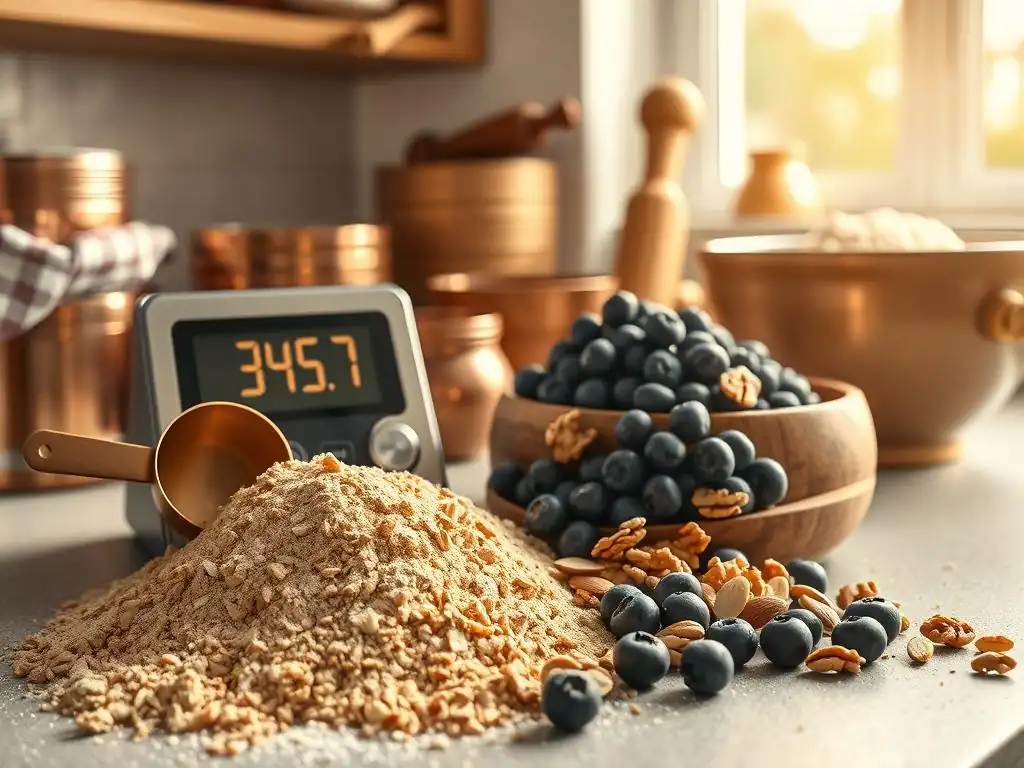
Welcome to BakeWithEase, your trusted guide to baking bliss! Tired of endless measuring cups and dirty spoons? Discover the secret to streamlined baking with our latest tip: MultiIngredient Weighing. We'll show you how to save time and reduce cleanup by weighing multiple ingredients simultaneously – a game-changer for any baker. Curious to learn how? Dive in and discover this simple, yet effective, baking hack!
- Multi-Ingredient Weighing: Streamline Your Baking Process
- Bake Smarter: Why Accurate Weighing is Key to Baking Success
- The Benefits of Weighing Multiple Ingredients Simultaneously for Baking
-
How to Weigh Multiple Ingredients at Once: A Step-by-Step Guide
- Step 1: Preparing Your Baking Scale and Ingredients
- Step 2: Zeroing the Scale Before Each Ingredient Addition (Taring)
- Step 3: Calculating and Adding the First Ingredient's Weight
- Step 4: Adding Subsequent Ingredients to Reach the Target Weight
- Step 5: Double-Checking Total Weight and Adjusting if Necessary
- Tips and Tricks for Successful Multi-Ingredient Weighing in Baking
- Recipes Where Multi-Ingredient Weighing Shines
- Troubleshooting Common Issues with Simultaneous Ingredient Weighing
- Advanced Techniques for Expert Multi-Ingredient Weighing
- Optimize Your Baking: Mastering Multi-Ingredient Weighing
-
Frequently Asked Questions
- How does weighing multiple ingredients simultaneously save time when baking?
- What kind of kitchen scale is best for weighing multiple ingredients simultaneously?
- Are there any ingredients that shouldn't be weighed simultaneously?
- What if I accidentally add too much of one ingredient while weighing simultaneously?
- Is weighing multiple ingredients simultaneously suitable for all baking recipes?
- Final Reflection: The Joy of Efficient Baking
- Unleash Your Baking Superpowers: Weigh Smarter, Not Harder!
Multi-Ingredient Weighing: Streamline Your Baking Process
Baking is often described as a science, and like any science, precision is paramount. While measuring cups and spoons are common tools, weighing your ingredients offers a level of accuracy that can truly elevate your results. But what if you could make this precise method even faster? That's where the technique of weighing multiple ingredients simultaneously comes in, a simple yet powerful hack for any home baker looking to improve efficiency without sacrificing quality.
Bake Smarter: Why Accurate Weighing is Key to Baking Success
Achieving consistently delicious baked goods relies heavily on getting your ingredient ratios just right. Using a scale, rather than volume measures, eliminates variables like how tightly flour is packed or the air pockets in brown sugar. This precision ensures your doughs and batters have the correct hydration and structure, leading to predictable outcomes every time.
Beyond basic accuracy, adopting smart weighing techniques can transform your baking workflow. Instead of measuring each dry ingredient into a separate bowl before combining them, imagine adding flour, sugar, baking powder, and salt directly into one bowl on your scale, zeroing it out after each addition. This not only reduces the number of dishes you'll wash but also streamlines the process, letting you move from prep to mixing faster.
Streamline Your Baking Process with Efficient Techniques
Integrating efficient techniques like multi-ingredient weighing can dramatically simplify your baking sessions. This method involves adding successive dry or wet ingredients to the same container on your digital scale, resetting the scale to zero after each addition. For example, when making cookies, you might add flour, zero the scale ( tare), then add sugar, tare, then add baking powder, and so on, all into one bowl.
This approach cuts down on the time spent washing numerous measuring cups and bowls. A typical cookie recipe might require measuring flour, sugar, brown sugar, baking soda, and salt separately. Using a scale and weighing multiple ingredients simultaneously baking, you could potentially measure all five dry ingredients into a single bowl, reducing cleanup from maybe five measuring cups/bowls down to just one or two (the main mixing bowl and the scale bowl). This seemingly small change adds up over time, especially when baking frequently.
Reduce Baking Time: The Power of Precise Ingredient Measurement
Precision in ingredient measurement, particularly through weighing, inherently reduces the likelihood of errors that require troubleshooting or even starting over. When you weigh, you eliminate the guesswork associated with volume measurements, such as variations in density or packing. This accuracy means your doughs and batters are more likely to have the correct consistency from the outset, leading to predictable rise, texture, and flavor.
By adopting the practice of weighing multiple ingredients simultaneously for baking, you further accelerate the process. Instead of scooping and leveling multiple times with different cups, then adding them to a bowl, you simply add ingredients sequentially to a single bowl on the scale, hitting the tare button in between.
This shaves off precious minutes from your prep time. For instance, preparing the dry ingredients for a batch of muffins might take 5-7 minutes using volume cups and multiple bowls, whereas weighing them simultaneously into one bowl could take just 2-3 minutes, a saving of over 50% in that step.
The Benefits of Weighing Multiple Ingredients Simultaneously for Baking
Mastering the technique of weighing multiple ingredients simultaneously baking brings a host of advantages to your kitchen. It's a simple habit change that yields significant returns in terms of speed, efficiency, and consistency, making your baking experience more enjoyable and less daunting.
Time Savings: Accelerate Baking Prep with Combined Weighing
One of the most immediate benefits of weighing multiple ingredients simultaneously is the significant reduction in preparation time. Instead of reaching for a different measuring cup for each item – say, 1 cup of flour, 1/2 cup of sugar, 1 teaspoon of baking soda – you simply add the required weight of each ingredient sequentially to the same container on your scale.
Consider a recipe requiring five dry ingredients. Using volume measures might involve five different scoops and transfers. Weighing them individually still requires five additions but into a single bowl. Weighing multiple ingredients simultaneously baking requires only one bowl and five additions with taring in between. This streamlines the motion, reduces the chance of misplacing a tool, and can realistically cut the time spent measuring dry ingredients by 30-50%, depending on the recipe complexity. Over multiple baking sessions, this adds up to substantial time saved.
Reduced Cleanup: Fewer Bowls, Less Washing Up
Beyond saving time during the active measuring phase, weighing multiple ingredients simultaneously drastically reduces the number of dishes you'll need to wash. Each separate measuring cup or bowl used for individual ingredients contributes to the post-baking cleanup pile.
By weighing all your dry ingredients into a single bowl on the scale, you eliminate the need for the numerous measuring cups and small bowls that might otherwise be used. For a complex cake recipe that could involve measuring flour, sugar, cocoa powder, baking powder, baking soda, and salt, you might typically use 6 different measuring tools. With simultaneous weighing, you use just one bowl on the scale. This simple change can reduce your cleanup by 4-5 items per recipe, making the post-baking chore much less burdensome.
Enhanced Accuracy: Minimize Errors with Precise Measurement
While weighing ingredients is inherently more accurate than using volume measures, weighing multiple ingredients simultaneously baking maintains this precision while reducing the opportunity for human error. When measuring ingredients individually into separate containers, there's a chance of misreading a label, grabbing the wrong measuring cup, or even forgetting if an ingredient has been added.
Using the simultaneous weighing method means you are focused on one container and one scale display. You add ingredient A, tare, add ingredient B, tare, and so on. This sequential process, combined with the scale's digital readout (typically accurate to 0.1g or 1g depending on the scale), minimizes the chance of adding the wrong amount or omitting an ingredient entirely. The focus is solely on hitting the target weight for the current ingredient before moving to the next, leading to fewer mistakes compared to juggling multiple pre-measured piles.
Consistent Baking Results: Achieve Predictable Outcomes with Accurate Weighing
The ultimate goal of precise measurement and efficient techniques like weighing multiple ingredients simultaneously baking is achieving consistent, repeatable results every time you bake. When your ingredient ratios are accurate and consistent from batch to batch, your baked goods will have the same desired texture, rise, and flavor profile.
Using a scale and the simultaneous weighing method ensures that variations due to packing density, humidity, or measuring technique are virtually eliminated. If a recipe calls for 250g of flour, 100g of sugar, and 5g of baking powder, weighing these amounts precisely into one bowl, taring in between, guarantees you have the exact specified quantities. This removes a major variable from the baking process, allowing you to troubleshoot issues more effectively if they arise (as they're less likely to be due to measurement error) and reliably reproduce your successes.
How to Weigh Multiple Ingredients at Once: A Step-by-Step Guide
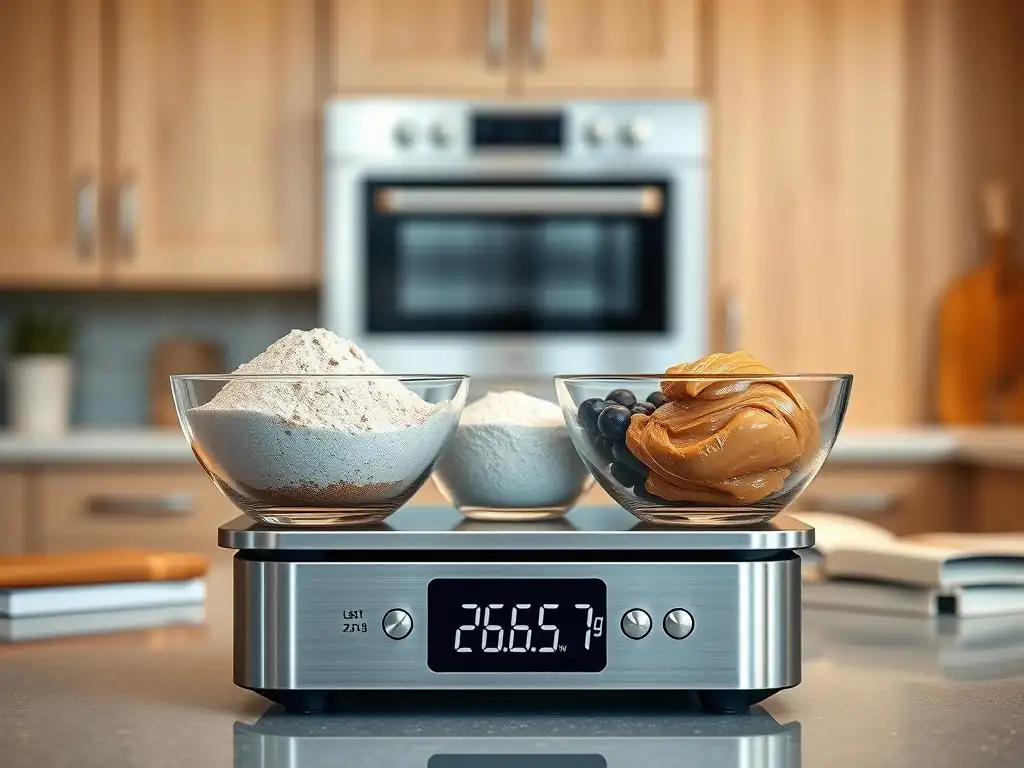
Mastering the technique of weighing multiple ingredients simultaneously baking is straightforward and quickly becomes second nature. It requires a digital kitchen scale with a tare function and a systematic approach. Follow these steps for efficient and accurate results.
Step 1: Preparing Your Baking Scale and Ingredients
Begin by gathering all the dry or wet ingredients you plan to weigh together for your recipe. Ensure your digital kitchen scale is on a flat, stable surface and has fresh batteries if needed. Place the bowl or container you will use to hold the ingredients directly onto the center of the scale platform.
Have your recipe handy, specifically noting the weight required for each ingredient. It's also helpful to arrange your ingredients in the order you plan to add them, which often corresponds to the order they appear in the recipe, though prioritizing smaller amounts later can sometimes be beneficial (more on that in tips).
Step 2: Zeroing the Scale Before Each Ingredient Addition (Taring)
With your empty container on the scale, the display will show its weight. This is where the tare function (sometimes labeled 'Tare', 'Zero', or 'Z') comes in. Press the tare button. The scale display should now read 0.0g or 0g. This tells the scale to disregard the weight of the container and subsequent ingredients already added, allowing you to measure each new ingredient accurately.
It is absolutely crucial to press the tare button every single time before adding a new ingredient to the bowl. Forgetting to tare will result in the scale displaying the cumulative weight of all ingredients, making it impossible to know the weight of the ingredient you are currently adding.
Step 3: Calculating and Adding the First Ingredient's Weight
Refer to your recipe for the weight of the first ingredient you are adding. Let's say your recipe calls for 250g of all-purpose flour. Carefully add the flour to the bowl on the scale until the display reads as close to 250g as possible. It's often easier to spoon or pour the ingredient in gradually as you approach the target weight to avoid overshooting.
Once you've reached the desired weight for the first ingredient, do not remove the bowl or the ingredient. The scale should now show the weight of just that first ingredient (e.g., 250.0g).
Step 4: Adding Subsequent Ingredients to Reach the Target Weight
Now, it's time to add the second ingredient. Before adding anything, press the tare button again. The scale display should reset to 0.0g. Now, add the second ingredient according to your recipe's required weight. For example, if the next ingredient is 100g of granulated sugar, add sugar to the bowl until the scale reads 100.0g.
Repeat this process for every subsequent ingredient:
- Press Tare (scale reads
0.0g). - Add the next ingredient until the scale reaches its required weight.
- Ensure the weight is accurate before moving on.
Continue this sequence until all ingredients you planned to weigh simultaneously are in the bowl.
Step 5: Double-Checking Total Weight and Adjusting if Necessary
While the primary goal is to hit the target weight for each individual ingredient, it can be helpful to perform a quick check of the total weight after adding the final ingredient. You can do this by pressing the tare button one last time after adding the final ingredient (this will reset the scale to 0 for the empty bowl) and then briefly lifting and replacing the bowl. The scale should now display the cumulative weight of all ingredients.
Compare this total weight to the sum of the individual ingredient weights listed in your recipe. For example, if you added 250g flour, 100g sugar, and 5g baking powder, the total weight should be approximately 355g.
If there's a significant discrepancy (more than a gram or two, depending on your scale's sensitivity and the total weight), it might indicate an error in one of the additions or a missed tare step. Minor adjustments for slight overshoots (especially with small amounts) can sometimes be made by carefully removing a tiny bit of the top ingredient, but this is often unnecessary if you were careful during the additions.
Tips and Tricks for Successful Multi-Ingredient Weighing in Baking
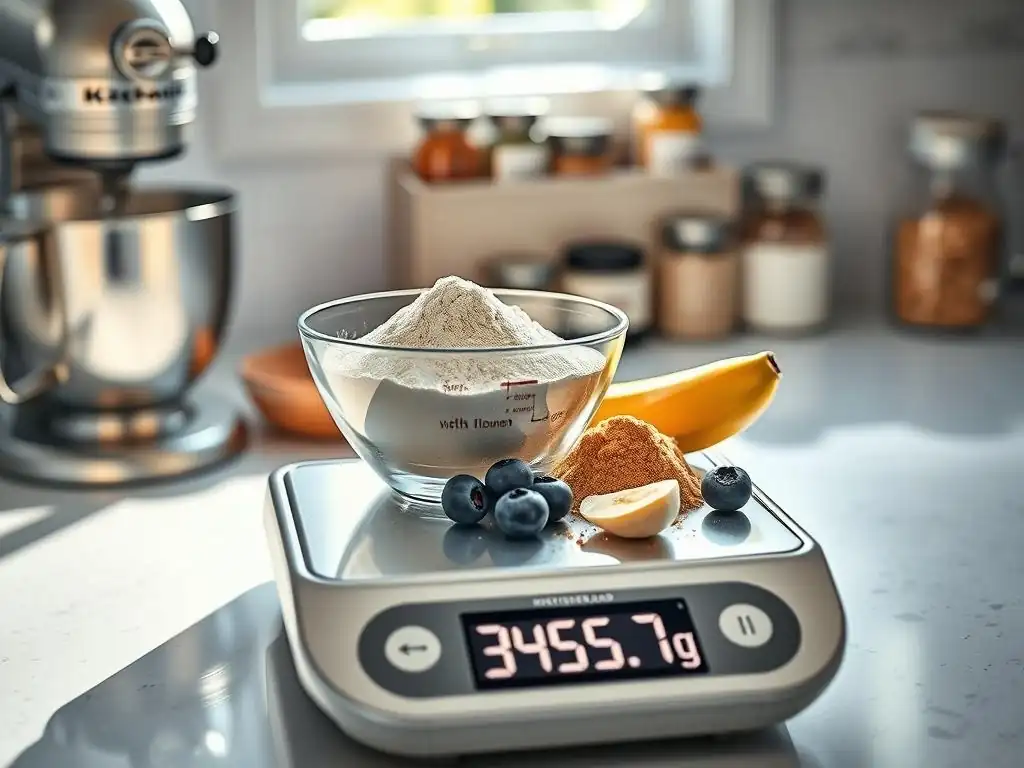
While the process is simple, a few tips can help you maximize the efficiency and accuracy of weighing multiple ingredients simultaneously baking. These small adjustments can make a big difference in your baking results and experience.
Choosing the Right Baking Scale for Accurate Weighing
The foundation of successful multi-ingredient weighing is a reliable digital kitchen scale. Look for a scale with a clear digital display that measures in grams (g) and preferably also ounces (oz) and milliliters (ml) for versatility. A scale with a capacity of at least 5 kg (around 11 lbs) is usually sufficient for home baking quantities.
Crucially, ensure the scale has an accurate and easy-to-use tare function. Some scales have a tare button that's difficult to press or slow to respond, which can be frustrating. Ideally, choose a scale that measures in small increments, such as 0.1g or 1g, especially if you frequently work with small amounts of leavening agents or spices. A scale with a slightly larger platform can also be helpful if you're using a wide bowl.
Understanding Tare Functionality for Precise Measurement
The tare function is the cornerstone of weighing multiple ingredients simultaneously. It resets the scale to zero, effectively subtracting the weight of whatever is currently on the platform. Mastering its use is non-negotiable for this technique.
Think of taring as giving the scale a fresh start for each new ingredient. You add ingredient A, tare (scale ignores A's weight), add ingredient B (scale measures only B), tare (scale ignores A + B), add ingredient C (scale measures only C), and so on. A common mistake is forgetting to tare before adding a new ingredient, which leads to incorrect measurements. Make pressing the tare button a deliberate, conscious step between adding each item. Some bakers even say the required weight out loud before taring to reinforce the process.
Prioritizing Ingredient Order for Optimal Weighing
While you can add ingredients in any order when weighing simultaneously, there are strategic advantages to considering the sequence. It's often easiest to start with the largest volume or weight ingredient (like flour or sugar) and finish with the smallest amounts (like baking powder, baking soda, salt, or spices).
Adding large quantities first provides a stable base in the bowl. Adding small quantities last is easier because you're dealing with smaller increments on the scale's display. Trying to measure 5g of baking powder when you already have 500g of flour and sugar in the bowl can be tricky if you overshoot slightly. Adding the 5g last allows for more precise control over that final, often critical, small amount. This order also often aligns well with how ingredients are listed in recipes (dry ingredients together, largest first).
Handling Small Amounts: Tips for Accurate Measurement
Weighing tiny amounts, such as fractions of a gram for potent spices or yeast, can be challenging even with a scale. If your scale only measures in 1g increments, getting exactly 0.5g is impossible. For very small amounts (typically under 5g), using precise measuring spoons after weighing the larger ingredients might still be the most accurate approach, depending on your scale's sensitivity.
If your scale measures in 0.1g increments, you can weigh small amounts accurately. To add a small amount precisely, use a spoon or even a knife tip to add tiny pinches or scoops until the scale display hits the target weight. Avoid pouring directly from a large container. For ingredients like yeast or salt, you can sometimes weigh the small amount onto a piece of parchment paper placed on the scale (tare first! ), then carefully funnel it into your main ingredient bowl.
Recipes Where Multi-Ingredient Weighing Shines
The technique of weighing multiple ingredients simultaneously baking is beneficial across a wide range of baked goods. It's particularly effective in recipes where dry ingredients are combined before being added to wet ingredients, or where precise ratios of just a few key ingredients are critical.
Streamlining Scone Baking with Combined Dry Ingredient Weighing
Scones rely on a perfect balance of dry ingredients – typically flour, sugar, baking powder, and salt – combined with cold fat and liquid. Weighing these dry components simultaneously into one bowl is a classic application of this technique.
Imagine a scone recipe calling for 250g flour, 50g sugar, 10g baking powder, and 2g salt. You'd place your bowl on the scale, tare, add 250g flour, tare, add 50g sugar, tare, add 10g baking powder, tare, and finally add 2g salt. All your dry ingredients are now perfectly measured and combined in one bowl, ready to be whisked together before cutting in the butter. This saves the hassle of measuring each into separate cups and then transferring.
Perfecting Pizza Dough with Simultaneous Flour and Water Measurement
Making great pizza dough often comes down to the hydration level – the ratio of water to flour. While many recipes use volume for both, weighing offers far greater precision, and weighing flour and water simultaneously is incredibly efficient.
Place your mixing bowl on the scale, tare, and add the required weight of flour (e.g., 500g). Tare the scale again. Now, carefully pour the required weight of water (e.g., 325g for 65% hydration) directly into the bowl with the flour. You've now precisely measured the two most crucial ingredients into your mixing bowl in just two steps, ready for adding yeast, salt, and maybe a little oil. This method is much faster and more accurate than using volume cups for both.
Creating Consistent Muffin Batches Using Multi-Ingredient Weighing
Muffins are another perfect candidate for simultaneous dry ingredient weighing. A typical muffin recipe involves combining flour, sugar, baking powder, baking soda, salt, and sometimes spices like cinnamon.
By weighing all these dry ingredients into a single bowl on your scale – adding flour, taring, adding sugar, taring, adding baking powder, taring, and so on – you create a perfectly measured dry mix quickly and with minimal cleanup. This ensures each batch of muffins has the exact same leavening power and sweetness level, leading to consistent texture and rise every time you bake.
Troubleshooting Common Issues with Simultaneous Ingredient Weighing
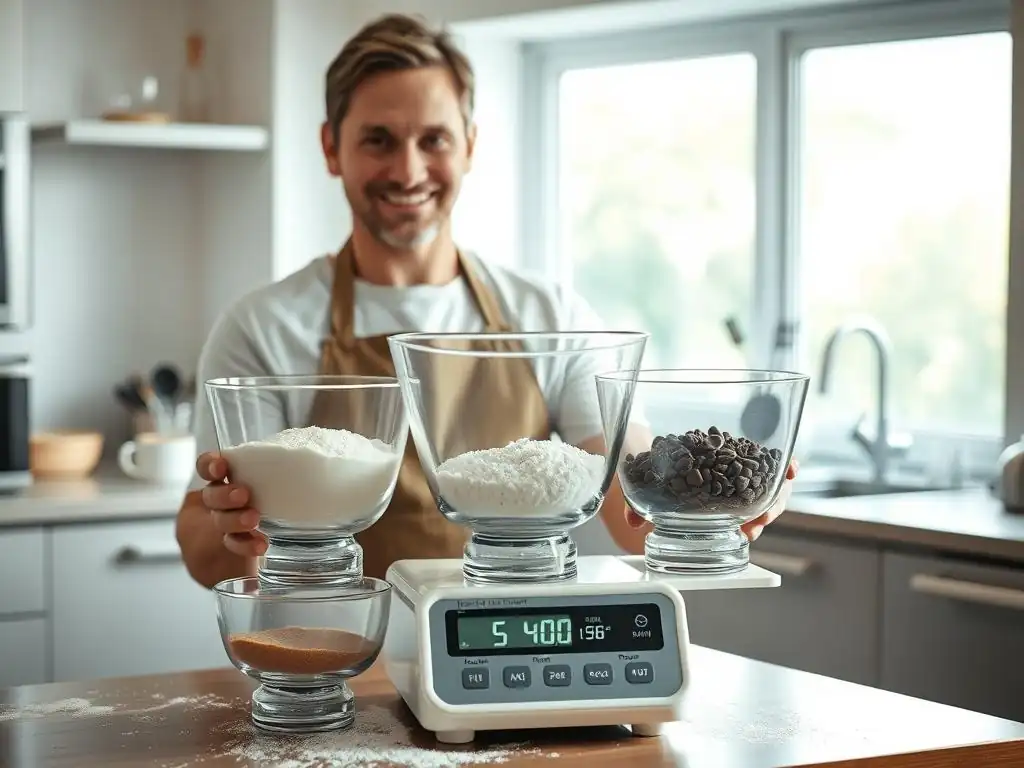
While weighing multiple ingredients simultaneously baking is efficient, you might encounter minor hiccups. Knowing how to address them ensures your measurements remain accurate and your baking stays on track.
Addressing Scale Calibration Problems
Sometimes, a digital scale might seem inaccurate, giving inconsistent readings or failing to zero properly. This could be a calibration issue. Most digital scales can be recalibrated, though the process varies by model.
Consult your scale's manual for specific calibration instructions. Often, it involves holding down a certain button (like Tare or On/Off) while turning the scale on and using a known weight (like a set of calibration weights or even carefully weighed coins if specified by the manufacturer) to reset it. Ensure the scale is on a perfectly level surface away from drafts or vibrations when using it. If calibration doesn't help, check the batteries or consider that the scale might be faulty and need replacement.
Dealing with Over- or Under-Weighing
It's easy to accidentally add slightly too much or too little of an ingredient, especially when nearing the target weight. If you slightly under-weigh, simply add a tiny bit more until you reach the correct number on the scale.
If you over-weigh, particularly by a significant amount, fixing it can be trickier. For dry ingredients, you can carefully spoon or scoop out the excess. This works best if the ingredient you over-weighed is on top. If it's mixed in, or if you over-weighed a wet ingredient, it's usually best to discard that batch and start over to maintain accuracy, especially for sensitive recipes. Being mindful and adding ingredients slowly as you approach the target weight is the best prevention.
Managing Wet vs. Dry Ingredient Combinations
The simultaneous weighing technique is most effective when combining ingredients of similar consistency, typically dry ingredients together or certain wet ingredients together (like water and milk). Combining wet and dry ingredients in the same bowl on the scale before mixing them into a batter is generally not recommended.
The point of simultaneous weighing is to measure multiple distinct ingredients sequentially into one container before they are fully combined in the main mixing process. You would weigh all dry ingredients into one bowl, then weigh all liquid ingredients into another bowl (if you chose to weigh liquids simultaneously), and then combine the dry and wet mixtures according to the recipe steps. Do not try to weigh flour, tare, then add milk into the same bowl on the scale, as they would begin to combine prematurely.
Advanced Techniques for Expert Multi-Ingredient Weighing
Once you're comfortable with the basics of weighing multiple ingredients simultaneously baking, you can explore more advanced applications to further optimize your baking process and recipe development.
Utilizing Proportional Weighing for Scaling Recipes
Weighing is indispensable for scaling recipes up or down accurately. Instead of multiplying or dividing volume measures (which can lead to significant errors), you simply multiply or divide the weight of each ingredient by the desired scaling factor.
When scaling a recipe using simultaneous weighing, you calculate the new weight for each ingredient, then proceed with the standard multi-weighing steps. For example, to double a recipe calling for 250g flour, 100g sugar, and 5g salt, you'd now need 500g flour, 200g sugar, and 10g salt. You'd weigh 500g flour, tare, weigh 200g sugar, tare, and weigh 10g salt, all into the same bowl. This method ensures the proportions remain exact, regardless of the batch size.
Integrating Multi-Weighing into Batch Baking
For those who bake in large batches, perhaps for events or selling, integrating multi-ingredient weighing is a game-changer. It significantly reduces the time spent on repetitive measuring tasks for multiple batches.
You can weigh out the dry ingredients for several batches simultaneously if your scale and container are large enough, or weigh out one large batch of the dry mix and then divide it by weight for individual smaller batches. Alternatively, weigh the ingredients for one batch using the simultaneous method, then immediately repeat the process for the next batch. The speed and reduced cleanup make preparing multiple batches far more efficient than using volume measures or weighing each ingredient separately for every single batch.
Adapting Multi-Weighing for Gluten-Free Baking
Gluten-free baking often relies on precise blends of different flours and starches, where the ratios are particularly critical for texture and structure. These blends can be challenging to measure accurately by volume due to varying densities.
Weighing multiple ingredients simultaneously baking is exceptionally useful in gluten-free baking. You can weigh out your base flour (e.g., rice flour), tare, weigh your starch (e.g., tapioca starch), tare, weigh your secondary flour (e.g., almond flour), tare, and so on, all into one bowl to create your custom blend. This ensures your gluten-free flour mix has the exact proportions required by the recipe, leading to more reliable and consistent results compared to scooping different flours with cups.
Optimize Your Baking: Mastering Multi-Ingredient Weighing
Embracing the technique of weighing multiple ingredients simultaneously baking is a simple yet profound step towards optimizing your time and improving the quality of your baked goods. It's a skill that pays dividends in efficiency and consistency.
Elevate Your Baking Skills with Efficient Techniques
Moving beyond volume measures to ingredient weighing is the first step towards more professional and consistent baking. Adding the multi-ingredient weighing technique on top of that takes your efficiency to the next level. It's a practical skill that reduces tedious tasks, minimizes errors, and frees up more time to focus on the enjoyable aspects of baking, like decorating or experimenting with flavors.
Simplify Your Baking Routine for More Enjoyable Creations
Ultimately, baking should be a source of joy, not stress. By incorporating practices like weighing multiple ingredients simultaneously baking, you streamline your process, reduce cleanup, and increase your confidence in achieving delicious results. This simplification makes baking less of a chore and more of a truly enjoyable creative outlet, encouraging you to bake more often and try new, exciting recipes.
Frequently Asked Questions
How does weighing multiple ingredients simultaneously save time when baking?
By weighing several ingredients into the same bowl or container, you eliminate the need for multiple individual weighings, significantly reducing the time spent preparing your ingredients. This is a faster and more efficient method.
What kind of kitchen scale is best for weighing multiple ingredients simultaneously?
A digital kitchen scale with a tare function is essential. The tare function allows you to reset the scale to zero after each ingredient is added, ensuring accurate measurements without emptying the bowl.
Are there any ingredients that shouldn't be weighed simultaneously?
Generally, it's best to weigh dry ingredients together and wet ingredients separately. Avoid mixing ingredients that might react prematurely, like baking soda with acidic ingredients, until the recipe instructs you to do so.
What if I accidentally add too much of one ingredient while weighing simultaneously?
If you accidentally add too much of an ingredient, it's crucial to remove the excess as accurately as possible. For minor overages, you might be able to compensate slightly with other ingredients, but for larger errors, it's best to start over.
Is weighing multiple ingredients simultaneously suitable for all baking recipes?
While it's a great time-saver, this method is most suitable for recipes where precise measurements are less critical, such as certain cookie or bread recipes. For very delicate or finicky recipes, like some pastries, weighing ingredients separately is often recommended for optimal accuracy.
Final Reflection: The Joy of Efficient Baking
The art of baking, often perceived as meticulous and time-consuming, can be significantly streamlined by embracing the simple yet powerful technique of weighing multiple ingredients simultaneously. This seemingly small change can unlock a world of efficiency, allowing bakers of all levels to enjoy the process more fully and produce consistent, delicious results. It's not just about saving time; it's about reclaiming precious moments in the kitchen.
The impact of this simple shift in baking methodology extends beyond mere convenience. It speaks to a larger cultural shift towards mindful efficiency and a re-evaluation of our relationship with food preparation. We are increasingly seeking ways to optimize our time without sacrificing quality, and this technique perfectly embodies that desire. The greatest of follies is to sacrifice health for any other kind of happiness.
– Arthur Schopenhauer. While not directly about baking, this quote highlights the importance of finding efficient, enjoyable methods in all aspects of life, including our culinary pursuits. The joy of baking shouldn't be overshadowed by tedious tasks; efficient weighing allows us to focus on the creative and rewarding aspects of the process.
Consider how this simple act of weighing multiple ingredients at once can transform your baking experience. Will you embrace this efficiency and reclaim those precious minutes? I encourage you to try it – weigh your ingredients simultaneously, and experience the difference for yourself. Feel the freedom of a less cluttered workspace, the satisfaction of a smoother baking process, and the joy of creating delicious treats with newfound ease. Let this small change be a catalyst for a more mindful and enjoyable approach to your baking journey.
Unleash Your Baking Superpowers: Weigh Smarter, Not Harder!
Thanks for diving into the world of multi-ingredient weighing! You've just unlocked a serious time-saving secret for your baking adventures. Now, let's put that knowledge into action:
- Master the Multi-Weigh: Start by weighing your next batch of cookies or cake using the multi-ingredient method described above. Notice how much faster and more efficient it is!
- Share Your Triumphs: Tell your fellow bakers about your new time-saving technique! Share this article on your favorite social media platform and spread the baking efficiency.
- Explore New Recipes: Challenge yourself by trying a new, complex recipe that benefits greatly from multi-ingredient weighing.
Ready to transform your baking routine? What's the first recipe you'll conquer using this game-changing method?