
Master Vegan Milk Swaps for Perfect Texture

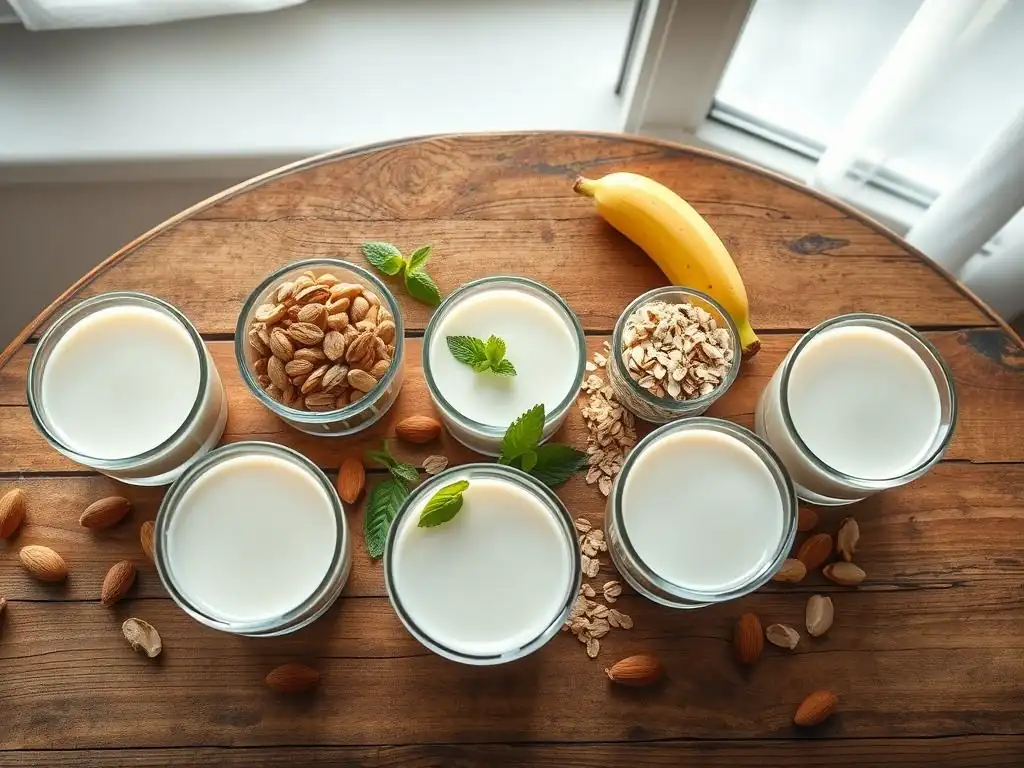
Welcome to BakeWithEase, your guide to unlocking baking brilliance! Ever wondered how to achieve that perfect texture in your vegan treats? You're in the right place! This week, we're diving deep into vegan milk texture recipes, revealing the secrets to swapping dairy for plant-based alternatives without sacrificing flavor or consistency. Curious to discover the key to fluffy cakes and creamy fillings, all without a drop of cow's milk? Let's get baking!
- Mastering Plant-Based Milk Swaps for Optimal Texture in Baking
- Understanding Plant-Based Milk in Baking: Achieving the Right Texture
- The Ultimate Guide to Plant-Based Milk Substitutions for Baking
- Plant-Based Milk Texture Recipes: Mastering the Art
- Troubleshooting Plant-Based Milk Texture Issues in Baking
- Pro Tips for Enhancing Plant-Based Milk Texture in Baking
- Plant-Based Milk Texture Chart: Quick Reference for Baking Success
- Beyond Texture: Considerations for Flavor and Nutrition
- Conclusion: Bake with Confidence Using the Perfect Plant-Based Milk
-
Frequently Asked Questions
- What is a "Vegan Milk Texture Recipe" and why is it important?
- Which vegan milk generally provides the closest texture to dairy milk in baking?
- Can I substitute any vegan milk 1:1 for dairy milk in every recipe?
- What are some common issues when using vegan milk in baking and how can I fix them?
- Where can I find reliable "Vegan Milk Texture Recipes"?
- Final Reflection: The Creamy Revolution: Beyond the Plant
- Unlock Your Vegan Baking Potential!
Mastering Plant-Based Milk Swaps for Optimal Texture in Baking
Understanding Plant-Based Milk in Baking: Achieving the Right Texture
Why Texture Matters in Plant-Based Baking
The texture of your baked goods is paramount to their success and enjoyment. Whether you're aiming for a light, airy cake, a chewy cookie, or a tender loaf of bread, the liquid component plays a crucial role. In traditional baking, dairy milk contributes fat, protein, and lactose, which interact with other ingredients like flour, sugar, and leaveners to develop structure, moisture, and browning. When switching to plant-based milks, these interactions change, and the unique composition of each vegan milk can significantly impact the final texture, affecting everything from crumb structure to crust development and overall mouthfeel.
Getting the texture right with vegan milk texture recipes is key to achieving results comparable to or even surpassing those made with dairy. For instance, using a plant-based milk that's too thin might result in a dry or dense cake, while one that's too thick could lead to a gummy texture.
The proteins and fats (or lack thereof) in different plant-based milks behave differently under heat and when combined with acidic or alkaline ingredients. Understanding these nuances allows bakers to make informed choices, ensuring their vegan creations have the desired tenderness, moistness, and structure, truly mastering the art of plant-based milk texture in baking.
Exploring Different Types of Plant-Based Milk and Their Textural Properties
Plant-based milks offer a diverse range of textural properties, primarily influenced by their water content, protein levels, and fat content. For example, rice milk is typically very thin and low in both protein and fat, making it less ideal for recipes requiring richness or structure, potentially leading to a less desirable vegan milk texture. Almond milk is also relatively low in fat and protein, offering a light consistency suitable for some applications but potentially resulting in a less tender crumb in others.
In contrast, soy milk and oat milk tend to have higher protein and fat content (though still generally lower than dairy milk), providing more body and contributing better to structure and moisture retention. Coconut milk, especially the canned, full-fat version, is rich and creamy due to its high fat content, making it excellent for adding richness and density. Cashew milk often has a creamy consistency due to the blending process, offering a neutral flavor and moderate thickness. Recognizing these inherent textural differences is the first step in selecting the appropriate plant-based milk for your specific vegan milk texture recipes.
The Ultimate Guide to Plant-Based Milk Substitutions for Baking
Soy Milk: Protein Content and Baking Versatility
Soy milk is one of the most popular and versatile plant-based milks for baking, largely due to its protein content, which is comparable to dairy milk (around 7-8 grams per cup for unsweetened varieties). This protein helps contribute to structure and browning in baked goods, similar to how dairy protein functions. Its consistency is generally thicker than almond or rice milk, providing good moisture without making batters too thin. Unsweetened plain soy milk is often recommended to avoid altering the sweetness or flavor profile of your recipe.
Due to its composition, soy milk performs well in a wide range of vegan milk texture recipes, including cakes, muffins, cookies, and even yeast breads. Its ability to curdle when mixed with an acid (like vinegar or lemon juice) makes it an excellent substitute for buttermilk in recipes requiring that tangy flavor and tenderizing effect. For instance, using 1 cup of soy milk mixed with 1 tablespoon of apple cider vinegar and letting it sit for 5-10 minutes can perfectly replicate vegan buttermilk for fluffy pancakes or moist cakes.
Almond Milk: Subtle Flavor and Lightweight Applications
Almond milk is known for its light consistency and subtle, slightly nutty flavor. It is typically lower in fat and protein compared to soy or oat milk, often containing around 1 gram of protein and 2.5 grams of fat per cup for unsweetened varieties. This lower nutritional profile means it contributes less to structure and richness than some other options, impacting the final vegan milk texture. Its thinness means you might need slight adjustments in liquid ratios in certain recipes.
Despite its limitations in providing richness, almond milk works well in recipes where a light texture is desired and strong flavors are not needed. It's a good choice for delicate muffins, light cakes, and some cookie recipes where excessive spread isn't a concern. However, it might not be the best option for dense breads or rich desserts that require significant moisture and structure support from the liquid component. Choosing unsweetened varieties is crucial to maintain control over the recipe's sweetness.
Oat milk has gained significant popularity in baking due to its natural creaminess and slightly sweet flavor. Its texture is often thicker than almond or rice milk, providing a good mouthfeel and contributing well to moisture in baked goods. While protein content varies, it often contains around 2-3 grams per cup, and fat content can range from 1.5 to 5 grams depending on whether it's a "barista" blend or standard. This balance of carbs, fat, and protein makes it quite versatile for achieving desirable vegan milk texture.
This creaminess makes oat milk an excellent substitute in cakes, cookies, and even some pastry applications. It helps create tender crumbs and moist textures. For recipes like chocolate chip cookies, using oat milk can contribute to a slightly chewy texture. Its natural sweetness can sometimes allow for a slight reduction in added sugar, though this should be done cautiously. Oat milk is generally a reliable, all-purpose option for many vegan milk texture recipes.
Coconut Milk: Richness and Best Uses in Dense Desserts
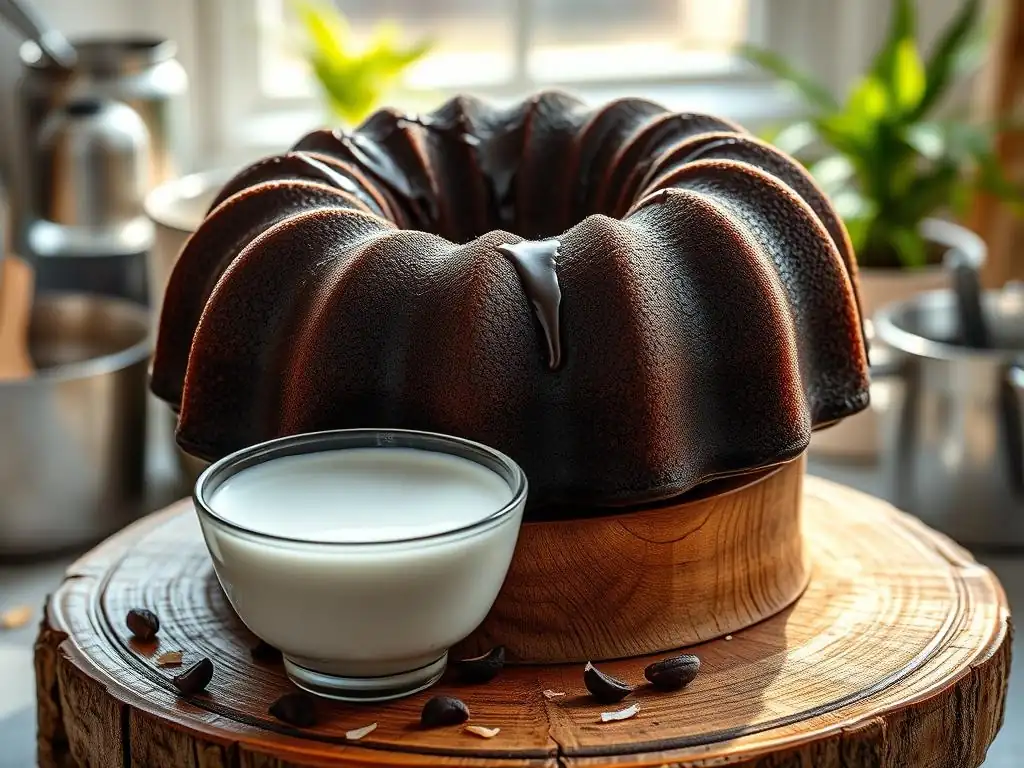
Coconut milk, particularly the full-fat version from a can, is prized for its high fat content (often 20-24 grams per half cup of solid cream) and rich, creamy texture. This fat is essential for adding moisture, tenderness, and richness to baked goods, making it ideal for specific types of vegan milk texture recipes. The saturated fat in coconut milk behaves similarly to butter or shortening in some ways, providing structure and contributing to a melt-in-your-mouth texture.
Due to its richness, full-fat coconut milk is best suited for dense, moist desserts like brownies, fudge, rich chocolate cakes, and certain types of pies or tarts. The lighter, carton version of coconut milk is much lower in fat and behaves more like almond milk, suitable for lighter applications. For recipes requiring intense richness and moisture, canned coconut milk is unparalleled among plant-based options, though its distinct flavor should be considered.
Cashew Milk: Neutral Flavor and Creamy Texture
Cashew milk is often praised for its creamy texture and relatively neutral flavor profile compared to other plant-based milks. Made by blending cashews with water, its thickness and richness depend on the nut-to-water ratio. Commercial versions typically contain around 2-4 grams of fat and 1 gram of protein per cup, offering a smoother, slightly thicker consistency than almond milk. This creaminess contributes positively to the vegan milk texture in baked goods.
Its neutral flavor makes cashew milk a good all-around substitute that won't overpower other ingredients, making it suitable for a wide variety of vegan milk texture recipes. It works well in cakes, muffins, and quick breads where a moist, tender crumb is desired. While not as protein-rich as soy or as fatty as full-fat coconut milk, its pleasing texture makes it a solid choice for many everyday baking needs.
Plant-Based Milk Texture Recipes: Mastering the Art
Achieving Optimal Texture with Soy Milk in Yeast Breads
Soy milk's protein content makes it an excellent choice for yeast breads, contributing to dough development and a tender crumb. When used in bread dough, the proteins in soy milk interact with gluten, helping to create a strong yet elastic structure that traps the gases produced by yeast. For a standard loaf of vegan sandwich bread using about 3 cups of flour, substituting dairy milk with an equal amount of unsweetened soy milk (approximately 1.5 cups) often results in a beautifully risen loaf with a soft interior and a nicely browned crust, achieving a desirable vegan milk texture.
To further enhance the texture in yeast breads, ensure the soy milk is warmed to around 105-115°F (40-46°C) before adding the yeast. This temperature is crucial for activating the yeast properly. The slight fat content in soy milk also contributes to a softer crust compared to using just water. Kneading time might need slight adjustment depending on the specific recipe and flour used, but generally, soy milk performs very similarly to dairy milk in this application, making it a reliable option for achieving optimal vegan milk texture in your bread recipes.
Using Almond Milk for Delicate Muffins: Tips and Tricks
For delicate muffins where a light, airy crumb is desired, unsweetened almond milk can be a suitable option, contributing to a gentle vegan milk texture. Its thin consistency means it won't weigh down the batter, helping the muffins rise nicely. When substituting almond milk for dairy milk in a standard muffin recipe calling for about 1 cup of liquid and 2 cups of flour, use an equal amount of almond milk. However, be mindful that due to its lower fat and protein, the muffins might have a slightly less tender crumb compared to those made with richer milks.
To counteract the potential for a less tender texture when using almond milk, consider incorporating a source of fat like vegan butter or oil more generously, or adding a tablespoon or two of vegan yogurt or applesauce for extra moisture. Ensure you don't overmix the batter, as this can lead to tough muffins regardless of the milk used. The key is gentle handling to maintain that delicate, desired vegan milk texture.
Creating Luscious Plant-Based Cheesecakes with Oat Milk
Oat milk's natural creaminess makes it an excellent base for achieving a luscious texture in plant-based cheesecakes, contributing significantly to the desired vegan milk texture recipes often aim for. While traditional cheesecakes rely heavily on cream cheese and dairy cream, vegan versions often use soaked cashews, tofu, or vegan cream cheese bases. Oat milk can be incorporated into the filling mixture to adjust consistency and add richness without the need for excessive added fats.
In a cashew-based vegan cheesecake recipe using about 2 cups of soaked cashews, adding ½ to ¾ cup of barista-blend oat milk during the blending process can help achieve an incredibly smooth, creamy texture similar to traditional cheesecake batter. The emulsifying properties of blended cashews combined with the creaminess of oat milk create a filling that sets beautifully and has a rich mouthfeel. Ensure you use a thick, creamy oat milk for the best results in these types of vegan milk texture recipes.
Baking Rich Plant-Based Chocolate Desserts with Coconut Milk: A Step-by-Step Guide
Full-fat canned coconut milk is the secret weapon for achieving incredibly rich and moist textures in vegan chocolate desserts like brownies, ganache, and dense chocolate cakes, making it essential for specific vegan milk texture recipes. The high fat content mimics the role of butter and cream in traditional recipes, providing structure and contributing to a fudgy or moist crumb.
For a rich vegan chocolate cake recipe using about 1 ¾ cups of flour and 1 cup of liquid, substituting the liquid with an equal amount of full-fat canned coconut milk (shaken well before measuring) will yield a significantly richer cake than using a thinner milk.
Here’s a simple step-by-step approach for using it in a rich chocolate cake:
- Preheat oven and prepare cake pan as per recipe.
- Whisk together dry ingredients (flour, cocoa powder, sugar, baking soda, salt).
- In a separate bowl, whisk wet ingredients: melted vegan butter or oil, vanilla extract, and the measured shaken full-fat canned coconut milk.
- Gradually add the wet ingredients to the dry, mixing until just combined.
- Optional: For extra richness and a reaction with baking soda, add a tablespoon of apple cider vinegar to the batter and stir quickly.
- Pour batter into the prepared pan and bake.
The result is a dense, moist cake with an intense chocolate flavor and luxurious vegan milk texture.
Utilizing Cashew Milk in Vegan Ice Cream
Cashew milk's neutral flavor and creamy texture make it an excellent base for homemade vegan ice cream, contributing to a smooth, scoopable consistency without the strong flavor of coconut. While many vegan ice cream recipes rely heavily on soaked cashews or coconut cream, using cashew milk as part of the liquid base can help achieve a lighter yet still creamy texture, perfecting the vegan milk texture for frozen desserts.
In a recipe calling for about 1.5 cups of liquid base before churning, using unsweetened, creamy cashew milk for some or all of that liquid (in addition to other ingredients like sweeteners, flavorings, and maybe some additional cashew butter or coconut cream for richness) helps create a smooth consistency. The natural fats and solids in cashew milk prevent the ice cream from becoming overly icy, resulting in a pleasant, creamy mouthfeel straight from the freezer, showcasing excellent vegan milk texture.
Troubleshooting Plant-Based Milk Texture Issues in Baking
Common Problems and Solutions with Soy Milk
One common issue when using soy milk in baking is curdling when combined with acidic ingredients like vinegar, lemon juice, or even some fruits. While intentional curdling is desired for vegan "buttermilk," unintentional curdling in a batter can affect the final texture, potentially leading to uneven results. To avoid this, ensure acidic and alkaline ingredients are well-dispersed before combining everything, or add the acidic ingredient last, mixing gently.
Another point to note is that while soy milk has good protein, it might not always provide the same level of richness as dairy milk with higher fat content. If your recipe relies heavily on milk fat for moisture and tenderness, like a scone recipe calling for heavy cream, simply swapping 1:1 with soy milk might result in a slightly drier or less tender outcome.
In such cases, consider adding a tablespoon or two of melted vegan butter or a neutral oil to the batter alongside the soy milk to boost the fat content and improve the vegan milk texture.
Addressing Thin Batters with Almond Milk
Almond milk is significantly thinner than most dairy milks and many other plant-based options due to its high water content and low solids (fat and protein). This can result in batters that are too thin, leading to baked goods that spread excessively (like cookies) or are dense and lack structure (like cakes or muffins). If a recipe originally developed for dairy milk yields a noticeably thin batter when using almond milk, a direct 1:1 substitution might be the culprit affecting the vegan milk texture.
To address a thin batter when using almond milk, you have a few options. You can try slightly reducing the amount of almond milk used (e.g., using ¾ cup instead of 1 cup), though this requires careful testing to avoid dryness.
Alternatively, you can increase the dry ingredients slightly (like adding an extra tablespoon or two of flour) or incorporate a thickening agent like a tablespoon of ground flaxseed (mixed with 3 tablespoons of water to form a "flax egg") or a starchy thickener like cornstarch or tapioca starch (used sparingly, perhaps 1-2 teaspoons per cup of liquid) into the batter to help absorb excess moisture and improve the vegan milk texture.
Avoiding Gumminess with Oat Milk
While oat milk's creaminess is a benefit, its composition, particularly the soluble fibers (beta-glucans), can sometimes lead to a slightly gummy texture in certain baked goods if not used correctly or if the recipe is overmixed. This is more likely to occur in recipes that are heavily reliant on liquid and have minimal fat, or when baking at lower temperatures for extended periods, impacting the desired vegan milk texture.
To avoid gumminess when using oat milk, ensure you are not overmixing the batter once the wet and dry ingredients are combined. Mix until just incorporated; a few lumps are fine. Baking at the correct temperature is also crucial to ensure the starches set properly. If you consistently experience gumminess, try using a different plant-based milk with less soluble fiber or consider reducing the amount of oat milk slightly while potentially increasing a fat source (like vegan butter or oil) to improve the overall vegan milk texture.
Preventing Separation with Coconut Milk
Full-fat canned coconut milk, when used in batters or fillings, can sometimes separate during baking or cooling, especially if the mixture isn't fully emulsified or if subjected to fluctuating temperatures. The fat solids can separate from the liquid, resulting in an oily or uneven vegan milk texture in the final product.
To prevent separation, always ensure the canned coconut milk is well-shaken or stirred to recombine the fat and liquid before measuring and adding it to your recipe. If a recipe requires melting coconut cream solids, ensure they are fully melted and smoothly incorporated into the other ingredients. For fillings like cheesecakes or tarts using coconut milk, baking them gently, often in a water bath, helps ensure even cooking and prevents the mixture from separating as it sets, maintaining a smooth vegan milk texture.
Overcoming Texture Problems with Cashew Milk
Cashew milk is generally quite stable in baking, but its relatively low protein and fat content (compared to dairy or soy) can sometimes lead to a less robust structure or slightly drier result if used as a direct 1:1 substitute in recipes heavily dependent on those components for vegan milk texture. Homemade cashew milk, depending on the nut-to-water ratio, can also vary significantly in thickness, leading to inconsistent results.
If you find your baked goods using cashew milk lack the desired structure or moisture, consider using a commercial unsweetened cashew milk with a consistent thickness. Alternatively, you can supplement the recipe with a binding agent like a flax egg or chia egg, or add a small amount of vegan yogurt or applesauce for extra moisture and tenderness. For recipes where a richer texture is needed, blending in a tablespoon or two of cashew butter into the milk before adding it to the batter can boost the fat content and improve the vegan milk texture.
Pro Tips for Enhancing Plant-Based Milk Texture in Baking
Adding Thickeners to Plant-Based Milk for Improved Texture
Sometimes, the inherent thinness of certain plant-based milks, like almond or rice milk, can make batters too runny, negatively impacting the vegan milk texture. Incorporating thickeners can help achieve a consistency closer to dairy milk or other richer plant-based options. Common thickeners include cornstarch, tapioca starch, or arrowroot powder.
For every cup of thin plant-based milk, whisking in 1 to 2 teaspoons of cornstarch or similar thickener before adding it to the recipe can significantly improve the batter's viscosity. This helps create a more stable structure in cakes and muffins and can reduce spread in cookies. It's best to whisk the thickener into a small amount of cold milk first to form a slurry, then whisk that back into the rest of the milk to prevent lumps, ensuring a smooth vegan milk texture.
Using Plant-Based Yogurt or Sour Cream with Plant-Based Milk
Combining plant-based milk with plant-based yogurt or sour cream is an excellent way to boost richness, moisture, and tenderness in your vegan milk texture recipes. Vegan yogurts (often made from soy, coconut, or almonds) and sour creams provide fat, acidity (if cultured), and a thicker consistency that can compensate for the lower solids in some plant-based milks.
For instance, in a cake recipe calling for 1 cup of milk, you could use ¾ cup of plant-based milk and ¼ cup of thick plain vegan yogurt. This adds body and moisture, resulting in a more tender crumb. The acidity in some yogurts can also react with baking soda, contributing to a better rise. This technique is particularly useful in recipes like quick breads, muffins, and cakes where a moist, tender texture is paramount to achieving the desired vegan milk texture.
Adjusting Liquid Ratios for Different Plant-Based Milks
Because plant-based milks vary significantly in thickness and water content, a direct 1:1 substitution might not always yield the best results for optimal vegan milk texture. Recipes developed for rich dairy milk might require slight adjustments when using thinner plant-based alternatives.
If substituting a thin milk like almond or rice milk for a recipe originally designed for dairy milk, you might need to slightly reduce the amount of liquid (e.g., use 7/8 cup instead of 1 cup) or slightly increase the dry ingredients (like flour) to achieve the correct batter consistency. Conversely, when using a very thick milk like full-fat canned coconut milk (especially just the cream), you might need to add a splash more liquid (water or another thinner plant milk) to prevent the batter from being too stiff.
Paying attention to the batter consistency as you mix is key – it should closely resemble the consistency described in the original recipe or what you'd expect for that type of baked good to ensure the right vegan milk texture.
Plant-Based Milk Texture Chart: Quick Reference for Baking Success
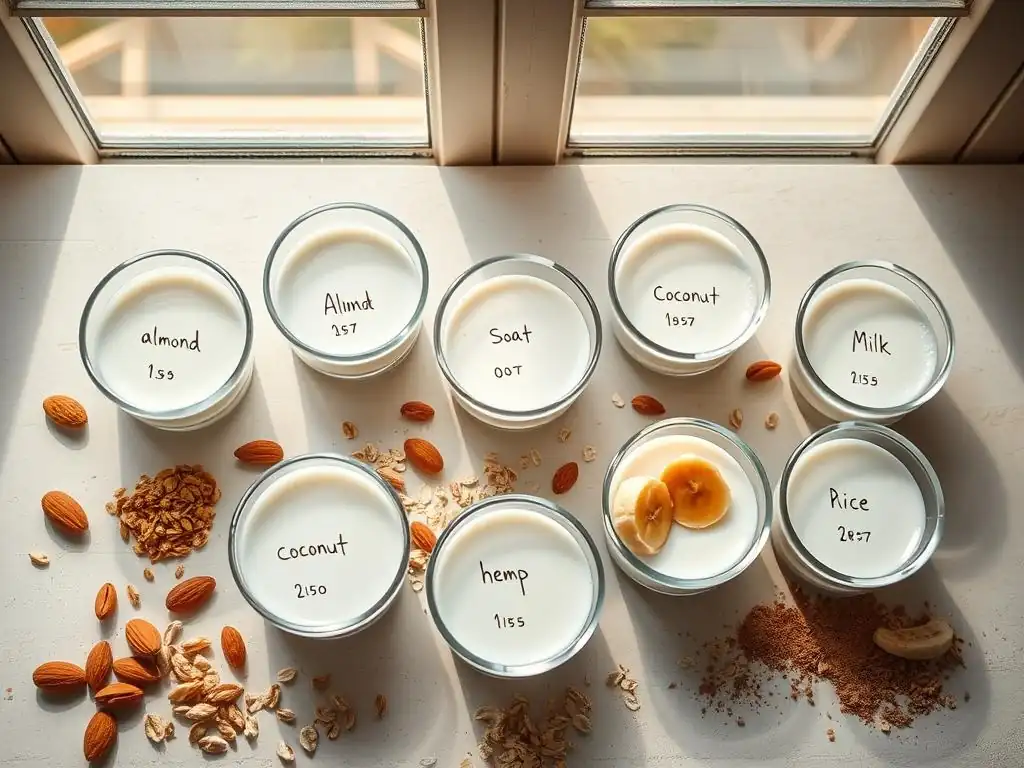
Plant-Based Milk Baking Guide: Texture and Best Uses
Here's a quick reference guide to help you choose the right plant-based milk for your desired vegan milk texture recipes:
- Soy Milk:
- Texture Contribution: Good structure, moisture, browning. Moderate thickness.
- Best Uses: Cakes, muffins, cookies, yeast breads, vegan "buttermilk" (when curdled).
- Notes: Versatile, protein helps with structure.
- Almond Milk:
- Texture Contribution: Lightness, minimal richness. Thin consistency.
- Best Uses: Delicate muffins, light cakes (may need adjustments for moisture/richness), recipes where minimal liquid impact is desired.
- Notes: Very thin, lower fat/protein.
- Oat Milk:
- Texture Contribution: Creaminess, moisture, tenderness. Moderate to thick consistency.
- Best Uses: Cakes, cookies, quick breads, creamy fillings, vegan milk texture recipes needing moisture.
- Notes: Natural sweetness, can be prone to gumminess if overmixed.
- Coconut Milk (Canned, Full-Fat):
- Texture Contribution: Richness, density, moisture. Very thick/creamy.
- Best Uses: Rich brownies, dense chocolate cakes, ganache, creamy fillings, vegan ice cream bases, vegan milk texture recipes needing high fat.
- Notes: Distinct coconut flavor, high fat content.
- Coconut Milk (Carton):
- Texture Contribution: Lightness. Thin consistency.
- Best Uses: Similar to almond milk - light applications where strong flavor/richness isn't needed.
- Notes: Much lower fat than canned.
- Cashew Milk:
- Texture Contribution: Creaminess, moisture. Smooth, moderate consistency.
- Best Uses: Cakes, muffins, quick breads, vegan ice cream bases, general all-purpose baking where neutral flavor is preferred for vegan milk texture.
- Notes: Neutral flavor, creaminess depends on nut-to-water ratio.
Beyond Texture: Considerations for Flavor and Nutrition
How Plant-Based Milk Flavor Affects the Final Baked Product
While focusing on vegan milk texture is crucial, the flavor of your chosen plant-based milk also plays a significant role in the final taste of your baked goods. Unsweetened varieties are generally recommended as they provide a neutral base, allowing the other flavors in your recipe to shine. However, some plant-based milks have inherent flavors that can subtly or significantly impact the outcome.
For example, almond milk can impart a slight nutty note, which might be desirable in some recipes but not in others. Oat milk often has a natural sweetness and a distinct "oaty" flavor that complements baked goods well but might be noticeable in very delicately flavored items.
Coconut milk, especially the canned version, has a strong coconut flavor that is fantastic in tropical or chocolate desserts but would be out of place in a classic vanilla cake. Always consider the intended flavor profile of your recipe when selecting your plant-based milk to ensure harmony with the desired vegan milk texture.
Nutritional Value of Different Plant-Based Milks in Baking
The nutritional profile of plant-based milks varies widely and can impact not just texture but also the overall health aspects of your baked goods. Dairy milk provides significant protein and calcium; plant-based alternatives offer different benefits. Soy milk is often the highest in protein, comparable to dairy, which is beneficial for structure in baking and adds nutritional value.
Almond and rice milks are typically lower in calories, fat, and protein, making them lighter options but contributing less in terms of structure and richness. Oat milk offers some fiber and carbohydrates, contributing to energy content. Coconut milk (canned) is high in saturated fat, which provides richness but should be considered in the overall dietary context. Many plant-based milks are fortified with calcium and Vitamin D, which is a plus. Understanding these nutritional differences helps you make choices that align with your dietary goals while mastering vegan milk texture recipes.
Conclusion: Bake with Confidence Using the Perfect Plant-Based Milk
Mastering Plant-Based Milk Swaps for Delicious and Texturally Perfect Baking
Successfully navigating the world of plant-based milk swaps in baking is all about understanding how different alternatives impact texture, flavor, and structure. By recognizing the unique properties of soy, almond, oat, coconut, and cashew milks, you can make informed decisions that lead to delicious, texturally perfect vegan baked goods. Whether you're aiming for a light muffin, a rich brownie, or a tender loaf of bread, there's a plant-based milk that can help you achieve your goal.
Don't be afraid to experiment and perhaps combine different plant-based milks or use additional ingredients like vegan yogurt or thickeners to fine-tune the consistency and richness. Paying attention to the details, from choosing unsweetened varieties to adjusting liquid ratios slightly, will empower you to bake with confidence. With this knowledge, you're well on your way to mastering vegan milk texture recipes and creating fantastic plant-based treats every time.
Frequently Asked Questions
What is a "Vegan Milk Texture Recipe" and why is it important?
It refers to recipes that specifically focus on using vegan milks to achieve the desired texture in baked goods. It's important because different vegan milks behave differently than dairy milk in baking.
Which vegan milk generally provides the closest texture to dairy milk in baking?
Generally, oat milk and soy milk are considered the closest in texture to dairy milk due to their fat and protein content. This makes them good substitutes in many recipes.
Can I substitute any vegan milk 1:1 for dairy milk in every recipe?
Not always. While some recipes are forgiving, others require adjustments based on the protein and fat content of the vegan milk used. Experimentation may be needed for optimal texture.
What are some common issues when using vegan milk in baking and how can I fix them?
Common issues include dryness or a lack of browning. These can often be solved by adding a little additional oil or using a vegan milk with a higher fat content.
Where can I find reliable "Vegan Milk Texture Recipes"?
BakeWithEase.com offers a variety of simple recipes, techniques, and tips specifically designed to help you master baking with vegan milk. Look for recipes that highlight the texture and specific properties of different vegan milks.
Final Reflection: The Creamy Revolution: Beyond the Plant
The quest for the perfect vegan milk texture is more than just a culinary pursuit; it's a testament to our growing desire for sustainable and compassionate food choices. The recipes explored in this article highlight the incredible diversity of plant-based milks and the surprising ease with which we can achieve creamy, delicious results, often surpassing expectations. This isn't just about finding a dairy alternative; it's about actively shaping a more ethical and environmentally conscious future.
This journey into the world of vegan milk alternatives has profoundly impacted my own cooking and understanding of food systems. I've discovered the subtle nuances of each plant, from the nutty richness of almond milk to the velvety smoothness of oat milk, and the creative possibilities are endless. The pleasure of food is often more than just the taste; it's the experience, the connection to nature, and the satisfaction of creating something delicious and meaningful.
This quote perfectly encapsulates the deeper satisfaction I've found in exploring these recipes and sharing them with you.
Now, it's your turn to experiment! Don't be afraid to try different combinations of nuts, seeds, and grains. Embrace the imperfections, learn from each attempt, and most importantly, enjoy the process of creating your own perfect vegan milk. The creamy revolution is just beginning, and your culinary creativity is the key to unlocking a world of delicious and sustainable possibilities. Let's raise a glass (or a mug!) to a future filled with plant-based possibilities!
Unlock Your Vegan Baking Potential!
Thanks for diving into the world of creamy vegan milk alternatives! We hope you found the perfect swap for your next baking adventure. Ready to put your newfound knowledge to the test?
- Whip up your favorite recipe: Choose a recipe you love and substitute your newly discovered favorite vegan milk. Share your results with us!
- Experiment with different flavors: Try adding vanilla extract, nut extracts, or even a touch of maple syrup to your chosen milk for a unique twist. Let your creativity flow!
- Join our baking community: Share your baking successes (and even your flops!) in the comments below. Let's learn and grow together!
What unexpected flavor combination will you create with your new go-to vegan milk?