
HerbInfused Oils for Savory Breads: Garlic, Rosemary, and Beyond


Welcome to BakeWithEase, your trusted guide to conquering the kitchen and creating edible masterpieces! Ever wondered how to elevate your homemade bread from simple to sublime? In this article, we'll unlock the secrets of herb-infused bread recipes, a baker's trick for adding incredible depth and aroma. Discover how garlic, rosemary, and other aromatic herbs can transform your loaves and leave your guests craving more. Intrigued? Let's get baking!
- Herb-Infused Oils for Savory Breads: Garlic, Rosemary, and Beyond - BakeWithEase
- Elevate Your Baking: Exploring Herb Infused Bread Recipes
- Why Use Herb-Infused Oils in Baking Savory Breads?
- Essential Oils for Baking Bread: A Guide to Infusion
- Garlic-Infused Oil for Bread: A Classic Flavor
- Rosemary-Infused Oil: Aromatic Baking Delight
- Beyond Garlic and Rosemary: Exploring Other Herb Infusions
- Step-by-Step Guide: Making Herb Infused Oil for Bread
- Herb Infused Bread Recipes: Putting Your Oils to Use
- Tips for Baking Success with Herb Infused Oils
- Troubleshooting Common Issues with Herb Infusions
- Conclusion: Unleash Your Creativity with Herb-Infused Oils in Baking
-
Frequently Asked Questions
- What are the benefits of using herb-infused oils in bread recipes?
- Which herbs pair well with garlic for infusing oils for bread?
- Can I use dried herbs instead of fresh herbs for infusing oils?
- How long should I infuse the oil to get the best flavor?
- What types of bread are best suited for herb-infused oils?
- Final Reflection: The Aromatic Journey of Herb-Infused Breads
- Unleash Your Inner Bread Baker: Infuse Your Next Loaf!
Herb-Infused Oils for Savory Breads: Garlic, Rosemary, and Beyond - BakeWithEase
Elevate Your Baking: Exploring Herb Infused Bread Recipes
Adding flavor to savory breads goes beyond simply mixing herbs into the dough. One of the most impactful ways to infuse deep, consistent flavor is by using herb-infused oils. These oils carry the aromatic compounds of herbs directly into the bread's crumb and crust, providing a richer and more integrated taste experience compared to using dried or fresh herbs alone. Mastering the art of creating and using these oils unlocks a new level in your journey with herb infused bread recipes.
Whether you're a beginner exploring simple no-knead loaves or an experienced baker perfecting a complex sourdough, incorporating herb-infused oils can transform a basic bread into a culinary masterpiece. From the pungent warmth of garlic to the earthy notes of rosemary, the possibilities for enhancing your savory bakes are vast. This guide will walk you through the process, helping you confidently create and utilize these flavorful oils in your favorite herb infused bread recipes.
Why Use Herb-Infused Oils in Baking Savory Breads?
Enhancing Flavor Profiles in Homemade Bread
Herb-infused oils offer a superior method for distributing flavor throughout your dough. Unlike chopped herbs which can sometimes clump or burn on the crust, the oil disperses the herb's essence evenly, ensuring every bite carries a consistent aroma and taste. This is particularly effective in breads like focaccia or ciabatta, where oil is a significant component of the dough or used liberally on the surface.
Consider a classic garlic bread. While minced garlic is flavorful, garlic-infused oil penetrates the crumb more deeply during baking. This results in a milder, more integrated garlic taste that doesn't overpower but rather complements the bread's texture and structure. It's a subtle yet significant difference that elevates the final product.
The Benefits of Infusing Oil vs. Adding Fresh Herbs Directly
Adding fresh herbs directly to dough can introduce excess moisture, potentially affecting the gluten structure and the dough's hydration balance. Fresh herbs also contain enzymes that can sometimes interfere with yeast activity, leading to a less predictable rise. Furthermore, fresh herbs can lose some of their volatile aromatic compounds during the long fermentation and high-heat baking process.
Infusing herbs into oil allows you to extract the fat-soluble flavor compounds while leaving behind most of the water and enzymes. This results in a pure flavor concentrate that integrates seamlessly with the other fats in your dough. The oil acts as a carrier, protecting the delicate flavors during baking and ensuring they bloom beautifully in the finished loaf.
Extend Shelf Life and Maintain Consistent Flavor
Properly made and stored herb-infused oils have a longer shelf life than fresh herbs, typically lasting several weeks or even months when refrigerated. This means you can prepare a batch of your favorite infused oil and have it ready to go for multiple baking sessions, saving time and ensuring consistency across your different herb infused bread recipes.
Using infused oil also provides a more reliable flavor intensity than relying on fresh herbs, which can vary in potency depending on seasonality and age. Once you've mastered an infusion method, you can replicate the same flavor profile every time, leading to more consistent and successful results in your baking endeavors.
Essential Oils for Baking Bread: A Guide to Infusion
Selecting the Right Oil for Herb Infusion (Olive Oil, Avocado Oil, etc.)
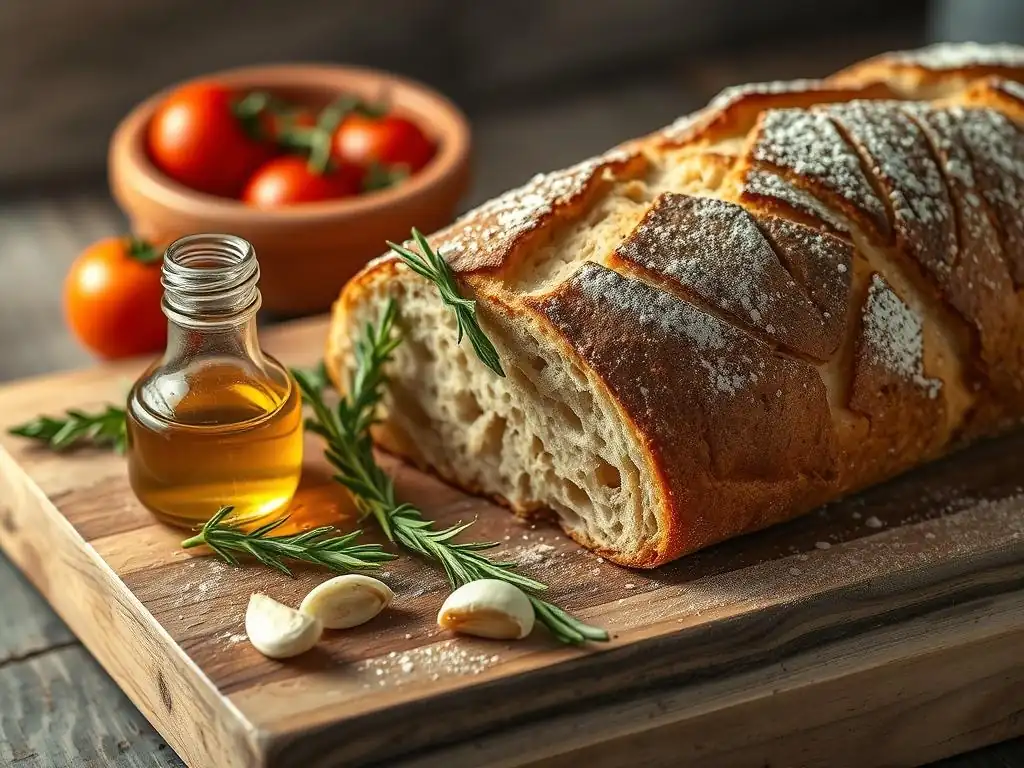
The choice of base oil significantly impacts the final flavor of your infusion and the bread. Extra virgin olive oil is a popular choice for its robust flavor and affinity with many savory herbs like rosemary, garlic, and oregano, making it ideal for Mediterranean-style herb infused bread recipes. A good quality extra virgin olive oil contributes its own fruity and peppery notes, which can complement the herbs beautifully.
For a more neutral base that allows the herb flavors to shine without competition, consider using a light olive oil, avocado oil, or even a high-oleic sunflower oil. These oils have milder flavors and higher smoke points, which can be advantageous depending on the baking temperature. Avocado oil, for instance, is very stable and has a subtle, buttery flavor that pairs well with many herbs.
Choosing Fresh Herbs for Optimal Flavor
Selecting high-quality, fresh herbs is crucial for a vibrant infusion. Look for herbs that are brightly colored, firm, and intensely aromatic. Avoid wilted or discolored leaves. Herbs like rosemary, thyme, sage, oregano, and basil are excellent candidates for oil infusion due to their potent, oil-soluble flavors. Garlic and chili peppers are also fantastic for infusing oils.
When using fresh herbs, ensure they are thoroughly washed and completely dry before infusing. Any residual water can introduce bacteria and potentially lead to spoilage. Gently patting them dry with a clean towel or using a salad spinner, followed by air drying for a few hours, is recommended.
Drying Herbs for Infusion: A Step-by-Step Guide
While fresh herbs are often preferred for cold infusions, drying herbs slightly can concentrate their flavors and reduce the risk of spoilage in infusions, especially with the heat method. This is particularly useful if you plan to store the oil for an extended period. You don't need them cracker-dry, just enough to remove excess moisture.
Here's a simple process:
- Gather your fresh herbs (e.g., rosemary sprigs, thyme branches).
- Gently wash them and pat dry.
- Tie small bundles with twine.
- Hang them upside down in a cool, dry, well-ventilated area away from direct sunlight for 1-3 days, or until slightly brittle but still pliable. Alternatively, you can spread them on a baking sheet lined with parchment paper and leave them at room temperature for a similar duration.
- Alternatively, you can use a dehydrator at a low temperature (around 95°F or 35°C) for a few hours until they feel dry but not completely brittle.
- Wash herbs thoroughly.
- Pat dry completely.
- Air dry or gently dehydrate until slightly brittle.
- Use immediately for infusion or store in an airtight container once fully dry.
Garlic-Infused Oil for Bread: A Classic Flavor
Creating the Perfect Garlic Infused Oil: Recipe and Tips
Garlic-infused oil is a staple for many savory herb infused bread recipes. A simple method involves gently heating garlic cloves in oil. Use about 4-6 medium cloves per cup (approx. 240ml) of oil, depending on desired intensity. Peel and lightly smash the cloves to release their flavor compounds.
Combine the garlic and oil in a small saucepan. Heat over very low heat, ideally using a thermometer to keep the temperature between 150°F and 200°F (approx. 65°C - 93°C). Do not let the garlic brown or fry, as this can make the oil bitter.
Gently simmer for 20-30 minutes, or until the garlic is fragrant and slightly softened. Let the oil cool completely before straining out the solids. Note: Garlic infused oils carry a risk of botulism if not handled properly. Always store in the refrigerator and use within 1-2 weeks, or use the hot infusion method and strain carefully.
Using Garlic Oil in Focaccia, Pizza Dough, and More
Garlic-infused oil is incredibly versatile in baking. It's perfect for brushing over focaccia dough before baking, creating a fragrant, crispy crust. It can also be drizzled onto pizza dough before adding toppings or used as a dipping oil for freshly baked bread. For a subtle flavor throughout the crumb, replace a portion of the fat in your dough recipe with garlic oil – start by substituting about 1-2 tablespoons per cup of flour.
Consider adding a tablespoon of garlic oil to your next pizza dough recipe for an extra layer of flavor. For focaccia, drizzle a generous amount over the dimpled dough, sprinkle with flaky sea salt and maybe some fresh rosemary sprigs, and bake. The aroma alone is enough to make your kitchen feel like an Italian bakery.
Rosemary-Infused Oil: Aromatic Baking Delight
Rosemary Oil Recipe: Infusion Methods and Variations
Rosemary is a robust herb that infuses beautifully into oil. For a quick infusion, gently heat a cup of oil with several sprigs of fresh rosemary (about 2-3 large sprigs) over low heat (150°F-200°F or 65°C-93°C) for about 30 minutes. The heat helps extract the woody, piney flavors. Let it cool and strain.
For a more subtle and gradual infusion, you can use the cold method. Simply place clean, completely dry rosemary sprigs into a clean jar and cover with oil. Seal the jar and let it sit at room temperature for 1-2 weeks, shaking occasionally. Strain the oil after the desired time. Using slightly dried rosemary (as described earlier) can enhance flavor extraction and reduce moisture risk, especially in cold infusions.
Baking with Rosemary Oil: Rustic Bread and Sourdough Applications
Rosemary-infused oil is a natural fit for rustic bread recipes, particularly those made with olive oil, like ciabatta or rustic country loaves. You can incorporate it directly into the dough by replacing some of the regular oil or fat. For a standard loaf using 3-4 cups of flour, try adding 2-3 tablespoons of rosemary oil for a noticeable but not overwhelming flavor.
It's also fantastic in sourdough. Brush the shaped sourdough loaf with rosemary oil before the final proof or scoring for an incredibly aromatic crust. You can also knead finely chopped, oil-infused rosemary sprigs directly into the dough during the final folds. Imagine a crusty sourdough boule with hints of aromatic rosemary in every slice – perfect with soup or cheese.
Beyond Garlic and Rosemary: Exploring Other Herb Infusions
Chili Oil for a Spicy Bread Crust
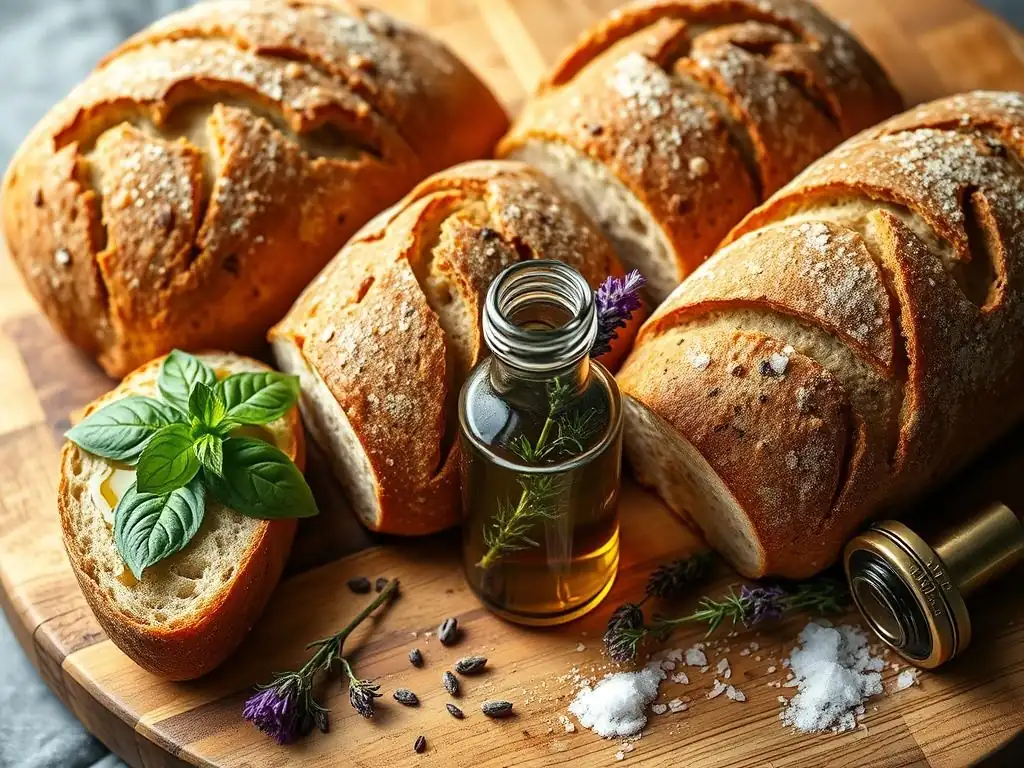
For those who enjoy a little heat, chili-infused oil adds a wonderful warmth and subtle spice to savory breads. Use dried chili flakes or small dried whole chilies like arbol or cayenne. Heat a neutral oil (like sunflower or canola) over low heat with chili flakes (start with 1-2 tablespoons per cup of oil) or a few dried chilies until fragrant, about 10-15 minutes. Be careful not to burn the chilies, as this creates a harsh flavor. Strain the oil once cooled.
This spicy oil is excellent brushed over foccacia or pizza crusts before baking. It adds a kick that complements toppings like roasted vegetables or spicy sausage. You can also swirl a tablespoon or two into a cornbread batter for a spicy twist, or brush it over dinner rolls before their final rise.
Basil-Infused Oil for Italian-Inspired Breads
Basil's sweet and peppery notes infuse beautifully into oil, perfect for breads with an Italian flair. Use fresh basil leaves (about 1 cup packed leaves per cup of oil). Basil is more delicate than woody herbs, so the cold infusion method is often preferred. Blanching the basil briefly in boiling water (10 seconds) and then shocking in ice water before drying completely can help preserve its vibrant green color in the oil.
Combine dried basil leaves with oil in a jar and infuse for 1-2 weeks. This oil is wonderful drizzled over tomato and cheese focaccia, used in a savory scone recipe, or brushed onto breadsticks before baking. It brings a taste of summer to your baking, pairing exceptionally well with ingredients like sun-dried tomatoes, olives, and mozzarella.
Thyme Oil for Earthy and Savory Loaves
Thyme offers an earthy, slightly minty, and peppery flavor that works well in hearty, savory breads. Use fresh thyme sprigs (about 4-6 sprigs per cup of oil). Both hot and cold infusion methods work for thyme. For a hot infusion, heat gently for 20-30 minutes. For a cold infusion, let it steep for 1-2 weeks.
Thyme-infused oil is excellent in whole wheat loaves, potato breads, or even savory muffins. Try replacing some of the fat in your favorite whole wheat bread recipe with thyme oil for an added depth of flavor. It pairs particularly well with ingredients like mushrooms, onions, and cheese, making it a great addition to savory bread puddings or strata.
Step-by-Step Guide: Making Herb Infused Oil for Bread
Preparing Your Herbs and Oil
The first step is selecting your herbs and oil based on the desired flavor profile (as discussed in the previous sections). Ensure your herbs are clean. If using fresh herbs, they must be completely dry to prevent bacterial growth and spoilage. Pat them down thoroughly with paper towels and let them air dry for several hours. If using dried herbs or spices like chili flakes, ensure they are fresh and aromatic.
Measure out your chosen oil. The ratio of herbs to oil can vary, but a good starting point is about 1/4 to 1/2 cup of loosely packed fresh herbs (or 1-2 tablespoons dried) per cup of oil. You can adjust this depending on the herb's potency and how intense you want the flavor to be. Prepare your container – a clean, dry glass jar with a tight-fitting lid is ideal.
The Cold Infusion Method: A Gentle Approach
The cold infusion method is best for delicate herbs like basil, parsley, or chives, and it also works well for woody herbs like rosemary and thyme when you prefer a slower, more nuanced flavor extraction. It minimizes the risk of cooking the herbs and preserves some of the fresher notes. However, it carries a slightly higher risk of bacterial growth if not done correctly, particularly with garlic.
Place your prepared, completely dry herbs into your clean jar. Pour the oil over the herbs, ensuring they are fully submerged. Seal the jar tightly. Store the jar in a cool, dark place (like a pantry) for 1 to 4 weeks, shaking it gently every few days. Taste the oil periodically to check the flavor development. Once it reaches your desired intensity, strain out the herbs.
The Heat Infusion Method: Quick and Intense Flavor
The heat infusion method is faster and generally considered safer, especially when infusing garlic or herbs that might carry soil-borne bacteria. It's excellent for woody herbs like rosemary, thyme, and oregano, as well as garlic and chili peppers, as heat helps release their fat-soluble compounds effectively.
Combine your prepared herbs (fresh or slightly dried) and oil in a saucepan. Heat the mixture over very low heat, ideally not exceeding 200°F (approx. 93°C). You should see tiny bubbles, but the oil should not be actively simmering or frying the herbs. Maintain this gentle heat for 20-60 minutes, or until the oil is fragrant. Remove from heat and let the oil cool completely in the pan.
Straining and Storing Your Herb-Infused Oil
Once your infusion (either cold or hot) is complete and the oil has cooled, it's time to strain out the solid herb matter. This is a crucial step, especially when infusing garlic or fresh herbs, as leaving solids in the oil can lead to spoilage and potential health risks. Use a fine-mesh sieve lined with cheesecloth or a coffee filter for a crystal-clear oil.
Pour the infused oil through the lined sieve into a clean, dry bottle or jar. Discard the solids. Seal the container tightly. Label the jar with the type of oil, the herbs used, and the date it was made. Store garlic or fresh herb infusions in the refrigerator and use within 1-2 weeks. Infusions made with thoroughly dried herbs and heated may last longer at room temperature, but refrigeration is always the safest option for extending shelf life and preventing rancidity.
Herb Infused Bread Recipes: Putting Your Oils to Use
Garlic Herb Focaccia Recipe: A Simple Start
Focaccia is an ideal canvas for showcasing herb-infused oils. A basic recipe involves flour, water, yeast, salt, and olive oil. After the dough has risen, spread it into an oiled baking pan, dimple the surface, and generously drizzle with your homemade garlic-infused oil. Top with flaky sea salt and fresh rosemary sprigs.
Bake at a high temperature (around 400-425°F or 200-220°C) until golden brown. The garlic oil will permeate the dough, creating an incredibly aromatic and flavorful crust. You can also add a tablespoon or two of the garlic oil directly into the dough mixture during mixing for a more integrated flavor throughout the crumb. This is a fantastic way to begin exploring herb infused bread recipes.
Rosemary Olive Oil Bread: A Rustic Delight
A rustic olive oil bread benefits immensely from rosemary-infused oil. Many recipes for rustic loaves call for a significant amount of olive oil in the dough. Simply substitute all or part of the specified olive oil with your rosemary-infused oil. For a recipe using 1/4 cup of olive oil, try using 1/4 cup of rosemary oil, or perhaps a mix of 1/8 cup regular olive oil and 1/8 cup rosemary oil for a subtler effect.
The rosemary oil will contribute not only flavor but also tenderness to the crumb. This type of bread pairs wonderfully with soups, stews, or simply served with a little extra infused oil for dipping. Baking it in a Dutch oven can help create a beautiful, crackly crust that complements the rustic, aromatic interior.
Sage and Parmesan Swirl Bread Recipe: An Earthy Delight
Sage-infused oil, perhaps combined with a bit of thyme oil, makes for a wonderful savory swirl bread, especially when paired with Parmesan cheese. Prepare a standard enriched dough (like a brioche or challah dough, but less sweet). While the dough is rising, create a filling by mixing softened butter (or more infused oil!) with grated Parmesan cheese and finely chopped fresh or dried sage (infused in oil and strained).
After the first rise, roll out the dough into a rectangle. Spread the sage/Parmesan mixture evenly over the surface. Drizzle lightly with sage or thyme infused oil. Roll the dough into a log and slice into swirls. Place the swirls in a prepared baking pan (like a loaf pan or round cake pan). Bake until golden brown. The infused oil in the filling and possibly in the dough creates layers of rich, earthy flavor throughout this delightful bread.
Tips for Baking Success with Herb Infused Oils
Adjusting Recipes for Oil's Moisture Content
While infused oils are mostly fat, fresh herbs contain a small amount of water. When using oils infused with fresh herbs (especially via cold infusion), be mindful that they might introduce a tiny bit of extra moisture compared to using plain oil. This is usually negligible unless you're adding a very large quantity of oil to a recipe, but it's something to keep in mind, particularly in high-hydration doughs.
If you notice your dough is slightly wetter than usual when substituting plain oil with infused oil, you might need to slightly reduce the liquid elsewhere in the recipe (like water or milk) by a teaspoon or two, or add a tiny pinch more flour. Conversely, if using oils infused with dried herbs or via the heat method, the moisture content difference is minimal.
Avoiding Overpowering Flavors
Herb-infused oils can be potent! Start with a smaller amount than you think you might need and taste as you go, especially when adding it directly to dough. For brushing crusts or dipping oils, you can be more generous. A good starting point for incorporating into dough is substituting 1-2 tablespoons of the recipe's fat with infused oil per cup of flour.
Remember that flavors can intensify during baking. If you're unsure, make a small test batch or simply use the infused oil as a finishing flourish (brushed on before or after baking) rather than incorporating it into the dough itself. You can always add more next time if you desire a stronger flavor.
Experimenting with Different Herb Combinations
Don't limit yourself to single-herb infusions! Many herbs pair beautifully together. A classic combination for bread is rosemary and garlic. Thyme and sage work wonderfully. Basil and oregano are natural partners for Italian-style breads. Consider spicy combinations like chili and garlic, or earthy blends like rosemary and bay leaf.
When experimenting, start with combinations you know work well together in other cooking applications. Make small batches of combined infusions to test the flavor profile before committing to a large quantity. Keep notes on your favorite combinations and the ratios that worked best for your herb infused bread recipes.
Troubleshooting Common Issues with Herb Infusions
Rancidity Prevention: Proper Storage Techniques
The primary enemy of infused oils is rancidity, which occurs when the fats oxidize, producing off-flavors. Exposure to light, heat, and air accelerates this process. To prevent rancidity, always store your infused oils in airtight, opaque bottles or jars. Keep them in a cool, dark place like a pantry.
For maximum shelf life and safety, especially with garlic or fresh herb infusions, refrigeration is highly recommended. Even in the fridge, check for signs of rancidity (an unpleasant, oily, or crayon-like smell) before use. Discard any oil that smells off. Heat-infused oils with strained, dry ingredients tend to be more stable than cold infusions with fresh herbs.
Achieving the Right Flavor Intensity
Sometimes an infusion might turn out too weak or too strong. If it's too weak, you can try infusing for a longer period (for cold infusions) or gently reheating with additional herbs (for hot infusions, ensuring the temperature stays low). Ensure your herbs were fresh and potent to begin with.
If the flavor is too strong, you can dilute the infused oil by mixing it with plain oil. For example, if your rosemary oil is overpowering, mix half infused oil with half regular olive oil. Make a note for your next batch to use a lower herb-to-oil ratio or a shorter infusion time.
Dealing with Herb Sediment
Even after straining, you might find fine sediment settles at the bottom of your infused oil over time. This is usually just tiny particles of the herbs. While generally harmless, excessive sediment can sometimes contribute to a shorter shelf life or a slightly cloudy appearance.
To remove fine sediment, you can strain the oil a second time through a coffee filter or multiple layers of cheesecloth. Let the oil sit undisturbed for a day or two, allowing particles to settle, then carefully decant the clear oil off the top, leaving the sediment behind. Always store in a clean, dry container.
Conclusion: Unleash Your Creativity with Herb-Infused Oils in Baking
Incorporating homemade herb-infused oils into your baking opens up a world of flavor possibilities for savory breads. From classic garlic and rosemary to adventurous chili and basil, these oils provide a deep, consistent aroma and taste that is hard to achieve with herbs alone. By following best practices for selection, infusion, and storage, you can create a pantry of flavorful oils ready to elevate any loaf.
Experiment with different oils, herbs, and infusion methods to discover your favorite combinations. Use them in dough, brush them on crusts, or offer them as dipping oils. Mastering herb-infused oils is a valuable skill for any baker looking to add complexity and deliciousness to their savory creations. Get started on your own unique herb infused bread recipes today!
Frequently Asked Questions
What are the benefits of using herb-infused oils in bread recipes?
Herb-infused oils add complex flavors and aromatic qualities to your breads. They also contribute to a moist crumb and enhanced texture.
Which herbs pair well with garlic for infusing oils for bread?
Rosemary, thyme, and oregano are excellent choices to combine with garlic. The resulting oil provides a robust and savory flavor profile for breads.
Can I use dried herbs instead of fresh herbs for infusing oils?
While fresh herbs are preferred for their vibrant flavor, dried herbs can be used. Remember to use about one-third the amount of dried herbs compared to fresh.
How long should I infuse the oil to get the best flavor?
Infusion time can vary, but generally, allowing the oil to infuse for at least 1-2 weeks will yield a noticeable flavor. Taste-test the oil periodically to determine the desired strength.
What types of bread are best suited for herb-infused oils?
Herb-infused oils work beautifully in a wide variety of breads, including focaccia, sourdough, and even simple artisan loaves. They enhance both flavor and aroma.
Final Reflection: The Aromatic Journey of Herb-Infused Breads
The simple act of infusing oils with herbs unlocks a world of flavor possibilities, transforming everyday bread into an extraordinary culinary experience. This exploration into herb-infused oils for savory breads reveals not just a collection of recipes, but a gateway to deeper appreciation for the subtle nuances of flavor and the power of simple ingredients. The techniques discussed here are easily adaptable, encouraging experimentation and the creation of truly unique loaves.
The influence of herbs on our culinary landscape is undeniable; they've been integral to cooking traditions across cultures for centuries. Their aromatic power transcends mere taste, evoking memories and emotions tied to specific places and times. As we continue to seek authentic and flavorful experiences in our kitchens, the art of herb infusion offers a direct connection to this rich history. The best things in life are simple,
a sentiment perfectly encapsulating the beauty of elevating humble bread with the fragrant magic of herbs.
Now, it's your turn. Consider the herbs you love, the flavors that resonate with you, and the breads you enjoy most. Experiment! Don't be afraid to deviate from the recipes provided, to explore new combinations, and to discover your own signature herb-infused bread. The journey of flavor awaits, and the reward is a loaf that speaks to your unique palate and culinary creativity.
Unleash Your Inner Bread Baker: Infuse Your Next Loaf!
Thanks for exploring the world of herb-infused oils with us! We hope you're feeling inspired to elevate your bread baking to the next level. Ready to get started?
- Craft your signature herb oil: Choose your favorite herbs (maybe even experiment with a blend! ), infuse your oil, and watch your bread transform. This is your chance to get creative!
- Share your creations: Show us your herb-infused bread masterpieces on social media! Use #BakeWithEaseHerbOils to connect with our community.
- Dive deeper into flavor: Explore different types of bread that would pair perfectly with your infused oil – focaccia, sourdough, or even rolls!
What unique herb combination will you create for your next baking adventure?