
The Sweetener Swap Chart: Easy Substitutions for Common Baking Recipes

Welcome to BakeWithEase, your kitchen companion for all things baking!
Ever wondered if you could swap out that white sugar for something a little different? You're in the right place. This week, we're diving deep into the world of sugar substitutions baking recipes and unlocking the secrets to healthier and more flavorful treats. Discover our ultimate Sweetener Swap Chart and revolutionize your baking, one delicious recipe at a time. Get ready to explore!
Baking is a science, and sugar does more than just add sweetness. It plays crucial roles in texture, moisture, browning, and even leavening. Understanding how to make effective sugar substitutions baking recipes is key to adapting your favorite treats for dietary needs or preferences without sacrificing delicious results. This guide will walk you through the process, providing a helpful sugar substitutions baking recipes chart and essential tips for success.
- Understanding Sugar Substitutions in Baking Recipes
- The Ultimate Sweetener Substitution Chart for Baking
- Mastering Common Baking Recipes with Sugar Substitutes
- Tips and Tricks for Successful Sugar Substitutions in Baking
- Examples of Sugar Substitutions in Popular Baking Recipes
- Resources for Further Learning About Sugar Substitutions
- Conclusion: Baking with Sugar Substitutions
-
Frequently Asked Questions
- What are the most common reasons for using sugar substitutions in baking?
- Can I substitute any sweetener for sugar in any baking recipe?
- What are some popular sugar substitutes recommended by BakeWithEase for baking?
- Will using a sugar substitute significantly alter the texture of my baked goods?
- Where can I find more detailed information on specific sugar substitutions and their impact on baking recipes?
- Final Reflection: Rethinking Sweetness: A Journey Beyond Sugar
- Unlock Your Baking Potential: Sweeten Your Success!
Understanding Sugar Substitutions in Baking Recipes
Embarking on sugar substitutions baking recipes can feel daunting, but it's incredibly rewarding. Whether you're aiming to reduce overall sugar intake, manage blood sugar levels, or explore different flavor profiles, knowing how various sweeteners behave is fundamental. Each type of sugar or sweetener interacts differently with other ingredients, affecting everything from how your cookies spread to how your cake rises.
Successful sugar substitutions baking recipes require more than just a simple one-to-one replacement. You need to consider the chemical properties of the original sugar and the substitute. For instance, granulated sugar contributes to crispness, while brown sugar adds moisture and chewiness. Liquid sweeteners introduce extra moisture and can impact baking time. Artificial or sugar alcohol-based sweeteners often lack the bulk or browning capabilities of traditional sugar, necessitating adjustments in other ingredients or techniques.
Why Consider Sugar Substitutions for Baking?
There are numerous compelling reasons to explore sugar substitutions baking recipes. Health is a primary driver for many bakers, seeking to lower calorie counts, reduce added sugar intake, or manage conditions like diabetes. For example, replacing traditional sugar with a non-caloric sweetener can significantly impact the nutritional profile of a dessert, making it suitable for specific dietary plans. A study might show that swapping 1 cup of sugar (approx. 770 calories) for a non-caloric option saves a substantial number of calories per recipe.
Beyond health, bakers might consider substitutions for flavor variety. Using maple syrup instead of granulated sugar in a muffin recipe introduces a distinct warm, earthy note. Swapping molasses for a portion of sugar in gingerbread enhances its deep, spicy character. Availability can also be a factor; if you're out of granulated sugar, knowing how to use brown sugar or a liquid sweetener can save a trip to the store and allow you to bake that craving right away.
Factors to Consider Before Swapping Sweeteners
Before diving into sugar substitutions baking recipes, it's vital to assess several factors to predict how the swap will affect the final product. The first is sweetness level. Some substitutes are much sweeter than sugar (like stevia), while others are less sweet or have a different flavor profile (like some sugar alcohols). A common guideline is that liquid sweeteners are often about 2/3 as sweet as granulated sugar by volume, though this varies. You might need to use less of a highly concentrated sweetener or more of a less sweet one.
The functionality of the sugar substitute is equally important. Sugar provides bulk, affecting the overall volume and structure of baked goods. It contributes to tenderness by interfering with gluten development and fat spreading. It aids in leavening by providing food for yeast or reacting with baking soda/powder. It promotes browning through caramelization and the Maillard reaction. When using sugar substitutions baking recipes, especially with non-nutritive options, you might need to add extra flour or a bulking agent (like applesauce or yogurt) to compensate for the lost volume and moisture, or adjust baking temperature/time to manage browning.
The Ultimate Sweetener Substitution Chart for Baking
Navigating the world of sugar substitutions baking recipes becomes much easier with a clear guide. This chart provides a general overview, but remember that results can vary based on the specific recipe and product used.
| Original Sweetener | Common Substitutes | Substitution Ratio (Approx.) | Notes |
|---|---|---|---|
| Granulated Sugar | Brown Sugar, Coconut Sugar, Maple Syrup, Honey | 1:1 volume (adjust others) | Affects moisture, texture, and flavor. Liquid swaps require liquid reduction. |
| Brown Sugar | Granulated Sugar + Molasses, Coconut Sugar, Maple Syrup | 1:1 volume | Primarily affects moisture and chewiness. |
| Powdered Sugar | Cornstarch + Granulated Sugar (blended), Erythritol | Varies | Used for frostings/dusting; texture is key. |
| Honey | Maple Syrup, Agave Nectar, Corn Syrup | 1:1 volume | Similar moisture/sweetness, slight flavor differences. |
| Maple Syrup | Honey, Agave Nectar, Brown Rice Syrup | 1:1 volume | Similar moisture/sweetness, distinct flavor. |
| Molasses | Black Treacle, Dark Corn Syrup, Maple Syrup | Varies | Difficult to perfectly substitute due to unique flavor and viscosity. |
| Corn Syrup | Honey, Maple Syrup, Agave Nectar | 1:1 volume | Provides moisture and prevents crystallization. |
Disclaimer: These are general guidelines for sugar substitutions baking recipes. Always test in small batches.
Granulated Sugar Substitutions: Achieving the Right Texture and Sweetness
When making sugar substitutions baking recipes that call for granulated sugar, you're often replacing sweetness and structure. Granulated sugar's fine crystals help aerate butter in creaming methods, contribute to spread in cookies, and create a crisp exterior. Substituting it with brown sugar (1:1 volume) will add moisture and result in a chewier texture and slightly darker color due to the molasses content. Coconut sugar can also be used at a 1:1 volume ratio; it has a similar crystal size but imparts a subtle caramel-like flavor and behaves much like brown sugar in terms of moisture and browning.
Using liquid sweeteners like maple syrup or honey for granulated sugar substitutions baking recipes requires more significant adjustments. As a general rule, you might use about 2/3 to 3/4 cup of liquid sweetener for every cup of granulated sugar.
However, you must also reduce the total liquid in the recipe by about 1/4 cup per cup of liquid sweetener used to maintain the proper batter or dough consistency. For example, if a cake recipe calls for 1 cup of granulated sugar and 1 cup of milk, swapping to 3/4 cup maple syrup would mean reducing the milk to 3/4 cup.
Brown Sugar Alternatives: Maintaining Moisture and Flavor
Brown sugar is essentially granulated sugar with molasses added back in. This molasses content gives it its characteristic flavor, color, and, crucially, moisture. When performing sugar substitutions baking recipes that specify brown sugar, you're looking for a substitute that can replicate these qualities. A common workaround is to make your own brown sugar by combining granulated sugar with molasses; about 1 tablespoon of molasses per cup of granulated sugar yields light brown sugar.
Coconut sugar is an excellent 1:1 volume substitute for brown sugar in many sugar substitutions baking recipes. It offers a similar moisture level and a comparable caramel-like flavor profile, though it lacks the distinct tang of molasses. For liquid options, maple syrup can sometimes work at a 1:1 volume ratio, especially in recipes where its flavor is complementary, like quick breads or muffins. However, remember to reduce other liquids in the recipe as you would when substituting granulated sugar with a liquid sweetener, typically by about 1/4 cup per cup of maple syrup used.
Liquid Sweetener Swaps: Honey, Maple Syrup, and Molasses in Baking
Liquid sweeteners bring unique characteristics to sugar substitutions baking recipes, primarily adding moisture and distinct flavors. Swapping between them requires attention to their viscosity, sweetness, and acidity.
Honey Substitutions: Adjusting for Moisture and Acidity
Honey is a complex sweetener, known for its floral notes and hygroscopic nature, meaning it attracts and retains moisture exceptionally well. When using sugar substitutions baking recipes and swapping honey for other liquid sweeteners like maple syrup or agave nectar, a 1:1 volume ratio is often a good starting point. However, honey is typically sweeter than maple syrup, so you might slightly reduce the amount used to match the desired sweetness level.
Another factor with honey is its acidity. It can sometimes react with baking soda, contributing to leavening and browning. If substituting honey with a less acidic sweetener like agave, you might need to adjust the leavening slightly or accept a slightly different texture or color. Additionally, because honey holds moisture so well, baked goods made with it tend to stay soft and moist longer than those made with just granulated sugar.
Maple Syrup Substitutions: Considerations for Flavor Profile
Maple syrup offers a warm, earthy, and slightly woody flavor that pairs beautifully with ingredients like nuts, oats, and spices. In sugar substitutions baking recipes, it can often replace honey or agave nectar at a 1:1 volume ratio. The key consideration here is the flavor impact; ensure that the maple flavor complements the other ingredients in your recipe.
When substituting maple syrup for granulated sugar, the typical ratio is about 3/4 cup of maple syrup for every cup of granulated sugar, reducing other liquids by about 1/4 cup. Maple syrup is less viscous than honey, which can slightly impact batter consistency, though usually not enough to ruin a recipe. Its slightly lower acidity compared to honey means it might react less vigorously with baking soda, potentially affecting rise in some recipes.
Molasses Substitutions: Achieving Dark, Rich Flavors
Molasses is a byproduct of sugar refining, ranging from light to blackstrap. It provides deep color, unique flavor, and significant moisture to baked goods, particularly gingerbread, dark rye bread, and certain cookies. Performing sugar substitutions baking recipes involving molasses is challenging because its flavor and functional properties are quite distinct.
Substituting molasses with other liquid sweeteners like dark corn syrup or black treacle (a British equivalent) is possible, but the flavor will differ. Dark corn syrup offers moisture and prevents crystallization but lacks the mineral-rich, slightly bitter complexity of molasses. Using maple syrup or honey will introduce their own flavors and may not provide the same depth of color or chewiness. Often, if a recipe heavily relies on molasses, a direct substitute might not yield the desired result, and it's better to find a recipe specifically designed for the substitute sweetener.
Alternative Sweeteners in Baking: Stevia, Erythritol, and More
The market for sugar substitutions baking recipes has expanded significantly with the introduction of high-intensity and sugar alcohol sweeteners. These offer sweetness with fewer or no calories but behave very differently from traditional sugars.
Stevia in Baking: Tips for Usage and Avoiding Bitterness
Stevia is a high-intensity sweetener derived from the Stevia rebaudiana plant. It is significantly sweeter than sugar (hundreds of times sweeter depending on the form) and contains virtually no calories. When using stevia in sugar substitutions baking recipes, you only need a tiny amount for sweetness. This immediately presents a challenge: stevia provides no bulk, moisture, or browning.
To use stevia successfully, look for baking blends that combine stevia with a bulking agent like erythritol or maltodextrin, often marketed as a 1:1 sugar replacement by volume. Even with blends, you might need to add extra ingredients like applesauce, yogurt, or an extra egg to compensate for the lost moisture, structure, and browning. A common issue with stevia is a lingering bitter or metallic aftertaste for some people; starting with less than the recommended amount and tasting is advisable.
Erythritol in Baking: Understanding Bulk and Cooling Effect
Erythritol is a sugar alcohol that is about 60-80% as sweet as sugar but has very few calories. It is often used as a bulk sweetener in sugar substitutions baking recipes, either alone or in blends. Unlike stevia, it provides some volume, making it a more direct substitute for sugar by weight or volume in some recipes, often at a 1:1 ratio.
A key characteristic of erythritol is its "cooling" sensation in the mouth, which can be noticeable if used in large quantities. It also does not brown like sugar, so baked goods made with erythritol alone may appear pale. Combining erythritol with other alternative sweeteners or a small amount of traditional sugar can help mitigate the cooling effect and improve browning. Erythritol does not dissolve as readily as sugar and can recrystallize upon cooling, potentially resulting in a slightly gritty texture in some baked goods, like frostings.
Mastering Common Baking Recipes with Sugar Substitutes
Applying sugar substitutions baking recipes to your favorite treats requires understanding how the swap impacts that specific type of baked good.
Swapping Sugar in Cake Recipes: Maintaining Structure and Moisture
Cakes rely on sugar for tenderness, moisture, and structure. When performing sugar substitutions baking recipes for cakes, maintaining the correct balance is crucial. Using non-caloric sweeteners without bulking agents will result in a dense, dry cake with poor structure. As mentioned, using a 1:1 sugar alcohol blend (like erythritol blends) can work, but you might need to add extra moisture (like milk, yogurt, or sour cream) and potentially a binding agent (like an extra egg) to compensate for the functional properties of sugar.
For liquid sugar substitutions baking recipes in cakes, like using maple syrup or honey, remember to reduce the other liquids in the recipe. For instance, if a standard vanilla cake recipe uses 1.5 cups of sugar and 1 cup of milk, swapping to 1 cup of maple syrup (approx. 2/3 ratio) means you'd likely reduce the milk by about 1/3 cup, using only 2/3 cup milk total. This helps prevent a gummy or overly moist texture.
Cookies are particularly sensitive to sugar substitutions baking recipes because sugar significantly impacts spread, texture (chewy vs. crisp), and browning. Granulated sugar promotes spread and crispness, while brown sugar adds chewiness and moisture.
- For Crisp Cookies: Replacing granulated sugar with a 1:1 sugar alcohol blend might work for sweetness, but you'll likely lose spread and browning. Some bakers add a small amount of molasses or a touch of traditional sugar just for browning and flavor.
- For Chewy Cookies: Swapping brown sugar with coconut sugar (1:1) is often successful. Using liquid sweeteners like honey or maple syrup (approx. 1/2 to 2/3 cup per cup of sugar, reducing other liquids) will increase chewiness but can significantly alter spread and require longer baking times.
Making sugar substitutions baking recipes for cookies is all about managing moisture and how the dough spreads in the oven. A simple swap can turn a crisp cookie into a cakey one!
Substituting Sugar in Bread Recipes: Yeast Activity and Flavor Impact
In yeasted bread, sugar serves as food for the yeast, helping the dough rise. It also contributes to crust browning and flavor. When making sugar substitutions baking recipes for bread, you need a sweetener that yeast can consume.
Refined sugars, honey, maple syrup, and molasses are all readily consumed by yeast. Substituting granulated sugar with honey or maple syrup (often 1:1 or slightly less by volume) will provide yeast food but also add moisture and flavor. You might need to slightly reduce the amount of other liquids. Sugar alcohols like erythritol or high-intensity sweeteners like stevia are not consumed by yeast, so they cannot be used as the sole sweetener in recipes where yeast leavening is critical. In quick breads (soda/powder leavened), the role is primarily flavor and moisture, similar to cakes.
Sugar Alternatives for Muffin Recipes: Balancing Sweetness and Texture
Muffins are generally more forgiving for sugar substitutions baking recipes than cakes or cookies. Sugar contributes to tenderness and moisture. Liquid sweeteners like maple syrup, honey, or agave nectar work well, often at a ratio of 2/3 to 3/4 cup per cup of granulated sugar, remembering to reduce other liquids.
Using sugar alcohols like erythritol or xylitol (use xylitol with caution around pets) as 1:1 volume substitutes is also feasible. They provide bulk and sweetness but won't contribute to browning as much. Combining them with a small amount of brown sugar or maple syrup can improve the final color and flavor. Task list for muffin swaps:
- [x] Choose your substitute (liquid, sugar alcohol, blend).
- [x] Determine the appropriate ratio (e.g., 3/4 cup maple syrup for 1 cup sugar).
- [x] Adjust other liquids in the recipe (e.g., reduce milk by 1/4 cup per 3/4 cup maple syrup).
- [x] Consider adding a touch of molasses or brown sugar for color if using sugar alcohols.
- [x] Monitor baking time and temperature, as they might differ slightly.
Tips and Tricks for Successful Sugar Substitutions in Baking
Mastering sugar substitutions baking recipes comes with practice. Here are some tips to help you achieve great results:
Measuring Sweeteners Accurately for Consistent Results
Accuracy in measurement is always important in baking, but it's paramount with sugar substitutions baking recipes. Granulated sugar, brown sugar, and powdered sugar should be measured by volume using dry measuring cups, leveled off. Liquid sweeteners should be measured in liquid measuring cups.
Alternative sweeteners, especially high-intensity ones, are often best measured by weight using a kitchen scale for maximum precision, as tiny variations in volume can drastically alter sweetness. If using a blend marketed as 1:1 by volume, still measure carefully and consider starting with slightly less than the direct substitution and adjusting to your taste in future attempts.
Adjusting Liquid Ratios When Using Liquid Sweeteners
As highlighted previously, this is a critical step in sugar substitutions baking recipes when using honey, maple syrup, agave, or molasses. For every cup of granulated sugar replaced with approximately 2/3 to 3/4 cup of a liquid sweetener, reduce the total amount of other liquids (milk, water, juice, etc.) in the recipe by about 1/4 cup.
Failing to reduce liquids will result in a batter or dough that is too wet, leading to poor structure, gummy textures, and potentially longer baking times. If a recipe is already very moist (like some quick breads with lots of fruit or vegetables), you might need to reduce liquids even further.
Understanding the Impact of Sweeteners on Browning
Sugar plays a key role in the Maillard reaction and caramelization, which create the golden-brown crust on many baked goods. When implementing sugar substitutions baking recipes with non-browning sweeteners like erythritol or stevia, your cakes, cookies, and muffins may come out looking pale.
To counteract this, you can:
- Increase the baking temperature slightly (by 25°F or about 15°C), but keep a close eye to prevent burning before the inside is cooked.
- Add a small amount of a browning agent like molasses, brown sugar, or even a touch of instant coffee or cocoa powder (if compatible with the recipe flavor).
- Use a sugar alcohol blend that includes a small percentage of sugar or a browning enhancer.
Troubleshooting Common Sugar Substitution Issues
Encountering issues is part of the learning process with sugar substitutions baking recipes.
- Baked goods are too dry: You may not have compensated for the loss of moisture or bulk from the sugar. Ensure liquid ratios are adjusted correctly for liquid sweeteners, or add extra moisture/binding agents when using non-nutritive sweeteners.
- Baked goods didn't rise: In yeast recipes, ensure the substitute is one that yeast can consume. In chemically leavened recipes, check if the substitute interfered with the leavening agents (though this is less common).
- Weird aftertaste: This is often an issue with high-intensity sweeteners like stevia or monk fruit, or the cooling effect of erythritol. Try using less or blending different sweeteners.
- Poor spread (cookies): Granulated sugar promotes spread. If using a substitute that doesn't spread as much, try slightly flattening the cookie dough balls before baking or adjusting the fat content slightly.
Examples of Sugar Substitutions in Popular Baking Recipes
Let's look at a few real-world examples of how sugar substitutions baking recipes can be applied.
A classic chocolate chip cookie recipe might call for 1 cup granulated sugar and 3/4 cup brown sugar. To make a reduced-sugar version using a 1:1 erythritol blend:
Original:
1 cup Granulated Sugar
3/4 cup Brown Sugar

Substitution Example:
1 cup Erythritol Blend (1:1 swap for granulated)
3/4 cup Coconut Sugar (1:1 swap for brown sugar)
In this scenario, you maintain similar bulk and moisture levels. You might notice less spread and browning compared to the original, and potentially a slight cooling effect from the erythritol. You could add 1-2 tablespoons of molasses to the coconut sugar portion to get closer to the original brown sugar flavor and moisture profile.
Honey-Sweetened Banana Bread
A typical banana bread recipe might use 1 cup of granulated sugar. To make a honey-sweetened version using sugar substitutions baking recipes:
Original:
1 cup Granulated Sugar
1/2 cup Milk

Substitution Example:
2/3 cup Honey (approx. 2/3 ratio for sweetness)
1/2 cup Milk - 1/4 cup (liquid reduction) = 1/4 cup Milk
Here, you replace the sugar with less honey but significantly reduce the milk to account for the honey's liquid content. The resulting banana bread will be very moist, have a distinct honey flavor, and potentially brown more quickly due to the honey's properties.
Maple Syrup Sweetened Pancakes
Pancakes often use a small amount of sugar in the batter for flavor and browning. A recipe might call for 2 tablespoons of granulated sugar. For sugar substitutions baking recipes here:
Original:
2 tbsp Granulated Sugar
1 cup Milk

Substitution Example:
1.5 tbsp Maple Syrup (approx. 3/4 ratio for sweetness)
1 cup Milk - ~1 tsp (minimal liquid reduction needed for small amount) = ~1 cup Milk
For such a small amount of sugar, the liquid adjustment is minimal and often negligible. The main impact will be the flavor of the maple syrup throughout the pancake. This is one of the simpler sugar substitutions baking recipes to execute successfully.
Resources for Further Learning About Sugar Substitutions
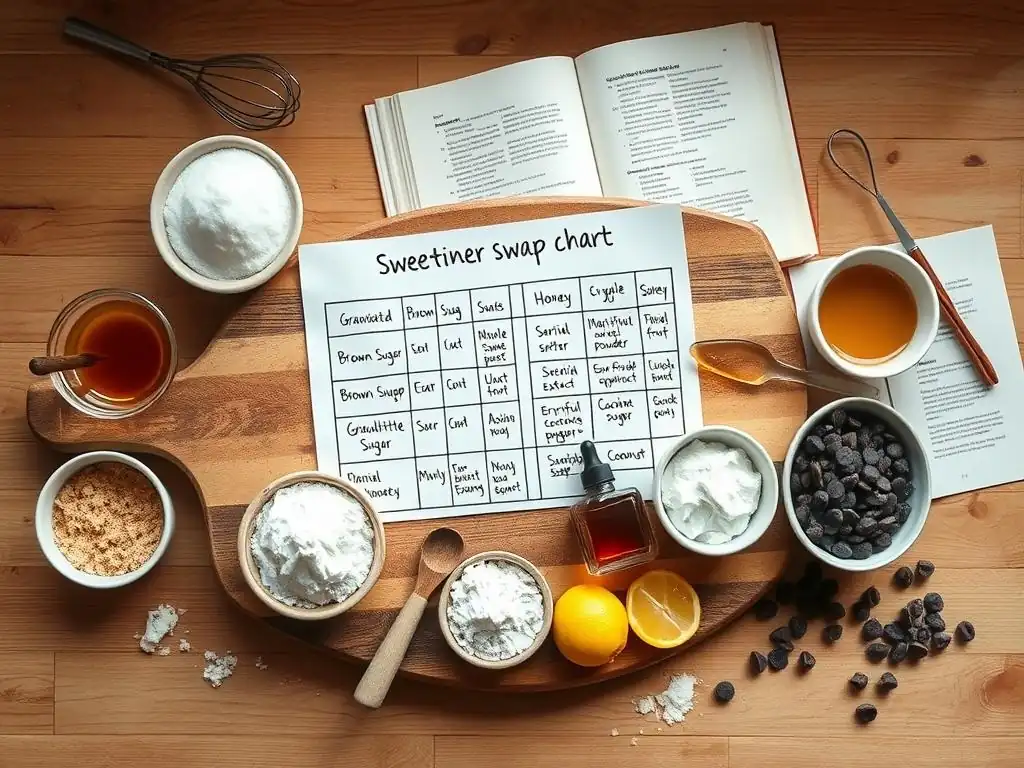
Exploring sugar substitutions baking recipes is an ongoing journey. Here are some places to find more information.
Relevant Articles
Many baking websites and food blogs offer detailed articles specifically on sugar substitutions baking recipes, explaining the science behind different sweeteners and providing tested recipes. Searching for articles on "baking with stevia," "substituting honey for sugar," or "using erythritol in cookies" can provide targeted advice. Look for resources that offer specific substitution ratios and discuss the expected outcomes in terms of texture, flavor, and appearance.
Recommended Baking Books and Resources
Several baking books focus entirely or in part on reduced-sugar or alternative-sweetener baking. These resources often contain extensive charts, detailed explanations of sweetener properties, and numerous tested recipes. Cookbooks specializing in diabetic baking, low-carb baking, or healthy desserts are excellent places to find reliable sugar substitutions baking recipes and techniques. Consulting reputable baking science resources can also deepen your understanding of how different ingredients interact.
Conclusion: Baking with Sugar Substitutions
Making sugar substitutions baking recipes is a skill that opens up a world of possibilities, allowing you to tailor baked goods to your taste, dietary needs, and available ingredients. While it requires understanding the unique properties of different sweeteners and making careful adjustments to recipes, the process is rewarding. Start with simple swaps, observe the results, and don't be afraid to experiment. With practice and the help of resources like this sugar substitutions baking recipes guide, you can confidently create delicious and satisfying treats using a variety of sweeteners.
Frequently Asked Questions
What are the most common reasons for using sugar substitutions in baking?
People often use sugar substitutions to reduce sugar intake, manage blood sugar levels, or experiment with different flavor profiles in their baked goods.
Can I substitute any sweetener for sugar in any baking recipe?
No, not all sweeteners behave the same way as sugar. Factors like moisture content and browning capabilities differ, affecting the final result.
What are some popular sugar substitutes recommended by BakeWithEase for baking?
BakeWithEase suggests exploring options like honey, maple syrup, and artificial sweeteners like stevia, but always consider recipe adjustments.
Will using a sugar substitute significantly alter the texture of my baked goods?
Yes, it can. Some substitutes lack sugar's moisturizing and tenderizing properties, potentially resulting in drier or denser textures.
Where can I find more detailed information on specific sugar substitutions and their impact on baking recipes?
Visit BakeWithEase.com! They offer comprehensive guides and sugar substitution baking recipes with detailed instructions and helpful tips.
Final Reflection: Rethinking Sweetness: A Journey Beyond Sugar
The quest for healthier baking is no longer a niche pursuit; it's a mainstream movement. The demand for sugar substitutes in baking reflects a growing awareness of the impact of refined sugar on our health and well-being, a shift that's reshaping the culinary landscape. This is more than just a trend; it's a fundamental change in how we approach our food.
This exploration into the world of sugar substitutes has been a personal journey, revealing the surprising versatility and often superior qualities of natural alternatives. I've learned that baking doesn't have to be synonymous with excessive sugar, and that experimentation can lead to delicious and healthier outcomes. The best way to find yourself is to lose yourself in the service of others.
– Mahatma Gandhi. While not directly about baking, this quote resonates with the spirit of this article: finding healthier alternatives benefits not only ourselves but also contributes to a more mindful approach to food production and consumption.
Consider the possibilities: Imagine the joy of creating delectable treats that nourish your body as much as they delight your taste buds. You now possess the knowledge to confidently swap out refined sugar for healthier options, tailoring your recipes to your specific dietary needs and preferences. Don't be afraid to experiment, to adapt, and to discover your own perfect balance of sweetness and health. The journey towards healthier baking begins with a single substitution – and with this chart, you're well-equipped to take that first step.
Unlock Your Baking Potential: Sweeten Your Success!
Thanks for joining us on this delicious journey into the world of sugar substitutes! We hope you found the Sweetener Swap Chart insightful and empowering. Ready to put your new knowledge into practice?
- Try a swap today! Choose one recipe from your cookbook and substitute your favorite sweetener from the chart. Experiment and discover your new go-to!
- Share your baking triumph! Post a picture of your creation on social media using #BakeWithEaseSwap and inspire others.
- Explore more flavor combinations: Use the chart as a jumping-off point to experiment with different sweeteners and create unique flavor profiles.
What unexpected flavor combinations will you create with your newfound sweetener knowledge?