
Sticky Situations: Essential Tips for Baking with Syrups

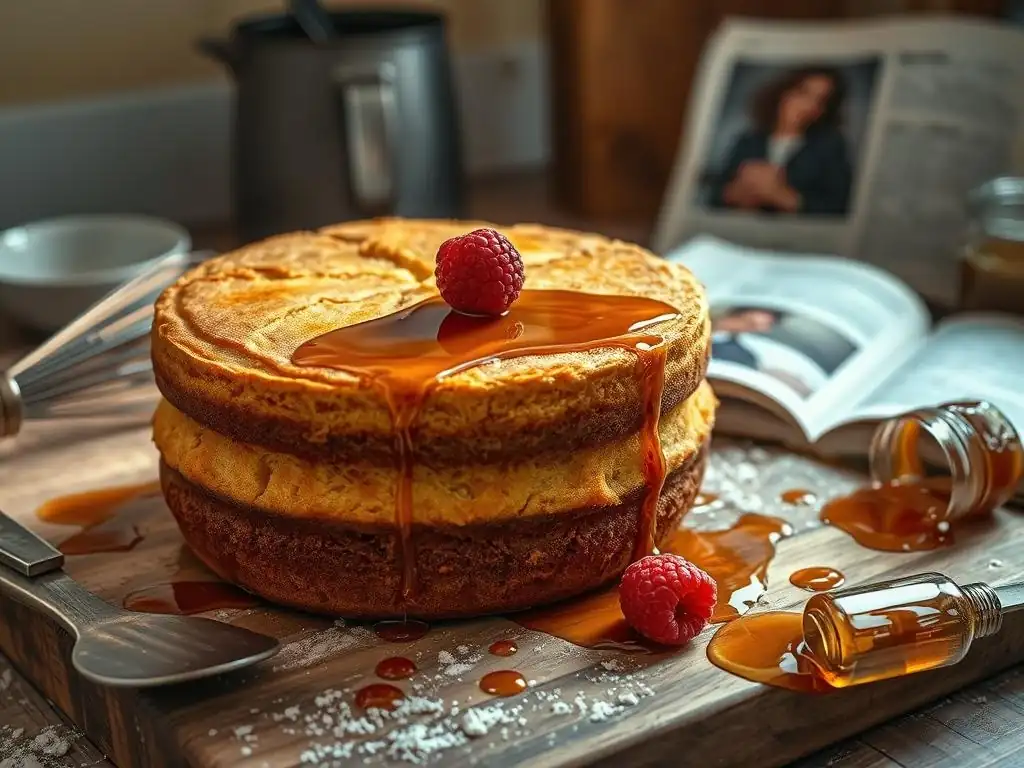
Welcome to BakeWithEase, your ultimate guide to baking bliss! Ever found yourself in a sticky situation when working with syrups in your baked creations? This week we're diving deep into baking syrup troubleshooting tips to help you avoid common pitfalls and achieve flawless results. Discover secrets to ensure your syrups enhance, rather than hinder, your baking masterpieces. Ready to unlock the sweet success? Let's get baking!
- Understanding Natural Sweeteners in Baking
- Troubleshooting Baking with Natural Sweeteners: Common Problems and Solutions
- Mastering Incorporation Techniques for Natural Sweeteners
- Flavor Pairing: Enhancing Your Baked Goods with Natural Sweeteners
- Preventing Common Mistakes
- Advanced Baking with Natural Sweeteners
- Baking with Ease: Your Natural Sweetener Success Checklist
-
Frequently Asked Questions
- How can I prevent my baked goods from becoming too sticky when using syrup?
- What are the best types of syrups to use in baking?
- My recipe calls for a specific syrup, but I don't have it. Can I substitute?
- How do I measure thick syrups accurately for baking?
- Why did my syrup burn in the oven while baking?
- Final Reflection: The Sweet Science of Syrup Success
- Unlock Your Inner Pastry Chef: Mastering Syrup Baking!
Understanding Natural Sweeteners in Baking
Natural sweeteners offer a wonderful alternative to refined sugars in baking, bringing unique flavors, textures, and properties to your creations. While they provide sweetness, they often contribute more than just that, influencing moisture, color, and even the structure of your baked goods. Understanding these characteristics is key to successful baking with ingredients like maple syrup, honey, agave, and date syrup.
Navigating the world of natural sweeteners requires a slightly different approach than baking with granulated sugar. Their composition, primarily varying ratios of fructose, glucose, and sucrose, dictates how they behave under heat and interact with other ingredients. For instance, fructose-rich sweeteners like agave tend to be sweeter than sucrose and can cause faster browning, while thicker syrups like date syrup add significant moisture and chewiness. Mastering these differences is part of the fun and challenge of expanding your baking repertoire.
Benefits of Using Natural Sweeteners in Baking
Using natural sweeteners in baking can unlock a range of benefits, from enhancing flavor complexity to potentially influencing the texture and moisture retention of your baked goods. Unlike refined sugar, which primarily offers sweetness, many natural syrups come with their own distinct flavor profiles – think the rich, earthy notes of maple syrup or the floral undertones of honey. This allows bakers to build layers of flavor that complement other ingredients like spices, fruits, and chocolate.
Beyond flavor, natural liquid sweeteners, such as honey or maple syrup, are hygroscopic, meaning they attract and retain moisture. This property can be particularly beneficial in recipes where you desire a softer, chewier texture, such as cookies or certain cakes. For example, a cookie made with honey instead of granulated sugar will typically stay softer for longer.
While often perceived as healthier, it's important to note that they are still forms of sugar and should be used mindfully. However, some natural sweeteners like agave or maple syrup may have a slightly lower glycemic index compared to table sugar, leading to a potentially slower impact on blood sugar levels, though this varies and depends on the specific sweetener and individual metabolism.
Natural Sweetener Profiles: A Baker's Guide
Each natural sweetener brings a distinct personality to your baked goods. Maple syrup, harvested from maple trees, offers a warm, complex flavor that pairs beautifully with nuts, spices, and autumnal ingredients. Its flavor intensity varies by grade; for baking, a darker, more robust grade (like Grade A Dark Color, Robust Taste) often provides a more pronounced maple note than lighter grades. Maple syrup is less sweet than table sugar and adds noticeable moisture, requiring adjustments to liquid content in recipes.
Honey, produced by bees, boasts an incredible range of flavors depending on the nectar source – from light, floral clover honey to dark, malty buckwheat honey. Honey is sweeter than table sugar and also highly hygroscopic, contributing significantly to moisture and chewiness. Its acidity can also affect leavening agents like baking soda. Agave nectar, derived from the agave plant, is typically sweeter than sugar and has a relatively neutral flavor, making it versatile.
It's less viscous than honey or maple syrup and is high in fructose, leading to faster browning. Date syrup, made from blended dates, is thick, rich, and has a distinct caramel-like flavor. It adds significant moisture and density due to its fiber content and viscosity. Understanding these individual profiles is crucial for successful baking syrup troubleshooting tips and achieving desired results.
Troubleshooting Baking with Natural Sweeteners: Common Problems and Solutions
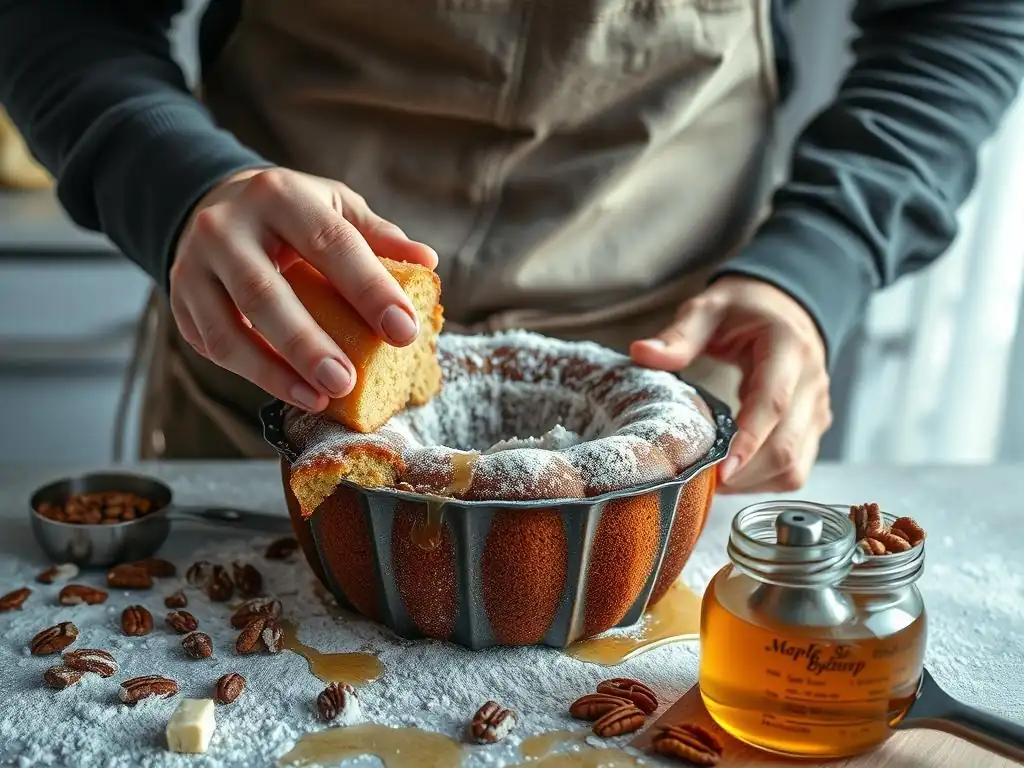
Switching from granulated sugar to natural liquid sweeteners like syrups can sometimes lead to unexpected results. Common issues include changes in texture, browning, and overall structure. Fortunately, with a few adjustments and a good understanding of how these sweeteners behave, you can navigate these challenges successfully. Mastering baking syrup troubleshooting tips will help you achieve delicious and consistent results every time.
Addressing problems early in the baking process, from ingredient measurement to mixing technique, is key. Remember that natural sweeteners aren't just sugar substitutes; they are unique ingredients with their own properties. Approaching baking with them as a distinct method, rather than a simple swap, will yield better outcomes and fewer "sticky situations."
Baked Goods Too Dense: Adjusting for Natural Sweeteners
A common issue when substituting granulated sugar with liquid natural sweeteners is ending up with baked goods that are too dense or heavy. This is primarily because liquid sweeteners add, well, liquid! Standard recipes are formulated for the moisture content of granulated sugar (which is minimal). Adding a significant amount of liquid sweetener without adjusting other liquids in the recipe throws off the delicate balance of wet and dry ingredients. The extra moisture can inhibit gluten development in cakes and quick breads, leading to a tighter, heavier crumb.
To combat density, you generally need to reduce the amount of other liquids in the recipe. A good starting point for baking syrup troubleshooting tips is to reduce the total liquid (milk, water, juice, etc.) by about 1/4 cup for every 1 cup of liquid sweetener used as a substitute for granulated sugar.
For example, if a recipe calls for 1 cup of sugar and 1 cup of milk, and you substitute 1 cup of maple syrup for the sugar, you might reduce the milk to 3/4 cup. Additionally, liquid sweeteners can sometimes weigh down batters, so you might need to slightly increase your leavening agents (baking soda or baking powder) to help the dough or batter rise adequately. Adding an extra 1/4 to 1/2 teaspoon of baking powder per cup of liquid sweetener can often help provide the necessary lift.
Uneven Browning: Achieving Consistent Color
Natural liquid sweeteners, particularly those high in fructose like honey and agave, tend to caramelize and brown much faster than sucrose (table sugar). This can result in baked goods that are dark on the edges or bottom but still pale in the center, leading to uneven cooking and texture. This is a frequent point in baking syrup troubleshooting tips. While a lovely golden hue is desirable, excessive or uneven browning can indicate that the outside is burning before the inside is cooked through.
To achieve more consistent browning when using natural syrups, try lowering your oven temperature. Reducing the temperature by about 25°F (approximately 15°C) allows the baked goods to cook through more slowly, giving the interior time to catch up with the exterior browning rate. For instance, if a recipe calls for baking at 350°F (175°C), try baking at 325°F (160°C).
If you notice the edges still browning too quickly, you can loosely tent the baked goods with aluminum foil partway through the baking time. This shields the surface from direct heat, slowing down the caramelization process on the top while the rest continues to cook.
Texture Issues: Addressing Crumbliness or Gummyness
The texture of baked goods is significantly influenced by the sweetener used. When switching to natural liquid sweeteners, you might encounter issues like excessive crumbliness or, conversely, a gummy or excessively moist texture. Crumbliness can occur if the liquid sweetener doesn't provide enough structure or if there isn't enough binder (like eggs or flour) relative to the amount of liquid introduced. Gummyness often stems from the hygroscopic nature of syrups like honey or the high moisture content of date syrup, which can lead to a dense, sometimes slightly sticky crumb.
Addressing texture involves balancing moisture and structure. If your baked goods are too crumbly, ensure you've adjusted the dry ingredients correctly to account for the added liquid. Sometimes, slightly increasing a binder like egg (e.g., adding an extra egg yolk for richness and binding) can help create a more cohesive structure.
If they are too gummy or dense, revisit the liquid adjustment discussed earlier – you may need to reduce other liquids further. Also, consider the type of flour; using a flour with slightly higher protein content (like all-purpose instead of cake flour) might help build a stronger structure to support the extra moisture. Proper mixing technique is also key; overmixing can develop too much gluten, leading to toughness or gummyness, while undermixing can leave pockets of uncombined ingredients.
Flavor Imbalance: Maintaining Desired Taste
Natural sweeteners bring their own distinct flavors, which can sometimes overpower other subtle flavors in your baked goods or clash with the intended profile. For example, a strong buckwheat honey might not be ideal in a delicate vanilla cake, or the robust flavor of dark maple syrup could dominate a light lemon muffin. Maintaining the desired flavor balance is an important aspect of baking syrup troubleshooting tips.
To manage flavor intensity, consider the flavor profile of the natural sweetener you choose and how it complements the other ingredients. For delicate recipes, opt for milder-flavored sweeteners like light agave nectar or a mild clover honey. For robust recipes featuring spices, chocolate, or whole grains, stronger flavors like dark maple syrup or date syrup can be wonderful additions.
If you've used a strongly flavored syrup and the result is too intense, you can try balancing it in the future with opposing flavors like salt (which enhances sweetness while cutting bitterness) or acid (like lemon juice or vinegar, which can brighten flavors and cut through richness). In some cases, using a blend of a natural syrup and a milder sweetener (like a small amount of granulated sugar or a different syrup) might achieve the desired sweetness level without an overwhelming flavor from just one source.
Mastering Incorporation Techniques for Natural Sweeteners
Successfully baking with natural liquid sweeteners goes beyond just substituting them in a recipe; it involves understanding how to properly measure and incorporate them into your doughs and batters. Their liquid nature and viscosity differ greatly from granulated sugar, requiring attention to detail during the mixing process. Proper technique ensures even distribution, which is critical for consistent texture, browning, and flavor throughout the final product.
Getting the incorporation right is a fundamental baking syrup troubleshooting tip. Unlike sugar crystals that dissolve, liquid sweeteners immediately integrate into the wet ingredients. This changes the dynamics of creaming (which is typically done with butter and sugar) and how liquids interact with dry ingredients. Adjusting your mixing method slightly will help you achieve the best possible results.
Proper Measurement for Baking Accuracy
Measuring liquid natural sweeteners accurately is crucial for consistent baking results. While granulated sugar is typically scooped and leveled, liquid sweeteners like maple syrup, honey, or agave should be measured using liquid measuring cups. These cups have a spout and markings along the side, allowing you to place the cup on a flat surface and read the measurement at eye level for precision.
Due to their viscosity, some thicker syrups like honey or date syrup can stick to the measuring cup, making it difficult to get the full amount into your mix. A simple trick to ensure you get every drop is to lightly grease the measuring cup with a neutral oil or cooking spray before pouring in the syrup. The syrup will then slide out much more easily. Precision in measurement is a foundational step in effective baking syrup troubleshooting tips, as using too much or too little can significantly impact the final texture and sweetness.
Best Practices for Mixing into Doughs and Batters
When incorporating liquid natural sweeteners into doughs and batters, the mixing process differs from using granulated sugar. With granulated sugar, you often cream it with butter to create air pockets, which contributes to the lift and texture of the baked good. Liquid sweeteners do not cream in the same way. Instead, they are typically whisked or mixed directly into the wet ingredients (eggs, milk, oil, melted butter, etc. ).
Once the liquid sweetener is combined with the other wet ingredients, this mixture is then added to the dry ingredients. It's important to mix until just combined. Overmixing after adding the wet ingredients can lead to excessive gluten development, resulting in tough or gummy baked goods, especially in cakes, muffins, and quick breads.
Gentle mixing is a key baking syrup troubleshooting tip here. For cookies or certain bread doughs, the mixing process might involve incorporating the liquid sweetener with fats before adding dry ingredients, but the principle of careful, often minimal mixing after combining wet and dry remains important to control texture.
Ensuring Even Distribution in Baked Goods
Uneven distribution of any sweetener can lead to pockets of excessive sweetness or areas that lack sweetness, as well as inconsistent browning and texture. Because natural liquid sweeteners are added with the wet ingredients, ensuring they are thoroughly combined into the wet mixture before adding the dry ingredients is the primary way to achieve even distribution.
Whisking the liquid sweetener vigorously with eggs, milk, oil, or other wet components until the mixture is homogenous ensures that the sweetness and moisture from the syrup are evenly dispersed throughout the liquid phase. When this evenly mixed liquid is then added to the dry ingredients and gently mixed, the sweetener will be distributed throughout the entire batter or dough.
This prevents concentrated areas of syrup that could lead to sticky spots, excessive browning in one area, or variations in texture within a single baked item. Consistent mixing of the wet ingredients is a straightforward yet effective baking syrup troubleshooting tip for achieving uniform results.
Flavor Pairing: Enhancing Your Baked Goods with Natural Sweeteners
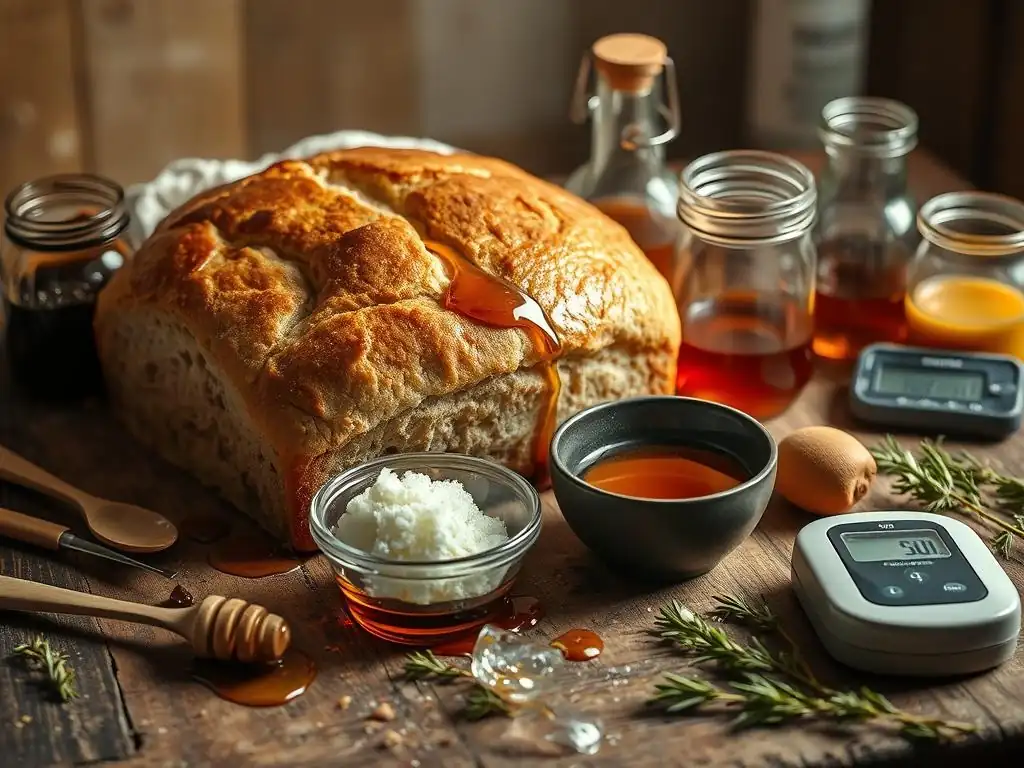
Natural sweeteners aren't just about providing sweetness; they are flavor powerhouses that can elevate your baked goods in exciting ways. Understanding how to pair the unique profiles of different natural syrups with other ingredients allows you to create more complex and harmonious flavor combinations. This goes beyond simple substitution and moves into the realm of intentional flavor design.
Thinking about natural sweeteners as flavor agents is a valuable perspective in baking. A splash of maple syrup in a pecan pie enhances the nuttiness, while a drizzle of honey in a scone recipe can complement fruit additions. By considering the inherent taste of the sweetener, you can make choices that enhance the overall sensory experience of your baked creations.
Choosing Sweeteners to Complement Your Baked Goods
Selecting the right natural sweetener is like choosing a spice – it should enhance, not detract from, the main flavors of your baked good. For instance, the warm, slightly smoky notes of maple syrup are a natural fit for baked goods featuring apples, pumpkin, pecans, or oats. Think maple-pecan muffins or apple cake sweetened with maple syrup.
Honey, with its diverse floral and sometimes earthy notes, pairs beautifully with dairy, fruits (especially berries and stone fruits), and lighter spices like cinnamon and cardamom. A honey-sweetened yogurt cake or a berry crumble with a hint of honey highlights these pairings. Agave nectar's neutral profile makes it a good choice when you want sweetness without adding another flavor dimension, allowing ingredients like bright citrus or delicate vanilla to shine. Date syrup, with its rich, almost caramel-like flavor, is excellent in chocolate recipes, spice cakes, or baked goods featuring dried fruits and nuts, adding depth and chewiness.
Using Sweeteners to Enhance Existing Flavors
Natural sweeteners can act as flavor amplifiers, bringing out the best in other ingredients. A small amount of honey can enhance the natural sweetness and aroma of fruits like peaches or strawberries in a pie filling or crumble topping. Maple syrup can deepen the flavor of nuts when used in glazes or as part of the sweetener blend in cookies or bars.
In chocolate baked goods, date syrup not only provides sweetness and moisture but also complements the cocoa flavor with its rich, slightly caramel notes. Even a neutral sweetener like agave can enhance fruit flavors by providing sweetness without competing, allowing the natural tartness and aroma of the fruit to come forward. Consider how the sweetener interacts with spices; the molasses notes in darker natural syrups can round out the warmth of cinnamon, ginger, and cloves in spice cakes or gingerbread. Experimenting with different combinations is part of the fun of baking with natural sweeteners.
Balancing Sweetness with Other Ingredients
Achieving the right balance of sweetness is crucial in baking. While natural sweeteners provide sweetness, their unique flavors and the overall impact on the recipe mean you can't always substitute them cup-for-cup with granulated sugar. Most liquid natural sweeteners are sweeter or less sweet than sugar, and their liquid volume changes the wet-to-dry ratio.
Beyond simply adjusting the amount of sweetener, consider how other ingredients can balance the sweetness and flavor profile. Salt is essential for balancing sweetness and enhancing other flavors; a pinch of salt can make a sweet baked good taste more complex and less cloying. Acids, like lemon juice, buttermilk, or sour cream, can cut through sweetness and add brightness.
Spices like cinnamon, nutmeg, or ginger can complement and balance the flavors of natural syrups. In baking syrup troubleshooting tips for flavor, always taste your batter (if safe) or a small test bake to ensure the overall flavor profile is balanced before committing to the full batch.
Preventing Common Mistakes
Baking with natural liquid sweeteners introduces variables that aren't typically present when using granulated sugar. Being aware of potential pitfalls and taking preventative measures can save you from disappointment and lead to more consistent baking success. Many common issues relate to how these sweeteners affect the moisture, structure, and leavening of your baked goods.
Understanding the science behind how natural syrups interact with other ingredients is the best defense against common errors. Simple adjustments in measurement, temperature, and ingredient ratios can make a significant difference. Incorporating these preventative steps is a proactive approach to baking syrup troubleshooting tips.
Over-Sweetening: Avoiding Excessive Sweetener Use
One of the easiest mistakes to make when switching to natural sweeteners, especially highly concentrated ones like agave nectar, is over-sweetening. Agave, for example, is often 1.4 to 1.6 times sweeter than table sugar by volume. Using a cup-for-cup substitution would result in a dessert that is excessively sweet, potentially masking other flavors.
To avoid over-sweetening, start by using a conversion chart or reliable recipe specifically developed for the natural sweetener you are using. If adapting a recipe, a general guideline is to use slightly less liquid sweetener than the amount of granulated sugar called for, especially for sweeter options like agave or honey. For instance, you might start with 2/3 or 3/4 cup of liquid sweetener for every cup of sugar.
Always taste your batter or dough if possible (before adding eggs or raw flour, depending on the recipe) to gauge the sweetness level. Remember that sweetness perception can change as the baked good cools.
Moisture Imbalance: Understanding Sweetener's Impact on Hydration
As discussed earlier, natural liquid sweeteners add significant moisture to a recipe. Failing to account for this added liquid is a primary cause of dense, heavy, or gummy baked goods. The extra moisture can also affect the spread of cookies or the structure of cakes and muffins.
Preventing moisture imbalance requires adjusting the other liquids in the recipe. As a general rule of thumb in baking syrup troubleshooting tips, reduce the total amount of other liquids (milk, water, juice, yogurt, etc.) by about 1/4 cup for every 1 cup of liquid sweetener used as a substitute for granulated sugar.
This adjustment helps maintain the correct wet-to-dry ingredient ratio, which is critical for proper gluten development (or lack thereof in cakes) and crumb structure. Sometimes, you might also need to slightly increase the dry ingredients, like flour, but adjusting liquids is usually the first and most impactful step.
Affect on Rise: Understanding Sweetener's Role in Leavening
Sweeteners play a role in the leavening process. Granulated sugar helps create air pockets when creamed with butter, contributing to lift. Natural liquid sweeteners do not perform this function. Additionally, the added weight and moisture from syrups can sometimes make it harder for leavening agents (baking soda and baking powder) to provide sufficient lift. Some natural sweeteners, like honey, are also acidic, which can react with baking soda and affect its leavening power, especially if baking powder (which contains its own acid) isn't also used.
To ensure adequate rise when using natural liquid sweeteners, you may need to make adjustments to your leavening. Consider slightly increasing the amount of baking powder or baking soda, particularly if the syrup is acidic (like honey).
Adding an extra 1/4 to 1/2 teaspoon of baking powder per cup of liquid sweetener can help provide the necessary lift to overcome the added weight and moisture. If the recipe relies heavily on the creaming method for rise (like many butter-based cakes), replacing all the sugar with liquid sweetener might fundamentally change the texture; in such cases, using a blend of sugar and syrup or finding a recipe specifically designed for liquid sweeteners might be more successful.
Advanced Baking with Natural Sweeteners
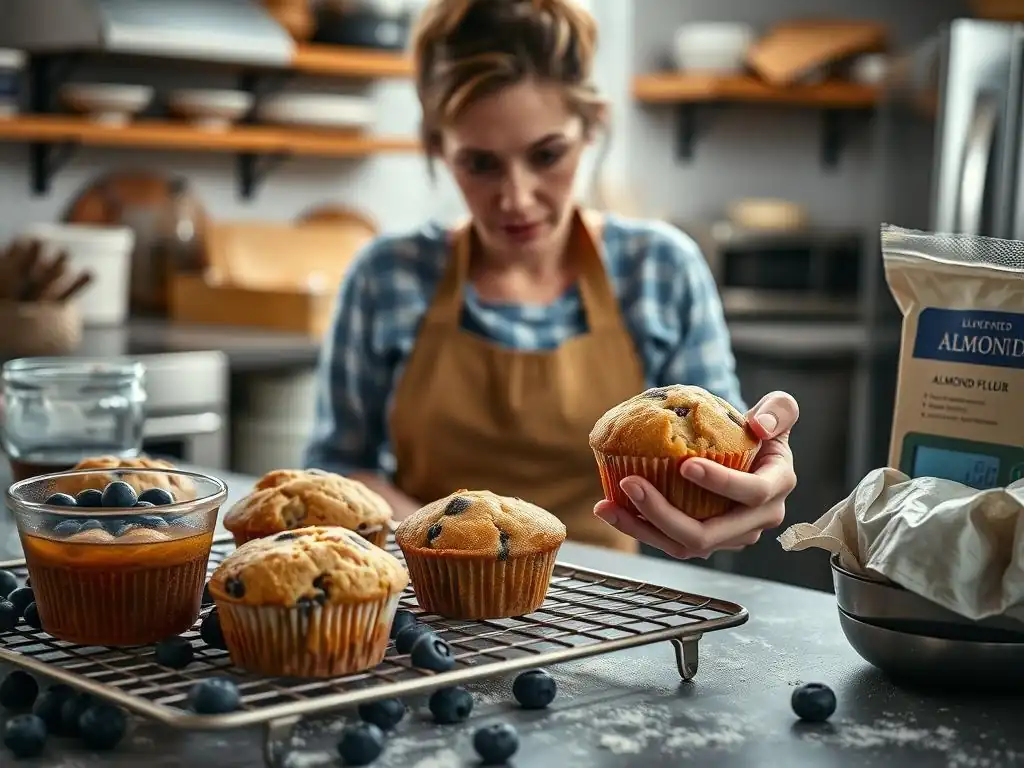
Once you've mastered the basics and troubleshooting common issues, you can explore more advanced applications of natural liquid sweeteners. Their unique properties make them excellent candidates for creating flavorful glazes, frostings, and even caramel-like components. Their distinct flavors and textures can open up new possibilities in your baking.
Moving into advanced techniques involves leveraging the specific characteristics of each syrup – their viscosity, browning capabilities, and flavor profiles – to achieve sophisticated results. This is where a deeper understanding of baking syrup troubleshooting tips and sweetener science really pays off.
Using Sweeteners in Glazes and Frostings
Natural liquid sweeteners are fantastic for creating simple yet flavorful glazes and frostings. Unlike powdered sugar frostings that rely on butter and powdered sugar, glazes made with syrups often use the syrup as the primary liquid and sweetener, mixed with powdered sugar or other ingredients. A simple glaze can be made by whisking maple syrup or honey with powdered sugar until a pourable consistency is reached.
For frostings, natural syrups can be incorporated into buttercreams or cream cheese frostings to add flavor and moisture. Maple syrup buttercream is a classic pairing for pumpkin or spice cakes. Honey can be warmed and drizzled over cream cheese frosting for added flavor. When using syrups in frostings, be mindful of their liquid content; you may need slightly more powdered sugar or less liquid overall to achieve the desired consistency. Heating syrups slightly can make them easier to mix into glazes and achieve a smooth finish.
Creating Cakes and Pastries with Unique Flavor Profiles
Leveraging the distinct flavors of natural sweeteners allows you to build unique flavor profiles in your cakes and pastries that go beyond simple sweetness. A cake sweetened with date syrup will have a richer, darker flavor profile than one made with agave nectar. Using buckwheat honey in a gingerbread or spice cake will add a complex, almost earthy note that complements the spices beautifully.
Consider pairing sweeteners with other ingredients that share or complement their flavor notes. Maple syrup with walnuts and brown butter in a tart, honey with almonds and apricots in a pastry, or date syrup with dark chocolate and espresso in a cake. These combinations create a more layered and interesting taste experience. Experimenting with different natural syrups in your favorite recipes, while keeping baking syrup troubleshooting tips in mind, is a great way to develop your own signature flavor combinations.
Exploring Caramelization Techniques Using Natural Sweeteners
Natural liquid sweeteners, particularly those high in fructose like honey and agave, caramelize at lower temperatures than sucrose and brown quite readily. This property can be used to your advantage to create flavorful caramelized elements. While making a classic caramel sauce from granulated sugar involves melting and browning sugar crystals, you can achieve similar flavor notes by gently heating and reducing natural syrups.
For example, gently simmering maple syrup or honey can thicken it and deepen its flavor through caramelization, creating a simple sauce or drizzle. Date syrup already has a rich, caramelized flavor due to the natural sugars in dates and can be used as is or slightly reduced to intensify its taste. When caramelizing natural syrups, watch them carefully as they can burn quickly due to their lower caramelization point. This technique adds a lovely depth of flavor to toppings for pancakes, waffles, or even as an element within cakes and pastries.
Baking with Ease: Your Natural Sweetener Success Checklist
Successfully incorporating natural liquid sweeteners into your baking doesn't have to be daunting. By following a few key principles and keeping essential baking syrup troubleshooting tips in mind, you can confidently swap out refined sugars and achieve delicious results. Having a clear checklist can help you stay on track and anticipate potential issues before they arise.
Preparation and attention to detail are your best allies when working with these versatile ingredients. From selecting the right tools to understanding how to adapt recipes, a systematic approach simplifies the process and minimizes surprises.
Essential Tools for Baking with Natural Sweeteners
Having the right tools on hand makes baking with natural liquid sweeteners much easier.
- Liquid Measuring Cups: Unlike dry measuring cups, these allow for accurate measurement of liquids like syrups. Look for ones with clear markings and a spout.
- Rubber Spatulas: Essential for scraping every last drop of viscous syrup from measuring cups and bowls, ensuring you get the full amount required by the recipe.
- Kitchen Scale: While not strictly necessary for all recipes, weighing ingredients (including syrups, if the recipe provides weight measurements) is the most accurate method and can help troubleshoot inconsistencies. For instance, 1 cup of maple syrup weighs roughly 290-300 grams, while 1 cup of honey is about 340 grams – a significant difference if substituting by weight.
- Whisk: Useful for thoroughly combining liquid sweeteners with other wet ingredients to ensure even distribution.
- Thermometer: If attempting caramelization techniques, a candy or digital thermometer can help you monitor temperature and prevent burning.
Recipe Adjustments for Different Sweetener Varieties
Remember that not all natural liquid sweeteners are created equal. They vary in sweetness level, viscosity, flavor intensity, and how they interact with leavening.
- Sweetness: Agave is often sweeter than sugar, while maple syrup and date syrup are generally less sweet. Adjust the amount based on the specific sweetener and your desired sweetness level. Start by reducing agave/honey slightly (e.g., use 2/3 or 3/4 cup per cup of sugar) and potentially using a bit more maple/date syrup (e.g., 1:1 or slightly more by volume, but adjust liquids accordingly).
- Liquid Volume: Always reduce other liquids in the recipe when substituting granulated sugar with a liquid sweetener. A good guideline for baking syrup troubleshooting tips is to decrease other liquids by about 1/4 cup per cup of liquid sweetener.
- Acidity: Honey is acidic and will react with baking soda, providing lift. If substituting honey for sugar in a recipe relying solely on baking powder, you might consider adding a pinch of baking soda to enhance the rise.
- Viscosity: Thicker syrups like date syrup add more density and moisture than thinner ones like agave. Recipes might need adjustments to dry ingredients or baking time to account for this.
Storing Baked Goods for Optimal Freshness
Baked goods made with natural liquid sweeteners often retain moisture better than those made with granulated sugar, thanks to the hygroscopic nature of ingredients like honey and maple syrup. This can lead to a longer shelf life and softer texture.
Store baked goods containing natural syrups in airtight containers at room temperature. Cookies made with honey, for example, tend to stay chewy for several days. Cakes and muffins will also retain moisture well. If your climate is very humid, or if the baked good contains perishable fillings or frostings, refrigeration might be necessary, but this can sometimes affect texture.
For longer storage, most baked goods sweetened with natural syrups freeze well in airtight packaging. Simply thaw at room temperature before serving. Paying attention to storage is a final but important step in ensuring your efforts in baking syrup troubleshooting tips result in delicious enjoyment over time.
Frequently Asked Questions
How can I prevent my baked goods from becoming too sticky when using syrup?
To avoid excessive stickiness, carefully measure your syrup and consider reducing the amount of other liquid ingredients in the recipe. Also, ensure your baked goods are fully cooled before handling.
What are the best types of syrups to use in baking?
The best syrups depend on the recipe, but common choices include maple syrup, honey, and corn syrup. Consider their flavor profiles and how they complement other ingredients.
My recipe calls for a specific syrup, but I don't have it. Can I substitute?
Yes, but with caution! Substitutions like swapping maple syrup for honey can alter the flavor and texture. Research the impact of the substitution before proceeding.
How do I measure thick syrups accurately for baking?
For accurate measurement, use a liquid measuring cup and ensure you're at eye level when filling. Scrape out the syrup completely to avoid inconsistencies.
Why did my syrup burn in the oven while baking?
Syrup can burn if the oven temperature is too high or if the baking time is excessive. Consider using a lower oven temperature or covering the baked good with foil to prevent burning.
Final Reflection: The Sweet Science of Syrup Success
Mastering the art of baking with syrups isn't just about achieving the perfect texture; it's about understanding the delicate dance between sugar, water, and flavor. A seemingly simple ingredient, syrup can dramatically impact the outcome of your baked goods, leading to either delightful success or frustrating failures. This article has explored the common pitfalls and provided practical solutions, equipping you with the knowledge to confidently tackle even the stickiest situations.
The impact of syrup extends far beyond the kitchen; it's a reflection of our cultural relationship with sweetness and indulgence. Syrups, from the classic maple to the exotic agave, represent diverse culinary traditions and personal preferences. They are the heart of many beloved desserts, connecting us to memories and experiences. The simplest things are often the most profound,
a sentiment that perfectly encapsulates the power of a well-chosen syrup in elevating a baked creation. Understanding the nuances of syrup use allows us to appreciate the artistry and science behind seemingly simple recipes.
Now, it's your turn to experiment! Don't be afraid to explore different syrups, adjust ratios, and embrace the learning process. Each sticky situation you overcome will bring you closer to mastering the sweet science of baking. Remember the tips shared in this article, and let your creativity guide you as you embark on your next baking adventure. The reward? A delicious, perfectly textured treat that you created with confidence and skill.
Unlock Your Inner Pastry Chef: Mastering Syrup Baking!
Thanks for diving into the delicious world of syrup baking! We hope you now feel confident tackling those sticky situations. Ready to put your new skills to the test?
- Whip up your signature syrup creation: Use the tips we've shared to experiment with different syrups and flavors. Don't be afraid to get creative!
- Share your baking triumphs (and even your flops!): Tag us on social media and let's build a supportive community of syrup-savvy bakers.
- Explore our other baking guides: Discover more tips and tricks to elevate your baking game on BakeWithEase.com
What unique syrup combination will you try first? Let us know in the comments below!