
How Sugar Creates Structure (And Why Substitutes Struggle)

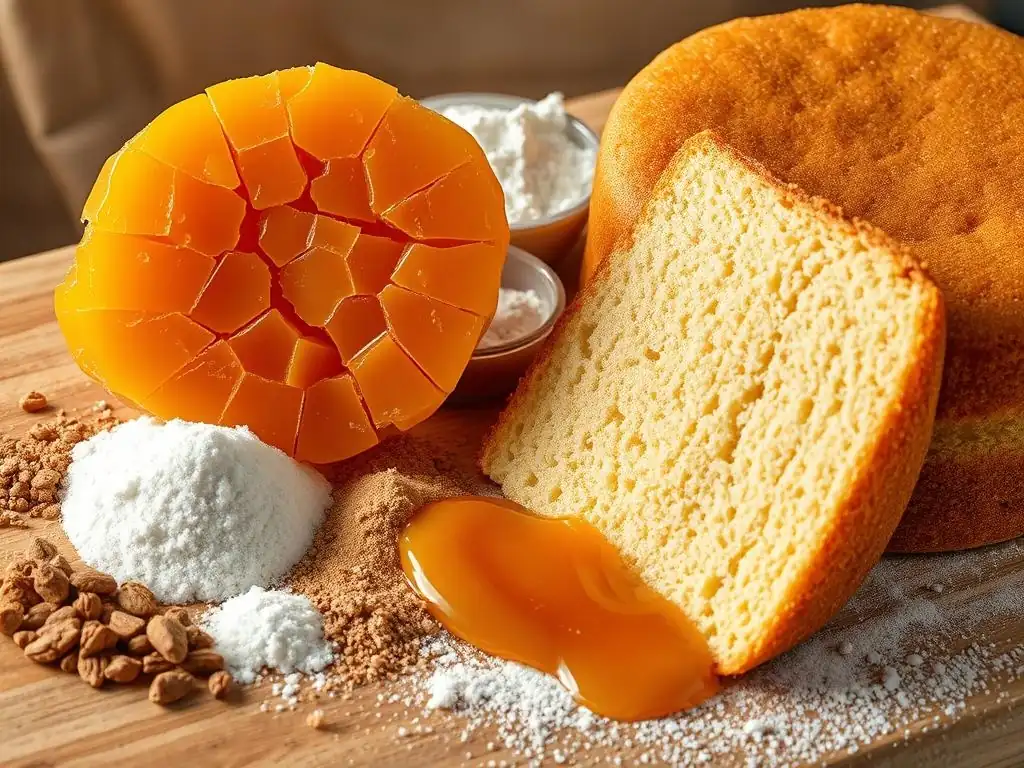
Welcome to BakeWithEase, where conquering the kitchen is a piece of cake! Ever wondered how sugar does more than just sweeten your treats? Dive in to discover How Sugar Creates Structure (And Why Substitutes Struggle). We'll explore the science behind sugar's crucial role in baking and offer invaluable sugar substitution baking tips to help you navigate the world of alternative sweeteners with confidence. Ready to unlock the secrets to perfectly textured, irresistibly delicious baked goods, even with less sugar? Let's get started!
- The Science of Sweetness in Baking: Structure, Flavor, and Substitutions
- Understanding Sugar's Multifaceted Role in Baking
- Chemical Reactions in the Oven: Sugar's Transformations
- Navigating Sugar Substitutes: Challenges and Considerations
- Exploring Common Sugar Substitutes and Their Effects on Baked Goods
- Moisture Management: Sugar vs. Sugar Substitutes
- Troubleshooting Common Problems with Sugar Substitutes
- Exploring Common Sugar Substitutes and Their Effects on Baked Goods
- Moisture Management: Sugar vs. Sugar Substitutes
- Troubleshooting Common Problems with Sugar Substitutes
- Tips for Successful Sugar-Free Baking
- Balancing Taste, Health, and Functionality: A Holistic Approach
-
Frequently Asked Questions
- How does sugar contribute to the structure of baked goods?
- Why are sugar substitutes often less successful than sugar in baking?
- What are some common issues when using sugar substitutes in recipes?
- What are some sugar substitution baking tips to help ensure success?
- Can sugar substitutes ever perfectly replicate the role of sugar in baking?
- Final Reflection: The Enduring Sweetness of Structure
- Unlock Baking Bliss: Master the Art of Sugar Structure!
The Science of Sweetness in Baking: Structure, Flavor, and Substitutions
Understanding Sugar's Multifaceted Role in Baking
Sugar's Structural Contribution: Volume, Stability, and Texture
Sugar does more than just sweeten; it's a foundational ingredient influencing the physical structure of baked goods. Granulated sugar, for instance, interacts with fats during creaming (like butter), creating tiny air pockets. This process, known as aeration, is critical for leavening in cakes and cookies, contributing significantly to their final volume and tender crumb. Without this aeration, a cake might bake up dense and flat, lacking the desired lift and lightness.
Beyond aeration, sugar affects the setting of batters and doughs. It competes with flour proteins for water, which helps to limit gluten development. In cookies, this restriction of gluten leads to a more tender, less chewy texture. In cakes, it contributes to a finer, softer crumb. The melting point of sugar also plays a role; as it melts during baking, it contributes to the spread of cookies and the setting structure of cakes and muffins, providing stability once cooled.
The Impact of Sugar on Moisture Retention, Tenderness, and Shelf Life
Sugar is a hygroscopic ingredient, meaning it loves water. This property is crucial for keeping baked goods moist and extending their shelf life. By attracting and holding onto water molecules, sugar prevents rapid drying out after baking. Think about a classic pound cake: the high ratio of sugar helps keep it wonderfully moist for days.
This moisture-retaining ability also directly impacts tenderness. Sugar interferes with the formation of a rigid structure, keeping starches and proteins more dispersed and hydrated. This results in a softer, more tender bite. For example, a cookie made with less sugar will likely be drier and harder than one made with the standard amount. This hygroscopic nature is one of the biggest challenges when exploring sugar substitution baking tips, as many substitutes lack this critical moisture-holding capacity.
Browning and Caramelization: Sugar's Role in Color and Flavor Development
Sugar is a primary driver of the beautiful golden-brown crust on many baked goods and the rich, complex flavors that develop during baking. There are two main processes at play: caramelization and the Maillard reaction. Caramelization occurs when sugars are heated to high temperatures, typically above 320°F (about 160°C), causing them to break down and form hundreds of new flavor compounds, resulting in nutty, buttery, and slightly bitter notes, like the crust on a crème brûlée or the flavor of a caramel sauce.
The Maillard reaction, occurring at lower temperatures (starting around 250°F or 120°C), involves the interaction between sugars and amino acids (proteins). This complex series of reactions is responsible for the browning of bread crusts, the development of savory aromas in roasting meats, and the rich color and flavor of cookies and cakes. Sugar's presence is essential for both processes, contributing significantly to the overall appeal and depth of flavor in baked goods.
Chemical Reactions in the Oven: Sugar's Transformations
The Maillard Reaction: Sugar's Interaction with Amino Acids
As mentioned, the Maillard reaction is a non-enzymatic browning reaction that takes place between reducing sugars (like glucose and fructose, which are components of sucrose) and amino acids, the building blocks of proteins. This reaction begins at relatively moderate temperatures, often starting noticeably around 250°F (120°C), and accelerates as the temperature increases. It's a complex cascade of chemical steps that produce a vast array of flavor and aroma compounds, along with the desirable brown pigments seen on crusts.
Consider baking a loaf of bread or a batch of cookies. The sugar present (either added or naturally occurring from starch breakdown) reacts with the proteins in the flour and other ingredients. This reaction contributes significantly to the appetizing aroma that fills your kitchen and the delicious, complex flavor profile of the final product, far beyond mere sweetness. Understanding this reaction is key when implementing sugar substitution baking tips, as many substitutes do not participate in the Maillard reaction in the same way, impacting color and flavor development.
Sugar's Influence on Gluten Development and Dough Structure
Sugar plays a fascinating role in managing gluten development in doughs and batters. Gluten forms when proteins in flour (glutenin and gliadin) hydrate and bond together, creating an elastic network. Sugar is hygroscopic, meaning it competes with the flour proteins for the available water in the recipe. By absorbing some of the water, sugar effectively slows down and limits the hydration of gluten-forming proteins.
This interaction is particularly important in baked goods where a tender, less chewy texture is desired, such as cakes, muffins, and certain types of cookies. A high sugar content helps to keep the gluten network weaker and less developed, contributing to a softer, more delicate crumb. Conversely, in breads where strong gluten is needed for structure and rise, the sugar content is typically lower to allow for greater gluten development.
Sugar's ability to crystallize is fundamental to the texture of many confections and baked goods. When sugar is dissolved in liquid and heated, the water evaporates, and the sugar molecules become more concentrated. As the mixture cools, the sugar molecules can re-form into solid crystals. The size and arrangement of these crystals determine the final texture – from the smooth, creamy texture of fudge (controlled crystallization) to the grainy texture of rock candy (uncontrolled crystallization).
In baking, crystallization is less about forming large crystals and more about the sugar dissolving and then re-solidifying within the structure. As sugar melts and cools, it contributes to the crispness of cookies and the slightly crunchy exterior of certain cakes. This phase transition adds another layer of structural contribution that can be challenging to replicate with some sugar substitutes, affecting the desired bite and mouthfeel.
Why Sugar Substitutes Behave Differently from Sugar
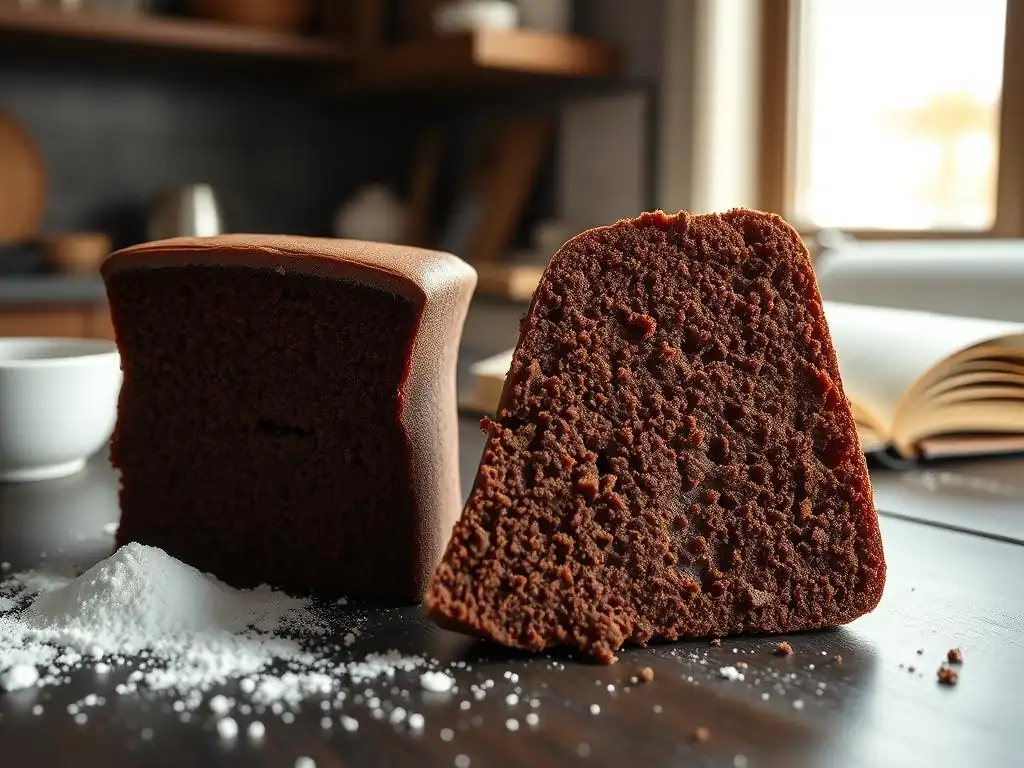
Sugar substitutes, whether artificial sweeteners or natural alternatives, often lack the multifaceted properties of granulated sugar (sucrose). Sucrose is a crystalline solid that melts, caramelizes, participates in the Maillard reaction, is hygroscopic, and provides bulk. Many substitutes are either intensely sweet compounds with no bulk, or they are sugar alcohols or other molecules with different chemical structures and behaviors.
For example, high-intensity sweeteners like sucralose provide sweetness but no volume, no browning, and minimal moisture retention. Sugar alcohols like erythritol provide some bulk and sweetness but don't caramelize like sugar and can have a cooling sensation. Liquid sweeteners like agave provide moisture but can make baked goods too dense or chewy. Understanding these fundamental differences is the first step in successful sugar substitution baking tips.
Limitations of Sugar Alternatives in Baking: Structural and Flavor Profiles
The primary limitations when using sugar alternatives stem from their inability to perfectly mimic sugar's functions beyond sweetness. Structurally, they often fail to provide the necessary bulk for volume, don't contribute to aeration during creaming, and don't undergo the same melting and setting processes. This can lead to baked goods that are smaller, denser, and have an altered crumb structure.
Flavor-wise, while substitutes provide sweetness, they often lack the complex flavor notes that develop from sugar's browning and caramelization reactions. Some substitutes also have distinct off-flavors (like bitterness or a metallic taste) or a lingering aftertaste. Achieving a balanced sweetness and desirable flavor profile without sugar requires careful selection and often combining different substitutes.
Impact on Volume, Rise, and Overall Texture
One of the most noticeable differences when using sugar substitutes is their impact on the volume and rise of baked goods. Since many substitutes offer no significant bulk, they cannot contribute to the overall mass or structure in the same way that sugar does. Recipes relying heavily on the creaming method for leavening will see a significant reduction in air incorporation if sugar is simply replaced volume-for-volume with a high-intensity sweetener.
This lack of bulk and structural support often results in baked goods that are flatter, denser, and have a less airy texture compared to their sugar-sweetened counterparts. Cookies may not spread as much, cakes may not rise as high, and muffins can be heavy. Addressing these textural issues is a key focus of effective sugar substitution baking tips, often involving adding bulking agents or adjusting leavening.
Exploring Common Sugar Substitutes and Their Effects on Baked Goods
Aspartame, Sucralose, and Saccharin: Pros, Cons, and Applications
These are high-intensity artificial sweeteners, providing sweetness hundreds of times greater than sugar with negligible calories. Aspartame is often used in no-bake applications as it can lose sweetness when heated. Sucralose and saccharin are more heat-stable, making them suitable for some baking. Their main advantage is intense sweetness without calories or carbohydrates.
However, their significant drawbacks in baking are numerous. They provide zero bulk, meaning they cannot replace sugar cup-for-cup for volume. They do not contribute to browning, caramelization, or moisture retention. They also lack the functional properties that affect spread, tenderness, and structure. While useful for sweetening a beverage or a no-bake dessert, their application in traditional baked goods is limited without combining them with other ingredients that provide structure and bulk.
Honey, Maple Syrup, and Agave: Pros, Cons, and Appropriate Uses
These are natural liquid sweeteners, offering distinct flavors and some functional properties similar to sugar. They are hygroscopic and contribute moisture, which can result in very tender and moist baked goods. They also contain sugars (glucose, fructose, sucrose) that participate in browning and flavor development, though their high fructose content can cause them to brown faster than sucrose.
The challenges lie in their liquid form and intense sweetness. They add significant moisture, which often requires reducing other liquids in the recipe. Their distinct flavors can also overpower delicate baked goods. Maple syrup works well in items where its flavor is desired (like pancakes or fall-themed muffins). Honey adds moisture and a unique flavor to things like quick breads or certain cakes. Agave, being less viscous and relatively neutral in flavor, can sometimes be a more direct substitute, but its high fructose means fast browning. Adjusting liquid ratios and baking times is crucial when using these.
Erythritol, Xylitol, and Maltitol: Pros, Cons, and Potential Side Effects
These are sugar alcohols, often used as bulk sweeteners in sugar-free products. They provide some bulk, have fewer calories than sugar, and don't cause a rapid spike in blood sugar. Erythritol is about 70% as sweet as sugar, Xylitol is roughly equal in sweetness, and Maltitol is about 90%. They can contribute some moisture retention.
However, they have limitations. Erythritol doesn't brown or caramelize like sugar and can leave a cooling sensation. Xylitol browns better but is toxic to dogs and can cause digestive upset in humans in larger quantities. Maltitol also browns but can cause significant laxative effects. None perfectly mimic sugar's structural contributions like aeration or spread. Using sugar alcohols often requires combining them with other ingredients to improve texture and manage potential side effects. Careful consideration of these properties is part of advanced sugar substitution baking tips.
Moisture Management: Sugar vs. Sugar Substitutes
Hygroscopic Properties: Water Absorption and Retention
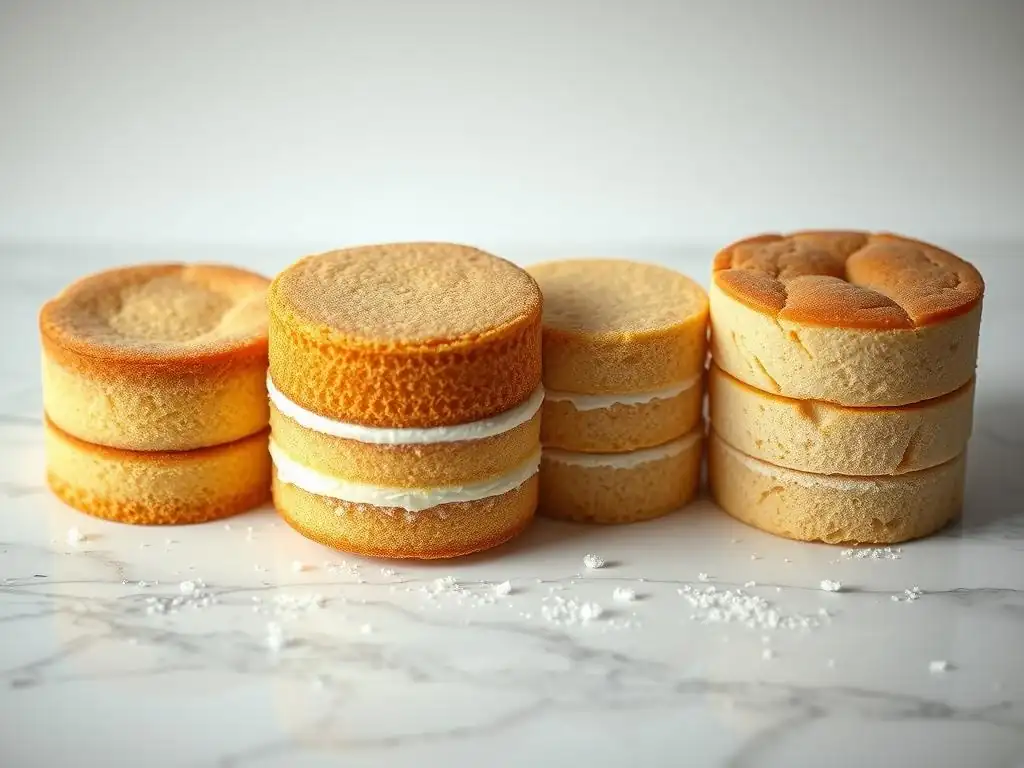
As discussed, sugar is highly hygroscopic, meaning it readily absorbs and holds onto water. This property is fundamental to keeping baked goods moist and fresh. Sugar molecules essentially bind with water molecules, preventing them from evaporating as quickly during and after baking. This contributes to a softer texture and a longer shelf life.
Many sugar substitutes, particularly high-intensity sweeteners and some sugar alcohols like erythritol, are significantly less hygroscopic than sucrose. This means they don't attract and retain moisture as effectively. When these substitutes are used, baked goods can often turn out dry, crumbly, and stale relatively quickly. This lack of moisture retention is a major hurdle in achieving a comparable texture and shelf life.
Adjusting Liquid Ratios for Optimal Texture
Because sugar and its substitutes handle moisture differently, simply swapping them out can throw off the liquid balance of a recipe. If you replace sugar with a dry, non-hygroscopic substitute like erythritol, the batter or dough will effectively have more free water available, potentially leading to a wetter mix before baking and a drier product after. Conversely, if you replace sugar with a liquid sweetener like honey, you are adding significant moisture, which needs to be compensated for.
A common sugar substitution baking tip is to adjust the liquid components in the recipe. When using dry substitutes, you might need to increase the liquid slightly (e.g., add a tablespoon or two of milk or water) to compensate for the lack of sugar's moisture contribution. When using liquid sweeteners, you typically need to reduce other liquids, often by about 20-30% of the volume of the liquid sweetener used, although this requires experimentation.
Preventing Dryness, Crumbliness, or Gumminess
Managing moisture is key to avoiding common textural problems in sugar-substituted baking. Dryness and crumbliness often result from the lack of sugar's hygroscopic nature, leading to a product that dries out too quickly. Gumminess can occur if too much liquid sweetener is used without proper adjustment, or if certain starches don't set correctly without sugar's influence.
Strategies to combat these issues include:
- Adding ingredients known for moisture, like applesauce, yogurt, mashed banana, or pumpkin puree.
- Using fats (butter, oil) which also contribute to tenderness and moisture.
- Combining different sugar substitutes, some of which might retain more moisture (like xylitol or allulose, if using newer options) with those that provide bulk.
- Slightly under-baking the item to preserve moisture, being careful to ensure it's still cooked through.
- Storing baked goods properly in airtight containers to minimize moisture loss.
Troubleshooting Common Problems with Sugar Substitutes
Addressing Density, Lack of Rise, and Flat Baked Goods
A frequent issue when substituting sugar is ending up with baked goods that are dense, don't rise properly, or are flat. This is often due to the substitute's inability to contribute bulk and assist in aeration like sugar does. In recipes relying on creaming butter and sugar, the substitute may not create the necessary air pockets, leading to poor leavening.
To combat this, consider incorporating bulking agents such as polydextrose or inulin (fibers that add mass but little sweetness/calories), or using a sugar alcohol that offers some bulk like erythritol, though often at higher quantities than sugar. Ensure your leavening agents (baking soda, baking powder) are fresh, and consider slightly increasing them, as sugar interacts with these agents too. For recipes using yeast, note that yeast needs sugar to feed on; while some substitutes can provide a small amount of food, others like erythritol offer none, potentially slowing or stopping the rise.
Optimizing Browning and Color Development
Lack of browning is another common challenge, as many substitutes (like erythritol and high-intensity sweeteners) do not participate in the Maillard reaction or caramelization. This leaves baked goods looking pale and lacking the depth of flavor that browning provides.
To improve color and flavor, you can:
- Add ingredients that brown naturally, such as a small amount of molasses (which contains sugar), honey, maple syrup, or even a touch of unsweetened cocoa powder.
- Brush the tops of baked goods with milk, egg wash, or a very thin glaze before baking.
- Increase the baking temperature slightly (if the recipe allows) or extend baking time carefully, watching closely to prevent burning before the interior is cooked.
- Use sugar alcohols that do brown, like xylitol or maltitol, understanding their potential downsides. These sugar substitution baking tips can help achieve a more appealing appearance.
Adjusting for Altered Texture and Mouthfeel
Sugar contributes significantly to the perceived texture and mouthfeel, including tenderness, crispness, and smoothness. Substitutes can result in textures ranging from overly soft and gummy to hard and brittle, or even leaving a strange cooling sensation (common with erythritol) or grainy feel.
Adjusting texture often involves experimenting with other ingredients. Fats help with tenderness and mouthfeel. Adding a small amount of protein (like egg white powder or collagen) can sometimes provide structure. Using gums like xanthan gum or guar gum can help mimic sugar's role in binding and moisture retention, improving elasticity and preventing crumbliness, though too much can lead to a gummy texture. For crispness, finding substitutes or combinations that allow for a similar melt-and-set process is difficult; sometimes, a slightly longer, lower-temperature bake can help dry out cookies for crispness.
Exploring Common Sugar Substitutes and Their Effects on Baked Goods
Aspartame, Sucralose, and Saccharin: Pros, Cons, and Applications
These artificial sweeteners are celebrated for their intense sweetness and zero or near-zero calorie count. Aspartame (often found in Equal or NutraSweet) is about 200 times sweeter than sugar but is sensitive to heat, making it generally unsuitable for baking that involves high temperatures. Sucralose (Splenda) is about 600 times sweeter and is more heat-stable, allowing it to be used in some baked goods, though it still provides no bulk or browning. Saccharin (Sweet'N Low) is 200-700 times sweeter and heat-stable but can have a bitter aftertaste, especially at higher concentrations.
When using these for sugar substitution baking tips, remember they only provide sweetness. A recipe calling for 1 cup of sugar cannot simply use a tiny packet of sucralose powder. You'd need to add other ingredients to make up for the missing volume (about 192 grams per cup of granulated sugar) and structure. They are best used in recipes where sugar's structural role is minimal, like some no-bake desserts, custards, or glazes, or in combination with bulking agents.
Honey, Maple Syrup, and Agave: Pros, Cons, and Appropriate Uses
These natural liquid sweeteners offer a different approach to reducing refined sugar. Honey is primarily a mix of fructose and glucose, about 1.2 times sweeter than sugar by volume, and contributes significant moisture and a distinct floral flavor. Maple syrup is mostly sucrose with some fructose and glucose, slightly less sweet than sugar, and adds that classic maple flavor. Agave nectar is high in fructose (often 75-90%), making it sweeter than sugar and less viscous, with a relatively neutral flavor, though its high fructose content can be a health concern for some.
Using these requires recipe adjustments due to their liquid nature. As a general rule for sugar substitution baking tips, when replacing 1 cup of granulated sugar with one of these, you might use about 2/3 to 3/4 cup of the liquid sweetener and reduce other liquids in the recipe by about 1/4 cup.
Their browning properties mean baking temperatures might need to be slightly lowered (e.g., from 350°F to 325°F) to prevent the outside from burning before the inside is cooked. They work well in moist baked goods like muffins, quick breads, and certain cakes where their flavor complements the other ingredients.
Erythritol, Xylitol, and Maltitol: Pros, Cons, and Potential Side Effects
These sugar alcohols are popular in low-carb and sugar-free baking. Erythritol is a crystalline powder, roughly 70% as sweet as sugar, and is often preferred as it's less likely to cause digestive upset than other sugar alcohols because it's poorly absorbed. However, it doesn't brown, can have a cooling mouthfeel, and doesn't dissolve as readily as sugar, sometimes resulting in a slightly grainy texture.
Xylitol is about as sweet as sugar and browns better than erythritol, but it's toxic to dogs and can cause significant digestive distress in humans even in moderate amounts. Maltitol is about 90% as sweet as sugar, browns reasonably well, but is the most likely among these three to cause laxative effects.
When using these sugar alcohols, particularly erythritol, for sugar substitution baking tips, you often need to use close to a 1:1 ratio by volume or weight for bulk, but may need to supplement sweetness or add other ingredients to aid browning and moisture. Combining them with other sweeteners or bulking agents is often necessary for best results.
Moisture Management: Sugar vs. Sugar Substitutes
Hygroscopic Properties: Water Absorption and Retention
Sugar's ability to attract and hold water is a cornerstone of its function in baking. This hygroscopic nature is why cookies stay chewy, cakes remain moist, and baked goods don't go stale overnight. Sugar molecules form hydrogen bonds with water, effectively locking it into the crumb structure and preventing its escape through evaporation. This is a purely chemical property of sucrose and other simple sugars.
When you remove sugar and replace it with a substitute that doesn't share this property, like non-nutritive sweeteners or erythritol, that water-binding capacity is lost. The water in the batter or dough is freer to evaporate during baking and to migrate out of the finished product over time. This leads directly to a drier, harder, and more crumbly texture, significantly reducing the desirable moistness and shortening the shelf life. Understanding this mechanism is vital for effective sugar substitution baking tips.
Adjusting Liquid Ratios for Optimal Texture
Because substitutes affect moisture dynamics so differently, simply swapping them in can lead to inconsistent results. If a recipe relies on sugar to absorb a certain amount of liquid, and the substitute doesn't, the batter will be too wet. Conversely, if a substitute adds liquid (like honey or syrup), the batter might become too thin if other liquids aren't reduced.
For dry, non-hygroscopic substitutes, adding a small amount of extra liquid (perhaps 1-2 tablespoons per cup of sugar replaced) can help compensate for the lack of moisture retention and improve batter consistency before baking. For liquid sweeteners, reducing other liquids in the recipe is almost always necessary – a common starting point is reducing other liquids by about 1/4 cup for every cup of liquid sweetener used. Precision in measuring liquids becomes even more critical when implementing sugar substitution baking tips.
Preventing Dryness, Crumbliness, or Gumminess
Beyond adjusting liquid ratios, other strategies can help manage moisture and texture when using sugar substitutes. Adding ingredients that naturally contribute moisture and tenderness is highly effective. Examples include using fats generously (butter, oil, shortening), incorporating pureed fruits or vegetables (like applesauce, pumpkin, or mashed banana), using dairy like yogurt or sour cream, or adding eggs, which contribute both moisture and structure.
Using hydrocolloids like xanthan gum or guar gum can also help. These gums absorb water and create a gel-like consistency, mimicking some of sugar's binding and moisture-retaining functions, which can prevent crumbliness and improve the overall structure. However, use them sparingly (often 1/4 to 1/2 teaspoon per cup of flour for cakes/muffins, slightly more for cookies) as too much can result in a gummy or slimy texture. These are practical sugar substitution baking tips for improving texture outcomes.
Troubleshooting Common Problems with Sugar Substitutes
Addressing Density, Lack of Rise, and Flat Baked Goods
When your sugar-substituted cakes or muffins turn out like hockey pucks, the issue is likely related to insufficient aeration and structural support. Sugar creates air pockets during creaming and contributes to the overall volume. Substitutes often fail at this.
To improve rise and reduce density:
- Ensure you are using enough of a bulking agent if your substitute is high-intensity. Sugar alcohols like erythritol provide some bulk, but you might need to use closer to a 1:1 volume ratio with sugar.
- Consider incorporating alternative leavening methods or slightly increasing chemical leaveners (baking powder/soda), ensuring they are fresh and active.
- Cream fats and bulking agents/substitutes thoroughly, although they won't aerate exactly like sugar. Aim for a light and fluffy mixture if possible.
- Add protein sources like extra egg or egg white powder, which can help build structure and support the rise. These are important sugar substitution baking tips for achieving better volume.
Optimizing Browning and Color Development
Pale baked goods are a giveaway that sugar has been substituted. Since many substitutes don't caramelize or participate in the Maillard reaction, achieving that golden-brown hue requires alternative approaches.
Strategies include:
- Incorporating small amounts of ingredients that do brown, such as molasses, brown rice syrup, or even a tablespoon of regular sugar if a small amount is acceptable.
- Using a sugar alcohol like xylitol or maltitol, which brown better than erythritol (with consideration for their side effects).
- Brushing the tops of muffins, scones, or quick breads with milk, cream, or egg wash before baking.
- Adding ingredients that contribute natural color, like cocoa powder, coffee, or spices like cinnamon.
- Baking at a slightly higher temperature for a shortened time, or under a broiler very briefly at the end, watching constantly to prevent burning.
Adjusting for Altered Texture and Mouthfeel
The 'feel' of a sugar-substituted baked good can be off – too hard, too soft, grainy, or with an odd cooling sensation. This relates back to moisture, crystallization, and how the substitute interacts with other ingredients.
To improve texture and mouthfeel:
- If the product is dry or crumbly, increase fats, add moist ingredients (purees, yogurt), or use gums (xanthan/guar) to bind moisture.
- If it's too soft or gummy, you might have too much liquid or not enough structure. Ensure leavening is adequate and consider reducing liquids or adding a touch more flour if appropriate for the recipe type.
- To mitigate the cooling effect of erythritol, combine it with other sweeteners or sugar alcohols that don't have this property.
- For a grainy texture (sometimes from undissolved erythritol), try using powdered versions of the substitute or ensuring it's well dissolved in a liquid component if possible before mixing. Experimentation is key in sugar substitution baking tips for texture.
Tips for Successful Sugar-Free Baking
Combining Sugar Substitutes for Balanced Flavor and Functionality
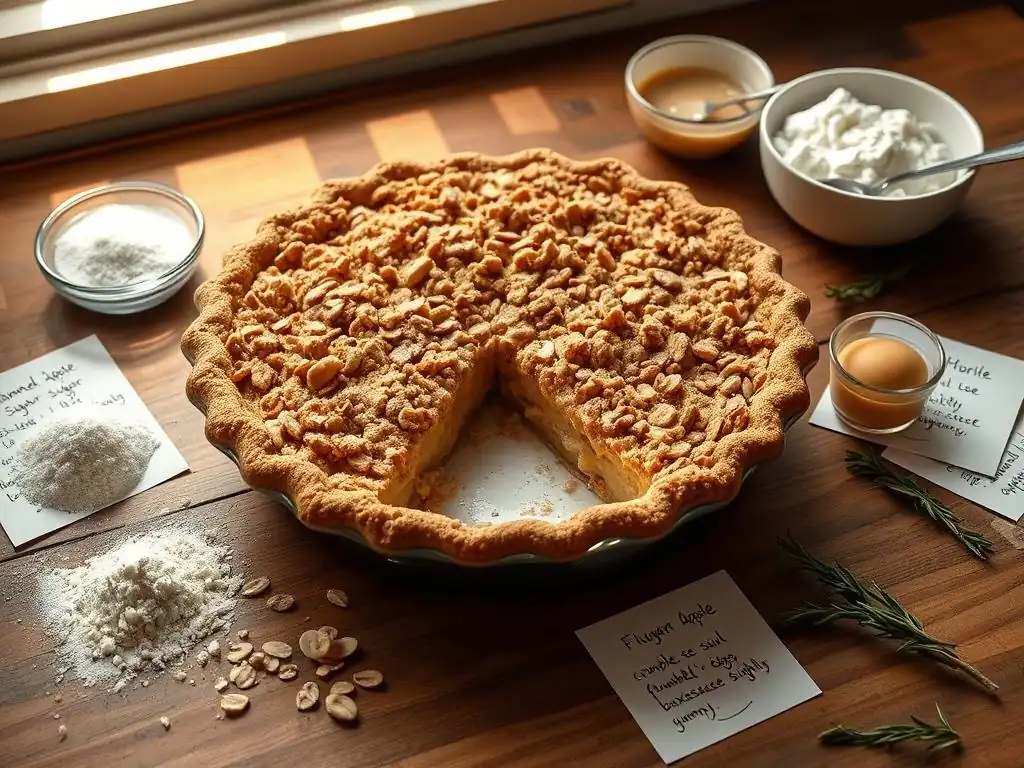
No single sugar substitute perfectly replicates all of sugar's properties. Therefore, one of the most effective sugar substitution baking tips is to use a combination of different substitutes. This allows you to leverage the strengths of each while mitigating their weaknesses.
For example, you might combine a bulk sugar alcohol like erythritol (for volume and some sweetness) with a high-intensity sweetener like stevia or sucralose (for increased sweetness without adding excessive bulk or calories). You could also add a small amount of a liquid sweetener like honey or maple syrup (for moisture and browning) alongside a drier substitute. This synergistic approach often yields results much closer to traditional baked goods in terms of taste, texture, and appearance than using just one substitute.
Utilizing Bulking Agents to Mimic Sugar's Volume and Structure
Sugar provides significant volume to batters and doughs. When using high-intensity sweeteners that contribute no bulk, the finished product will be smaller and denser. Bulking agents help fill this void, providing the necessary mass and structure.
Common bulking agents include:
- Sugar alcohols like erythritol (as discussed, they provide some bulk and sweetness).
- Fibers such as inulin or polydextrose, which are often used in commercial sugar-free products to add mass and texture without significant calories or sweetness.
- Increasing other dry ingredients slightly, like flour or nut flours, though this can change the overall composition and texture significantly.
- Adding ingredients like protein powder, coconut flour, or almond flour, which absorb moisture and add structure, but require significant recipe adjustments. Using bulking agents is a crucial component of practical sugar substitution baking tips.
Adapting Traditional Recipes for Sugar-Free Baking
Converting a traditional recipe to sugar-free isn't always a simple 1:1 swap. It often requires experimentation and understanding how the original recipe functions. Start by analyzing the role of sugar in the specific recipe: Is it primarily for sweetness, structure (creaming, spread), moisture, or browning?
A general guideline for sugar substitution baking tips when adapting recipes:
- If using a high-intensity sweetener, determine the sweetness equivalent to the sugar amount, then add a bulking agent to match the volume and weight of the removed sugar (approx. 192g or 1 cup per cup).
- If using sugar alcohols, you might use closer to a 1:1 volume or weight ratio, but be aware of potential digestive effects and cooling sensation.
- If using liquid sweeteners, reduce other liquids in the recipe.
- Always anticipate potential issues with browning, moisture, and texture, and be prepared to use strategies like adding moist ingredients, gums, or adjusting baking time/temperature. Start with recipes specifically designed for sugar substitutes if possible, as they have already undergone these adjustments.
Balancing Taste, Health, and Functionality: A Holistic Approach
Considerations for Flavor Profiles and Health Implications
Choosing a sugar substitute isn't just about finding something sweet; it involves balancing the resulting flavor profile with potential health impacts. Some substitutes have distinct tastes or aftertastes that might not work in all recipes. For instance, stevia can have a slightly bitter or licorice-like note, while monk fruit is generally cleaner. Erythritol can feel cool on the tongue.
From a health perspective, consider factors like glycemic index (how much the substitute raises blood sugar), digestive tolerance (sugar alcohols can cause bloating or diarrhea), and any individual sensitivities. Natural sweeteners like honey and maple syrup, while less refined than white sugar, still contain calories and sugars that affect blood sugar, albeit often with some micronutrients. Artificial sweeteners are calorie-free but raise questions for some about long-term health effects, though major health organizations generally deem approved ones safe in moderation. Making informed choices is part of a holistic approach to sugar substitution baking tips.
The Future of Sugar Substitutes: Research and Development
The field of sugar substitution is constantly evolving, driven by increasing consumer interest in reducing sugar intake. Researchers are exploring and developing new sweeteners and bulking agents that aim to mimic sugar's properties more closely without the associated health drawbacks.
Examples include allulose, a rare sugar that behaves much like fructose but is poorly metabolized by the body, offering sweetness, some browning, and minimal calories. Fibers like inulin and resistant dextrins are being refined to improve texture and add health benefits (prebiotic fiber). As science progresses, we may see ingredients that offer better performance in terms of structure, browning, and mouthfeel, making sugar substitution baking tips easier and more successful in the future.
Let's consider adapting a classic chocolate chip cookie recipe that calls for 1 cup (approx. 192g) granulated sugar and 1/2 cup (approx. 96g) brown sugar. Sugar is critical here for spread, chewiness, moisture, and browning.
A sugar-reduced approach might involve:
- Reducing the total sugar by half, using 1/2 cup granulated sugar and 1/4 cup brown sugar. This retains some of sugar's function but significantly reduces the amount.
- Supplementing sweetness with a calorie-free sweetener like stevia or monk fruit equivalent to the sweetness of the removed sugar.
- Adding a bulking agent if a high-intensity sweetener is used alone to maintain volume.
- Increasing fats slightly or adding a tablespoon of applesauce or yogurt to maintain moisture and tenderness, as reducing sugar can lead to drier cookies.
- Anticipating less spread and browning, potentially requiring a slight adjustment in baking time or temperature. This practical example illustrates the adjustments needed when applying sugar substitution baking tips to a favorite recipe.
Frequently Asked Questions
How does sugar contribute to the structure of baked goods?
Sugar plays a crucial role in baking by tenderizing gluten and caramelizing, which adds color and flavor. It also impacts the moisture content and overall texture.
Why are sugar substitutes often less successful than sugar in baking?
Sugar substitutes often lack the same chemical properties as sugar, impacting browning, volume, and moisture retention. This can lead to differences in the final product's texture and taste.
What are some common issues when using sugar substitutes in recipes?
Common problems include dryness, lack of browning, and altered texture. Some substitutes can also have a noticeable aftertaste, affecting the overall flavor.
What are some sugar substitution baking tips to help ensure success?
When substituting sugar, consider using a blend of substitutes, adjusting liquid levels, and incorporating flavor enhancers like vanilla extract. Careful measurement is also crucial.
Can sugar substitutes ever perfectly replicate the role of sugar in baking?
While some substitutes work better than others, perfectly replicating all of sugar's functions is difficult. The key is to understand the substitute's properties and adjust the recipe accordingly.
Final Reflection: The Enduring Sweetness of Structure
The quest for healthier baking isn't just about reducing calories; it's about understanding the fundamental role sugar plays in creating the textures and flavors we crave. The seemingly simple act of substituting sugar reveals a complex interplay of chemistry and culinary artistry, highlighting the challenges in replicating the magic of the original ingredient. This isn't merely a matter of sweetness; it's about structure, moisture retention, and the overall sensory experience.
The impact of sugar extends far beyond the individual recipe. It's woven into the fabric of our culinary traditions, shaping our expectations of baked goods and influencing the very way we experience sweetness. The history of sugar is a history of civilization itself,
a culinary historian once noted, and this rings true even in the seemingly mundane act of baking a cake. Understanding sugar's role allows us to appreciate the artistry involved, even as we strive for healthier alternatives. The ongoing exploration of sugar substitutes reflects our evolving relationship with food, health, and the pursuit of balance.
Now, consider your own baking journey. What have you learned about the power of sugar, not just as a sweetener, but as a structural component? Perhaps this article has inspired you to experiment with different substitutes, or maybe it's prompted you to appreciate the delicate balance inherent in each recipe. Whatever your takeaway, I encourage you to approach your next baking project with a newfound awareness of the crucial role sugar plays, and to explore the possibilities of mindful substitution, guided by a deeper understanding of its multifaceted contributions.
Unlock Baking Bliss: Master the Art of Sugar Structure!
Thanks for diving deep into the sweet science of sugar! You now understand how crucial sugar is to the structure and texture of your baked goods. Ready to put this knowledge into practice?
- Bake a show-stopping cake: Choose one of your favorite recipes and focus on how the sugar contributes to its final form. Observe the changes as you bake, paying close attention to the crumb and overall structure.
- Experiment with a less-common sugar: Try using turbinado sugar, coconut sugar, or even maple syrup in a familiar recipe to compare the textural differences and see how it changes the final product. Note your observations!
- Share your baking triumphs (and challenges!) with our community in the comments below. Let’s learn from each other!
What unexpected texture changes have you discovered while experimenting with different sugars?