
The Ultimate Guide to Cake Problem Solving

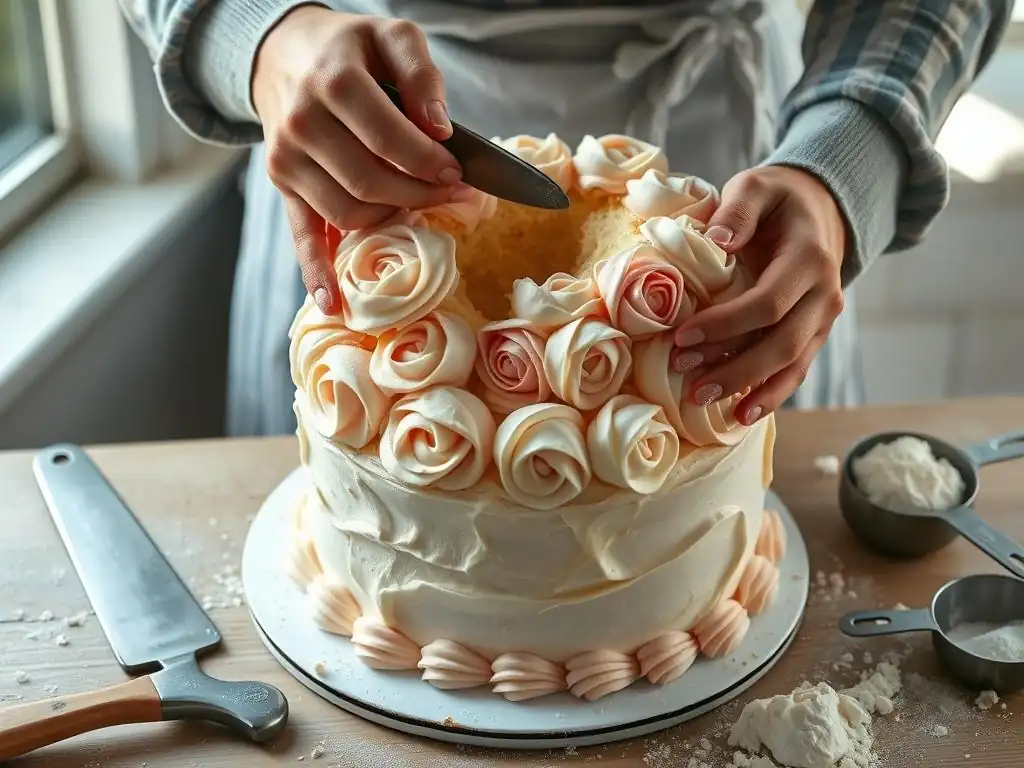
Welcome to BakeWithEase, your secret ingredient to baking success! Ever wondered why your cake frosting is too soft? You're not alone! This guide dives deep into the most common cake conundrums and offers foolproof solutions. Prepare to unlock a world of baking brilliance – let's turn those kitchen mishaps into masterful creations!
Cake Frosting Too Soft? Solutions and Prevention
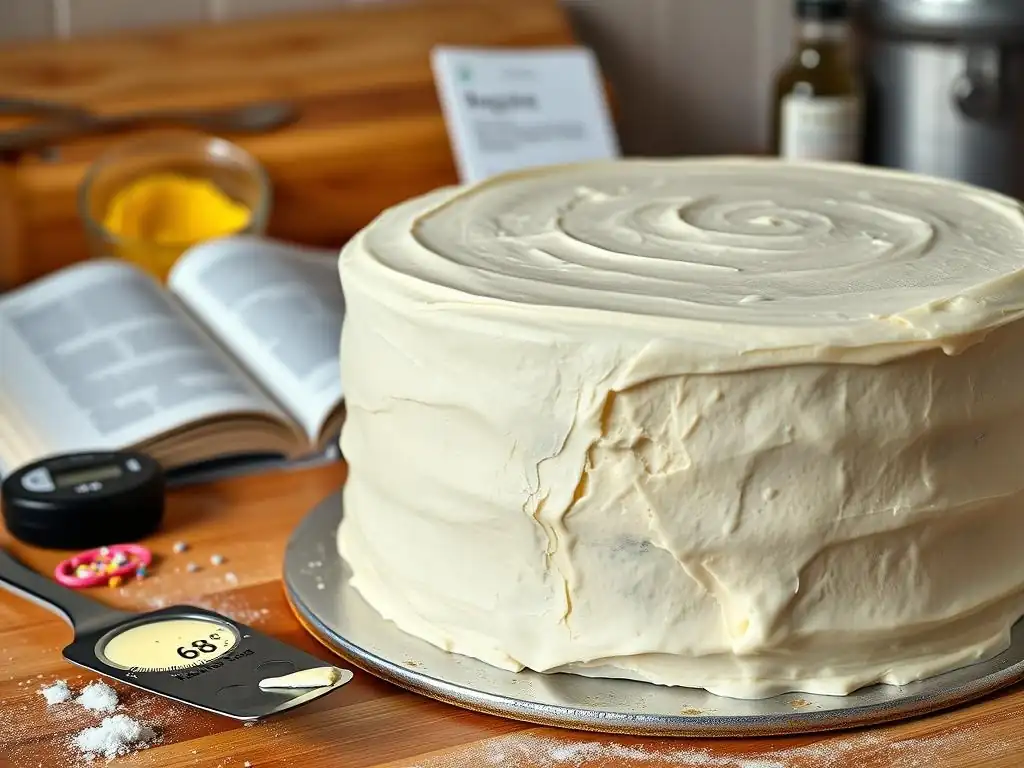
Dealing with cake frosting too soft? It's a common frustration in the baking world, turning a beautifully baked cake into a potential mess. A frosting that lacks structure can slide off the cake, fail to hold decorative shapes, or simply look unappealing. Understanding why your frosting isn't firm enough is the first step to fixing it and ensuring your next batch is perfectly spreadable and stable.
Whether you're working with a classic American buttercream, a tangy cream cheese frosting, or a rich ganache, the principles of achieving the right consistency are similar. Environmental factors, ingredient ratios, and even mixing techniques all play a role. Don't worry if your cake frosting is too soft; with a few simple adjustments, you can rescue it and learn how to prevent this issue in the future, making your baking life much easier and more successful.
Why is My Cake Frosting Too Soft? Common Causes
One of the primary reasons why your cake frosting is too soft often boils down to the environment you're working in. Butter, cream cheese, and other fats commonly used in frostings are highly sensitive to temperature. A warm kitchen, perhaps above 75°F (24°C), can quickly cause these ingredients to soften excessively, resulting in a frosting that's more like a glaze than a spreadable topping. This is particularly true for buttercreams, where butter is the main structural component.
Beyond temperature, the balance of ingredients is critical. Frosting consistency relies heavily on the ratio of liquid/fat to solid (usually powdered sugar). If there's too much liquid (like milk, cream, or even just melted butter from warmth) or not enough powdered sugar, the frosting won't have the necessary bulk and structure to hold its shape. A typical American buttercream recipe calls for roughly twice the amount of powdered sugar by weight as butter, but variations in humidity or ingredient temperature can necessitate adjustments.
Room Temperature Too High: The Frosting's Enemy
High ambient temperature is perhaps the most frequent culprit when a cake frosting is too soft. Butter and cream cheese, standard bases for many popular frostings, have melting points that are easily reached in a warm kitchen. For example, butter starts to significantly soften around 68-70°F (20-21°C) and becomes very soft quickly above that.
When your kitchen is warm, the butter in your buttercream or cream cheese in your frosting softens rapidly while you're mixing or trying to apply it. This reduces the fat's ability to trap air and hold the structure provided by the powdered sugar, leading directly to a runny or collapsing frosting. Think of trying to pipe shapes with butter that's nearly melted – it just won't work.
Ingredient Imbalance: Butter vs. Sugar Ratio
The ratio of fat (butter, cream cheese) and liquid to powdered sugar is fundamental to frosting consistency. Powdered sugar not only sweetens but also absorbs liquid and provides structure. If you've accidentally added too much milk, cream, or even extract, or haven't added enough powdered sugar, your cake frosting will be too soft.
Consider a basic American buttercream: a common ratio is 1 part butter to 2 to 3 parts powdered sugar by weight. If you use 1 cup (approx 227g) of butter but only 300g of powdered sugar instead of the recommended 450-675g, the frosting will likely be very soft. The fat and minimal sugar won't provide enough stability, especially if any additional liquid is added.
Overmixing: The Secret Killer of Frosting Texture
While mixing is necessary to combine ingredients and incorporate air for fluffiness, overmixing certain types of frosting can be detrimental and lead to a cake frosting that is too soft. In buttercreams, excessive mixing can generate heat, warming the butter and causing it to soften. It can also change the structure of the frosting in ways that reduce its stability.
For frostings like ganache or certain types of meringue-based frostings, overmixing can cause separation or break down the emulsion, resulting in a greasy, soft, or curdled texture. Knowing when to stop mixing – often just until ingredients are combined and the desired texture is achieved – is a subtle but important skill.
Fixing Soft Frosting: Quick Solutions That Work
If you find your cake frosting too soft mid-process, don't despair! There are several effective methods to firm it up quickly. The best approach depends on the type of frosting and how soft it is. Often, a simple temperature adjustment or the addition of a stabilizing ingredient can make all the difference.
Rescuing a soft frosting is usually easier than starting over. By understanding the properties of your ingredients and how they react to temperature and additions, you can troubleshoot on the fly. Keep these quick fixes in mind the next time your cake frosting is too soft, and you'll be able to salvage your creation.
Refrigeration: The Simple Solution for Slightly Soft Frosting
For frostings that are just slightly too soft, especially those containing butter or cream cheese, refrigeration is often the easiest fix. Chilling helps solidify the fats, which in turn firms up the entire frosting structure.
Place the bowl of frosting in the refrigerator for 15-30 minutes. You'll need to stir it periodically (every 10-15 minutes) to ensure even cooling and prevent the edges from becoming too hard while the center remains soft. Once it reaches the desired consistency, you can use it immediately. Be cautious not to over-chill, as it can become too hard to spread or pipe.
Adding Powdered Sugar: A Quick Fix for Minor Softness
If the issue is a slight imbalance in ingredients or minor excess liquid, gradually adding more powdered sugar can help absorb moisture and add bulk, thickening a cake frosting that is too soft. This is particularly effective for American buttercream and cream cheese frosting.
Add powdered sugar a tablespoon at a time, mixing on low speed until just combined after each addition. Continue until the frosting reaches the desired consistency. Be careful not to add too much at once, as it can make the frosting overly sweet or dry and stiff. Sifting the powdered sugar before adding can help prevent lumps.
Incorporating Cornstarch: A Stabilizing Secret Weapon
For some frostings, particularly those that are dairy-based like whipped cream or certain buttercreams, a small amount of cornstarch can act as a powerful stabilizer. Cornstarch thickens when exposed to moisture and can help absorb excess liquid, providing structure.
Mix 1-2 teaspoons of cornstarch with an equal amount of milk or water to create a slurry, then gradually beat this into the soft frosting. Alternatively, you can whisk a tablespoon or two of cornstarch directly into the powdered sugar before adding it to the frosting base. Use sparingly, as too much can give the frosting a slightly chalky texture. This is a good trick when your cake frosting is too soft despite adjusting other factors.
Re-whipping the Frosting: The Aeration Rescue
Sometimes, a frosting might appear soft or even slightly separated due to temperature issues or insufficient initial mixing. Re-whipping can sometimes help. If the frosting is too warm, a brief chill followed by re-whipping can help re-emulsify the fats and incorporate air, firming it up.
If your cake frosting is too soft and looks a bit greasy or separated, try chilling it for 10-15 minutes, then whip it again on medium speed for a minute or two. This can sometimes bring it back together and improve the texture. However, be mindful not to overmix, as this can reintroduce the problem or make it worse.
Preventing Soft Frosting: Proactive Baking Tips
Avoiding a soft cake frosting issue from the start is the best strategy. By paying attention to details during the preparation process, you can significantly increase your chances of achieving a perfectly stable and spreadable frosting every time. Prevention involves careful measurement, temperature control, and understanding your ingredients.
Implementing these proactive tips will save you time and frustration, ensuring your frosting is ready to go when your cake is. From weighing ingredients to managing your kitchen environment, a little foresight goes a long way in preventing a cake frosting that is too soft.
Accurate Measurements: The Foundation of Perfect Frosting
Baking is a science, and accuracy in measuring ingredients is paramount for consistent results. Using a kitchen scale to weigh powdered sugar, butter, and other key ingredients is far more reliable than using volume measurements (cups), as density can vary.
A recipe calling for 4 cups of powdered sugar might yield different weights depending on how compacted the sugar is in the cup. This variation can easily lead to an incorrect fat-to-sugar ratio, resulting in a cake frosting that is too soft or too stiff. For example, 4 cups of lightly spooned powdered sugar might weigh 400g, while scooped and packed sugar could weigh 500g – a significant difference. Weighing ensures you always use the amount the recipe intended.
Using Cold Ingredients: Maintain Frosting Temperature
While some recipes like American buttercream start with room-temperature butter, the overall temperature of your ingredients plays a large role in the final consistency. For cream cheese frosting, using cold or cool cream cheese and butter is often recommended to achieve a firm texture.
Even for American buttercream, ensuring your room-temperature butter isn't too soft (it should be pliable but still hold its shape, around 65-68°F or 18-20°C) is crucial. If your kitchen is warm, chilling your mixing bowl and beaters for 10-15 minutes before starting can help keep the ingredients cool during the mixing process, preventing the butter from becoming overly soft and leading to a cake frosting that is too soft.
Choosing the Right Butter: Impact on Frosting Consistency
Believe it or not, the type of butter you use can affect how firm your frosting is. Butter contains varying percentages of fat and water depending on the brand and origin. European butters typically have a higher fat content (around 82-84%) compared to American butters (around 80%).
A higher fat content means less water, leading to a firmer, more stable frosting. If you consistently find your cake frosting too soft, even when following recipes, try switching to a higher-fat butter. This small change can make a noticeable difference in the frosting's ability to hold its shape, especially for piping and decorating.
Controlling Room Temperature: Creating a Frosting-Friendly Environment
As highlighted earlier, ambient temperature is a major factor. The simplest way to prevent a cake frosting that is too soft is to work in a cool environment. If possible, turn on air conditioning or choose a cooler time of day to bake and frost, ideally when the room temperature is below 75°F (24°C).
If you can't cool the room, try placing your mixing bowl on an ice bath while you mix, especially during warmer months. This helps keep the ingredients cool as they are being worked. Working efficiently and not letting the frosting sit out for extended periods in a warm room will also help maintain its desired consistency.
Frequently Asked Questions
Why is my cake frosting too soft?
Your cake frosting might be too soft due to several factors, including using too much liquid or not enough powdered sugar. Temperature can also play a role; a warm environment can soften frosting.
How can I fix frosting that is already too soft?
The most common solution is to gradually add more powdered sugar, mixing well after each addition until you reach the desired consistency. Alternatively, chill the frosting in the refrigerator for a short period.
What are some common mistakes that lead to soft frosting?
Overmixing can sometimes cause frosting to become too soft. Also, using incorrect ratios of ingredients, like too much butter compared to sugar, is a frequent error.
Can the type of butter I use affect the frosting consistency?
Yes, the type of butter makes a difference. Using unsalted butter that's too warm or melted can lead to a softer frosting. Ensure your butter is at the correct room temperature (cool, but pliable).
What if I've already added a lot of powdered sugar, and it's still too soft?
If adding more powdered sugar isn't working, try chilling the frosting in the refrigerator. You could also add a small amount of cornstarch as a thickening agent, but use it sparingly.
Final Reflection: The Sweetness of Perseverance in Cake Decorating
The seemingly simple act of frosting a cake can reveal profound truths about problem-solving and resilience. A perfectly smooth, flawlessly frosted cake isn't just a delicious treat; it's a testament to patience, adaptability, and the willingness to learn from mistakes. This guide, focused on tackling the frustrating issue of overly soft frosting, highlights the importance of understanding the underlying causes before attempting a solution.
The struggle with a consistently perfect cake, whether it's the dreaded soft frosting or another baking mishap, is a universal experience for bakers of all skill levels. It's a journey of trial and error, a constant refinement of technique and understanding. This process mirrors life's challenges; we often face setbacks, but it's our response to these setbacks that truly defines us. The only way to do great work is to love what you do.
- Steve Jobs. This applies equally to the pursuit of baking perfection and to any endeavor we undertake with passion and dedication.
Now, consider your own "cake frosting" challenges – those moments when things don't go as planned, when frustration threatens to overwhelm you. Remember the lessons learned in this guide: analyze the problem, understand the root cause, and adapt your approach. Don't be discouraged by setbacks; instead, view them as opportunities for growth and learning. Embrace the process, savor the journey, and remember that even the most perfectly frosted cake starts with a little bit of mess. The sweetness of success is all the more rewarding when earned through perseverance.
Unlock Your Inner Cake Master!
Thanks for taking the time to explore the world of cake problem-solving with us! We hope you gained valuable insights and feel more confident in your baking abilities. Now it's time to put your newfound knowledge into action!
- Tackle that tricky recipe: Choose a cake you've always wanted to bake but hesitated due to past challenges. This is your chance to shine!
- Share your baking triumphs (and challenges!): Let's build a supportive baking community! Share your experiences, questions, and photos on our social media.
- Experiment with a new technique: Try out one of the troubleshooting tips you learned today – maybe that perfect crumb coat or fixing a sunken center.
Ready to create your masterpiece? What's the first cake problem you're tackling?