
High Altitude Baking: Knowing When to Reduce Leavening

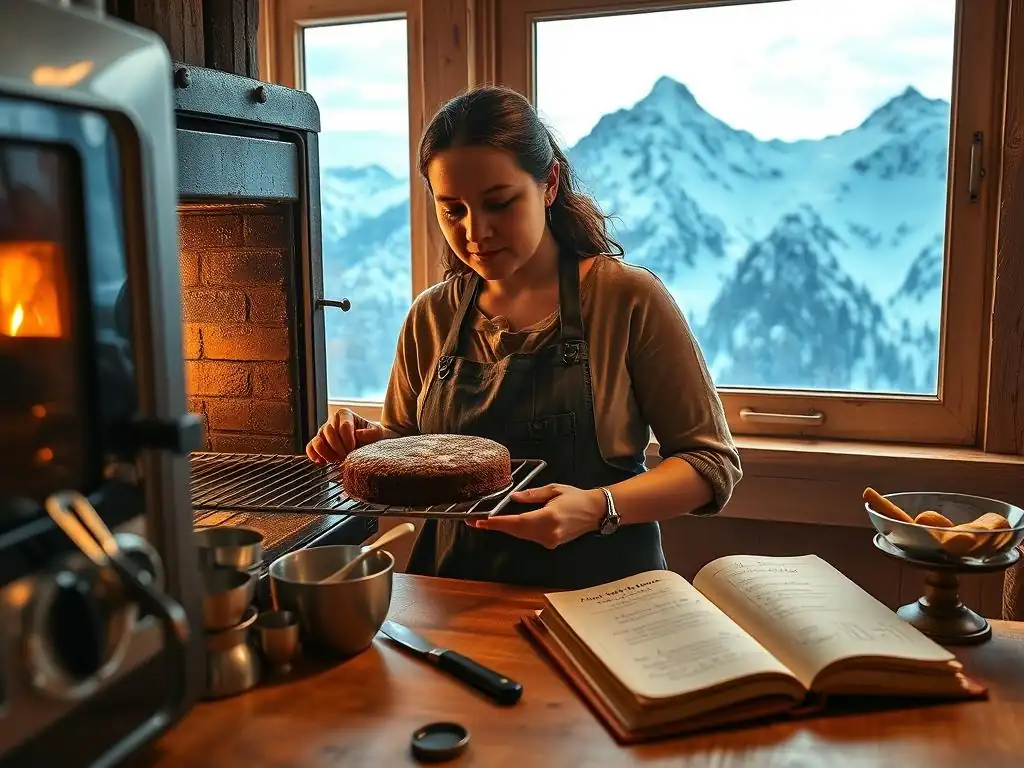
Welcome to BakeWithEase, your trusted guide to baking bliss! Ever wondered why your cakes fall flat at higher altitudes? Unlocking the secrets to successful high altitude baking tips is easier than you think. Discover how simple adjustments can transform your baking results, ensuring fluffy, perfectly risen creations every time. Keep reading to learn when to reduce leavening and conquer the challenges of baking in the mountains!
- High Altitude Baking: Adjusting Leavening for Optimal Results
- Understanding Altitude's Impact on Baking
- Identifying Over-Leavening in High Altitude
- Leavening Agents: A Concise Overview
- Leavening Adjustments by Baked Good Type
- Determining the Correct Leavening Reduction
- Practical Techniques for Leavening Reduction
- Complementary High Altitude Baking Adjustments
- Troubleshooting High Altitude Baking Issues
- Expert High Altitude Baking Tips
- Achieving Baking Success at High Altitude
-
Frequently Asked Questions
- What is high altitude baking and why does it require adjustments?
- What is the primary reason for reducing leavening agents at high altitudes?
- How much should I typically reduce leavening agents when baking at high altitudes?
- Besides reducing leavening, what other common adjustments are recommended for high altitude baking?
- Where can I find reliable resources and recipes specifically designed for high altitude baking?
- Final Reflection: The Sweet Science of High-Altitude Baking
- Unlock Your High-Altitude Baking Secrets!
High Altitude Baking: Adjusting Leavening for Optimal Results
Understanding Altitude's Impact on Baking
The Science of Altitude and Baking
Baking at high altitude presents unique challenges compared to sea level due to significant differences in atmospheric pressure. As elevation increases, the air pressure decreases. This lower pressure has a direct effect on how ingredients behave during the baking process. For instance, water boils at a lower temperature at high altitude – around 200°F (93°C) at 5,000 feet compared to 212°F (100°C) at sea level. This means moisture evaporates faster from your dough or batter.
Furthermore, with less pressure pushing down, gases within your baked goods expand more readily and quickly. This rapid expansion, combined with faster moisture loss and a lower boiling point, can lead to structural issues if recipes designed for lower elevations aren't adjusted. Mastering these high altitude baking tips involves understanding these fundamental scientific principles to anticipate how your ingredients will react.
How Altitude Affects Leavening Agents
Leavening agents like baking powder, baking soda, and yeast produce gases (primarily carbon dioxide) that create the rise and airy texture in baked goods. At high altitude, the lower atmospheric pressure offers less resistance to these gases. Consequently, the gases expand much faster and to a greater extent than they would at sea level.
While some extra lift might sound appealing, excessive and rapid expansion can actually weaken the structure of your baked goods before the proteins (like gluten or egg proteins) have a chance to set. This often results in over-expansion followed by collapse, creating undesirable textures like large tunnels or a sunken center. Effective high altitude baking tips often start with controlling this enthusiastic expansion by adjusting the amount of leavening used.
Identifying Over-Leavening in High Altitude
Problems Caused by Excessive Leavening: Collapse and Overflow
When too much leavening is used in high altitude baking, the most common and frustrating outcomes are collapse and overflow. As the batter or dough heats up, the leavening agents produce gas bubbles that expand rapidly under the lower pressure. This can cause the mixture to rise dramatically and potentially spill over the sides of the pan before the internal structure is strong enough to support the height.
Even if it doesn't overflow, the rapid, excessive rise stretches the developing structure (gluten network in bread, protein in cakes) too thin. As the baked good cools, or even during baking, this weakened structure gives way, leading to a significant collapse. A cake might sink dramatically in the center, or bread might flatten after coming out of the oven. These are classic signs that the leavening was not properly adjusted for the altitude.
Recognizing Over-Leavened Baked Goods: Key Indicators
Beyond outright collapse, there are several tell-tale signs that your baked goods have been over-leavened at high altitude. One common indicator is a crumb with large, irregular holes, often concentrated in tunnels, particularly in cakes or muffins. This tunneling effect happens because the gas pockets expanded too quickly and unevenly.
Other signs include a dry, crumbly texture, as the rapid expansion and faster moisture evaporation contribute to dryness. The top might be peaked and cracked instead of evenly domed. In some cases, especially with excessive baking soda or powder, you might even detect a slightly bitter or soapy aftertaste. Recognizing these indicators is crucial for refining your high altitude baking tips and knowing when to reduce leavening in future attempts.
Leavening Agents: A Concise Overview
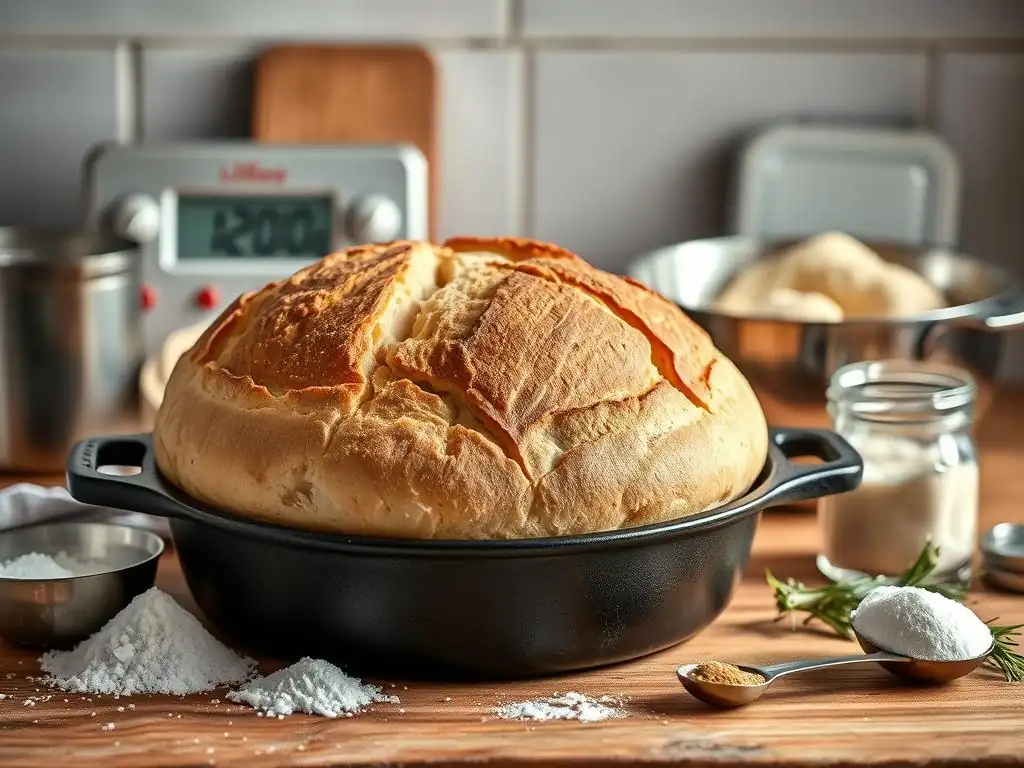
Baking Powder: Types and Reactions
Baking powder is a complete leavening system containing a dry acid, a base (baking soda), and a starch filler. Most baking powder available today is "double-acting," meaning it produces gas in two stages. The first reaction occurs when the powder gets wet, typically when added to the batter or dough. This creates an initial lift.
The second, more significant reaction happens when the mixture is heated in the oven. This double action provides a sustained lift throughout the baking process. Because it doesn't rely on acidic ingredients in the recipe, baking powder is often used in recipes with neutral pH, like butter cakes or biscuits. Understanding its two-stage reaction is helpful when deciding how to adjust it for high altitude baking tips.
Baking Soda: Role and Activation
Baking soda, or sodium bicarbonate, is a single leavening agent that requires an acid to activate. When baking soda is combined with a liquid and an acidic ingredient (such as buttermilk, yogurt, brown sugar, molasses, honey, citrus juice, or vinegar), it produces carbon dioxide gas. This reaction is immediate and vigorous.
Because the reaction happens quickly and only once, baking soda is often used in recipes that also contain acidic components and benefit from a rapid initial rise. Recipes using baking soda often also include baking powder to provide additional lift during heating. Baking soda is about three to four times stronger than baking powder, so small adjustments make a big difference when applying high altitude baking tips.
Yeast: High Altitude Considerations
Yeast is a living microorganism that produces carbon dioxide and alcohol through fermentation, using sugars as food. This process takes time, typically involving one or more proofing periods where the dough is allowed to rise. At high altitude, the lower atmospheric pressure affects yeast activity in a couple of ways.
First, the reduced pressure means the CO2 produced by the yeast expands more easily, leading to faster rising dough. Second, the faster evaporation at altitude can dry out the surface of the dough, hindering proper rise. While yeast itself isn't necessarily more active, the environment encourages faster expansion of the gas it produces. Therefore, key high altitude baking tips for yeast dough involve managing proofing time – often significantly shorter than at sea level – to prevent over-proofing and subsequent collapse or poor texture.
Leavening Adjustments by Baked Good Type
Cakes: High Altitude Leavening Modifications
Cakes are arguably the most sensitive baked goods to altitude changes, particularly regarding leavening. Excessive leavening is a primary cause of sunken cakes, coarse crumb, and tunneling at high altitude. The structure of a cake is relatively delicate, and it struggles to support the rapid, excessive expansion of gas bubbles that occurs under lower pressure.
For cakes baked above 3,000 feet, a common high altitude baking tip is to reduce the baking powder and/or baking soda called for in the recipe. A typical starting point is to reduce each teaspoon of baking powder by 1/8 to 1/4 teaspoon, or the total amount by 10-25%. For baking soda, which is stronger, the reduction might be even smaller, perhaps 1/16 to 1/8 teaspoon per teaspoon. This adjustment helps control the rise, allowing the cake's structure to set properly without over-expanding and collapsing.
Cookies are generally less affected by high altitude than cakes or quick breads, but adjustments can still improve results, especially in recipes that rely heavily on chemical leaveners for spread and lift. At high altitude, cookies might spread too much or become excessively flat and crumbly due to the rapid leavening action and faster evaporation.
If you notice your cookies consistently spreading too thinly or having a poor texture at altitude, reducing the baking powder or baking soda slightly is a useful high altitude baking tip. A small reduction, perhaps 5-10% of the total leavening, can help control spread and maintain a better shape and texture. Experimentation is key here, as the impact varies greatly depending on the specific cookie recipe, particularly its ratio of flour, fat, and sugar.
Bread: Managing Yeast and Leavening at High Altitude
For yeast breads, the primary leavening adjustment at high altitude isn't always a reduction in the amount of yeast, but rather careful management of the proofing time. As mentioned, the lower pressure causes the CO2 produced by the yeast to expand faster. This means dough will reach its optimal risen state sooner than it would at sea level.
Over-proofing is a common issue in high altitude baking of bread. If dough proofs too long, the gluten structure becomes over-stretched and weak, leading to poor oven spring and potentially a dense or collapsed loaf. A key high altitude baking tip for bread is to watch the dough itself – how much it has risen – rather than strictly following the clock. Proofing times may need to be reduced by 1/4 to 1/2. Some bakers also slightly reduce the yeast amount (e.g., by 10-15%) for very long fermentation recipes to further control the rise.
Muffins and Quick Breads: Leavening Strategies for Altitude
Muffins and quick breads, like cakes, rely heavily on chemical leavening and are quite susceptible to altitude issues. Over-leavening at high altitude can lead to dramatically peaked tops that crack, large tunnels inside, or a dry, crumbly texture. The rapid expansion of gases occurs before the batter can set, causing uneven rise and structural weakness.
Applying high altitude baking tips for muffins and quick breads often involves reducing both baking powder and baking soda, similar to cake adjustments. Reducing the total leavening by 10-20% is a common starting point for recipes baked above 3,000-4,000 feet. This helps control the rise, resulting in a more even crumb and a better overall texture, preventing the classic "volcano" tops and tunneling often seen when baking these items unadjusted at altitude.
Determining the Correct Leavening Reduction
General Leavening Reduction Guidelines: Percentage-Based Approach
Determining the exact reduction needed for leavening at high altitude is often a process of estimation and refinement, as it varies depending on the specific altitude and recipe. However, general guidelines provide a useful starting point for applying high altitude baking tips. For altitudes between 3,000 and 5,000 feet, a reduction of 10% to 15% of the leavening agents (baking powder/soda) is often recommended.
For altitudes above 5,000 feet, the reduction typically needs to be more significant, often ranging from 15% to 25% or even slightly more for very sensitive recipes like light cakes. For example, if a recipe calls for 2 teaspoons of baking powder at sea level, you might try reducing it to about 1 ¾ teaspoons at 4,000 feet (a 12.5% reduction) or down to 1 ½ teaspoons at 6,000 feet (a 25% reduction). These are starting points, and results may vary.
Factors Influencing Reduction: Altitude, Recipe, and Ingredients
The precise amount of leavening reduction required is not a one-size-fits-all rule; it's influenced by several factors. The exact altitude you are baking at is paramount – baking at 5,000 feet requires different adjustments than baking at 8,000 feet. Higher altitudes necessitate greater reductions in leavening, faster cooking times, and more liquid.
The specific recipe also plays a significant role. Recipes with higher amounts of leavening, sugar, or fat (which weaken structure) will be more sensitive to altitude and may require greater adjustments. Conversely, denser recipes or those with more structure-building ingredients (like flour and eggs) might require less drastic changes. The type of leavener used (baking powder vs. soda vs. yeast) and the presence of acidic ingredients also affect the reaction and thus the necessary adjustment, making these considerations crucial elements of effective high altitude baking tips.
Practical Techniques for Leavening Reduction
Accurate Measurement of Leavening Agents
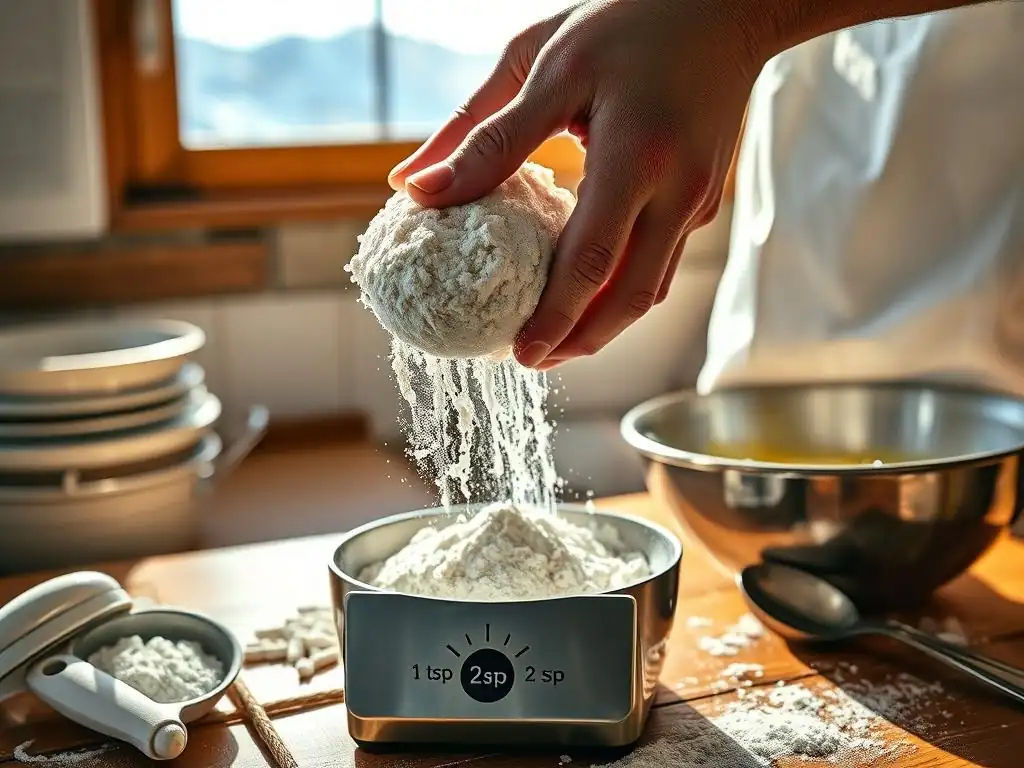
Precision is key when adjusting small amounts of potent ingredients like baking powder and baking soda. When reducing leavening for high altitude baking, it's crucial to measure accurately. Use standard measuring spoons and level off the top with a straight edge, like the back of a knife. Avoid scooping directly from the container, as this can compact the powder and lead to over-measurement.
For very small adjustments, such as reducing by 1/8 or 1/16 of a teaspoon, using a set of miniature measuring spoons can be incredibly helpful. These are readily available and designed for these precise amounts. Consistent, accurate measurement ensures that the adjustments you make based on high altitude baking tips are reliable and that you can replicate successful results.
Recipe Experimentation and Refinement
High altitude baking is often an exercise in trial and error. Even with general guidelines, every recipe behaves slightly differently at altitude. The most effective way to master high altitude baking tips is through experimentation and careful refinement. Start with a recommended adjustment based on your altitude and the type of baked good.
Bake the recipe, carefully observing the results: how it rises, its final shape, crumb texture, and taste. Take detailed notes on the adjustments you made and the outcome. If the result isn't perfect (e.g., still sinks slightly, or is too dense), adjust the leavening (and potentially other factors like liquid or temperature) for the next attempt. This iterative process allows you to fine-tune recipes for your specific altitude and oven.
Maintaining Accurate Oven Temperature
While not a direct leavening adjustment, ensuring your oven temperature is accurate is a critical high altitude baking tip that significantly impacts how leavening agents perform. Ovens can vary by as much as 25-50 degrees F from the dial setting. At high altitude, where faster evaporation and rapid leavening expansion are factors, baking at the correct temperature is essential to set the structure of the baked good efficiently before it collapses.
Using an inexpensive oven thermometer is highly recommended. Place it in the center of your oven to get an accurate reading. If your oven runs hot or cold, adjust the dial accordingly. Baking at the proper temperature helps the crust set and the interior cook through at the rate the adjusted leavening is designed for, preventing issues like sinking or excessive tunneling.
Complementary High Altitude Baking Adjustments
Liquid Adjustments: Hydration at Altitude
Faster evaporation is a significant challenge in high altitude baking. This means that doughs and batters can dry out more quickly than they would at sea level, potentially leading to a dry or crumbly final product. To counteract this, increasing the liquid content is a common and effective high altitude baking tip.
The amount of extra liquid needed varies, but a typical starting point is to add 1 to 2 tablespoons of liquid (milk, water, etc., depending on the recipe) per cup of liquid called for in the original recipe, or per cup of flour. This extra moisture helps keep the batter or dough adequately hydrated throughout the baking process, resulting in a moister crumb and preventing dryness and toughness that can arise from rapid water loss.
Sugar Modification: Balancing Sweetness and Structure
Sugar plays multiple roles in baking: providing sweetness, contributing to browning, tenderizing the crumb, and retaining moisture. However, sugar also weakens the structure of baked goods. At high altitude, where structural integrity is already challenged by rapid leavening expansion, excess sugar can exacerbate issues like sinking or excessive spread.
Reducing the sugar slightly is another useful high altitude baking tip, particularly for cakes and muffins. A reduction of 1 to 3 tablespoons per cup of sugar in the original recipe is often recommended. This helps build a stronger structure that can better support the rise. Be mindful that reducing sugar will affect sweetness and moisture retention, so balance is key. Some bakers compensate for reduced sugar moisture by adding a bit more liquid.
Baking Time and Temperature Adjustments
Because water boils at a lower temperature and evaporation is faster at high altitude, baked goods cook differently. To help the structure set more quickly before the rapid leavening causes collapse, it's often recommended to increase the oven temperature slightly. Raising the temperature by 15 to 25 degrees F is a common high altitude baking tip.
While increasing the temperature, the baking time might need to be slightly decreased because the item cooks faster overall. However, this isn't always the case, and sometimes the time remains similar. It's crucial to start checking for doneness earlier than the recipe suggests when baking at high altitude. Look for visual cues like browning and test for doneness using methods like inserting a toothpick or checking internal temperature with a thermometer.
Troubleshooting High Altitude Baking Issues
Sinking Cakes: Causes and Solutions
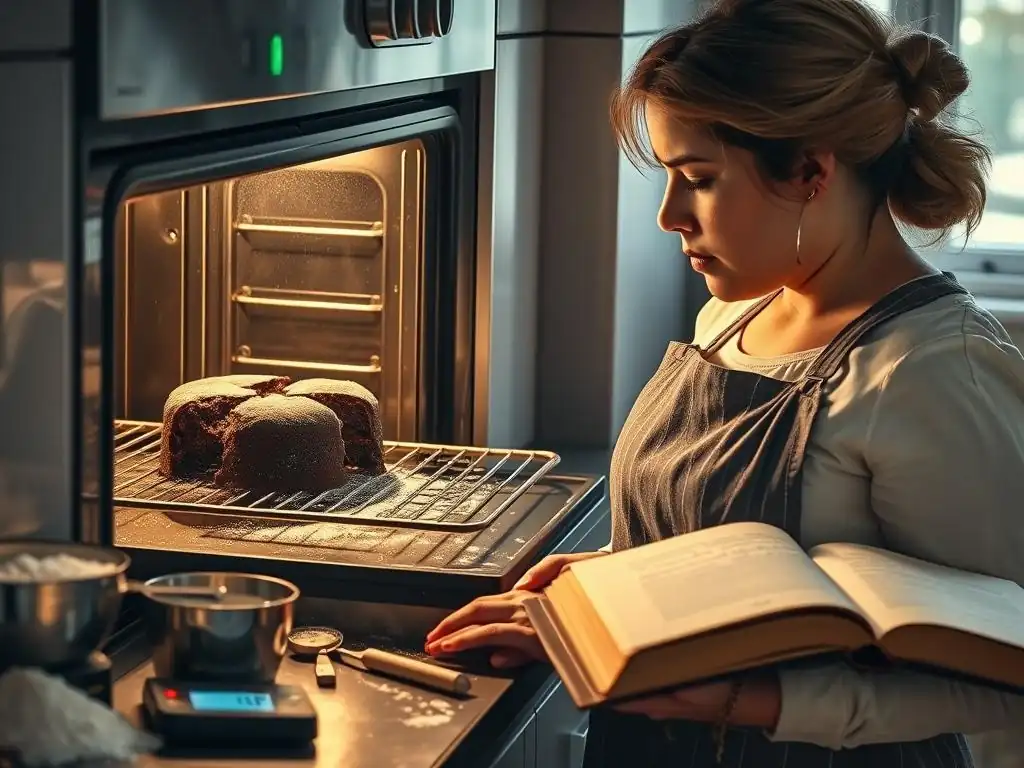
A sunken cake is one of the most disheartening results of high altitude baking without adjustments. The primary cause is usually excessive leavening combined with a structure that isn't strong enough to support the rapid, overblown rise. Other contributing factors can include too much sugar or fat, or opening the oven door too early while the cake is still setting.
To fix sinking cakes, apply high altitude baking tips by reducing your leavening (both baking powder and soda) according to altitude guidelines, typically by 15-25% above 5,000 feet. Also, consider slightly reducing sugar (1-2 tablespoons per cup) and potentially increasing liquid (1-2 tablespoons per cup). Increasing the oven temperature by 15-25 degrees F can help the structure set faster. Finally, resist the urge to open the oven door until the cake is mostly set.
Dryness and Crumbliness: Addressing Moisture Loss at Altitude
The lower boiling point of water and faster evaporation at high altitude often lead to baked goods that are drier and more crumbly than intended. Moisture escapes from the batter or dough more rapidly during baking, resulting in a less tender crumb. This is a common issue when recipes aren't adjusted for altitude.
To combat dryness, the most effective high altitude baking tip is to increase the liquid in the recipe. Adding 1-2 tablespoons of liquid per cup of flour or per cup of liquid in the original recipe is a good starting point. You might also slightly reduce the baking time to prevent over-drying, or increase the oven temperature slightly to set the structure faster and potentially trap more moisture inside. Ensuring ingredients are at room temperature can also help with proper emulsification and moisture distribution.
Tough Textures: Managing Gluten Development
Toughness in baked goods at high altitude can stem from a couple of related issues. Faster evaporation means there's less moisture available to hydrate the flour and tenderize the crumb. If you then overmix the batter or dough, particularly with higher protein flours, you can easily overdevelop the gluten network, leading to a tough, chewy texture.
High altitude baking tips to avoid toughness include mixing batters and doughs minimally – just until the ingredients are combined and no dry streaks remain. Avoid overworking the gluten. Increasing the liquid content, as suggested for dryness, also helps by providing more moisture for hydration and a more tender result. For some recipes, using a lower-protein flour (like cake flour instead of all-purpose) or a blend can also help manage gluten development.
Expert High Altitude Baking Tips
Use a Thermometer to Check Internal Doneness
Relying solely on visual cues like browning or the toothpick test can sometimes be misleading in high altitude baking, especially with cakes and quick breads. Because the outside might brown faster due to increased temperature, the inside might still be undercooked. Conversely, waiting too long can lead to excessive dryness.
A professional high altitude baking tip is to use an instant-read thermometer to check the internal temperature for doneness. For most cakes and quick breads, a temperature between 200°F and 210°F (93°C-99°C) in the center indicates it is fully baked. For bread, the internal temperature should typically reach 190°F to 210°F (88°C-99°C), depending on the type of bread. This provides a reliable indicator regardless of altitude effects on appearance.
Proof Yeast Properly at High Altitude
As discussed, yeast dough proofs faster at high altitude due to lower pressure. A crucial high altitude baking tip for bread bakers is to pay close attention to the dough's appearance and feel rather than strictly following the time specified in a sea-level recipe. Over-proofing is a common cause of poor bread structure at altitude.
Dough is typically ready for baking when it has just about doubled in size and passes the "poke test" – when gently pressed with a finger, the indentation springs back slowly, but not completely. If it springs back immediately, it needs more time; if it collapses, it's likely over-proofed. Adjust your proofing times accordingly, which might mean reducing them by 25% to 50% compared to sea level.
Consider Using High-Altitude Flour
While not strictly necessary for all high altitude baking, some experienced bakers find success using flours specifically milled or blended for high altitudes. These flours may have slightly different protein contents or characteristics that are intended to perform better under lower pressure and faster evaporation conditions.
While standard all-purpose flour works well with appropriate recipe adjustments, experimenting with a dedicated high-altitude flour could be another useful high altitude baking tip, especially if you frequently bake complex recipes like artisan bread or delicate pastries. Check local grocery stores in high-altitude regions or specialty baking suppliers for these options.
Achieving Baking Success at High Altitude
Developing Intuition for Altitude-Specific Adjustments
Mastering high altitude baking tips and adjustments takes practice and observation. While guidelines provide a starting point, developing an intuition for how your specific oven and altitude affect different types of recipes is key to consistent success. Pay close attention to how your batters and doughs behave – how quickly they rise, how they look during baking, and the final result.
Keep a baking journal to record the original recipe, your altitude adjustments, the baking time and temperature used, and the outcome. Note any issues like sinking, dryness, or tunneling. Over time, you'll start to anticipate what adjustments are needed for different recipes, moving from following strict rules to making educated guesses based on experience.
Resources for High Altitude Baking Information
Fortunately, you don't have to reinvent the wheel when it comes to high altitude baking. Many resources are available to help bakers navigate these challenges. Look for cookbooks specifically written for high-altitude conditions, as these recipes are already formulated with the necessary adjustments for leavening, liquid, sugar, and temperature.
Numerous websites and online forums dedicated to high altitude baking tips also offer valuable advice, conversion charts, and troubleshooting guides. Connecting with other bakers in your area can also be beneficial, as they face the same environmental conditions and can share their experiences and successful recipe modifications. Utilizing these resources can significantly shorten the learning curve.
Frequently Asked Questions
What is high altitude baking and why does it require adjustments?
High altitude baking refers to baking at elevations above 3,000 feet. The lower air pressure and drier conditions affect how ingredients react, often leading to baked goods that rise too quickly and then collapse. Adjustments are needed to compensate for these changes.
What is the primary reason for reducing leavening agents at high altitudes?
Reducing leavening agents, like baking powder and baking soda, is crucial because the lower air pressure causes baked goods to rise faster. This can result in an unstable structure and a sunken center as the air escapes prematurely.
How much should I typically reduce leavening agents when baking at high altitudes?
Generally, you should reduce the leavening agent by 1/8 to 1/4 teaspoon per teaspoon called for in the recipe. The exact amount depends on the specific recipe and altitude, so it's best to experiment and adjust accordingly.
Besides reducing leavening, what other common adjustments are recommended for high altitude baking?
Other adjustments include increasing liquid, decreasing sugar, and increasing baking temperature. These changes help to create a more stable and moist final product by balancing the effects of the altitude.
Where can I find reliable resources and recipes specifically designed for high altitude baking?
Websites like BakeWithEase.com (your resource!) often provide high altitude baking guides and adjusted recipes. Searching online for "high altitude baking recipes" will also yield many helpful results and resources.
Final Reflection: The Sweet Science of High-Altitude Baking
Mastering high-altitude baking isn't just about following recipes; it's about understanding the science behind the rise. The subtle shifts in atmospheric pressure drastically alter how leavening agents behave, leading to flat cakes and dense cookies if not properly addressed. This knowledge, once considered a niche skill, is becoming increasingly vital as more people embrace mountain living and home baking.
The impact of altitude on baking extends beyond just the technical adjustments; it speaks to a deeper connection with our environment and the ingenuity required to adapt. It's a testament to human resilience and our ability to overcome challenges through careful observation and experimentation. The best bakers are those who understand the why, not just the how.
This quote resonates deeply, as understanding the scientific principles behind high-altitude baking allows for greater creativity and success in the kitchen, regardless of elevation.
Now, consider your own baking journey. Have you ever struggled with a recipe at altitude? Perhaps this article has provided you with the tools to confidently tackle those challenges. I encourage you to experiment, to adapt, and to embrace the unique opportunities that high-altitude baking presents. Don't be afraid to adjust recipes, to trust your instincts, and to celebrate the delicious results of your efforts. The journey of mastering high-altitude baking is a rewarding one, filled with delicious discoveries and a deeper appreciation for the science of baking.
Unlock Your High-Altitude Baking Secrets!
Thanks for exploring the world of high-altitude baking with us! We hope you now feel more confident tackling those tricky leavening challenges. Ready to put your newfound knowledge into practice?
- Bake your best high-altitude creation yet! Try a recipe you've always wanted to perfect, and let us know how it turns out!
- Share your successes (and even your mishaps!) with fellow bakers in the BakeWithEase community – let’s learn from each other!
- Consider experimenting with different leavening agents to discover what works best in your altitude. You might be surprised by the results!
What high-altitude baking challenge are you tackling next, and what adjustments will you make based on what you've learned today?