
Sugar and Shelf Life: How Sweetness Keeps Your Bakes Fresher Longer

Welcome to BakeWithEase, your trusted guide to baking brilliance! Ever wondered how to keep your delicious creations tasting their best for longer? Dive into our latest article, "Sugar and Shelf Life: How Sweetness Keeps Your Bakes Fresher Longer," where we unlock the secrets to extending cake shelf life using surprisingly simple techniques. Discover the science behind sweetness and freshness, and say goodbye to stale cakes forever! Intrigued? Let's get baking (and preserving)!
- Introduction: The Unexpected Role of Sugar in Extending Cake Shelf Life
- Understanding Sugar's Properties: Why It Extends Shelf Life
- How Sugar Content Affects Cake Shelf Life: A Deep Dive
- Different Types of Sugar and Their Impact on Cake Freshness
- Baking Techniques to Maximize Shelf Life with Sugar
- Beyond Sugar: Other Factors Influencing Cake Shelf Life
- Recipes for Cakes with Extended Shelf Life
- Troubleshooting: Common Issues Affecting Cake Shelf Life
- Conclusion: Mastering the Sweet Art of Extending Cake Shelf Life
-
Frequently Asked Questions
- How does sugar content affect a cake's shelf life?
- Besides sugar, what other ingredients contribute to a longer cake shelf life?
- What's the best way to store a cake to maximize its freshness?
- Can freezing a cake extend its shelf life significantly?
- How can I tell if a cake has gone bad, even if it looks okay?
- Final Reflection: The Enduring Sweetness of Preservation
- Unlock the Secrets to Longer-Lasting Baked Goods!
Introduction: The Unexpected Role of Sugar in Extending Cake Shelf Life
Baking a beautiful cake is a rewarding experience, but keeping it fresh and delicious for more than a day or two can be a challenge. While many factors influence how long a cake stays moist and enjoyable, one of the most significant, and perhaps surprising, is sugar. Beyond providing sweetness and contributing to structure and color, sugar plays a crucial role in preserving your baked goods, directly impacting how to extend cake shelf life. Understanding this function can transform your baking results, helping you create cakes that remain delightful for longer.
This article delves into the fascinating relationship between sugar and cake longevity. We'll explore the scientific principles behind sugar's preservative effects, look at how different types and amounts of sugar influence freshness, and discuss baking techniques that leverage sugar's properties. By the end, you'll have a clearer picture of why sugar is a baker's ally not just for taste, but also for keeping those sweet creations fresher, longer. Mastering how to extend cake shelf life involves understanding these sugary secrets.
The Science of Sweetness: Exploring Sugar's Preservative Powers in Baking
Sugar acts as a preservative in baking through a combination of mechanisms. One primary way is by reducing water activity (Aw), a measure of the available water in food that microorganisms need to grow. When sugar is dissolved in the water present in the cake batter, it binds to the water molecules, making them less accessible to bacteria, yeasts, and molds.
This significantly slows down or prevents the microbial spoilage that causes food to go bad, thereby extending the cake's edible life. Think of it like tying up the water molecules so the tiny organisms can't use them to thrive.
Furthermore, sugar is hygroscopic, meaning it naturally attracts and holds onto moisture from its surroundings. In a baked cake, this property helps the cake retain its internal moisture, combating dryness and staling. Staling is a process where the starch molecules in the cake recrystallize, pushing out moisture and making the cake crumb hard and dry.
Sugar interferes with this process to some extent, helping the cake stay softer and more palatable over time. While sugar doesn't completely stop staling, its ability to hold onto water is a key factor in maintaining a moist texture, which is essential how to extend cake shelf life.
Understanding Sugar's Properties: Why It Extends Shelf Life
Hygroscopic Nature of Sugar: How It Binds Water
The hygroscopic nature of sugar is a cornerstone of its preservative ability in baked goods. Sugar molecules have a strong affinity for water molecules, readily attracting and binding to them. When sugar is incorporated into a cake batter and subsequently baked, the sugar crystals dissolve in the liquid components. As the cake cools, the dissolved sugar remains dispersed within the crumb structure, continuously drawing moisture from the air or from within the cake itself. This action helps to keep the cake moist, counteracting the natural tendency for moisture to evaporate over time.
This moisture-binding capacity is particularly evident in recipes with high sugar ratios. Consider a rich pound cake; its high sugar content contributes significantly to its dense, moist crumb that often improves in texture a day or two after baking as the moisture distributes. This hygroscopic effect directly helps in how to extend cake shelf life by maintaining a desirable texture and preventing premature drying, which is a common cause of cakes being discarded.
Sugar's Impact on Water Activity in Baked Goods
Water activity (Aw) is a critical factor in determining the shelf life of food. It's not the total amount of water that matters, but the amount of available water that microorganisms can use. Pure water has an Aw of 1.0. Most bacteria need an Aw above 0.91 to grow, yeasts above 0.88, and molds above 0.80. Baked goods typically have an Aw ranging from 0.90 to 0.98 when fresh, making them susceptible to spoilage. By dissolving in the water, sugar lowers the Aw.
For example, a cake with a high sugar content might have an Aw closer to 0.85 or even lower, depending on the recipe and moisture level. At this lower Aw, the growth of many common spoilage bacteria and yeasts is inhibited. While some molds can still grow at Aw levels around 0.80, a sufficiently high sugar concentration significantly reduces the likelihood of microbial spoilage compared to a low-sugar equivalent. This manipulation of water activity is a fundamental principle behind how to extend cake shelf life using sugar.
How Sugar Content Affects Cake Shelf Life: A Deep Dive
High Sugar Content and Preservative Effects on Cakes
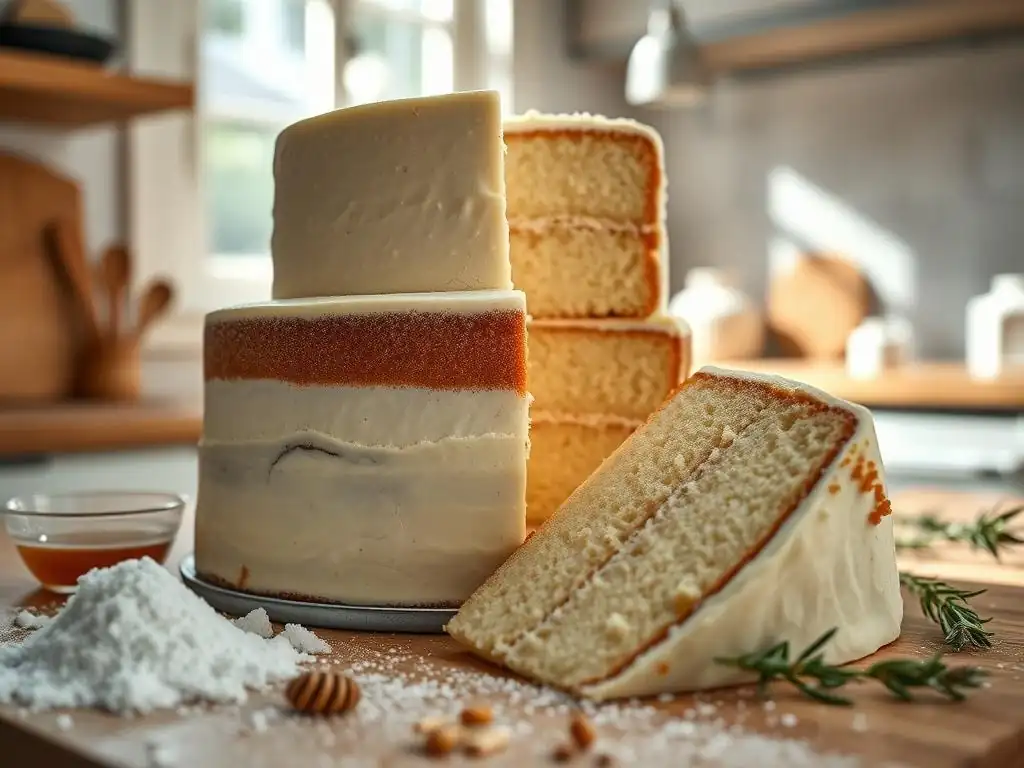
Cakes with a high proportion of sugar relative to other ingredients tend to have a naturally longer shelf life. This is a direct consequence of sugar's hygroscopic and water activity-lowering properties. Recipes like traditional fruitcakes, gingerbread, or even some types of pound cake are often loaded with sugar, sometimes with a sugar-to-flour ratio approaching or exceeding 1:1. This high sugar concentration creates an environment less favorable for microbial growth and helps the cake retain moisture for extended periods, sometimes weeks or even months in the case of well-wrapped fruitcake.
The dense, moist texture often associated with high-sugar cakes is a visual indicator of this effect. The sugar keeps the crumb soft and palatable long after a lower-sugar cake would have become dry and stale. Understanding this relationship is key how to extend cake shelf life through recipe formulation. While modern preferences often lean towards less sweet baked goods, reducing sugar significantly will inevitably shorten the cake's natural lifespan unless other preservation methods are employed.
Low Sugar Cakes: Why They Spoil Faster
Conversely, cakes made with significantly less sugar are much more prone to spoilage and drying. Without the high concentration of sugar to bind water and lower water activity, there is more free water available for microorganisms to utilize. This means mold and bacterial growth can occur more rapidly, especially if the cake is stored at room temperature. A low-sugar cake might show signs of spoilage, such as mold, within just a couple of days, whereas a high-sugar cake stored identically could last much longer.
Furthermore, low-sugar cakes often dry out faster because there isn't enough sugar present to exert a significant hygroscopic effect. The starch retrogradation process proceeds more readily, leading to a crumb that becomes hard and crumbly relatively quickly. Bakers aiming for reduced-sugar options must therefore rely more heavily on other methods how to extend cake shelf life, such as refrigeration, freezing, or incorporating ingredients with similar moisture-retaining properties (like certain fats or sugar alcohols, though these have different effects).
Different Types of Sugar and Their Impact on Cake Freshness
Granulated Sugar vs. Brown Sugar: Shelf Life Considerations
While all sugars are hygroscopic, they differ slightly in their composition and effect. Granulated sugar, which is highly refined sucrose, is effective at binding water and lowering water activity. Brown sugar, which is granulated sugar with added molasses, is even more hygroscopic than white granulated sugar due to the presence of molasses. Molasses is a syrup with a higher moisture content and a complex mix of sugars and other compounds that enhance its ability to attract and retain water.
Using brown sugar in a cake recipe can therefore contribute to a moister, softer texture that lasts slightly longer compared to using only granulated sugar. This is why many moist cakes, like gingerbread or spice cakes, often feature brown sugar. The molasses not only adds flavor and color but also helps to keep the cake from drying out as quickly, contributing to how to extend cake shelf life.
Honey vs. Corn Syrup: Effects on Cake Preservation
Liquid sweeteners like honey and corn syrup are even more effective at retaining moisture and extending shelf life than granulated sugars. This is partly because they are already in a liquid state and contain a mix of different sugars (like fructose and glucose in honey, or glucose and other saccharides in corn syrup) which can have varying degrees of hygroscopicity. Fructose, in particular, is known for being highly hygroscopic, and honey contains a significant amount of it (often around 40% fructose).
Incorporating honey or corn syrup into a cake recipe, especially in combination with granulated sugar, can result in a cake that stays moist and fresh for considerably longer. Think of sticky toffee pudding or certain types of fruitcakes that use syrups. The high moisture retention provided by these liquid sugars is a powerful tool in how to extend cake shelf life, preventing the cake from becoming dry and stale prematurely.
Baking Techniques to Maximize Shelf Life with Sugar
Sugar Syrup and Cake Moistness: A Shelf Life Booster
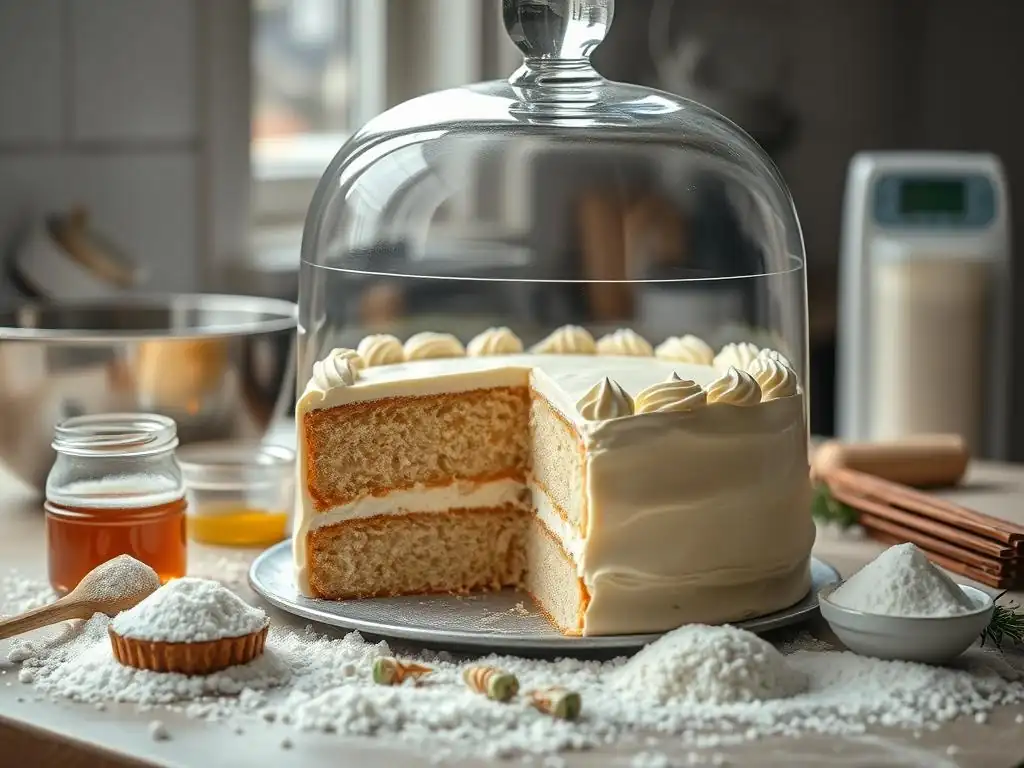
One classic technique to boost cake moisture and extend its shelf life is brushing or drizzling the cooled cake layers with a simple sugar syrup. A basic syrup is made by dissolving equal parts sugar and water (1:1 ratio) and heating gently until the sugar is fully dissolved. Flavorings like vanilla, liquor, or citrus zest can be added. Once the cake is baked and cooled, the syrup is applied using a brush or by poking holes and pouring it over.
The sugar in the syrup penetrates the cake crumb, adding moisture directly and leveraging sugar's hygroscopic nature to help the cake retain that moisture. This is particularly effective for sponge cakes or cakes that might otherwise dry out quickly. This simple step is a highly effective method how to extend cake shelf life, keeping the cake tender and flavorful for several extra days.
Creaming Sugar and Butter: Impact on Cake Texture and Longevity
The creaming method, where sugar and butter are beaten together until light and fluffy, is fundamental to many cake recipes. While its primary purpose is to incorporate air and create a tender crumb structure, it also indirectly influences shelf life. The tiny air pockets created during creaming help to evenly distribute the sugar throughout the batter. A well-distributed sugar network means the hygroscopic effect is spread throughout the cake, contributing more uniformly to moisture retention.
A properly creamed cake also tends to have a finer, more tender crumb. While creaming itself doesn't prevent staling, the initial texture and moisture level achieved through this technique, combined with the sugar's properties, contribute to a cake that feels fresher for longer. Ensuring your creaming is done correctly is part of the overall strategy how to extend cake shelf life by building a stable structure that supports the sugar's moisture-retaining function.
Beyond Sugar: Other Factors Influencing Cake Shelf Life
Proper Storage Techniques for Cakes: Keeping Sweetness Fresh
Even with optimal sugar content and baking techniques, how a cake is stored is paramount how to extend cake shelf life. Exposure to air is a major culprit for drying out and staling. Cakes should be stored in airtight containers at room temperature if they are to be consumed within 2-3 days. For longer storage, refrigeration or freezing is necessary. Refrigeration slows down microbial growth and staling but can sometimes slightly alter texture; wrapping the cake well is crucial. Freezing halts both microbial activity and staling almost entirely, preserving the cake for months.
A cake with high sugar content will benefit even more from proper storage. The sugar helps maintain internal moisture, and an airtight container prevents external moisture loss. For instance, a fruitcake with high sugar and dried fruit content, when wrapped tightly in plastic wrap and then foil, can be stored in a cool pantry for weeks or even months, its high sugar content acting as a primary preservative alongside the tight seal.
Ingredient Quality: Choosing the Best for Long-Lasting Bakes
The quality and freshness of your ingredients also play a significant role in how to extend cake shelf life. Using fresh eggs, high-quality flour, and fresh butter or oil can impact the cake's structure, moisture, and susceptibility to spoilage. Stale ingredients can introduce off-flavors or even mold spores from the start. For example, using rancid oil will not only negatively affect taste but can also accelerate the degradation of the cake.
Ensuring that ingredients like leaveners (baking powder/soda) are active is also important, as a cake that doesn't rise properly might have a denser, less stable structure that stales differently. While sugar is a powerful tool for preservation, it works best when combined with the inherent quality and freshness of all components in your recipe.
The Role of Gluten in Cake Structure and Shelf Life
Unlike bread, where gluten development is encouraged for structure and chewiness, cakes typically aim for minimal gluten development. Overmixing cake batter can develop gluten, resulting in a tough texture. The structure of a cake relies more on the protein in eggs, the leavening agents, and the network formed by fat and sugar. While gluten staling (retrogradation) is a primary factor in bread going stale, cake staling involves the retrogradation of starch molecules more broadly, not just gluten.
The relative lack of strong gluten structure in cakes means they can be more delicate and prone to drying out compared to bread. However, the fat and sugar in cakes interfere with starch retrogradation and help maintain softness. Understanding this difference is important for how to extend cake shelf life; while gluten staling is less of a concern, the overall structure and moisture content (heavily influenced by sugar and fat) are key to preventing dryness and crumb degradation.
Recipes for Cakes with Extended Shelf Life
Classic Pound Cake Recipe
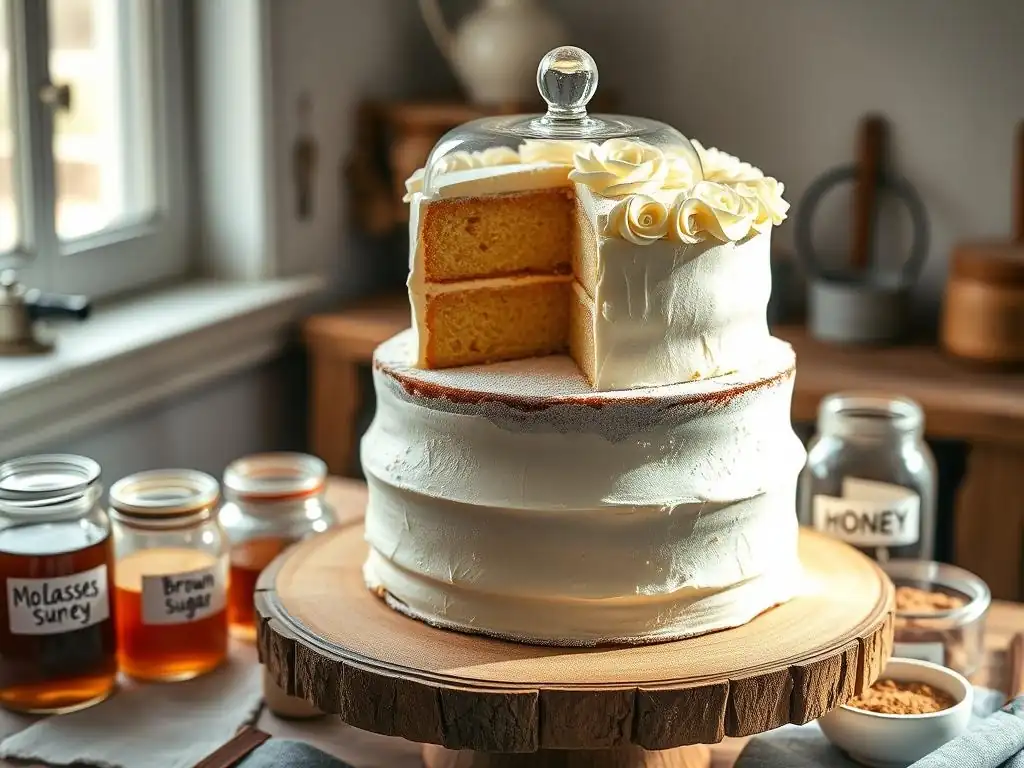
A classic pound cake, traditionally made with a pound each of flour, butter, eggs, and sugar, is an excellent example of a cake with inherent longevity. Its high fat and sugar content contribute significantly to its dense, moist crumb and ability to stay fresh for several days at room temperature when stored correctly. The high ratio of sugar (often equal to or greater than the flour by weight) actively binds moisture, while the high fat content shortens gluten strands and interferes with starch retrogradation, further contributing to a tender texture that resists drying.
This type of cake demonstrates how to extend cake shelf life through a rich formulation. While simple in ingredients, the proportions create a stable structure and high water-binding capacity, making it a reliable choice when you need a cake that lasts.
Gingerbread Cake Recipe
Gingerbread cake, particularly darker, more traditional versions, also boasts a longer shelf life, largely due to its significant sugar content, often including molasses, and the presence of spices. Molasses is highly hygroscopic, drawing and holding moisture effectively. The high amount of sugar overall lowers water activity. Additionally, spices like ginger, cinnamon, cloves, and nutmeg contain compounds that can have mild antimicrobial properties, further contributing to preservation.
The combination of sugar, molasses, and spices creates a cake that not only develops deeper flavor over time but also resists drying and spoilage better than many other cake types. This makes gingerbread a perfect example of how to extend cake shelf life using a combination of high sugar content and other preservative ingredients.
Troubleshooting: Common Issues Affecting Cake Shelf Life
Mold Growth: Prevention and Identification
Mold growth is a clear sign of spoilage and indicates that the water activity in the cake was high enough to support fungal life. Prevention is key: ensure clean equipment and ingredients, bake the cake thoroughly to kill initial microbes, cool completely before storing, and store in an airtight container. Reducing water activity through adequate sugar content, as discussed, is also a primary preventative measure.
If you see fuzzy spots (green, white, black, or blue) on your cake, it is mold. Unlike hard cheeses or some fruits where mold might be surface-level, mold threads penetrate soft, porous foods like cake. Therefore, if mold is visible, the entire cake should be discarded, as there are likely unseen mold threads and toxins throughout the crumb. This underscores the importance of understanding how to extend cake shelf life safely through proper formulation and storage.
Dryness and Staling: Rehydrating Techniques
Dryness and staling occur when the cake loses moisture and the starch molecules rearrange. While prevention through sugar, fat, and proper storage is best, sometimes a cake might still become slightly dry. You can sometimes revive slightly stale cake slices by gently rehydrating them. One method is to place a slice in a microwave with a small cup of water and heat briefly (15-30 seconds); the steam can help reintroduce moisture.
Another technique is to place a slice in a toaster oven or oven at a low temperature (around 250°F / 120°C) wrapped loosely in foil for a few minutes. This can temporarily reverse some starch retrogradation and soften the crumb. While these methods won't make a very dry cake taste freshly baked, they can improve texture. Ultimately, understanding how to extend cake shelf life from the start by leveraging sugar's properties is the most effective way to combat dryness.
Conclusion: Mastering the Sweet Art of Extending Cake Shelf Life
Mastering the art of baking delicious cakes involves not only perfecting flavor and texture but also ensuring they remain enjoyable for as long as possible. As we've explored, sugar is far more than just a sweetener; it's a powerful ally in preserving your baked creations. Its ability to bind water, lower water activity, and interfere with staling makes it a key ingredient how to extend cake shelf life.
Final Tips for Keeping Your Cakes Fresher Longer
Here are a few final tips to help you leverage sugar and other factors to maximize your cake's freshness:
- Choose recipes with adequate sugar content if longevity is a priority. High-sugar recipes like pound cake or gingerbread naturally last longer.
- Consider incorporating liquid sugars like honey or corn syrup for enhanced moisture retention.
- Don't skip the sugar syrup soak for sponge cakes; it's an easy win for moisture.
- Always cool cakes completely before storing to prevent condensation, which encourages mold.
- Store cakes in truly airtight containers to protect them from drying out and environmental microbes.
- If not eating within 2-3 days, refrigerate or freeze your cakes, ensuring they are well-wrapped.
- Start with fresh, high-quality ingredients for the best foundation for a long-lasting cake.
By understanding and utilizing sugar's unique properties, combined with smart baking techniques and proper storage, you can significantly improve how to extend cake shelf life, ensuring every slice is as delightful as the first. Happy baking!
Frequently Asked Questions
How does sugar content affect a cake's shelf life?
Sugar acts as a humectant, drawing in and retaining moisture, which inhibits the growth of mold and bacteria. This extended moisture helps prevent the cake from drying out and spoiling quickly.
Besides sugar, what other ingredients contribute to a longer cake shelf life?
Ingredients like honey, oil, and certain preservatives can also help extend a cake's shelf life. Proper storage methods, such as airtight containers, also play a crucial role.
What's the best way to store a cake to maximize its freshness?
Storing cakes in airtight containers at room temperature, or sometimes in the refrigerator, is ideal. Avoid direct sunlight and extreme temperatures, which can hasten spoilage.
Can freezing a cake extend its shelf life significantly?
Yes, freezing a cake can dramatically extend its shelf life. Wrap the cake tightly in plastic wrap and then foil to prevent freezer burn. Thaw completely before serving for optimal taste and texture.
How can I tell if a cake has gone bad, even if it looks okay?
Look for signs like mold growth, a sour smell, or a sticky texture. Even if it appears visually fine, if you detect any of these, it's best to discard the cake to avoid potential foodborne illness.
Final Reflection: The Enduring Sweetness of Preservation
The science of sugar's impact on baked goods' shelf life isn't just a culinary curiosity; it's a crucial factor in reducing food waste and maximizing enjoyment. Understanding how sugar's hygroscopic properties inhibit mold growth and maintain texture is more relevant than ever in a world increasingly focused on sustainability and minimizing waste.
The subtle art of baking, with its delicate balance of ingredients and precise techniques, is profoundly impacted by the seemingly simple addition of sugar. Its role extends far beyond sweetness; it's a key player in the preservation process, influencing the very lifespan of our creations. The baker's secret is not just in the recipe, but in the understanding of the ingredients' interactions.
This quote, though not directly about shelf life, speaks to the deeper understanding needed to truly master the craft and appreciate the multifaceted role of sugar.
Now, consider your own baking journey. Think about the times you've been disappointed by a quickly-staling cake or the guilt of discarding perfectly good baked goods. Armed with this knowledge, you can now approach your baking with a new perspective, making informed decisions about sugar content to extend the life of your delicious creations and reduce food waste. Let this understanding empower you to bake with confidence, knowing you're not just creating delectable treats, but also practicing mindful consumption.
Unlock the Secrets to Longer-Lasting Baked Goods!
Thanks for diving into the world of sugar and shelf life with us! You now have the knowledge to keep your delicious creations fresher for longer. Ready to put your new skills to the test?
- Bake a batch of your favorite cookies, experimenting with different sugar types to see which extends their freshness best. Take notes! This will help you refine your baking process.
- Share your baking triumphs (and any tips you discover!) on our BakeWithEase community forum – we'd love to hear from you!
- Try using our handy Sugar and Shelf Life Calculator (coming soon!) to easily determine optimal sugar ratios for your recipes.
What innovative baking techniques will you try to keep your treats tasting their best for even longer?