
Creative Caramel Layer Cakes: Building, Baking & Filling Techniques

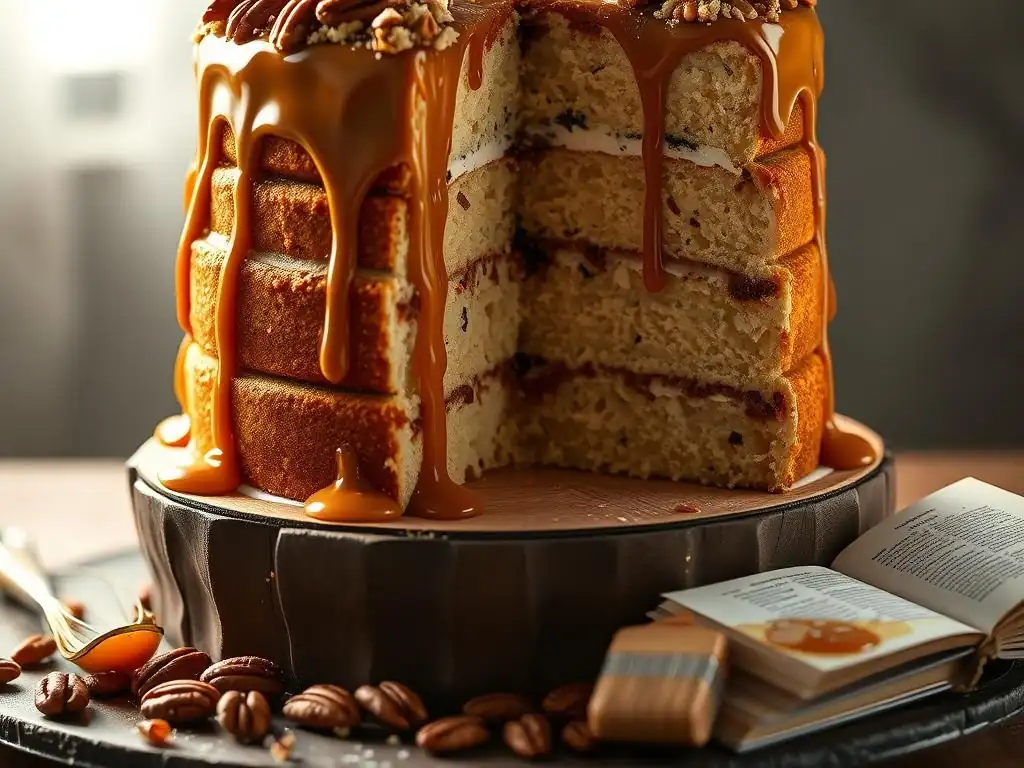
Welcome to BakeWithEase, your trusted guide to baking bliss!
Ever dreamt of creating a show-stopping dessert that's both elegant and unbelievably delicious? Dive into our secrets for mastering creative caramel layer cake recipes and discover the building, baking, and filling techniques that will elevate your baking game. From perfecting the caramel to achieving flawlessly stacked layers, prepare to unravel the mysteries of this delectable treat and leave your guests craving more. Intrigued? Let's get baking!
- Creative Caramel Layer Cakes: Building, Baking & Filling Techniques - BakeWithEase.com
- Introduction to Caramel Layer Cake Recipes: Bake With Ease
- Mastering the Art of Caramel Cake Baking: Essential Techniques
- Building Your Dream Caramel Layer Cake: Step-by-Step Guide
- Caramel Filling Variations for Layer Cakes: Explore Flavor Combinations
- Decorating Your Caramel Layer Cake: Finishing Touches
- Troubleshooting Common Caramel Layer Cake Problems
- Storing Your Caramel Layer Cake: Keeping it Fresh
- Advanced Caramel Layer Cake Recipes and Ideas
- Conclusion: Elevate Your Baking with Caramel Layer Cakes
-
Frequently Asked Questions
- What makes a caramel layer cake different from other cakes?
- What are some common challenges when baking a caramel layer cake?
- What are some creative variations I can explore with caramel layer cakes?
- What are the best techniques for layering and filling a caramel cake to prevent it from being too soggy?
- What ingredients are essential for achieving a rich caramel flavor in my cake?
- Final Reflection: The Enduring Allure of the Caramel Layer Cake
- Unleash Your Inner Pastry Chef: Create Your Dream Caramel Cake!
Creative Caramel Layer Cakes: Building, Baking & Filling Techniques - BakeWithEase.com
Introduction to Caramel Layer Cake Recipes: Bake With Ease
Why Caramel Layer Cakes are a Baking Must-Try
Caramel is a flavor that evokes warmth, comfort, and a touch of indulgence. When transformed into a luscious layer cake, it becomes something truly special. Baking a caramel layer cake is a rewarding experience, offering layers of flavor and texture that delight the senses.
It's not just about the sweet taste; it's the subtle bitterness that develops when sugar is caramelized, the creamy richness of the filling, and the tender crumb of the cake layers themselves. Mastering caramel layer cake recipes allows you to create show-stopping desserts for any occasion, from casual gatherings to celebratory events. The process, while requiring attention to detail, is entirely achievable for home bakers looking to expand their repertoire.
Beyond the delicious outcome, baking a caramel layer cake offers a fantastic opportunity to practice fundamental baking techniques. You'll work with creating a balanced cake batter, achieving even baking, making various types of caramel (from liquid sauce to thicker filling), and assembling multiple layers into a stable, beautiful structure. It’s a project that builds confidence and skill.
Many popular caramel layer cake recipes feature distinct components – a moist cake, a rich caramel filling, and often a complementary frosting like cream cheese or buttercream. Each component requires precise steps, but the cumulative effect is far greater than the sum of its parts, resulting in a dessert that is both visually impressive and incredibly satisfying to eat.
The Appeal of Homemade Caramel Layer Cakes
There's a unique charm to a homemade caramel layer cake that simply can't be replicated by store-bought versions. It starts with the aroma filling your kitchen as the cake bakes and the caramel simmers – a fragrance that promises something delicious is underway. Making a cake from scratch allows you to control the quality of ingredients, ensuring the freshest flavors and best textures.
You can adjust the sweetness level of the caramel, choose the type of salt for a salted caramel variation, or even experiment with different kinds of sugar to subtly alter the flavor profile of the cake itself. This level of customization is a key part of the appeal of tackling caramel layer cake recipes at home.
Furthermore, presenting a multi-layered cake that you've baked and assembled yourself is incredibly fulfilling. Each layer represents a step in your baking journey, from mixing the batter to smoothing the frosting. Homemade cakes often have a more rustic, authentic appearance compared to commercially produced ones, which adds to their charm.
Guests appreciate the effort and care that goes into a dessert made from scratch. Whether it's a classic yellow cake with caramel filling or a spiced cake paired with a brown butter caramel, the personal touch makes the dessert feel more special and memorable. Diving into caramel layer cake recipes is an investment in creating delicious memories.
Mastering the Art of Caramel Cake Baking: Essential Techniques
Choosing the Right Caramel Cake Recipe for Your Skill Level
Selecting a caramel layer cake recipe that matches your current baking ability is crucial for a successful and enjoyable experience. For beginners, look for recipes that feature straightforward cake mixing methods (like the creaming method), a simple cooked caramel sauce for the filling, and perhaps a basic buttercream or cream cheese frosting. These recipes often use common ingredients and provide clear, step-by-step instructions without overly complex techniques.
A good starting point might be a recipe for a single-layer cake with a caramel drizzle before moving to a multi-layer creation. Pay attention to the recipe's length and the number of components involved; fewer components usually mean less complexity.
Intermediate bakers might explore caramel layer cake recipes that introduce slightly more challenging elements, such as making a cooked sugar caramel without corn syrup, incorporating less common ingredients like buttermilk or sour cream for added moisture, or working with more delicate frostings like Swiss or Italian meringue buttercream. Recipes that require specific temperatures for caramel (like reaching 320°F for a firm ball stage consistency if making a chewable caramel layer) or precise timings for different stages of assembly would fit this level.
Don't be afraid to try a recipe that pushes your boundaries slightly, but ensure you understand the fundamental techniques involved before starting. Advanced bakers can tackle complex recipes featuring multiple types of caramel (e.g., a soft caramel filling and a hard caramel garnish), intricate cake flavors, or advanced decorating techniques like mirror glazes or working with tempered chocolate elements alongside caramel.
Key Ingredients for a Delicious Caramel Layer Cake
The quality and type of ingredients you use significantly impact the final taste and texture of your caramel layer cake. For the cake layers, all-purpose flour is common, but some recipes might call for cake flour, which has a lower protein content and results in a finer, more tender crumb, ideal for delicate layers. Granulated sugar is essential for both the cake batter and the caramel itself.
Brown sugar can be used in the cake for added moisture and a hint of molasses flavor, or in the caramel for a richer, deeper taste. Unsalted butter is preferred as it allows you to control the salt level, especially important when making salted caramel. Ensure your butter and eggs are at room temperature for proper emulsion in the cake batter.
For the caramel filling, heavy cream (with at least 30-35% fat content) is non-negotiable. Using milk or half-and-half will result in a much thinner, less stable caramel that may not be suitable as a thick filling between layers. A touch of salt, particularly flaky sea salt, elevates the caramel flavor beautifully in many caramel layer cake recipes.
Vanilla extract, pure not imitation, adds depth to both the cake and the caramel. Some recipes might use corn syrup in the caramel-making process; this is not just for sweetness but acts as an invert sugar, helping to prevent crystallization, ensuring a smooth caramel sauce. Always measure ingredients accurately, especially in baking, as ratios are critical for success.
Achieving Perfect Caramel Cake Layers: Baking Tips and Tricks
Baking perfect cake layers is fundamental to building a successful caramel layer cake. Start by ensuring your oven is accurately calibrated; an oven thermometer is a worthwhile investment, as oven temperatures can vary by 25-50°F from the setting. Prepare your cake pans meticulously: grease them thoroughly with butter or baking spray, line the bottoms with parchment paper cut to size, and then lightly flour the sides.
This prevents sticking and ensures your layers release cleanly. For even layers, use a kitchen scale to weigh your batter and distribute equal amounts into each prepared pan. This promotes uniform rising and baking times across all layers.
Mixing technique is also critical. Follow the recipe instructions precisely – for example, creaming butter and sugar until light and fluffy (often 3-5 minutes on medium speed) incorporates air crucial for leavening. Add eggs one at a time, mixing until just combined after each. When adding dry and wet ingredients alternately, mix on low speed and stop as soon as the last streaks of flour disappear. Overmixing develops gluten, leading to tough cake layers.
Bake your layers until a toothpick inserted into the center comes out clean or with only a few moist crumbs attached. Allow the cakes to cool in their pans for 10-15 minutes before inverting them onto a wire rack to cool completely. Attempting to level or fill warm cakes will result in crumbling and melting filling. These steps are essential for any good caramel layer cake recipe.
Building Your Dream Caramel Layer Cake: Step-by-Step Guide
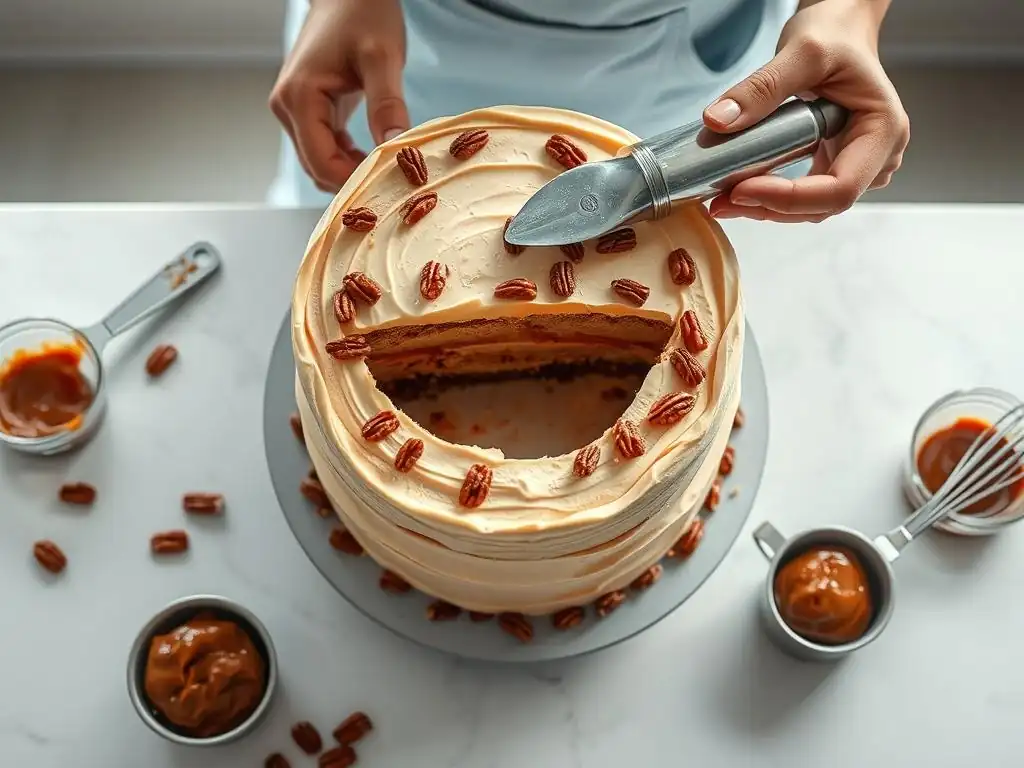
Leveling Your Caramel Cake Layers for a Professional Finish
Achieving flat, even cake layers is key to a stable and professional-looking caramel layer cake. Often, cake layers bake with a slight dome in the center. To level them, wait until the cakes are completely cool. Using a long serrated knife or a cake leveling tool, hold the knife parallel to the counter or use the tool set to the desired height.
Slice horizontally across the top of the cake, removing the domed portion. Aim for layers that are uniform in thickness. This removed cake "scrap" is often called a "cake top" or "dome" and is perfectly edible – great for snacking or making cake pops!
For a multi-layer cake, precise leveling ensures that each layer sits flat on top of the next, preventing leaning and making frosting much easier. If you're using a cake leveler, practice setting it to the same height for each layer. A standard cake layer thickness after leveling is typically between 1 to 1.5 inches, depending on the overall height you desire for your caramel layer cake.
Some bakers even split thicker layers in half horizontally after leveling the top, creating more layers from fewer baked cakes. This requires a steady hand and a very sharp serrated knife or specialized cake splitting tool.
Making the Perfect Caramel Filling: From Sauce to Spread
The caramel filling is the star of many caramel layer cake recipes. The consistency required for filling between layers is thicker than a simple drizzle, firm enough to hold its shape without squeezing out the sides when the cake is stacked, but still spreadable. A common method involves cooking sugar (either dry or with a little water) until it reaches a deep amber color, then carefully whisking in warm heavy cream and butter off the heat.
The key is to cook the sugar to the right temperature – around 340-350°F for a rich flavor before adding the dairy. Adding warm cream helps prevent the sugar from seizing up too much.
Once the cream and butter are incorporated and the mixture is smooth, you'll often need to cook it briefly again to reach a slightly thicker consistency, or simply rely on cooling. As caramel cools, it naturally thickens. For a spreadable filling, it needs to be cooled to room temperature or slightly chilled.
If it's too stiff, you can gently warm it slightly; if it's too thin, you may need to cook it down a bit longer or add a thickening agent like a tiny bit of cornstarch slurry (though this isn't traditional in pure caramel fillings). Achieving the right consistency is a balance, often learned through practice with various caramel layer cake recipes.
Assembling the Caramel Layer Cake: Ensuring Stability and Structure
Assembling a multi-layer cake requires patience and technique to ensure stability. Place your first leveled cake layer onto your serving plate or cake board. If using a cake board, secure the first layer with a dollop of frosting or caramel filling underneath. Apply a generous, even layer of your cooled caramel filling on top of the first layer, spreading it almost to the edge. Some bakers create a "dam" of frosting around the perimeter of the layer before adding the caramel filling inside; this barrier helps contain the filling and prevents it from oozing out when stacked.
Carefully place the next cake layer on top, aligning the edges. Gently press down to ensure it's level. Repeat the filling and stacking process with the remaining layers. Once all layers are stacked, apply a thin "crumb coat" of frosting all over the outside of the cake.
This seals in any loose crumbs and provides a smooth base for your final frosting layer. Chill the cake in the refrigerator for 20-30 minutes until the crumb coat is firm. This chilling step is vital for stability before applying the final layer of frosting or decoration. Proper assembly is a hallmark of successful caramel layer cake recipes.
Caramel Filling Variations for Layer Cakes: Explore Flavor Combinations
Classic Salted Caramel Filling Recipe
The addition of salt to caramel transforms it from purely sweet to a complex flavor profile that highlights the nuances of the caramelized sugar. A classic salted caramel filling recipe starts with making a basic caramel sauce by heating sugar until it turns amber. Once the cream and butter are stirred in, flaky sea salt is added.
The amount of salt can be adjusted to taste, but typically 1 to 2 teaspoons of flaky sea salt per cup of liquid caramel sauce provides a noticeable but not overwhelming salinity. Using flaky sea salt rather than fine table salt provides bursts of saltiness and a pleasant texture contrast.
This filling is incredibly versatile and pairs well with many cake flavors beyond just vanilla or chocolate. It's excellent with spice cakes, apple cakes, or even coffee-flavored layers. The key is to add the salt after the caramel has been cooked and the dairy incorporated. Stir it in until dissolved. Taste and add more if desired. The saltiness cuts through the richness of the caramel and cake, making each bite more interesting. This simple variation is a staple in many popular caramel layer cake recipes.
Brown Butter Caramel Filling for Added Depth
Browning butter before making caramel adds an incredible nutty, toasted flavor that elevates the richness of the filling. To make brown butter caramel, first melt butter in a saucepan over medium heat. Continue heating, swirling occasionally, until the butter melts, foams, and then develops brown specks at the bottom and a nutty aroma. Be careful not to burn it; this usually takes 5-8 minutes for half a cup of butter. Once browned, immediately pour the brown butter into a heatproof bowl or another pan to stop the cooking process.
Use this brown butter instead of regular melted butter when making your caramel sauce. Make the caramel as usual (cooking sugar, adding cream), and then whisk in the brown butter at the end along with any vanilla or salt. The brown butter imparts a deeper, more complex flavor profile compared to standard caramel. This variation is fantastic in caramel layer cake recipes featuring flavors like pecan, walnut, or even just a simple vanilla bean cake where the brown butter notes can shine. It adds a layer of sophistication to the classic caramel taste.
Chocolate Caramel Filling: A Decadent Twist
Combining chocolate and caramel creates a decadent filling that is intensely rich and satisfying. There are a few ways to achieve this. One method is to make a standard caramel sauce and then whisk in finely chopped chocolate or chocolate chips while the caramel is still warm off the heat. The residual heat should melt the chocolate, which can then be stirred until smooth. The type of chocolate you use (dark, milk, or semi-sweet) will significantly impact the flavor profile. Using high-quality chocolate is recommended for the best results.
Alternatively, you can make a chocolate ganache (equal parts melted chocolate and hot heavy cream) and swirl or layer it with a classic caramel filling. For a truly integrated flavor, some caramel layer cake recipes involve adding cocoa powder or melted chocolate directly into the caramel cooking process, though this requires careful temperature control. A third method is to create a caramel-flavored chocolate frosting or mousse to use as a filling. Whichever technique you choose, the combination of sweet caramel and rich chocolate is always a crowd-pleaser, adding a layer of indulgence to your caramel layer cake.
Coffee Caramel Filling: An Aromatic Delight
The pairing of coffee and caramel offers a sophisticated, slightly bitter counterpoint to the sweetness, creating an incredibly aromatic and flavorful filling. There are several ways to infuse coffee flavor into your caramel filling. One simple method is to replace a portion of the heavy cream with strong brewed coffee or espresso. For example, if a recipe calls for 1 cup of heavy cream, you might use ¾ cup cream and ¼ cup very strong coffee. The coffee should be hot when added to the cooked sugar to maintain the temperature and prevent seizing.
Another approach is to add instant espresso powder or coffee extract directly to the finished caramel sauce. Start with a teaspoon or two of espresso powder dissolved in a tiny amount of hot water or a few drops of extract, tasting and adding more until the desired coffee flavor is achieved. This method allows for more control over the intensity. This coffee-caramel filling is particularly good in caramel layer cake recipes featuring chocolate, vanilla, or nutty flavors. The slight bitterness of the coffee balances the sweetness of the caramel beautifully.
Decorating Your Caramel Layer Cake: Finishing Touches
Simple Caramel Drizzle Techniques
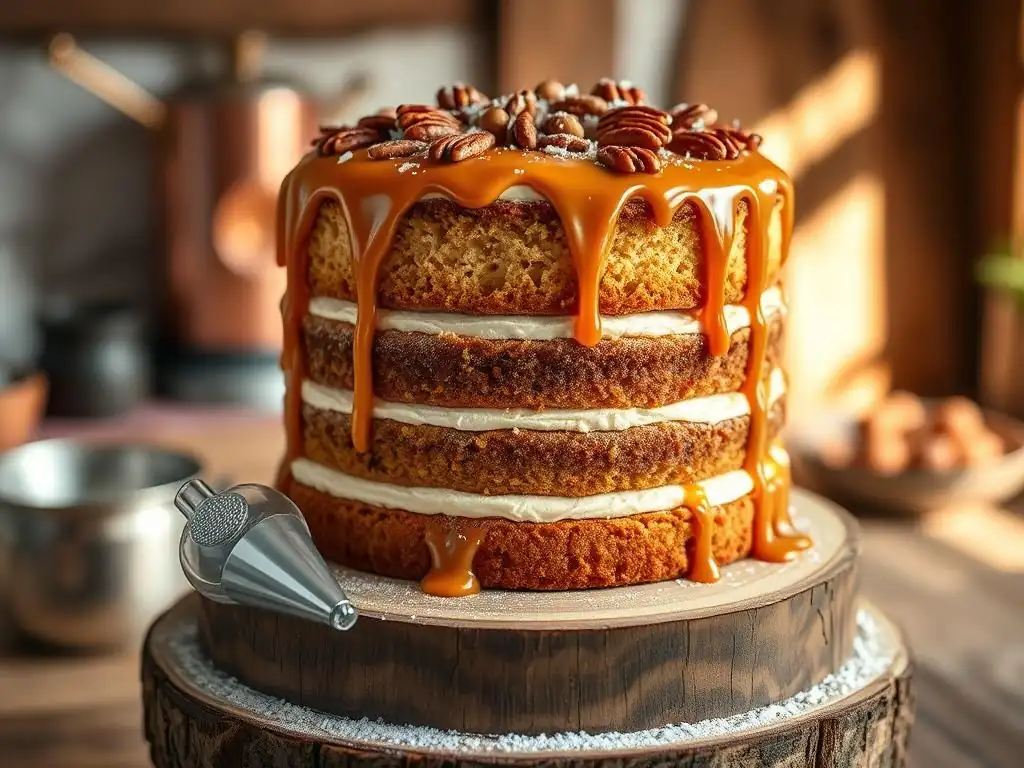
A simple caramel drizzle is an easy yet elegant way to finish a caramel layer cake. Use a caramel sauce that is slightly thinner than your filling consistency. If your filling is too thick, warm it gently and add a teaspoon or two of heavy cream until it reaches a pourable consistency. Allow the cake (preferably chilled) to sit on a wire rack set over a baking sheet or parchment paper to catch drips.
Pour the warm caramel into a piping bag (or a zip-top bag with a corner snipped off) or simply use a spoon. Start drizzling the caramel around the edge of the top layer, allowing it to drip naturally down the sides. Then, fill in the center of the top with more caramel.
For a more controlled look, drizzle in a pattern, such as concentric circles or a back-and-forth motion. The key is to use caramel that is warm enough to flow easily but not so hot that it melts the frosting underneath. A consistent flow is achievable with practice, adding a professional touch to your caramel layer cake.
Creating a Caramel Glaze for a Polished Look
A caramel glaze provides a smooth, glossy finish to a caramel layer cake. Unlike a drizzle, a glaze typically covers the entire top surface and sometimes drips down the sides in a more uniform manner. A common caramel glaze is made by combining caramel sauce with powdered sugar and a small amount of liquid (like milk or cream) to achieve a pourable consistency. The ratio of caramel sauce to powdered sugar will determine the thickness; more powdered sugar results in a thicker glaze.
Warm the caramel sauce slightly, then gradually whisk in sifted powdered sugar until smooth. Add milk or cream a tiny bit at a time until the desired pouring consistency is reached – it should be thick enough to coat the back of a spoon but thin enough to flow. Pour the warm glaze over the chilled cake, starting in the center and working outwards, allowing it to flow down the sides naturally.
Use an offset spatula to gently encourage it over the edges if needed. The glaze will set as it cools, providing a beautiful, shiny coating for your caramel layer cake.
Using Caramel Shards and Candied Nuts for Decoration
For added texture and visual interest, consider decorating your caramel layer cake with caramel shards or candied nuts. To make caramel shards, cook sugar to a deep amber color (around 340-350°F). Pour the hot caramel thinly onto a piece of parchment paper or a silicone baking mat. Let it cool completely until hard (about 10-15 minutes). Once hardened, break it into pieces of various sizes and shapes. These shards can be inserted into the top or sides of the cake for a dramatic effect. Be cautious when handling hot caramel.
Candied nuts, often pecans or walnuts, complement the flavor of caramel perfectly. You can make them by tossing nuts in a small amount of caramel sauce and letting them cool and harden, or by cooking nuts directly in a sugar syrup until caramelized. For a simple version, toast nuts, then toss them in a thick caramel sauce and spread on parchment to cool. These can be sprinkled around the base of the cake, pressed into the sides, or arranged artfully on top. These textural elements add another dimension to your caramel layer cake.
Mastering Swiss Meringue Buttercream with Caramel Swirls
Swiss meringue buttercream (SMBC) is known for its silky smooth texture and not-too-sweet flavor, making it an excellent canvas for caramel. To make SMBC, egg whites and sugar are gently heated over a water bath while whisking until the sugar dissolves (reaching about 160°F). This mixture is then whipped into a stiff, glossy meringue. Softened butter is gradually added and beaten until a smooth buttercream forms.
Once you have your basic SMBC, you can incorporate caramel. You can either swirl a cooled, thick caramel sauce into the finished buttercream or add a caramel flavor by beating in a caramel reduction or caramel extract. For a swirl effect, frost the cake with plain SMBC, then drizzle lines of thick caramel sauce over the surface and use an offset spatula or knife to swirl it into the frosting before the final smoothing.
Alternatively, fill a piping bag with alternating stripes of SMBC and thick caramel sauce for striped piping. The smooth, stable nature of SMBC makes it ideal for pairing with the rich flavor of caramel in caramel layer cake recipes.
Troubleshooting Common Caramel Layer Cake Problems
Preventing Soggy Cake Layers
Soggy cake layers can ruin the texture of your caramel layer cake. This issue often arises from adding liquid components (like a thin caramel sauce or a simple syrup soak) to cake layers that are still warm, or using too much liquid. Always ensure your cake layers are completely cool before applying any filling, glaze, or soak. Warm cake absorbs liquid differently than cool cake, often becoming gummy or dense.
If your caramel layer cake recipe calls for a simple syrup or caramel soak, use it judiciously. Brush a small amount evenly over the layers rather than pouring it on. The goal is to add moisture without making the cake wet. Also, ensure your caramel filling is the correct consistency – if it's too thin, its moisture can seep into the cake layers over time. If your filling is prone to thinning, consider adding a thin layer of frosting as a barrier on top of each cake layer before adding the caramel filling.
Fixing a Runny Caramel Filling
A runny caramel filling is a common frustration when making caramel layer cake recipes, leading to instability and oozing. This usually happens because the sugar wasn't cooked to a high enough temperature before adding the dairy, or too much liquid (cream, butter, or other additions) was used relative to the sugar. Caramel thickens as it cools, but if it's still too thin at room temperature, you may need to adjust it.
If your caramel is too runny, you can try gently heating it in a saucepan and simmering it for a few minutes to reduce some of the liquid. Be careful not to cook it too long, or it will become too hard when cooled. Another option, if the flavor allows, is to make a small slurry of cornstarch and cold water and whisk it into the warm caramel, then simmer briefly until thickened.
Alternatively, if it's only slightly too thin, chilling the assembled cake can help the caramel set up more firmly. For future caramel layer cake recipes, ensure you cook the sugar to at least a deep amber color (around 340-350°F) for sufficient caramelization and flavor development before adding cream.
Avoiding a Collapsed Caramel Layer Cake
A collapsed caramel layer cake is heartbreaking. Several factors can contribute to this structural failure. One major cause is stacking layers that are not completely cool; warm layers are fragile and can compress under the weight of upper layers and filling. Ensure your cake layers are chilled or at least at room temperature before assembly. Another cause is using a filling that is too soft or unstable. If your caramel filling is too runny or your frosting is too soft, it can't support the weight of the layers above it, leading to sliding or collapse.
Proper leveling of cake layers is also important; uneven layers create weak points. Using a stable base, like a sturdy cake board the same size as your cake, provides support. For tall or heavy caramel layer cakes (three layers or more, especially with dense fillings), consider using internal supports like cake dowels or straws inserted vertically through the layers. These transfer the weight of the upper layers directly to the cake board, preventing the lower layers from being crushed. Chill the cake at various stages of assembly (after stacking, after crumb coating) to help everything firm up and stabilize.
Storing Your Caramel Layer Cake: Keeping it Fresh
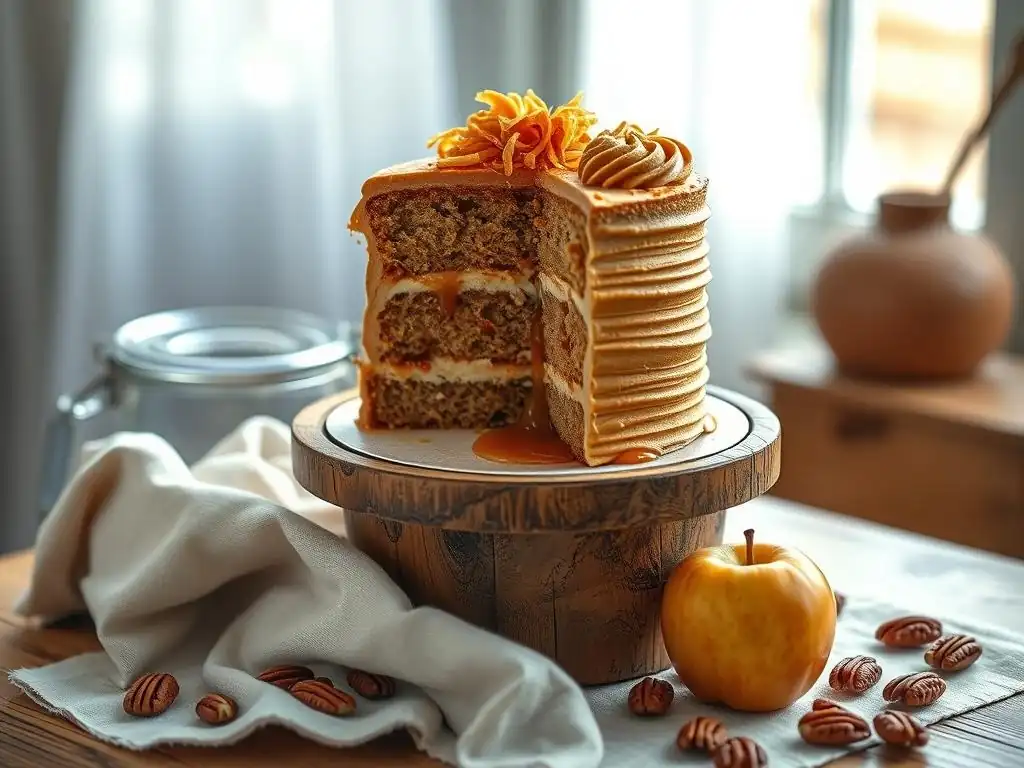
Proper Refrigeration Techniques
To keep your caramel layer cake fresh and safe, especially if it contains dairy-based caramel filling or cream cheese/dairy frosting, refrigeration is usually necessary. Once the cake is assembled and frosted, the best way to store it is in an airtight cake carrier or container. If you don't have one, you can place the cake on a plate and loosely cover it with plastic wrap, trying not to let the wrap touch the frosting too much.
Refrigerate the cake until serving. Bringing the cake out of the refrigerator about 30-60 minutes before serving allows the cake layers and frosting to soften slightly, resulting in a better texture and more pronounced flavors. A properly stored caramel layer cake can typically last for 5-7 days in the refrigerator. Always ensure it's covered to prevent it from drying out or absorbing odors from other foods in the fridge.
How to Freeze Caramel Layer Cake for Later
Freezing is an excellent option if you need to store your caramel layer cake for a longer period. For best results, freeze the cake before frosting if possible, wrapping each cooled, unfrosted layer individually and tightly in plastic wrap, then a layer of aluminum foil. Place the wrapped layers in a freezer-safe bag or container.
If the cake is already assembled and frosted, freeze it uncovered for about an hour until the frosting is firm. Then, wrap the entire cake tightly in plastic wrap, followed by a layer of aluminum foil or place it in a freezer-safe container. This double layer of protection helps prevent freezer burn. Frozen caramel layer cake can last for 2-3 months. To thaw, transfer the wrapped cake to the refrigerator overnight. Once thawed, unwrap it before serving. Freezing is a great way to make components ahead of time for your caramel layer cake recipes.
Maintaining the Moisture and Flavor
Proper storage is key to maintaining the delightful moisture and rich flavor of your caramel layer cake. The main culprits for dry cake are air exposure and refrigeration (which can dry out baked goods). Always store cut cake with the cut surfaces covered. You can press a piece of plastic wrap directly onto the exposed cake surface before covering the whole cake.
When storing in the refrigerator, ensuring the cake is in an airtight container is paramount. This minimizes air circulation and prevents the cake from absorbing moisture from the air or losing its own. If storing at room temperature (only safe for cakes with non-perishable components like ganache or certain buttercreams without dairy/cream cheese), a cake dome or airtight container is still essential. For caramel layer cake recipes that are particularly moist, over-wrapping is less critical, but for standard cakes, preventing air exposure is the best defense against dryness and flavor loss.
Advanced Caramel Layer Cake Recipes and Ideas
Caramel Apple Layer Cake: A Seasonal Delight
The combination of sweet caramel and tart apples is a classic, making a caramel apple layer cake a perfect autumnal dessert. This often involves incorporating cooked, spiced apples into the cake batter or layering them between cake layers along with caramel filling. A common approach is to make a standard spice cake or vanilla cake, then layer it with a rich caramel filling and sautéed or baked apple slices that have been flavored with cinnamon, nutmeg, and a touch of sugar.
Another variation uses shredded apples directly in the cake batter for moisture and flavor, similar to a carrot cake. The cake is then paired with a classic caramel filling or a caramel cream cheese frosting. Some recipes might feature an apple cider reduction in the cake batter or caramel filling for an intensified apple flavor. A caramel apple layer cake offers a delightful interplay of flavors and textures, often finished with a caramel drizzle or candied pecans. Approximate baking time for apple-studded layers might be slightly longer than plain layers, perhaps 30-40 minutes for 8-inch rounds.
Caramel Pecan Layer Cake: A Nutty Indulgence
Pecans and caramel are a match made in heaven, creating a caramel pecan layer cake that is rich, nutty, and incredibly satisfying. This cake typically features toasted pecans incorporated into the cake batter, sprinkled between layers with the caramel filling, or used as a decoration. The toasting of the pecans is crucial as it enhances their flavor significantly. Toasting can be done in a dry skillet over medium heat for a few minutes or in a 350°F oven for 8-10 minutes, until fragrant.
A common structure for this cake involves layers of vanilla or butter cake, generously filled with a thick caramel filling, and studded with toasted pecans. The cake can be frosted with a caramel buttercream or a cream cheese frosting and adorned with more pecans and caramel drizzle. Some caramel layer cake recipes specifically designed for pecans might use brown butter in the caramel filling to further complement the nutty notes. The crunch of the pecans provides a wonderful textural contrast to the soft cake and smooth caramel.
Caramel Pumpkin Spice Layer Cake: Autumnal Baking
Combining the warm flavors of pumpkin and spice with sweet, rich caramel creates a quintessential fall dessert: the caramel pumpkin spice layer cake. This cake features pumpkin puree and warm spices like cinnamon, nutmeg, ginger, and cloves in the cake batter, resulting in a moist, fragrant crumb. The pumpkin itself adds moisture and a subtle earthy flavor that pairs beautifully with caramel.
The perfect pairing for a pumpkin spice cake is often a cream cheese frosting, which provides a tangy contrast to the sweetness. Layering this cake with a classic caramel filling or a salted caramel filling adds an extra layer of indulgence. The combination of spiced pumpkin cake, tangy cream cheese frosting, and sweet caramel is a harmonious blend of autumnal flavors. Decorate with a caramel drizzle, candied pepitas, or cinnamon. This caramel layer cake recipe variation is a seasonal favorite for a reason, capturing the essence of fall in every bite.
Conclusion: Elevate Your Baking with Caramel Layer Cakes
Baking a caramel layer cake is a journey that refines fundamental baking skills and rewards you with a truly spectacular dessert. From mastering the delicate art of caramel-making to skillfully stacking and decorating multiple layers, each step contributes to the final masterpiece. We've explored choosing the right recipe, essential ingredients, techniques for perfect layers and fillings, creative variations like salted, brown butter, chocolate, and coffee caramel, and finishing touches from simple drizzles to elegant glazes and structural decorations.
Tackling common issues like soggy layers or runny filling is part of the learning process, and with practice, you'll confidently overcome these hurdles. Proper storage ensures your hard work stays fresh, whether for a few days in the fridge or months in the freezer. Finally, venturing into advanced caramel layer cake recipes like apple, pecan, or pumpkin spice variations opens up a world of flavor possibilities, perfect for celebrating seasons or simply indulging. Embrace the challenge, enjoy the process, and savor the incredibly rewarding results. Happy baking!
Frequently Asked Questions
What makes a caramel layer cake different from other cakes?
A caramel layer cake distinguishes itself through its prominent caramel flavor, achieved by incorporating caramel into the cake batter, frosting, or filling. It often features a distinctive caramel drizzle for added richness.
What are some common challenges when baking a caramel layer cake?
Common challenges include preventing the caramel from burning during cooking, ensuring the caramel is the right consistency for spreading, and balancing the sweetness of the caramel with the other cake components.
What are some creative variations I can explore with caramel layer cakes?
Explore variations by adding different nuts like pecans or walnuts, incorporating sea salt for a salted caramel effect, or using different types of caramel such as butterscotch or dulce de leche.
What are the best techniques for layering and filling a caramel cake to prevent it from being too soggy?
Let the cake layers cool completely before frosting. Use a stabilized caramel frosting that holds its shape well, and avoid over-saturating the cake layers with caramel drizzle.
What ingredients are essential for achieving a rich caramel flavor in my cake?
Essential ingredients include high-quality butter, granulated sugar, heavy cream, and a touch of vanilla extract to enhance the caramel's flavor profile.
Final Reflection: The Enduring Allure of the Caramel Layer Cake
The art of crafting a perfect caramel layer cake transcends mere baking; it's a testament to patience, precision, and the undeniable power of deliciousness. From the delicate dance of caramelizing sugar to the careful layering of moist cake and creamy filling, each step is a journey towards a truly unforgettable dessert. This journey, as explored throughout this article, remains as relevant today as it ever was, proving that some culinary traditions stand the test of time.
The enduring appeal of the caramel layer cake lies not just in its exquisite taste, but in its ability to evoke memories and create moments of shared joy. It's a dessert that effortlessly elevates any occasion, from intimate gatherings to grand celebrations. The rich, buttery caramel, the soft, spongy cake, the perfectly balanced sweetness – these elements combine to create a symphony of flavors that resonate deeply. As the renowned chef Julia Child once said, A party without cake is just a meeting.
And a caramel layer cake? That's a party worth remembering.
Now, I invite you to take what you've learned and embark on your own caramel cake creation. Don't be afraid to experiment, to personalize the recipe, to infuse your own unique touch into this classic dessert. The journey of baking is as rewarding as the final product, and the satisfaction of creating something beautiful and delicious is a feeling unlike any other. So, gather your ingredients, embrace the process, and let the sweet aroma of caramel fill your kitchen – and your heart.
Unleash Your Inner Pastry Chef: Create Your Dream Caramel Cake!
Thanks for diving into the world of delicious caramel layer cakes! You've now got the knowledge to bake something truly special. Ready to put your new skills to the test?
- Bake your masterpiece! Use the techniques outlined above to create your very own stunning caramel cake. Don't be afraid to experiment with flavors and decorations!
- Share your creation: Show off your baking prowess on social media using #BakeWithEaseCaramelCake – we'd love to see your beautiful results!
- Challenge yourself: Try a new caramel flavor or filling next time—perhaps salted caramel with chocolate ganache?
What unique caramel combination will you create next?