
Oat Flour (Certified GF): Your Key to Soft and Chewy Bakes

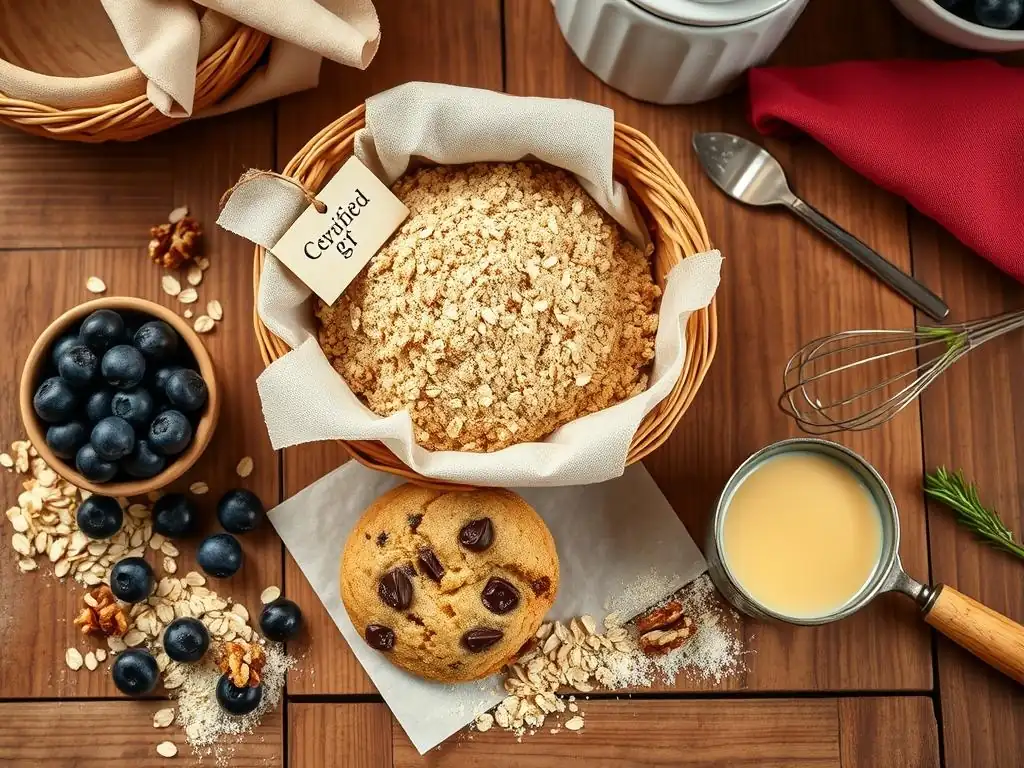
Welcome to BakeWithEase, your haven for stress-free baking! Ever wondered how to achieve perfectly soft and chewy treats without gluten? Discover the secret with our guide to Oat Flour (Certified GF). Unlock a world of delicious, allergy-friendly possibilities and learn how this versatile ingredient can transform your favorite recipes. Ready to bake with ease? Let's get started!
- Oat Flour: A Gluten-Free Baking Staple
- Understanding Oat Flour for Gluten-Free Baking
- Benefits of Baking with Oat Flour
- Choosing the Right Oat Flour
- Oat Flour in Recipes: Tips and Techniques
- Troubleshooting Oat Flour Baking
- Storing Oat Flour
- Gluten-Free Oat Flour Recipes
- Conclusion: Embrace Oat Flour for Gluten-Free Baking
- Frequently Asked Questions
- Final Reflection: The Enduring Appeal of Gluten-Free Baking
- Unlock Your Inner Baker: Master Oat Flour Baking Today!
Oat Flour: A Gluten-Free Baking Staple
Understanding Oat Flour for Gluten-Free Baking
What is Oat Flour?
Oat flour is a versatile ingredient made from grinding whole oats into a fine powder. Unlike wheat flour, which contains gluten-forming proteins, oat flour is naturally gluten-free. However, standard oats are often processed in facilities that also handle wheat, barley, and rye, leading to cross-contamination. This is why it's crucial for individuals with celiac disease or gluten sensitivity to seek out certified oat flour gluten free products.
The process of making oat flour is relatively simple: whole oat groats or rolled oats are milled until they reach a flour-like consistency. This flour retains the nutritional benefits of the whole oat grain, including its fiber, protein, and various vitamins and minerals. Its composition gives it unique properties in baking compared to traditional wheat flour, contributing to different textures and flavors.
Oat Flour vs. Wheat Flour: Baking Differences
The primary difference between oat flour and wheat flour lies in their gluten content. Wheat flour's gluten network provides structure and elasticity to baked goods, allowing them to rise and hold their shape. Oat flour, lacking this gluten structure, results in bakes that tend to be denser and less elastic. This means you can't simply substitute oat flour 1:1 by volume for wheat flour in most recipes without making adjustments.
Baking with certified oat flour gluten free requires understanding its unique properties. It absorbs more liquid than wheat flour and doesn't develop the same kind of structure. This often necessitates adding binders like xanthan gum or psyllium husk, increasing liquid content, or combining it with other gluten-free flours to achieve desired results like lift and tenderness. For instance, while a standard wheat loaf might rise significantly due to gluten development, an oat flour loaf will typically have a more compact crumb.
Gluten-Free Certification: Ensuring Safety
For anyone following a strict gluten-free diet due to celiac disease or non-celiac gluten sensitivity, the source and certification of oat flour are paramount. Oats themselves do not contain the problematic gluten proteins (gliadin in wheat, hordein in barley, secalin in rye). However, contamination can easily occur during farming, harvesting, transportation, milling, or packaging if oats come into contact with gluten-containing grains.
A product labeled as certified oat flour gluten free has been grown, processed, and handled under strict protocols to prevent cross-contamination. Reputable certification programs test the final product to ensure its gluten content is below the internationally recognized standard of 20 parts per million (ppm). Always look for a clear "certified gluten-free" mark from a trusted organization on the packaging when purchasing oat flour to guarantee its safety for a gluten-free lifestyle.
Benefits of Baking with Oat Flour
Achieving Desired Textures
One of the great advantages of using certified oat flour gluten free in baking is its ability to contribute to desirable textures. Unlike some gluten-free flours that can result in dry or crumbly bakes, oat flour helps create soft, moist, and often chewy results. Its natural fat content and soluble fiber (beta-glucan) help retain moisture, leading to a tender crumb in muffins, cakes, and quick breads.
For recipes like cookies or bars, oat flour contributes to a wonderfully chewy texture that is difficult to achieve with other single gluten-free flours. When used correctly, it prevents the sandy or brittle texture sometimes associated with gluten-free baked goods. This makes it a favorite for recipes where a soft interior and slight chew are desired.
Flavor Profile
Certified oat flour gluten free has a mild, slightly nutty, and naturally sweet flavor profile. This makes it a versatile ingredient that doesn't overpower the other flavors in a recipe. Its subtle taste pairs well with a wide range of ingredients, from fruits and spices to chocolate and nuts.
Compared to stronger-flavored gluten-free flours like sorghum or buckwheat, oat flour provides a neutral base that allows other ingredients to shine. This makes it an excellent choice for delicate pastries, simple cookies, or light muffins where you don't want a pronounced "alternative flour" taste.
Nutritional Advantages
Beyond its baking properties, certified oat flour gluten free offers significant nutritional benefits. As a whole grain flour, it is a good source of dietary fiber, particularly beta-glucan, a soluble fiber known for its potential to help lower cholesterol and manage blood sugar levels. A typical 1/4 cup serving of oat flour contains approximately 4 grams of fiber.
It also provides a decent amount of plant-based protein, around 5 grams per 1/4 cup, along with essential vitamins and minerals such as manganese, phosphorus, magnesium, and B vitamins. Incorporating oat flour into your baking is an easy way to boost the nutritional value of your treats compared to using refined flours.
Choosing the Right Oat Flour
Certified Gluten-Free
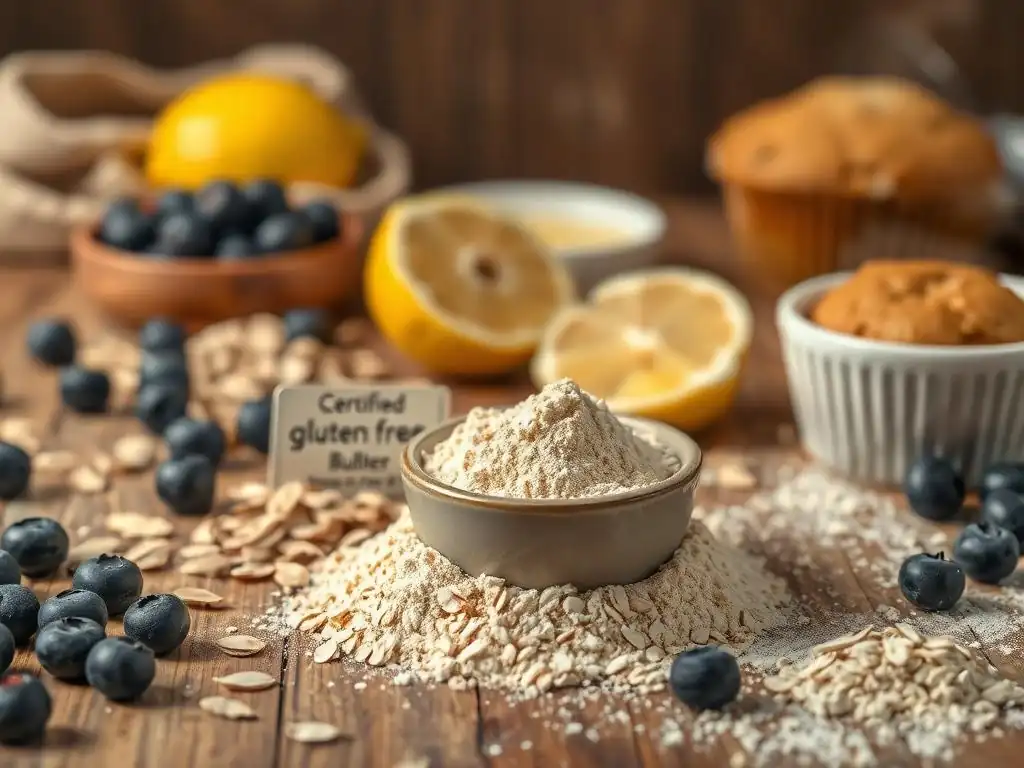
As emphasized earlier, selecting certified oat flour gluten free is non-negotiable for a safe gluten-free diet. The "certified" part is key; simply labeling a product "gluten-free" based on ingredients alone isn't enough to guarantee it hasn't been contaminated during processing. Look for seals from recognized gluten-free certification organizations on the packaging.
These certifications mean the product has undergone rigorous testing and meets strict standards for gluten content (typically less than 20 ppm). Choosing certified products ensures you are avoiding the risk of cross-contamination, which is vital for managing celiac disease or severe gluten sensitivity.
Types of Oat Flour
While you can technically make oat flour from any type of whole oats (rolled oats, quick oats, steel-cut oats), the commercially available certified oat flour gluten free is typically ground from rolled oats. The fineness of the grind can vary between brands. Some flours are very finely milled, similar to pastry flour, while others might be slightly coarser.
The type of oats used and the fineness of the grind can subtly affect the texture and absorption properties of the flour. For most baking purposes, a finely ground oat flour is preferred as it integrates more smoothly into batters and doughs. However, using quick oats to make your own can sometimes result in a slightly coarser flour which might work well in rustic bread or cookie recipes.
Texture and Recipes
The texture of the certified oat flour gluten free you choose can influence the outcome of your recipes. A finer flour will generally produce lighter, more tender results, ideal for delicate cakes, muffins, or pancakes. A slightly coarser flour might lend more structure and chewiness, which could be desirable in certain cookie or bar recipes.
Consider the type of recipe you plan to make when selecting or even grinding your own oat flour. For general substitution in recipes calling for gluten-free flour blends, a standard, finely ground certified oat flour gluten free is usually the best starting point. Some bakers even prefer to sift their oat flour for certain applications to remove any larger particles.
Oat Flour in Recipes: Tips and Techniques
Substituting Oat Flour
When substituting certified oat flour gluten free for wheat flour or other gluten-free flours, it's often best to do so by weight rather than volume, as it can pack more densely than wheat flour. A common starting point is a 1:1 substitution by weight, but be prepared to adjust the liquid content. For example, 100 grams of wheat flour might be replaced with 100 grams of oat flour, but you'll likely need more liquid.
Direct 1:1 substitution by volume (cup for cup) is generally not recommended, especially in recipes that rely heavily on flour structure. Oat flour tends to absorb more liquid and can make baked goods heavy or gummy if not properly balanced. Start with recipes specifically developed for oat flour or be prepared to experiment and make necessary hydration adjustments.
Hydration Considerations
Certified oat flour gluten free is quite absorbent due to its high fiber content. This means recipes using it typically require more liquid than those made with wheat flour. You might need to increase the amount of milk, water, eggs, or oil by 10-20% or even more, depending on the recipe and the other ingredients.
It's also beneficial to let batters or doughs made with oat flour rest for 10-15 minutes before baking. This resting time allows the flour to fully absorb the liquid, preventing a gritty texture and ensuring the final product is moist and evenly baked. Don't be alarmed if the batter seems too wet initially; it will thicken upon standing.
Blending for Optimal Results
While you can bake successfully with 100% certified oat flour gluten free in many recipes (like pancakes or simple cookies), blending it with other gluten-free flours often yields the best results, particularly in recipes requiring more structure like breads or cakes. Combining oat flour with flours like rice flour, tapioca starch, potato starch, or almond flour can improve texture, provide better lift, and prevent density.
A common gluten-free flour blend might include oat flour as a significant component (e.g., 30-40%), combined with starchy flours and perhaps another whole grain flour. This blending strategy leverages the strengths of each flour while mitigating their weaknesses, resulting in baked goods with a more appealing structure and crumb.
Oat Flour Recipe Examples
Certified oat flour gluten free is excellent in a variety of baked goods. Some popular uses include:
- Muffins and Quick Breads: Provides moisture and tenderness.
- Cookies: Creates a wonderfully soft and chewy texture.
- Pancakes and Waffles: Results in light, fluffy breakfast items.
- Crumble Toppings and Crusts: Adds flavor and a slightly crisp texture.
- Certain Breads: Can be used as part of a blend for softer loaves.
- Consider starting with recipes specifically designed to use oat flour to get a feel for its behavior before attempting substitutions in traditional recipes.
Troubleshooting Oat Flour Baking

Dry Baked Goods
If your baked goods made with certified oat flour gluten free turn out dry, the most common culprit is insufficient hydration. Oat flour absorbs a significant amount of liquid, and if the recipe doesn't account for this, the result will be dense and dry.
- Task List: Fixing Dryness
- [ ] Increase liquid (milk, water, yogurt, applesauce) in the batter/dough.
- [ ] Ensure adequate fat content (butter, oil).
- [ ] Allow batter/dough to rest before baking for better absorption.
- [ ] Avoid overbaking; check for doneness a few minutes earlier than usual.
Dense Textures
Another common issue is dense baked goods. This can happen for several reasons, including inadequate leavening, improper hydration, or overmixing the batter. Because certified oat flour gluten free lacks gluten, it doesn't trap air bubbles as effectively as wheat flour, so you need to rely more heavily on chemical leaveners like baking powder and baking soda.
Ensure your leavening agents are fresh and that you are using the correct amount specified in the recipe. Overmixing can also deflate air bubbles and develop the starches in the flour too much, leading to a gummy, dense texture. Mix just until the ingredients are combined.
Balancing Flavor
While certified oat flour gluten free has a pleasant, mild flavor, sometimes the "oaty" taste can be more pronounced depending on the recipe and other ingredients. If you find the flavor too prominent, you can easily balance it.
Consider adding complementary flavors such as:
- Spices like cinnamon, nutmeg, or cardamom.
- Vanilla extract.
- Citrus zest (lemon, orange).
- Chocolate chips or cocoa powder.
- Nuts or seeds.
These additions can enhance the overall flavor profile and make the oat flour taste less dominant, resulting in a more complex and enjoyable bake.
Storing Oat Flour
Best Practices
Proper storage is essential for keeping your certified oat flour gluten free fresh and preventing it from going rancid. Like other whole grain flours, oat flour contains natural oils that can oxidize over time. The best way to store it is in an airtight container, such as a glass jar or a food-grade plastic container with a tight-fitting lid.
Keep the container in a cool, dark place, away from heat and direct sunlight. A pantry or cupboard is ideal. Proper storage helps protect the flour from moisture, pests, and oxidation, extending its shelf life and preserving its flavor.
Preventing Rancidity
Due to its higher fat content compared to refined flours, certified oat flour gluten free is more susceptible to becoming rancid. Rancidity results in an unpleasant, bitter, or "off" flavor and smell. While pantry storage is fine for relatively short periods (a few weeks to a couple of months), for longer storage, refrigeration or freezing is highly recommended.
Storing oat flour in the refrigerator in an airtight container can keep it fresh for up to 6 months. For even longer storage, transfer it to the freezer, where it can last for up to a year or more. When ready to use frozen oat flour, simply let it come to room temperature before measuring for your recipe.
Gluten-Free Oat Flour Recipes
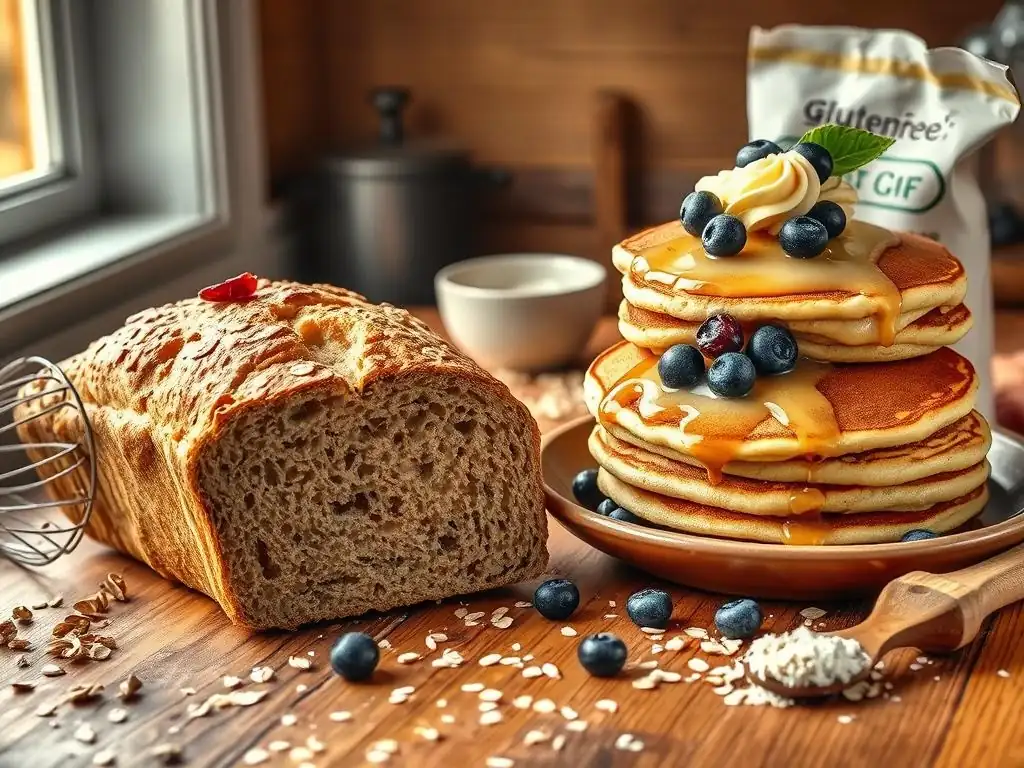
Oat Flour Pancakes
Making pancakes with certified oat flour gluten free results in a breakfast treat that is wonderfully light and fluffy. The oat flour contributes a subtle sweetness and tenderness that pairs perfectly with maple syrup and fresh fruit.
- Key characteristics:
- Soft interior crumb.
- Slightly nutty flavor.
- Tendency to be moist.
Oat Flour Muffins
Certified oat flour gluten free is a fantastic base for moist and tender muffins. It helps create a soft crumb and prevents the dryness sometimes found in gluten-free baked goods. It works well with various additions like berries, chocolate chips, or nuts.
- Benefits:
- Excellent moisture retention.
- Tender, cake-like texture.
- Pairs well with diverse flavors.
For cookies that are soft and chewy, certified oat flour gluten free is an excellent choice. It provides a satisfying chewiness and a pleasant texture that makes for a delightful cookie experience.
- Texture profile:
- Chewy centers.
- Often slightly crisp edges.
- Rich, whole-grain flavor base.
Conclusion: Embrace Oat Flour for Gluten-Free Baking
Incorporating certified oat flour gluten free into your baking repertoire opens up a world of delicious possibilities. Its unique properties lend themselves beautifully to creating soft, moist, and chewy textures that can sometimes be challenging to achieve with other gluten-free flours. From tender muffins to perfectly chewy cookies, oat flour is a versatile and nutritious alternative.
By understanding its differences from wheat flour, paying attention to hydration, and always choosing certified options to ensure safety, you can successfully use certified oat flour gluten free to enhance your gluten-free baking. Don't be afraid to experiment with blending it with other flours or trying recipes specifically designed for it. Embrace the benefits of this wonderful grain and enjoy the delightful results it brings to your baked goods!
Frequently Asked Questions
What exactly is oat flour, and why is it becoming so popular?
Oat flour is simply ground oats, offering a slightly nutty flavor. It's gaining popularity as a gluten-free alternative to traditional wheat flour.
Is all oat flour automatically gluten-free?
No, not all oat flour is gluten-free. It needs to be certified gluten-free to ensure it wasn't processed in a facility that also handles wheat. Cross-contamination is a major concern.
What are some of the key benefits of using oat flour in baking?
Oat flour can create baked goods with a softer texture and a slightly chewier consistency. It also adds a subtle nutty flavor that complements many recipes.
Can oat flour be substituted 1:1 for wheat flour in any recipe?
Generally, no. Oat flour absorbs more liquid than wheat flour, so you'll need to adjust the recipe. It's best to start with recipes specifically designed for oat flour for the best results.
Where can I reliably purchase certified gluten-free oat flour?
You can usually find certified gluten-free oat flour at most grocery stores in the baking or gluten-free aisle. Many online retailers specializing in gluten-free products also carry it.
Final Reflection: The Enduring Appeal of Gluten-Free Baking
The rising demand for gluten-free options isn't just a trend; it's a reflection of a growing awareness of dietary needs and a desire for delicious, inclusive baking. Oat flour, certified gluten-free, stands as a powerful testament to this shift, offering a pathway to soft, chewy textures previously thought unattainable without gluten. Its versatility and naturally sweet flavor profile make it a game-changer for those seeking delicious alternatives.
The journey into gluten-free baking can be challenging, often fraught with dry crumbles and disappointing results. Yet, the discovery of oat flour's potential unlocks a world of possibilities. It's more than just a substitute; it's a gateway to creativity and culinary exploration. The best things in life are the simple things,
a sentiment perfectly encapsulates the joy of creating wholesome, delicious baked goods with a simple, yet powerful ingredient like oat flour. This simple ingredient empowers individuals with dietary restrictions to participate fully in the joy of baking, fostering a sense of community and shared experience.
Consider the possibilities: Imagine the soft texture of gluten-free muffins, the delightful chewiness of cookies, or the light fluffiness of cakes, all achievable with the humble oat flour. You, the reader, now hold the key to unlocking this potential. Experiment, innovate, and share your creations. Embrace the journey of gluten-free baking, and discover the joy of creating delicious and inclusive treats for yourself and others. Let oat flour be your guide to a world of soft, chewy, and utterly satisfying bakes.
Unlock Your Inner Baker: Master Oat Flour Baking Today!
Thanks for taking the time to explore the wonderful world of oat flour! You've now discovered a gluten-free baking secret that's both delicious and surprisingly versatile. Ready to put your new knowledge into practice?
- Bake your first oat flour masterpiece! Try one of the recipes mentioned in the article – or get creative and experiment with your own! This is your chance to discover the unique texture and flavor oat flour brings.
- Share your oat flour creations! Show us your baking prowess by posting a picture on social media and tagging #BakeWithEaseOatFlour. Let's inspire each other!
- Explore more gluten-free baking adventures on our website – we've got plenty of recipes and tips to help you create amazing gluten-free treats.
What exciting oat flour recipe will you tackle first?