
DIY Vegan Substitutes: Save Money & Customize Your Ingredients

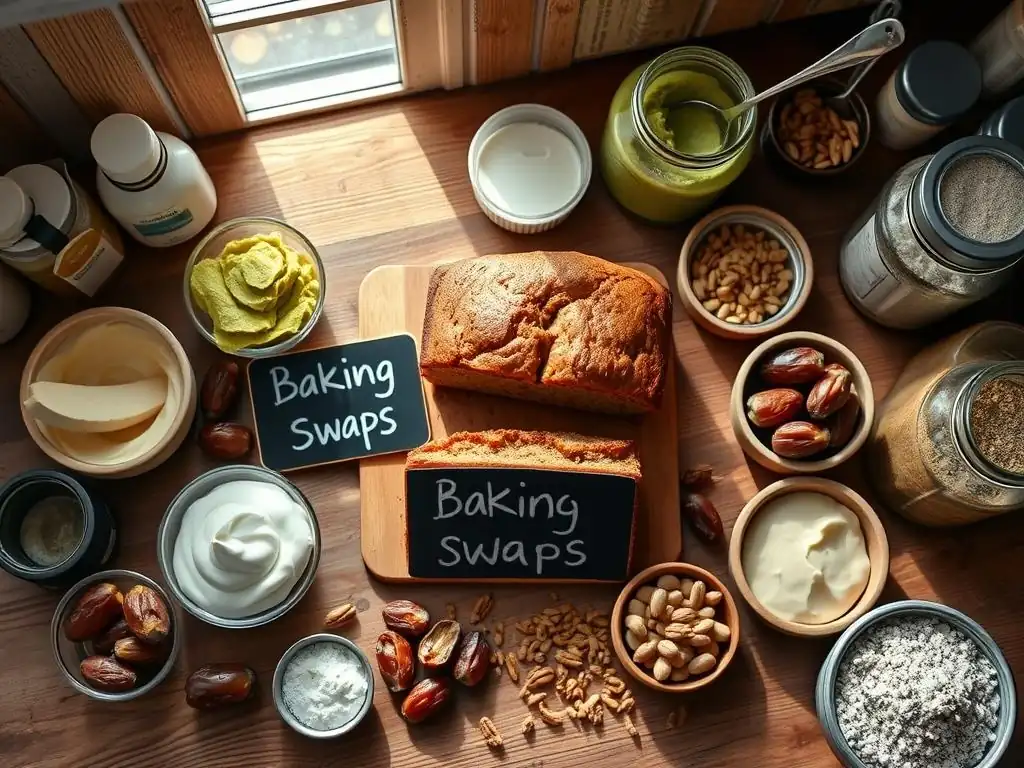
Welcome to BakeWithEase, where unlocking your baking potential is our passion! Are you curious about making your baked goods more inclusive and budget-friendly? This month we're diving into the fascinating world of vegan baking ingredient substitutions. Discover how simple swaps can revolutionize your recipes, offering both cost savings and the freedom to tailor your ingredients. Intrigued? Read on to uncover the secrets and start creating delicious, plant-based treats today!
- Introduction to Vegan Ingredient Substitutions
- Common Vegan Ingredient Replacements: A DIY Approach
- Advanced Vegan Substitutions: Level Up Your Skills
- Tips for Successful DIY Vegan Substitutions
- Troubleshooting Common Problems with DIY Vegan Cooking
- Conclusion: Embrace the World of DIY Vegan Cooking
-
Frequently Asked Questions
- What are some common ingredients that need to be substituted in vegan baking?
- Why is it important to understand vegan baking ingredient substitutions?
- What can I use instead of eggs in a vegan cake recipe?
- Can I substitute all-purpose flour with a gluten-free alternative in vegan baking?
- How can I achieve a rich, buttery flavor in vegan baked goods without using dairy butter?
- Final Reflection: The Sweet Revolution of DIY Vegan Baking
- Unleash Your Inner Vegan Chef!
Introduction to Vegan Ingredient Substitutions
Embarking on a vegan baking journey opens up a world of creative possibilities, especially when it comes to ingredient substitutions. While many pre-made vegan alternatives are readily available, learning to make your own can be incredibly rewarding. This not only offers a cost-effective solution but also allows you to tailor ingredients precisely to your recipes and dietary needs. Understanding the science behind vegan baking ingredient substitutions is key to achieving delicious results every time.
Making your own vegan substitutes at home demystifies the baking process and empowers you to control the quality and freshness of your ingredients. It's an essential skill for any baker looking to explore plant-based options, whether you're fully vegan or simply experimenting with new techniques. This guide will walk you through common replacements, offering simple, effective DIY methods that will enhance your baking skills and expand your repertoire.
Why Make Your Own Vegan Substitutes?
Choosing to create your own vegan substitutes stems from a desire for control, cost savings, and ingredient transparency. Many store-bought alternatives, while convenient, can contain added sugars, preservatives, or ingredients you might prefer to avoid. By making them yourself, you know exactly what goes into your food, allowing for healthier choices and catering to specific allergies or sensitivities beyond just being vegan. This level of customization is invaluable in baking, where ingredient quality directly impacts the final product.
Furthermore, the economic benefit is significant. Take homemade oat milk, for example. A gallon of store-bought oat milk might cost around $4-5, while the same amount made at home using rolled oats and water could cost less than $1. This difference adds up quickly, especially if you use these ingredients frequently. This principle applies to many vegan baking ingredient substitutions, making DIY a smart financial choice for regular bakers.
Benefits of DIY Vegan Substitutes: Cost Savings and Customization
The primary draw for many bakers exploring vegan baking ingredient substitutions is the potential for substantial cost savings. Ingredients like oats, flaxseeds, chickpeas, and simple oils are generally much cheaper than their processed, store-bought vegan counterparts. Consider vegan butter: a block can range from $3 to $6, whereas making a similar spread at home using coconut oil, plant milk, and a few other pantry staples might cost half that amount or less, depending on bulk purchasing.
Beyond the financial aspect, customization is a major advantage. When you make your own plant-based milk, you can control the thickness, sweetness, and even add flavorings like vanilla or cinnamon. For egg substitutes, you can choose the best option based on the recipe's need for binding, leavening, or moisture. This allows for fine-tuning recipes to achieve the perfect texture and flavor profile, something that pre-made options can't always offer. It empowers you to become a more intuitive and skilled baker, understanding how different vegan baking ingredient substitutions function.
Common Vegan Ingredient Replacements: A DIY Approach
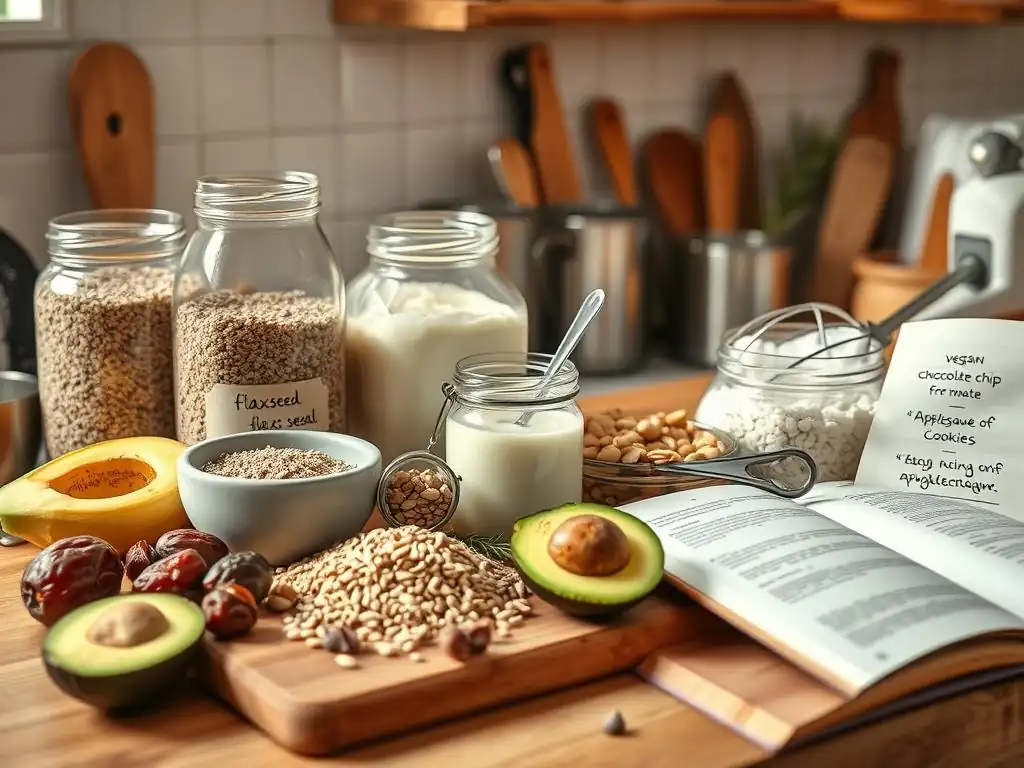
Navigating the world of vegan baking ingredient substitutions often starts with replacing the most common non-vegan items: eggs and dairy. Fortunately, nature provides abundant alternatives that can be easily transformed into effective substitutes right in your kitchen. Mastering these basic DIY replacements forms the foundation for more complex vegan baking.
This section delves into simple yet powerful methods for creating homemade versions of key ingredients. We'll explore how humble pantry staples can be converted into functional components that mimic the properties of eggs and dairy in baked goods. These techniques are not only cost-effective but also incredibly satisfying to master.
Replacing Eggs in Vegan Cooking: Homemade Options
Eggs play multiple roles in traditional baking: binding ingredients, providing structure, adding moisture, and contributing to leavening. When making vegan baking ingredient substitutions for eggs, it's important to consider which function is most crucial for the specific recipe. Different homemade substitutes excel at different tasks. For example, flax eggs are great binders, while aquafaba can mimic egg whites' leavening properties.
Choosing the right egg substitute is key to successful vegan baking. A recipe for dense brownies might benefit from a binder like a flax egg, while light and airy meringues require the whipping power of aquafaba. Understanding these nuances allows you to select the most effective DIY option for your baking needs, ensuring your cakes aren't too crumbly or your muffins too dense.
DIY Flaxseed Egg: A Simple and Effective Substitute
The flaxseed egg (or "flax egg") is perhaps the most common and versatile vegan baking ingredient substitution for eggs, particularly as a binder. To make one flax egg equivalent, whisk together 1 tablespoon of ground flaxseed meal with 3 tablespoons of water. Let the mixture sit for about 5-10 minutes until it thickens into a gel-like consistency similar to a raw egg. This gel is excellent for binding ingredients in muffins, cookies, breads, and pancakes, replacing one egg per flax egg mixture.
This substitute works by forming a mucilaginous gel when flaxseed meal absorbs water. The fiber in the ground seeds creates a sticky network that helps hold baked goods together. It's a reliable replacement in recipes where the egg's primary role is binding, such as cookies or quick breads. While it adds a slightly nutty flavor and tiny speckles, these are often undetectable or complementary in many recipes. A 1-pound bag of ground flaxseed, costing around $3-5, can yield dozens of flax eggs, highlighting its cost-effectiveness compared to buying specialty egg replacers.
Mashed Banana as an Egg Replacement
Mashed banana is another simple and effective vegan baking ingredient substitution for eggs, best used in recipes where moisture and a subtle banana flavor are welcome, such as muffins, quick breads, or some cakes. Approximately half a medium-sized ripe banana, mashed smoothly (about 1/4 cup), can typically replace one egg. The natural sugars in the banana also contribute to browning.
This substitute provides moisture and binding thanks to the pectin and starches in the fruit. It's particularly good in recipes that are already moist or where a slightly denser texture is desired. However, it will impart a banana flavor and can make baked goods quite moist, sometimes even slightly gummy if too much is used. It's generally not suitable for recipes requiring significant leavening or a neutral flavor profile, like delicate cakes or cookies where spread is critical. Using overripe bananas works best as they are sweeter and easier to mash.
Homemade Aquafaba: The Magic of Chickpea Brine
Aquafaba, the liquid from canned chickpeas or other legumes, is a revolutionary vegan baking ingredient substitution that can mimic the properties of egg whites, especially their ability to whip into a stable foam. The brine from a standard 15-ounce can of chickpeas yields roughly 1/2 to 3/4 cup of aquafaba, which can replace about 2-3 egg whites when whipped. It's used to make vegan meringues, macarons, mousses, and even mayo.
The starches and proteins that leach out of the chickpeas into the water during cooking give aquafaba its unique emulsifying, binding, and whipping properties. While the exact composition can vary between brands or if made from scratch, it behaves remarkably like egg whites when aerated. For best results, reduce the aquafaba slightly by simmering it gently to concentrate the proteins, especially for meringues. Approximately 3 tablespoons of unreduced aquafaba can often replace one whole egg in recipes where binding and a bit of lift are needed, like brownies.
Dairy-Free Milk Alternatives: Recipes and Tips
Plant-based milks are fundamental vegan baking ingredient substitutions for dairy milk. While store shelves are packed with options, making your own is simple, cost-effective, and allows for customization. The basic process involves soaking a base ingredient (like nuts, seeds, or grains) in water, blending, and straining. The resulting liquid can be used cup-for-cup in most baking recipes calling for dairy milk.
The choice of plant milk can subtly affect the flavor and richness of baked goods. Almond milk is neutral, oat milk adds creaminess, and coconut milk provides richness and a distinct flavor. Experimenting with different homemade versions helps you discover which works best for your preferred recipes and taste.
Homemade Almond Milk
Homemade almond milk is a popular vegan baking ingredient substitution due to its neutral flavor and versatility. To make it, soak 1 cup of raw almonds in water overnight (or in hot water for 1 hour). Drain the almonds and blend them with 4 cups of fresh water until smooth. Strain the mixture through a nut milk bag or fine-mesh sieve lined with cheesecloth. This typically yields about 3-3.5 cups of milk. You can add a pinch of salt, a date for sweetness, or vanilla extract before blending.
Making your own allows you to control the consistency – use less water for a creamier milk, more for a thinner version. The cost is significantly lower than store-bought; a pound of almonds costing around $6-10 can produce multiple batches of milk, far exceeding the cost of a carton. Use it in cakes, muffins, pancakes, or any recipe requiring milk.
DIY Oat Milk: A Budget-Friendly Option
DIY oat milk is one of the most economical vegan baking ingredient substitutions for dairy milk. Simply blend 1 cup of rolled oats with 4 cups of cold water for about 30-60 seconds. Do not over-blend, as this can make the milk slimy. Strain immediately through a nut milk bag or fine-mesh sieve. This yields approximately 3.5-4 cups of milk. A large container of rolled oats costs just a few dollars and can make many gallons of milk.
Oat milk provides a creamy texture, similar to dairy milk, making it excellent for baking. Its mild flavor generally doesn't interfere with other ingredients. It works well in virtually any recipe calling for milk, from custards to breads. The key is quick blending and immediate straining to avoid the gummy texture that can develop from over-processing the oats.
Coconut Milk: Different Types and Uses
Coconut milk is a rich and flavorful vegan baking ingredient substitution available in various forms, though making your own requires dried shredded coconut. To make a basic version, blend 1 cup of unsweetened shredded coconut with 4 cups of hot water. Let it steep for 10-15 minutes, then blend again and strain. This produces a thinner milk suitable for general baking. For thick, creamy "canned" style coconut milk, use less water (e.g., 1 cup coconut to 1.5-2 cups hot water) and strain.
The type of coconut milk used in baking makes a difference. The thinner, carton-style homemade milk is good for general recipes. Canned full-fat coconut milk (which can also be approximated DIY) is excellent for adding richness to curries, sauces, or whipping into a cream substitute (chill the can, scoop out the solid cream). A pound of shredded coconut costs around $4-7 and can yield multiple batches, offering a cost advantage over buying multiple cans or cartons.
Vegan Butter Substitutes: DIY Spreads and Oils
Replacing butter in vegan baking requires finding ingredients that provide fat, moisture, and structure. While many solid vegan butters are available, using simple oils or crafting your own spread are effective DIY vegan baking ingredient substitutions. Butter provides richness, helps with leavening (through creaming with sugar), and contributes to texture and flakiness.
Understanding the fat content and melting point of different substitutes is crucial. Solid fats like coconut oil behave differently than liquid oils like olive oil. Choosing the right fat substitute depends heavily on the specific baking application, whether it's a flaky pie crust, a moist cake, or chewy cookies.
Coconut Oil as a Vegan Butter Replacement
Refined coconut oil is a versatile vegan baking ingredient substitution that can replace butter in many recipes, especially those where a solid fat is needed for structure, like pie crusts or cookies. Use it cup-for-cup as a replacement for solid butter. Refined coconut oil has a neutral flavor, unlike unrefined versions which retain a coconut taste. It's solid at room temperature (below 76°F or 24°C) and melts when heated, similar to butter.
Its high saturated fat content gives it a similar texture to butter when solid, making it suitable for cutting into flour for pastries or creaming with sugar for cookies (though it doesn't cream quite the same way due to a different melting point). A large jar of coconut oil (around 54 oz) costs about $10-15, offering a cost-effective alternative to multiple sticks of vegan butter. However, baked goods made with only coconut oil can sometimes be a bit dry or greasy; combining it with other fats or ingredients can improve texture.
Homemade Vegan Butter Spread
Crafting your own vegan butter spread offers a highly customizable vegan baking ingredient substitution. A basic recipe involves blending a solid fat (like refined coconut oil or shea butter) with a liquid oil (like canola or sunflower oil), plant-based milk, and an emulsifier (like lecithin or a tiny bit of xanthan gum). Food coloring (like turmeric for yellow) and flavorings can be added. A typical ratio might be 1/2 cup solid fat, 1/4 cup liquid oil, 1/4 cup plant milk, and a pinch of salt and emulsifier.
This DIY approach allows you to control the firmness and flavor. By adjusting the ratio of solid to liquid fats, you can create a spreadable butter for toast or a firmer version suitable for baking. While requiring a few more ingredients than simply using coconut oil, it provides a closer functional match to dairy butter for creaming and overall richness in cakes and cookies. The cost per pound is often lower than premium store-bought vegan butters.
Olive Oil: When and How to Use It
Olive oil is a liquid vegan baking ingredient substitution for melted butter or other oils, best used in recipes where a liquid fat is appropriate and a distinct flavor is acceptable, such as quick breads, muffins, and some cakes. It cannot replace solid butter in recipes requiring creaming or cutting into flour. Use about 3/4 cup of olive oil for every 1 cup of butter called for, as it's 100% fat while butter is about 80% fat and 20% water.
Extra virgin olive oil has a strong flavor, so a lighter or refined olive oil (or another neutral vegetable oil like canola or sunflower) is often preferred for baking unless the recipe complements the olive oil's taste (e.g., an olive oil cake). It adds moisture and tenderness but won't contribute to leavening or structure in the same way solid fats do. A large bottle of olive oil is relatively inexpensive per use compared to butter, making it a budget-friendly option for suitable recipes.
Advanced Vegan Substitutions: Level Up Your Skills
Once you've mastered the basic vegan baking ingredient substitutions for eggs and dairy, you can explore more advanced replacements for ingredients like honey or even tackle gluten-free vegan baking. These substitutions might require a bit more finesse but open up a wider range of recipes and dietary options.
Expanding your DIY repertoire to include sweeteners and flour blends allows for even greater control over the ingredients in your baked goods. It's an exciting step for any vegan baker looking to refine their craft and tackle more complex challenges, ensuring delicious results even with less common ingredient swaps.
Replacing Honey: Natural Sweeteners
Honey, while plant-derived, is produced by bees and therefore not considered vegan by most. Finding suitable vegan baking ingredient substitutions for honey involves exploring other liquid, natural sweeteners that offer similar viscosity and flavor profiles. The key is to match the sweetness level and moisture contribution.
Many vegan liquid sweeteners are readily available, but understanding their unique properties is important. Maple syrup offers a distinct flavor, agave is quite neutral and thin, and date syrup provides a rich, almost caramel-like taste. Choosing the right one depends on the desired outcome of your baked goods.
Maple Syrup as a Vegan Honey Alternative
Pure maple syrup is an excellent and widely available vegan baking ingredient substitution for honey. It offers a similar liquid consistency and sweetness level, though with its characteristic maple flavor. It can generally be substituted cup-for-cup for honey in most recipes. Grade A Dark or Very Dark varieties tend to have a stronger flavor, while Grade A Amber is lighter.
Maple syrup works well in marinades, dressings, and baked goods where its flavor is complementary, such as in pecan pies, muffins, or granola. While often more expensive than honey ounce-for-ounce (a 32 oz jug might cost $15-20), its quality and flavor make it a preferred choice for many. Its viscosity is slightly thinner than honey, which might require minor adjustments in liquid-sensitive recipes.
Agave Nectar
Agave nectar, derived from the agave plant, is another common vegan baking ingredient substitution for honey. It is typically thinner and sweeter than honey, so you often need less of it. A common substitution ratio is to use about 2/3 to 3/4 cup of agave nectar for every 1 cup of honey, and potentially reduce other liquids in the recipe slightly.
Agave has a relatively neutral flavor profile compared to maple syrup or date syrup, making it versatile for various recipes where you don't want the sweetener to dominate the taste. It dissolves easily and is good in drinks, sauces, and baked goods where minimal flavor interference is desired. A bottle of agave nectar typically costs $5-8, making it a cost-effective option.
Date Syrup: A Rich and Flavorful Vegan Sweetener
Date syrup, made by simmering dates in water and reducing the liquid, is a rich, dark, and flavorful vegan baking ingredient substitution. It has a thick consistency, similar to honey, and offers a deep, caramel-like sweetness. It can often be substituted cup-for-cup for honey, though its distinct flavor should be considered.
Making date syrup at home involves blending soaked dates with some of their soaking water and straining, or simply reducing the liquid from cooking dates. A pound of dates costing around $4-6 can yield a significant amount of syrup. It's excellent in baked goods like cookies, brownies, and quick breads, adding moisture and a rich, natural sweetness. It also provides some fiber and nutrients from the dates.
Gluten-Free Vegan Substitutions: A Guide
Combining vegan and gluten-free baking can seem challenging, but many vegan baking ingredient substitutions are naturally gluten-free, and others can be easily made so. Replacing wheat flour with a suitable gluten-free blend is key, as is understanding how different starches and flours contribute to texture without the binding power of gluten.
Achieving good texture in gluten-free vegan baking often relies on a blend of flours (like rice flour, oat flour, or sorghum flour) combined with starches (like tapioca or potato starch) and sometimes binders (like xanthan gum). Making your own blend allows for customization based on your specific needs and the type of baked good.
DIY Gluten-Free Flour Blend
Creating your own gluten-free flour blend is a fundamental vegan baking ingredient substitution for wheat flour. A common ratio involves combining whole-grain flours with starches. For example, a versatile blend might be 40% brown rice flour, 30% white rice flour, 20% tapioca starch, and 10% potato starch. Blend these thoroughly and store in an airtight container. Use this blend cup-for-cup in recipes calling for all-purpose flour.
Making your own blend is often more cost-effective than buying pre-mixed gluten-free flours, which can be quite expensive (a 3 lb bag might cost $8-12). By buying individual flours and starches in bulk (e.g., a 25 lb bag of rice flour might cost $20-30), the cost per pound of your blend is significantly reduced. This allows for experimentation to find the perfect blend for different types of baking, from cakes to cookies.
Using Tapioca Starch
Tapioca starch (or tapioca flour) is a common vegan baking ingredient substitution used in gluten-free blends and as a thickener. It's extracted from the cassava root and provides chewiness and structure in baked goods. It's particularly good in combination with other flours to improve texture and binding without gluten.
It works by absorbing liquid and creating a slightly chewy or gooey texture, which is desirable in items like cookies or pie fillings. When used in gluten-free bread or cake recipes, it helps provide structure and prevents crumbling. A pound of tapioca starch costs around $2-4, making it an affordable component of a DIY gluten-free flour blend. It's often used at about 10-20% of the total flour weight in a blend.
Potato Starch as a Gluten-Free Vegan Ingredient
Potato starch is another effective vegan baking ingredient substitution and a key component in many gluten-free flour blends. Extracted from potatoes, it is a fine, white powder that acts as a thickener and provides lightness and tenderness to baked goods. It helps create a soft crumb structure in cakes and muffins.
Like tapioca starch, potato starch is typically used in conjunction with other gluten-free flours. It absorbs liquid and gelatinizes when heated, contributing to structure and moisture retention. It's often used at about 10-15% of the total flour weight in a DIY gluten-free blend. A pound of potato starch is similarly priced to tapioca starch, around $2-4. It's important to distinguish it from potato flour, which is made from the whole potato and behaves differently.
Tips for Successful DIY Vegan Substitutions

Successfully using vegan baking ingredient substitutions requires more than just swapping ingredients; it involves understanding how different components interact and how to adjust your technique accordingly. Even simple DIY substitutes can behave slightly differently than their traditional counterparts.
Paying attention to ingredient ratios, adjusting baking times and temperatures, and being willing to experiment are key to mastering the art of vegan baking with homemade substitutes. These tips will help you troubleshoot common issues and consistently achieve delicious results.
Understanding Ingredient Ratios
Precise ingredient ratios are critical in baking, and this holds true for vegan baking ingredient substitutions. While many DIY substitutes can be used cup-for-cup, some require adjustments. For example, as mentioned, olive oil is denser than butter and is typically used at a 3/4 ratio. Liquid sweeteners like agave might require reducing other liquids in the recipe.
It's helpful to research recommended substitution ratios for specific ingredients (e.g., flax egg vs. chia egg vs. commercial egg replacer) and start there. However, be prepared to make minor tweaks based on the specific recipe and how your homemade substitute behaves. Factors like the ripeness of bananas or the thickness of homemade plant milk can slightly alter the outcome, necessitating small adjustments in flour or liquid.
Adjusting Cooking Time and Temperature
Vegan baking ingredient substitutions can affect cooking time and temperature. Baked goods made with plant-based fats or egg substitutes might brown differently or take longer to set. For instance, recipes using flax eggs or mashed banana might require a slightly longer baking time due to increased moisture.
It's often recommended to start checking for doneness a few minutes earlier than the recipe suggests, but be prepared to bake longer if needed. Lowering the oven temperature slightly (e.g., by 10-15°F or 5-8°C) can help prevent over-browning before the inside is fully cooked, especially for cakes and muffins. Monitoring closely and using visual cues (like edges pulling away or a toothpick test) is essential.
Experimenting with Flavors and Textures
DIY vegan baking ingredient substitutions offer a fantastic opportunity to experiment with flavors and textures. Homemade plant milks can be flavored, different oils add distinct notes, and natural sweeteners each contribute unique tastes. Embrace the chance to personalize your recipes.
For example, using homemade coconut milk will add a subtle tropical flavor, while using oat milk keeps the flavor neutral. Swapping maple syrup for date syrup changes the sweetness profile significantly. Keep detailed notes on your experiments – what substitutes you used, any adjustments made, and the outcome. This builds your knowledge base and helps you recreate successful results while learning from attempts that didn't go as planned.
Troubleshooting Common Problems with DIY Vegan Cooking
Even with the best vegan baking ingredient substitutions, sometimes things don't turn out perfectly. Vegan baking, especially with homemade ingredients, can present unique challenges compared to traditional methods. Common issues include dense textures, dryness, or uneven cooking.
Understanding the potential causes of these problems and knowing how to address them is part of the learning process. Don't be discouraged by setbacks; view them as opportunities to refine your technique and better understand how your DIY ingredients function.
Dense and Heavy Baked Goods: Solutions
Dense and heavy baked goods are a common issue when using vegan baking ingredient substitutions, often stemming from improper leavening or overmixing. Traditional recipes rely on eggs and dairy for structure and lift. Vegan substitutes, especially DIY ones, may not provide the same aeration or binding.
Solutions include ensuring your leavening agents (baking soda and baking powder) are fresh and used in correct proportions. Acidic ingredients like vinegar or lemon juice are often needed to activate baking soda in vegan recipes. Avoid overmixing the batter, which can develop gluten (even in wheat flour) or toughen starches, leading to a heavy texture. Using a combination of binding agents (like a flax egg) and leavening agents is crucial. Sometimes, simply adding a bit more baking powder (e.g., an extra 1/2 teaspoon per cup of flour) can help.
Dry and Crumbly Dishes: How to Fix It
Dry and crumbly baked goods can result from insufficient moisture or fat when using vegan baking ingredient substitutions. Vegan ingredients often contain less inherent fat than dairy or eggs. Using only low-fat substitutes or not adding enough liquid can lead to a dry texture.
To fix this, ensure you are using appropriate fat substitutes (like homemade vegan butter or oil) in sufficient quantities. If using a naturally less moist egg substitute like a commercial powder, you might need to increase liquid slightly. Adding ingredients that boost moisture, such as applesauce, pumpkin puree, or extra mashed banana (if flavor is okay), can also help. Adjusting flour ratios in gluten-free blends to include more moisture-retaining starches can also improve texture.
Uneven Cooking: Tips and Tricks
Uneven cooking can occur with any baking but might be more noticeable with vegan baking ingredient substitutions due to differences in how they conduct heat and brown. This can result in burnt edges and an undercooked center.
Ensure your oven temperature is accurate (an oven thermometer is a worthwhile investment, costing around $10-20). Preheat your oven fully before baking. Using the correct size and type of baking pan is also important; dark pans absorb more heat and can cause faster browning. If edges are browning too quickly, you can tent the dish loosely with foil. Rotating the pan halfway through the baking time can also help promote even cooking.
Conclusion: Embrace the World of DIY Vegan Cooking
Learning to make your own vegan baking ingredient substitutions is a powerful step towards becoming a more skilled, economical, and creative baker. It allows you to customize ingredients, save money, and gain a deeper understanding of how different components function in plant-based recipes. From simple flax eggs to complex gluten-free flour blends, the possibilities for DIY vegan baking are vast and rewarding.
Don't be afraid to experiment and learn from your experiences. Every batch, successful or not, teaches you something new about the properties of vegan ingredients and how to work with them. With practice, making your own substitutes will become second nature, opening up a world of delicious vegan possibilities right in your own kitchen.
The Future of Vegan Cooking: Creativity and Innovation
The field of vegan baking ingredient substitutions is constantly evolving, driven by innovation and a growing interest in plant-based diets. As more people explore veganism and sustainable eating, the demand for effective and accessible substitutes will continue to rise. This pushes bakers and food scientists to discover new ways to replicate the functions of traditional ingredients using plants.
Expect to see more research into novel plant proteins, starches, and fats that can mimic the properties of eggs and dairy even more closely. The focus will likely be on creating substitutes that are not only functional but also minimally processed and sustainable. This ongoing innovation means the world of DIY vegan baking will only become more exciting, offering even more creative options for home bakers.
Resources for Further Learning About Vegan Substitutions
To deepen your understanding of vegan baking ingredient substitutions, numerous resources are available. Cookbooks specifically focused on vegan baking often provide detailed guides to substitutes and their uses. Websites and blogs dedicated to vegan recipes are invaluable sources of information and new ideas.
Consider exploring online baking classes or workshops that cover vegan techniques. Engaging with online communities of vegan bakers can also provide peer support and troubleshooting advice. Don't forget the power of scientific resources that explain the functional properties of different ingredients. Continuously learning and experimenting is the best way to master DIY vegan baking and confidently create delicious plant-based treats.
Frequently Asked Questions
What are some common ingredients that need to be substituted in vegan baking?
Common ingredients that need substituting include eggs, dairy milk, and butter. These provide structure, moisture, and richness that can be replicated with plant-based alternatives.
Why is it important to understand vegan baking ingredient substitutions?
Understanding substitutions allows for flexibility and cost savings. You can adapt recipes to your dietary needs and use ingredients you already have on hand.
What can I use instead of eggs in a vegan cake recipe?
Applesauce, mashed banana, flaxseed meal mixed with water ("flax egg"), or even commercial egg replacers can be used. The best choice depends on the desired texture and flavor.
Can I substitute all-purpose flour with a gluten-free alternative in vegan baking?
Yes, but you may need to adjust the liquids and binders. Gluten-free flours often require more moisture and a binder like xanthan gum for structure.
How can I achieve a rich, buttery flavor in vegan baked goods without using dairy butter?
Coconut oil, vegan butter sticks, or even olive oil can provide richness. Consider the flavor profile of each substitute when choosing.
Final Reflection: The Sweet Revolution of DIY Vegan Baking
The accessibility and affordability of vegan baking are no longer niche concerns; they're becoming mainstream necessities. This article has explored the power of DIY vegan substitutions, demonstrating how readily available ingredients can transform simple recipes into delicious, ethical, and budget-friendly creations. The ability to control your ingredients and tailor them to your specific needs and preferences is a game-changer, impacting not only your wallet but also your health and the environment.
The shift towards plant-based diets is profoundly impacting the culinary landscape, and home baking is at the forefront of this movement. This isn't just about avoiding animal products; it's about empowerment. It's about reclaiming control over what goes into our food and fostering a deeper connection with the ingredients we use. The best way to find yourself is to lose yourself in the service of others.
– Mahatma Gandhi. This quote, while seemingly unrelated at first glance, speaks to the core of DIY vegan baking: by creating our own substitutes, we are actively participating in a larger movement towards mindful consumption and ethical food choices, serving both ourselves and the planet.
Now, it's your turn. Don't just passively consume recipes; actively create them. Experiment with the substitutions outlined in this article, and let your creativity flourish. Embrace the challenge of finding your own perfect vegan alternatives, and discover the joy of baking with intention and purpose. The kitchen is your laboratory, and the possibilities are endless. Let's bake a better future, one delicious vegan creation at a time.
Unleash Your Inner Vegan Chef!
Thanks for diving into the world of delicious and affordable vegan cooking! You've learned how easy it is to create your own substitutes, saving money and taking control of your ingredients. Now it's time to put your new skills into action.
- Master a new vegan recipe: Pick your favorite dish from the article and give it a vegan twist! Challenge yourself to substitute at least one ingredient.
- Share your vegan creations: Post a picture of your culinary masterpiece on social media and tag #BakeWithEaseVegan. Let's inspire others!
- Experiment with unusual substitutes: Try swapping out an ingredient with something completely unexpected – you might discover your next favorite vegan hack!
What surprising vegan substitute are you most excited to try in your next recipe?