
The Ultimate Guide to Different Types of Sugar for Every Baking Project

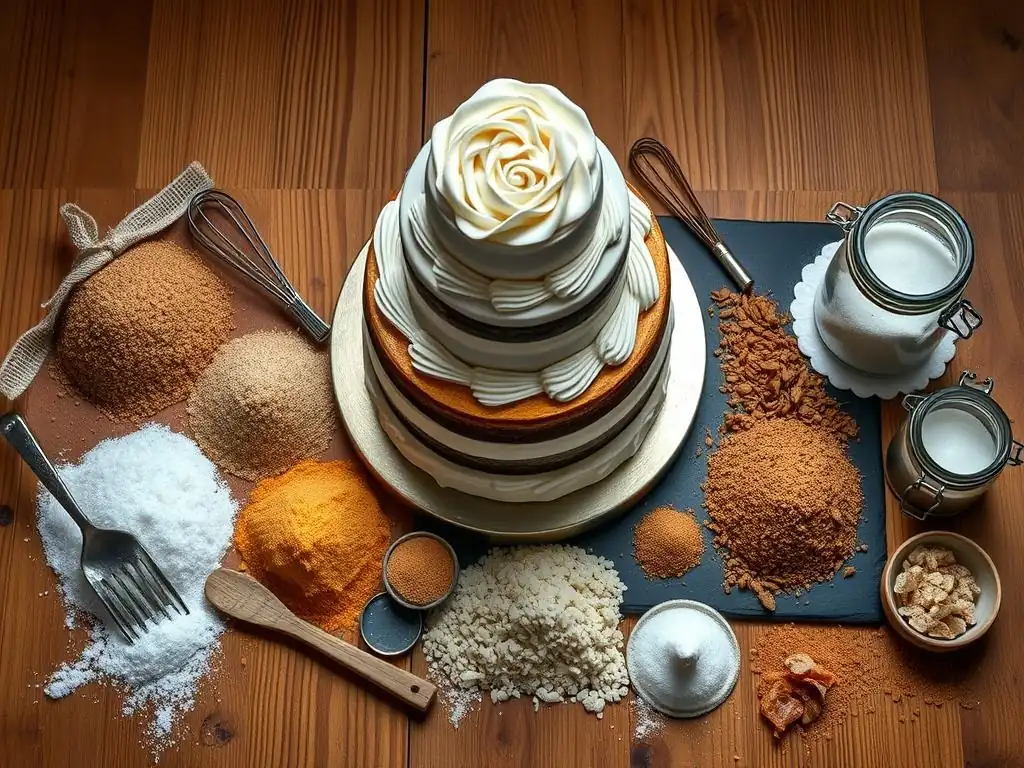
Welcome to BakeWithEase, your partner in creating delicious baked goods! Ever wondered if you're using the best sugar for your cake recipes? This guide unlocks the secrets to understanding different types of sugar and how they impact your baking. Discover the nuances that separate a good cake from a great one – let's explore the sweet science of sugar!
- Bake With Ease: Mastering Baking with the Right Sugar
- Understanding Sugar's Role in Baking: A Baker's Guide
- Granulated Sugar: The All-Purpose Baking Staple
- Caster Sugar (Superfine Sugar): For Delicate Baking Textures
- Powdered Sugar (Icing Sugar/Confectioners' Sugar): The Finishing Touch
- Brown Sugar: Adding Depth and Molasses Flavor to Your Baking
- Muscovado Sugar: Unrefined Richness for Intense Flavors
- Turbinado Sugar (Raw Sugar): A Crunchy Topping and More
- Liquid Sweeteners: Honey, Maple Syrup, and Molasses in Baking
- Sugar Substitutes: Baking with Alternatives
- Choosing the Best Sugar for Cake Recipes: A Summary
- Bake With Ease: Your Partner in Baking Success.
-
Frequently Asked Questions
- What is the best sugar to use for cakes that are supposed to be light and fluffy?
- Can I substitute different types of sugar in a cake recipe, and if so, what adjustments should I make?
- What role does brown sugar play in cake baking, and when should I use it?
- Does the type of sugar affect the color of the baked cake?
- What are some less common sugars I could experiment with in cake baking, and what unique qualities do they offer?
- Final Reflection: Sweetening the Future, One Bake at a Time
- Unlock Your Baking Potential: Master the Sweet Science!
Bake With Ease: Mastering Baking with the Right Sugar
Welcome to Bake With Ease! Understanding the ingredients you use is fundamental to successful baking, and sugar is far more than just a sweetener. It plays a critical role in the texture, structure, color, and even the shelf life of your baked goods. Choosing the right type of sugar for your specific recipe can elevate your results from good to truly exceptional.
This guide will take you on a journey through the diverse world of sugars commonly used in baking. We'll explore their unique properties, discuss when and why to use them, and offer tips to help you make the best choices for your next project, especially when deciding on the best sugar for cake recipes or any other delightful treat you plan to create.
Understanding Sugar's Role in Baking: A Baker's Guide
Before we dive into the different types, let's explore why sugar is such a powerhouse ingredient in baking. It's not just about making things taste sweet; sugar performs multiple essential functions that contribute to the final outcome of your cakes, cookies, breads, and pastries.
Knowing the fundamental roles of sugar helps you understand why substituting or altering the amount can significantly impact the result. It's the key to troubleshooting common baking issues and mastering your craft.
Why Sugar Matters: Beyond Sweetness in Your Baking Recipes
While sweetness is sugar's most obvious contribution, its functions in baking are incredibly diverse and crucial. One primary role is tenderization: sugar interferes with gluten development in flour and protein coagulation in eggs, leading to a softer, more tender crumb structure in cakes and muffins. Without sufficient sugar, a cake could end up tough or dry. For instance, increasing sugar slightly in a basic vanilla cake recipe often results in a noticeably moister and more tender crumb compared to a version with significantly less sugar.
Furthermore, sugar plays a vital part in moisture retention. It's hygroscopic, meaning it attracts and holds onto water. This property helps keep baked goods moist and extends their shelf life, preventing them from drying out quickly.
Think about cookies made with brown sugar; they tend to be chewier and stay soft longer than those made solely with granulated sugar, partly because of the molasses in brown sugar, but also because sugar itself helps retain moisture. Achieving the perfect balance of sweetness, tenderness, and moisture is key, especially when aiming for the best sugar for cake recipes that stay moist for days.
Exploring the Science of Sugar in Baking: Functionality and Flavor
Beyond texture and moisture, sugar is a key player in chemical reactions that develop flavor and color. The Maillard reaction, which occurs between amino acids and reducing sugars under heat, is responsible for the delicious browning and complex flavors on the crust of cakes, cookies, and breads. Caramelization, another heat-induced process, involves the browning of sugars themselves, producing distinct nutty, buttery, and slightly bitter notes that contribute significantly to overall flavor depth in baked goods like caramel sauces or the browned edges of a cookie.
Sugar also aids in leavening. When sugar is creamed with butter, its sharp crystals cut into the fat, creating tiny air pockets. These air pockets expand during baking, contributing to the lift and light texture of cakes and cookies. This creaming method is fundamental in many butter-based cake recipes, showing how the physical interaction of sugar crystals with fat is just as important as its chemical properties for achieving a desirable volume and texture. Understanding these scientific roles helps bakers make informed choices about which sugar to use for specific results.
Granulated Sugar: The All-Purpose Baking Staple
Granulated sugar, also known as white sugar, is the most common type found in kitchens and baking recipes worldwide. It's a highly refined sucrose product with a fine crystal structure, making it incredibly versatile for a wide range of baking applications.
Its neutral flavor profile allows the other ingredients in your recipe to shine, while its consistent crystalline form provides reliable results in terms of texture and volume when used correctly. It's often the default choice for many recipes unless a specific texture or flavor is required.
Granulated sugar is the workhorse of the baking world, suitable for nearly everything. It's the standard choice for classic butter cakes, pound cakes, and yellow cakes because its crystals contribute to the creaming process with butter, helping to create a light and airy structure. For many cookie recipes, granulated sugar provides spread and crispness, particularly around the edges, like in a classic sugar cookie or shortbread.
You'll also find granulated sugar in quick breads, muffins, pies, and custards. Its ability to dissolve reasonably well in liquids makes it suitable for batters and doughs where a smooth texture is desired. When looking for the best sugar for cake recipes that require a sturdy yet tender crumb and a golden crust, granulated sugar is typically the go-to option. Its reliability makes it essential for countless baking projects.
Tips for Baking with Granulated Sugar: Achieving Perfect Texture and Flavor
To get the best results with granulated sugar, proper technique is key. When making cakes or cookies that use the creaming method, ensure the butter and sugar are creamed together until light and fluffy. This process, which can take 3-5 minutes with an electric mixer, incorporates air and dissolves some of the sugar crystals, leading to a finer crumb and better spread. Using room-temperature butter is crucial for effective creaming.
Accurate measurement is also vital; slight variations in sugar can significantly alter the outcome. For instance, too little sugar in a cookie recipe might result in less spread and a tougher texture, while too much can cause excessive spread and a greasy feel. For most recipes calling for granulated sugar, simply scooping and leveling the dry sugar is sufficient, as its density is relatively consistent. Mastering its use is fundamental to mastering baking.
Caster Sugar (Superfine Sugar): For Delicate Baking Textures
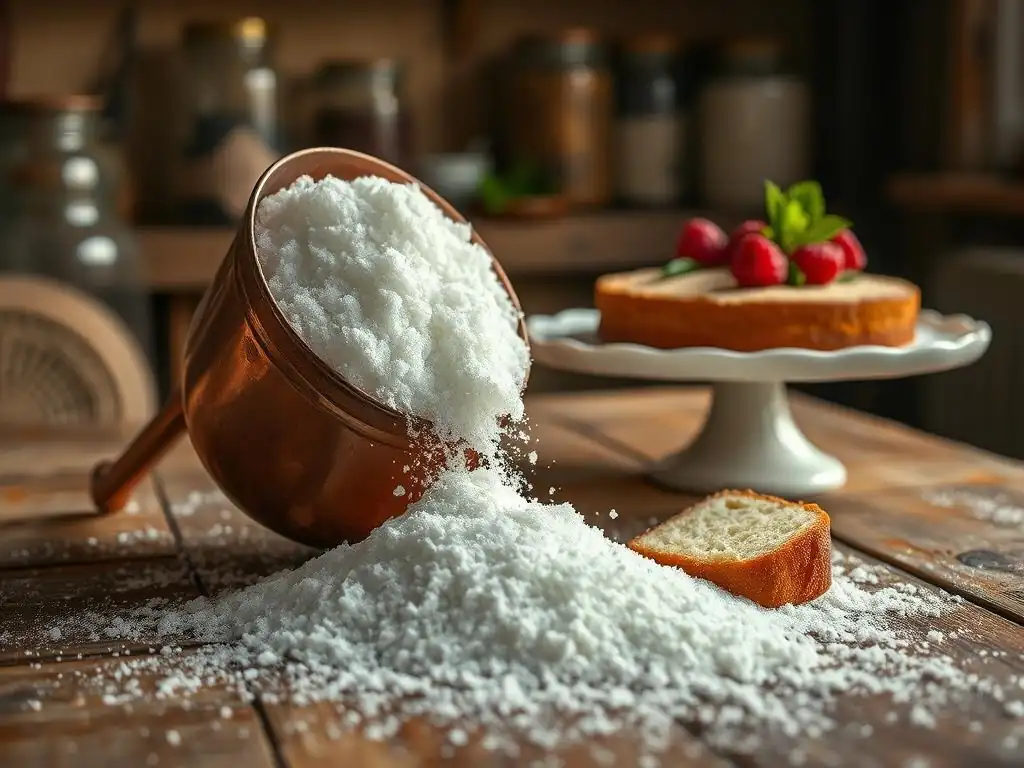
Caster sugar, known as superfine sugar in the US, is granulated sugar that has been ground into smaller, finer crystals. It's not as fine as powdered sugar, but significantly finer than regular granulated sugar. This smaller particle size is its key characteristic and makes it particularly useful in specific baking applications.
Because of its fineness, caster sugar dissolves much more quickly than granulated sugar. This property makes it ideal for recipes where you want to avoid a grainy texture or where rapid dissolution is necessary, such as in light batters or when whipping egg whites.
Baking with Caster Sugar: Ideal for Meringues and Delicate Cakes
Caster sugar is the preferred sugar for delicate baked goods where a smooth texture and quick dissolution are paramount. It is perhaps most famously used in meringues; when whipped with egg whites, the fine crystals dissolve rapidly, stabilizing the foam and resulting in a smooth, glossy, and stable meringue that holds its shape beautifully. Using granulated sugar in meringues can lead to a gritty texture and a less stable foam.
For delicate cakes like sponge cakes, genoise, or angel food cake, caster sugar is often recommended. Its ability to dissolve quickly into the batter without requiring extensive mixing helps prevent the development of tough gluten, resulting in a lighter, more tender crumb. When seeking the best sugar for cake recipes that are airy and delicate, caster sugar is often the superior choice over granulated sugar.
How Caster Sugar Differs from Granulated Sugar: A Comparison for Baking
The primary difference between caster sugar and granulated sugar lies in their particle size. Granulated sugar crystals are larger and coarser, while caster sugar crystals are considerably smaller – roughly half the size or even finer, depending on the grind. This difference in size directly impacts how they behave in recipes.
Because caster sugar dissolves faster, it's less likely to leave a gritty texture, especially in batters or doughs with shorter mixing times or lower liquid content. It also incorporates air more readily when creamed with butter or whipped with eggs, contributing to a finer, more uniform crumb structure. While you can sometimes make caster sugar by processing granulated sugar briefly in a food processor, commercially produced caster sugar is typically more uniform in size.
Powdered Sugar (Icing Sugar/Confectioners' Sugar): The Finishing Touch
Powdered sugar, also known as icing sugar or confectioners' sugar, is granulated sugar that has been ground into a very fine powder. To prevent clumping, a small amount of anti-caking agent, typically cornstarch (usually around 3%), is added.
Its powdery texture makes it unsuitable for many structural roles in baking batters, but it is indispensable for frostings, glazes, and decorative finishes. The cornstarch content also contributes to the texture and stability of these applications.
Using Powdered Sugar in Baking: Frostings, Glazes, and Dusting
Powdered sugar is the star of the show when it comes to finishing baked goods. Its fine texture and ability to dissolve instantly in liquid make it the ideal base for smooth, lump-free frostings like classic buttercream, cream cheese frosting, and royal icing. The cornstarch content also helps stabilize these frostings.
It's also used to create simple glazes for cakes, donuts, and pastries by whisking it with a liquid like milk, lemon juice, or water. Beyond frostings and glazes, powdered sugar is perfect for dusting cakes, cookies, and pastries, providing a delicate, snowy appearance. Sifting powdered sugar before use is often recommended to remove any small lumps and ensure a smooth result.
Powdered Sugar vs. Cornstarch: Understanding the Composition for Baking
While powdered sugar contains cornstarch, they are not interchangeable ingredients. Powdered sugar is primarily sugar (sucrose), making it sweet and serving the functions of sugar (tenderizing, moisture retention) within a frosting or glaze context. The cornstarch is present in a relatively small amount, typically 3-4% by weight, solely as an anti-caking agent.
Cornstarch, on the other hand, is a pure starch derived from corn. It is used as a thickening agent in sauces, gravies, and pie fillings. It does not provide sweetness or contribute significantly to texture in the way sugar does, other than thickening. Therefore, you cannot substitute cornstarch for powdered sugar or vice versa in recipes that rely on their unique properties; a recipe calling for powdered sugar for a frosting needs its sweetness and bulk, while a recipe using cornstarch for thickening needs its gelling properties.
Brown Sugar: Adding Depth and Molasses Flavor to Your Baking
Brown sugar is granulated sugar with molasses added back in. The amount of molasses determines whether it is light brown sugar or dark brown sugar. This addition gives brown sugar its characteristic color, moist texture, and distinct caramel-like flavor notes.
Brown sugar is valued in baking for the moisture it contributes, the chewiness it imparts, and the richness of its flavor profile compared to white sugar. It's a key ingredient in many beloved comfort food recipes.
Light Brown Sugar vs. Dark Brown Sugar: Choosing the Right Type for Your Recipe
The main difference between light brown sugar and dark brown sugar is the amount of molasses they contain. Light brown sugar typically contains about 3.5% molasses by weight, giving it a milder flavor and lighter color. Dark brown sugar contains approximately 6.5% molasses, resulting in a deeper color and a more intense, robust molasses flavor.
Choosing between light and dark brown sugar depends on the desired flavor intensity and moisture level in your final product. For most recipes that simply specify "brown sugar," light brown is generally assumed. However, if you want a stronger molasses presence, such as in gingerbread or certain fruitcakes, dark brown sugar is the better choice. The higher molasses content also means dark brown sugar is slightly more acidic and can react more strongly with baking soda, potentially providing extra lift in some recipes.
Brown sugar is essential for achieving the signature chewiness and rich flavor in many classic baked goods. Chewy chocolate chip cookies, for example, rely heavily on brown sugar for their texture and depth of flavor. The molasses in the sugar contributes moisture, which keeps the cookies soft and chewy, while the flavor complements the chocolate beautifully.
Other recipes where brown sugar excels include gingerbread, spice cakes, fruitcakes, baked beans, and barbecue sauces. In cakes, particularly those with spices like cinnamon, nutmeg, or ginger, brown sugar enhances the warm flavor notes. When considering the best sugar for cake recipes that are moist, dense, and flavorful, especially spice or apple cakes, brown sugar is often a primary component, either alone or in combination with granulated sugar. Its unique properties make it irreplaceable in specific recipes.
Muscovado Sugar: Unrefined Richness for Intense Flavors
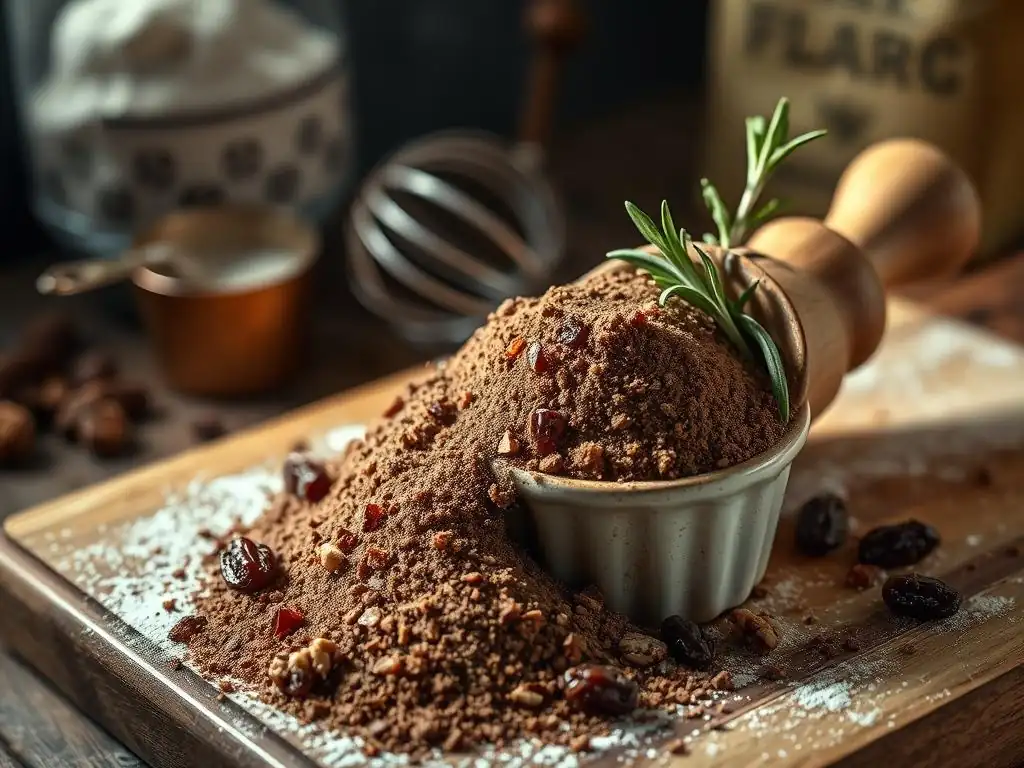
Muscovado sugar is a less refined sugar product than brown sugar. It is made by evaporating the liquid from sugarcane juice, leaving behind sugar crystals with a high molasses content that is not removed during processing. This results in a very moist, sticky sugar with a much stronger, more complex molasses flavor than regular brown sugar.
Muscovado sugar comes in light and dark varieties, similar to brown sugar, with the dark version having an even more pronounced flavor. Its texture is typically coarser and stickier than brown sugar.
Baking with Muscovado Sugar: Adding a Deep, Molasses-Like Taste
Baking with muscovado sugar introduces an intense, almost smoky or toffee-like molasses flavor that regular brown sugar cannot match. Because of its high moisture content and fine, yet sticky, crystal structure, it can contribute to a dense, moist, and chewy texture in baked goods. It doesn't cream with butter quite the same way granulated or even brown sugar does, so it's often incorporated differently into recipes.
When used in baking, muscovado sugar imparts a deep, resonant flavor that works exceptionally well with strong spices, chocolate, and fruits. A sticky toffee pudding made with dark muscovado sugar, for instance, will have a far richer and more complex flavor profile than one made with only brown sugar. It's a sugar for bakers looking to add significant depth and character to their creations.
When to Use Muscovado Sugar: Recipes That Benefit from Intense Flavor
Muscovado sugar is best used in recipes where its strong, distinctive flavor is desired and can complement the other ingredients. It's excellent in rich, dark cakes like fruitcakes, gingerbread, or chocolate cakes where you want an intense, almost earthy sweetness. It can also be used in cookies, especially those with spices or oatmeal, to add chewiness and a robust flavor.
Consider using muscovado sugar in glazes, sauces, or even drinks where a deep, unrefined sweetness is welcome. While it can sometimes be substituted for brown sugar (often 1:1 by weight, though volume can vary due to stickiness), be prepared for a much more intense molasses flavor. It's a specialty sugar that adds a unique dimension to specific baking projects, offering a departure from the more common brown sugar flavor.
Turbinado Sugar (Raw Sugar): A Crunchy Topping and More
Turbinado sugar, often marketed as "raw sugar," is partially processed sugar cane sugar. It has larger crystals than granulated sugar and a light golden-brown color because some of the natural molasses is still present on the crystals' surface.
Unlike brown sugar, which is refined white sugar with added molasses, turbinado sugar retains some of its natural molasses from the initial processing. Its large, coarse crystals make it less suitable for dissolving within batters but perfect for adding texture.
Using Turbinado Sugar in Baking: Texture and Subtle Sweetness
Turbinado sugar's primary use in baking is as a finishing sugar or topping. Its large, sparkly crystals hold up well under heat and provide a delightful crunch when sprinkled on top of muffins, scones, quick breads, pie crusts, or even cookies before baking. The slight molasses content adds a subtle hint of caramel flavor that complements many baked goods.
Because its crystals are so large, turbinado sugar doesn't dissolve easily in batters or doughs, which is why it's not typically used as the main sweetener in cakes or cookies where a smooth texture is desired. Attempting to use it as a direct substitute for granulated sugar in most recipes will result in a gritty texture. Its value lies in its ability to add textural contrast and visual appeal.
Turbinado vs. Other Sugars: A Unique Baking Ingredient
Compared to granulated sugar, turbinado sugar has larger crystals and a trace of molasses. Compared to brown sugar, turbinado has much less molasses and a drier, coarser texture. This makes it unique. Granulated sugar provides structure and sweetness within the bake, while brown sugar adds moisture, chewiness, and a pronounced molasses flavor throughout.
Turbinado sugar, conversely, primarily contributes texture and a mild sweetness on the surface of baked goods. It's not designed to dissolve and integrate into the crumb like other sugars. Think of it less as a sugar for the batter and more as a garnish that bakes into a delightful crunch. Its specific properties make it a niche but valuable ingredient for adding that extra touch to your baked creations.
Liquid Sweeteners: Honey, Maple Syrup, and Molasses in Baking
Beyond crystalline sugars, liquid sweeteners like honey, maple syrup, and molasses are also used in baking. They bring unique flavors, colors, and textures to recipes and can significantly impact the final result due to their liquid form and distinct compositions.
Using liquid sweeteners often requires adjustments to other ingredients in a recipe, particularly the amount of other liquids, to maintain the correct moisture balance. They also react differently to heat and leavening agents compared to dry sugars.
Baking with Honey: Adding Moisture and a Distinct Flavor
Honey is a natural sweetener produced by bees. It's primarily fructose and glucose, making it sweeter than sucrose (table sugar) by volume. In baking, honey is known for its hygroscopic nature, meaning it attracts and retains moisture exceptionally well. This can lead to baked goods that stay moist and fresh for longer periods, like certain types of bread or cakes.
Honey also imparts its own distinct flavor, which varies depending on the floral source (e.g., clover, wildflower, buckwheat). This flavor can range from very mild to quite robust and can significantly influence the overall taste of your baked goods. When substituting honey for sugar, you typically use less honey (it's sweeter) and reduce the amount of other liquids in the recipe, often by about 1/4 cup for every cup of honey used, to maintain the right consistency. Honey can also cause faster browning.
Maple Syrup in Baking: Natural Sweetness and Unique Characteristics
Pure maple syrup, derived from the sap of maple trees, offers a distinctive earthy, caramel-like flavor and is another popular liquid sweetener in baking. Like honey, it contributes moisture to baked goods. Using pure maple syrup (not pancake syrup, which is often corn syrup with flavoring) adds a natural sweetness and depth of flavor that pairs wonderfully with ingredients like nuts, oats, and spices.
Maple syrup is slightly less sweet than granulated sugar. When substituting, you might use a bit more maple syrup than the sugar called for and reduce other liquids. Maple syrup is also slightly acidic, which can react with baking soda to provide leavening. This makes it a good fit for recipes using baking soda, such as certain types of muffins or quick breads, enhancing their lift and tenderness while adding its signature flavor.
Molasses for Baking: Deep, Rich Flavor and Chewy Texture
Molasses is a byproduct of the sugar refining process. The type used in baking is typically unsulfured molasses, which has a cleaner flavor than sulfured varieties. Molasses adds significant moisture, a deep, rich flavor (ranging from mild in light molasses to intense and slightly bitter in blackstrap), and contributes to a chewy texture and dark color in baked goods.
It's an essential ingredient in classic recipes like gingerbread, certain cookies (like gingersnaps), and dark fruitcakes, providing their characteristic flavor and moist chewiness. When molasses is used with baking soda, the acidity of the molasses reacts with the alkaline soda, producing carbon dioxide gas that helps the baked good rise. This chemical reaction is crucial in many traditional molasses-based recipes. Blackstrap molasses is generally too strong and slightly bitter for most baking, so stick to light or dark unsulfured molasses unless specified.
Sugar Substitutes: Baking with Alternatives
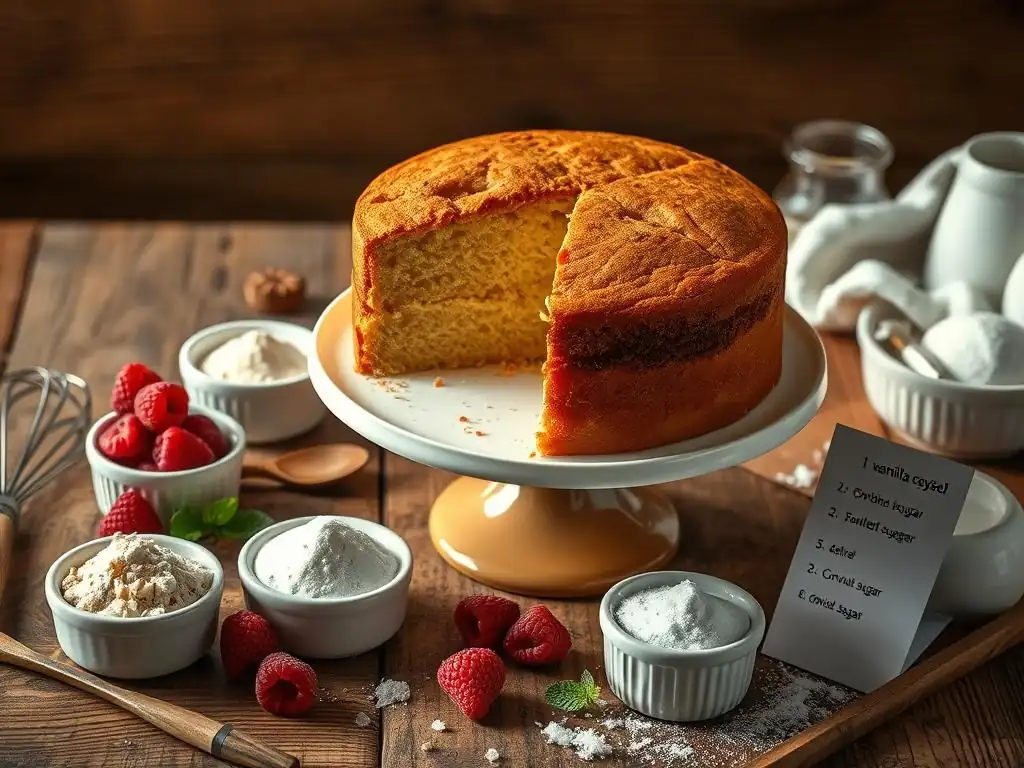
For various dietary reasons, many people explore sugar substitutes. These alternatives offer sweetness without the calories or glycemic impact of traditional sugars, but they function very differently in baking and often require significant adjustments to recipes.
Sugar substitutes do not provide the same structural support, moisture retention, tenderization, or browning capabilities as sucrose. Baking with them often involves combining different substitutes or using bulking agents to mimic sugar's physical properties.
Stevia in Baking: Considerations for Sugar-Free Baking
Stevia is a natural sweetener derived from the leaves of the Stevia rebaudiana plant. It is significantly sweeter than sugar (some extracts are hundreds of times sweeter), meaning only a tiny amount is needed for sweetness. This poses a major challenge in baking, as sugar provides bulk and structure. Using only pure stevia extract would result in a very small, dense, and dry baked good with no browning.
Baking with stevia usually involves using commercial blends that combine stevia with bulking agents like erythritol or inulin to provide volume. Even with blends, achieving the same texture, moisture, and browning as sugar-based recipes is difficult. Baked goods made with stevia often lack the tender crumb and golden crust characteristic of traditional recipes. Experimentation and recipe-specific blends are crucial for success.
Erythritol for Baking: A Low-Calorie Sweetener Option
Erythritol is a sugar alcohol that is about 70% as sweet as sugar. It's a popular choice in low-carb and keto baking because it has very few calories and doesn't impact blood sugar significantly. It provides more bulk than high-intensity sweeteners like stevia, making it easier to substitute by volume, although you may need more to achieve the desired sweetness level.
However, erythritol has its challenges in baking. It doesn't caramelize or brown like sugar, so baked goods may appear pale. It can also cause a cooling sensation in the mouth, particularly when used in large amounts. Like other sugar alcohols, consuming large quantities can have a laxative effect. It's often used in combination with other sweeteners like stevia or monk fruit to improve the flavor profile and sweetness intensity while using less erythritol.
Monk Fruit Sweetener: A Natural Sugar Alternative for Baking
Monk fruit sweetener is derived from the monk fruit (luo han guo). Like stevia, the extract is much sweeter than sugar, so it's typically blended with other ingredients, often erythritol or dextrose (though dextrose adds calories and carbs), for use as a sugar substitute. Monk fruit is considered a natural sweetener and doesn't have the cooling effect sometimes associated with erythritol.
Baking with monk fruit blends presents similar challenges to baking with stevia blends. They provide sweetness but don't contribute to structure, moisture, or browning in the same way as sugar. Recipes need to be specifically formulated for these blends, often incorporating ingredients like almond flour, coconut flour, or added fats to compensate for the lack of sugar's structural properties. Choosing the best sugar for cake recipes specifically designed for monk fruit or other substitutes is key to avoiding disappointment.
Choosing the Best Sugar for Cake Recipes: A Summary
Selecting the right sugar is paramount for achieving the desired texture, flavor, and appearance in your cakes. While granulated sugar is the default for many recipes, understanding the nuances of other sugar types allows you to tailor your choice for specific cake styles.
From light and airy sponges to dense and moist spice cakes, the sugar you choose makes a significant difference. Let's quickly recap which sugars shine in different cake contexts and offer some final tips for balancing sweetness and structure.
Matching Sugar Type to Your Cake Recipe: A Quick Reference Guide
Here's a quick guide to help you choose the best sugar for cake recipes based on the type of cake you're making:
- Classic Butter Cakes (Yellow Cake, Pound Cake): Granulated sugar is the standard. It creams well with butter for structure and contributes to a tender crumb and golden crust.
- Delicate Sponge Cakes (Genoise, Angel Food Cake): Caster sugar (superfine) is often preferred. Its fine crystals dissolve quickly, leading to a lighter, smoother texture and better volume when whipping eggs.
- Moist Spice Cakes, Apple Cakes, Gingerbread: Brown sugar (light or dark) or Muscovado sugar are excellent choices. They add moisture, chewiness, and deep, complementary flavors (molasses, caramel). Using dark brown or muscovado increases the intensity.
- Chocolate Cakes: Granulated sugar is common, but adding some brown sugar can enhance moisture and add depth that pairs well with cocoa or chocolate.
- Finishing (Glazes, Frostings): Powdered sugar is essential for smooth, stable buttercreams and glazes.
Consider these guidelines when selecting the best sugar for cake recipes in your baking repertoire.
Tips for Adjusting Sugar Levels in Baking: Balancing Sweetness and Structure
Reducing sugar in a baking recipe, especially cake recipes, is tricky because sugar contributes more than just sweetness. It impacts moisture, tenderness, spread (in cookies), leavening (through creaming and reactions with leaveners), and browning. Significantly reducing sugar, say by 25% or more, from a standard recipe can result in a drier, tougher, paler baked good with less volume.
If you need to reduce sweetness, try making smaller adjustments (e.g., 10-15%) or look for recipes specifically developed with lower sugar content. When substituting liquid sweeteners like honey or maple syrup for granulated sugar, remember to reduce other liquids in the recipe (approximately 1/4 cup liquid reduction per 1 cup of honey/syrup) and potentially adjust leavening, as they are often slightly acidic. Baking with sugar substitutes requires entirely different recipes formulated to compensate for sugar's functional roles.
Bake With Ease: Your Partner in Baking Success.
Mastering the art of baking involves understanding the nuances of each ingredient, and sugar is a prime example. By exploring the different types of sugar and their unique properties, you gain the knowledge to choose the best sugar for cake recipes, cookies, pastries, and everything in between.
We hope this guide has demystified the world of sugar in baking and empowered you to experiment with confidence. Remember, baking is a journey of learning and delicious discovery. Keep exploring, keep baking, and let Bake With Ease be your trusted companion every step of the way. Happy baking!
Frequently Asked Questions
What is the best sugar to use for cakes that are supposed to be light and fluffy?
For light and fluffy cakes, caster sugar is often recommended. Its fine texture allows it to dissolve easily and create a smooth batter, which contributes to a lighter texture.
Can I substitute different types of sugar in a cake recipe, and if so, what adjustments should I make?
Yes, you can often substitute, but adjustments are necessary. Different sugars have varying moisture levels and sweetness. You may need to adjust liquid or dry ingredients to maintain the recipe's balance.
What role does brown sugar play in cake baking, and when should I use it?
Brown sugar adds moisture and a molasses flavor to cakes. Use it when you want a chewier texture and a richer taste, like in spice cakes or gingerbread.
Does the type of sugar affect the color of the baked cake?
Yes, the type of sugar can affect the color. Brown sugar, for example, will result in a darker cake due to its molasses content, while white sugar produces a lighter color.
What are some less common sugars I could experiment with in cake baking, and what unique qualities do they offer?
Consider using muscovado sugar for an intensely molasses-like flavor or turbinado sugar for a slightly coarser texture and subtle caramel notes. These add unique flavor profiles to your baking.
Final Reflection: Sweetening the Future, One Bake at a Time
Understanding the nuances of sugar isn't just about achieving the perfect cake; it's about mastering the fundamental building blocks of baking itself. The seemingly simple ingredient, sugar, holds a surprising depth of complexity, directly impacting texture, moisture, and overall flavor profile. This guide has explored that complexity, revealing how the subtle differences between granulated, powdered, brown, and other sugars can dramatically alter the final product.
The journey through various sugar types has underscored the enduring power of tradition intertwined with modern innovation in the culinary arts. The simple act of baking, a practice passed down through generations, is constantly evolving, with new techniques and ingredients emerging. Yet, the core principles remain: understanding your ingredients is key. The best baker is the one who knows how to adapt and innovate, always seeking to improve their craft.
This quote, though not directly about sugar, perfectly encapsulates the spirit of exploration and refinement that this guide aims to inspire.
Now, armed with this knowledge, I invite you to embark on your own baking adventures. Experiment with different sugars, explore new recipes, and most importantly, don't be afraid to fail. Each failed attempt is a learning opportunity, a step closer to mastering the art of baking and creating those truly unforgettable, perfectly sweet moments. The journey of a thousand cakes begins with a single, perfectly chosen sugar.
Unlock Your Baking Potential: Master the Sweet Science!
Thanks for diving into the world of sugar with us! You've now got the knowledge to elevate your baking game. Ready to put your newfound expertise to the test?
- Experiment with a new sugar: Try substituting the sugar you usually use with one you learned about today. See how it impacts your favorite recipe's texture and flavor! This is where the real fun begins.
- Share your sugar discoveries: Tell us (and other baking enthusiasts!) about your results! What was your favorite swap? What surprised you the most?
- Challenge yourself: Find a recipe that specifically calls for a sugar type you're now familiar with and bake it! Tag us on social media so we can see your creations.
What unique sugar combination will you try in your next baking adventure?