
Natural Sweeteners in Baking: Exploring Delicious Alternatives to White Sugar

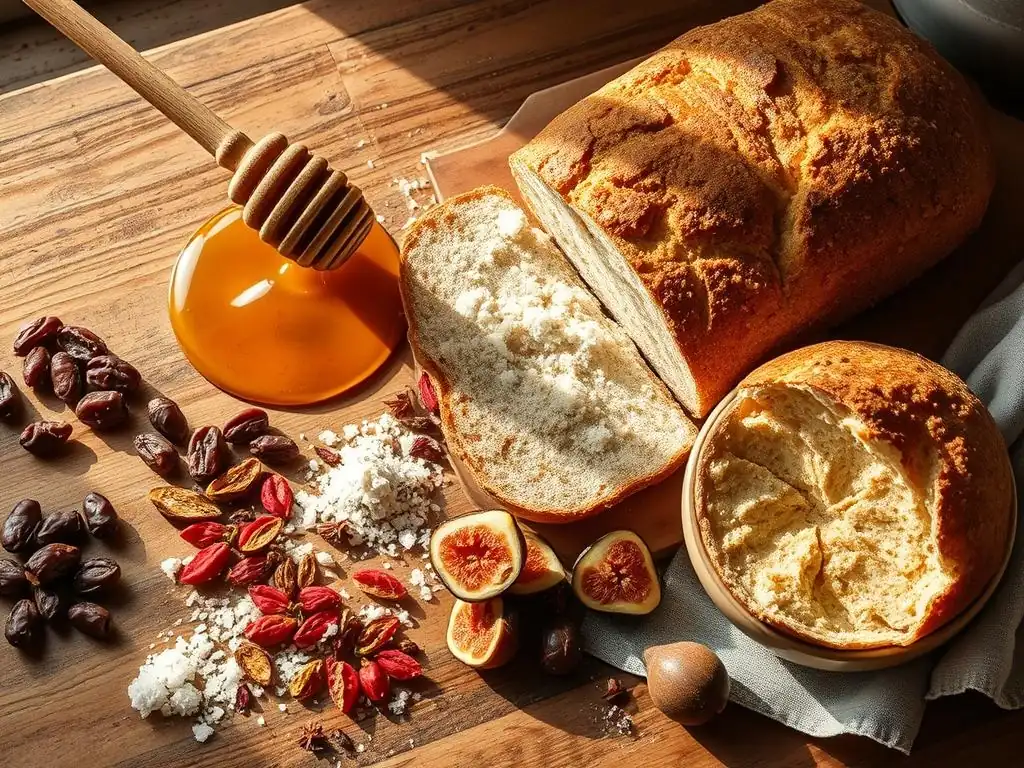
Welcome to BakeWithEase, your trusted companion on your baking journey! Are you curious about exploring the sweeter side of baking without refined sugars? In this article, we unlock the secrets to using natural sugar substitutes in baking, offering delicious and healthy alternatives that will transform your treats. Prepare to discover how to enhance the flavor and nutritional value of your baked goods, all while keeping that satisfying sweetness. Ready to find out which natural sweeteners work best and how to use them? Let's get baking!
Maple Pecan Scones
These delightful scones offer a perfect balance of flaky texture and warm, comforting flavor, made even better by embracing natural sugar substitutes baking. Instead of relying on refined sugar, this recipe features the rich, caramel notes of maple syrup as the primary sweetener.
The result is a scone that is moist on the inside with a slightly crisp exterior, studded with crunchy pecans. The maple syrup not only provides sweetness but also contributes a unique depth of flavor that complements the buttery dough and nutty additions beautifully, making them a fantastic option for a weekend breakfast or afternoon tea treat.
Crafting these scones with maple syrup requires a slight adjustment in the wet-to-dry ingredient ratio compared to traditional sugar-based recipes, as liquid sweeteners add moisture. Typically, for a batch yielding about 8-10 scones, you might use around 1/3 cup of pure maple syrup. Ensure your other wet ingredients, like milk or cream, are adjusted accordingly to maintain the correct dough consistency – it should be slightly sticky but manageable.
Baking time is usually around 18-22 minutes at 400°F (200°C), or until they are golden brown. Remember to use cold butter cut into small pieces to achieve that signature flaky texture, a technique crucial for successful natural sugar substitutes baking.
- What are some popular natural sugar substitutes for baking?
- How do natural sweeteners affect the texture of baked goods?
- Can I substitute natural sweeteners 1:1 for white sugar in all recipes?
- What are the potential health benefits of using natural sugar substitutes?
- Where can I find reliable recipes that use natural sugar substitutes in baking?
Frequently Asked Questions
What are some popular natural sugar substitutes for baking?
Some popular natural sugar substitutes include honey, maple syrup, and agave nectar. These offer sweetness while potentially providing some nutritional benefits compared to refined white sugar.
How do natural sweeteners affect the texture of baked goods?
Natural sweeteners can impact texture due to their moisture content and chemical properties. You might need to adjust other ingredients to compensate, like reducing liquid or adding more flour.
Can I substitute natural sweeteners 1:1 for white sugar in all recipes?
No, a 1:1 substitution isn't always possible. Different sweeteners have varying sweetness levels and liquid content, requiring recipe adjustments for optimal results.
What are the potential health benefits of using natural sugar substitutes?
Some natural sweeteners may offer additional nutrients or have a lower glycemic index than white sugar. However, they should still be consumed in moderation as part of a balanced diet.
Where can I find reliable recipes that use natural sugar substitutes in baking?
Websites like BakeWithEase.com offer specifically developed recipes that use natural sweeteners. Look for recipes that have been tested and refined for optimal results.
Final Reflection: A Sweeter Future, Naturally
The pursuit of healthier baking is not a fleeting trend; it's a fundamental shift in how we approach food and well-being. The rising awareness of the impact of refined sugar on our health necessitates a deeper exploration of alternatives, and this article has only scratched the surface of the delicious possibilities offered by natural sweeteners. We've seen that maple syrup, honey, agave, and others each bring unique flavor profiles and nutritional benefits to the table, challenging the dominance of white sugar.
The journey towards mindful baking, embracing natural sweeteners, is a deeply personal one. It's about understanding the subtle nuances of each ingredient, experimenting in the kitchen, and ultimately, connecting with the food we create on a more profound level. As Michael Pollan wisely stated, Eat food. Not too much. Mostly plants.
This philosophy extends perfectly to baking; choosing natural sweeteners is a step towards a more conscious and healthier approach to enjoying the simple pleasures of life.
Now, it's your turn. Consider the recipes and insights shared within this article, and let them inspire you to explore the world of natural sweeteners. Don't be afraid to experiment, to adjust recipes to your liking, and to discover your own perfect balance of flavor and health. The journey to a sweeter, healthier future begins with a single, mindful choice – the choice to bake with nature's own sweetness.
Unleash Your Inner Baker: Sweeten Your Baking Journey!
Thanks for taking the time to explore the world of natural sweeteners with us! We hope you've discovered some delicious and healthy alternatives to refined sugar. Ready to put your newfound knowledge into practice?
- Try substituting one of the highlighted sweeteners in your favorite recipe today. Start small, experiment with different amounts, and see what amazing flavors you can create! This is your chance to truly personalize your baking.
- Share your baking creations and tag us on social media – we'd love to see your delicious results! Let's build a community of healthy and happy bakers.
- Dive deeper: Explore our recipe section for more inspiration and step-by-step guidance using these natural sweeteners. You might just discover your new signature bake!
What surprising flavor combinations will you create with these natural sweeteners? Let us know in the comments below!