
GlutenFree Substitutions for AllergyFriendly Baking: Safe Swaps

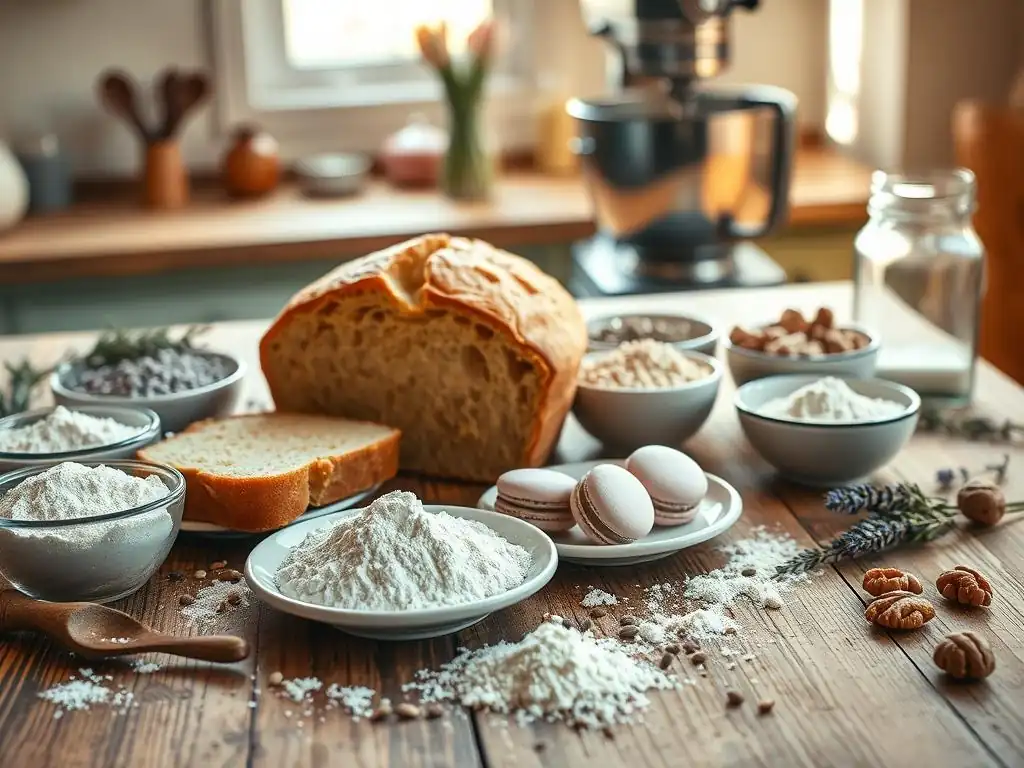
Welcome to BakeWithEase, your haven for delicious baking adventures! Ever wondered how to navigate the world of gluten-free baking without sacrificing taste or texture? This article unveils the secrets to successful gluten-free ingredient substitutions, providing safe and effective swaps to create allergy-friendly treats. Discover how to transform your favorite recipes and unlock a world of possibilities – what will you bake first?
- Gluten-Free Baking: Ingredient Substitutions for Optimal Results
- Understanding Gluten in Baking
- Mastering Gluten-Free Baking: A Guide to Substitutions
- Gluten-Free Flour Substitutions
- Essential Gluten-Free Baking Ingredient Substitutions
- Allergy-Friendly Adaptations
- Gluten-Free Baking Substitutions: A Practical Chart
- Tips for Successful Gluten-Free Baking
- Troubleshooting Common Baking Problems
- Gluten-Free Baking: Creativity and Experimentation
-
Frequently Asked Questions
- What are some common gluten-free flour substitutions that I can use in baking?
- Can I substitute xanthan gum in a gluten-free recipe, and if so, with what?
- What are some dairy-free alternatives I can use in my gluten-free baking recipes?
- How do I adjust baking times when using gluten-free ingredient substitutions?
- Where can I find reliable recipes that already incorporate gluten-free ingredient substitutions?
- Final Reflection: The Flour Power of Inclusive Baking
- Unlock a World of Gluten-Free Deliciousness!
Gluten-Free Baking: Ingredient Substitutions for Optimal Results
Gluten-free baking can seem daunting at first, but with the right knowledge about gluten-free baking ingredient substitutions, you can create delicious and satisfying baked goods. This guide will walk you through the essentials of gluten-free baking, focusing on smart ingredient swaps to achieve the best possible results. Whether you're new to this or looking to refine your techniques, understanding how different gluten-free baking ingredients function is key.
Understanding Gluten in Baking
Before diving into gluten-free baking ingredient substitutions, it's helpful to understand what gluten is and why it's typically avoided, and how it contributes to traditional baking.
What is Gluten and Why is it Avoided?
Gluten is a general name for the proteins found in wheat, barley, and rye. The two main proteins are gliadin and glutenin. When flour containing these proteins is mixed with water, the proteins link together to form a sticky network, which is gluten. This network provides elasticity and strength to dough, allowing it to trap gases and rise, resulting in light and airy baked goods.
Many people avoid gluten due to celiac disease, a serious autoimmune disorder where ingesting gluten leads to damage in the small intestine. Even a tiny amount, perhaps just a crumb of bread, can cause a reaction. Others have non-celiac gluten sensitivity, experiencing digestive issues, fatigue, and other symptoms after eating gluten, without the intestinal damage seen in celiac disease. Additionally, some individuals choose a gluten-free diet for perceived health benefits or personal preference.
Gluten's Role: Structure, Texture, and Elasticity
Gluten plays a critical role in traditional baking, acting like a binder and scaffold. When dough is kneaded, the gluten network develops, providing elasticity that allows the dough to stretch and hold its shape. This elasticity is what enables bread dough to rise significantly during fermentation and baking.
Beyond structure, gluten contributes significantly to the texture of baked goods. It creates the chewy texture found in many breads and helps form the crumb structure in cakes and muffins. Without gluten, baked goods can often be dense, crumbly, or lack the desired chewiness. Finding effective gluten-free baking ingredient substitutions is therefore essential to replicate these qualities.
Mastering Gluten-Free Baking: A Guide to Substitutions
Successfully navigating gluten-free baking involves understanding the unique properties of alternative ingredients and how to combine them effectively. It's not just about swapping one ingredient for another; it's about recreating the functions that gluten performs.
Considerations for Gluten-Free Baking
One major consideration is the need for a blend of different flours and starches when making gluten-free baked goods. Unlike wheat flour, which contains both protein and starch in a balanced ratio for structure and tenderness, most single gluten-free flours lack this balance. For instance, almond flour is high in fat and protein but low in starch, while rice flour is mostly starch. Combining several gluten-free baking ingredients helps mimic the properties of wheat flour.
Another crucial aspect is hydration. Gluten-free flours often absorb liquids differently than wheat flour, sometimes requiring more or less liquid. Pay close attention to recipe instructions and be prepared to adjust liquid slightly based on the specific flours and binders you are using. Over-hydration can lead to gummy textures, while under-hydration results in dry, crumbly goods.
Achieving Desired Texture and Structure
Achieving the desired texture and structure in gluten-free baking relies heavily on the strategic use of gluten-free baking ingredient substitutions, particularly binders. Ingredients like xanthan gum, guar gum, psyllium husk, or even ground seeds like chia and flax, are vital for providing the necessary structure and elasticity that gluten would normally provide.
The combination of flours and starches also impacts texture. A mix of a protein-rich flour (like almond or sorghum) with a starchy flour (like rice or tapioca) and a binder often yields a better result than using a single flour. Experimentation is key, but starting with proven gluten-free baking ingredient substitutions and blends is a great way to learn how different components contribute to the final product's crumb, tenderness, and rise.
Gluten-Free Flour Substitutions
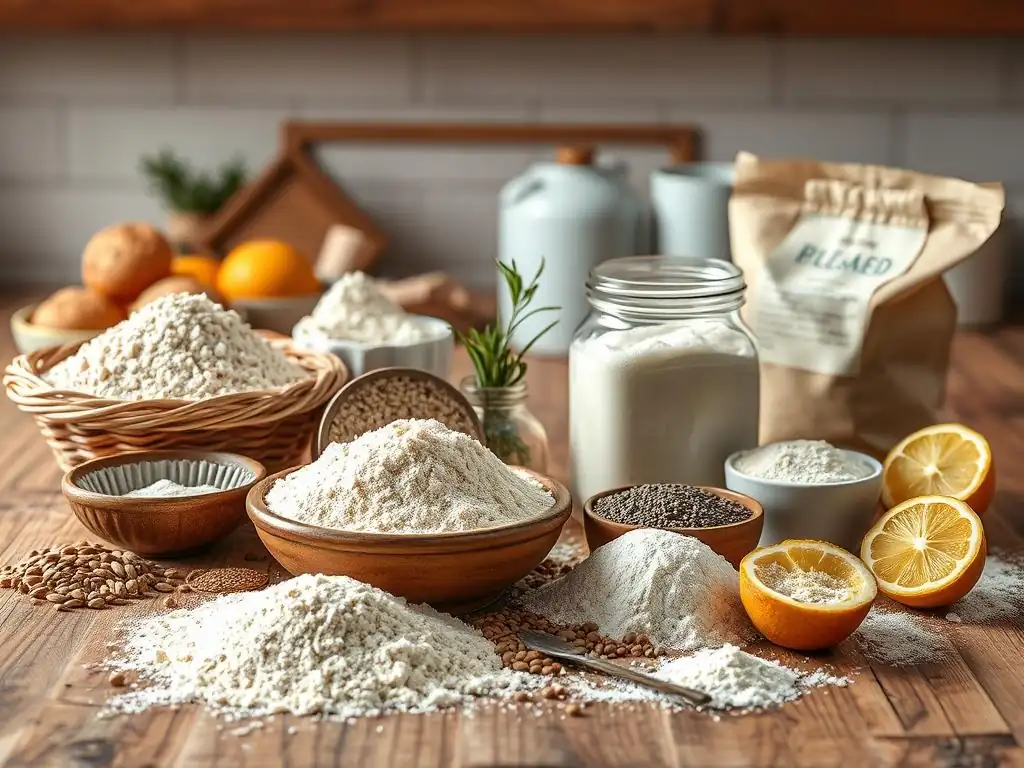
Replacing wheat flour is the most fundamental step in gluten-free baking. There's a wide variety of gluten-free flours available, each with unique characteristics. Understanding these properties is key to selecting the right gluten-free baking ingredient substitutions for your recipe.
Almond Flour: Nutty Flavor and Moisture
Almond flour is made from ground blanched almonds. It's relatively high in protein and fat, which contributes to moisture and richness in baked goods. It imparts a slightly sweet, nutty flavor. Due to its higher fat content and lack of gluten, it doesn't provide the same structure as wheat flour and is often used in combination with other flours or in recipes that don't rely heavily on gluten structure, such as muffins, quick breads, and cookies.
Using almond flour as a gluten-free baking ingredient substitution can add a lovely texture and flavor dimension. Because it's denser than wheat flour, you might need to adjust liquid or leavening agents in recipes not specifically developed for almond flour. For instance, in some cookie recipes, it can replace up to 50% of the flour blend.
Rice Flour: Versatile and Neutral
Rice flour, made from finely milled rice, is a staple in many gluten-free flour blends due to its relatively neutral flavor and versatility. It comes in white and brown varieties, each offering slightly different properties. Rice flour provides structure and can help create a tender crumb. However, it can sometimes result in a slightly gritty texture if not finely milled or properly hydrated.
It's a common base for many all-purpose gluten-free flour blends. When used alone, it can produce a somewhat dry or crumbly result, which is why it's typically combined with other flours and starches. It works well in recipes like shortbread, pancakes, and as a thickener for sauces.
White Rice Flour vs. Brown Rice Flour: Flavor and Texture
White rice flour is milled from polished rice kernels, with the bran and germ removed. It has a very mild, neutral flavor and a finer texture than brown rice flour. It tends to produce lighter, more delicate baked goods. It's less nutritious than brown rice flour but is preferred in recipes where a neutral flavor and smooth texture are desired.
Brown rice flour is made from whole grain rice, including the bran and germ. This gives it a slightly nuttier flavor and a denser texture compared to white rice flour. It's higher in fiber and nutrients. Brown rice flour can absorb more liquid and may contribute to a slightly chewier texture. It's often used in rustic breads, muffins, and cookies where its flavor and texture are welcome.
Tapioca Starch: Binding and Lightness
Tapioca starch (also known as tapioca flour) is a starchy powder extracted from the cassava root. It is a fantastic gluten-free baking ingredient substitution used primarily as a thickener and binder. It contributes to chewiness and helps create a light, crispy crust in baked goods. It has a slightly sweet flavor when raw but is neutral when cooked.
Adding tapioca starch to a gluten-free flour blend helps improve the texture, making it less dense and crumbly. It's particularly useful in recipes like pizza crusts, bagels, and pie fillings, where its binding properties are beneficial. A common ratio in blends might be around 15-25% tapioca starch.
Potato Starch: Soft Crumb and Moisture Retention
Potato starch is extracted from potatoes and is a fine, white powder. Similar to tapioca starch, it acts as a binder and thickener. It excels at retaining moisture and contributing to a soft, tender crumb in baked goods. It has a neutral flavor and a slightly different texture than tapioca starch when hydrated.
Using potato starch as part of your gluten-free baking ingredient substitutions can improve the overall texture of cakes, muffins, and quick breads, preventing them from becoming dry. It's often used in conjunction with other starches and flours in gluten-free blends. A typical blend might include potato starch at around 10-20% of the total flour weight.
Oat Flour: Hearty Flavor and Texture
Oat flour is made from ground oats. It provides a hearty, slightly nutty flavor and a tender, moist texture to baked goods. It's a good source of fiber and nutrients. However, it's important to note that oats are often processed in facilities that also handle wheat, leading to cross-contamination.
For individuals with celiac disease or severe gluten sensitivity, it is crucial to use only certified gluten-free oat flour. Oat flour works well in muffins, cookies, pancakes, and certain bread recipes. When substituting, you might need slightly less liquid than with wheat flour as it absorbs differently.
Certified Gluten-Free Oat Flour: Importance and Brands
Certified gluten-free oat flour is produced from oats grown and processed in facilities that have strict protocols in place to prevent cross-contamination with wheat, barley, or rye. The certification ensures that the product meets specific standards for gluten levels, typically below 20 parts per million (ppm), which is the international standard for gluten-free.
Several brands offer certified gluten-free oat flour, such as Bob's Red Mill, Arrowhead Mills, and King Arthur Baking Company. When shopping for oat flour as a gluten-free baking ingredient substitution, always look for the "certified gluten-free" label on the packaging to ensure safety, especially for those with celiac disease. Using non-certified oats can pose a significant health risk.
Sorghum Flour: Mild Flavor and Versatility
Sorghum flour is milled from the ancient grain sorghum. It has a mild, slightly sweet flavor and a fine texture, making it a versatile gluten-free baking ingredient substitution. It's often used in blends to provide structure and a tender crumb. Sorghum is a good source of fiber and protein.
It works well in a variety of baked goods, including breads, cookies, muffins, and cakes. Due to its mild flavor, it doesn't overpower other ingredients. It can be used in gluten-free flour blends at ratios often ranging from 15% to 30% of the total flour weight, contributing to a softer texture than some other whole grain gluten-free flours.
Buckwheat Flour: Earthy Flavor and Nutritional Value
Despite its name, buckwheat is not related to wheat; it's a pseudocereal. Buckwheat flour has a distinct, earthy, slightly bitter flavor and a dense texture. It's highly nutritious, rich in fiber and minerals. It's a great gluten-free baking ingredient substitution for adding a rustic touch and nutritional boost to baked goods.
Buckwheat flour is often used in pancakes, crepes, certain types of noodles, and some quick breads. Due to its strong flavor and density, it's typically used in combination with other milder flours in gluten-free blends. Using it as 20-40% of a flour blend can impart its characteristic flavor and texture without making the final product too heavy or bitter.
Essential Gluten-Free Baking Ingredient Substitutions
Beyond flour, other ingredients play crucial roles in gluten-free baking, particularly in mimicking the binding properties of gluten.
Natural Binders: Replacing Gluten's Binding Properties
Because gluten-free flours lack the protein network of wheat, binders are essential gluten-free baking ingredient substitutions to hold ingredients together, provide structure, and prevent crumbling. These binders help create elasticity and improve the texture of dough and batter.
Common natural binders include xanthan gum, guar gum, psyllium husk, and ground chia or flax seeds. The specific binder and amount used can significantly impact the final texture, from chewiness to tenderness. Using the correct type and amount is critical for success in gluten-free baking.
Xanthan Gum: Usage and Considerations
Xanthan gum is a polysaccharide produced by the fermentation of sugar by the bacterium Xanthomonas campestris. It's a powerful binder and emulsifier used in tiny amounts in gluten-free baking ingredient substitutions. It helps create elasticity and viscosity in dough and batter, mimicking some of gluten's functions.
Typical usage ranges from about 1/4 teaspoon per cup of gluten-free flour blend for cakes and muffins to 1 teaspoon per cup for breads and pizza dough. Too much xanthan gum can result in a gummy or slimy texture, so precise measurement is important. It's best to mix it thoroughly with the dry ingredients before adding liquids.
Guar Gum: Usage and Considerations
Guar gum is a polysaccharide derived from the guar bean. Like xanthan gum, it acts as a binder and thickener in gluten-free baking ingredient substitutions, helping to provide structure and prevent crumbling. It works particularly well in cold ingredients and is often used in recipes that aren't baked at high temperatures or require significant rise.
Guar gum is generally used in slightly larger quantities than xanthan gum, perhaps 1/2 teaspoon per cup of flour blend for cakes and muffins, up to 1.5 teaspoons per cup for breads. Some bakers prefer guar gum for cold applications like pie fillings or ice cream, while xanthan gum is favored for baked goods. Using too much can also lead to a gummy texture.
Chia Seeds and Flaxseeds: Nutritional Benefits and Binding
Ground chia seeds and ground flaxseeds (linseed) are excellent natural gluten-free baking ingredient substitutions that provide binding properties. When mixed with liquid (typically water), they form a gelatinous, egg-like consistency, often referred to as a "chia egg" or "flax egg." They are also rich in fiber and omega-3 fatty acids, adding nutritional value.
To make a "flax egg" or "chia egg," combine 1 tablespoon of finely ground seeds with 3 tablespoons of water and let it sit for 5-10 minutes until thickened. This mixture can replace one egg in many recipes, particularly muffins, quick breads, and cookies. Using ground seeds as binders can add tiny flecks to the final product and impart a subtle nutty flavor.
Psyllium Husk: Improving Dough Flexibility and Structure
Psyllium husk is the outer coating of the seeds of the Plantago ovata plant. It's a highly soluble fiber that absorbs a significant amount of liquid, forming a gel-like substance. In gluten-free baking ingredient substitutions, particularly for breads and yeasted doughs, psyllium husk is invaluable for providing structure, elasticity, and improving the dough's handling properties.
Adding psyllium husk (whole or ground) to gluten-free bread dough makes it more pliable and easier to shape, similar to wheat dough. It also helps the bread hold its shape and prevents it from collapsing. Typical usage is around 1-2 tablespoons of whole psyllium husk (or 1-1.5 tablespoons of ground psyllium husk powder) per cup of gluten-free flour blend for yeast breads. Be aware that it requires extra liquid in the recipe.
Flavor Enhancers: Enhancing Gluten-Free Baking Taste
Sometimes, gluten-free flours can have distinct flavors or lead to slightly blander results compared to wheat flour. Using flavor enhancers as gluten-free baking ingredient substitutions or additions can significantly improve the taste profile of your baked goods.
These additions don't replace structural components but elevate the overall sensory experience. They can mask any subtle off-flavors from alternative flours and make your gluten-free creations truly delicious and satisfying.
Vanilla Extract, Citrus Zest, and Spices
Classic flavor enhancers like vanilla extract, citrus zest, and various spices are vital in gluten-free baking. Pure vanilla extract adds warmth and depth. Just a teaspoon or two can make a big difference in cakes, cookies, and muffins.
Freshly grated citrus zest (lemon, orange, lime) provides a bright, aromatic lift that can cut through the richness of certain gluten-free flours like almond flour. Spices such as cinnamon, nutmeg, ginger, cardamom, and cloves are fantastic for adding complexity and warmth, especially in muffins, quick breads, and holiday treats. Using high-quality flavorings ensures the best taste results.
Allergy-Friendly Adaptations
Many individuals seeking gluten-free options also have other dietary restrictions or allergies. Fortunately, there are numerous excellent gluten-free baking ingredient substitutions available to accommodate dairy, egg, and nut allergies as well.
Dairy-Free Substitutions
Replacing dairy in baking is relatively straightforward with the wide availability of plant-based alternatives. These gluten-free baking ingredient substitutions allow individuals with lactose intolerance or dairy allergies to enjoy baked goods.
These substitutes often perform similarly to their dairy counterparts in terms of moisture and fat content, though slight adjustments in quantity or baking time might occasionally be needed depending on the specific product used.
Plant-Based Milks and Vegan Butter Alternatives
For milk, common plant-based gluten-free baking ingredient substitutions include almond milk, soy milk, oat milk (ensure certified gluten-free), rice milk, and coconut milk. Unsweetened varieties are usually best for baking unless the recipe specifically calls for sweetened milk. These can typically be substituted volume-for-volume for dairy milk in most recipes.
Vegan butter alternatives, often made from a blend of vegetable oils, are excellent replacements for dairy butter. They provide similar fat content crucial for tenderness and flavor. Look for sticks designed for baking, as they have the right consistency. Margarine spreads in tubs often contain too much water for successful baking. Coconut oil (refined for a neutral flavor) is another solid fat option, though it can affect texture and flavor depending on the recipe.
Egg-Free Substitutions
Eggs perform multiple functions in baking: binding, leavening, moisture, and richness. Finding appropriate gluten-free baking ingredient substitutions for eggs often requires understanding which function the egg primarily serves in a given recipe and selecting the substitute accordingly.
For recipes relying heavily on eggs for structure (like custards or some cakes), a single substitute might not be sufficient, and combining different methods might be necessary. For simpler recipes like muffins or cookies, replacing one or two eggs is usually quite manageable.
Flax Eggs, Applesauce, and Commercial Egg Replacers
As mentioned earlier, "flax eggs" (1 tbsp ground flaxseed + 3 tbsp water) and "chia eggs" (1 tbsp ground chia seeds + 3 tbsp water) are popular gluten-free baking ingredient substitutions for eggs, acting primarily as binders. They work well in dense baked goods like muffins, brownies, and cookies.
Unsweetened applesauce or other fruit purées (like mashed banana or pumpkin) can replace eggs, adding moisture and binding. Use about 1/4 cup of purée per egg. However, they can make baked goods denser and might impart flavor. Commercial egg replacers (like Bob's Red Mill Egg Replacer or Ener-G Egg Replacer), often made from starches and leavening agents, are formulated to mimic egg function and are versatile gluten-free baking ingredient substitutions for many recipes. Follow package instructions for substitution ratios.
Nut-Free Substitutions
For those with nut allergies, finding nut-free gluten-free baking ingredient substitutions is crucial. This means avoiding flours like almond flour and sometimes even coconut flour, depending on the severity of the allergy and cross-reactivity concerns.
Fortunately, many gluten-free flours are naturally nut-free, such as rice flour, sorghum flour, buckwheat flour, and starches like tapioca and potato starch. The challenge arises when recipes specifically call for nut flours.
Sunflower Seed Flour, Tigernut Flour, and Coconut Flour
Sunflower seed flour, made from ground sunflower seeds, is an excellent nut-free gluten-free baking ingredient substitution for almond flour. It has a similar texture and fat content, though it can sometimes turn green when baked with baking soda due to a chemical reaction. It has a slightly savory flavor.
Tigernut flour, despite the name, comes from a small root vegetable, not a nut. It has a slightly sweet, earthy flavor and a texture similar to almond flour. It can be used as a gluten-free baking ingredient substitution in many recipes calling for nut flours, adding fiber and nutrients.
Coconut flour, made from dried, ground coconut meat, is also nut-free (though some individuals with nut allergies also react to coconut). It's highly absorbent and behaves very differently from other flours. It requires significantly more liquid and eggs than other flours. It cannot be substituted cup-for-cup with almond or wheat flour. Recipes must be specifically developed for coconut flour, or existing recipes require significant modification, typically using only a fraction (e.g., 1/4 to 1/3) of the amount of other flours and increasing liquid and eggs.
Gluten-Free Baking Substitutions: A Practical Chart
Here's a simplified guide to common gluten-free baking ingredient substitutions, their typical roles, and approximate ratios. Remember that ratios can vary based on the specific recipe and desired outcome.
### Flour Substitutions, Ratios, and Notes

*   **White Rice Flour:** Base for blends, neutral flavor.
    *   *Ratio:* Often 25-50% of total blend.
    *   *Notes:* Can be gritty if not fine; combine with other flours for best texture.
*   **Brown Rice Flour:** Base for blends, slightly nutty flavor, more nutrients.
    *   *Ratio:* Often 20-40% of total blend.
    *   *Notes:* Denser than white rice; use in heartier baked goods.
*   **Almond Flour:** Adds moisture, richness, nutty flavor.
    *   *Ratio:* Can replace up to 50% of flour blend in some recipes; use in recipes designed for it.
    *   *Notes:* High fat; requires less liquid sometimes; doesn't provide structure on its own.
*   **Sorghum Flour:** Mild flavor, good structure in blends.
    *   *Ratio:* Often 15-30% of total blend.
    *   *Notes:* Good all-purpose flour component.
*   **Oat Flour (Certified GF):** Hearty flavor, tender texture.
    *   *Ratio:* Can sometimes replace wheat flour cup-for-cup in recipes like muffins, but often better in blends.
    *   *Notes:* Absorbs liquid differently; ensure certified gluten-free.
*   **Buckwheat Flour:** Earthy flavor, dense texture, nutritious.
    *   *Ratio:* Often 20-40% of blend for flavor/nutrition.
    *   *Notes:* Strong flavor; best mixed with milder flours.
*   **Tapioca Starch/Flour:** Binder, chewiness, crispness.
    *   *Ratio:* Often 15-25% of total blend.
    *   *Notes:* Essential for elasticity and binding.
*   **Potato Starch:** Binder, soft crumb, moisture retention.
    *   *Ratio:* Often 10-20% of total blend.
    *   *Notes:* Creates a tender texture.
*   **Coconut Flour:** Highly absorbent, unique texture/flavor.
    *   *Ratio:* Use only 1/4 to 1/3 the amount of other flours; requires more liquid/eggs.
    *   *Notes:* Requires recipes specifically designed for it; cannot substitute 1:1.

### Binder Substitutions, Ratios, and Notes

*   **Xanthan Gum:** Provides elasticity and structure.
    *   *Ratio:* ~1/4 tsp per cup flour for cakes/muffins; ~1/2-1 tsp per cup for breads.
    *   *Notes:* Use sparingly; can cause gumminess if too much. Mix with dry ingredients.
*   **Guar Gum:** Provides binding and thickening.
    *   *Ratio:* ~1/2 tsp per cup flour for cakes/muffins; ~1-1.5 tsp per cup for breads.
    *   *Notes:* Works well in cold recipes; can cause gumminess if too much.
*   **Psyllium Husk (Whole):** Improves dough flexibility, structure, prevents crumbling (esp. breads).
    *   *Ratio:* ~1-2 tbsp per cup flour for bread doughs.
    *   *Notes:* Requires extra liquid; creates a more workable dough.
*   **Psyllium Husk (Ground):** Similar to whole, slightly more potent.
    *   *Ratio:* ~1-1.5 tbsp per cup flour for bread doughs.
    *   *Notes:* Absorbs liquid faster; start with smaller amounts.
*   **Flax Egg (1 egg):** Binder (1 tbsp ground flax + 3 tbsp water).
    *   *Ratio:* 1:1 replacement for one egg in many recipes.
    *   *Notes:* Adds fiber; works best in denser goods.
*   **Chia Egg (1 egg):** Binder (1 tbsp ground chia + 3 tbsp water).
    *   *Ratio:* 1:1 replacement for one egg in many recipes.
    *   *Notes:* Adds fiber; works best in denser goods.
*   **Applesauce/Fruit Purée (1 egg):** Binder, moisture (1/4 cup purée).
    *   *Ratio:* 1:1 replacement for one egg.
    *   *Notes:* Can make baked goods denser; may add flavor.
*   **Commercial Egg Replacer (1 egg):** Binder, some leavening.
    *   *Ratio:* Follow package instructions (often 1-2 tbsp powder + 2-3 tbsp water).
    *   *Notes:* Formulated for various functions; check specific brand instructions.
Tips for Successful Gluten-Free Baking
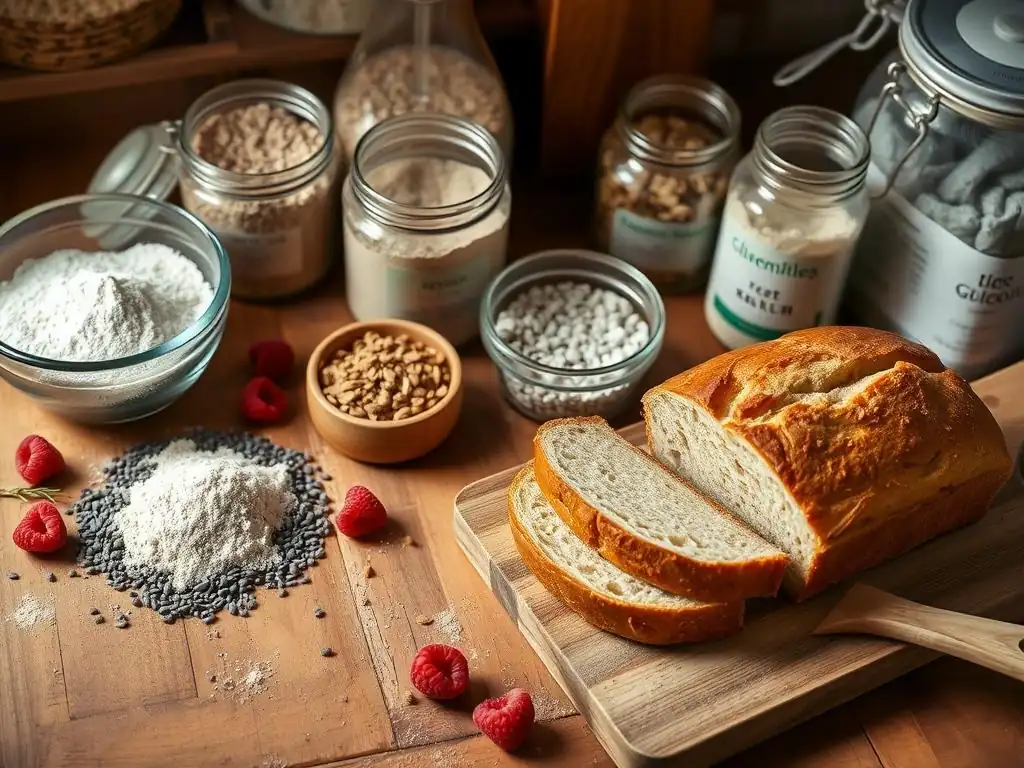
Mastering gluten-free baking ingredient substitutions is just one part of the equation. Several techniques can help ensure your gluten-free creations turn out perfectly.
Accurate Measurement Techniques
Precision is paramount in gluten-free baking, perhaps even more so than in traditional baking. Gluten-free flours and starches vary widely in weight and absorption. Using the scoop-and-level method for measuring flours can lead to significant variations in quantity.
For best results, use a kitchen scale to measure dry ingredients by weight (grams or ounces) whenever possible. If using volume measurements (cups), gently spoon the flour into the measuring cup and level it off with a straight edge, rather than scooping directly from the bag, which can compact the flour and result in using too much. This ensures consistency when using gluten-free baking ingredient substitutions.
Flour Blends: Achieving Optimal Results
Using a blend of different gluten-free flours and starches is generally recommended over using a single type of flour. A well-balanced blend typically includes a mix of protein-rich flours (like almond, sorghum, or brown rice), starchy flours (like white rice), and pure starches (like tapioca, potato, or cornstarch).
Many commercially available all-purpose gluten-free flour blends are designed to mimic the properties of wheat flour and can be a good starting point. However, different brands have different compositions, which can affect results. Some bakers prefer to create their own custom blends using specific gluten-free baking ingredient substitutions to fine-tune the texture and flavor for different types of baked goods. A common homemade blend might be 40% white rice flour, 30% brown rice flour, 20% tapioca starch, and 10% potato starch, with added binder per recipe.
Baking Time and Temperature Adjustments
Gluten-free baked goods can sometimes bake faster or slower than their wheat-based counterparts, and they may not brown in the same way. Pay close attention to visual cues like cracking, pulling away from the sides of the pan, and the toothpick test.
It's often a good idea to start checking for doneness a few minutes before the recipe's suggested minimum baking time. Some gluten-free items benefit from slightly lower oven temperatures or longer baking times at a lower temperature to ensure they are cooked through without drying out. For instance, a gluten-free cake might bake well at 325°F (160°C) instead of 350°F (175°C).
Storage Solutions for Gluten-Free Baked Goods
Gluten-free baked goods tend to dry out and become stale more quickly than traditional baked goods due to the lack of gluten's moisture-retaining properties. Proper storage is essential to maintain freshness and texture.
Allow baked goods to cool completely before storing. Store items like bread, muffins, and cakes in airtight containers at room temperature for a day or two. For longer storage, freezing is an excellent option. Wrap individual slices or portions tightly in plastic wrap and then place in a freezer-safe bag or container. Most gluten-free baked goods can be frozen for up to 2-3 months. Thaw at room temperature or gently warm before serving.
Troubleshooting Common Baking Problems
Even with careful attention to gluten-free baking ingredient substitutions and techniques, you might encounter common issues. Knowing how to identify and solve them will improve your results.
Dryness and Crumbliness: Causes and Solutions
One of the most frequent problems in gluten-free baking is dryness and excessive crumbliness. This often occurs because gluten-free flours absorb moisture differently and lack the binding network that holds wheat-based goods together.
Possible causes include using too much flour, too little liquid, insufficient binder (xanthan gum, etc. ), or overbaking. To solve this, ensure accurate measurement (preferably by weight), check liquid ratios, make sure you've added the correct amount of binder for the type of baked good, and avoid overbaking by checking for doneness early. Adding ingredients like applesauce, yogurt (dairy or non-dairy), or extra fat can also help increase moisture.
Density and Gumminess: Causes and Solutions
On the opposite end of the spectrum, gluten-free baked goods can sometimes turn out overly dense or have a gummy texture. Density can result from using too heavy a flour blend, insufficient leavening, or underbaking.
Gumminess is often caused by using too much binder (especially xanthan or guar gum), too much starch, or underbaking, which prevents the starches from fully setting. To address density, ensure your flour blend is balanced with lighter flours and starches, check that your leavening agents are fresh and used in the correct amounts, and bake until fully done. To avoid gumminess, be precise with binder measurements and ensure proper baking time and temperature.
Gritty Texture: Causes and Solutions
A gritty texture is usually a result of using certain types of gluten-free flours, particularly rice flour, that are not finely milled. The starch granules in coarsely ground flours don't fully soften during baking, leaving a perceptible graininess.
To minimize grittiness when using rice flour as a gluten-free baking ingredient substitution, look for brands that specify "superfine" or "finely ground." Allowing batters to rest for 15-30 minutes before baking can sometimes help the flours absorb more liquid and soften slightly. Combining rice flour with smoother starches like tapioca or potato starch in a blend also helps improve the overall texture.
Gluten-Free Baking: Creativity and Experimentation
Once you understand the fundamentals and the role of various gluten-free baking ingredient substitutions, you can start experimenting and developing your own recipes.
Developing Gluten-Free Recipes
Creating your own gluten-free recipes requires a good understanding of how different gluten-free baking ingredients interact. Start by adapting existing gluten-free recipes rather than trying to convert wheat recipes directly, as the latter is often complex and requires significant adjustments.
Experiment with different flour blends, binder types, and leavening agents. Keep detailed notes on your substitutions and results – what worked well, what didn't, and potential reasons why. For instance, if a muffin was too dry, note the flour blend and binder used and consider increasing liquid or adding a source of moisture like applesauce or yogurt in the next attempt. Patience and persistence are key!
Resources for Gluten-Free Recipes and Inspiration
Fortunately, the world of gluten-free baking has grown tremendously, and there are countless resources available. Cookbooks dedicated to gluten-free baking offer tested recipes and valuable insights into gluten-free baking ingredient substitutions and techniques.
Many websites and blogs focus exclusively on gluten-free cooking and baking, providing a wealth of recipes and tips. Look for sites from reputable sources or those with a strong track record of successful recipes. Following experienced gluten-free bakers on social media can also provide daily inspiration and learning opportunities. Don't be afraid to try recipes from different sources to see which styles and approaches to gluten-free baking ingredient substitutions resonate most with you.
Frequently Asked Questions
What are some common gluten-free flour substitutions that I can use in baking?
Common gluten-free flour options include almond flour, rice flour, tapioca starch, and a gluten-free flour blend. These can be used in varying proportions depending on the recipe.
Can I substitute xanthan gum in a gluten-free recipe, and if so, with what?
While xanthan gum is often used to provide structure in gluten-free baking, psyllium husk, chia seeds, or flaxseed meal can sometimes be used as substitutions for a similar effect. However, results can vary.
What are some dairy-free alternatives I can use in my gluten-free baking recipes?
You can substitute dairy milk with almond milk, oat milk, or coconut milk. For butter, try dairy-free butter alternatives or coconut oil.
How do I adjust baking times when using gluten-free ingredient substitutions?
Gluten-free baked goods often require slightly different baking times. Keep a close eye on your baked goods and use a toothpick to check for doneness, as gluten-free recipes can bake faster or slower than traditional ones.
Where can I find reliable recipes that already incorporate gluten-free ingredient substitutions?
Websites like BakeWithEase.com offer gluten-free recipes with tested ingredient substitutions. You can also find cookbooks specifically dedicated to gluten-free baking.
Final Reflection: The Flour Power of Inclusive Baking
The demand for gluten-free baking is no longer a niche trend; it's a vital aspect of inclusive food culture. Finding safe and delicious substitutions isn't just about accommodating dietary restrictions; it's about ensuring everyone can enjoy the simple pleasure of a homemade treat. This shift towards inclusivity highlights a growing awareness of food allergies and sensitivities, demanding innovation and creativity in the kitchen.
The journey through gluten-free substitutions has profoundly impacted my own understanding of baking, revealing the intricate science behind texture and flavor. It's not simply a matter of swapping one ingredient for another; it's about understanding the role each ingredient plays and finding creative solutions to maintain the desired outcome. The most beautiful discovery true friends make is that they can grow separately without growing apart.
This quote, while not directly about baking, perfectly captures the spirit of adaptation and innovation required in gluten-free baking – finding ways to maintain the essence of a recipe while adapting to new constraints.
Now, it's your turn. Consider the recipes you love and the potential for adapting them to be more inclusive. Don't be afraid to experiment, to embrace the challenge, and to discover the joy of creating delicious and allergy-friendly treats for yourself and others. The world of gluten-free baking is vast and exciting; let your creativity be your guide, and share the delicious results with those you care about.
Unlock a World of Gluten-Free Deliciousness!
Thanks for taking the time to explore the world of allergy-friendly baking with us! We hope you've discovered some amazing gluten-free substitutions to make your baking adventures easier and more delicious. Now it's time to put your new knowledge into action!
- Bake your favorite recipe gluten-free: Choose one recipe you love and try substituting the gluten-containing ingredients with the options we discussed. Document your results—it might inspire your next baking creation!
- Share your baking triumphs (and even your mishaps!): We'd love to hear about your experience. Share your creations and feedback in the comments below – your insights could help other bakers!
- Explore our other allergy-friendly guides: We have a wealth of information waiting for you on BakeWithEase. Check out our other guides for more tips and tricks on creating delicious and inclusive baked goods for everyone.
What's the first gluten-free recipe you're going to tackle? Let us know in the comments!