
The Role of Protein: How Flour Type Affects Your Baked Goods

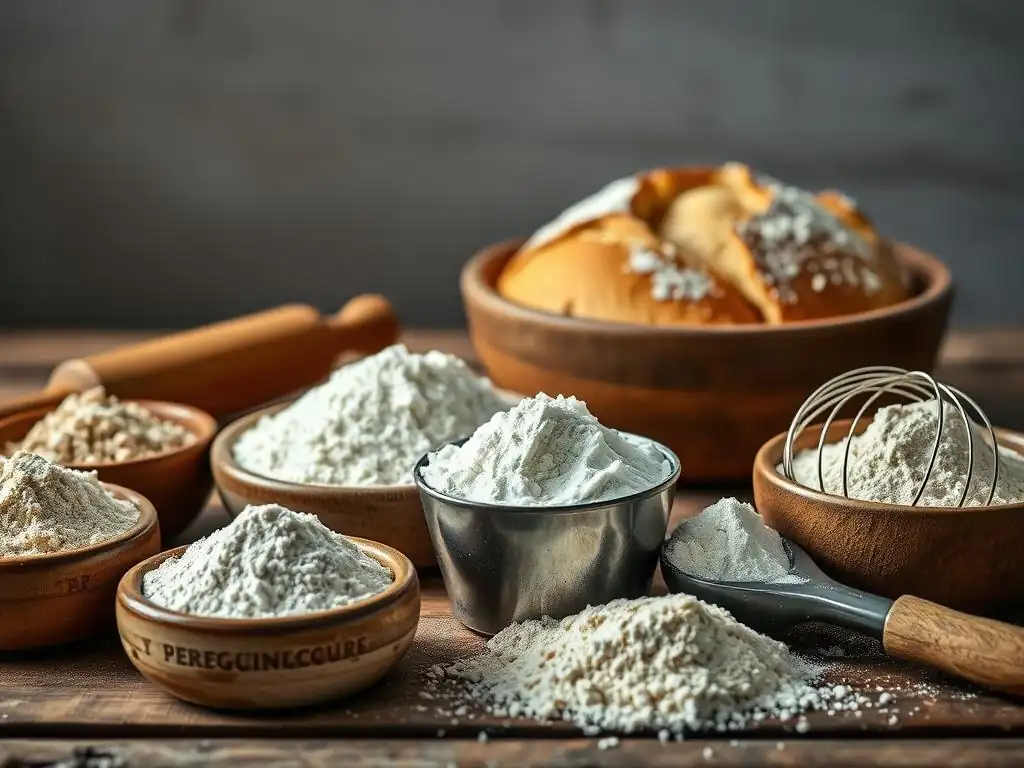
Welcome to BakeWithEase, your guide to effortless baking! Ever wondered how a seemingly simple ingredient like flour can drastically change the outcome of your favorite recipes? Prepare to unlock the secrets of flour protein baking impact and discover how understanding protein content is the key to achieving perfectly textured breads, cakes, and pastries. Dive in and let's explore the science behind exceptional baking!
Welcome back to BakeWithEase! Today, we're diving deep into a fundamental ingredient that often dictates the success or failure of your baked creations: flour. Specifically, we'll explore the crucial role of protein and how the protein content in different flour types impacts the final texture, structure, and overall quality of your breads, cakes, cookies, and more. Understanding this can truly elevate your baking game!
- Understanding Flour Protein Content and its Impact on Baking
- Different Flour Types and Their Protein Levels
- Flour Protein Baking Impact: How to Choose the Right Flour
- Troubleshooting Baking Issues Related to Flour Protein
- Exploring Alternative Flours and Their Protein Profiles
- Mastering the Art of Baking with Different Flour Protein Levels
-
Frequently Asked Questions
- What is the primary role of protein in baking?
- How does the protein content of flour impact the texture of bread?
- Which type of flour is best for making delicate pastries, and why?
- Can I substitute one type of flour for another in a recipe?
- What happens if I overmix my dough, considering the flour protein content?
- Final Reflection: The Unfolding Power of Protein in Baking
- Unlock Your Baking Potential: Master Flour & Protein!
Understanding Flour Protein Content and its Impact on Baking
Flour might seem simple, but it's a complex ingredient, primarily composed of carbohydrates, a bit of fat, and varying amounts of protein. It's the protein content that makes all the difference in how flour behaves when mixed with liquid, particularly in the context of gluten development. This is where the flour protein baking impact truly comes into play.
Different types of flour are milled from different parts of the wheat kernel and from different varieties of wheat, each contributing to a unique protein level. For instance, hard wheat typically has higher protein content than soft wheat. Knowing the general protein range for the flour you're using is key to predicting its performance in a recipe and achieving the desired result.
Flour Protein: The Key to Gluten Development
The primary proteins in wheat flour are gliadin and glutenin. When flour is mixed with water or other liquids and then kneaded or mixed, these two proteins link together and form an elastic network called gluten. Think of gluten as the scaffolding of your baked goods. The amount of protein in the flour directly influences how much gluten can potentially form.
The development of this gluten network is absolutely essential for many baked goods, especially breads. It's what allows dough to be stretched and shaped without tearing, and it traps the gases produced by leavening agents (like yeast or baking powder), causing the dough or batter to rise. Without sufficient protein to form gluten, a bread dough, for example, would be slack and unable to hold its shape or rise properly.
Gluten's Role in Baked Goods Structure
Gluten is the structural backbone of most traditional baked goods. In bread, the strong, elastic gluten network traps carbon dioxide bubbles produced by yeast fermentation, causing the loaf to expand and develop its characteristic airy texture and crust. The more protein (and thus potential gluten) in the flour, the chewier the final product tends to be.
For cakes and pastries, a tender, delicate crumb is usually desired, not a chewy one. This means minimizing gluten development is key. Flours with lower protein content produce less gluten, resulting in a softer, more tender structure that crumbles easily rather than stretching. The flour protein baking impact is therefore vastly different depending on whether you're aiming for a chewy baguette or a light sponge cake.
Different Flour Types and Their Protein Levels
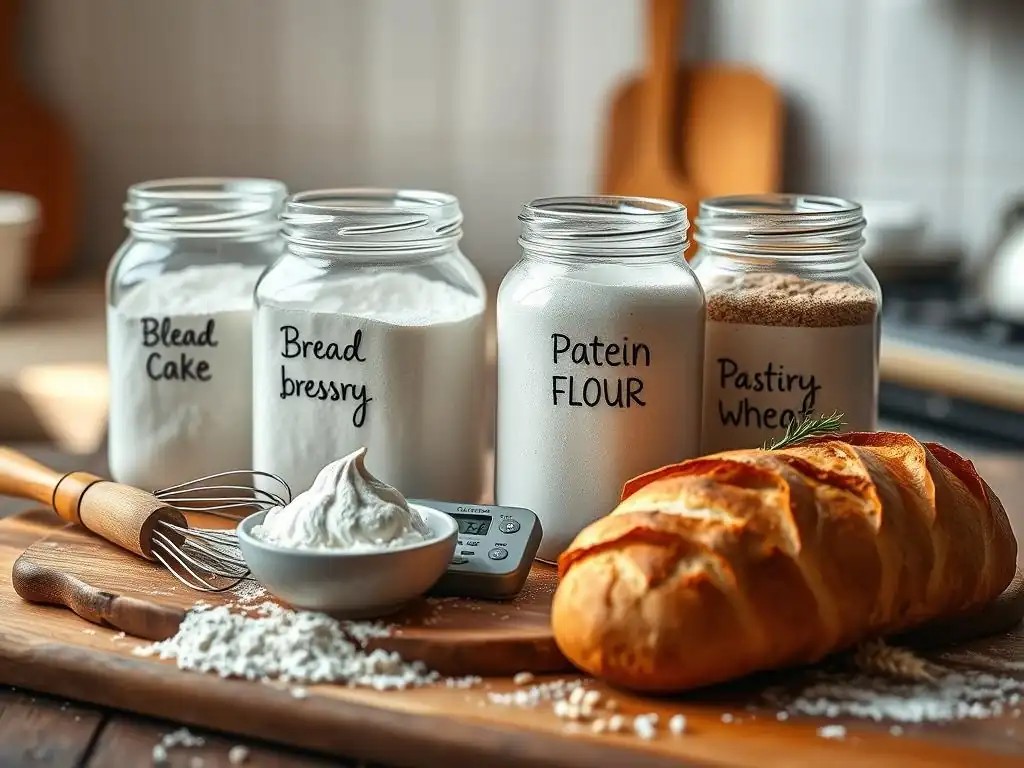
The world of flour is vast, but understanding the protein content of common types is a great starting point. These protein levels are often expressed as a percentage and can vary slightly by brand and region, but general ranges are helpful for bakers.
| Flour Type | Typical Protein % Range | Best For... |
|---|---|---|
| Bread Flour | 12-14% | Yeast breads, pizza crusts, bagels |
| All-Purpose Flour | 10-12% | Cookies, muffins, cakes, biscuits, pie crusts |
| Pastry Flour | 8-9% | Pie crusts, biscuits, scones, some cookies |
| Cake Flour | 6-8% | Tender cakes, delicate pastries |
| Self-Rising Flour | 8-10% (contains leavening) | Biscuits, quick breads, pancakes |
| Whole Wheat Flour | 13-15% | Hearty breads, muffins (often mixed with AP) |
This table provides a quick overview of how protein content varies and what that means for its use in baking. The flour protein baking impact is directly tied to these percentages.
High-Protein Flours: Bread Flour and its Uses
Bread flour is specifically milled from hard wheat varieties and boasts a higher protein content, typically ranging from 12% to 14%. This higher protein level is crucial for developing a strong, elastic gluten network when the dough is kneaded. This strength is necessary to withstand the rigors of kneading, shaping, and the expansive power of yeast fermentation during proofing and baking.
The robust gluten structure formed by bread flour provides the necessary scaffolding for yeast breads, allowing them to rise significantly and maintain their shape. It contributes to the characteristic chewiness and open crumb structure desired in loaves like sourdough, baguettes, and rolls. Using bread flour is often non-negotiable when aiming for a truly great yeast-leavened bread.
Baking Bread with High-Protein Flour: Achieving the Perfect Crumb
When baking bread with high-protein flour, proper kneading is essential to fully develop the gluten. This can be done by hand or with a stand mixer. As you knead, you'll feel the dough transform from a shaggy mass into a smooth, elastic ball that can be stretched into a thin membrane without tearing (the "windowpane test"). This indicates strong gluten development.
The high protein content also means bread flour absorbs more liquid than lower-protein flours. Recipes designed for bread flour will account for this higher absorption rate. The resulting strong gluten network traps the carbon dioxide produced by the yeast, creating large air pockets that give the bread its characteristic open, chewy crumb. This is a prime example of the significant flour protein baking impact on texture.
Medium-Protein Flours: All-Purpose Flour Baking Guide
All-purpose flour is the most common type of flour found in home kitchens, and for good reason. It's milled from a blend of hard and soft wheats, resulting in a moderate protein content, typically between 10% and 12%. This gives it enough versatility to be used in a wide range of recipes, though it might not be the absolute best for every single application.
Its moderate protein level allows it to develop enough gluten for structure in things like cookies, muffins, and biscuits, but not so much that it makes them overly tough or chewy. It's a reliable workhorse flour for everyday baking.
All-Purpose Flour: A Versatile Option for Many Recipes
All-purpose flour lives up to its name by being suitable for everything from flaky pie crusts and tender biscuits to sturdy cookies and moist cakes. While not specifically optimized for high-gluten breads or super-fine cakes, it performs admirably in most standard recipes. Many recipes are written with all-purpose flour in mind, assuming its balanced protein level.
When using all-purpose flour, be mindful of how much you mix or knead. For tender baked goods like muffins or quick breads, minimal mixing is key to avoid overdeveloping the moderate gluten. For cookies or pie crust, mixing just until combined is usually sufficient. Understanding the flour protein baking impact of this middle-ground flour helps you adjust your technique accordingly.
Low-Protein Flours: Cake Flour and Pastry Flour for Delicate Baking
Moving down the protein scale, we find flours specifically designed for tenderness. Cake flour and pastry flour are milled from soft wheat, resulting in significantly lower protein content. Cake flour typically ranges from 6% to 8% protein, while pastry flour falls slightly higher, around 8% to 9%. This low protein level means minimal gluten development is possible.
These flours are ideal for baked goods where a delicate, tender, and often crumbly texture is desired. Using them helps ensure that cakes are light and airy, cookies are tender, and pastries are flaky and melt-in-your-mouth, without any hint of chewiness caused by strong gluten.
Using Cake Flour: Creating Light and Tender Cakes
Cake flour is the secret to achieving that wonderfully soft, fine crumb in cakes. Its very low protein content means that when mixed with liquid, very little gluten is formed, even with moderate mixing. This lack of strong gluten structure allows the cake to remain tender and light.
Furthermore, cake flour is typically bleached, which alters the starch structure, enabling it to absorb more liquid and sugar than unbleached flours. This contributes to a moister cake and helps prevent toughening. When a recipe calls for cake flour, substituting with a higher-protein flour like all-purpose will likely result in a tougher, denser cake, highlighting the direct flour protein baking impact.
Pastry Flour: Achieving Flaky Crusts and Tender Pastries
Pastry flour, with its slightly higher protein than cake flour but still significantly lower than all-purpose, is perfect for applications like pie crusts, biscuits, scones, and tarts. Its moderate-low protein level allows for just enough gluten development to hold the dough together while remaining tender and flaky.
For flaky pastry, keeping the fat (like butter) cold and in pieces is crucial. The low protein of pastry flour complements this technique by preventing the formation of a tough, continuous gluten network. Instead, the small pockets of fat melt during baking, creating steam that puffs up the layers of dough, resulting in that desirable flaky texture.
Flour Protein Baking Impact: How to Choose the Right Flour
Choosing the right flour for your recipe is one of the most critical decisions a baker makes. It's not just about having flour; it's about having the right flour. The flour protein baking impact means that using the incorrect type can fundamentally change the outcome of your bake.
Understanding the desired texture of the final product is key. Do you want a chewy, airy loaf? A tender, crumbly cake? A flaky pastry? The answer to that question will guide your flour choice based on its protein content and potential for gluten development.
Matching Flour Type to Recipe: Bread (Bread Flour), Cakes (Cake Flour), Pastries (Pastry Flour)
Generally, recipes are developed with a specific flour type in mind to achieve a particular result:
- Bread: Recipes for yeast breads (loaves, rolls, pizza dough, bagels) almost always call for high-protein bread flour. The strong gluten is non-negotiable for structure and chew.
- Cakes: Recipes aiming for a very tender, fine crumb (like sponge cakes, layer cakes, cupcakes) will often specify low-protein cake flour.
- Pastries: Recipes for pie crusts, tarts, biscuits, and scones often benefit from pastry flour or even a mix of all-purpose and cake flour for a balance of tenderness and structure.
- Cookies, Muffins, Quick Breads: These recipes frequently use all-purpose flour, as its moderate protein provides sufficient structure without excessive toughness.
Following the recipe's specified flour type is the surest way to achieve the intended outcome and appreciate the nuances of the flour protein baking impact.
How Flour Protein Affects Gluten Formation in Different Recipes
The amount of gluten developed isn't solely determined by the protein content of the flour; it also depends on the recipe's hydration level, mixing technique, and the presence of other ingredients.
- Hydration: More water allows for more gluten development. Stiff doughs (like some cookie doughs) develop less gluten than wet doughs (like ciabatta).
- Mixing/Kneading: The physical action of mixing and kneading aligns the gliadin and glutenin proteins, facilitating gluten formation. Over-mixing batters for tender goods (like muffins) can develop too much gluten, resulting in toughness.
- Fat and Sugar: These ingredients can interfere with gluten development by coating the protein molecules, preventing them from bonding. Recipes high in fat and sugar (like rich cakes or cookies) will naturally have less gluten development, even if using a moderate-protein flour.
Understanding these interactions helps explain the full flour protein baking impact beyond just the percentage listed on the bag.
Adjusting Recipes Based on Flour Protein Content
Sometimes you might want to experiment or need to substitute flour types. While it's best to use the flour a recipe calls for, you can sometimes make adjustments.
- Substituting AP for Bread Flour: For some rustic breads, you can use AP, but the result will likely be less chewy and may not rise quite as high. You might need slightly less liquid as AP absorbs less.
- Substituting AP for Cake Flour: You can approximate cake flour by replacing 2 tablespoons of AP flour with 2 tablespoons of cornstarch per cup of flour required. The cornstarch helps tenderize. However, the texture won't be identical to using true cake flour due to the difference in protein distribution and bleaching.
- Substituting AP for Pastry Flour: Similar to cake flour, AP will yield a slightly tougher result than pastry flour in things like pie crusts.
Making substitutions requires an understanding of the flour protein baking impact and how it will alter the final texture.

Encountering baking problems is part of the learning process! Often, issues like tough cakes or flat breads can be traced back to an imbalance in the ingredients or technique, with flour protein playing a significant role.
Recognizing the signs that relate to flour protein helps you diagnose problems and improve future bakes. It's all about understanding the flour protein baking impact on your specific recipe.
Common Baking Problems Caused by Incorrect Flour Choice
Using the wrong flour type is a frequent culprit behind disappointing results:
- Using Bread Flour in Cakes: Leads to a tough, dense, and chewy cake because too much strong gluten is developed.
- Using Cake Flour in Bread: Results in a loaf that doesn't rise well, lacks structure, and has a crumbly texture instead of a chewy one.
- Using All-Purpose Flour in Delicate Pastries: Can lead to slightly tougher pie crusts or biscuits compared to using pastry flour.
These examples vividly illustrate the critical flour protein baking impact.
Dense Cakes: A Sign of Too Much Gluten?
Yes, a dense or tough cake is a very common sign that too much gluten has developed. This can happen for a few reasons related to protein:
- Using a high-protein flour: As discussed, bread or even all-purpose flour can cause toughness in cakes if not handled carefully.
- Over-mixing the batter: Even with appropriate flour, excessive mixing develops the available gluten, leading to a tougher crumb.
- Incorrect liquid ratio: Too little fat or sugar (which inhibit gluten) or too much liquid can also contribute to increased gluten development and a dense cake.
If your cakes are consistently dense or tough, re-evaluate your flour choice and mixing technique.
Flat Breads: Could Low Protein Be the Culprit?
Absolutely. If your yeast bread loaves spread out rather than rising up, or have a very dense, tight crumb, low protein flour is a likely cause.
- Using a low-protein flour: Attempting to bake a standard yeast bread with cake or pastry flour won't provide the necessary structure for the gluten network to trap gas and support the rise.
- Insufficient kneading: Even with bread flour, if you don't knead enough, you won't develop the strong gluten network needed for a good rise and structure.
- Old or weak flour: Sometimes, even flour labeled 'bread flour' might have degraded protein over time, reducing its gluten-forming potential.
Understanding this specific flour protein baking impact helps pinpoint why your bread might not be reaching its potential height.
Tips for Adjusting Recipes for Different Flour Types
If you must substitute flour, here are some general tips:
- Less is more (mixing): When using a higher-protein flour than called for in a tender recipe (like using AP in a cake recipe calling for cake flour), mix the batter very gently and minimally to avoid overdeveloping gluten.
- Adjust liquid: Higher protein flours absorb more liquid. If substituting a lower-protein flour with a higher one, you might need to add a tiny bit more liquid. Conversely, if substituting a higher-protein flour with a lower one, you might need slightly less liquid. Start with the recipe amount and adjust as needed.
- Consider texture goals: Remember the desired end texture. If substituting will compromise that significantly, it might be better to wait until you have the correct flour.
- Approximate cake flour: As mentioned, for every cup of AP flour, remove 2 tbsp and replace with 2 tbsp of cornstarch for a closer approximation of cake flour for tender baked goods.
These adjustments help mitigate the potential negative flour protein baking impact when you can't use the ideal flour.
Exploring Alternative Flours and Their Protein Profiles
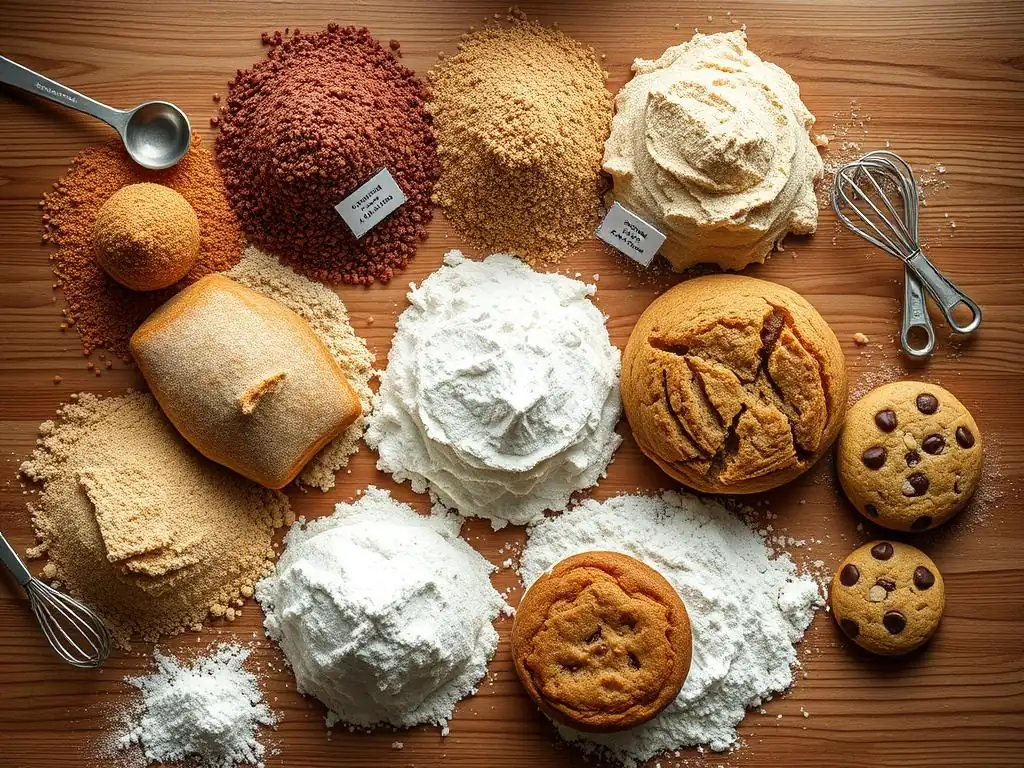
Baking isn't limited to wheat flour! Many alternative flours are available, each with its own protein content and baking properties, especially relevant for those avoiding gluten. The flour protein baking impact is just as significant, but different, with these options.
These flours behave differently because they lack the gliadin and glutenin proteins that form gluten. Their structure comes from other components, often requiring binders like xanthan gum or psyllium husk in recipes.
Gluten-Free Flour Options and Their Protein Levels
Gluten-free flours come from a variety of grains, nuts, seeds, and starches. Their protein levels vary widely:
- Almond Flour: High protein (around 20-25%).
- Coconut Flour: High protein (around 18-20%).
- Oat Flour: Moderate protein (around 13-15%), but the protein isn't gluten-forming.
- Rice Flour (Brown/White): Low to moderate protein (5-8%).
- Sorghum Flour: Moderate protein (8-10%).
- Buckwheat Flour: Moderate protein (10-13%), also not gluten-forming.
- Tapioca Starch/Flour: Very low protein (less than 1%).
- Potato Starch/Flour: Very low protein (less than 1%).
Understanding these protein levels helps when using these flours, though their baking performance is more about their starch content and absorption rates in the absence of gluten's structural role.
Using Alternative Flours: Almond Flour, Coconut Flour, Oat Flour
Baking with alternative flours requires different techniques than with wheat flour due to the absence of gluten.
- Almond Flour: High in protein and fat, low in carbohydrates. It yields moist, tender baked goods but doesn't provide structure like wheat flour. Often used in cakes, cookies, and quick breads, sometimes combined with other flours. It doesn't absorb liquid like wheat flour, so recipes need to be specifically formulated.
- Coconut Flour: Very high in fiber and protein, but absorbs a lot of liquid. A little goes a long way. Baked goods made with 100% coconut flour can be dense if not enough liquid and eggs are used. It imparts a distinct coconut flavor.
- Oat Flour: Offers a slightly chewy, hearty texture. While its protein level is moderate, it doesn't form gluten. Often used in muffins, cookies, and some quick breads. Can be used as a partial substitute for wheat flour in some recipes, or in recipes specifically designed for it.
The flour protein baking impact with these flours is less about gluten development and more about how their inherent protein, fiber, and starch interact with moisture and leavening.
Mastering the Art of Baking with Different Flour Protein Levels
Becoming a confident baker involves understanding your ingredients. Flour is a prime example where a little knowledge about protein content goes a long way. By paying attention to the type of flour called for and understanding its protein level, you gain control over the texture and structure of your baked goods.
It's about making informed choices, not just following a recipe blindly. The more you understand the flour protein baking impact, the better you'll be able to troubleshoot problems and even adapt recipes.
Practical Tips for Baking Success with Various Flour Types
Here are some actionable tips:
- Weigh your flour: Using a kitchen scale is the most accurate way to measure flour, ensuring you use the correct amount by weight, which is more consistent than volume (cups), especially with varying protein levels and how flour packs.
- Store flour properly: Keep flour in an airtight container in a cool, dark place (or even the freezer) to preserve its quality and protein integrity.
- Don't overmix (for tender goods): For cakes, muffins, cookies, and pastries, mix only until ingredients are just combined to avoid developing too much gluten.
- Knead sufficiently (for bread): For yeast breads, proper kneading is essential to develop a strong gluten network for structure and rise.
- Read recipes carefully: Pay attention to the type of flour specified and any notes about mixing technique.
- Experiment: Try baking the same recipe (like a simple cookie) with different flours (AP, pastry) to see and feel the difference in texture firsthand.
Mastering the flour protein baking impact comes with practice and paying attention to these details.
Advanced Techniques: Autolyse and Kneading for Gluten Development
For those interested in bread baking, techniques like autolyse and specific kneading methods further highlight the role of protein.
- Autolyse: This technique involves mixing just the flour and water from a bread recipe and letting it rest for 20-60 minutes before adding salt and yeast. During this rest, the flour proteins begin to hydrate and relax, starting the gluten development process without kneading. This makes the dough easier to knead later and can lead to a better crumb structure.
- Kneading Methods: Different methods (like stretch and fold, or intensive machine kneading) affect how the gluten network forms. Stretch and fold, often used for high-hydration doughs, gently aligns gluten strands, while intensive kneading physically works the dough to create a very strong network.
These advanced techniques demonstrate how bakers manipulate the protein in flour to achieve specific results, showcasing the profound flour protein baking impact at a higher level.
Understanding flour protein and its influence on gluten development is a game-changer in baking. It empowers you to choose the right flour, predict how your dough or batter will behave, troubleshoot issues, and ultimately bake with greater confidence and success! Happy baking!
Frequently Asked Questions
What is the primary role of protein in baking?
Protein in flour is crucial for gluten development, which provides structure and elasticity to baked goods. It helps trap gases produced by yeast or baking powder, leading to a desirable rise.
How does the protein content of flour impact the texture of bread?
Higher protein flours, like bread flour, result in chewier and more structured bread. Lower protein flours, like cake flour, produce softer and more tender crumbs.
Which type of flour is best for making delicate pastries, and why?
Cake flour, with its low protein content, is ideal for pastries. This is because it minimizes gluten formation, resulting in a tender and flaky texture.
Can I substitute one type of flour for another in a recipe?
Generally, it's not recommended without adjustments. Substituting a high-protein flour for a low-protein one, or vice versa, can significantly alter the final texture and structure of your baked goods. You may need to adjust the liquid content.
What happens if I overmix my dough, considering the flour protein content?
Overmixing develops too much gluten. With high-protein flours, this can lead to a tough and dense final product. With lower-protein flours, it can still result in a less tender bake.
Final Reflection: The Unfolding Power of Protein in Baking
Understanding the protein content of your flour is not just a baker's trick; it's the key to unlocking the full potential of your baked goods. The seemingly simple act of choosing a flour type profoundly impacts the final product, from the airy lightness of a croissant to the chewy texture of a sourdough loaf. This article has explored the intricate relationship between flour protein and baking outcomes, demonstrating how seemingly small variations in protein percentage can lead to dramatically different results.
The impact of this knowledge extends far beyond the kitchen; it speaks to a growing awareness of the importance of ingredient understanding in food production. We are increasingly conscious of the provenance and quality of our food, and understanding the role of protein in flour allows us to make more informed choices, leading to better baking experiences and a deeper appreciation for the craft. The best bakers are those who understand the ingredients, not just the recipes.
– This anonymous quote perfectly encapsulates the essence of this exploration.
Now, consider your own baking journey. What have you learned about the power of protein in your flour choices? Experiment! Try substituting different flours in your favorite recipes, paying close attention to the results. Embrace the challenge of understanding this fundamental aspect of baking, and you will unlock a new level of creativity and satisfaction in the kitchen. The world of flour and its protein content is vast and waiting to be explored – your next culinary masterpiece awaits.
Unlock Your Baking Potential: Master Flour & Protein!
Thanks for diving into the world of flour and protein with us! You've now got the knowledge to elevate your baking game. Ready to put your newfound expertise to the test?
- Experiment with different flour types: Try substituting a portion of your usual flour with a higher-protein option for a chewier bread or a lower-protein one for a tender cake. Note the differences in texture and taste!
- Share your baking triumphs (and even your flour-based mishaps!) with our community in the comments below. Let's learn from each other!
- Challenge yourself: Bake something entirely new, using your enhanced understanding of protein's role in baking.
What unexpected flour combination will you try next?