
Why Your GlutenFree Bakes Are Dry (and How to Fix Substitutions)

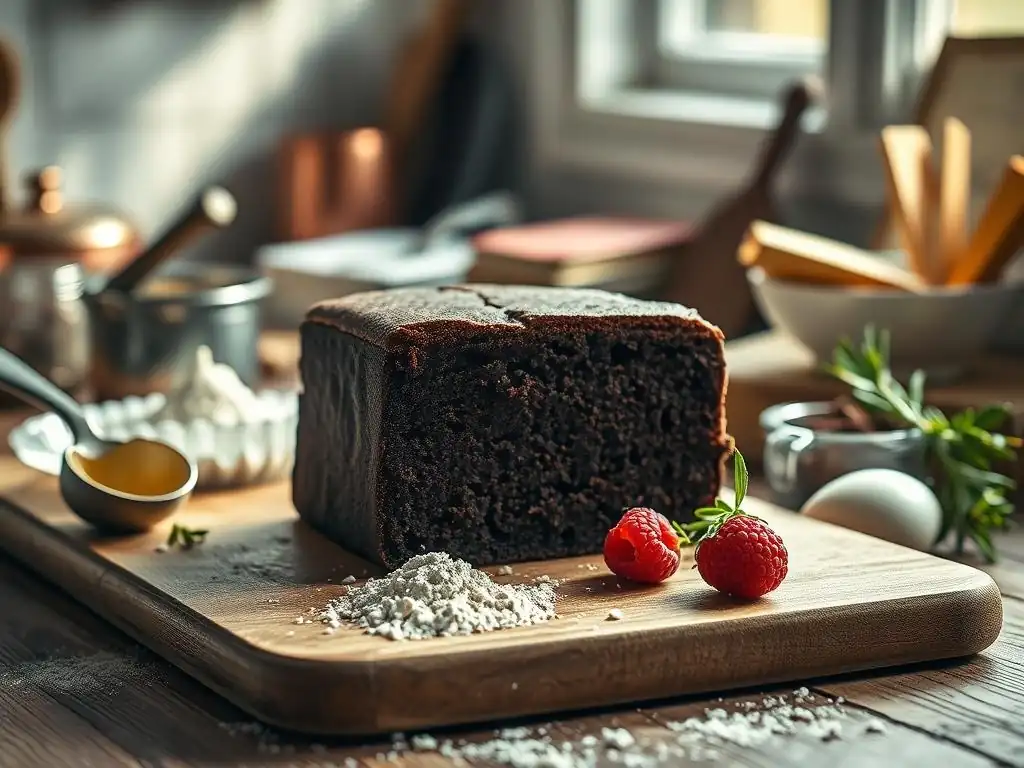
Welcome to BakeWithEase, where we transform baking from a challenge into a delightful experience! Are your gluten-free creations turning out drier than desired? Don't despair! This article dives deep into the common culprits behind dry gluten-free bakes and, more importantly, reveals simple fix substitutions that will have you crafting moist, delicious treats in no time. Discover the secrets to perfect texture and unlock a world of flavorful possibilities – let's get baking!
- Why Are My Gluten-Free Bakes So Dry? BakeWithEase's Guide to Moist Gluten-Free Baking
- Understanding Gluten's Role in Baking: Why Gluten-Free is Different
-
Common Culprits: Reasons for Dry Gluten-Free Baked Goods
- Incorrect Gluten-Free Flour Blends: Choosing the Right Mix for Moistness
- Starch Imbalance: The Key to Avoiding a Dry Texture
- Overbaking: A Frequent Cause of Dryness in Gluten-Free Recipes
- Insufficient Liquid: Moisture is Crucial for Gluten-Free Success
- Lack of Binding Agents: Helping Gluten-Free Bakes Hold Together
- Gluten-Free Baking Substitutions: How to Fix Dryness Issues
- BakeWithEase's Pro Tips for Perfect Gluten-Free Bakes (Avoiding Dryness)
- Troubleshooting: What to Do if Your Gluten-Free Bake is Still Dry
- Conclusion: Achieving Moist and Delicious Gluten-Free Bakes with Ease
-
Frequently Asked Questions
- Why are my gluten-free baked goods often so dry?
- What are the best gluten-free flour substitutions to avoid dryness?
- How can I add more moisture to my gluten-free recipes?
- What binding agents can help prevent my gluten-free bakes from being dry?
- Can over-baking contribute to dryness in gluten-free recipes?
- Final Reflection: The Joy of a Moist Gluten-Free Crumb
- Unlock the Secrets to Perfectly Moist Gluten-Free Baking!
Why Are My Gluten-Free Bakes So Dry? BakeWithEase's Guide to Moist Gluten-Free Baking
Baking gluten-free can sometimes feel like a frustrating puzzle, especially when your beautiful creation turns out dry and crumbly instead of moist and tender. It's a common challenge faced by many bakers transitioning to gluten-free recipes. The good news is that understanding why this happens is the first step to achieving that perfect texture. This guide will walk you through the science behind dry gluten-free bakes and provide practical, actionable tips for a successful glutenfree bakes dry fix.
Achieving a moist, delicious result in gluten-free baking requires a different approach than traditional baking. The absence of gluten, the protein network that provides structure and elasticity in wheat-based goods, means we need to find alternative ways to bind ingredients, retain moisture, and create a desirable texture. By identifying the common pitfalls and implementing the right substitutions and techniques, you can master the art of gluten-free baking and say goodbye to dry, disappointing results.
Understanding Gluten's Role in Baking: Why Gluten-Free is Different
The Gluten Network: What it Does for Traditional Baked Goods
In traditional baking, gluten, formed when proteins in wheat flour (glutenin and gliadin) are hydrated and mixed, creates a strong, elastic network. This network is crucial for several reasons. First, it provides structure, allowing doughs and batters to hold their shape and rise without collapsing. Think of it as a scaffolding system within your bake.
Secondly, the gluten network traps gases produced by leaveners like yeast or baking powder. This trapping action is what gives bread its airy crumb and cakes their light texture. As the bake heats, the gluten network stretches, expanding with the rising gases. This elasticity and structure are inherently missing when you remove wheat flour, which is why a successful glutenfree bakes dry fix often involves replicating these functions.
The Challenge of Replicating Gluten in Gluten-Free Baking
Removing wheat flour means you lose the natural structure and elasticity that gluten provides. Gluten-free flours, derived from grains like rice, corn, oats, or nuts, contain different proteins and starches that don't form this cohesive network on their own. This lack of inherent binding and structure is the primary reason why gluten-free baked goods can easily become dry and crumbly.
To compensate for the absence of gluten, gluten-free recipes often rely on a blend of different flours and starches, along with added binding agents. The challenge lies in finding the right balance to mimic gluten's properties – providing structure without toughness, and retaining moisture without becoming gummy or dense. It's a delicate balance, and getting it wrong is a common reason people need a glutenfree bakes dry fix.
Common Culprits: Reasons for Dry Gluten-Free Baked Goods
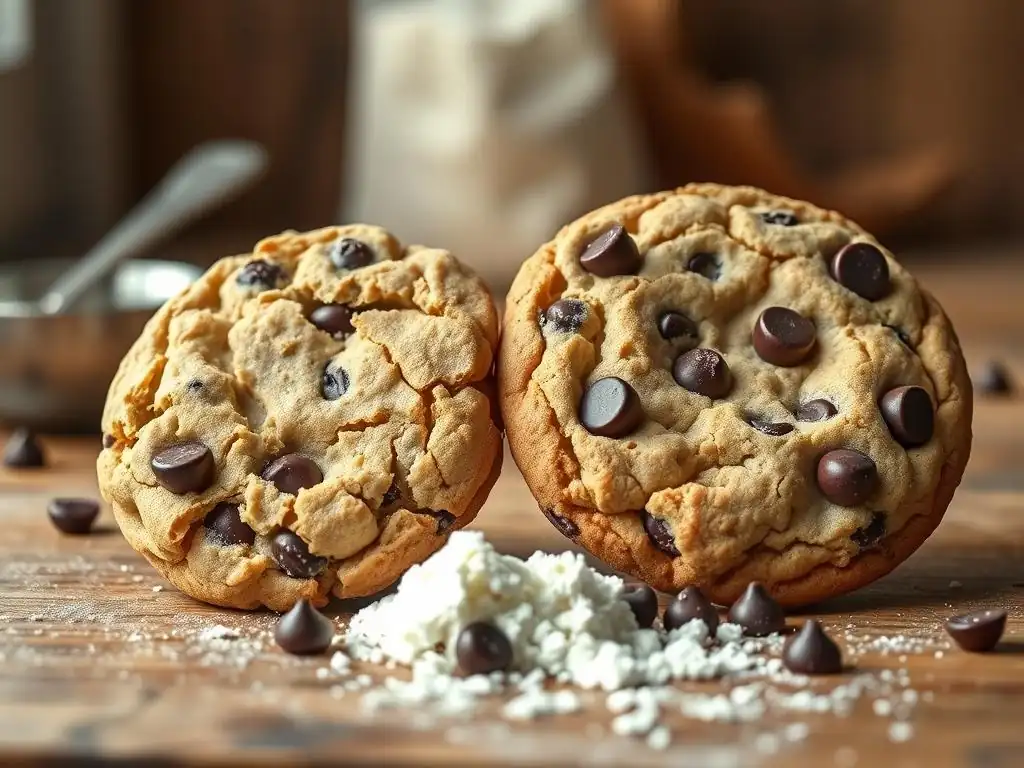
Incorrect Gluten-Free Flour Blends: Choosing the Right Mix for Moistness
Using a single gluten-free flour or an improperly balanced blend is a leading cause of dryness. Many gluten-free flours, such as white rice flour or sorghum flour, can be quite absorbent and lack the necessary starches or fats to retain moisture effectively on their own. A blend that is too high in these absorbent flours without sufficient balancing ingredients will inevitably result in a dry texture.
For example, a blend consisting solely of white rice flour and potato starch might produce a somewhat tender crumb initially, but it often lacks the structure and moisture retention needed for a truly moist bake. A more successful blend typically incorporates a mix of whole-grain flours (like brown rice or oat flour), lighter starches (like tapioca or potato starch), and sometimes nut or seed flours (like almond or sunflower seed flour) to add fat and moisture.
The ratio is critical; a common beginner mistake is using a pre-made blend not suited for the specific recipe (e.g., using a bread blend for delicate muffins).
Starch Imbalance: The Key to Avoiding a Dry Texture
Starches play a vital role in gluten-free baking, contributing to tenderness and binding. However, using too much or too little starch, or the wrong type of starch, can lead to a dry or gummy texture. Starches like tapioca, corn, and potato starch gelatinize when heated in the presence of liquid, helping to bind the ingredients and create a softer crumb.
If a gluten-free flour blend contains insufficient starch relative to the flours, the bake may lack structure and fall apart, feeling dry and crumbly. Conversely, an excessive amount of starch, particularly tapioca starch, can lead to a gummy texture when warm, which can then feel dry and hard once cooled. A well-balanced blend typically uses starches as about 25-35% of the total flour weight, providing enough binding without causing gumminess, which is a key aspect of a good glutenfree bakes dry fix.
Overbaking: A Frequent Cause of Dryness in Gluten-Free Recipes
Overbaking is perhaps the most common and easiest mistake to make in both traditional and gluten-free baking, but it is particularly detrimental to gluten-free goods. Because gluten-free batters and doughs often lack the same elasticity and structure as their wheat-based counterparts, they are more susceptible to drying out quickly when exposed to heat for too long.
Even a few extra minutes in the oven can evaporate precious moisture, turning a potentially moist cake or bread into a dry, dense puck. Gluten-free items often look less golden brown than wheat versions when done, which can trick bakers into extending the baking time unnecessarily. Always check for doneness using a toothpick or by checking the internal temperature (around 200-210°F for bread, 190-200°F for cakes) slightly before the recipe's suggested minimum time.
Insufficient Liquid: Moisture is Crucial for Gluten-Free Success
Gluten-free flours, especially those like rice flour or sorghum flour, tend to be more absorbent than wheat flour. This means that gluten-free recipes often require more liquid than their traditional counterparts to achieve a comparable batter or dough consistency and ensure adequate hydration for the flours and starches.
If a recipe doesn't include enough liquid relative to the chosen flour blend, the flours won't fully hydrate during mixing and baking. This leads to a dry, gritty, and crumbly texture. Sometimes, even following a recipe precisely can result in dryness if your specific flour blend is more absorbent than the one used by the recipe developer. Learning to recognize the correct batter consistency (often thicker than wheat batters) and being prepared to add a tablespoon or two of extra liquid can be a simple but effective glutenfree bakes dry fix.
Lack of Binding Agents: Helping Gluten-Free Bakes Hold Together
Since gluten is absent, gluten-free baking relies on alternative binding agents to provide structure and prevent crumbling. Ingredients like xanthan gum, guar gum, psyllium husk, or even eggs and mashed fruits serve this crucial function. They help hold the structure together and improve the texture, preventing the bake from falling apart into a pile of dry crumbs.
If a recipe omits or uses an insufficient amount of a binding agent, the final product will likely be fragile and crumbly. For instance, a loaf of gluten-free bread made without a binder might collapse or crumble excessively when sliced. Including the correct type and amount of binding agent is essential for giving gluten-free bakes the necessary internal structure and a more appealing, less dry texture.
Gluten-Free Baking Substitutions: How to Fix Dryness Issues
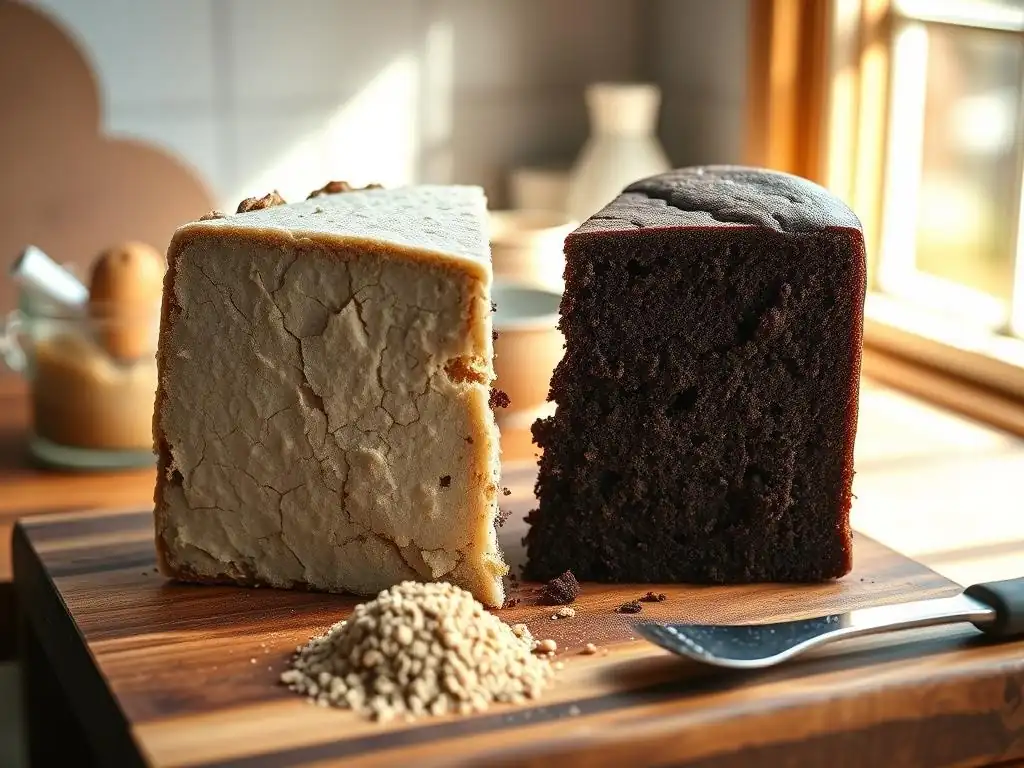
Choosing the Right Gluten-Free Flours for Moisture Retention
Selecting the right blend of gluten-free flours is foundational to avoiding dryness. Different flours bring different properties to the mix – some are absorbent, some add tenderness, others provide structure or flavor. A successful gluten-free flour blend for moist bakes typically combines several types to achieve a balanced result.
Consider the role each flour plays. Whole-grain flours like brown rice, oat, or buckwheat add fiber and nutrients but can be absorbent. Lighter flours like white rice or sorghum provide structure. Starches like tapioca, potato, and cornstarch aid in binding and tenderness. Nut flours like almond or hazelnut add fat and moisture. Balancing these elements is key to a glutenfree bakes dry fix.
Understanding Different Gluten-Free Flours and Their Moisture Content
Each gluten-free flour behaves uniquely in baking. Some are inherently drier and require more liquid or balancing from other ingredients, while others contribute moisture or fat. Knowing these characteristics helps you build or select a blend that promotes a moist crumb.
For example, superfine rice flour tends to absorb liquid relatively quickly but can lead to a slightly gritty or dry texture if it dominates the blend. Almond flour, conversely, contains natural fats that contribute significant moisture and richness. Understanding these properties allows for informed substitutions and adjustments.
Rice Flour: Its tendency towards dryness and best uses
Rice flour, particularly white rice flour, is a staple in many gluten-free blends due to its neutral flavor and fine texture. However, it is relatively low in fat and fiber compared to some other flours and can absorb a significant amount of liquid during baking, which can lead to a dry or crumbly texture if used in high proportions without proper balancing.
To mitigate its drying tendency, rice flour is best used as part of a blend, typically making up no more than 40-50% of the total flour weight. It pairs well with moister flours like almond or oat flour and starches like tapioca or potato starch, which help offset its dryness and provide a better overall texture. Using superfine ground rice flour can also help reduce grittiness.
Tapioca Starch: How it adds chewiness but can dry out bakes if used excessively
Tapioca starch, derived from the cassava root, is a common component in gluten-free blends known for providing chewiness and helping to crisp up crusts. It gelatinizes well, contributing to binding and a slightly chewy texture, which can be desirable in certain bakes like cookies or pizza crusts.
While tapioca starch adds a pleasant chewiness, using too much can lead to a gummy interior, especially in cakes or muffins, which then feels hard and dry once cooled. It also doesn't contribute significant moisture on its own. It's typically used as 10-20% of a flour blend to provide elasticity without causing excessive gumminess, thus aiding in a successful glutenfree bakes dry fix.
Potato Starch: How it provides a light and airy texture
Potato starch is another effective binder in gluten-free baking. It helps create a lighter, more tender crumb compared to tapioca starch and contributes to a smoother batter. It gelatinizes well and helps retain moisture, making it a valuable addition to gluten-free flour blends aimed at achieving a moist texture.
Potato starch is often used in conjunction with other starches and flours. Its ability to create a tender crumb makes it excellent for cakes, muffins, and biscuits. Like other starches, moderation is key; while it helps with moisture retention, an excessive amount can still lead to a slightly dense or gummy texture.
Almond Flour: Its moisture content and nutty flavor profile
Almond flour, made from ground almonds, is higher in fat and protein than grain-based flours. This higher fat content naturally contributes significant moisture and richness to baked goods, making it an excellent choice for recipes where a tender, moist crumb is desired, like muffins, cakes, and quick breads.
Beyond moisture, almond flour also adds a pleasant nutty flavor. While it can be used as a primary flour in some recipes (like macarons or certain cookies), it often works best as part of a blend for cakes and breads, contributing moisture and tenderness without making the structure too fragile. Its moisture-boosting properties are a great tool for a glutenfree bakes dry fix.
Oat Flour: Its absorbent properties and potential to create a tender crumb
Certified gluten-free oat flour, made from ground oats, adds a lovely flavor, fiber, and nutrients to baked goods. It can create a tender crumb and has good binding properties due to its soluble fibers (beta-glucans). However, oat flour is also quite absorbent.
When using oat flour, you may need to increase the liquid slightly or allow the batter to rest longer to ensure the flour is fully hydrated before baking. Used in moderation as part of a blend (e.g., 20-30% of the total flour), it contributes to a moist and tender texture. Using too much can lead to a heavy, dry texture if not balanced with sufficient liquid and other flours.
Adding Moisture-Boosting Ingredients to Gluten-Free Recipes
Beyond flour blends, incorporating ingredients specifically known for adding moisture is a powerful strategy for a glutenfree bakes dry fix. These ingredients often contain fats, natural sugars, or pectin, which help keep the crumb soft and prevent it from drying out during baking and cooling.
Consider adding a tablespoon or two of one of these ingredients to your recipe if you suspect dryness is an issue. They not only add moisture but can also contribute flavor, richness, and sometimes act as partial binders, further improving the texture of your gluten-free creations.
Yogurt and Sour Cream: Adding moisture, tang, and richness
Yogurt and sour cream are fantastic additions for adding moisture and richness to gluten-free cakes, muffins, and quick breads. Their fat content contributes to a tender crumb, while their acidity can interact with baking soda to provide lift. The tanginess also adds a pleasant depth of flavor.
Substituting a portion of the liquid or fat in a recipe with plain yogurt or sour cream (full-fat versions work best for moisture) can significantly improve the final texture. For example, replacing 1/4 cup of milk or oil with 1/4 cup of full-fat yogurt can make a noticeable difference in moisture retention.
Applesauce: How it sweetens and adds moisture without extra fat
Unsweetened applesauce is a popular, healthier option for adding moisture and natural sweetness to baked goods. It works well in muffins, cakes, and breads, providing moisture without adding extra fat. The pectin in applesauce can also help with binding.
Applesauce can often be used as a partial substitute for oil or butter in recipes (e.g., substituting half the fat with applesauce). However, using too much can make the bake dense or slightly gummy. A common substitution guideline is replacing up to half of the fat with an equal amount of applesauce (e.g., if a recipe calls for 1/2 cup oil, use 1/4 cup oil and 1/4 cup applesauce).
Mashed Banana: Contributing sweetness, moisture, and binding
Ripe mashed banana is another excellent ingredient for adding moisture, sweetness, and a lovely flavor to gluten-free bakes, especially muffins, quick breads, and some cakes. Like applesauce, the natural sugars and pectin in bananas help retain moisture and can also act as a binder.
Mashed banana can be used to replace some of the liquid or fat in a recipe. It's particularly effective in recipes where the banana flavor is complementary, such as chocolate or spice cakes. A general guideline is to substitute up to half the fat with an equal amount of mashed banana, or add 1/4 to 1/2 cup to a standard recipe for extra moisture.
Zucchini: Adding subtle moisture and nutrients without affecting flavor significantly
Finely grated zucchini is a secret weapon for adding moisture to baked goods without noticeably altering the flavor. The high water content in zucchini releases during baking, keeping the crumb moist and tender. It's especially effective in chocolate cakes, muffins, and quick breads, where its subtle presence goes unnoticed.
Ensure the zucchini is finely grated and, for some recipes, you might gently squeeze out excess water if you're concerned about the batter becoming too wet, though often the extra moisture is precisely what a dry gluten-free recipe needs. About 1 cup of grated zucchini per standard loaf cake or batch of muffins is a good starting point for adding moisture without impacting structure negatively.
Utilizing Binding Agents for Improved Texture
Binding agents are essential in gluten-free baking to provide the structure and cohesion that gluten normally offers. Without them, bakes tend to be crumbly and fall apart, contributing to a sensation of dryness. Including the right binder is a fundamental part of a glutenfree bakes dry fix.
These ingredients absorb liquid and create a gel-like substance that holds the flour particles together. The type and amount of binder needed depend on the specific flours used and the type of bake (e.g., bread usually requires more binder than a cake).
Xanthan Gum: The Gluten-Free Baker's Best Friend
Xanthan gum is one of the most widely used binding agents in gluten-free baking. It's a polysaccharide produced by fermentation that, when hydrated, creates a viscous, gel-like substance that mimics some of gluten's elasticity and binding properties. It helps prevent crumbling and gives structure to gluten-free doughs and batters.
The amount of xanthan gum needed is usually very small, measured in teaspoons, but critical. Too little results in a crumbly bake, while too much can make the texture gummy or slimy. General guidelines suggest using about 1/4 teaspoon per cup of gluten-free flour blend for cakes and muffins, and 1/2 to 3/4 teaspoon per cup for breads, though this can vary by recipe and blend.
Guar Gum: Another Option for Binding and Moisture
Guar gum, derived from the guar bean, is another common binding agent used in gluten-free baking. Like xanthan gum, it forms a gel when hydrated, helping to bind ingredients and improve the texture and structure of gluten-free goods. Some bakers prefer guar gum, finding it works better in certain recipes or flour blends.
Guar gum is typically used in similar amounts to xanthan gum, though some recipes may specify one over the other. It's important not to overuse guar gum, as it can also lead to a gummy texture. If substituting, use roughly the same amount as xanthan gum, or slightly less, and observe the results for your specific recipe.
Psyllium Husk: Improving texture, moisture, and fiber content
Psyllium husk, the outer shell of the Plantago ovata seeds, is an excellent binder, particularly for gluten-free breads. It absorbs a significant amount of liquid, forming a gel that provides structure and elasticity to dough, mimicking the stretchiness of gluten more closely than gums alone.
Beyond binding, psyllium husk adds valuable fiber and helps retain moisture, leading to a softer, less crumbly crumb in yeast-leavened breads. It's often used in quantities of 1-2 tablespoons per cup of flour blend in bread recipes. Ensure you use finely ground psyllium husk powder or whole psyllium husks soaked in liquid first for best results and to avoid a gritty texture.
Chia Seeds and Flax Seeds: Adding moisture, binding, and nutritional value
Ground chia seeds and flax seeds (often called "chia egg" or "flax egg" when mixed with water) are natural binders that also contribute fiber, omega-3 fatty acids, and moisture to gluten-free bakes. When mixed with water, they form a gel that can effectively bind ingredients in muffins, quick breads, and cookies.
To make a "chia egg" or "flax egg," combine 1 tablespoon of ground seeds with 3 tablespoons of water and let it sit for 5-10 minutes until it forms a gel. This mixture can often replace one chicken egg in recipes, adding binding and moisture. They are particularly useful for adding moisture and structure to recipes using drier flours, contributing to a successful glutenfree bakes dry fix.
Baking Techniques for Moist Gluten-Free Bakes
Beyond ingredients, the way you bake also significantly impacts the final texture and moisture level. Small adjustments to your baking process can make a big difference in preventing dryness and achieving that desirable moist crumb.
Paying close attention to temperature, timing, and even how you handle the batter can help ensure your gluten-free creations turn out perfectly. These techniques complement the ingredient substitutions and binder usage for the best results.
Adjusting Baking Time and Temperature: Preventing Overbaking
Since gluten-free goods can dry out quickly, precise control over baking time and temperature is crucial. Often, baking at a slightly lower temperature (e.g., 325°F instead of 350°F) for a slightly longer time can help the bake cook through more evenly without drying out the exterior too fast.
Always start checking for doneness several minutes before the recipe's suggested minimum time. Use a toothpick inserted into the center – it should come out with moist crumbs attached, not completely clean (unless specified otherwise). An instant-read thermometer is even better; aim for the internal temperature ranges mentioned earlier (190-200°F for cakes, 200-210°F for bread).
The Importance of Accurate Measurements: Precision is Key
Accurate measurement is vital in all baking, but it's absolutely critical in gluten-free baking, especially when dealing with flour blends and binders. Small variations in the amount of flour or binder can drastically affect the liquid absorption and structural development, leading to dryness or other texture issues.
Using a digital kitchen scale to weigh your ingredients, particularly flours and starches, is highly recommended over volume measurements (cups). A cup of flour can vary significantly in weight depending on how it's scooped and leveled. Weighing ensures you are using the exact proportions intended by the recipe developer, leading to more consistent and successful results and helping with a glutenfree bakes dry fix. For example, a cup of gluten-free flour blend can weigh anywhere from 120g to 160g depending on its composition and how it's measured by volume.
Resting the Batter: Allowing Hydration for Better Results
Allowing gluten-free batters or doughs to rest before baking is often a beneficial step, especially when using flours like oat or rice flour that are slower to absorb liquid. This resting period allows the flours and starches to fully hydrate, which is essential for developing a moist and tender crumb and preventing a gritty texture.
Even a short rest of 10-20 minutes for muffin or cake batters can make a difference. For bread doughs using ingredients like psyllium husk, a longer rest (30-60 minutes or even longer for fermentation) is often necessary for the binder to fully gel and the flours to hydrate. This ensures the moisture is locked into the structure before it hits the heat of the oven.
Using a Water Bath (Bain-Marie): Creates a humid environment for even baking
For delicate gluten-free bakes like cheesecakes, custards, or certain cakes that are prone to drying or cracking, using a water bath (bain-marie) during baking can be a game-changer. Placing the baking pan inside a larger pan filled with hot water creates a humid environment in the oven.
This moist heat helps the bake cook more gently and evenly, preventing the edges from setting and drying out too quickly while the center finishes baking. The steam also helps keep the surface from forming a hard crust prematurely, contributing to a softer, moister final product.
BakeWithEase's Pro Tips for Perfect Gluten-Free Bakes (Avoiding Dryness)
Here are some extra tips from the BakeWithEase kitchen to help you master moist gluten-free baking:
-
Measure Ingredients Accurately: Weight vs. Volume
Always weigh your flours and starches using a digital scale for consistent results. This is the single most effective step towards a reliable glutenfree bakes dry fix.
-
Experiment with Different Flour Combinations: Finding Your Perfect Blend
Don't be afraid to tweak flour blends slightly based on your preferences and what works best in your environment. Keep notes on successful combinations.
-
Document Your Baking Experiments: Learning from Your Results
Keep a baking journal! Note the recipe, your flour blend, any substitutions, baking time/temperature, and the outcome (especially texture and moisture). This is invaluable for troubleshooting and improving.
-
Storing Gluten-Free Bakes Properly: Preventing Staling
Gluten-free goods can stale and dry out faster than wheat bakes. Store them in an airtight container at room temperature for a day or two, or freeze for longer storage. Reheat gently if needed.
Troubleshooting: What to Do if Your Gluten-Free Bake is Still Dry
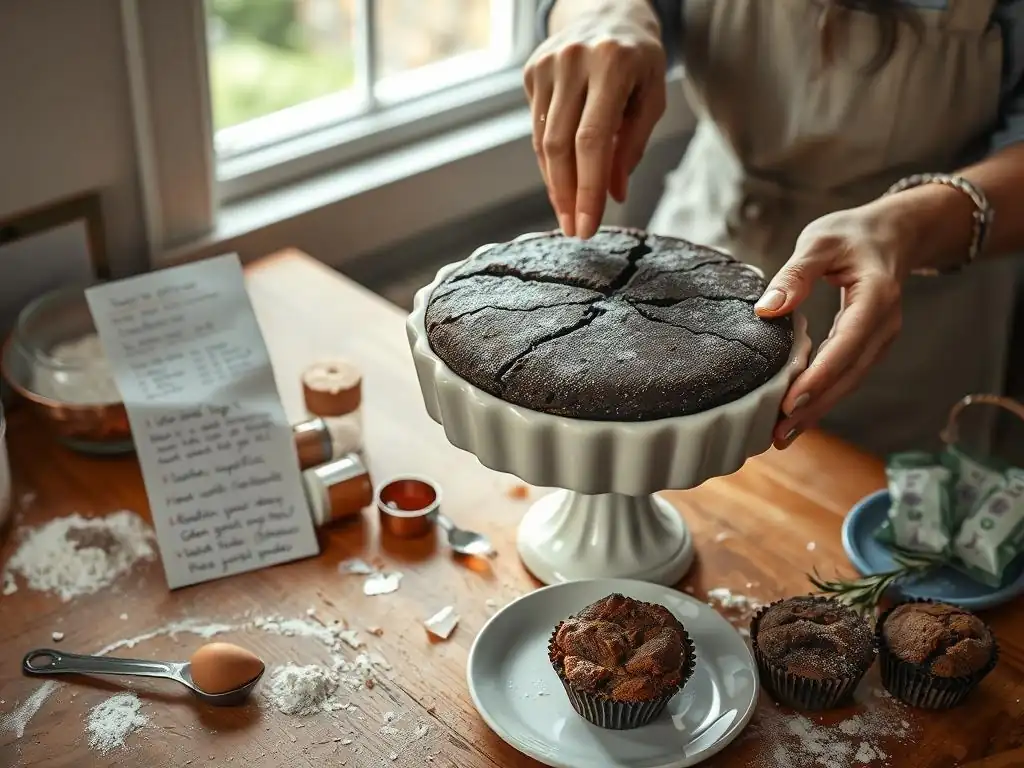
Even with the best intentions, sometimes a gluten-free bake still turns out drier than you'd like. Don't despair! There are steps you can take to understand what went wrong and improve for next time. A little detective work is part of mastering the glutenfree bakes dry fix.
Think back through the process. Did you substitute anything? Was your oven temperature accurate? Did you bake for the exact time specified, or did you go longer? Pinpointing the potential issue helps you know what to adjust in your next attempt.
Assessing the Recipe: Could There Be an Error?
Start by looking critically at the recipe itself. Is it from a reputable source specializing in gluten-free baking? Some older or poorly tested gluten-free recipes might simply not have the correct ratios of flours, starches, liquid, and binders needed for a moist result.
Compare the ratios in the recipe to general guidelines for gluten-free baking (e.g., recommended starch percentage, binder amounts). If the recipe seems low on liquid or binder, or high on dry, absorbent flours, it might be the source of the problem.
Adjusting Ingredients: Small Changes Can Make a Big Difference
If you suspect an ingredient issue, make small adjustments in your next attempt.
- Try adding an extra tablespoon or two of liquid (milk, water, yogurt, etc. ).
- Increase the binder (xanthan gum, psyllium husk) slightly, perhaps by 1/4 teaspoon per cup of flour.
- Substitute a small amount of a drier flour with a moister one, like swapping 1/4 cup of rice flour for 1/4 cup of almond flour.
- Incorporate a moisture-boosting ingredient like applesauce or yogurt.
Make only one or two changes at a time so you can isolate what made a difference in your glutenfree bakes dry fix efforts.
Seeking Expert Advice: Connecting with the BakeWithEase Community
Sometimes, a fresh pair of eyes or the collective wisdom of experienced bakers is what you need. Share your recipe and the issues you encountered with the BakeWithEase community. Describe your ingredients, process, and the outcome.
Experienced gluten-free bakers can often spot potential issues in ingredient ratios, techniques, or even offer suggestions for alternative flour blends that might work better for your specific recipe and preferences. Learning from others' experiences is a valuable tool in your glutenfree bakes dry fix journey.
Conclusion: Achieving Moist and Delicious Gluten-Free Bakes with Ease
Saying goodbye to dry, crumbly gluten-free bakes is entirely possible! It requires understanding the unique challenges of baking without gluten and knowing how to compensate using the right ingredients and techniques. By focusing on properly balanced flour blends, adequate hydration, appropriate binding agents, and careful baking practices, you can consistently achieve moist, tender, and delicious results.
Remember, baking is a journey of experimentation. Don't be discouraged by initial failures. Each bake is a learning opportunity. With the tips and strategies outlined in this BakeWithEase guide, you are well-equipped to tackle the common causes of dryness and master the art of the glutenfree bakes dry fix, creating delightful gluten-free treats every time. Happy baking!
Frequently Asked Questions
Why are my gluten-free baked goods often so dry?
Gluten-free bakes often lack gluten's binding properties, leading to dryness. This is because gluten normally traps moisture. You need to compensate with extra moisture or binding agents.
What are the best gluten-free flour substitutions to avoid dryness?
Avoid using only one type of gluten-free flour. Blending different flours like rice flour, tapioca starch, and almond flour can improve texture and moisture retention.
How can I add more moisture to my gluten-free recipes?
Incorporate ingredients like applesauce, yogurt, or mashed banana to increase moisture. Be careful not to add too much, or it can affect the structure of the bake.
What binding agents can help prevent my gluten-free bakes from being dry?
Consider using xanthan gum or psyllium husk as binding agents. These help mimic gluten's structure and trap moisture, leading to a less dry product.
Can over-baking contribute to dryness in gluten-free recipes?
Yes, absolutely! Gluten-free baked goods tend to dry out much faster than traditional baked goods. Reduce baking time by a few minutes and check for doneness frequently.
Final Reflection: The Joy of a Moist Gluten-Free Crumb
The quest for a perfectly moist gluten-free cake, cookie, or bread is a common struggle, but mastering the art of gluten-free baking isn't about restriction; it's about understanding. This article has explored the science behind why gluten-free bakes often dry out, highlighting the crucial role of starch, fat, and liquid in achieving that desired texture. The solutions presented aren't just fixes; they're keys to unlocking a world of delicious, satisfying gluten-free treats.
The impact of gluten-free baking extends far beyond dietary needs. It represents a commitment to inclusivity and culinary innovation. For many, it's a necessity, but for all, it's a challenge that, when overcome, yields incredible rewards. The journey of perfecting gluten-free recipes is a testament to human ingenuity and our persistent desire to share the pleasure of good food. The best things in life are worth fighting for, and a moist gluten-free brownie is definitely one of them.
(Paraphrased, of course!)
Now, it's your turn. Don't let the fear of dryness deter you from experimenting with gluten-free baking. Take the knowledge gained from this article, embrace the challenges, and discover the joy of creating delicious and satisfying treats that everyone can enjoy. Remember the tips, adapt the techniques, and most importantly, have fun in the kitchen! Your next gluten-free masterpiece awaits.
Unlock the Secrets to Perfectly Moist Gluten-Free Baking!
Thanks for exploring the world of gluten-free baking with us! We hope you've gained valuable insights into why your gluten-free creations might sometimes be a little dry and discovered helpful solutions. Are you ready to elevate your baking skills?
- Master the art of gluten-free substitutions: Dive into the different types of gluten-free flours and techniques, and experiment with creating your own signature recipes. This is your opportunity to refine your skills and unlock your culinary potential.
- Share your baking triumphs and challenges: Join our BakeWithEase community on social media and share your baking journey. Let's inspire each other!
- Challenge yourself with a new recipe: Choose a recipe you've always wanted to try and adapt it to be gluten-free using what you've learned. You might be surprised by how delicious it turns out!
What gluten-free creation will you bake first? Let us know in the comments!