
Why Eggs Are Your High Altitude Baking Allies

Welcome to BakeWithEase!
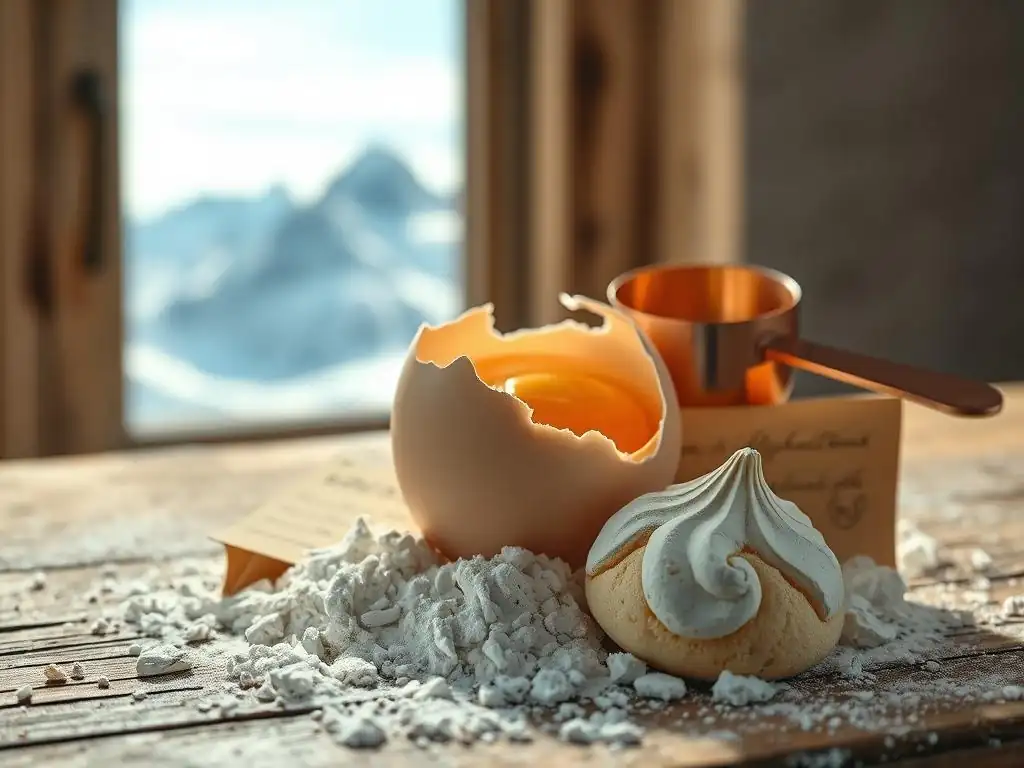
Ever wondered why your favorite recipes fail at higher altitudes? The secret might lie in a humble ingredient: eggs. Unlock the secrets of high altitude baking and discover why eggs are your unexpected allies in achieving perfectly risen cakes and fluffy breads, even when the air is thin. Prepare to transform your baking game with our expert tips and tricks, starting with understanding the incredible power of eggs in high-altitude environments. Let's get baking!
- Taming the Thin Air: Eggs in High Altitude Baking
- High Altitude Baking Challenges and the Role of Eggs
- The Science Behind Eggs in High Altitude Baking
- Strategic Egg Usage for High Altitude Success
- Mastering High Altitude Baking: Egg-Focused Techniques
- High Altitude Baking Recipes: The Power of Eggs
- Troubleshooting High Altitude Baking with Eggs
- High Altitude Egg Baking: Your Path to Success
-
Frequently Asked Questions
- How do eggs help with high altitude baking problems?
- What specific aspect of eggs is most beneficial at high altitude?
- How many eggs should I add to my recipe when baking at high altitude?
- Can I use egg substitutes in high altitude baking?
- Does the type of egg (e.g., free-range, organic) affect high altitude baking success?
- Final Reflection: The Unsung Hero of High-Altitude Baking
- Unlock Your High-Altitude Baking Secrets!
Taming the Thin Air: Eggs in High Altitude Baking
High Altitude Baking Challenges and the Role of Eggs
The Science of Altitude and Baking
As you ascend to higher elevations, the atmospheric pressure decreases significantly. This lower pressure has a profound impact on baking. Water boils at a lower temperature – roughly 202°F (94°C) at 5,000 feet (1,500 meters) compared to 212°F (100°C) at sea level. This means moisture evaporates faster during baking. Additionally, leavening gases (from baking powder, soda, or yeast) expand more rapidly and with less resistance in the thinner air.
This combination of faster moisture evaporation and increased leavening expansion leads to common high altitude baking woes. Cakes can rise too quickly and then collapse, cookies spread excessively thin, and breads can be dry or crumbly. Understanding these scientific principles is the first step to successfully adjusting your recipes, and one of the most powerful tools in your high altitude baking arsenal is the humble egg.
Why Recipes Fail at High Altitude
Standard sea-level recipes are calibrated for a specific atmospheric pressure and boiling point of water. When you take these recipes to altitudes above 3,000 feet (900 meters), the delicate balance is disrupted. The rapid expansion of leavening can stretch the gluten structure of flour and the protein structure of eggs too thin, leading to insufficient support for the rising batter or dough. Without enough structure, baked goods are prone to sinking in the center or having a coarse, crumbly texture.
Furthermore, the increased rate of moisture evaporation means that baked goods can dry out before their internal structure has fully set. This is particularly noticeable in cakes and muffins, which can develop a tough or dry crumb. Cookies might spread excessively because the fat melts and the structure hasn't set before the leavening gases push the dough outwards. Addressing these failures requires specific adjustments, and modifying the use of high altitude baking eggs is often a key part of the solution.
Eggs: The Baker's Secret Weapon in the Mountains
Eggs play a multifaceted role in baking, providing structure, moisture, richness, leavening, and emulsification. In the challenging environment of high altitude, these roles become even more critical. By adjusting the quantity and how you use eggs, you can counteract the effects of lower pressure and faster evaporation.
For instance, adding an extra egg yolk can significantly increase moisture and richness, combating dryness. Increasing the total number of eggs, particularly the whites, can provide much-needed structural support to prevent collapse. Mastering the use of high altitude baking eggs allows bakers to create stable batters and doughs that can withstand the rapid rise and evaporation characteristic of baking in the mountains, leading to consistently successful results.
The Science Behind Eggs in High Altitude Baking
Egg Proteins: Building Structure and Preventing Collapse
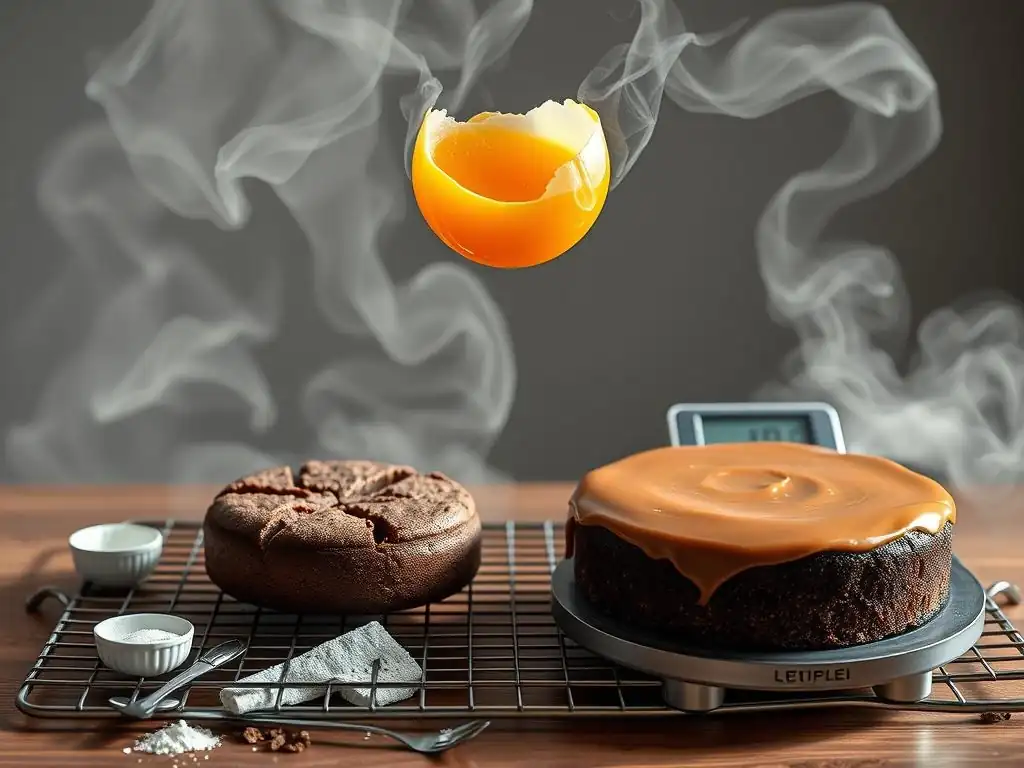
Egg whites are primarily composed of proteins, most notably albumin. When heated, these proteins coagulate and form a stable, three-dimensional network. In high altitude baking, where leavening gases expand more forcefully, this protein network is essential for providing the necessary structure to support the rapidly rising batter or dough. Without sufficient protein coagulation, the baked good lacks internal support and is likely to collapse as it cools.
Increasing the proportion or total amount of egg whites in a high altitude recipe can significantly strengthen this structural framework. For example, adding an extra egg white to a cake batter provides more protein to coagulate, creating a more robust structure that can better withstand the aggressive expansion of leavening and the reduced external pressure. This is a fundamental adjustment for high altitude baking eggs to prevent sunken centers.
Egg Yolks: Adding Moisture and Richness in Dry Climates
Egg yolks contain fats, proteins, and a significant amount of water. In the dry air and faster evaporation rates typical of high altitudes, maintaining sufficient moisture in baked goods is a major challenge. Egg yolks are invaluable in this regard, contributing both liquid and fat, which tenderizes the crumb and prevents dryness. The fats in the yolk also contribute to richness and a desirable texture.
Adding an extra egg yolk (or sometimes a whole egg, depending on the recipe and altitude) is a common high altitude adjustment specifically to boost moisture content. This is particularly effective in recipes for cakes, muffins, and quick breads that tend to dry out quickly at elevation. Utilizing the moisture-rich properties of high altitude baking eggs is crucial for achieving a tender and palatable final product.
Emulsification: Creating Stable Batters in High Altitude
Eggs, particularly the yolks due to their lecithin content, act as powerful emulsifiers. Emulsification is the process of dispersing tiny droplets of fat evenly throughout a liquid, preventing separation. In baking, eggs help to create a smooth, stable batter by binding together ingredients that would naturally separate, like oil and water.
At high altitude, batters can sometimes be less stable due to the altered ratios and faster processes. The emulsifying power of eggs helps to keep the fat and liquid components integrated, resulting in a finer, more even crumb structure. A well-emulsified batter is less likely to break or become greasy, contributing to a more consistent and successful bake when using high altitude baking eggs.
Strategic Egg Usage for High Altitude Success
Increasing Egg Quantity: Finding the Right Balance
One of the most common adjustments for high altitude baking eggs is to increase the total quantity. For many recipes, adding one extra large egg per batch is a good starting point, especially at altitudes above 3,500-4,000 feet (approx. 1,000-1,200 meters). This adds both structural protein (from the white) and moisture/richness (from the yolk).
However, simply adding eggs without considering the overall recipe balance can sometimes lead to an overly dense or rubbery texture. It's important to consider the original recipe's egg ratio and the specific altitude. For example, at very high altitudes (above 7,000 feet or 2,100 meters), you might need to add more than one egg or specifically adjust the white-to-yolk ratio, which we'll discuss next. Start with a small increase and adjust in future bakes based on your results.
Optimizing Egg White to Yolk Ratios for Altitude
Sometimes, it's not just about the total number of eggs but the proportion of whites to yolks. If your primary problem is collapse or a weak structure, adding just an extra egg white might be more effective than a whole egg. This boosts the protein content significantly without adding too much extra fat or liquid from the yolk, which could potentially weigh down the batter.
Conversely, if dryness is your main issue, adding an extra egg yolk can provide needed moisture and fat. Some high altitude recipes specifically call for an extra yolk or even two. Experimenting with these ratios is key to perfecting your high altitude baking eggs technique. A common adjustment for cakes is to add one extra large egg or two extra yolks per recipe, depending on the desired outcome (more structure vs. more moisture).
Egg Substitutes: When and How to Use Them
While real eggs are the gold standard for their complex functionality in high altitude baking, sometimes dietary restrictions or preferences necessitate the use of substitutes. However, it's crucial to understand that most egg substitutes do not replicate all the functions of a real egg, especially the structural support provided by egg whites.
Substitutes like applesauce, mashed banana, or commercial egg replacers (often starch-based) can contribute moisture and binding but offer little in the way of protein structure needed to counteract rapid leavening expansion at altitude. Using these in high altitude baking recipes that rely heavily on egg structure (like airy cakes) is challenging. If you must use a substitute, you might need to significantly increase other structural components like flour or decrease leavening, making successful substitution for high altitude baking eggs quite difficult.
Mastering High Altitude Baking: Egg-Focused Techniques
Whipping Egg Whites: Achieving Maximum Volume at Altitude
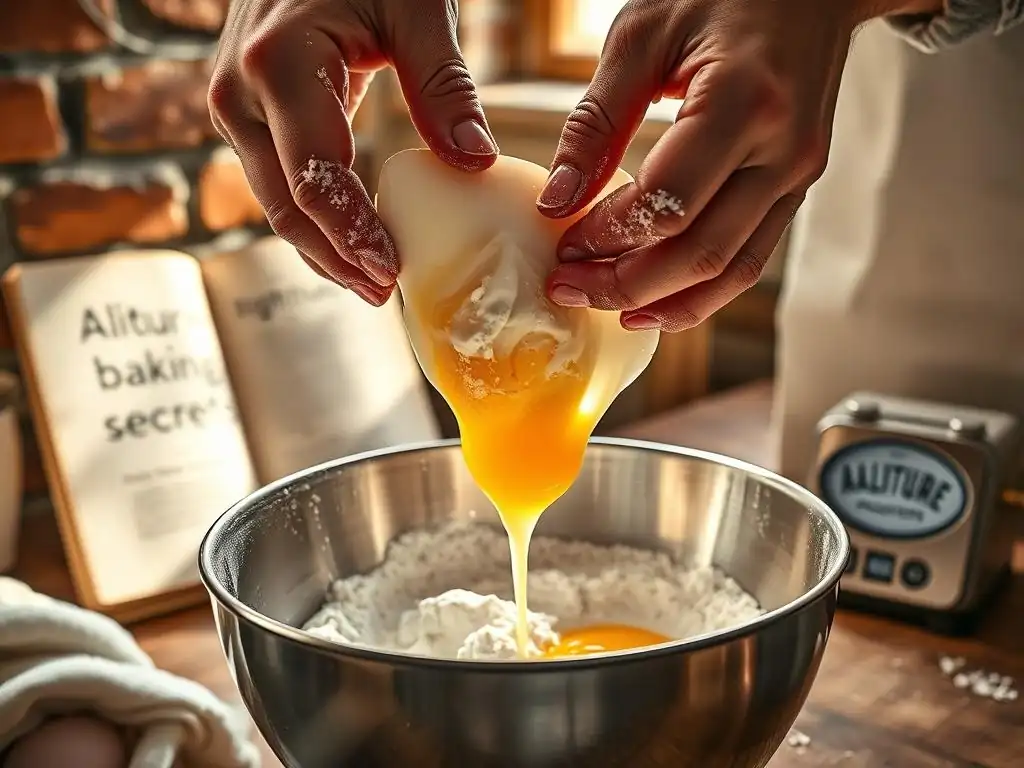
Whipping egg whites incorporates air, contributing to leavening and structure. At high altitude, air pressure is lower, which theoretically makes it easier to whip whites to volume. However, the resulting foam can be less stable than at sea level. To achieve maximum volume and stability, ensure your equipment is scrupulously clean and free of any fat residue, which can prevent the whites from whipping properly.
Whip egg whites until they reach the desired stage (soft, medium, or stiff peaks) as specified by the recipe. Adding a pinch of cream of tartar or a small amount of acid (like lemon juice or vinegar) helps stabilize the protein structure during whipping. Proper whipping of high altitude baking eggs is vital for recipes like meringues, soufflés, or cakes that rely on whipped whites for lift.
Gentle Incorporation: Preventing Deflation
Once egg whites or whole eggs have been whipped for leavening, it is critical to incorporate them into the batter gently. Overmixing or vigorous stirring can quickly deflate the air pockets you've worked hard to create. Use a spatula and a folding motion, cutting through the mixture and lifting from the bottom, rotating the bowl as you go.
The goal is to distribute the egg mixture evenly with minimal loss of volume. This gentle technique is especially important in high altitude baking because the structure is already under more stress from the aggressive leavening expansion. Properly folding in high altitude baking eggs ensures that the delicate air structure is preserved, contributing to a light and airy final texture.
Egg Temperature: Optimizing Results in High Altitude
The temperature of your eggs can affect how they perform in a recipe. Recipes often specify using eggs at room temperature. Room temperature eggs emulsify more easily with other ingredients, creating a smoother batter. They also whip to a greater volume than cold eggs.
While cold eggs separate more cleanly, allowing you to easily separate whites and yolks, allowing them to sit out for 30-60 minutes to reach room temperature is generally recommended for optimal results in most baking recipes. This is particularly true for recipes where emulsification and volume are key, helping your high altitude baking eggs perform at their best in the thinner air.
High Altitude Baking Recipes: The Power of Eggs
Traditional chocolate chip cookies often spread too much at high altitude, becoming thin and crispy rather than chewy. A common adjustment is to reduce sugar and leavening, but modifying the eggs is also effective. Adding an extra egg yolk can increase chewiness and richness, counteracting the tendency to dry out and spread excessively.
Consider a standard recipe using 2 eggs. For high altitude, you might try using 1 whole egg plus 2 egg yolks. This boosts moisture and fat content, helping the cookies retain a thicker, chewier texture despite the lower pressure. This strategic use of high altitude baking eggs is a simple yet powerful trick for achieving ideal cookie results.
High Altitude Vanilla Cake: Light, Fluffy, and Moist
Cakes are notoriously challenging at high altitude, often collapsing or becoming dry. Adjustments like reducing sugar and leavening are standard, but eggs play a crucial role in providing structure and moisture. A typical sea-level cake recipe might use 3 eggs. At altitude, you might increase this to 4 eggs, or use 3 whole eggs plus an extra yolk.
Adding an extra whole egg provides more protein structure to support the rapid rise, preventing collapse. Adding an extra yolk, on the other hand, focuses on combating dryness and ensuring a tender crumb. The specific adjustment for high altitude baking eggs in a cake depends on the altitude and the original recipe, but increasing total egg quantity or focusing on extra yolks are common successful strategies.
[Link to More High Altitude Recipes on MountainBakes.com]
Please note: As per instructions, actual links cannot be included. Imagine a link here to more recipes.
Troubleshooting High Altitude Baking with Eggs

Identifying and Solving Common Problems
If your high altitude baked goods are still failing despite adjustments, look closely at the symptoms. Are cakes collapsing? This often points to insufficient structure – consider adding an extra egg white or slightly increasing the total egg quantity next time. Are they dry and crumbly? You likely need more moisture – try adding an extra egg yolk or a whole egg.
Excessive spreading in cookies can indicate too much leavening or fat, but also insufficient structure to hold the shape before the fat melts. Adding an extra egg yolk can help here by providing more structure and less liquid than a whole egg. Analyzing the specific failure helps you fine-tune your use of high altitude baking eggs for future attempts.
Recognizing Under- or Over-Baked Goods
Baking times need careful monitoring at high altitude because moisture evaporates faster and temperatures might need slight adjustments (sometimes increasing oven temperature by 15-25°F or 8-15°C is recommended to set the structure faster). Baked goods can look done on the outside but be undercooked inside, or conversely, dry out before developing the desired color.
Learn to rely on cues like a toothpick inserted into the center coming out clean for cakes, or cookies setting around the edges but still looking slightly soft in the center for chewiness. The protein structure from high altitude baking eggs helps the interior set properly, but monitoring time and using visual/tactile cues is essential to prevent under- or over-baking.
Tips for Perfect High Altitude Baking with Eggs
- Always use large eggs unless the recipe specifies otherwise.
- Bring eggs to room temperature for better emulsification and volume when whipping.
- When adding extra eggs, consider whether you need more structure (add whites) or more moisture/richness (add yolks).
- Don't overmix batters after adding eggs, especially if folding in whipped whites.
- Keep track of the adjustments you make to your high altitude baking eggs in specific recipes so you can replicate or modify them next time.
- Remember that altitude adjustments are cumulative – eggs are just one piece of the puzzle, along with flour, sugar, leavening, and liquid.
High Altitude Egg Baking: Your Path to Success
Recap: Why Eggs are Crucial for High Altitude Baking
Eggs are indispensable allies when baking at high altitude. Their proteins provide essential structural support to counteract the rapid expansion of leavening in the thinner air, preventing collapse. Egg yolks contribute vital moisture and richness, combating the increased rate of evaporation and preventing dryness. Their emulsifying properties help create stable batters and a fine crumb structure. Strategic adjustments to the quantity and ratio of high altitude baking eggs are fundamental for achieving consistently successful results in mountain environments.
Further Resources for High Altitude Baking on MountainBakes.com [Link to relevant category/articles]
Please note: As per instructions, actual links cannot be included. Imagine a link here to other helpful articles on high altitude baking.
Conquering High Altitude Baking: Embrace the Egg!
Don't let the altitude intimidate you! By understanding the science and mastering the art of using high altitude baking eggs, you are well on your way to conquering the challenges of baking in the mountains. Experiment with adding extra eggs or adjusting the white-to-yolk ratio in your favorite recipes. Pay attention to the texture and structure, and make small adjustments as needed. With practice and a willingness to adapt, you'll be baking delicious, perfectly textured treats at any elevation, proving that the power of the egg can overcome even the thin mountain air!
Frequently Asked Questions
How do eggs help with high altitude baking problems?
Eggs provide structure and moisture which can be lacking in high altitude baking due to faster evaporation. They contribute to a more stable and less crumbly final product.
What specific aspect of eggs is most beneficial at high altitude?
The protein in egg whites helps to strengthen the gluten network, compensating for weaker gluten development at higher altitudes. This prevents cakes from collapsing.
How many eggs should I add to my recipe when baking at high altitude?
It depends on the recipe, but generally adding one extra large egg per batch is a good starting point. Monitor the batter consistency and adjust accordingly for the best results.
Can I use egg substitutes in high altitude baking?
While possible, it's often best to use real eggs for optimal results, as they provide unique structural support. If using substitutes, adjust liquid levels carefully.
Does the type of egg (e.g., free-range, organic) affect high altitude baking success?
Not significantly. The size and quality of the egg are more important than the specific type. Ensure you're using fresh, properly sized eggs for consistent results.
Final Reflection: The Unsung Hero of High-Altitude Baking
The humble egg, often overlooked, emerges as a crucial component in conquering the challenges of high-altitude baking. Its unique properties, particularly its ability to bind ingredients and provide structure, become even more vital when dealing with the reduced air pressure that affects baking at higher elevations. Understanding this simple truth can transform your high-altitude baking experiences from frustrating failures to triumphant successes.
The impact of this knowledge extends beyond just perfectly risen cakes and fluffy cookies; it speaks to a deeper appreciation for the fundamental principles of baking. It's a reminder that even the smallest ingredients can play a significant role in the final outcome. As the renowned baking expert, Rose Levy Beranbaum, once said, Baking is a science, but it's also an art. Understanding the science allows you to create the art.
This understanding of the egg's role in high-altitude baking allows us to move beyond simply following recipes and into a more intuitive and creative approach.
Now, consider your own baking adventures. Have you experienced the frustration of a collapsed cake or a stubbornly flat cookie at high altitude? I encourage you to experiment, to adjust your recipes with the knowledge of the egg's power, and to rediscover the joy of baking at any elevation. Embrace the challenge, understand the science, and watch your high-altitude baking transform from a struggle into a rewarding and delicious journey. The perfect cake, the perfectly chewy cookie – they await you.
Unlock Your High-Altitude Baking Secrets!
Thanks for exploring the world of high-altitude baking with us! We hope you now feel empowered to conquer those tricky altitude challenges. Ready to take your baking to new heights?
- Bake your best high-altitude recipe yet! Try out a recipe you've been hesitant to attempt, and let us know how it turns out.
- Share your high-altitude baking triumphs (and even your flops!) with the BakeWithEase community on our social media channels.
- Consider experimenting with a new flour blend, specifically designed for high altitude baking. You might be surprised by the results!
So, what delicious high-altitude creation will you tackle first?