
Unlock Flavor: Adding Sweeteners to Your Pizza Dough

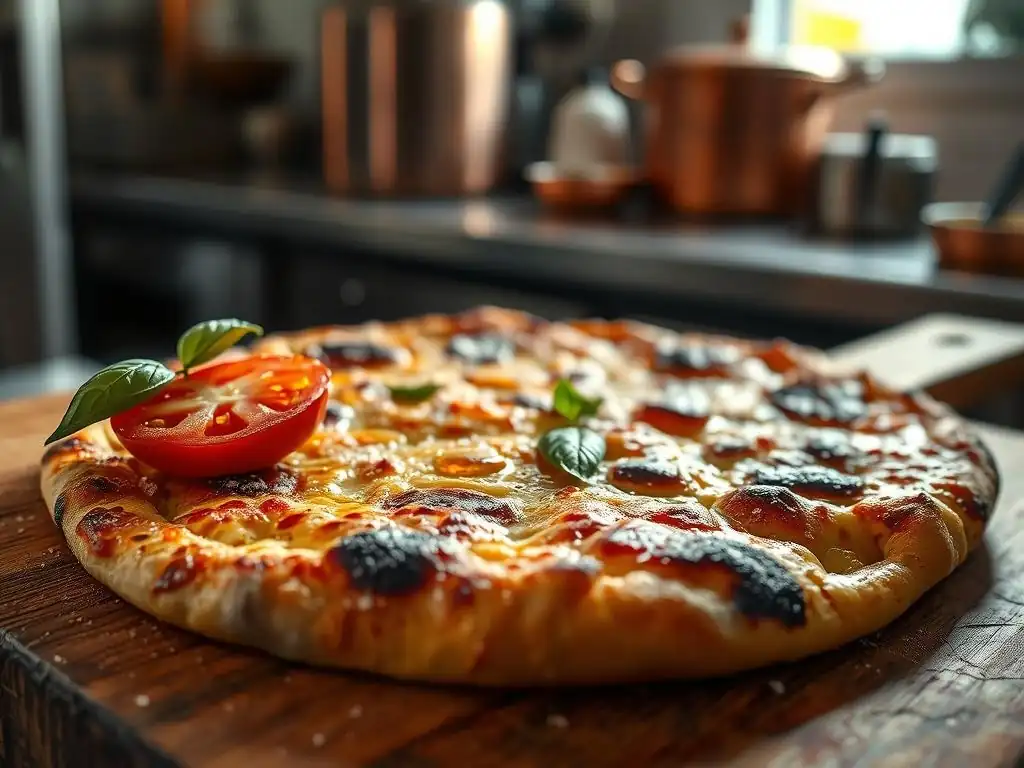
Welcome to BakeWithEase, where baking dreams become delicious realities! Ever wondered how a touch of sweetness can elevate your pizza game? This week, we're diving into the surprisingly delightful world of crafting a sweet pizza dough recipe that will redefine your expectations. Prepare to unlock a whole new dimension of flavor – are you ready to discover the secret ingredient that takes pizza from savory to sensational?
- Mastering Pizza Dough: Exploring Sweetness
- A Guide to Sweet Pizza Dough
- The Benefits of Sweetening Pizza Dough
- Sweetener Options for Pizza Dough
- Sweet Pizza Dough: A Step-by-Step Recipe
- Tips for Perfect Sweet Pizza Dough
- Serving Suggestions for Sweet Pizza Dough
- Refining Your Sweet Pizza Dough Skills
- Frequently Asked Questions
- Final Reflection: The Unexpected Symphony of Sweet and Savory
- Unleash Your Inner Pizzaiolo: Craft the Perfect Crust!
Mastering Pizza Dough: Exploring Sweetness
Pizza dough is traditionally a simple blend of flour, water, yeast, and salt. However, introducing a touch of sweetness can transform its character, adding depth, enhancing texture, and promoting beautiful browning. While often associated with dessert pizzas, a subtly sweet dough can also complement certain savory toppings, offering a unique taste experience. Understanding how different sweeteners behave and how to incorporate them correctly is key to mastering this variation.
This guide will explore the benefits of adding sugar or other sweeteners to your pizza dough, delve into the science behind it, and provide a comprehensive sweet pizza dough recipe to get you started. Whether you're aiming for a sticky bun-like base for fruit toppings or a slightly richer foundation for something savory, learning to control sweetness opens up a world of possibilities in your homemade pizza adventures.
A Guide to Sweet Pizza Dough
Adding sweeteners to pizza dough is a technique that can significantly alter the final product. It's not just about making the dough taste sweet; it's about leveraging the properties of sugars to improve dough handling, fermentation, and the crust's appearance and texture after baking. This approach moves beyond the basic Neapolitan style, which strictly avoids sugar, and embraces a more versatile dough suitable for a wider range of pizza creations.
A successful sweet pizza dough recipe balances the sugar content so it doesn't overpower the other flavors but instead enhances them. This balance is crucial whether you're making a classic pepperoni pizza or a novel dessert pie. The amount and type of sweetener used will dictate the outcome, influencing everything from the dough's rise to its chewiness and the delightful crunch of the baked crust.
The Benefits of Sweetening Pizza Dough
Incorporating sweeteners into your pizza dough offers several distinct advantages. Beyond the obvious addition of flavor, sugar plays a vital role in the dough's development and baking process. It acts as food for the yeast, contributes to a softer crumb, and promotes desirable browning reactions that give the crust its appealing golden-brown color and slightly crisp exterior.
Furthermore, sugar can help extend the dough's shelf life slightly by binding water, making the dough more moist and less prone to drying out during storage. For bakers looking to achieve a specific crust texture or color that is difficult to get with a sugar-free dough, adding sweetener is a simple yet effective technique. It's a fundamental component in many commercial pizza dough recipes for these very reasons.
The Science of Sugar in Pizza Dough
At a fundamental level, sugar provides readily available food for the yeast in the dough. Yeast consumes simple sugars, producing carbon dioxide gas and alcohol through fermentation. This gas is what causes the dough to rise, creating a light and airy structure. Without sugar, the yeast would still ferment starches in the flour, but this process is slower and less efficient, especially in shorter fermentation times. Adding sugar gives the yeast a quick start, leading to a more vigorous rise.
Beyond fermentation, sugar participates in complex chemical reactions during baking. Two primary reactions are the Maillard reaction and caramelization. The Maillard reaction, which occurs between sugars and amino acids at temperatures typically above 140°C (284°F), is responsible for the savory aromas, flavors, and brown color of the crust.
Caramelization, the browning of sugars themselves at higher temperatures (around 160-180°C or 320-356°F depending on the sugar type), adds a sweet, slightly nutty flavor and contributes further to the crust's rich color. The presence of sugar accelerates these browning processes, leading to a more visually appealing and flavorful crust compared to dough without added sugar.
Impact on Texture and Browning
The addition of sugar significantly impacts both the internal texture (crumb) and the external appearance and crispness of the pizza crust. Sugar molecules interfere with gluten development to some extent, often resulting in a slightly softer, more tender crumb compared to a sugar-free dough. This is because sugar competes with flour for water, leaving less water available for gluten formation, and also coats gluten strands, inhibiting their full development.
Regarding browning, the effect is dramatic. As mentioned, sugar accelerates the Maillard reaction and caramelization. This means a sweet pizza dough recipe will achieve a golden-brown crust faster and at potentially lower temperatures than a dough without sugar.
For example, a standard dough baked at 260°C (500°F) might take 8-10 minutes to brown adequately, while a dough containing 2-3% sugar by flour weight could achieve a similar level of browning in 6-8 minutes, or even less at very high temperatures. This rapid browning contributes to a crispier exterior while potentially keeping the interior softer, creating a desirable contrast in textures.
Sweetener Options for Pizza Dough
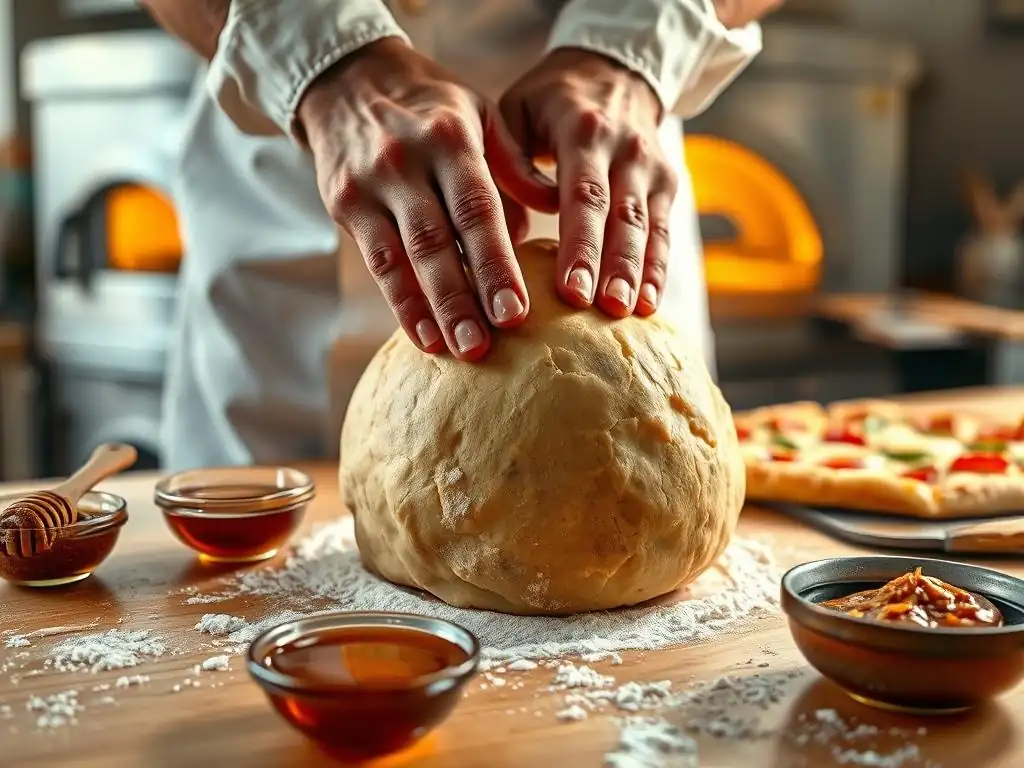
While granulated sugar is the most common choice, various sweeteners can be used in a sweet pizza dough recipe, each contributing unique flavors and characteristics. The choice of sweetener can subtly or significantly alter the final taste and texture of your pizza crust.
| Sweetener | Type | Flavor Profile | Impact on Dough | Typical Usage (% of flour weight) |
|---|---|---|---|---|
| Granulated Sugar | Refined | Pure sweetness | Standard browning, yeast food, slight softening | 1-4% |
| Honey | Natural | Floral, complex | Adds moisture, distinct flavor, promotes browning | 1.5-5% |
| Maple Syrup | Natural | Distinct maple notes | Adds moisture, unique flavor | 2-6% |
| Molasses | Natural | Deep, rich, slightly bitter | Adds color, strong flavor, retains moisture | 0.5-3% |
| Brown Sugar | Refined | Caramel, moist | Adds moisture, caramel flavor, promotes browning | 1-4% |
Experimenting with these options allows you to tailor your sweet pizza dough recipe to specific toppings and desired flavor profiles.
Granulated Sugar: The Standard Choice
Granulated white sugar is the most straightforward and widely used sweetener in baking, including in many sweet pizza dough recipes. It provides simple sucrose, which is easily consumed by yeast for fermentation. Its neutral flavor profile means it adds only sweetness without introducing other complex tastes, making it versatile for both sweet and savory applications.
When using granulated sugar, typically 1% to 4% of the total flour weight is sufficient to provide noticeable benefits in terms of yeast activity and browning. For example, in a recipe using 500 grams of flour, you might add 5 to 20 grams of granulated sugar. This range allows for subtle enhancement at the lower end and a more pronounced sweetness and faster browning at the higher end, suitable for dessert pizzas. It dissolves easily in water, making incorporation into the dough simple.
Honey: For Flavor Complexity
Honey is a natural liquid sweetener composed primarily of fructose and glucose. Using honey in a sweet pizza dough recipe adds a distinct floral or earthy complexity depending on the type of honey used (e.g., clover, wildflower, buckwheat). Beyond flavor, honey is hygroscopic, meaning it attracts and retains moisture, which can contribute to a slightly softer and more moist crumb.
Due to its liquid nature and higher proportion of fructose (which browns more readily than glucose or sucrose), honey promotes faster and darker browning than granulated sugar. When substituting honey for granulated sugar, you might use slightly more by weight (e.g., 1.5% to 5% of flour weight) and potentially reduce the amount of liquid slightly to account for the honey's moisture content. A dough made with honey can develop a beautifully caramelized crust even at slightly lower temperatures than a sugar-only dough.
Maple Syrup: A Natural Sweetener
Maple syrup, another natural liquid sweetener, brings its signature earthy, woody flavor to a sweet pizza dough recipe. Like honey, it contains various sugars and trace minerals that influence both flavor and browning. Using pure maple syrup (not pancake syrup) is essential to get the true flavor and benefits.
Incorporating maple syrup can be a fantastic choice for pizzas with toppings that complement its flavor profile, such as apples, bacon, or certain cheeses. As with honey, maple syrup adds moisture to the dough, so adjustments to other liquid ingredients might be necessary. A typical range might be 2% to 6% of the flour weight. Maple syrup also contributes to good crust color during baking, though perhaps slightly less intensely than honey depending on the grade.
Molasses: Adding Depth and Richness
Molasses, a byproduct of sugar refining, is a thick, dark syrup known for its robust, slightly bitter, and deeply caramelized flavor. Blackstrap molasses is the darkest and most intense, while lighter varieties are sweeter. Using molasses in a sweet pizza dough recipe adds significant color and a complex, almost gingerbread-like richness.
Molasses is less commonly used in standard pizza dough but can be excellent for specific applications, especially savory ones where a hint of deep sweetness is desired, or for very dark, rich crusts. It's highly hygroscopic, ensuring a moist crumb. Due to its strong flavor, it's typically used in smaller quantities, perhaps 0.5% to 3% of the flour weight. It contributes significantly to browning due to its high mineral content and complex sugars.
Brown Sugar: Caramel Notes and Moisture
Brown sugar is essentially granulated sugar with added molasses. The amount of molasses determines whether it's light or dark brown sugar. Using brown sugar in a sweet pizza dough recipe introduces lovely caramel notes and adds moisture due to the presence of molasses.
Brown sugar behaves similarly to granulated sugar in terms of feeding yeast and promoting browning but imparts a richer flavor and results in a slightly softer dough due to the molasses content. It's a versatile choice that works well in many contexts, from savory pizzas with ingredients like caramelized onions or roasted vegetables to sweet dessert pizzas. A typical usage might be 1% to 4% of the flour weight, similar to granulated sugar, but offering enhanced flavor and moisture.
Sweet Pizza Dough: A Step-by-Step Recipe
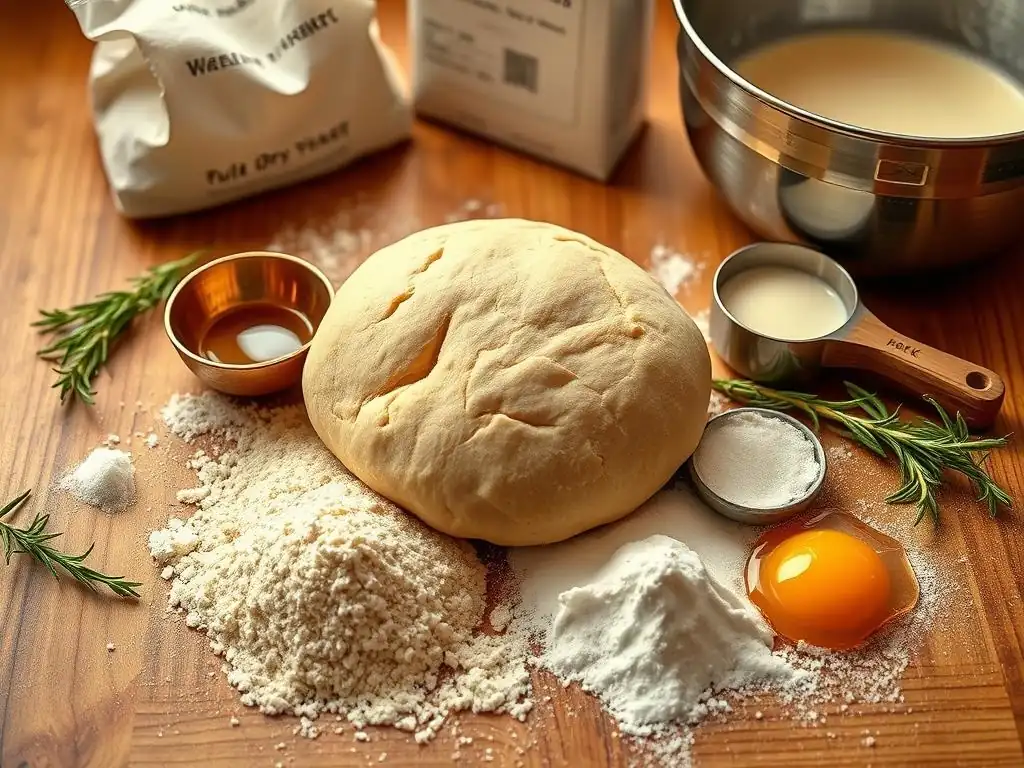
Ready to try making your own sweet pizza dough? This basic recipe uses granulated sugar, but feel free to substitute with other sweeteners following the guidelines above. This sweet pizza dough recipe is designed to be straightforward and yield a versatile dough suitable for various toppings.
Ingredients for Sweet Pizza Dough
- 500 grams (about 4 cups) Bread Flour or All-Purpose Flour
- 10 grams (about 2 teaspoons) Granulated Sugar (or other sweetener, adjust amount based on type)
- 10 grams (about 2 teaspoons) Fine Sea Salt
- 7 grams (about 2 1/4 teaspoons) Instant Dry Yeast
- 325-350 ml (about 1 1/3 - 1 1/2 cups) Lukewarm Water (around 30-35°C / 85-95°F)
- 1 tablespoon Olive Oil (optional, for dough softness)
Note: Using a kitchen scale for flour and sugar is highly recommended for accuracy.
Mixing and Incorporating Sweeteners
Start by combining the dry ingredients in a large mixing bowl: flour, sugar, salt, and instant yeast. Whisk them together briefly to ensure everything is evenly distributed. The sugar should be thoroughly mixed with the flour and salt before adding liquid.
Create a well in the center of the dry ingredients. Pour in the lukewarm water and the olive oil (if using). Use a spoon or a spatula to mix everything together until a shaggy dough forms and there are no dry pockets of flour remaining. At this stage, the dough will look rough and sticky – this is perfectly normal. Ensure the sugar is fully dissolved and incorporated into the mixture.
Kneading for Optimal Dough Structure
Turn the shaggy dough out onto a lightly floured surface. Begin kneading the dough. Kneading develops the gluten network, which provides structure and elasticity to the dough, allowing it to trap the gases produced by the yeast.
Knead for about 8-10 minutes by hand, or 5-7 minutes using a stand mixer with a dough hook on medium-low speed. The dough should transform from a sticky mess into a smooth, elastic ball that springs back slowly when gently poked. The sugar might make the dough feel slightly softer than a sugar-free dough, but it should still become pliable and manageable.
Proofing: Allowing the Dough to Rise
Once kneaded, shape the dough into a smooth ball. Lightly oil a clean bowl with olive oil and place the dough ball inside, turning to coat. Cover the bowl tightly with plastic wrap or a damp kitchen towel.
Allow the dough to proof (rise) in a warm place until it has doubled in size. This typically takes 60-90 minutes at room temperature (around 22-24°C / 72-75°F). The sugar provides readily available food for the yeast, which can sometimes lead to a slightly faster rise compared to a dough without added sugar. You can also cold proof the dough in the refrigerator for 12-48 hours for enhanced flavor development; it will rise slowly during this time.
Baking: Achieving a Golden Crust
Preheat your oven and pizza stone or steel to the highest temperature possible, ideally 240-260°C (465-500°F) or even higher if your oven allows. Allow it to preheat for at least 30-60 minutes to ensure it's scorching hot.
Shape the proofed dough into your desired pizza shape on a lightly floured or semolina-dusted surface. Add your chosen toppings. Carefully transfer the pizza onto the preheated stone or steel using a pizza peel. Bake for 6-12 minutes, depending on your oven temperature and desired crispness. The sugar in the dough will cause the crust to brown more readily than a standard dough. Watch it closely to prevent burning, especially the edges. The crust should be beautifully golden brown and the cheese (if using) bubbly and slightly browned.
Tips for Perfect Sweet Pizza Dough
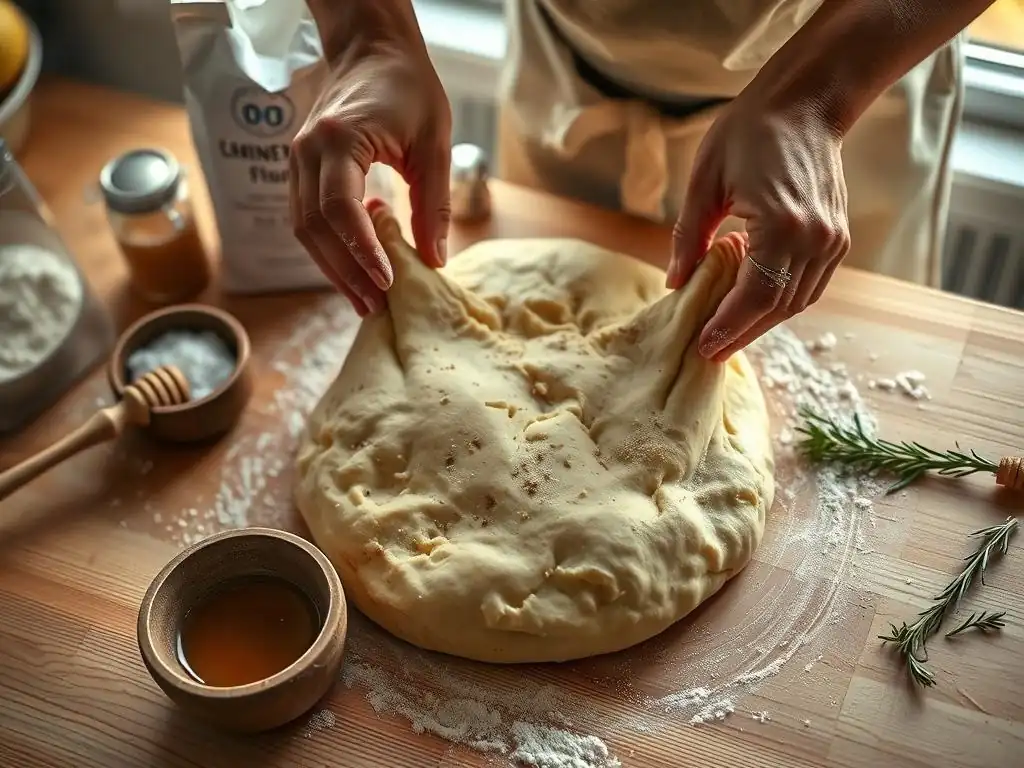
Creating the perfect sweet pizza dough recipe involves more than just adding sugar. Understanding how to balance flavors, troubleshoot common issues, and explore variations will elevate your results.
Balancing Sweetness in Pizza Dough
The key to a great sweet pizza dough is balance. The amount of sweetener should complement, not overwhelm, the other ingredients. For savory applications, a subtle sweetness (1-2% sugar by flour weight) can enhance flavors like tomato sauce, cheese, or spicy meats without making the pizza taste like dessert.
For sweet pizzas, you can increase the sugar content (3-4% or more), but consider the sweetness of your toppings. Very sweet toppings like fruit preserves or chocolate might pair better with a less sweet crust, while tart fruit like apples or berries might benefit from a sweeter base.
Task List for Balancing Sweetness:
- [x] Choose sweetener type based on desired flavor profile (neutral sugar vs. flavored honey/maple).
- [x] Start with a low percentage of sweetener (e.g., 1-2% of flour weight) for savory pizzas.
- [x] Increase sweetener percentage (e.g., 3-4%+) for dessert pizzas.
- [x] Consider the sweetness of your planned toppings.
- [x] Taste a small piece of the baked crust plain to evaluate its sweetness level.
Troubleshooting Dough Issues
Adding sugar can sometimes introduce challenges. One common issue is over-browning or even burning the crust because sugar caramelizes and browns faster than flour. If your crust is browning too quickly, try reducing the oven temperature slightly or placing the pizza on a lower rack.
Another potential issue is a dough that becomes too sticky or slack if too much liquid sweetener (like honey or syrup) is used without adjusting the water content. If your dough is excessively sticky, add a tablespoon of flour at a time during kneading until it reaches the desired consistency. Conversely, if the dough is too stiff, add a teaspoon of water at a time. Ensure your yeast is active; sugar feeds yeast, but if the yeast is dead, the dough won't rise regardless of the sugar content.
Flavor Variations: Spices and Extracts
Beyond just sweetness, you can infuse your sweet pizza dough recipe with additional flavors to complement your toppings. Spices like cinnamon, nutmeg, cardamom, or even a pinch of ginger can work wonderfully, especially for sweet dessert pizzas. Add these dry spices along with the flour.
For more intense flavor, consider adding extracts like vanilla extract, almond extract, or lemon zest. These should typically be added with the liquid ingredients. For example, a teaspoon of vanilla extract in a standard batch of dough can add a lovely aroma and subtle flavor perfect for fruit or chocolate pizzas. Start with small amounts, as extracts can be potent.
Serving Suggestions for Sweet Pizza Dough
Once you've mastered your sweet pizza dough recipe, the possibilities for toppings are endless. Sweet dough isn't just for dessert; it can also create intriguing savory and sweet flavor combinations.
Dessert Pizzas: Sweet Toppings and Combinations
This is where a sweet pizza dough truly shines. Think beyond traditional pizza and embrace dessert flavors.
- Fruit Pizzas: Top with thinly sliced apples (tossed with cinnamon and sugar), berries, peaches, or figs. A base of cream cheese frosting or a simple sugar glaze can work well.
- Chocolate Pizzas: Spread a layer of Nutella or melted chocolate, add marshmallows, chocolate chips, or chopped nuts.
- Cinnamon Roll Pizza: Spread softened butter, cinnamon, and brown sugar over the dough, roll it up, slice into rounds, and arrange on a baking sheet. Bake and drizzle with cream cheese icing.
- Streusel Pizza: Top with fruit and a crumbly streusel topping made from flour, sugar, butter, and cinnamon.
Block Quote Example - Dessert Pizza Idea:
> For a simple yet delicious dessert pizza, try spreading a thin layer of mascarpone cheese mixed with a little sugar and vanilla over the baked sweet crust. Top with fresh berries and a sprinkle of powdered sugar. The slightly sweet dough provides a perfect base for the creamy cheese and vibrant fruit.
Savory and Sweet: Pairing Ideas
Don't limit your sweet pizza dough recipe to desserts. The subtle sweetness can enhance certain savory ingredients by providing contrast and depth.
- Prosciutto and Fig: The saltiness of prosciutto pairs beautifully with the sweetness of fresh or dried figs on a slightly sweet crust. Add some goat cheese or balsamic glaze.
- Caramelized Onion and Goat Cheese: The inherent sweetness of caramelized onions is amplified by the dough, balanced by the tang of goat cheese.
- Spicy Sausage and Honey: A drizzle of hot honey over spicy sausage on a sweet crust creates an exciting interplay of heat and sweetness.
- Bacon and Maple: A nod to breakfast flavors, crispy bacon and a light drizzle of maple syrup (perhaps infused into the dough itself) can be surprisingly good on a pizza.
Apple Cinnamon Pizza: A Recipe Example
Here is a simple example of how to use your sweet pizza dough recipe for a delicious dessert:
- Prepare your sweet pizza dough using the recipe above, potentially increasing the sugar to 3-4%.
- While the dough proofs, prepare the topping: Slice 2-3 medium apples thinly. Toss with 2 tablespoons brown sugar, 1 teaspoon cinnamon, and 1 tablespoon melted butter.
- Preheat oven and stone/steel as described earlier.
- Shape the dough and transfer to your peel.
- Spread a thin layer of softened butter or a simple sugar glaze (powdered sugar mixed with a little milk) over the dough, leaving a border for the crust.
- Arrange the apple slices over the glaze.
- Bake until the crust is golden brown and the apples are tender, about 8-12 minutes.
- Optional: Drizzle with more glaze or a caramel sauce after baking.
Refining Your Sweet Pizza Dough Skills
Mastering a sweet pizza dough recipe is an ongoing journey of experimentation and refinement. Each attempt offers an opportunity to learn more about how ingredients interact and how minor adjustments can lead to significant changes in the final crust.
Experimenting with Sweetener Ratios
The suggested sweetener percentages (1-4% for sugar, etc.) are starting points. Don't be afraid to adjust these ratios based on your preferences and the specific use of the dough. Try making two small batches of dough with different sugar percentages (e.g., 1% vs. 3%) and compare the rise, handling, and baked crust characteristics.
Consider the type of flour you use as well; different flours absorb water differently and can impact how the sugar behaves. Keep a baking journal to note your ratios, the type of sweetener used, proofing times, and baking results. This will help you replicate successes and learn from attempts that didn't turn out exactly as planned.
Adapting the Recipe to Your Preferences
Once you understand the basic sweet pizza dough recipe, you can adapt it further. Want a crispier crust? Try a slightly lower hydration (less water) or bake directly on a very hot stone/steel. Prefer a chewier crust? Use a higher protein bread flour and ensure adequate kneading.
If using liquid sweeteners, you might need to slightly reduce the water quantity to maintain the correct dough consistency. For instance, if adding 20g of honey (which is roughly 15ml water), you might reduce the added water by 10-15ml. Adapting the recipe allows you to create a signature sweet dough that perfectly suits your taste and baking setup.
Advancing Your Pizza Baking Expertise
Working with a sweet pizza dough recipe builds on fundamental baking skills like understanding yeast activity, gluten development, and the science of baking. As you become more comfortable, you can explore other variables like different flour blends (adding whole wheat or semolina), using sourdough starter instead of commercial yeast (which also produces complex flavors and affects rise), or experimenting with longer, cold fermentation periods in the refrigerator to deepen flavor. Each new technique you try with sweet dough will enhance your overall pizza baking expertise.
Frequently Asked Questions
What is the purpose of adding sweeteners to pizza dough?
Adding sweeteners, like sugar or honey, to pizza dough serves multiple purposes. It can enhance the flavor profile, contribute to better browning during baking, and provide food for the yeast, leading to a lighter and more airy crust.
What types of sweeteners work best in a sweet pizza dough recipe?
Many sweeteners can be used, but some common and effective choices include granulated sugar, honey, and maple syrup. The best choice often depends on the desired flavor and the specific recipe requirements. Brown sugar adds a molasses note.
How much sweetener should I add to my pizza dough?
The amount of sweetener is crucial; too much can create a dough that's difficult to handle. Generally, a sweet pizza dough recipe might call for 1-3 tablespoons of sweetener per batch of dough, but it's best to follow the recipe's specific instructions.
Will a sweet pizza dough recipe change the texture of my pizza?
Yes, adding sweeteners can affect the texture. It often results in a softer, more tender crust compared to a traditional savory pizza. The sweetness can also caramelize during baking, creating a slightly crispier exterior.
Can I use a sweet pizza dough recipe for savory toppings?
While primarily designed for sweet toppings, a sweet pizza dough can surprisingly complement certain savory flavors. However, it's typically best suited for sweet pizzas with fruit, chocolate, or dessert-style toppings. Consider pairing it with mild cheeses rather than strong, pungent ones.
Final Reflection: The Unexpected Symphony of Sweet and Savory
The subtle art of adding sweeteners to pizza dough is far more than a culinary quirk; it's a gateway to unlocking a depth of flavor and texture that elevates the humble pizza to new heights. This isn't just about a trendy recipe; it's about understanding how seemingly disparate elements can harmonize to create a truly exceptional eating experience. The impact on the final product – a crispier crust, a richer aroma, and a more nuanced taste – is undeniable.
The exploration of sweet pizza dough has opened my eyes to the boundless possibilities of culinary experimentation. It's a testament to the power of breaking free from traditional constraints and embracing unexpected flavor combinations. The initial hesitation I felt – the internal debate questioning whether sweetness belonged in a savory dish – quickly dissolved as I experienced the transformative effect firsthand. The best things in life are the unexpected ones.
This quote perfectly encapsulates the journey of discovering the magic within sweet pizza dough.
Now, it's your turn to embark on this flavorful adventure. Don't be afraid to experiment with different sweeteners, quantities, and dough recipes. Observe how each ingredient interacts, and most importantly, trust your palate. The journey of creating the perfect sweet pizza dough is a personal one, and the reward – a pizza that sings with unexpected harmonies – is well worth the effort. So, gather your ingredients, embrace the unexpected, and unlock the delicious potential waiting within your next pizza creation.
Unleash Your Inner Pizzaiolo: Craft the Perfect Crust!
Thanks for taking the time to explore the art of sweet pizza dough! We hope you gained valuable insights into creating a truly exceptional crust. Ready to put your new knowledge into practice?
- Bake a Sweet Pizza Masterpiece: Try the recipe we outlined, experimenting with different sweeteners to find your perfect balance. Note the changes in texture and flavor!
- Share Your Sweet Success: Show off your delicious creation on social media using #BakeWithEaseSweetCrust – let's inspire others!
- Dive Deeper into Dough: Explore our other baking guides on BakeWithEase.com for more tips and tricks on creating amazing bread and pastries.
What unique sweetener will you try in your next pizza dough adventure?