
The Science of Fat Crystallization: Achieving Silky Chocolate Ganache and Cookie Textures

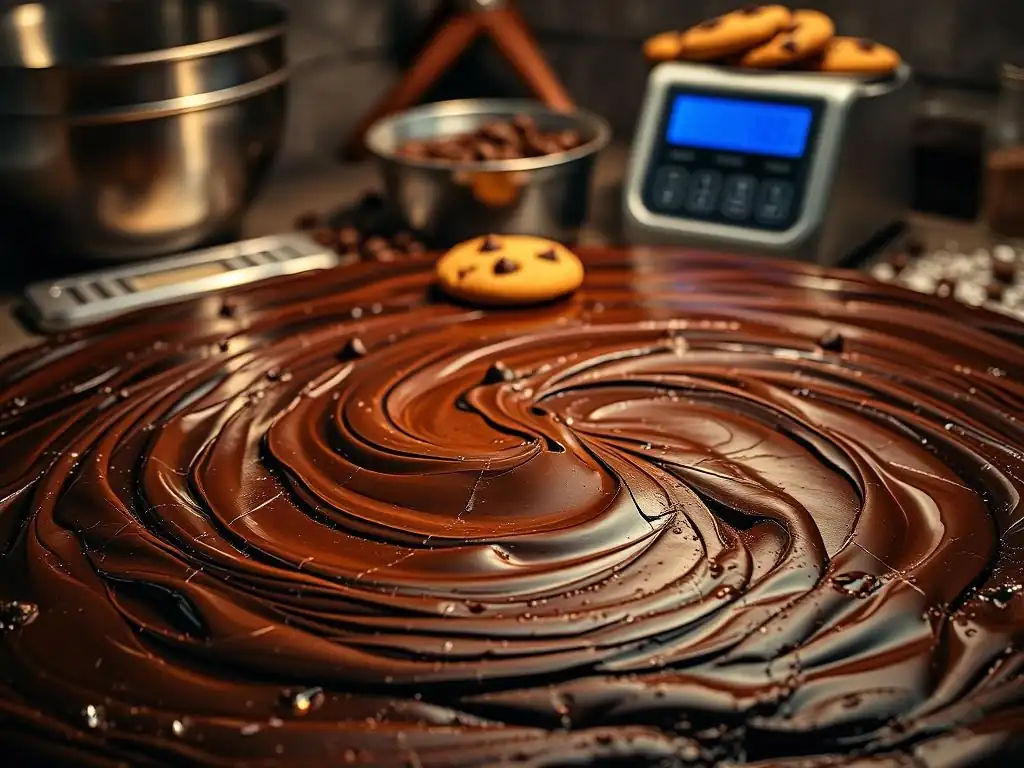
Welcome to BakeWithEase, where we unlock the secrets to baking success! Ever wondered how the magic of fat crystallization affects your favorite treats? Delve into the science behind achieving that perfect, silky chocolate ganache recipe you've always dreamed of, and how understanding this process can elevate your cookie game too. Get ready to transform your baking with our expert tips and tricks!
Choosing the Right Chocolate for Optimal Beta Crystal Formation
The journey to a perfect silky chocolate ganache recipe begins with selecting the right type of chocolate. The quality and composition of your chocolate are paramount because chocolate's structure relies heavily on the fat crystals of cocoa butter. Cocoa butter is a complex fat that can crystallize into several different forms, or polymorphs, designated as Forms I through VI. For that coveted smooth, glossy, and stable ganache texture, we are aiming for the formation of Form V beta crystals. These crystals are the most stable at room temperature and give chocolate its characteristic snap and smooth melt.
Different types of chocolate contain varying amounts of cocoa butter. Dark chocolate typically has the highest percentage, often ranging from 35% to over 70% cocoa solids, with a significant portion being cocoa butter. Milk chocolate contains less cocoa butter due to the addition of milk solids and sugar, usually falling in the 20-35% cocoa butter range.
White chocolate, while not technically chocolate in the traditional sense as it contains no cocoa solids, is primarily cocoa butter (often 20-35%), sugar, and milk solids. Using high-quality chocolate with a good percentage of cocoa butter will provide a better foundation for achieving the desired beta crystal structure necessary for a truly silky chocolate ganache recipe. Cheaper chocolates may contain alternative fats that don't crystallize in the same beneficial way, leading to a less stable and potentially grainy ganache.
Temperature Control: Melting and Cooling Techniques for Ganache
Temperature is a critical factor in directing cocoa butter to form the desired beta crystals for your silky chocolate ganache recipe. When melting chocolate, you need to heat it just enough to break down all existing crystal forms, including any undesirable ones. For dark chocolate, this is typically around 115-120°F (46-49°C), while milk and white chocolate require lower temperatures, often between 105-115°F (40-46°C), to prevent scorching.
Overheating can damage the chocolate and make it difficult to achieve the correct crystallization later. The classic method involves pouring hot cream (just shy of boiling) over finely chopped chocolate or chocolate pistoles, allowing the residual heat to gently melt the chocolate from the outside in.
After the chocolate is fully melted and emulsified with the cream, the cooling process is equally, if not more, important. To encourage the formation of stable beta crystals, ganache should be cooled slowly and steadily at room temperature, ideally between 68-72°F (20-22°C).
Rapid cooling, such as placing the ganache directly into the refrigerator while still warm, can encourage the formation of less stable crystal forms (like Form IV), resulting in a ganache that might be dull, crumbly, or prone to blooming (gray streaks of fat on the surface). Allowing the ganache to cool gradually over several hours, stirring occasionally (especially as it thickens), helps the cocoa butter molecules align into the stable Form V structure, contributing significantly to the final silky texture of your chocolate ganache recipe.
Emulsification: Binding Fat and Water for a Stable Ganache
Emulsification is the process of blending two immiscible liquids, in this case, the fat from the chocolate and cream and the water from the cream, into a stable, homogenous mixture. For a silky chocolate ganache recipe, achieving a proper emulsion is non-negotiable. The fat is dispersed throughout the water phase in tiny droplets, creating a smooth, stable consistency that doesn't separate. If the emulsion breaks, you end up with a greasy, separated mess rather than a smooth, pourable or scoopable ganache. The fat crystals formed during cooling are then dispersed within this stable emulsion, contributing to the overall texture.
The key to successful emulsification in ganache lies in the stirring technique and timing after the hot cream is poured over the chocolate. Initially, let the mixture sit undisturbed for a minute or two to allow the heat from the cream to melt the chocolate. Then, start stirring gently from the center outwards with a whisk or spatula.
This central stirring helps to gradually incorporate the melted chocolate and cream. As the mixture starts to come together, you can increase the vigor of your stirring or switch to a whisk, moving outwards to the edges of the bowl to ensure everything is fully combined and homogenized.
Over-whipping can incorporate too much air, leading to a foamy or less dense ganache, while insufficient mixing can result in a broken or separated mixture. A well-emulsified ganache will appear smooth, glossy, and uniform in color, setting the stage for the final silky texture developed through proper fat crystallization during cooling.
-
Frequently Asked Questions
- What is fat crystallization, and why is it important in baking, especially when making a silky chocolate ganache?
- How does temperature affect the fat crystallization process when preparing a silky chocolate ganache?
- Can the type of chocolate used impact the final texture of a silky chocolate ganache, and if so, how?
- What are some common mistakes that can prevent me from achieving a silky chocolate ganache?
- Besides silky chocolate ganache, how else can understanding fat crystallization improve my baking results, particularly with cookies?
- Final Reflection: The Enduring Allure of a Perfect Texture
- Unlock Your Inner Chocolatier: Master the Art of Fat Crystallization!
Frequently Asked Questions
What is fat crystallization, and why is it important in baking, especially when making a silky chocolate ganache?
Fat crystallization is the process where fat molecules solidify into a stable structure. It's crucial because it directly affects the texture and mouthfeel of baked goods, influencing the smoothness of ganache and the crispness of cookies.
How does temperature affect the fat crystallization process when preparing a silky chocolate ganache?
Temperature plays a critical role. Slow, controlled cooling promotes the formation of smaller, more stable fat crystals, resulting in a silky texture. Rapid cooling can lead to larger, grainy crystals and a less desirable texture.
Can the type of chocolate used impact the final texture of a silky chocolate ganache, and if so, how?
Yes, absolutely. Different chocolates have varying amounts and types of fat. High-quality chocolate with a higher cocoa butter content typically produces a smoother, silkier ganache because of the fat's ability to crystallize properly.
What are some common mistakes that can prevent me from achieving a silky chocolate ganache?
Common mistakes include overheating the chocolate, which can damage the fat structure, and insufficiently mixing the ganache, leading to uneven crystallization. Also, not using high-quality chocolate can lead to a grainy texture.
Understanding fat crystallization can help you achieve the perfect cookie texture. Controlling the fat crystallization process ensures crispy edges and a chewy center, as well as preventing cookies from spreading too much during baking.
Final Reflection: The Enduring Allure of a Perfect Texture
The pursuit of the perfect silky chocolate ganache, far from being a mere culinary whim, speaks to a deeper human desire for sensory perfection. Understanding the science behind fat crystallization, as explored in this article, unlocks not only the secrets to achieving that coveted smooth texture but also reveals a fascinating interplay between chemistry and culinary artistry. This knowledge isn't just for professional chocolatiers; it empowers home bakers to elevate their creations to a new level of sophistication.
The impact of texture on our experience of food is profound, shaping our perception of taste and overall enjoyment. We are inherently drawn to the smooth, the creamy, the melt-in-your-mouth sensations that a perfectly crystallized fat provides. This inherent preference is reflected in countless culinary traditions across the globe, highlighting the universal appeal of this sensory experience. The pleasure of eating is doubled when you know what you are eating.
- Anthelme Brillat-Savarin. This quote, while not directly about texture, underscores the importance of understanding the process behind culinary excellence.
Now, consider your own culinary journey. What textures resonate most deeply with you? How can you apply the principles of fat crystallization, even beyond chocolate, to enhance your cooking and baking? Experiment with different tempering techniques, explore the nuances of fat types, and most importantly, savor the journey of discovery. The pursuit of the perfect texture is a rewarding one, filled with both scientific understanding and the pure joy of creating something delicious and beautiful. Embrace the science, and let your creativity flow.
Unlock Your Inner Chocolatier: Master the Art of Fat Crystallization!
Thanks for exploring the fascinating world of fat crystallization with us! You've now got the knowledge to create incredibly smooth ganaches and perfectly textured cookies. Ready to put your new skills to the test?
- Craft your dream ganache: Experiment with different chocolates and cream ratios, paying close attention to the temperature control techniques we discussed. See how your understanding of fat crystallization translates into a truly luxurious result!
- Share your creations: Show off your perfectly crystallized treats on social media using #BakeWithEaseCrystallization – let's inspire each other!
- Dive deeper: Explore our other articles on advanced baking techniques for even more delicious discoveries on BakeWithEase.com (replace with actual domain if desired).
What unexpected texture will you create by mastering fat crystallization next?