
Bake a Classic French Bûche de Noël (Yule Log) Effortlessly

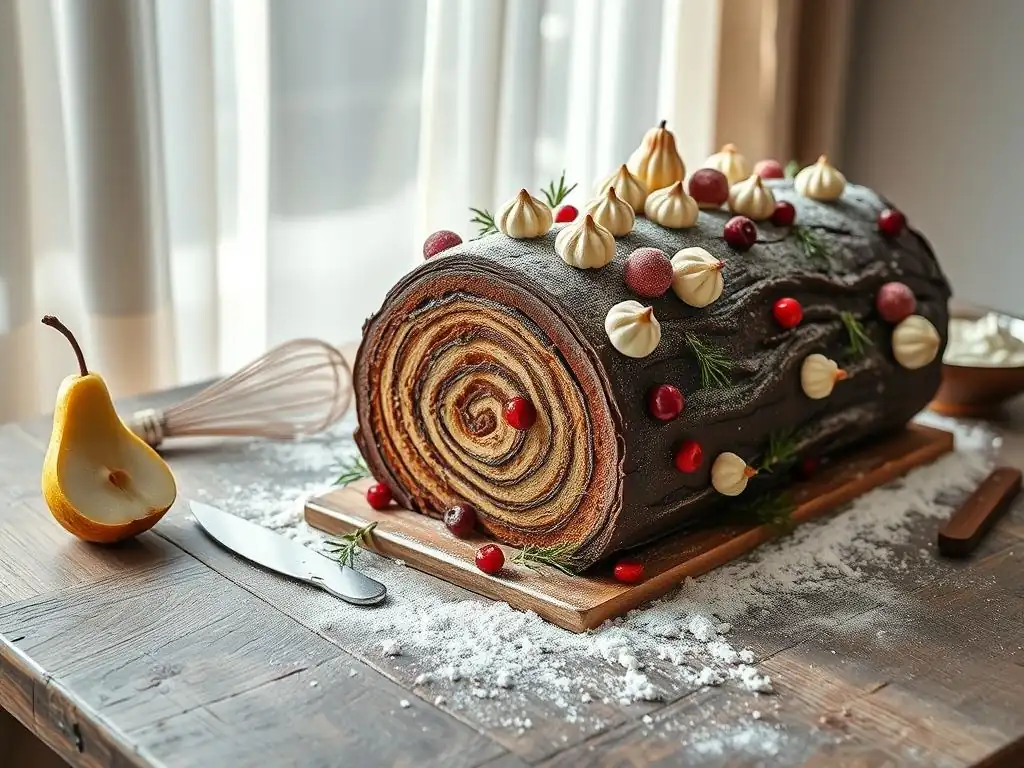
Welcome to BakeWithEase, your kitchen companion for all things baking! Ever dreamt of creating a show-stopping dessert that looks as impressive as it tastes? This year, skip the stress and dive into the magic of the holidays with our Easy French Yule Log recipe. Intrigued by the secrets to its light-as-air sponge and decadent chocolate ganache? Let's unlock the secrets to this classic Bûche de Noël and discover how easy it is to bring a touch of French elegance to your holiday table!
- Introduction to Easy French Yule Log Baking with BakeWithEase
- Understanding the Components of an Authentic Bûche de Noël
- Step-by-Step Guide to Baking an Easy French Yule Log
- Mastering the Art of Yule Log Decoration
- Tips and Tricks for a Foolproof Bûche de Noël
- Easy French Yule Log Recipe Variations and Adaptations
- Troubleshooting Common Bûche de Noël Baking Problems
- The History and Tradition of the Bûche de Noël
- Share Your Easy French Yule Log Masterpiece!
- Conclusion: Enjoy Your Effortless Homemade Yule Log
- Frequently Asked Questions
- Final Reflection: The Enduring Magic of a Simple Yule Log
- Unleash Your Inner Pâtissier: Master the Bûche de Noël!
Introduction to Easy French Yule Log Baking with BakeWithEase
Discover the Magic of a Homemade Bûche de Noël
The Bûche de Noël, or Yule Log, is a quintessential French Christmas dessert, steeped in tradition and festive cheer. Its appearance, mimicking a rustic log, brings a touch of woodland magic to any holiday table. Crafting one from scratch might seem daunting, but with the right guidance, it's a rewarding experience that results in a stunning and delicious centerpiece. Imagine the delight of your family and friends as you present this beautiful, chocolatey creation, knowing you made it yourself. It's more than just a dessert; it's a piece of edible art and a celebration of the holiday spirit.
Creating your own Bûche de Noël allows for personalization and the joy of hands-on baking. Unlike store-bought versions that can sometimes be overly sweet or lack depth, a homemade Easy French Yule Log offers a fresh, authentic flavor profile. You control the quality of ingredients, ensuring a rich chocolate buttercream and a light, tender sponge. This dessert is a true showstopper, and mastering it will give you immense pride. It’s a project that’s perfect for a cozy afternoon in the kitchen, filling your home with wonderful aromas and holiday anticipation.
Why This Yule Log Recipe is Perfect for Beginners
Many assume the Bûche de Noël is a complex patisserie challenge reserved for experts, but our approach simplifies the process significantly. This Easy French Yule Log recipe focuses on fundamental techniques, breaking down each step into manageable tasks. We guide you through creating a reliable genoise sponge, a stable yet creamy chocolate buttercream, and straightforward assembly and decoration methods. You don't need specialized equipment or years of baking experience to achieve a beautiful and delicious result.
Our step-by-step instructions are designed to build confidence, making this classic French dessert accessible to anyone. We address common pitfalls and offer practical tips to ensure success, even if this is your first time attempting a rolled cake. By focusing on clear instructions and approachable methods, we take the intimidation out of baking this festive treat. Get ready to discover how enjoyable making an Easy French Yule Log can be!
Understanding the Components of an Authentic Bûche de Noël
The Genoise Sponge: Key to a Light and Airy Yule Log
The foundation of a classic Bûche de Noël is the genoise sponge cake. Unlike many cakes that rely on chemical leaveners like baking powder, a traditional genoise gets its lift primarily from whipped eggs. This means incorporating air into the eggs and sugar is crucial, often done by whisking them over a warm water bath (bain-marie) until they are warm, pale, and significantly increased in volume – sometimes tripling in size. The flour is then folded in gently to avoid deflating this airy mixture, resulting in a cake that is incredibly light, delicate, and pliable, perfect for rolling.
A successful genoise sponge should be moist enough to roll without cracking, yet firm enough to hold its shape. The proportion of eggs, sugar, and flour is key, as is the mixing technique. Overmixing after adding the flour can develop gluten, leading to a tougher cake. A properly made genoise has a fine, even crumb and a subtle flavor that pairs beautifully with rich fillings and frostings. Achieving this balance is what makes the genoise the ideal base for an Easy French Yule Log.
Chocolate Buttercream: Achieving the Perfect Frosting Consistency
The classic frosting for a Bûche de Noël is a rich chocolate buttercream, often a variation of French buttercream or Swiss meringue buttercream, though American buttercream is also commonly used for its simplicity. The key to a perfect buttercream is achieving a smooth, spreadable consistency that is stable enough to hold its shape when piped and decorated, yet soft enough to cut through easily. Temperature plays a critical role; if it's too warm, it can be runny; if too cold, it can be stiff and difficult to work with.
For this Easy French Yule Log, we'll focus on a straightforward yet delicious chocolate buttercream. The quality of the chocolate used significantly impacts the flavor – opt for good quality unsweetened cocoa powder or melted dark chocolate for the best results. Ensuring your butter is at the correct room temperature (soft but not melted) is also vital for a smooth emulsion with the other ingredients. Patience when beating the buttercream ensures it becomes light and fluffy, ready to transform your rolled cake into a festive log.
Decorative Elements: Making Your Yule Log Visually Stunning
The visual appeal of a Bûche de Noël is almost as important as its taste. The traditional decoration aims to mimic a log found in the woods, complete with bark texture, moss, and perhaps some fungi. The most common technique for creating the bark effect involves using a fork to score the buttercream frosting after it's applied to the rolled cake. This simple method instantly transforms the smooth surface into a rustic wood-like texture.
Beyond the bark, edible decorations add charm. Powdered sugar is often dusted over the finished log to resemble snow. Small meringue mushrooms, chocolate leaves, or sugar holly berries are classic additions that enhance the woodland theme. These elements not only make your Easy French Yule Log look authentic and festive but also add delightful textural contrasts. Planning your decorations beforehand can make the final assembly even more enjoyable.
Step-by-Step Guide to Baking an Easy French Yule Log
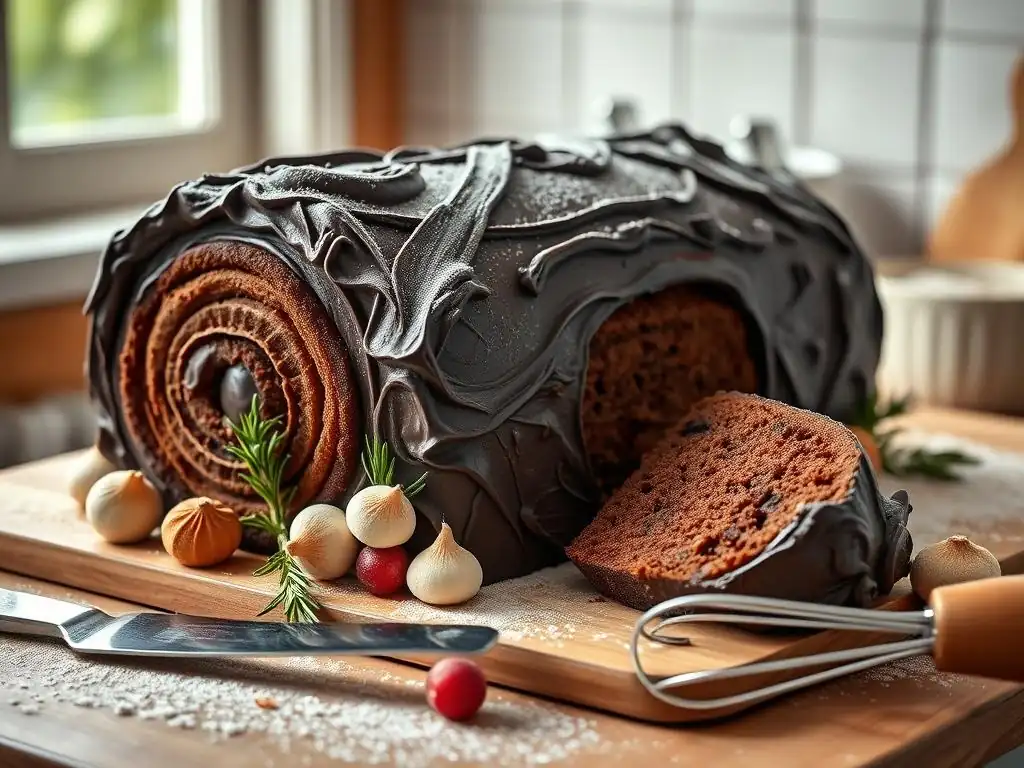
Preparing the Genoise Sponge Cake Batter
Start by preheating your oven, typically to around 350°F (175°C). Prepare a jelly roll pan (approximately 10x15 inches) by greasing it and lining it with parchment paper, leaving some overhang on the sides for easy lifting. The heart of the genoise is the egg mixture: whisk large eggs with granulated sugar, often over a bain-marie, until warm and thick. This process, known as the ribbon stage, is crucial for incorporating air. The mixture should fall in a ribbon when the whisk is lifted.
Once the egg mixture is ready, gently sift the cake flour over it in batches. Using a large spatula, carefully fold the flour into the eggs using a light, lifting motion. Avoid stirring or beating, which would deflate the air. If using melted butter (some recipes add a small amount for richness), drizzle it gently down the side of the bowl and fold it in last, being careful not to overmix. The goal is a light, airy batter that holds its volume before spreading it evenly into the prepared pan.
Baking the Sponge for Optimal Texture
Baking the genoise sponge requires precision to ensure it's cooked through but remains moist and flexible for rolling. The thin layer of batter bakes relatively quickly, usually within 10-15 minutes. You'll know it's done when the cake is lightly golden, springs back gently when touched, and starts to pull away slightly from the sides of the pan. Be careful not to overbake, as this will result in a dry, brittle cake that will crack when rolled.
Immediately after removing the cake from the oven, gently loosen the edges and invert the cake onto a clean kitchen towel dusted with powdered sugar. Peel off the parchment paper. While the cake is still warm, carefully roll it up lengthwise with the towel inside. This trains the cake to hold its rolled shape as it cools, significantly reducing the risk of cracking later. Let the rolled cake cool completely in the towel on a wire rack. This cooling process is essential for a successful Easy French Yule Log.
Creating the Rich Chocolate Buttercream Frosting
While the cake cools, prepare your chocolate buttercream. Cream softened unsalted butter in a large bowl until it's light and fluffy. Gradually beat in sifted powdered sugar, alternating with a liquid like milk, cream, or cooled melted chocolate/cocoa mixture, depending on your specific recipe variation. Ensure each addition is fully incorporated before adding the next.
For a classic chocolate flavor, whisk in cocoa powder dissolved in hot liquid or cooled melted dark chocolate. Vanilla extract and a pinch of salt enhance the flavor. Beat the mixture until it is smooth, creamy, and spreadable. If the buttercream seems too thick, add a tiny bit more liquid (milk or cream). If it's too thin, add a little more powdered sugar. The consistency should be like soft ice cream, easy to spread but not runny, perfect for frosting your Easy French Yule Log.
Assembling the Bûche de Noël: Rolling and Frosting Techniques
Once the genoise sponge is completely cool, gently unroll it. It should retain its shape, making the final roll much easier. Spread a layer of your chosen filling over the inside surface of the cake. Classic options include more chocolate buttercream, whipped cream, or even a fruit curd like raspberry. Leave a small border unfilled around the edges.
Carefully re-roll the cake tightly from the short end. Use the towel or parchment paper to help guide the roll, keeping it snug. Once rolled, transfer the log seam-side down onto your serving platter or a board. Now, frost the outside of the log generously with the chocolate buttercream. Use an offset spatula or knife to spread the buttercream evenly, covering the entire log. This layer will serve as the canvas for your bark texture and decorations, bringing your Easy French Yule Log to life.
Mastering the Art of Yule Log Decoration
Bark Effect: Achieving a Realistic Wood Grain Texture
Creating the signature bark texture is a simple yet effective way to make your Bûche de Noël look like an authentic log. After covering the entire cake roll with chocolate buttercream, take a fork and gently drag the tines along the length of the log. Vary the pressure and angle slightly to create irregular lines that mimic the natural grooves of tree bark.
You can make some lines deeper than others or overlap them to enhance the realistic effect. Don't worry about making it perfect; natural bark is imperfect! You can also use the fork to score the ends of the log if you've trimmed them, giving the appearance of cut wood. This step is quick but transforms the appearance of your Easy French Yule Log from a simple frosted cake roll into a festive centerpiece.
Mushroom Decorations: Simple and Edible Accents
Meringue mushrooms are a classic and charming decoration for a Bûche de Noël, adding to the woodland theme. These are typically made from baked meringue (egg whites and sugar whipped stiffly and baked at a low temperature until crisp). You pipe meringue into small dome shapes for the caps and short stems for the stalks.
Once baked and cooled, you can attach the caps to the stems using a dab of melted chocolate or buttercream. Dusting the caps with cocoa powder gives them a realistic earthy color. Arrange these edible mushrooms around your Easy French Yule Log, making it look as though they've sprouted from the log itself. They add a delightful crunch and sweetness that complements the rich cake and frosting.
Powdered Sugar Snow: Adding a Festive Touch
The simplest yet most effective final touch for a Bûche de Noël is a dusting of powdered sugar. This instantly transforms the log into a snow-covered scene, evoking the magic of a winter forest. Use a fine-mesh sieve or a sifter to lightly sprinkle powdered sugar over the entire frosted log and the serving platter around it.
The amount of "snow" is up to you – a light dusting suggests a fresh snowfall, while a heavier layer creates a more dramatic winter landscape. This step takes seconds but significantly enhances the festive appearance of your Easy French Yule Log, making it look truly ready for the holiday table. Combine it with other decorations like meringue mushrooms or edible holly for a complete scene.
Tips and Tricks for a Foolproof Bûche de Noël
Preventing Cracks in Your Yule Log
The most common challenge when making a Bûche de Noël is the cake cracking when rolled. The key to preventing this lies in using a pliable genoise sponge and rolling it while it's still warm. As mentioned earlier, rolling the warm cake in a towel immediately after baking trains it to hold the curved shape.
Ensure your genoise recipe has the correct ratio of ingredients, as too much flour can make it dry and brittle. Also, avoid overbaking; a slightly underbaked center is better than an overbaked, dry edge. Letting the rolled cake cool completely in the towel before unrolling and filling is also crucial. If you do get small cracks after frosting, don't despair – the bark texture and decorations can often hide them effectively.
Ensuring a Moist and Flavorful Sponge
A dry sponge cake can ruin a Bûche de Noël. To ensure your genoise is moist and flavorful, start with a good recipe that balances eggs, sugar, and flour correctly. Avoid overmixing the batter once the flour is added, as this develops gluten and leads to a tougher, drier cake.
Baking time is critical; err on the side of slightly underbaking rather than overbaking. Some recipes suggest brushing the cooled cake with a simple syrup or a flavored syrup (like coffee or rum) before adding the filling. This adds moisture and flavor, preventing dryness. Using a high-quality extract, like pure vanilla, in the batter also enhances the overall taste of your Easy French Yule Log.
Storage and Serving Suggestions for Your Easy Yule Log
A Bûche de Noël is best stored in the refrigerator due to its buttercream frosting and potentially perishable filling (like whipped cream). Cover it loosely with plastic wrap or store it in an airtight container. It can typically be made a day or two in advance, allowing the flavors to meld.
When ready to serve your Easy French Yule Log, let it sit at room temperature for about 15-20 minutes before slicing. This softens the buttercream slightly, making it easier to cut clean slices. Serve slices with a dusting of extra powdered sugar, perhaps a dollop of whipped cream, or fresh berries. The rich, festive flavors pair wonderfully with coffee or hot chocolate.
Easy French Yule Log Recipe Variations and Adaptations
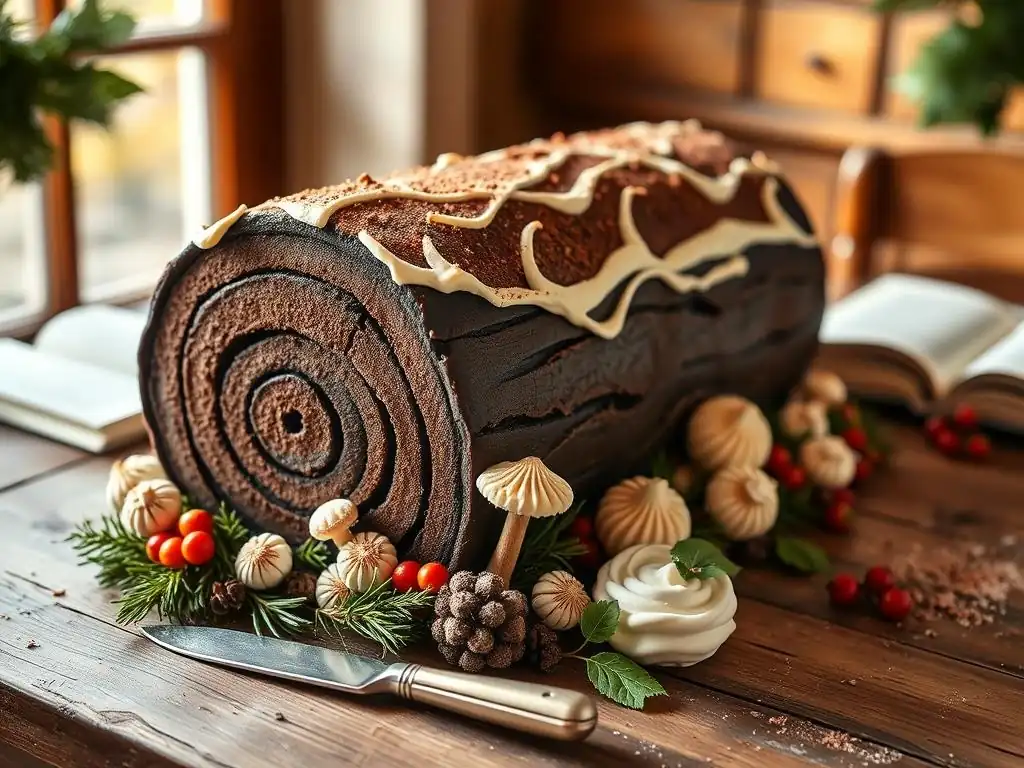
Coffee-Infused Yule Log: A Flavorful Twist
Adding coffee is a delightful way to enhance the classic chocolate flavor of the Bûche de Noël. You can incorporate coffee in several ways. Brewed coffee can be added to the chocolate buttercream for a mocha flavor. Alternatively, you can brush the genoise sponge with cooled coffee or a coffee-flavored simple syrup after it has cooled but before filling.
This coffee infusion adds a subtle bitterness that balances the sweetness of the cake and frosting, creating a more complex and sophisticated flavor profile. A coffee-infused Easy French Yule Log is perfect for coffee lovers and adds a warm, inviting aroma to your holiday kitchen. Experiment with different coffee strengths to find your preferred taste.
Raspberry Filling: Adding a Fruity Layer
While chocolate is traditional, adding a fruity element like raspberry can provide a refreshing contrast. A raspberry filling can be a layer of raspberry jam, a fresh raspberry puree, or even a raspberry curd spread over the genoise before rolling. The bright, slightly tart flavor of raspberries cuts through the richness of the chocolate buttercream beautifully.
Using a raspberry filling also adds a vibrant splash of color to the inside of your Easy French Yule Log when sliced, creating a lovely visual effect. Ensure the filling isn't too wet, which could make the cake soggy. A thicker jam or curd works best. This variation offers a lighter, fruitier take on the classic, perfect for those who enjoy a balance of sweet and tart.
Gluten-Free Yule Log Options: Baking for Dietary Needs
Adapting the Bûche de Noël to be gluten-free is achievable by substituting the wheat flour in the genoise sponge. Gluten-free flour blends are readily available and can often be swapped cup-for-cup in genoise recipes. Look for blends that contain a mix of flours and starches for the best texture. Some recipes specifically designed for gluten-free baking might incorporate ingredients like almond flour or cornstarch to help achieve the desired light and airy crumb.
When using a gluten-free blend for your Easy French Yule Log sponge, pay close attention to the batter consistency and baking time, as they might differ slightly from traditional recipes. The rolling technique remains similar, but the gluten-free sponge might be slightly more delicate. The chocolate buttercream is naturally gluten-free, so the main adaptation is in the cake itself, allowing everyone to enjoy this festive treat.
Troubleshooting Common Bûche de Noël Baking Problems
Dealing with a Dry Sponge Cake
If your genoise sponge turns out dry despite your best efforts, don't discard it! There are ways to salvage it for your Easy French Yule Log. The most effective method is to generously brush the cooled cake with a simple syrup (equal parts sugar and water, heated until dissolved) or a flavored syrup (like coffee, rum, or vanilla syrup) before adding the filling.
Use a pastry brush or a spoon to moisten the entire surface evenly. The dry cake will absorb the liquid, adding much-needed moisture and preventing a crumbly texture. While not ideal, this technique can significantly improve the texture and flavor of a slightly dry sponge, making it pliable enough to roll and enjoyable to eat.
Fixing Runny Buttercream Frosting
Runny buttercream can be frustrating, especially when you need it to hold its shape for frosting and decoration. The most common cause is the butter being too soft or the kitchen being too warm. If your buttercream is runny, try chilling it in the refrigerator for 15-20 minutes.
After chilling, take it out and re-whip it with an electric mixer. This often helps it firm up and become spreadable. If it's still too soft, you can try adding a small amount of sifted powdered sugar, a tablespoon at a time, and beating well after each addition until the desired consistency is reached. Ensure you add it gradually to avoid making it too stiff.
Preventing the Yule Log from Unrolling
If your Bûche de Noël wants to unroll after you've filled and rolled it, it likely didn't cool properly in its rolled shape, or the filling is pushing it open. Ensure you roll the cake tightly in the towel immediately after baking and let it cool completely in that shape on a wire rack.
If it still tries to unroll after filling, you can secure it temporarily. Place the rolled log seam-side down on your serving platter and gently use strips of parchment paper or even plastic wrap to help hold its shape while you apply the initial layer of buttercream. The frosting will help stabilize the roll as it sets. Once frosted, the weight and structure of the buttercream should help it stay in place.
The History and Tradition of the Bûche de Noël
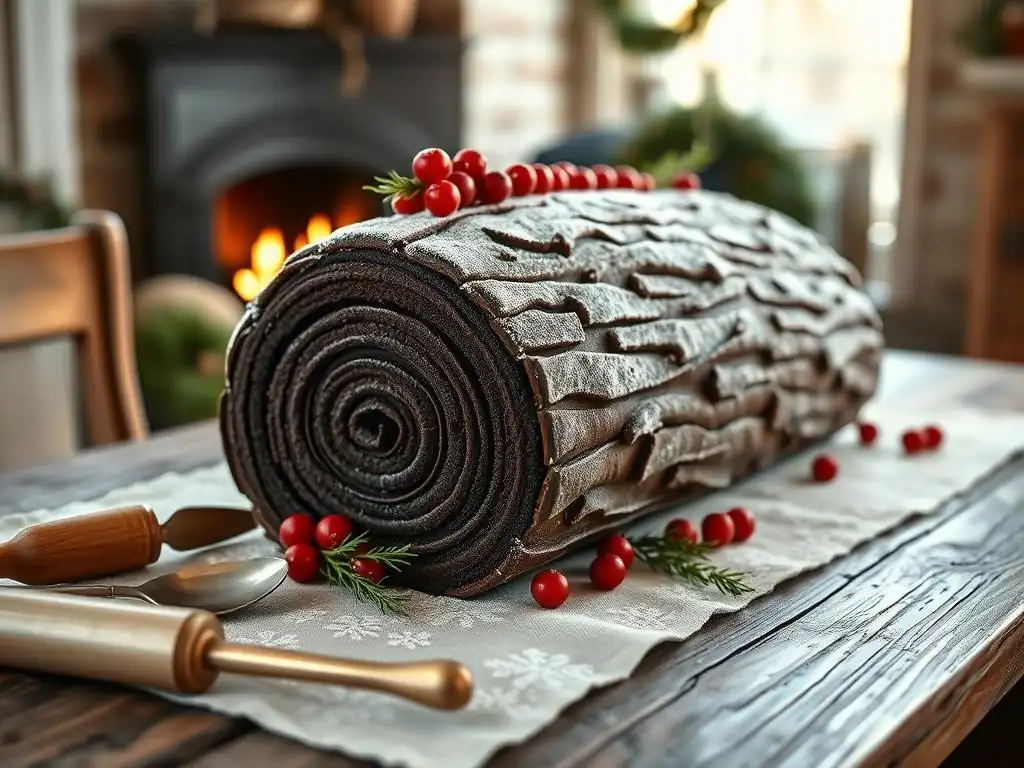
Exploring the Origins of the Yule Log Dessert
The culinary tradition of the Bûche de Noël dates back to the medieval era, originating from the European custom of burning a large log on Christmas Eve. This log, known as the "Yule log," was chosen from the previous year's wood and burned to bring good luck, ward off evil spirits, and ensure prosperity for the coming year. The ashes were sometimes kept for various superstitious purposes.
As hearths became smaller and central heating became more common, the literal burning of a large log became impractical. Around the 19th century, French bakers began creating a cake shaped and decorated to resemble the traditional Yule log, allowing the custom to continue in a delicious, edible form. This pastry version quickly gained popularity and became a cherished part of the French Christmas celebration, evolving into the Easy French Yule Log we know today.
Cultural Significance of the Bûche de Noël in France
In France, the Bûche de Noël is much more than just a holiday dessert; it is a central element of the Réveillon de Noël, the traditional long Christmas Eve dinner. Families gather to share this festive meal, and the appearance of the beautifully decorated Bûche de Noël marks the culmination of the feast. It symbolizes the warmth, light, and continuity associated with the original burning log.
Sharing the Bûche de Noël reinforces family bonds and holiday traditions. Patisseries across France display elaborate and artistic versions of the cake during the Christmas season, showcasing the creativity and skill of bakers. While many still purchase their Bûche de Noël from a favorite bakery, the act of making a homemade Easy French Yule Log is a cherished activity for many families, passing down the tradition through generations.
Join the BakeWithEase Community
Baking is more fun when shared! We invite you to join the vibrant BakeWithEase community. Connect with fellow baking enthusiasts, ask questions, share tips, and get inspired by others' creations. Our forums and social media channels are great places to share your baking journey, from tackling your first genoise to mastering the bark texture on your Easy French Yule Log.
Being part of a community provides support and encouragement, especially when trying new recipes. You can find answers to common baking dilemmas, discover new techniques, and celebrate your successes with people who understand the joy of a perfectly baked cake or a beautifully decorated dessert. Don't hesitate to reach out and become an active member of our growing baking family.
Showcasing Your Baking Skills
We love seeing what our community creates! Once you've successfully baked and decorated your Easy French Yule Log, we encourage you to share photos of your masterpiece. Tag us on social media or upload them to our community gallery. It's a fantastic way to showcase your hard work and inspire others who might be considering trying this classic French dessert.
Sharing your results, whether they are picture-perfect or have a few charming imperfections, helps others see what's possible and learn from your experience. Your Easy French Yule Log could be the inspiration someone else needs to start their own baking adventure. Celebrate your success and share the joy of baking with the wider BakeWithEase community!
Conclusion: Enjoy Your Effortless Homemade Yule Log
Celebrate the Holidays with a Classic French Dessert
You've done it! You've successfully baked and decorated a beautiful Easy French Yule Log, a true symbol of the holiday season. This classic dessert is the perfect centerpiece for your Christmas celebration, bringing a touch of French elegance and tradition to your table. The rich chocolate, the light sponge, and the festive decorations make it a truly special treat to share with loved ones.
Taking the time to create something homemade adds an extra layer of warmth and love to the holidays. Serving your own Bûche de Noël is a proud moment and a delicious way to honor a centuries-old tradition. We hope you enjoy every slice of your effortless homemade Yule Log and the memories made while baking it.
Further Baking Adventures with BakeWithEase
Mastering the Easy French Yule Log is just the beginning of your baking journey with BakeWithEase. We offer a wide range of recipes, techniques, and tips for bakers of all levels. From simple cookies and cakes to more complex pastries and breads, there's always something new to learn and bake.
Explore our collection of French baking classics, discover regional specialties, or dive into our step-by-step guides for foundational techniques. Whatever your baking interests, BakeWithEase is here to support you with clear instructions and friendly advice. Continue to explore, experiment, and enjoy the wonderful world of baking!
Frequently Asked Questions
What makes this Bûche de Noël recipe "easy"?
This recipe focuses on simplified techniques and readily available ingredients, ensuring a smooth baking experience even for beginners. We provide step-by-step instructions.
What are the key components of a French Yule Log?
Typically, a Bûche de Noël involves a sponge cake base, a creamy filling (often chocolate), and a decorative outer layer mimicking a log.
Can I substitute ingredients in this Yule Log recipe?
While we recommend sticking to the recipe for best results, you can often substitute dairy-free alternatives or different flavor extracts depending on your preferences.
How long does it take to bake and assemble this Yule Log?
The entire process, including baking and assembly, usually takes around 2-3 hours, plus some additional chilling time for the filling to set properly.
What are some tips for preventing the cake from cracking when rolling?
Ensure the cake is still slightly warm when rolling and use a damp towel to help maintain moisture. This will prevent excessive cracking.
Final Reflection: The Enduring Magic of a Simple Yule Log
The art of baking, especially around the holidays, is more than just following a recipe; it's about creating cherished memories and sharing the warmth of tradition. This year, let's reclaim the joy of baking a classic French Bûche de Noël, proving that even seemingly complex desserts can be surprisingly accessible and effortlessly elegant. The ease with which you can now craft this festive centerpiece, as detailed in this guide, makes it a perfect choice for both seasoned bakers and enthusiastic beginners alike.
The Bûche de Noël, with its rich history and symbolic representation of winter's warmth, continues to hold a special place in culinary traditions worldwide. It's more than just a dessert; it's a symbol of gathering, sharing, and the enduring spirit of the holidays. The best things in life are simple.
This sentiment rings true when considering the profound satisfaction derived from creating something beautiful and delicious, even with a relatively straightforward recipe. The process itself, from carefully layering the sponge to meticulously decorating the final product, becomes a meditative and rewarding experience.
Now, I invite you to embrace the challenge – or rather, the delightful ease – of baking your own Bûche de Noël. Don't be intimidated by the seemingly intricate details; let this guide be your confident companion. This holiday season, let the aroma of warm spices and the sweet taste of success fill your home, creating memories that will last long after the last bite is taken. Go forth, and bake a little magic!
Unleash Your Inner Pâtissier: Master the Bûche de Noël!
Thanks for joining us on this delicious journey into the world of French baking! We hope you've gained the confidence to tackle this iconic dessert. Now it's time to put your new skills to the test.
- Bake your own Bûche de Noël: Don't just dream it, do it! Use the recipe and tips from this article to create your masterpiece. It’s easier than you think!
- Share your creation: Post a picture of your finished Bûche on social media and tag us – we'd love to see your baking pride!
- Explore other festive recipes: Dive deeper into our collection of holiday treats on BakeWithEase.com and discover your next baking adventure.
So, tell us: what unique twist will you add to your Bûche de Noël this year?