
Vegan Cake Woes: Common Issues and Fixes

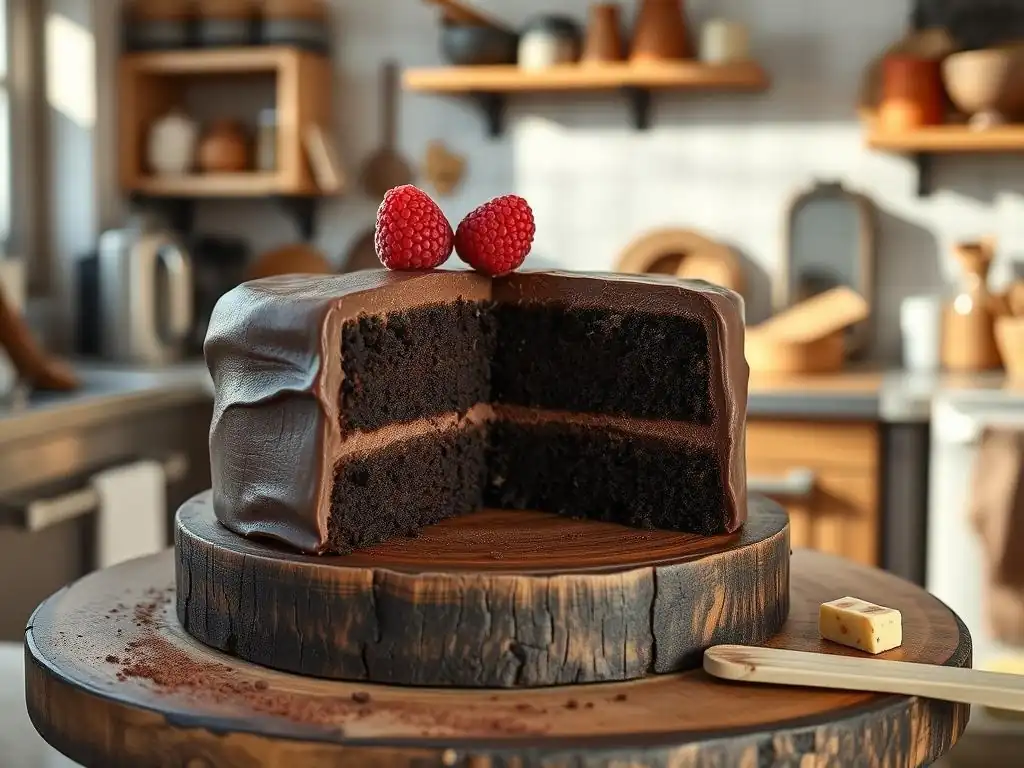
Welcome to BakeWithEase, your baking sanctuary! Ever wondered why your vegan cake is less "cloud nine" and more "dense disappointment"? You're not alone! This article dives deep into the common culprits behind a vegan cake dense texture and unlocks the secrets to achieving that light, airy dream. Prepare to kiss those heavy, gummy cakes goodbye – your baking journey is about to get a whole lot sweeter!
- The Dense Vegan Cake: Causes and Solutions
- Fixing a Dense Vegan Cake: Practical Solutions
- Other Common Vegan Cake Problems and How to Solve Them
- Vegan Cake Recipe Adjustments for Better Results
- Troubleshooting Guide: Identifying and Solving Specific Vegan Cake Issues
- Conclusion: Mastering the Art of Vegan Cake Baking
- Frequently Asked Questions
- Final Reflection: The Sweet Success of Vegan Baking
- Unlock Your Vegan Baking Potential!
The Dense Vegan Cake: Causes and Solutions
Understanding Dense Cake Texture in Vegan Baking
Achieving a light, airy crumb can be one of the trickiest aspects of vegan baking. Unlike traditional cakes that rely on eggs for structure and leavening, vegan versions must find alternative ways to create lift and prevent a heavy, compressed result. A vegan cake dense texture is a common frustration for bakers, leading to cakes that feel more like a brownie or quick bread than a fluffy celebration treat. This density often stems from a lack of proper aeration and structural support within the batter.
Understanding the science behind why a dense vegan cake happens is the first step to fixing it. Without eggs to trap air when beaten and provide scaffolding during baking, vegan ingredients must work harder. Fats, sugars, and alternative leaveners need to be balanced precisely to create pockets of air and a tender crumb. When this balance is off, the batter doesn't rise effectively, or the structure collapses slightly, resulting in that undesirable dense texture in vegan cakes. Let's explore the specific culprits.
Common Causes of a Dense Vegan Cake
Insufficient Leavening Agents in Vegan Cakes
Leavening agents are the unsung heroes responsible for lift in cakes. In vegan baking, this typically means relying on baking powder and baking soda. If your recipe calls for too little leavening relative to the weight and density of the ingredients, the cake simply won't rise adequately. Imagine trying to lift a heavy object with too little force; the result is minimal movement, much like the minimal rise leading to a vegan cake dense texture.
For example, a standard cake often uses around 1 to 1.5 teaspoons of baking powder per cup of flour, plus baking soda if there's an acid present. In vegan recipes, the balance can be more critical. Using outdated leavening agents is another common pitfall; baking powder and soda lose potency over time, often becoming less effective after 6-12 months once opened. Using inactive leaveners means the necessary chemical reaction to create gas bubbles simply doesn't happen, leaving your cake flat and contributing significantly to a dense vegan cake.
Overmixing Vegan Cake Batter
While traditional cake recipes sometimes emphasize creaming butter and sugar for aeration, vegan batters often rely more on chemical leavening. Once the wet and dry ingredients are combined, excessive mixing becomes detrimental, particularly when using wheat flour. Flour contains proteins that develop gluten when mixed with liquid. Overmixing overdevelops this gluten network, making it tough and elastic – great for bread, but terrible for a tender cake crumb. This toughness prevents the cake from rising properly and creates a chewy, dense texture in vegan cakes.
Think of it this way: you want just enough mixing to hydrate the flour and combine the ingredients. Continuing to mix past this point builds strength that works against the delicate lift provided by your leaveners. Even gentle overmixing can compact the batter, squeezing out those precious air bubbles you need for a light crumb. This is a frequent cause of a vegan cake dense texture.
Incorrect Liquid to Dry Ingredient Ratio
The balance between liquid and dry ingredients is fundamental to cake texture. Too little liquid can result in a dry, crumbly cake, but paradoxically, too much liquid can also lead to a vegan cake dense texture. Excess moisture weighs down the batter, making it difficult for the leavening agents to lift it effectively. It can also interfere with the setting of the cake's structure during baking, leading to a gummy, heavy result.
Different flours absorb liquid differently. Whole wheat flour, for instance, typically requires more liquid than all-purpose flour. Using the wrong type of milk substitute (e.g., very thick full-fat coconut milk vs. lighter almond milk) can also skew the ratio. If your batter looks significantly thinner or thicker than expected, it's a sign the ratio might be off, potentially setting you up for a dense vegan cake.
Gluten Development Issues in Vegan Cakes
While overdeveloping gluten from wheat flour causes toughness and density, a lack of proper structure can also lead to a vegan cake dense texture, especially in gluten-free recipes. Gluten provides a framework that traps air and supports the cake as it rises. Without it, gluten-free flours need help to build a stable structure. Many gluten-free flour blends lack the protein needed to create this network naturally.
When using gluten-free flours without appropriate binders or a carefully formulated mix, the batter may rise initially but then collapse because there's nothing to hold the structure. This collapse results in a collapsed or sunken center and a compressed, dense texture in vegan cakes. Ingredients like xanthan gum or psyllium husk are often added to gluten-free vegan cakes to mimic the binding properties of gluten and prevent this issue.
Fixing a Dense Vegan Cake: Practical Solutions
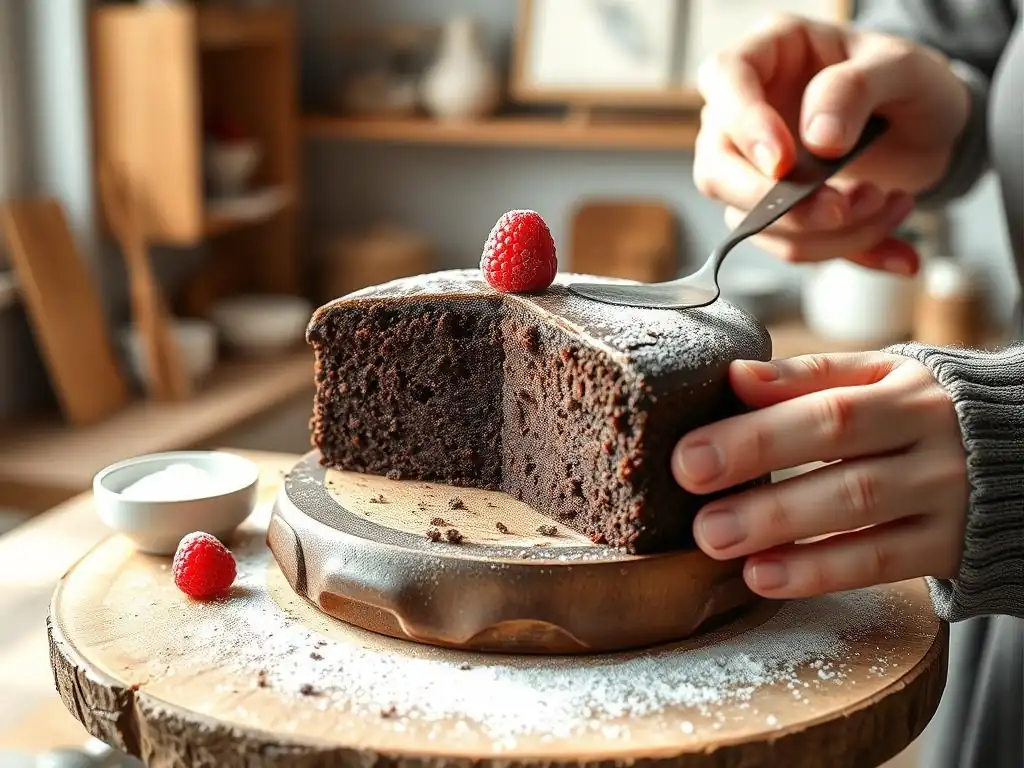
Optimizing Leavening for Vegan Cakes
Ensuring your leavening is active and correctly proportioned is paramount to avoiding a vegan cake dense texture. Always check the expiry dates on your baking powder and baking soda. To test baking powder, put a teaspoon in hot water; it should fizz vigorously. For baking soda, put a teaspoon in vinegar; it should also bubble strongly. If the reaction is weak, it's time for fresh leavening.
Beyond freshness, consider the recipe's balance. If you're adapting a recipe or troubleshooting a consistently dense vegan cake, slightly increasing the leavening (by maybe 1/4 to 1/2 teaspoon per cup of flour, depending on the original amount) can sometimes help, but be cautious not to add too much, as this can cause rapid over-rising followed by collapse or a chemical taste. Pay attention to the type of leavener specified, as baking soda requires an acid to activate fully.
Using Baking Powder and Baking Soda Effectively
Baking powder is a complete leavener, containing both an acid and a base, activating when wet and again when heated. Baking soda, however, is just a base (sodium bicarbonate) and requires an acid to react and produce carbon dioxide gas. Common acids in vegan baking include vinegar, lemon juice, plant-based yogurt, buttermilk (plant milk mixed with vinegar or lemon juice), molasses, brown sugar, cocoa powder (natural, not Dutch-processed), and applesauce.
Using baking soda without sufficient acid will result in a limited rise and a dense vegan cake. A common ratio is about 1/4 teaspoon of baking soda per cup of flour, used in conjunction with baking powder, especially when acidic ingredients are present. Ensure the recipe balances these correctly. If your recipe includes a significant acidic component like vinegar or yogurt, baking soda is crucial for reacting with it and contributing to lift.
Incorporating Acidic Ingredients
Acidic ingredients play a dual role in vegan baking: they react with baking soda to provide lift, and they can also tenderize the crumb. The reaction between acid and baking soda is immediate upon mixing, creating initial bubbles, while double-acting baking powder provides lift later in the oven. This combination helps create a sustained rise, preventing a dense vegan cake.
Common acidic ingredients like apple cider vinegar (often 1 tablespoon per cup of plant milk to make "buttermilk"), lemon juice, or even natural cocoa powder (about 1/4 teaspoon baking soda per 1/4 cup cocoa powder) are frequently used. The key is to have enough acid to react with all the baking soda in the recipe. If you're troubleshooting a dense texture in vegan cakes, check if your recipe uses both baking soda and an acid, and ensure the ratios seem appropriate.
Mastering Vegan Cake Batter Mixing Techniques
Proper mixing is just as critical as leavening for a tender crumb. Once wet and dry ingredients meet, the goal is minimal mixing until just combined. Overworking the batter develops gluten, leading to toughness and a vegan cake dense texture. This is particularly true for recipes using all-purpose wheat flour.
The "muffin method" is often recommended for vegan cakes: combine dry ingredients in one bowl, wet ingredients in another, then pour wet into dry and mix just until no dry streaks remain. A few small lumps are perfectly acceptable and often preferable to overmixing.
Gentle Folding Techniques for Vegan Cakes
Once the initial mixing is done, if you need to incorporate additions like chocolate chips, nuts, or fruit, use a gentle folding technique. This involves using a spatula to cut down through the center of the batter, then scoop under and lift the batter from the bottom of the bowl, folding it over the top. Rotate the bowl and repeat until the additions are evenly distributed.
Folding minimizes gluten development compared to stirring or beating. This gentle handling preserves the air bubbles created by your leavening agents and prevents the batter from becoming tough or deflated. Implementing careful folding is a simple yet effective step to combat a dense vegan cake.
Avoiding Overmixing for a Light Texture
The cardinal rule for preventing a vegan cake dense texture is simple: stop mixing as soon as the ingredients are combined. This usually takes less than a minute on low speed with an electric mixer or just a few quick stirs with a spatula after adding the wet ingredients to the dry. The batter should look relatively smooth but not elastic or completely uniform.
If you're using a stand mixer, it's even easier to overmix accidentally. Use the lowest speed and watch carefully. As soon as you see no more pockets of dry flour, stop. The difference between a perfectly mixed batter and an overmixed one can be just a few seconds, but those seconds can be the difference between a light, fluffy cake and a heavy, dense vegan cake.
Achieving the Perfect Liquid Balance in Vegan Cakes
Getting the liquid right is vital. Too much liquid can weigh down the batter and contribute to a vegan cake dense texture, while too little makes it dry. The type of liquid matters too; different plant milks have varying fat and protein content, affecting the final texture.
Recipes typically specify a type of plant milk (e.g., almond, soy, oat). Sticking to the specified type is helpful, or understand that substitutions might require slight adjustments. For instance, swapping almond milk for a thicker cashew milk might mean slightly reducing the liquid amount overall.
Measuring Liquids Accurately
Precision in measuring liquids is non-negotiable. Always use liquid measuring cups (clear cups with a spout) placed on a flat surface, reading the measurement at eye level. Don't use dry measuring cups for liquids, as this can lead to inaccurate amounts.
A difference of even a tablespoon or two of liquid can impact the final texture, potentially contributing to a dense vegan cake or a crumbly one. For instance, a recipe calling for 1 cup (240ml) of plant milk should have exactly that amount. Using a digital scale for ingredients where weight is provided (like flour) can also indirectly help balance the wet-to-dry ratio, as volume measurements of dry goods can vary.
Adjusting Liquids Based on Flour Type
As mentioned, different flours absorb moisture differently. If you're substituting flours (e.g., swapping cake flour for all-purpose), you might need to adjust the liquid. Cake flour typically requires slightly less liquid than all-purpose due to its lower protein content.
When using whole wheat flour, which is more absorbent, you might need to increase the liquid slightly or allow the batter to rest for a few minutes before baking to allow the flour to hydrate fully. Pay attention to the batter consistency described in the recipe (e.g., "thick and scoopable," "pourable") and adjust liquid incrementally if yours seems significantly different, especially if you're trying to avoid a vegan cake dense texture.
Gluten-Free Considerations for Vegan Cakes
Baking a gluten-free vegan cake dense texture can be particularly challenging because you lack both traditional egg structure and the gluten network. Gluten-free flours don't develop elasticity, so binders are essential to hold the cake together and provide structure for the leavening to work against.
Using a well-formulated gluten-free flour blend is crucial. Single-ingredient gluten-free flours (like almond flour or rice flour alone) rarely work well for cakes without specific recipe adjustments and binders. A good blend typically includes a mix of starches (like tapioca starch, potato starch, cornstarch) and protein flours (like brown rice flour, sorghum flour), often with a binder already included.
Choosing the Right Gluten-Free Flour Blend
Not all gluten-free flour blends are created equal, and some are better suited for cakes than others. Look for blends marketed as "all-purpose gluten-free flour blend" or specifically for baking. Some blends are designed for yeast breads and may contain ingredients or ratios less ideal for a tender cake crumb.
Experimentation might be needed to find a blend you like. King Arthur Baking's Gluten-Free All-Purpose Flour or Bob's Red Mill 1-to-1 Baking Flour are popular choices that often work well in vegan cake recipes, though they still usually require added binders in vegan applications to prevent a dense texture in vegan cakes.
Adding Binding Agents like Xanthan Gum or Flaxseed Meal
In gluten-free vegan baking, binding agents are critical to mimic the function of gluten and eggs. Xanthan gum is a common additive, often used at a rate of about 1/2 to 1 teaspoon per cup of gluten-free flour blend in cakes. It helps create structure and elasticity, preventing the cake from crumbling or having a dense vegan cake texture.
Flaxseed meal (mixed with water to form a gel, often 1 tablespoon flaxseed meal + 3 tablespoons water per "egg") is another excellent binder that also adds moisture and nutrients. Psyllium husk (whole or powder, mixed with liquid) is also used. These binders help trap the gases from leavening and provide the framework needed for the cake to rise and hold its shape, combating the tendency towards a dense texture in vegan cakes.
Other Common Vegan Cake Problems and How to Solve Them
Dry Vegan Cakes: Prevention and Remedies
A dry vegan cake is another common woe, often resulting from too little moisture or too much baking time. Vegan recipes often use fats like oil or vegan butter, and wet ingredients like plant milk, applesauce, or mashed banana to provide moisture. If the ratio of dry to wet ingredients is off, or if moisture-rich ingredients are skimped on, the cake will inevitably turn out dry and potentially contribute to a vegan cake dense texture in a different way (dryness often makes density more noticeable).
Preventing dryness starts with accurate measurement and using ingredients known for adding moisture. If you find your cakes consistently dry, consider your liquid and fat amounts. Slightly increasing the liquid or fat (by a tablespoon or two) can sometimes help.
Adding Moisture-Rich Ingredients
Incorporating ingredients like unsweetened applesauce, mashed ripe banana, pumpkin puree, or even finely grated zucchini (which bakes undetectable but adds moisture) can significantly improve a vegan cake's hydration. Using oil (like canola, sunflower, or melted coconut oil) rather than solid vegan butter can also result in a moister crumb, as oil remains liquid at room temperature.
Using plant-based yogurt or sour cream alternatives adds both moisture and tenderness due to their fat and slight acidity. For instance, swapping some of the plant milk for an equal amount of plant-based yogurt in a recipe can add richness and prevent dryness, helping to avoid a vegan cake dense texture that feels dry and heavy.
Avoiding Overbaking
Overbaking is a primary cause of dry cakes, vegan or otherwise. As a cake bakes past the point of doneness, moisture evaporates, leading to a dry texture. Ovens can vary, so relying solely on the time specified in a recipe isn't always accurate.
Start checking for doneness a few minutes before the recipe's minimum time. Insert a toothpick into the center of the cake; it should come out with a few moist crumbs attached, but no wet batter. If it comes out completely clean, the cake is likely already slightly overbaked. A perfectly baked cake will also spring back slightly when gently pressed on top.
Gummy Vegan Cakes: Understanding the Cause and Solution
A gummy texture in a vegan cake can sometimes accompany a vegan cake dense texture, or it can be a separate issue. Gumminess often happens when starches in the flour or added binders (like xanthan gum) are overhydrated or improperly cooked. This can be caused by too much liquid, underbaking, or an imbalance of ingredients.
For example, using too much xanthan gum in a gluten-free recipe can lead to a gummy texture. Similarly, if a cake isn't baked through completely, the starches won't set properly, resulting in a sticky, gummy layer, often near the bottom or center.
Balancing Sweeteners and Starches
Excessive sugar or certain types of sweeteners (like liquid syrups) can sometimes contribute to a gummy texture by affecting how starches hydrate and set. While sugar adds moisture and tenderness, too much can interfere with the cake's structure.
Ensure you're using the specified type and amount of sweetener. If adapting a recipe, be mindful that substituting liquid sweeteners for granulated sugar might require reducing other liquids in the recipe to maintain the correct wet-to-dry balance and prevent a gummy, dense vegan cake.
Proper Cooking Times
Underbaking is a common culprit for gumminess. The heat of the oven is needed to fully set the starches and proteins (or binders) in the cake batter, creating a stable structure. If the cake is removed from the oven too soon, the interior may still be raw or undercooked, resulting in a gummy layer.
Always check for doneness using the toothpick test described earlier. If the top looks done but the center is still wet, cover the top loosely with foil to prevent burning and continue baking for a few more minutes. Ensure your oven temperature is accurate using an oven thermometer, as inaccurate temperatures can lead to underbaking (if too low) or overbaking (if too high).
Sinking Vegan Cakes: Tips to Avoid Cake Collapse
A cake that sinks in the middle after cooling is another frustrating issue. This can happen for several reasons, often related to structural weakness or uneven baking. While not the same as a generally vegan cake dense texture, a sunken center certainly contributes to an overall dense area in the middle of the cake.
Common causes include underbaking (the structure isn't set), opening the oven door too early (a sudden temperature drop can cause collapse), incorrect leavening amounts (too much can cause rapid over-rising followed by collapse), or the cake cooling too quickly on the sides while the center is still delicate.
Ensuring Even Baking Temperature
Uneven oven temperature is a major cause of sinking. If your oven has hot spots or the temperature fluctuates, parts of the cake may bake faster than others, leading to uneven rising and potential collapse in underbaked areas. Using an oven thermometer is highly recommended to verify your oven's accuracy.
Preheating your oven fully (usually for 15-20 minutes after it reaches the set temperature) is also essential. Placing the cake in an oven that hasn't reached the correct temperature can lead to poor rise and sinking. Bake cakes on the center rack for the most even heat distribution.
Using the Correct Pan Size
Using a cake pan that is too large or too small for the amount of batter can affect how the cake bakes and rises. If the pan is too large, the batter layer will be thin, potentially leading to a dry cake. If the pan is too small, the batter may overflow, or the center may struggle to bake through before the edges are overdone, increasing the risk of sinking and a dense vegan cake center.
Always use the pan size specified in the recipe. If you must substitute, use a pan with a similar volume capacity. For example, a standard 8-inch round pan holds roughly the same volume as a 9-inch square pan. Ensure the batter fills the pan no more than two-thirds to three-quarters full to allow for proper rise without overflowing.
Vegan Cake Recipe Adjustments for Better Results
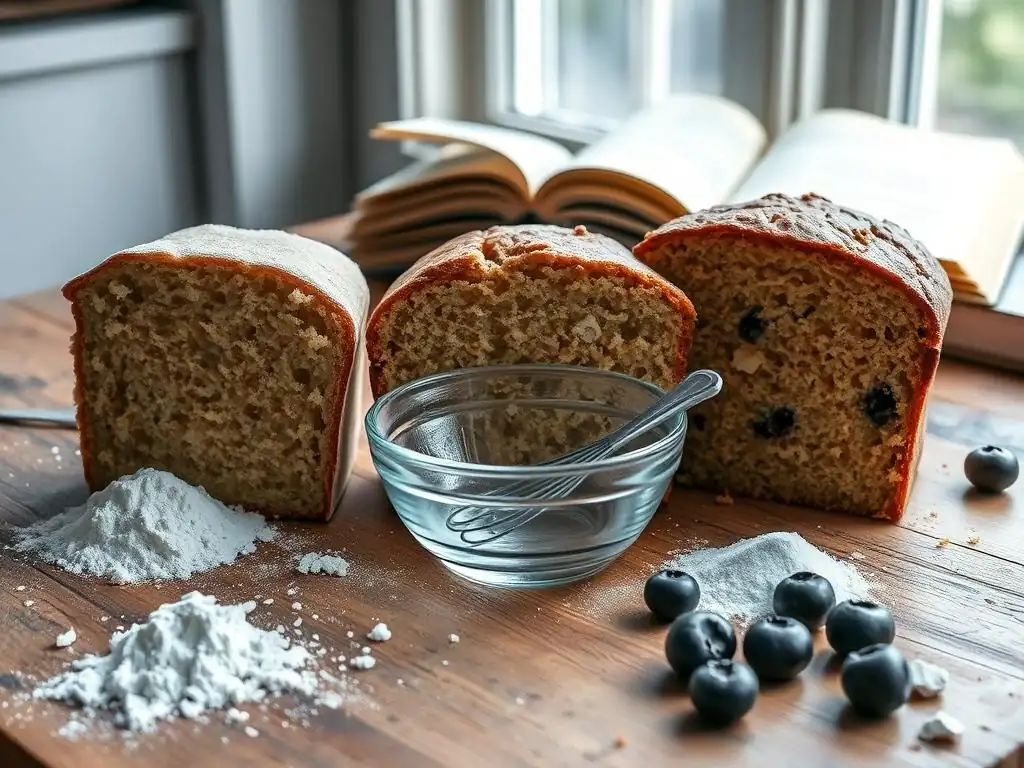
Sometimes, the issue isn't your technique but the recipe itself. Not all vegan recipes are created equal, and some may have inherent flaws that lead to common problems like a vegan cake dense texture or dryness. Understanding how ingredient substitutions work can empower you to make informed adjustments.
Small tweaks to existing recipes or carefully selecting recipes from reliable sources known for tested vegan baking can make a significant difference. Don't be afraid to experiment slightly once you understand the principles of vegan baking.
Substituting Ingredients for Improved Texture
Vegan baking relies heavily on clever ingredient substitutions to mimic the functions of eggs and dairy. Choosing the right substitute for a given recipe is crucial for achieving the desired texture. For example, while applesauce is great for moisture, it doesn't provide much lift. A recipe relying solely on applesauce for binding might result in a dense vegan cake.
Understanding the role each ingredient plays allows for smarter substitutions. If a recipe seems low on fat or moisture, consider swapping some plant milk for full-fat coconut milk or adding a tablespoon of extra oil. If lift is an issue, ensure there are adequate leavening agents and an acid source.
Replacing Eggs with Flaxseed Meal or Aquafaba
Eggs serve multiple purposes in traditional cakes: binding, leavening, and richness. Vegan egg substitutes each excel at different functions. Flaxseed meal (1 tbsp mixed with 3 tbsp water per egg) is an excellent binder and adds moisture, helping prevent a dry or crumbly texture, but it doesn't provide significant lift.
Aquafaba (the liquid from a can of chickpeas) is a fantastic egg white substitute that can be whipped into stiff peaks, providing aeration and lift similar to meringue. Using whipped aquafaba in place of some liquid can help create a lighter, airier crumb and combat a vegan cake dense texture. Other substitutes like commercial egg replacers, mashed banana, or applesauce offer different benefits and may be better suited depending on the recipe's needs.
Using Apple Sauce or Mashed Banana for Moisture
Unsweetened applesauce and ripe mashed banana are popular vegan additions for moisture, sweetness, and binding. They work well in recipes like muffins, quick breads, and denser cakes (like spice cake or banana bread). Approximately 1/4 cup of applesauce or mashed banana can often replace one egg for binding and moisture, though they add flavor and color.
While great for moisture, relying too heavily on these for lift will likely result in a vegan cake dense texture. They are best used in conjunction with proper chemical leavening (baking powder and soda) and other binders if significant lift is required. They are excellent for preventing dryness and adding tenderness.
Modifying Baking Times and Temperatures for Vegan Cakes
Vegan cakes can sometimes require slightly different baking times or temperatures compared to traditional cakes. Due to the different fat and protein structures, they might take a little longer to set, or they might brown faster on the outside before the inside is done.
If you consistently get a vegan cake dense texture that seems underbaked in the center, try reducing the oven temperature by 25°F (about 15°C) and increasing the baking time slightly. This allows the cake to bake more gently and evenly through to the center. Conversely, if the cake is always dry, slightly increasing the temperature or reducing the time might help. Always use the toothpick test to confirm doneness, regardless of the recipe time.
Troubleshooting Guide: Identifying and Solving Specific Vegan Cake Issues
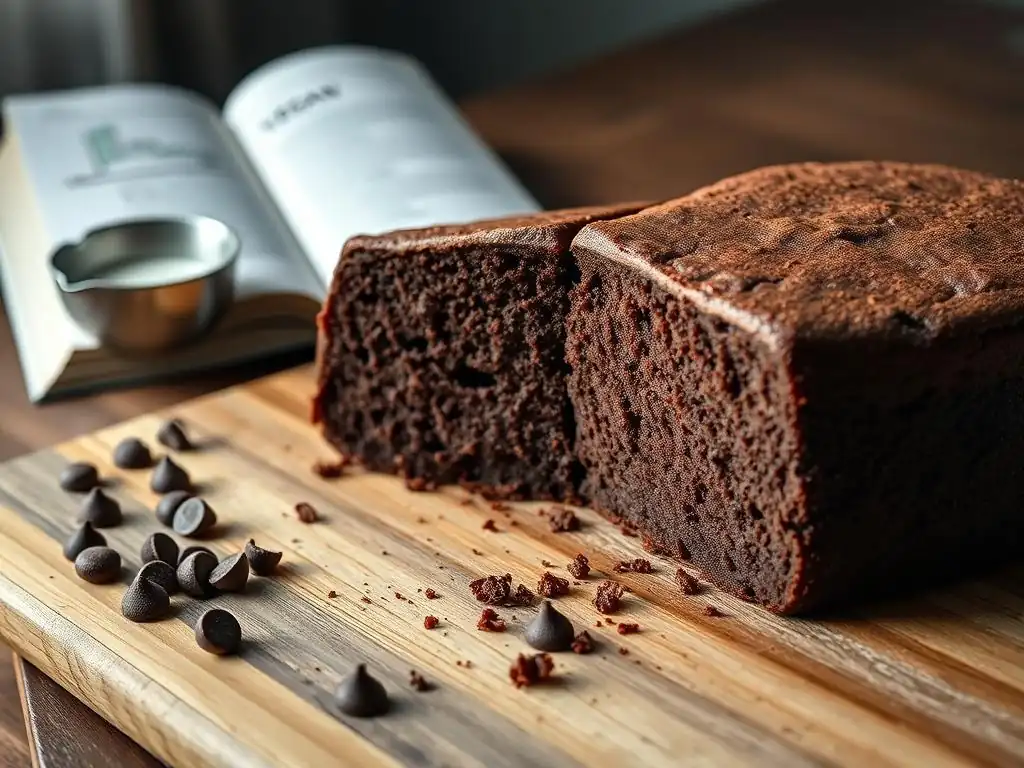
Sometimes, the problem is very specific. Let's look at a couple of common scenarios beyond the general vegan cake dense texture.
Vegan Chocolate Cake Domed Top
A cake that rises dramatically in the center, creating a large dome, while the edges bake faster can be a sign of the oven temperature being too high. The outside sets too quickly, forcing the remaining batter to push up only in the center.
Possible Causes and Solutions
- Oven Temperature Too High: Use an oven thermometer to check the temperature. If it's too high, reduce it by 25°F (15°C).
- Cake Baked Too Close to Heat Source: Ensure the cake is on the center rack of the oven.
- Too Much Leavening: While insufficient leavening causes a vegan cake dense texture, too much can cause rapid, uneven rising. Double-check your measurements.
- Pan Material: Dark metal pans absorb more heat than light metal or glass, potentially causing edges to set faster. Reduce oven temp by 25°F (15°C) if using a dark pan.
- Batter Distribution: Ensure the batter is evenly spread in the pan before baking.
Vegan Vanilla Cake Sogginess
A soggy bottom or overall gummy, wet texture can ruin a vegan vanilla cake. This is often related to underbaking, too much moisture, or issues with how fats are incorporated.
Possible Causes and Solutions
- Underbaking: The most common cause. The cake hasn't baked long enough for the starches to set. Check with a toothpick; if wet batter comes out, keep baking.
- Too Much Liquid: Excess plant milk or other wet ingredients can make the batter too wet to set properly, leading to a soggy or dense vegan cake. Measure liquids accurately.
- Too Much Fat: While fat adds moisture, excessive amounts, especially liquid oil, can sometimes lead to a greasy or soggy texture if not balanced with other ingredients.
- Cooling in the Pan: Leaving the cake in the hot pan for too long after baking can cause condensation, leading to a soggy bottom. Allow it to cool in the pan for only 10-15 minutes before transferring to a wire rack.
- Oven Temperature Too Low: If the oven isn't hot enough, the cake won't bake through properly. Verify oven temp with a thermometer.
Conclusion: Mastering the Art of Vegan Cake Baking
Baking delicious vegan cakes that are light, moist, and free from a vegan cake dense texture is absolutely achievable! It requires understanding the unique challenges of egg-free and dairy-free baking and paying close attention to ingredient functions, measurements, and technique. Don't be discouraged by initial setbacks; every bake is a learning opportunity.
By focusing on proper leavening activation, gentle mixing, balancing wet and dry ingredients, and ensuring accurate baking times and temperatures, you can significantly improve your results. Remember that vegan ingredients behave differently than traditional ones, and sometimes small adjustments are needed.
Key Takeaways for Avoiding Vegan Cake Problems
Here are the essential points to remember to steer clear of a dense vegan cake and other common issues:
- Ensure your baking powder and baking soda are fresh and active.
- Measure wet and dry ingredients accurately, ideally using a scale for dry ingredients like flour.
- Do not overmix the batter once wet and dry ingredients are combined; mix only until just combined.
- If using gluten-free flours, include appropriate binders like xanthan gum or flaxseed meal.
- Use moisture-rich ingredients like applesauce, mashed banana, or plant-based yogurt to prevent dryness.
- Use an oven thermometer to ensure accurate oven temperature.
- Check for cake doneness using the toothpick test and avoid overbaking.
- Allow the cake to cool in the pan briefly (10-15 mins) before transferring to a wire rack to cool completely.
By applying these tips, you'll be well on your way to baking beautiful, delicious vegan cakes with a perfect, tender crumb every time!
Frequently Asked Questions
Why is my vegan cake so dense?
Dense vegan cakes are often caused by a lack of air incorporation or too much heavy ingredients. Ensure you're creaming your vegan butter and sugar well and using the correct ratios. Overmixing can also contribute to density.
How can I achieve a lighter texture in my vegan cake?
To lighten the texture, try using aerating ingredients like apple cider vinegar with baking soda. Also, be careful not to overmix the batter after adding the flour, as this develops gluten and leads to a tougher, denser cake.
What type of flour is best for a less dense vegan cake?
Cake flour, or a blend of all-purpose flour and cornstarch, is generally best for a less dense vegan cake. These flours have a lower protein content, resulting in a softer, more tender crumb.
What can I use instead of eggs to improve the texture of my vegan cake?
Common egg replacements like applesauce, mashed banana, or flax eggs can improve the moisture and binding properties of your vegan cake. However, be mindful of the quantity used as some can contribute to a denser texture if overused.
Does the fat content affect the density of my vegan cake?
Yes, the type and amount of fat significantly impact the density. Using a lighter oil, like canola or vegetable oil, and ensuring the correct ratio is crucial. Too much or too little fat can both lead to a dense or dry cake.
Final Reflection: The Sweet Success of Vegan Baking
The quest for a light and fluffy vegan cake remains a challenge for many, but understanding the common pitfalls and implementing the solutions outlined in this article can unlock a world of delicious possibilities. The dense texture often associated with vegan cakes isn't an inherent flaw, but rather a result of easily avoidable mistakes in ingredient selection and technique. This knowledge empowers home bakers to overcome these hurdles and create truly exceptional vegan treats.
The journey of perfecting vegan baking has profoundly impacted my own understanding of culinary science and the power of mindful ingredient choices. It's a journey of experimentation and adaptation, requiring patience and a willingness to embrace failure as a learning opportunity. The only true wisdom is in knowing you know nothing.
- Socrates. This quote resonates deeply, as each failed attempt brought me closer to understanding the nuances of vegan baking and the importance of precise measurements and substitutions. The ongoing evolution of vegan baking reflects a broader societal shift towards more ethical and sustainable food choices, a movement I'm proud to be a part of.
Now, it's your turn. Don't let the fear of a dense cake deter you from exploring the exciting world of vegan baking. Experiment with the tips and tricks discussed, embrace the learning process, and most importantly, enjoy the delicious rewards. The next time you face a "vegan cake dense texture" challenge, remember the solutions presented here and approach it with confidence. You have the power to create light, airy, and incredibly delicious vegan cakes that will impress even the most ardent skeptics. Go forth and bake!
Unlock Your Vegan Baking Potential!
Thanks for joining us on this delicious journey into the world of vegan cakes! We hope you’ve gained valuable insights and feel more confident tackling those tricky vegan baking challenges. Ready to take your skills to the next level?
- Master the art of the perfect vegan sponge: Try out one of the recipes we mentioned and share your results with us – we’d love to see your creations!
- Experiment with different vegan substitutes: Don't be afraid to get creative! What unique ingredient will you try next?
- Join our baking community: Connect with other vegan bakers on our social media channels and share your tips and tricks. Let's inspire each other!
So, what exciting vegan cake adventure will you embark on next?