
Applesauce vs. Margarine: Smart Butter Substitutes for Muffins and Loaves


Welcome to BakeWithEase, where simplifying baking is our passion! Ever wondered if you could ditch the butter without sacrificing that melt-in-your-mouth texture? Get ready to unlock the secrets to baking delicious muffins and loaves with our guide to easy butter substitutes. Discover how options like applesauce stack up against margarine and other alternatives, and prepare to be amazed by the results. This is just the beginning – let's get baking!
- Applesauce vs. Olive Oil: Smart Butter Substitutes for Muffins and Loaves
- Introduction: Finding the Best Butter Alternatives for Baking
- Applesauce as a Butter Substitute: A Deep Dive
- Olive Oil as a Butter Substitute: A Detailed Analysis
- Applesauce vs. Olive Oil: A Head-to-Head Comparison for Muffins and Loaves
- Expert Baking Tips for Using Butter Substitutes Successfully
- Conclusion: Selecting the Best Butter Alternative for Your Baking Needs
-
Frequently Asked Questions
- What are some easy butter substitutes for muffins that BakeWithEase recommends?
- How does using applesauce as a butter substitute affect the texture of muffins?
- Can margarine be used as a direct replacement for butter in all muffin recipes?
- Will using a butter substitute like applesauce or margarine change the flavor of my muffins?
- Where can I find step-by-step guides for baking muffins using butter substitutes on BakeWithEase?
- Final Reflection: The Sweet Simplicity of Smart Baking Swaps
- Unlock Your Baking Potential: Discover Delicious Butter Alternatives!
Applesauce vs. Olive Oil: Smart Butter Substitutes for Muffins and Loaves
Introduction: Finding the Best Butter Alternatives for Baking
Why Consider Butter Substitutes in Muffins and Loaves?
Baking is a delightful science, and butter often plays a starring role, contributing richness, flavor, and tender texture. However, for various reasons – dietary restrictions like dairy intolerance or veganism, health goals such as reducing saturated fat, or simply not having butter on hand – bakers often seek reliable alternatives. Finding easy butter substitutes for muffins and loaves is a common quest, as these baked goods rely heavily on fat for moisture and structure. Exploring different options allows for greater flexibility in the kitchen while still achieving delicious results.
Substituting butter isn't just about omission; it's about understanding the function of fat in a recipe. Butter provides structure by creating air pockets during creaming, adds moisture, carries flavor, and contributes to browning. When you remove butter, you need a substitute that can perform some or all of these roles to varying degrees. This is where ingredients like applesauce and olive oil come in, offering distinct properties that can transform your favorite muffin and loaf recipes into healthier or dairy-free versions without sacrificing too much on taste or texture.
Applesauce and Olive Oil: Two Popular Options for Baking
Applesauce and olive oil stand out as popular choices for replacing butter in baked goods, particularly in items like muffins, quick breads, and loaves. They are readily available, relatively inexpensive, and offer different benefits. Applesauce is often chosen for its ability to reduce fat content significantly while adding moisture and a touch of natural sweetness. It's a favorite among those looking for a low-fat or fat-free baking option.
Olive oil, on the other hand, is a liquid fat that can contribute to a moist and tender crumb. While it doesn't reduce the overall fat content as dramatically as applesauce, it offers a different fat profile, being rich in monounsaturated fats. It's a staple in many kitchens and provides a distinct flavor that can complement certain recipes. Both applesauce and olive oil offer easy butter substitutes for muffins and loaves, but they each bring unique characteristics to the final product, making the choice between them dependent on the desired outcome.
Baking Tip: Understanding Fats in Baking
Fats are crucial components in baking, influencing everything from texture and flavor to rise and shelf life. Butter, a solid fat at room temperature, contains about 80-82% fat and 16-18% water, along with some milk solids. Its ability to be creamed with sugar creates air pockets, contributing to leavening and a tender crumb in cakes and cookies. In muffins and loaves, melted butter or oil primarily contributes moisture and richness.
Understanding the difference between solid fats (like butter or shortening) and liquid fats (like oils) is key when substituting. Solid fats provide structure and flakiness (in pastries), while liquid fats contribute moisture and tenderness. Substituting a solid fat with a liquid fat will change the texture – often resulting in a denser, less crumbly product. Substituting fat with a non-fat ingredient like applesauce will reduce richness and potentially affect browning and spread, requiring adjustments in technique or other ingredients. Mastering easy butter substitutes for muffins means understanding these fundamental principles.
Applesauce as a Butter Substitute: A Deep Dive
What is Applesauce and How Does it Work in Baking?
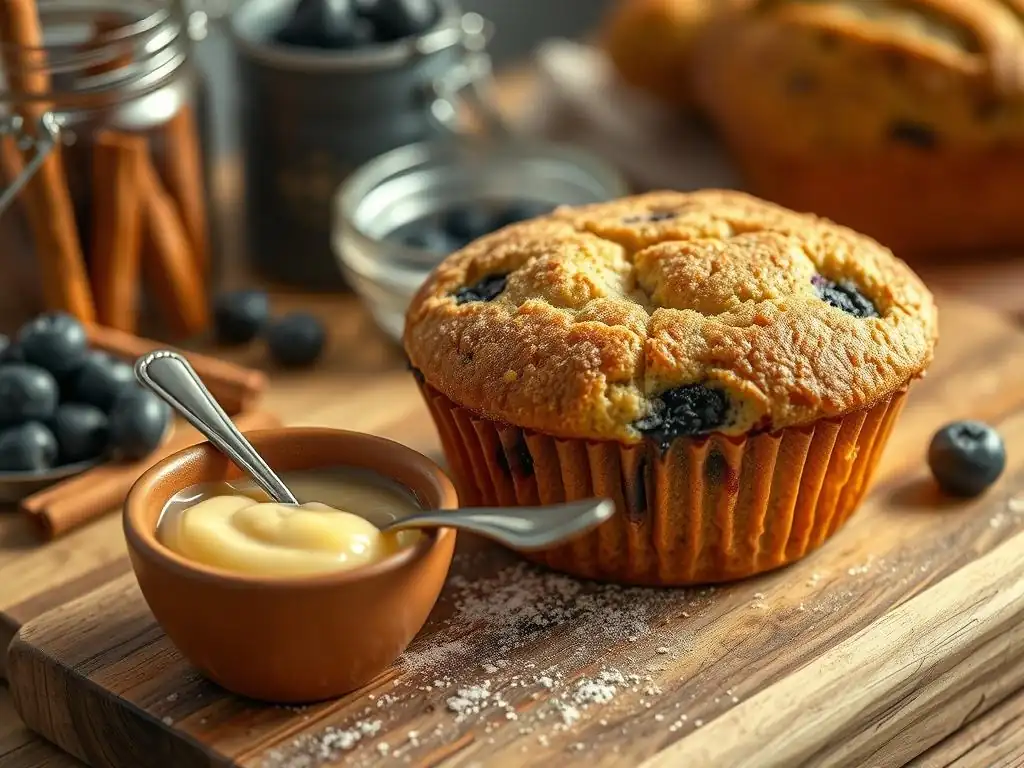
Applesauce is a purée made from cooked apples, typically unsweetened or lightly sweetened. It's primarily composed of water and carbohydrates (natural sugars and fiber), with minimal fat. In baking, applesauce acts as a binder and a source of moisture. When substituted for butter, it replaces the fat and some of the liquid. The pectin and fiber in applesauce help hold ingredients together, similar to how fat does, preventing the baked good from crumbling excessively.
Its high water content is crucial for keeping muffins and loaves moist, counteracting the drying effects that can occur when reducing fat. However, because it lacks fat, applesauce cannot replicate butter's role in creating a rich, tender crumb or contributing to browning in the same way. Its effectiveness as an easy butter substitute for muffins and loaves lies in its ability to add moisture and act as a binder, particularly in recipes where a slightly denser texture is acceptable.
Benefits of Using Applesauce in Muffins and Loaves
Reduced Fat Content: A Healthier Baking Option
One of the primary reasons bakers turn to applesauce is its significant reduction in fat content compared to butter. Butter contains about 11 grams of fat per tablespoon, with a substantial portion being saturated fat. Unsweetened applesauce, in contrast, contains virtually no fat – often less than 0.1 grams per tablespoon. By replacing butter with applesauce, you can drastically lower the total fat and saturated fat in your baked goods, making them a healthier choice for those monitoring their fat intake.
For example, if a muffin recipe calls for 1/2 cup (8 tablespoons) of butter, that's approximately 88 grams of fat. Substituting half of that butter with applesauce (4 tablespoons) would reduce the fat content by about 44 grams per batch. This makes applesauce an excellent easy butter substitute for muffins when health is a priority, allowing you to enjoy your favorite treats with less guilt.
Adds Moisture and Softness to Baked Goods
Despite reducing fat, applesauce excels at adding moisture to muffins and loaves. Its high water content helps keep the crumb tender and prevents dryness, which can be a common issue in lower-fat baking. This is particularly beneficial in recipes that might otherwise turn out dry due to other ingredients or longer baking times.
Using applesauce often results in a baked good that feels exceptionally moist, even days later. This can improve the shelf life slightly, as the moisture helps prevent the product from becoming stale too quickly. The added moisture also contributes to a soft texture, although it might be a different kind of softness than that achieved with butter, often leaning towards a slightly denser, cake-like crumb rather than a flaky or crumbly one.
Naturally Sweet Flavor Enhancement
Applesauce naturally contains sugars, even the unsweetened variety, which can contribute to the overall sweetness of the baked good. This subtle sweetness can enhance the flavor profile of muffins and loaves, especially those with warm spices like cinnamon, nutmeg, or cloves, which pair beautifully with apple.
In some recipes, particularly those where you are replacing a significant amount of butter with unsweetened applesauce, you might even be able to slightly reduce the amount of added sugar called for in the original recipe, depending on your desired level of sweetness. This natural flavor enhancement is another reason applesauce is a popular and easy butter substitute for muffins and loaves.
How to Substitute Applesauce for Butter: Ratios and Techniques
Recommended Applesauce to Butter Conversion Ratio
A common and effective ratio for substituting applesauce for butter in muffins and loaves is to replace half of the butter with applesauce. For example, if a recipe calls for 1 cup of butter, you would use 1/2 cup of butter and 1/2 cup of unsweetened applesauce. This 1:1 replacement by volume for a portion of the butter works well because it allows you to retain some of the structural benefits and richness of butter while gaining the moisture and fat reduction of applesauce.
Replacing 100% of the butter with applesauce is possible, but it often requires further recipe adjustments and will significantly alter the texture and flavor. A 1:1 substitution for up to half the butter is a good starting point when looking for easy butter substitutes for muffins and loaves, offering a balance between health benefits and maintaining desirable texture.
Tips for Incorporating Applesauce into Muffin and Loaf Recipes
When using applesauce, especially if replacing more than half the butter, you might need to slightly reduce the amount of other liquid ingredients in the recipe (like milk or water) to compensate for the applesauce's high moisture content. Start by reducing the liquid by about 1/4 of the amount of applesauce used. For instance, if you use 1/2 cup of applesauce, consider reducing milk by 2 tablespoons.
Also, be mindful of the baking time. Baked goods made with applesauce can sometimes take slightly longer to bake or may appear done on the outside while still being too moist inside. Check for doneness using a toothpick inserted into the center – it should come out with moist crumbs, not wet batter. Using unsweetened applesauce is generally recommended to better control the overall sweetness of the final product.
Potential Drawbacks of Using Applesauce
Can Affect Texture: May Result in a Denser Product
While applesauce adds moisture, it lacks the fat content and structure-building properties of butter. Butter creates air pockets when creamed with sugar, contributing to lift and a tender, sometimes crumbly, texture. Applesauce doesn't perform this creaming action.
Consequently, muffins and loaves made with a significant amount of applesauce instead of butter can turn out denser and less airy. The texture might be more cake-like or even slightly gummy if too much applesauce is used without other adjustments. This is a trade-off for the reduced fat content and increased moisture.
Flavor Profile: Applesauce Flavor Considerations
Unsweetened applesauce has a mild, slightly tart flavor, while sweetened versions will taste distinctly of apples. While this can be a benefit in recipes where apple flavor is welcome (like apple muffins or spice loaves), it might be undesirable in recipes where you want a neutral fat flavor or the pure taste of other ingredients (like blueberry muffins or a plain vanilla loaf).
The apple flavor can be more noticeable when a larger proportion of butter is replaced with applesauce. For recipes where you want an easy butter substitute for muffins without an apple taste, olive oil or other neutral oils might be a better choice.
Olive Oil as a Butter Substitute: A Detailed Analysis
What is Olive Oil and How Does it Work in Baking?
Olive oil is a liquid fat extracted from olives. It consists primarily of monounsaturated fats, known for their heart-healthy properties. In baking, olive oil works by coating flour particles, preventing excessive gluten development, which helps create a tender crumb. As a liquid fat, it contributes significant moisture and richness to baked goods, similar to melted butter.
Unlike solid fats, olive oil doesn't contribute to leavening through creaming. Its role is primarily focused on moisture, tenderness, and flavor. When used as an easy butter substitute for muffins and loaves, it integrates smoothly into the batter, ensuring even distribution of fat and contributing to a moist final product.
Advantages of Using Olive Oil in Muffins and Loaves
Adds Moisture and a Tender Crumb
Olive oil is highly effective at adding moisture to baked goods. Its liquid nature allows it to coat flour particles efficiently, resulting in a very tender and moist crumb. This is particularly advantageous in muffins and loaves, which can sometimes be prone to dryness.
Using olive oil often results in a baked good that feels richer and more luxurious than one made with applesauce. The fat contributes to a pleasant mouthfeel and helps keep the product soft and palatable for longer, improving its shelf life.
Can Enhance Savory Flavors
While often thought of for its use in savory cooking, olive oil, especially extra virgin olive oil, has a distinct flavor profile that can beautifully complement certain baked goods. In loaves or muffins containing herbs, cheese, or vegetables (like zucchini bread or cornbread muffins), the peppery or fruity notes of olive oil can enhance the savory elements and add complexity.
Even in some slightly sweet applications, like citrus-flavored muffins or loaves, a good quality olive oil can add an interesting depth of flavor that butter might not provide. This makes it a versatile and easy butter substitute for muffins and loaves where a non-neutral fat flavor is desired.
Readily Available and Relatively Healthy
Olive oil is a pantry staple in many households, making it a convenient and easy butter substitute for muffins and loaves when you're out of butter. It's widely available in supermarkets and comes in various types.
From a health perspective, olive oil is often lauded for its high content of monounsaturated fats compared to the saturated fats found in butter. While it still contains a significant amount of fat calories, choosing olive oil can be a way to opt for a different, often considered healthier, type of fat.
How to Substitute Olive Oil for Butter: Ratios and Techniques
Recommended Olive Oil to Butter Conversion Ratio
When substituting olive oil for melted butter in muffins and loaves, a common ratio is to use slightly less olive oil than butter. Butter is about 80-82% fat, while oil is 100% fat. Using a 1:1 ratio by volume can sometimes result in a slightly greasier product because you are adding more pure fat.
A good starting point is to use about 3/4 cup of olive oil for every 1 cup of butter called for in the recipe. For example, if your recipe needs 1/2 cup (8 tablespoons) of melted butter, try using 6 tablespoons of olive oil. This slight reduction helps account for the difference in fat concentration and the absence of water and milk solids present in butter.
Tips for Incorporating Olive Oil into Muffin and Loaf Recipes
Olive oil is a liquid at room temperature, so it's typically whisked or gently mixed into the wet ingredients. Unlike butter, it doesn't require creaming with sugar. Overmixing should be avoided once the wet and dry ingredients are combined, as this can develop gluten and result in a tough texture. Mix just until the ingredients are combined.
Consider the type of olive oil used. Extra virgin olive oil has a stronger, more pronounced flavor, while light olive oil is more neutral. Choose based on whether you want the olive oil flavor to be noticeable or not. For most sweet muffins and loaves, a lighter olive oil might be preferable unless the flavor profile specifically benefits from robust olive notes.
Potential Drawbacks of Using Olive Oil
Flavor Profile: Strong Flavor Can Dominate
One of olive oil's advantages, its distinct flavor, can also be a drawback. Extra virgin olive oil has a strong, sometimes peppery or bitter taste that can easily overpower the other flavors in delicate baked goods, such as plain vanilla cakes or subtle fruit muffins.
Even lighter olive oil has a characteristic taste that is different from butter. If you are aiming for the classic, rich flavor that butter provides, olive oil will not replicate it. This makes olive oil less ideal as an easy butter substitute for muffins and loaves where a neutral or buttery flavor is essential.
Texture: May Create a Slightly Greasier Texture
Because olive oil is 100% liquid fat, using too much or substituting 1:1 for butter can sometimes result in a baked good that feels slightly greasy or oily. While it provides moisture, it doesn't offer the same kind of structure that butter does, which can lead to a denser crumb that might seem heavier or oilier than a butter-based one.
Careful measurement and using the recommended slightly reduced ratio (3/4 cup oil to 1 cup butter) are important to mitigate this potential issue and achieve the best possible texture when using this easy butter substitute for muffins and loaves.
Applesauce vs. Olive Oil: A Head-to-Head Comparison for Muffins and Loaves
Flavor Comparison: Applesauce's Sweetness vs. Olive Oil's Savory Notes
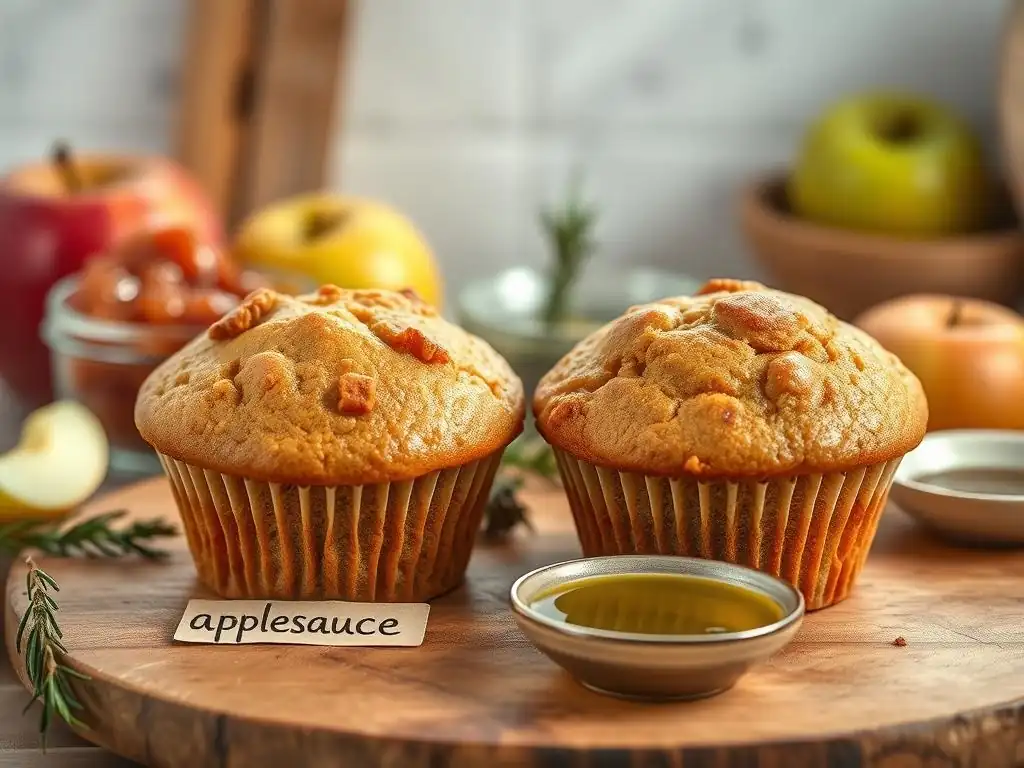
When comparing the flavor impact, applesauce brings natural sweetness and a subtle apple flavor, pairing well with spices, apples, and berries. It's generally a good fit for sweeter, fruit-based muffins and loaves where a hint of apple is complementary or can blend in unnoticed in spiced recipes.
Olive oil, conversely, offers a more savory or robust flavor profile, ranging from mild and fruity to peppery and intense depending on the type. It's excellent for savory baked goods or those with strong flavors like citrus, chocolate, or nuts, where its distinct taste can add complexity rather than clash. It's not the go-to easy butter substitute for muffins requiring a neutral flavor.
Texture Comparison: Moisture and Density Effects
Both substitutes add moisture, but they affect texture differently. Applesauce tends to produce a denser, more cake-like, and very moist crumb due to its lack of fat and presence of fiber and water. It doesn't contribute to lightness or flakiness.
Olive oil, being a liquid fat, results in a tender, moist, and sometimes slightly heavier or oilier crumb compared to butter. It prevents dryness effectively and gives a rich mouthfeel, but also doesn't contribute to the airy structure that creamed butter does.
Health Considerations: Fat Content and Nutritional Value
This is where the two substitutes differ significantly. Applesauce drastically reduces the total fat and saturated fat content of baked goods, making it ideal for lower-fat diets. It adds fiber and natural sugars (which can be controlled by using unsweetened varieties).
Olive oil maintains a similar overall fat content to butter (when using the reduced ratio) but replaces saturated fat with monounsaturated fat, considered a healthier option for heart health. It doesn't add fiber but contributes antioxidants and other beneficial compounds found in olives. Choosing an easy butter substitute for muffins based on health depends on whether you prioritize reducing total fat or replacing saturated fat with unsaturated fat.
Baking Performance: Which Substitute Rises to the Occasion?
Neither applesauce nor olive oil will perform exactly like butter in terms of leavening. Butter, when creamed, incorporates air, contributing to rise. Both substitutes rely on chemical leaveners (baking soda/powder) for lift.
Applesauce can sometimes lead to less rise and a denser product because it adds weight and doesn't contribute to structure in the same way. Olive oil generally allows for a decent rise, similar to using melted butter, but the texture will be different – less airy than a recipe using creamed butter. The 'best' performer depends on the specific recipe and desired outcome. For a light, airy muffin, neither might be ideal for a full substitution, but for a moist, tender loaf, both can work well as easy butter substitutes for muffins and loaves.
Expert Baking Tips for Using Butter Substitutes Successfully

Choosing the Right Type of Applesauce or Olive Oil
For applesauce, opt for unsweetened varieties whenever possible. This gives you more control over the sugar content and prevents the baked goods from becoming too sweet. The consistency of applesauce can vary; thicker applesauce might work slightly better than very watery kinds, but consistency differences are usually minor in baking.
For olive oil, consider the flavor profile you want. Extra virgin olive oil offers the most flavor, while light olive oil is more neutral. For most sweet applications where you don't want a distinct olive taste, light olive oil is the better choice. Ensure the olive oil is fresh, as rancid oil will impart an unpleasant flavor.
Adjusting Other Ingredients to Compensate for Fat Reduction
When significantly reducing fat by using substitutes like applesauce, you might need to make other adjustments. Fat contributes to moisture, tenderness, and richness. If you remove too much fat, the baked good can become dry or tough.
Consider adding an extra egg yolk for richness or a bit more liquid (like milk or buttermilk) if the batter seems too stiff when using applesauce, counteracting the potential for dryness. When using olive oil, ensure you are using the slightly reduced ratio (around 3/4 oil to 1 butter) to avoid a greasy texture. Sometimes, increasing the leavening agent slightly can help with lift if the substitute is making the batter heavier.
Monitoring Baking Time and Temperature
Using butter substitutes can affect how your muffins and loaves bake. Applesauce-based batters may take slightly longer to cook through due to the higher moisture content. They might also brown less on the outside because fat contributes to browning.
Olive oil-based batters might bake similarly to those made with melted butter but can sometimes brown faster due to the pure fat content. Always test for doneness using a toothpick inserted into the center. Start checking a few minutes before the time specified in the original recipe and adjust as needed. Baking temperature usually remains the same, but observation is key when using easy butter substitutes for muffins and loaves.
Conclusion: Selecting the Best Butter Alternative for Your Baking Needs
Recap of Applesauce and Olive Oil Benefits and Drawbacks
Applesauce is an excellent choice for reducing fat and adding moisture, resulting in a denser, cake-like texture and potentially adding a subtle apple flavor. It's a fantastic easy butter substitute for muffins and loaves when health is the primary goal, though it may require adjustments to prevent excessive density or dryness.
Olive oil provides significant moisture and tenderness, contributing monounsaturated fats and a distinct flavor that can enhance savory or robust sweet recipes. It's a convenient liquid fat substitute but can lead to a slightly greasier texture and its strong flavor might not be suitable for all recipes. It's an easy butter substitute for muffins where a moist, tender crumb is desired and the flavor is complementary.
Making an Informed Decision Based on Your Baking Goals
Choosing between applesauce and olive oil as easy butter substitutes for muffins and loaves depends entirely on your priorities for that specific bake.
- If your main goal is to significantly reduce fat and calories, and you don't mind a slightly denser texture or a hint of apple flavor, applesauce is likely the better option.
- If you prioritize a moist, tender crumb and are less concerned with drastically reducing fat but want to use a liquid fat rich in monounsaturated fats, and the flavor profile works, olive oil is a great choice.
- Consider the other flavors in your recipe – will apple or olive oil complement them?
Embrace Butter Substitutes for Delicious Muffins and Loaves
Experimenting with butter substitutes opens up a world of possibilities in your baking journey. Both applesauce and olive oil offer viable and easy butter substitutes for muffins and loaves, allowing you to adapt recipes to dietary needs, health preferences, or simply what you have available. Start by replacing a portion of the butter, observe the results, and adjust in future bakes. With a little practice, you can successfully incorporate these alternatives to create delicious, moist, and satisfying baked goods. Happy baking!
Frequently Asked Questions
What are some easy butter substitutes for muffins that BakeWithEase recommends?
BakeWithEase suggests applesauce and margarine as readily available alternatives to butter in muffin and loaf recipes. These substitutes can help reduce the fat content or accommodate dietary restrictions.
How does using applesauce as a butter substitute affect the texture of muffins?
Applesauce generally makes muffins more moist and tender. However, it can sometimes result in a slightly denser texture compared to using butter.
Can margarine be used as a direct replacement for butter in all muffin recipes?
Margarine can often be a 1:1 substitute for butter, but the fat content may vary. It's recommended to use a high-quality margarine with a similar fat percentage to butter for best results.
Will using a butter substitute like applesauce or margarine change the flavor of my muffins?
Applesauce can impart a subtle sweetness, while margarine may have a slightly different flavor profile than butter. Experimenting with different brands or types is encouraged.
Where can I find step-by-step guides for baking muffins using butter substitutes on BakeWithEase?
BakeWithEase offers detailed recipes and tutorials specifically designed to guide you through baking muffins with applesauce and margarine, ensuring successful results.
Final Reflection: The Sweet Simplicity of Smart Baking Swaps
The quest for the perfect muffin, or loaf, often hinges on a seemingly simple ingredient: butter. But what happens when dietary restrictions, allergies, or simply a desire for experimentation lead us to seek alternatives? This exploration of applesauce and margarine as butter substitutes in baked goods highlights the surprising versatility and delicious results achievable with a little culinary ingenuity. The ease of these swaps makes them accessible to even the most novice bakers.
This journey into the world of butter substitutes has underscored for me the importance of embracing experimentation in the kitchen. It's not just about finding a functional replacement; it's about discovering new flavor profiles and textures. The subtle sweetness of applesauce, for instance, adds a unique dimension to muffins, while the creamy richness of margarine provides a surprisingly close approximation to butter's texture. The best way to find yourself is to lose yourself in the service of others.
- Mahatma Gandhi. While not directly about baking, this quote speaks to the spirit of exploration and the unexpected discoveries that await when we step outside our comfort zones, even in the kitchen.
Now, it's your turn. Consider the ingredients you use regularly in your baking. Are there any areas where you could explore a healthier or more creative alternative? Don't be afraid to experiment! The next time you're reaching for the butter, pause, consider the possibilities, and maybe even try a spoonful of applesauce or a pat of margarine. You might just discover your new favorite muffin recipe.
Unlock Your Baking Potential: Discover Delicious Butter Alternatives!
Thanks for taking the time to explore smarter ways to bake delicious muffins and loaves! You've now got the knowledge to create amazing treats without relying on traditional butter. Ready to put your new skills to the test?
- Bake a batch of muffins using applesauce – share your results on BakeWithEase.com! We'd love to see your creations and hear about your experience.
- Experiment with margarine in your next loaf recipe – note any texture or flavor differences and tell us what you discover!
- Challenge yourself to develop a new recipe using these surprising butter substitutes!
What unexpected ingredient will you try next to enhance your baking?