
Common Puff Pastry Mistakes Intermediate Bakers Make and How to Avoid Them

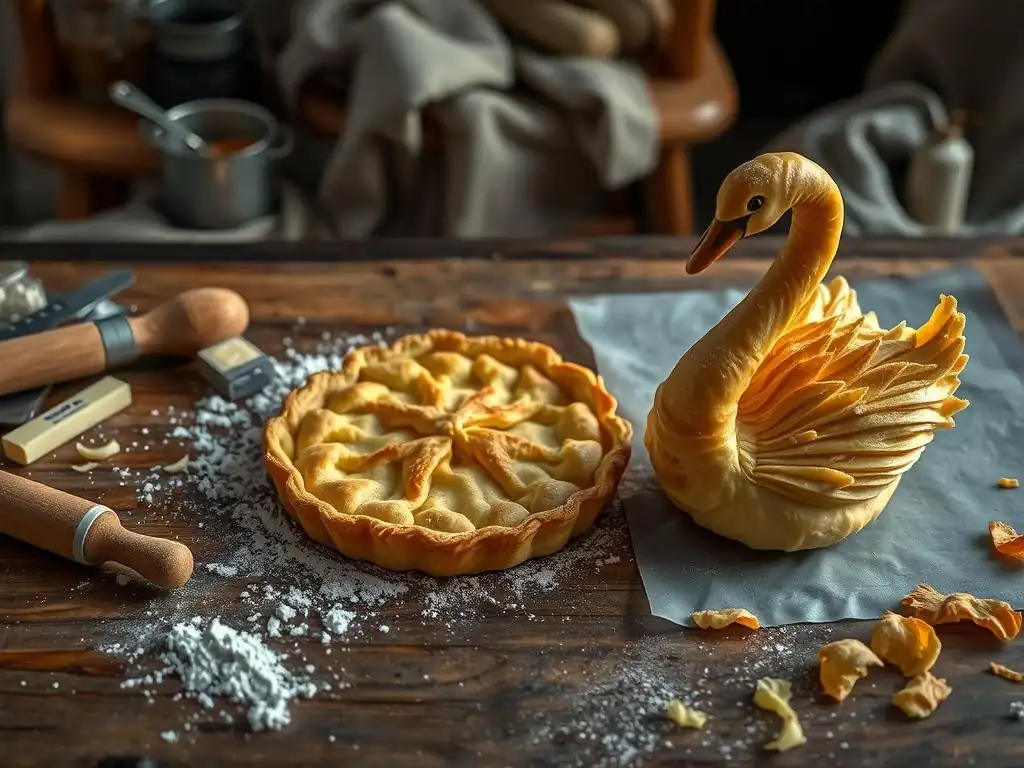
Welcome to BakeWithEase, your guide to unlocking baking perfection! Are you ready to elevate your baking game? Even seasoned bakers stumble, and today, we're diving deep into the world of puff pastry. Discover the "Puff Pastry Baking Mistakes" that might be holding you back from achieving that perfectly flaky, golden-brown masterpiece. Uncover the secrets to avoiding common pitfalls and watch your pastry dreams take flight. Are you ready to transform your puff pastry from frustrating to fabulous?
- Mastering Puff Pastry: Common Mistakes and Solutions
- Introduction to Advanced Puff Pastry Baking
- Mistake #1: Insufficient Chilling of Dough and Butter
- Mistake #2: Inconsistent Dough Thickness During Lamination
- Mistake #3: Overhandling the Dough During Folds
- Mistake #4: Incorrect Baking Temperature for Optimal Rise
- Mistake #5: Insufficient Steam in the Oven
- Mistake #6: Using Low-Quality Butter
- Mistake #7: Neglecting to Dock the Puff Pastry
- Mistake #8: Improper Storage of Baked Puff Pastry
- Troubleshooting Advanced Puff Pastry Problems
- Conclusion: Elevating Your Puff Pastry Skills
-
Frequently Asked Questions
- What are some common puff pastry baking mistakes even intermediate bakers make?
- How can I prevent my puff pastry from sticking to the baking sheet?
- Why is my puff pastry not rising properly, and what can I do about it?
- My puff pastry is browning too quickly on top, but the inside is still raw. What's happening?
- Can I refreeze puff pastry dough after it has thawed, and will it affect the final product?
- Final Reflection: Mastering the Flaky Perfection of Puff Pastry
- Unlock Your Puff Pastry Potential!
Mastering Puff Pastry: Common Mistakes and Solutions
Introduction to Advanced Puff Pastry Baking
Refining Your Puff Pastry Skills
Moving beyond basic recipes, intermediate bakers often seek to perfect their puff pastry, aiming for those ethereal layers and crisp texture. While the fundamental process of lamination—folding butter into dough—remains the same, subtle nuances become critical. Achieving truly outstanding puff pastry requires attention to detail at every step, from ingredient selection to the final bake. It's about understanding the why behind each technique, not just the how. Many common puff pastry baking mistakes stem from overlooking these finer points, leading to results that are merely good, rather than exceptional.
Refining your skills involves developing a keen sense for dough consistency, temperature control, and gentle handling. It's about learning to read your dough and anticipate potential issues before they arise. This stage of baking is less about following a recipe rigidly and more about mastering the craft through practice and observation. By identifying and correcting common puff pastry errors, you can significantly elevate the quality of your baked goods, whether you're making classic croissants, delicate palmiers, or savory vol-au-vents.
Understanding Lamination and Its Impact
Lamination is the heart of puff pastry, creating hundreds of alternating layers of dough and butter. When baked, the water in the butter turns to steam, forcing the dough layers apart, while the fat melts and lubricates the layers, allowing them to separate cleanly and become crisp. The success of this process hinges entirely on maintaining distinct, thin layers of both dough and butter. Any compromise in this structure, often due to common puff pastry baking mistakes, results in pastry that is dense, tough, or lacks significant rise.
The number of folds dictates the number of layers. A typical recipe might call for three or four "single" or "book" folds, resulting in hundreds of layers. For instance, four single folds create 2^4 = 16 layers of butter separated by 17 layers of dough initially, which multiply exponentially with subsequent folds. A common issue is uneven rolling or insufficient chilling between folds, which merges layers prematurely. Understanding this geometric multiplication of layers underscores why precision during lamination is paramount for achieving maximum lift and flakiness.
Mistake #1: Insufficient Chilling of Dough and Butter
The Importance of Cold Ingredients for Layer Formation
The structure of puff pastry relies heavily on the butter remaining solid and distinct within the dough layers until it hits the hot oven. When the dough and butter are sufficiently cold, the butter is firm enough to be rolled thinly without melting into the dough. This creates those crucial, separate layers necessary for the steam lift during baking. Think of the butter as tiny, solid platelets interspersed throughout the dough matrix.
If the dough or butter is too warm, even slightly, during the rolling and folding process, the butter begins to soften and smear into the dough. This destroys the distinct layer structure. Instead of separate sheets of butter between dough, you get a greasy, integrated mass. This is one of the most fundamental puff pastry baking mistakes and directly prevents the creation of the hundreds of layers needed for a significant rise.
Consequences of Warm Dough: Butter Melting and Gluten Development
Warm dough not only leads to butter melting and smearing but also encourages rapid gluten development. Gluten, the protein network formed when flour and water are mixed and worked, provides structure to baked goods. However, too much gluten development in puff pastry results in a tough, elastic dough that resists rolling and shrinks excessively during baking. The combination of smeared butter and overdeveloped gluten is a recipe for a dense, heavy, and chewy pastry, devoid of the characteristic light, flaky layers.
A critical temperature point for butter is its melting range, typically starting around 30°C (86°F), but it begins to soften well before that. Dough temperature should ideally be kept below 15°C (59°F) during lamination. Exceeding these temperatures, even briefly during rolling, significantly increases the risk of these common puff pastry errors, making a successful final product much harder to achieve.
Achieving Optimal Chill: Techniques and Timelines
Optimal chilling is non-negotiable for successful puff pastry. Both the initial butter block (beurrage) and the dough (détrempe), and critically, the laminated dough between each fold, must be properly chilled. A standard practice is to chill the dough in the refrigerator for at least 30 minutes, and often up to an hour, between each fold. The initial dough and butter block may require several hours of chilling before lamination begins.
Storing the dough wrapped tightly in plastic wrap prevents drying and ensures even cooling. The ideal refrigerator temperature is typically around 4°C (40°F). If your kitchen is warm, you might even consider chilling the dough briefly in the freezer for 10-15 minutes (but not longer, as freezing makes it brittle) if time is short, though refrigerator chilling is generally preferred for a more even temperature throughout the dough. Using a cold surface like marble or granite for rolling can also help maintain the dough's temperature.
Mistake #2: Inconsistent Dough Thickness During Lamination
The Impact of Uneven Thickness on Puff Pastry Structure
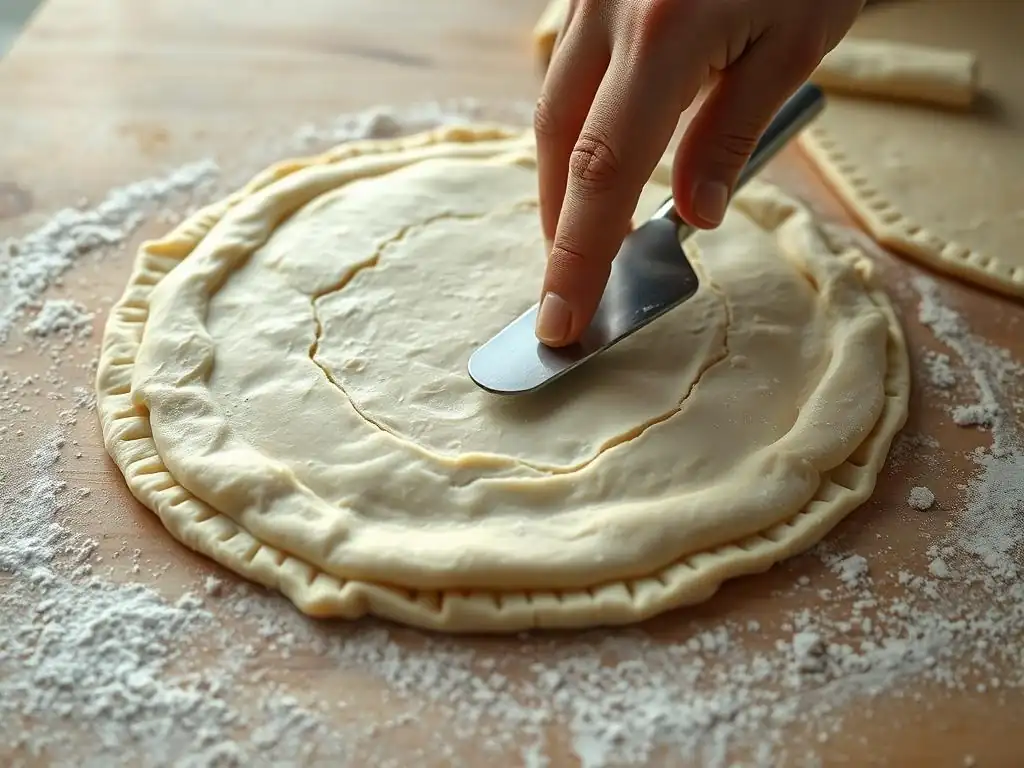
When rolling out the dough between folds, maintaining a consistent thickness across the entire sheet is vital. If one part of the dough is significantly thicker or thinner than another, it disrupts the uniformity of the layers. During baking, the thicker sections will take longer to heat through, and the steam release will be uneven. This leads to an irregular rise, where some parts of the pastry puff up dramatically while others remain flat or dense.
Uneven thickness also makes the folding process more difficult and can exacerbate other common puff pastry baking mistakes, such as butter leakage from thinner spots or tearing in areas that are rolled too thin. Imagine trying to stack hundreds of paper-thin sheets perfectly if some are twice as thick as others – the final stack will be uneven and unstable. The same principle applies to puff pastry layers.
Techniques for Maintaining Uniform Dough Thickness
Achieving uniform thickness requires patience and a systematic approach to rolling. Begin by gently pressing the dough evenly with your rolling pin to start the process. Roll from the center outwards in all directions, rotating the dough periodically (or flipping it if the recipe calls for it) to ensure even expansion. Avoid focusing pressure on just one area.
Using rolling pin guides or rulers placed on either side of the dough can be extremely helpful, especially for beginners or when working with large quantities. These guides ensure the rolling pin height is consistent across the entire width of the dough. Aim for a specific target thickness, often around 5-8mm (about 1/4 to 1/3 inch) before each fold, depending on the total number of folds planned.
Rolling Pin Techniques and Dough Consistency
The way you use your rolling pin directly impacts dough uniformity. Use steady, even pressure rather than brute force. Too much pressure can compress the layers you've already created or force the butter to smear. Roll smoothly and deliberately. If the dough is resisting and springing back excessively, it likely needs more chilling – this is a sign of gluten tension.
- Roll from the center towards the edges.
- Lift the rolling pin slightly as you reach the edges to avoid creating thin spots.
- Rotate the dough frequently (90 or 180 degrees) to check for evenness and prevent sticking.
- Dust your surface and rolling pin with just enough flour to prevent sticking, but avoid excess, as it can make the dough tough.
A dough that is properly chilled and rested will be much more amenable to rolling evenly, reducing the effort required and minimizing the risk of puff pastry baking mistakes related to thickness.
Mistake #3: Overhandling the Dough During Folds
Gluten Development and Its Effect on Flakiness
Gluten develops when gliadin and glutenin proteins in flour combine with water and are agitated (kneaded or worked). While some gluten is necessary for structure, excessive development in puff pastry makes the dough elastic and resistant. This elasticity causes the dough to shrink back when rolled and, critically, during baking. Overdeveloped gluten results in a dense, tough crumb instead of the desired light, crisp layers.
The key to flaky puff pastry is minimizing gluten development during the lamination process. The fat from the butter helps coat the flour particles, inhibiting gluten formation, but rough handling or insufficient chilling allows gluten to form more readily. Many common puff pastry errors stem from forcing a cold, stiff dough, which requires excessive handling and pressure.
Gentle Handling Techniques for Minimal Gluten Formation
Gentle handling is paramount throughout the puff pastry process, especially during the folds. When folding the dough, avoid stretching or pulling it aggressively. Use a light touch to align the edges. If the dough feels tight or resistant, resist the urge to force it. Instead, cover it and return it to the refrigerator for another 20-30 minutes to relax the gluten.
Think of the dough as delicate layers you are carefully preserving, not a piece of bread dough you are developing. The goal is to extend and fold the existing layers without disturbing their structure or creating new, tough gluten bonds. This mindful approach is crucial for avoiding puff pastry baking mistakes that compromise texture.
Folding Strategies for Delicate Layers
Different folding methods (single or book folds) are used, but the principle of gentle handling applies to all. For a single fold, fold one-third of the dough towards the center, then fold the remaining third over the top, like folding a letter. For a book fold, fold both ends towards the center so they meet, then fold the dough in half along the center line.
- Ensure the dough is rectangular and evenly thick before folding.
- Brush off any excess flour before folding to prevent dry spots that can hinder lamination.
- Align the edges neatly but without stretching.
- After folding, gently press down to seal the edges slightly, creating a neat package for chilling.
Proper folding, combined with adequate chilling and gentle handling, minimizes gluten development and preserves the integrity of the layers, setting the stage for a successful puff pastry bake.
Mistake #4: Incorrect Baking Temperature for Optimal Rise
The Relationship Between Oven Temperature and Puff Pastry Volume
Baking puff pastry at the correct temperature is critical for achieving maximum volume and flakiness. A very hot oven (often 400-425°F or 200-220°C) is typically required initially. The high heat causes the water in the butter to flash into steam almost instantly, creating a powerful leavening effect that forces the layers apart rapidly. The butter melts and coats these new spaces, helping to set the layers.
If the oven temperature is too low, the butter melts and leaks out before enough steam is generated to lift the layers. The result is a greasy, flat pastry. Conversely, if the oven is too hot, the outside of the pastry can burn before the inside is cooked through, or the rise might be too rapid and collapse. Finding the sweet spot is key to avoiding this common puff pastry baking mistake.
Adjusting Baking Temperature Based on Puff Pastry Type
The ideal baking temperature and time can vary depending on the size and type of puff pastry item. Small items like palmiers or cheese straws might bake quickly at a consistent high temperature (e.g., 400°F / 200°C for 12-15 minutes). Larger items like vol-au-vent shells or a large pastry sheet might require starting at a high temperature (e.g., 425°F / 220°C for 10-15 minutes) to initiate a rapid rise, then reducing the temperature (e.g., to 375°F / 190°C) to allow the layers to cook through and crisp without burning.
Recipes will often specify a temperature range and timing. Pay close attention to these guidelines, but also observe your pastry as it bakes. It should puff up significantly in the first half of the baking time and then turn golden brown and crisp in the second half. These adjustments are vital for troubleshooting common puff pastry errors in the oven.
Oven Calibration and Temperature Monitoring
One of the most overlooked factors contributing to baking puff pastry mistakes is an inaccurate oven thermostat. Many home ovens can be off by as much as 25-50°F (15-30°C). Relying solely on the oven's dial can lead to consistent problems with baking.
Using an independent oven thermometer placed inside the oven is highly recommended. Calibrate your oven if necessary, or simply learn how your oven's dial corresponds to the actual internal temperature. Preheat your oven thoroughly for at least 20-30 minutes after it indicates it has reached temperature, as the internal components and walls need time to heat up and radiate heat effectively. This ensures the high, initial burst of heat needed for optimal puff pastry expansion.
Mistake #5: Insufficient Steam in the Oven
The Role of Steam in Puff Pastry Expansion
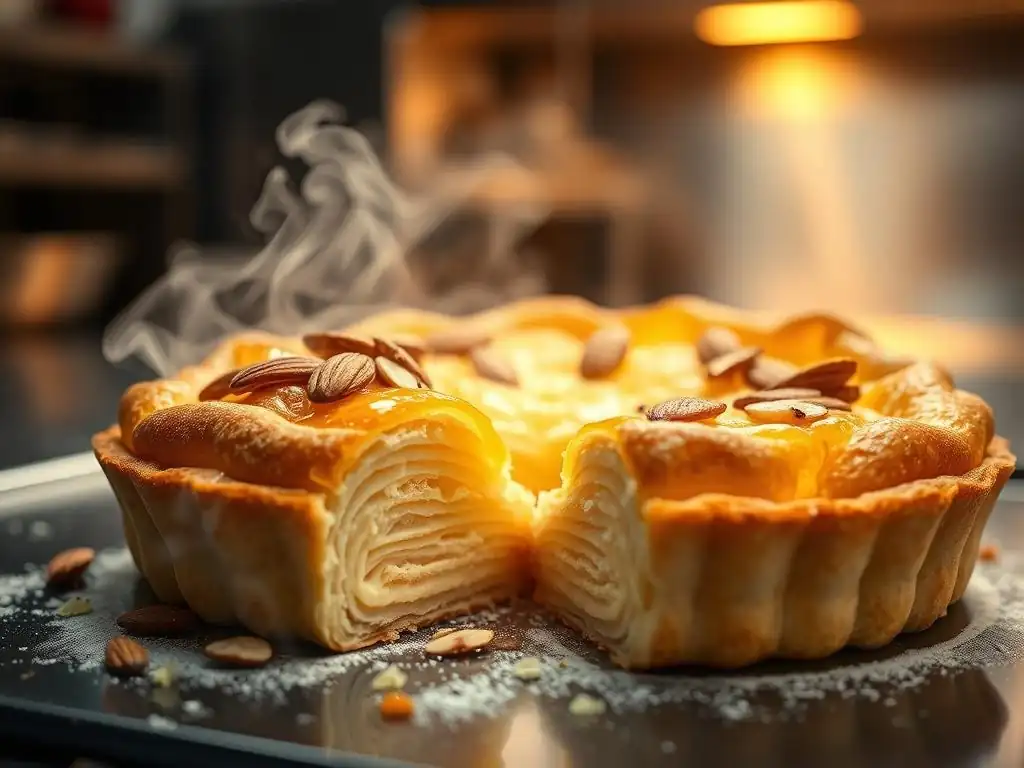
Steam is the primary leavening agent in puff pastry. When the cold, solid butter hits the hot oven, the water within it (typically around 15-18% water content in butter) instantly turns to steam. This steam is trapped between the dough layers by the melting butter, exerting pressure and forcing the layers apart. This rapid expansion is what gives puff pastry its incredible height and flakiness.
Without sufficient steam, either from the butter itself or added to the oven environment, the lift will be minimal. If the butter melts too slowly (low oven temperature) or if there isn't enough water content, the steam pressure won't be strong enough to fully separate the layers. This is a less commonly discussed, but significant, cause of puff pastry baking mistakes resulting in poor rise.
Creating Steam in a Home Oven: Techniques and Precautions
While the butter provides internal steam, adding external steam to the oven environment, especially for the first 10-15 minutes of baking, can significantly enhance the initial rise and keep the outer crust supple long enough for the layers to fully expand. This is particularly helpful in dry oven environments.
One common technique is to place a baking tray or cast-iron pan on the bottom rack of your oven while it preheats. Just before putting the puff pastry in, carefully pour about a cup of hot water into the hot pan. Immediately close the oven door to trap the steam.
Be extremely careful when doing this to avoid burns from the hot water and steam. Another method is to spray the oven walls with water, though this is less effective and can sometimes cool the oven down too much. Ensure the steam source is removed after the initial rise period (e.g., after 10-15 minutes) to allow the pastry to dry out and crisp.
Humidity Control for Enhanced Puff Pastry Results
Beyond adding steam at the beginning, the ambient humidity in your kitchen can also play a minor role. While you can't control it perfectly, recognizing that very dry conditions might slightly hinder the initial flexibility of the dough's surface is part of advanced baking intuition.
For home bakers, focusing on generating effective steam inside the oven during the crucial first few minutes is the most impactful way to manage humidity for puff pastry. This initial burst of steam helps keep the dough surface pliable, allowing the internal steam from the butter to push the layers apart more effectively before the crust sets. Mastering this technique can help overcome common puff pastry errors related to insufficient rise.
Mistake #6: Using Low-Quality Butter
The Impact of Butter Fat Content on Puff Pastry Flakiness
The type and quality of butter used are paramount to achieving the desired flakiness and flavor of puff pastry. Butter is not just fat; it's a blend of fat, water, and milk solids. Standard American butter typically contains around 80% butterfat, while European-style butters often have a higher fat content, usually 82% or more, and less water. This higher fat content is a key factor in superior puff pastry.
Butterfat is what creates the tender, crisp layers. When the butter melts, the fat coats the interior of the dough layers, preventing them from sticking together and making them crisp when cooled. Butter with lower fat content contains more water and milk solids. More water means more steam, which sounds good, but lower fat means less coating ability. The milk solids can also interfere with layer separation and sometimes lead to a slightly tougher texture. Using low-fat butter is a significant, yet often overlooked, puff pastry baking mistake.
Selecting High-Quality Butter for Superior Results
For the best puff pastry, opt for a high-quality butter, preferably one labeled "European-style" or indicating a butterfat content of 82% or higher. Brands like Plugrá, Kerrygold, or many artisanal butters fit this description. These butters tend to be more pliable yet firm when cold, making them easier to work with during lamination without becoming greasy too quickly.
While these butters are often more expensive, the difference they make in the final texture and flavor of your puff pastry is noticeable. Consider it an investment in overcoming one of the most fundamental puff pastry errors. The higher fat content provides a richer flavor and contributes significantly to that desirable melt-in-your-mouth flakiness.
Butter Types and Their Effect on Texture and Flavor
- Standard Butter (approx. 80% fat): Adequate for many recipes, but may yield slightly less tender and flaky results compared to higher-fat options.
- European-Style Butter (82%+ fat): Higher fat content leads to better layer separation, more tenderness, and richer flavor. This is the preferred choice for serious puff pastry.
- Cultured Butter: Often European-style with added cultures, giving it a slightly tangy flavor that can add complexity. Fat content is typically 82% or higher.
- Clarified Butter (Ghee): Pure butterfat. While it has a high smoke point and flavor, it lacks the water content needed for steam leavening in puff pastry, so it cannot be used as a direct substitute for the solid butter block.
Choosing the right butter is as important as the technique itself in avoiding common puff pastry baking mistakes and achieving truly exceptional results.
Mistake #7: Neglecting to Dock the Puff Pastry
Preventing Excessive Puffing and Uneven Baking
"Docking" refers to pricking the surface of the puff pastry dough with a fork or a special docking tool. This creates small holes that allow some of the steam generated during baking to escape. While the goal of puff pastry is significant rise, sometimes excessive or uneven puffing can occur, especially with certain shapes or if the dough is slightly uneven.
Neglecting to dock, particularly for items like tart shells or pastry bases that need to hold a filling, can result in them puffing up like balloons in the oven. This makes them impossible to fill properly. Even for items meant to puff, strategic docking can help control the rise, ensuring a more even lift across the entire surface and preventing large, unsightly bubbles. This is a simple step that helps prevent specific puff pastry baking mistakes related to shape and structure.
Docking Techniques and Tools
The method of docking depends on the desired outcome. For a flat base that needs minimal puff, like a tart shell, you might prick the entire surface thoroughly with a fork, spacing the holes about 1-2 cm (roughly half an inch) apart. A pastry docker tool, which is a roller with many small pins, makes this task quick and efficient for larger sheets of dough.
For items where you want some puff but need to control it (e.g., the base of a vol-au-vent that will have a lid), you might dock only the center portion, leaving the edges undocked to allow them to rise and form a rim. Ensure your pricks go all the way through the layers of dough. If you're making items like croissants or turnovers where maximum puff is desired throughout, you typically do not dock them.
Assessing the Need for Docking Based on Recipe
Always check your recipe instructions regarding docking. Recipes for items that need to hold a filling (quiche bases, fruit tarts) or that are meant to have a specific, controlled shape (some savory pastries) will almost certainly instruct you to dock the dough.
- Docking Recommended: Tart shells, pie crusts (though puff pastry isn't traditional pie crust, the principle applies if using it as a base), pastry bases for canapés, items where a flat or evenly risen surface is needed.
- Docking NOT Recommended: Croissants, pain au chocolat, turnovers, vol-au-vent lids, palmiers, items where maximum, overall puff is the goal.
Understanding when and how to dock is a small but important detail in avoiding common puff pastry errors and achieving the intended final product shape and function.
Mistake #8: Improper Storage of Baked Puff Pastry
Maintaining Crispness and Preventing Sogging
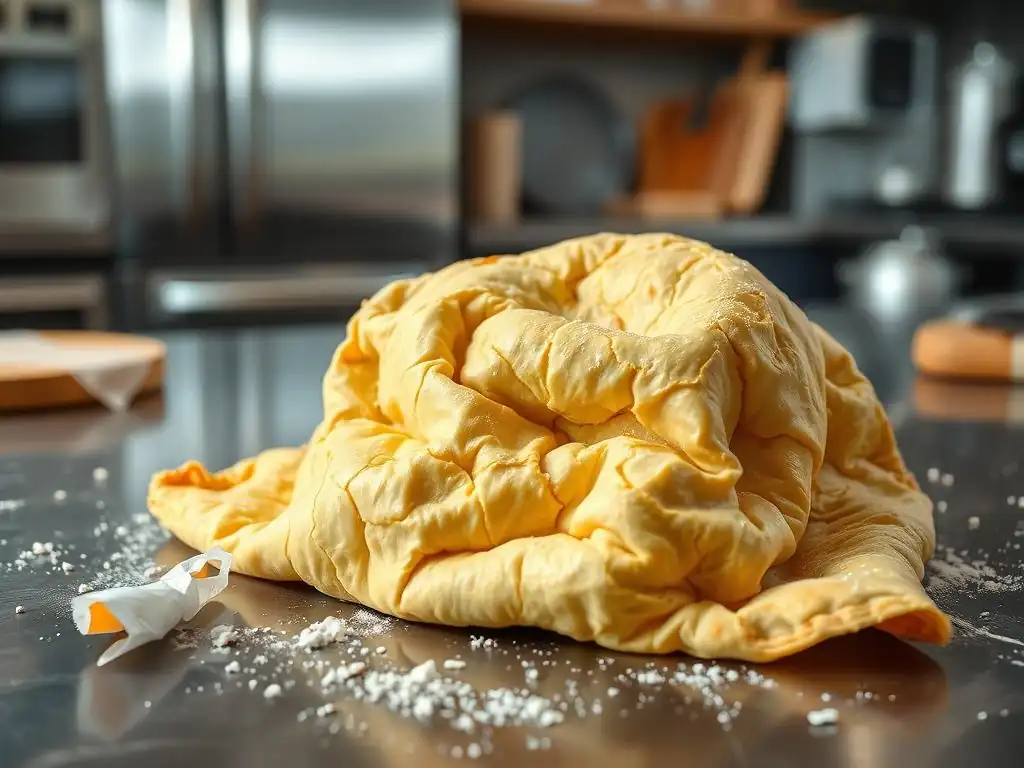
The beautiful flakiness and crispness of baked puff pastry are highly susceptible to moisture. Once baked and cooled, puff pastry items readily absorb moisture from the air, quickly becoming soft, rubbery, or even soggy. This is a common disappointment after successfully navigating the baking process. Proper storage is key to preserving that delicate texture.
Storing baked puff pastry incorrectly is a significant puff pastry baking mistake that undermines all the effort put into lamination and baking. Sealing warm pastry in an airtight container, for example, traps steam and accelerates sogging. Exposure to humid air has a similar effect.
Storage Methods for Different Puff Pastry Items
The best storage method depends on how long you need to store the pastry and the climate.
- Short-Term (1-2 days): Once completely cooled, store puff pastry items in a container that allows for some air circulation. A paper bag or a loosely covered container is often better than airtight for maintaining crispness at room temperature, provided the humidity isn't excessively high.
- Medium-Term (up to 5 days): For longer storage, refrigeration is necessary to prevent spoilage of any fillings or dairy components, but it will soften the pastry. Store in an airtight container to prevent absorption of refrigerator odors.
- Long-Term (up to 1-2 months): Baked puff pastry can be frozen. Wrap cooled items tightly in plastic wrap, then place in a freezer-safe bag or container.
Extending the Shelf Life of Baked Puff Pastry
While refrigeration and freezing extend shelf life, they compromise texture. The best way to enjoy the perfect crispness is to eat baked puff pastry as soon as possible after it has cooled.
If pastry has softened in the refrigerator, it can often be partially revived by reheating. Place the pastry on a baking sheet in a preheated oven (around 350°F / 175°C) for 5-10 minutes until it crisps up again. Be careful not to burn it. Frozen baked pastry should be thawed at room temperature or gently reheated in a low oven directly from frozen (this takes longer) until crisp and warmed through. Preventing moisture absorption is the primary goal in avoiding storage-related puff pastry baking mistakes.
Troubleshooting Advanced Puff Pastry Problems
Addressing Shrinkage During Baking
Shrinkage is a common and frustrating puff pastry baking mistake. It usually indicates excessive gluten development or insufficient chilling and resting. If your dough is too elastic from overworking or not resting enough between folds, it will tense up and pull back when it hits the heat of the oven.
- Solution: Ensure dough is adequately chilled (at least 30-60 mins) and rested (up to 2-3 hours if very resistant) between every fold. Handle the dough gently, avoiding stretching or pulling. If dough is very elastic, give it a longer rest in the fridge before the final roll-out. Ensure your oven is properly preheated; a slow oven can worsen shrinkage as the dough sits longer before puffing.
Resolving Issues with Dense or Tough Layers
Dense or tough layers are classic signs of smeared butter, overdeveloped gluten, or insufficient steam. This is often a culmination of several puff pastry baking mistakes.
- Solution: Review your chilling process – was the butter firm and the dough cold throughout lamination? Was your butter high quality (82%+ fat)? Were you gentle during rolling and folding, or did you force the dough? Did you provide adequate steam in the oven initially? Ensure your oven temperature is correct and high enough to create that initial steam burst from the butter.
Correcting Uneven Layering
Uneven puffing, where some areas rise beautifully and others stay flat, points to inconsistent dough thickness or uneven oven heat.
- Solution: Practice rolling the dough to a uniform thickness before each fold and before the final cut. Use rolling guides if necessary. Check your oven with a thermometer to ensure it's heating evenly; rotate your baking sheet halfway through baking if needed. Ensure your dough was folded neatly and evenly.
**Quick Puff Pastry Troubleshooting Checklist:**

- [ ] Is my butter cold and pliable, not soft or greasy?
- [ ] Is my dough consistently cold (below 15°C / 59°F)?
- [ ] Am I chilling the dough sufficiently (30-60 mins) between *each* fold?
- [ ] Am I rolling the dough to an even thickness (use guides if unsure)?
- [ ] Am I handling the dough gently, avoiding stretching?
- [ ] Is my oven preheated thoroughly to the correct high temperature?
- [ ] Am I using an oven thermometer to verify temperature accuracy?
- [ ] Did I consider adding steam for the initial bake period?
- [ ] Am I using high-quality butter (82%+ fat)?
- [ ] Did I dock the pastry if the recipe required it?
- [ ] Am I storing baked pastry correctly to maintain crispness?
Addressing these points systematically will help you identify and fix the most common puff pastry baking mistakes.
Conclusion: Elevating Your Puff Pastry Skills
Continuous Learning and Experimentation
Mastering puff pastry is a journey, not a destination. Even experienced bakers encounter challenges, as variables like kitchen temperature, humidity, and even the specific brand of flour or butter can influence the outcome. The key to elevating your skills is continuous learning and experimentation. Don't be discouraged by puff pastry baking mistakes; view them as valuable learning opportunities. Analyze what went wrong based on the principles of lamination, temperature, and gluten control.
Try slight variations in technique, different brands of butter, or adjusting chilling times based on your kitchen environment. Keep notes on your results – what worked well, what didn't, and what you think the cause was. This iterative process of baking, observing, and adjusting is how you build true expertise and consistently produce exceptional puff pastry.
Resources for Advanced Puff Pastry Techniques
To further refine your techniques and delve deeper into the science behind puff pastry, seek out reliable resources. Classic baking textbooks often provide detailed explanations of lamination theory. Reputable online baking schools or websites like BakeWithEase.com offer in-depth guides and video tutorials that can visually demonstrate proper handling and folding techniques, helping you avoid common puff pastry errors.
Reading about the properties of different flours and fats can also enhance your understanding. Engage with baking communities online or locally to share experiences and troubleshoot problems. With practice, patience, and a commitment to understanding the core principles, you can overcome common puff pastry baking mistakes and confidently create stunning, flaky pastries that will impress everyone.
Frequently Asked Questions
What are some common puff pastry baking mistakes even intermediate bakers make?
Intermediate bakers often struggle with issues like uneven rising due to incorrect lamination, soggy bottoms caused by insufficient oven heat, and deflated pastries from opening the oven door too early.
How can I prevent my puff pastry from sticking to the baking sheet?
Always use parchment paper to line your baking sheet. You can also lightly grease the parchment paper with butter or cooking spray for extra protection and to ensure easy release.
Why is my puff pastry not rising properly, and what can I do about it?
Improper rising often stems from a lack of cold butter layers within the dough. Ensure the butter remains cold during lamination and give the dough sufficient resting time in the refrigerator.
My puff pastry is browning too quickly on top, but the inside is still raw. What's happening?
This indicates the oven temperature may be too high. Try lowering the oven temperature by 25 degrees and covering the puff pastry loosely with aluminum foil during the latter half of baking.
Can I refreeze puff pastry dough after it has thawed, and will it affect the final product?
Refreezing is generally discouraged, as it can compromise the butter layers and result in a less flaky final product. If you must refreeze, do so quickly and try to use it as soon as possible.
Final Reflection: Mastering the Flaky Perfection of Puff Pastry
The pursuit of flawlessly flaky puff pastry remains a culinary challenge for many, even experienced bakers. The seemingly simple process hides a wealth of subtle techniques, easily overlooked nuances that can lead to a disappointing result. This article has highlighted some of the most common pitfalls, from improper chilling to rushed lamination, demonstrating that even small errors can significantly impact the final product.
The journey of mastering puff pastry is a testament to patience and precision, a reflection of the dedication required to achieve culinary excellence. It's a process that demands respect for the ingredients and a deep understanding of the science behind the seemingly magical transformation of butter and dough into airy, delicate layers. The reward of a perfectly executed puff pastry is worth the effort; it's a celebration of technique and a testament to the power of patience.
This quote, though not directly from a famous baker, encapsulates the feeling many experience when finally achieving that perfect, golden-brown crust.
Now, consider your own baking journey. Have you encountered these challenges? What adjustments will you make to your technique based on the insights shared here? Don't be discouraged by setbacks; embrace them as opportunities for learning and growth. The next time you attempt puff pastry, approach it with renewed confidence, armed with the knowledge to avoid common mistakes and unlock the potential for truly exceptional results. The journey to mastering puff pastry is ongoing, and each bake brings you closer to perfection.
Unlock Your Puff Pastry Potential!
Thanks for joining us on this puff pastry journey! You've now armed yourself with the knowledge to avoid common pitfalls and create flawlessly flaky pastries. Ready to put your new skills to the test?
- Bake your masterpiece! Try out one of the recipes you've been putting off – you’ll be amazed by the results. This is your chance to showcase your newfound expertise!
- Share your baking triumph! Post a picture of your creation on social media and tag #BakeWithEase – we'd love to see your success!
- Challenge yourself: Experiment with different fillings and shapes. What innovative puff pastry creation will you dream up next?
What delicious puff pastry adventure will you embark on first?