
Baking Without White Sugar: A Beginner's Guide to Alternative Sweeteners

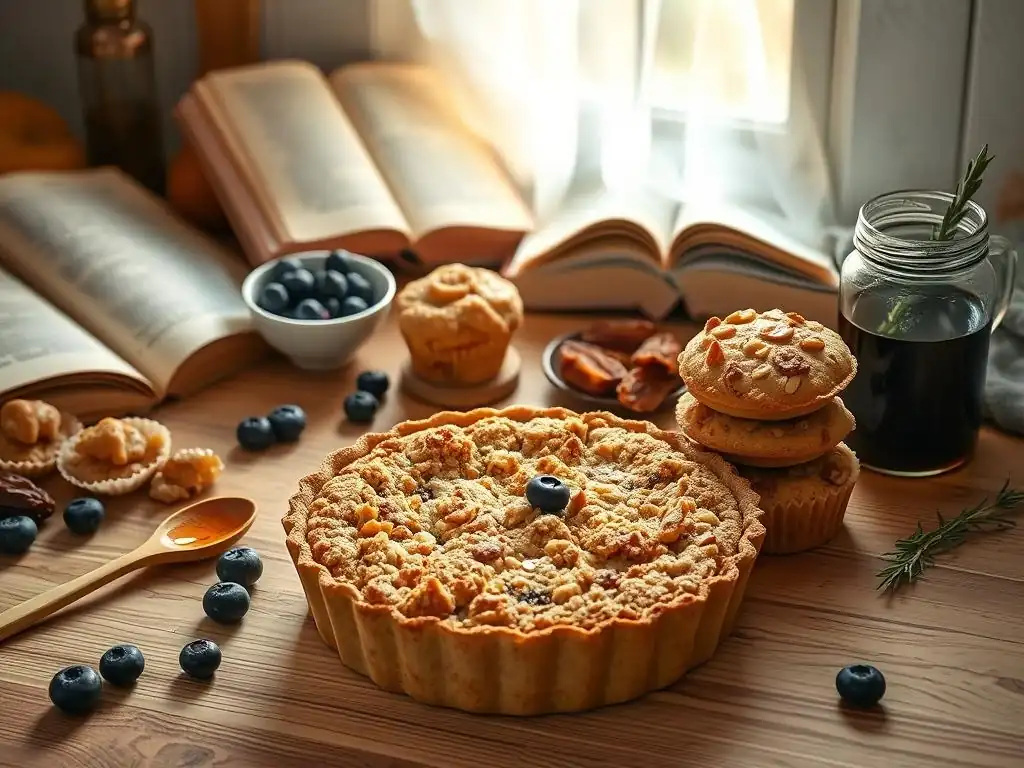
Welcome to BakeWithEase, your haven for all things baking! Are you ready to unlock a world of delicious possibilities without the white sugar? This week, we're diving into the surprisingly simple world of easy sugarfree baking recipes, offering a beginner's guide to alternative sweeteners that will revolutionize your approach to creating delectable treats. Curious about how to achieve that perfect sweetness and texture without refined sugar? Let's explore!
- Baking Without Refined Sugar: A Beginner's Guide to Alternative Sweeteners
- Introduction to Refined Sugar-Free Baking: Exploring Healthier Sweeteners
- Essential Tools and Ingredients for Refined Sugar-Free Baking
- Alternative Sweeteners for Baking: A Comprehensive Guide
- Converting Recipes for Refined Sugar-Free Baking: A Step-by-Step Approach
- Refined Sugar-Free Baking Recipes: Practical Examples
- Troubleshooting Refined Sugar-Free Baking: Common Issues and Solutions
- Tips for Successful Refined Sugar-Free Baking
- Conclusion: Embrace the Sweetness of Refined Sugar-Free Baking
-
Frequently Asked Questions
- What are some common alternatives to white sugar in baking?
- Are sugar-free baking recipes truly calorie-free?
- How do alternative sweeteners affect the texture of baked goods?
- Can I substitute alternative sweeteners 1:1 for white sugar in recipes?
- Where can I find easy sugar-free baking recipes suitable for beginners?
- Final Reflection: The Sweetness of Choice and the Future of Baking
- Unlock Your Sweetest Baking Adventures!
Baking Without Refined Sugar: A Beginner's Guide to Alternative Sweeteners
Introduction to Refined Sugar-Free Baking: Exploring Healthier Sweeteners
Why Bake Without Refined Sugar? Health Benefits and Beyond
Choosing to bake without refined sugar can open up a world of delicious possibilities while potentially offering several health-related advantages. For many, the primary motivation is managing blood sugar levels, as refined sugars cause rapid spikes.
By using alternative sweeteners, which often have a lower glycemic index, the impact on blood sugar can be more gradual, making it a popular choice for individuals monitoring their glucose intake or seeking more stable energy levels throughout the day. Additionally, reducing refined sugar consumption is often linked to better dental health, as it limits the primary food source for bacteria that cause cavities.
Beyond blood sugar and dental health, opting for alternative sweeteners can sometimes mean incorporating ingredients that offer additional nutritional benefits. For instance, using date paste provides fiber and certain minerals, while maple syrup contains antioxidants. While it's important to note that many alternative sweeteners are still calorie-dense and should be used in moderation, the shift away from highly processed white sugar is a step many take towards a more mindful approach to diet. Exploring easy sugarfree baking recipes allows you to enjoy your favorite treats with ingredients that align better with your wellness goals, without sacrificing flavor or texture.
Understanding the Role of Sugar in Baking: More Than Just Sweetness
Refined sugar plays several crucial roles in baking that go far beyond simply providing sweetness. Its crystalline structure helps to tenderize baked goods by interfering with gluten development in flour, resulting in a softer texture. Sugar also contributes significantly to moisture retention, helping cakes and cookies stay moist and fresh for longer periods. This is particularly evident in recipes where sugar is creamed with butter, creating air pockets that contribute to the rise and texture of the final product.
Furthermore, sugar is essential for browning in many baked goods through the Maillard reaction and caramelization. These processes contribute to the appealing golden crust on cookies and cakes, as well as developing complex flavors. In yeast-leavened bread, sugar acts as food for the yeast, aiding in fermentation and rise.
When you embark on easy sugarfree baking recipes, you'll quickly discover that alternative sweeteners may not perform all these functions in the same way. For example, some liquid sweeteners add moisture but don't aid in creaming for structure as well as granulated sugar, and some zero-calorie sweeteners don't brown at all, requiring adjustments in technique or temperature.
Essential Tools and Ingredients for Refined Sugar-Free Baking
Essential Ingredients for Refined Sugar-Free Baking: Your Pantry Checklist
Building a pantry suitable for easy sugarfree baking recipes involves stocking up on a variety of alternative sweeteners and complementary ingredients. You'll want a selection of natural liquid sweeteners like pure maple syrup (Grade A Dark or Very Dark for richer flavor) and raw honey, which are versatile for everything from muffins to granola bars. Granulated alternatives such as coconut sugar, which can often substitute refined sugar cup-for-cup in terms of volume (though it's less sweet), and erythritol, a sugar alcohol that mimics sugar's texture, are also key for recipes requiring dry sweeteners.
Don't forget whole food sweeteners like dates (Medjool dates are particularly soft and sweet), which can be processed into a paste or syrup, adding fiber and a rich, caramel-like flavor. For zero-calorie options, look for high-quality stevia or monk fruit extract, available in liquid drops or granulated blends, keeping in mind their intense sweetness requires careful measurement. You might also find ingredients like unsweetened applesauce, mashed bananas, or pumpkin puree useful for adding natural sweetness and moisture while reducing the need for added sweeteners in some easy sugarfree baking recipes.
Must-Have Equipment for Refined Sugar-Free Baking
Having the right tools makes the process of creating easy sugarfree baking recipes much smoother and more successful. An accurate kitchen scale is invaluable, as measuring alternative flours and some sticky sweeteners by weight can be more precise than by volume, ensuring consistent results. Measuring cups and spoons are still necessary, especially for liquids and smaller amounts of intense sweeteners like stevia extract.
A good quality food processor or high-powered blender is essential if you plan to use whole dates to make date paste, a common sweetener in many easy sugarfree baking recipes. Silicone baking mats or parchment paper are helpful for preventing sticking, especially with recipes that might be more delicate due to different sugar alternatives. Standard baking equipment like mixing bowls, whisks, spatulas, and various baking pans (muffin tins, loaf pans, cookie sheets) are, of course, fundamental to any baking endeavor, refined sugar-free or not.
Alternative Sweeteners for Baking: A Comprehensive Guide
Natural Sweeteners: A Healthier Approach to Baking
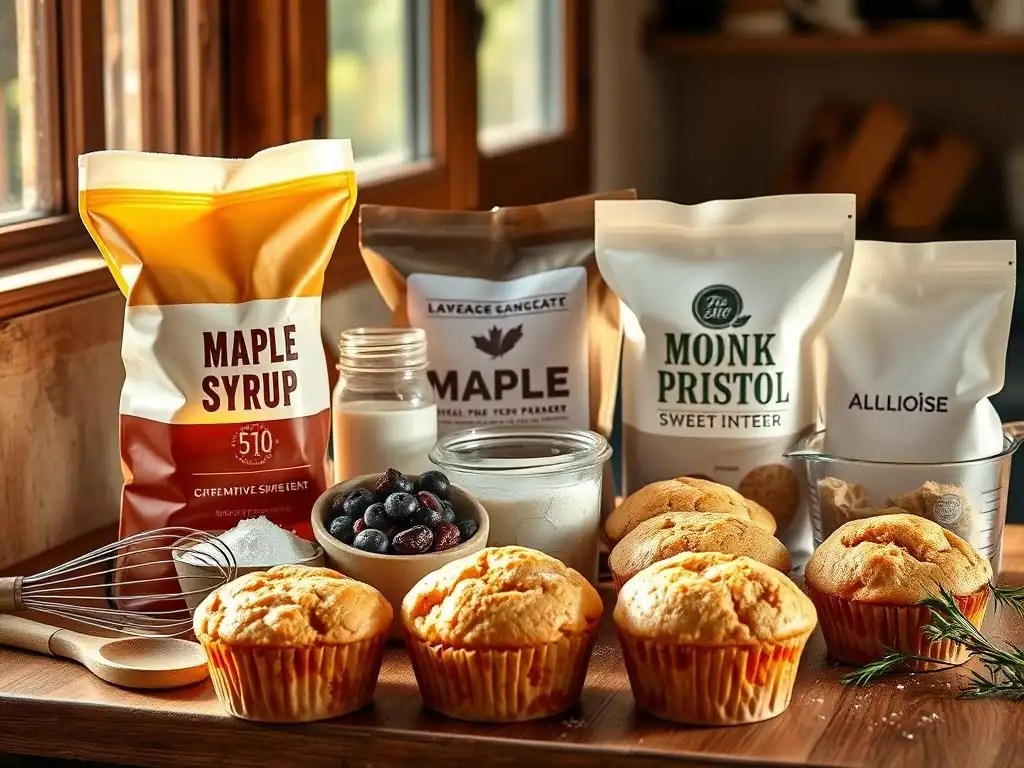
Exploring natural sweeteners is a popular starting point for easy sugarfree baking recipes. These alternatives are often less processed than refined white sugar and may retain some of their original nutrients or have a lower impact on blood sugar levels. They bring unique flavors and textures to baked goods, requiring some experimentation to find the best fit for different recipes.
Natural sweeteners like maple syrup, honey, dates, and coconut sugar offer a range of sweetness levels and properties. Understanding how each one behaves in the oven is key to successful results. For instance, liquid sweeteners like honey and maple syrup add moisture and can affect the overall liquid balance in a recipe, while granulated options like coconut sugar can sometimes be substituted more directly for white sugar in terms of bulk, though their moisture absorption might differ slightly.
Honey: Baking with Liquid Gold
Honey is a natural liquid sweetener produced by bees, known for its distinct flavor and viscous texture. It is generally sweeter than refined sugar by weight (approximately 1.2 to 1.5 times sweeter) and contains small amounts of enzymes, antioxidants, and minerals. In baking, honey contributes moisture and helps keep baked goods soft and chewy. It also browns more quickly than sugar due to its fructose content, so baking temperatures might need to be adjusted downwards by about 25°F (around 15°C).
When substituting honey for sugar in easy sugarfree baking recipes, you typically use less honey than the amount of sugar called for. A common conversion is to use about 2/3 to 3/4 cup of honey for every cup of sugar. Additionally, because it's a liquid, you may need to slightly reduce other liquids in the recipe (by about 1/4 cup per cup of honey substituted) or add a little extra flour to maintain the correct consistency. Its strong flavor profile pairs well with whole grains, nuts, and spices.
Maple Syrup: Adding Flavor and Moisture
Pure maple syrup, harvested from maple trees, is another excellent liquid sweetener for easy sugarfree baking recipes, offering a rich, earthy flavor. Like honey, it's slightly less sweet than sugar by volume (roughly 70% as sweet) but adds significant moisture. It's a popular choice in recipes aiming for a less processed profile and works wonderfully in pancakes, muffins, and granola. Maple syrup contains trace minerals like manganese and zinc, and antioxidants, although the amounts are small.
Substituting maple syrup for sugar follows a similar principle to using honey: use about 3/4 cup of maple syrup for every cup of sugar. Again, you'll likely need to reduce other liquids in the recipe by about 2-4 tablespoons per cup of maple syrup used. Its unique flavor complements ingredients like oats, pecans, apples, and pumpkin. Using darker grades of maple syrup (like Grade A Dark or Very Dark Color, Formerly Grade B) will impart a stronger flavor to your baked goods.
Dates: Nature's Caramel Substitute
Whole dates, particularly soft varieties like Medjool, are a fantastic whole-food sweetener that provides fiber, potassium, and a delightful caramel-like flavor. They are often used in easy sugarfree baking recipes in the form of date paste, made by blending pitted dates with a little hot water. This paste acts as a sweetener and binder, adding moisture and a dense texture to baked goods. A cup of date paste is roughly equivalent in sweetness to a cup of sugar, but it adds bulk and moisture, which needs to be accounted for.
Date paste is ideal for energy bars, cookies, and dense cakes or muffins. Because it's a whole food, it doesn't dissolve or melt like sugar, so it works best in recipes where a slightly chewier or denser texture is desired.
When substituting date paste for sugar, you might need to slightly reduce other wet ingredients. For instance, in some cookie recipes, replacing 1 cup of sugar might require using 1 cup of date paste and reducing another liquid ingredient (like milk or oil) by a few tablespoons, while also potentially needing a leavener adjustment as dates don't interact with baking soda/powder like sugar does.
Coconut Sugar: A Low-Glycemic Option
Coconut sugar is a granulated sweetener made from the sap of the coconut palm flower. It has a color and texture similar to brown sugar and offers a subtle caramel flavor. Often touted for its slightly lower glycemic index compared to refined sugar (around 54-56 vs. 60-65 for table sugar), it still contains fructose and glucose and should be used in moderation. Coconut sugar can often be substituted for refined sugar on a 1:1 volume basis in many easy sugarfree baking recipes, making it one of the simpler swaps for beginners.
While it substitutes well in terms of volume and provides some of the structural benefits of sugar, coconut sugar can sometimes lead to slightly drier results in certain recipes compared to refined sugar, as its moisture-retaining properties differ. Its flavor is more pronounced than white sugar, adding a pleasant depth to cookies, muffins, and quick breads. Experimenting with small batches is recommended to see how it performs in your favorite recipes.
Stevia: A Zero-Calorie Sweetener
Stevia is a natural, zero-calorie sweetener derived from the leaves of the Stevia rebaudiana plant. Its sweet compounds (steviol glycosides) are significantly sweeter than sugar – pure stevia extract can be 200-400 times sweeter. This intense sweetness means only tiny amounts are needed, which can affect the bulk and structure of baked goods where sugar typically provides volume. Stevia doesn't brown or caramelize like sugar.
For easy sugarfree baking recipes, stevia is often available in blends combined with other sweeteners like erythritol to provide bulk, or in liquid drop form. When using pure stevia extract, precise measurement is critical to avoid an overpowering sweetness or a bitter aftertaste that some people perceive.
A common conversion for baking blends might be 1/2 cup of stevia blend for 1 cup of sugar, but this varies significantly by brand and product. Using liquid stevia might involve just a few drops or teaspoons to replace a cup of sugar's sweetness, necessitating adjustments to other ingredients to compensate for the lost bulk and moisture.
Monk Fruit: Another Zero-Calorie Alternative
Monk fruit sweetener, extracted from the Siraitia grosvenorii fruit, is another natural, zero-calorie option. Like stevia, the sweet compounds (mogrosides) are much sweeter than sugar, potentially 150-200 times sweeter. Monk fruit extract doesn't affect blood sugar levels and doesn't contribute calories. It's often used in blends with erythritol or other sugar alcohols to provide bulk for baking, similar to stevia blends.
Monk fruit sweetener generally has a cleaner taste profile than stevia for many people, with less of a perceived aftertaste. It also doesn't brown or caramelize. When using monk fruit blends in easy sugarfree baking recipes, follow the manufacturer's recommended conversion, which is often a 1:1 volume substitute for sugar, although the sweetness level might be slightly different. Pure monk fruit extract, like pure stevia, requires very small amounts and adjustments for lost bulk and moisture.
Sugar Alcohols: Considerations for Baking
Sugar alcohols like erythritol and xylitol are carbohydrates that are partially absorbed by the body, resulting in fewer calories than sugar and a minimal impact on blood sugar. They are popular in easy sugarfree baking recipes because they provide bulk and texture similar to sugar. However, they can cause digestive discomfort in some individuals when consumed in large quantities, and xylitol is highly toxic to dogs.
While sugar alcohols provide sweetness and bulk, they don't caramelize like sugar. Erythritol is often used in blends because it is only about 70% as sweet as sugar and can have a cooling sensation. Xylitol is about as sweet as sugar and doesn't have the cooling effect but carries the significant caution regarding pets. It's important to choose the right sugar alcohol based on your needs and be aware of potential digestive effects.
Erythritol: A Sugar Alcohol for Baking
Erythritol is a sugar alcohol that is about 70% as sweet as table sugar but contains almost no calories (about 0.2 calories per gram compared to 4 calories per gram for sugar). It is commonly used in easy sugarfree baking recipes, often in granular or powdered form. Erythritol doesn't raise blood sugar or insulin levels, making it suitable for those managing diabetes or following low-carb diets. It provides bulk similar to sugar and can be used in 1:1 volume substitutions in many recipes, although you might need to add slightly more for equivalent sweetness.
One characteristic of erythritol is a cooling sensation it can leave in the mouth, which some people find noticeable, especially in recipes with high concentrations. It also doesn't brown or caramelize like sugar. When baking with erythritol, it's helpful to combine it with other sweeteners or ingredients that promote browning if that is a desired outcome. Unlike some other sugar alcohols, erythritol is generally well-tolerated digestively, though excessive consumption can still lead to laxative effects for some individuals.
Xylitol: Caution and Usage
Xylitol is a sugar alcohol that is about as sweet as sugar and has a similar texture, making it an easy volume-for-volume substitute in many easy sugarfree baking recipes. It contains about 40% fewer calories than sugar (about 2.4 calories per gram) and has a very low glycemic index, meaning it has minimal impact on blood sugar levels. Xylitol is also known for its dental benefits, as it inhibits the growth of oral bacteria that cause cavities.
Despite its benefits, xylitol carries a major caution: it is highly toxic to dogs. Even small amounts can cause a rapid and severe drop in blood sugar and potentially liver failure in canines. Therefore, extreme care must be taken to keep xylitol and baked goods containing it away from pets. Like erythritol, xylitol doesn't brown or caramelize like sugar. While generally well-tolerated, consuming large amounts of xylitol can cause digestive upset, including gas, bloating, and diarrhea, more so than erythritol for most people.
Converting Recipes for Refined Sugar-Free Baking: A Step-by-Step Approach
Understanding Sweetness Levels: Comparing Sweetener Potency
One of the first steps in converting traditional recipes to easy sugarfree baking recipes is understanding the relative sweetness of different alternatives compared to refined sugar. As we've seen, sweeteners like pure stevia and monk fruit extract are exponentially sweeter, requiring tiny amounts, while others like erythritol are slightly less sweet than sugar, and coconut sugar is roughly equivalent in volume but less sweet overall. Liquid sweeteners like honey and maple syrup are also less sweet by volume than granulated sugar.
To successfully convert a recipe, you need to consider not just the sweetness but also the volume the sweetener contributes. For example, if a recipe calls for 1 cup of sugar, substituting with a few drops of liquid stevia provides the sweetness but none of the bulk, moisture, or structural support the sugar provided.
Using a 1:1 volume substitute like coconut sugar or an erythritol blend is often easier for beginners, but you may need to adjust the amount slightly to match the desired sweetness level, potentially adding more or less depending on the specific product and your taste preference.
Adjusting Liquid Ratios: Maintaining Moisture Balance
When using liquid sweeteners like honey, maple syrup, or date paste in easy sugarfree baking recipes, you are introducing additional moisture into the batter or dough. Refined sugar, being a dry ingredient, absorbs moisture during baking and helps create a certain texture. Adding liquid sweeteners without adjustment can lead to baked goods that are too wet, dense, or don't set properly.
A general rule of thumb when substituting liquid sweeteners for granulated sugar is to reduce other liquids in the recipe. For every cup of liquid sweetener used, decrease other liquids (like milk, water, or oil) by about 1/4 cup. However, this is just a starting point, and the exact adjustment will depend on the specific recipe, the type of liquid sweetener used, and the desired final texture. Sometimes, adding a little extra dry ingredient, like flour or oats, can also help absorb the excess moisture and maintain the correct batter consistency for your easy sugarfree baking recipes.
Incorporating Binders: Achieving the Right Texture
Refined sugar contributes to the structure and texture of baked goods by interfering with gluten development and aiding in creaming with fats to create air pockets. When you remove or significantly reduce sugar, especially in easy sugarfree baking recipes that also use gluten-free flours, you might find that your baked goods lack structure, are crumbly, or don't rise as expected.
To compensate for the structural role of sugar, incorporating binders can be very helpful. Ingredients like xanthan gum (especially important in gluten-free baking), psyllium husk, flax eggs (made by mixing ground flaxseed with water), or chia seeds can help hold ingredients together and provide some of the structure that sugar would otherwise contribute.
Using about 1 teaspoon of xanthan gum per cup of gluten-free flour blend, or substituting eggs with flax eggs (1 tablespoon ground flaxseed + 3 tablespoons water per egg, let sit for 5-10 minutes) are common strategies in easy sugarfree baking recipes to improve texture and prevent crumbling.
Refined Sugar-Free Baking Recipes: Practical Examples
Almond Flour Muffins with Blueberries and Maple Syrup
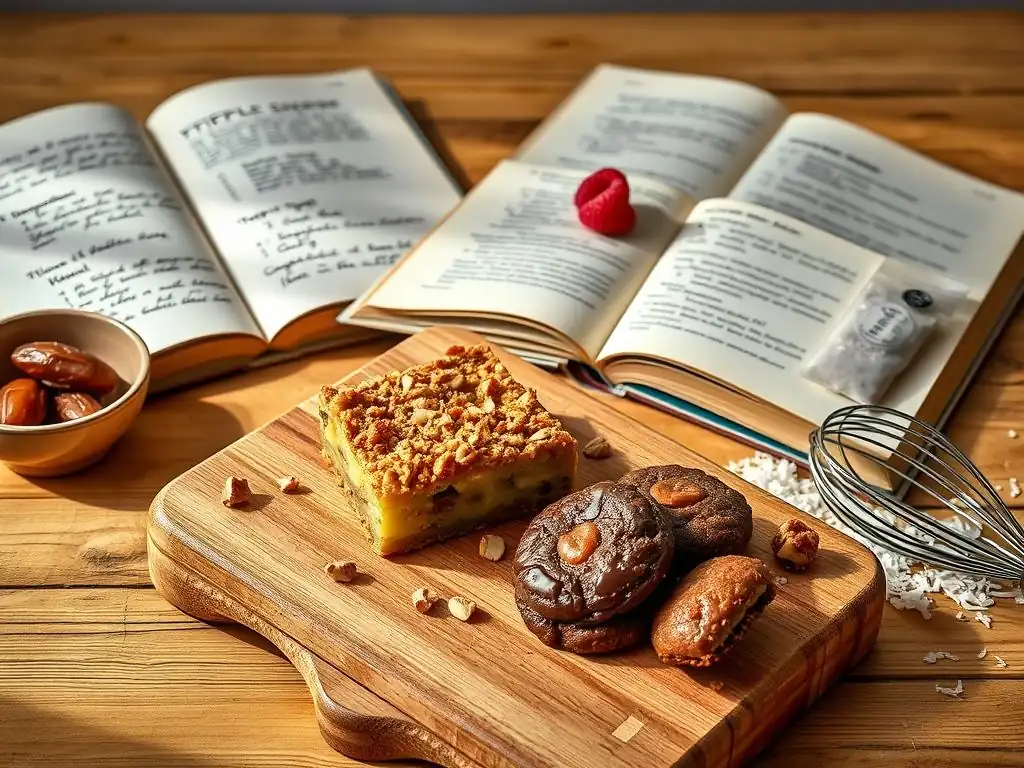
Creating delicious and easy sugarfree baking recipes is very achievable. These Almond Flour Muffins with Blueberries and Maple Syrup are a great starting point, using natural sweeteners and offering a tender, moist crumb. They are naturally gluten-free due to the use of almond flour.
This recipe relies on maple syrup for sweetness and moisture, combined with eggs and almond flour for structure. Blueberries add natural sweetness and bursts of flavor. It's a simple mixing method, perfect for beginners looking to try easy sugarfree baking recipes.
Ingredients for Almond Flour Muffins
- 2 cups (approx. 200g) almond flour
- 1 teaspoon baking powder
- 1/4 teaspoon salt
- 2 large eggs
- 1/2 cup pure maple syrup (Grade A Dark)
- 1/4 cup unsweetened applesauce or melted coconut oil
- 1 teaspoon vanilla extract
- 1 cup fresh or frozen blueberries
Instructions for Almond Flour Muffins
- Preheat your oven to 350°F (175°C). Line a 12-cup muffin tin with paper liners or grease it well.
- In a medium bowl, whisk together the almond flour, baking powder, and salt.
- In a separate large bowl, whisk together the eggs, maple syrup, applesauce (or coconut oil), and vanilla extract until well combined.
- Add the dry ingredients to the wet ingredients and stir until just combined. Do not overmix.
- Gently fold in the blueberries.
- Divide the batter evenly among the prepared muffin cups, filling each about two-thirds full.
- Bake for 20-25 minutes, or until a toothpick inserted into the center of a muffin comes out clean.
- Let the muffins cool in the tin for a few minutes before transferring them to a wire rack to cool completely. Enjoy these easy sugarfree baking recipes!
Date-Sweetened Energy Bites
These Date-Sweetened Energy Bites are a simple, no-bake example of easy sugarfree baking recipes, relying solely on the natural sweetness of dates. They are quick to prepare and make a great snack.
Using date paste as the primary binder and sweetener, these bites combine oats, nuts, and other add-ins for texture and flavor. They require minimal ingredients and no oven, making them incredibly accessible for anyone starting out with easy sugarfree baking recipes.
Ingredients for Date-Sweetened Energy Bites
- 1 cup (approx. 170g) pitted Medjool dates (soaked in warm water for 10 minutes if not very soft, then drained)
- 1 cup (approx. 90g) rolled oats (gluten-free if needed)
- 1/2 cup (approx. 60g) chopped nuts (almonds, walnuts, pecans, etc.)
- 1/4 cup shredded unsweetened coconut (optional)
- 1 tablespoon chia seeds (optional)
- 1 teaspoon vanilla extract
- Pinch of salt
Instructions for Date-Sweetened Energy Bites
- If your dates are not very soft, soak them in warm water for about 10 minutes, then drain thoroughly.
- Place the drained pitted dates in a food processor and process until they form a thick paste.
- Add the rolled oats, chopped nuts, optional coconut and chia seeds, vanilla extract, and salt to the food processor with the date paste.
- Process until the mixture is well combined and starts to clump together. It should be sticky enough to hold its shape when rolled.
- Roll the mixture into bite-sized balls (about 1 inch in diameter). If the mixture is too sticky, you can lightly wet your hands.
- Optional: Roll the balls in extra shredded coconut, chopped nuts, or cocoa powder for coating.
- Place the energy bites in an airtight container and refrigerate for at least 30 minutes to firm up before serving. These easy sugarfree baking recipes store well in the fridge for up to 2 weeks or in the freezer for longer.
Troubleshooting Refined Sugar-Free Baking: Common Issues and Solutions
Dry Baked Goods: Adding Moisture Back In
A common challenge when adapting to easy sugarfree baking recipes is ending up with baked goods that are drier than desired. Refined sugar is hygroscopic, meaning it attracts and retains moisture. When you remove it or substitute with alternatives that don't hold moisture as well (like some sugar alcohols or high-intensity sweeteners without bulk), the final product can be crumbly or dry.
To combat dryness, consider adding ingredients that naturally contribute moisture. Unsweetened applesauce, mashed bananas, pumpkin puree, yogurt, or extra liquid sweeteners (like maple syrup or honey, adjusting other liquids accordingly) can help. Increasing the amount of fat slightly (like butter or oil) can also improve moisture and tenderness. For instance, if a cookie recipe made with erythritol is too dry, try adding a couple of tablespoons of applesauce or replacing a small portion of the erythritol with maple syrup in your next batch of easy sugarfree baking recipes.
Lack of Browning: Achieving a Golden Crust
Refined sugar plays a significant role in the browning of baked goods through the Maillard reaction and caramelization, which occur at high temperatures. Many alternative sweeteners, particularly sugar alcohols and high-intensity sweeteners like stevia and monk fruit, do not caramelize and contribute very little to browning. This can result in pale-looking cookies, cakes, and muffins, even when they are fully cooked.
To achieve a more appealing golden color in your easy sugarfree baking recipes, you can try a few techniques. Baking at a slightly higher temperature for the last few minutes of baking can help promote surface browning, but watch carefully to prevent burning.
Using ingredients that do brown naturally, such as almond flour (which browns more readily than white flour), coconut sugar (which has a caramel color), or adding a small amount of molasses (if the flavor profile works and you're okay with a small amount of traditional sugar) can also help. Brushing the tops of quick breads or muffins with a little milk or melted butter before baking can also encourage browning.
Bitter Aftertaste: Balancing Flavors Effectively
Some alternative sweeteners, particularly high-intensity ones like stevia and certain monk fruit extracts, can leave a perceived bitter or metallic aftertaste for some individuals. This can detract from the enjoyment of otherwise delicious easy sugarfree baking recipes. The intensity of this aftertaste varies among products and depends on personal sensitivity.
To minimize or eliminate an unpleasant aftertaste, try combining different types of sweeteners. Using a blend of stevia and erythritol, or monk fruit and erythritol, is a common strategy that often yields a more balanced sweetness profile. Adding flavorings like vanilla extract, almond extract, cinnamon, nutmeg, or cocoa powder can also help mask any off-flavors. A pinch of salt can also enhance the perception of sweetness and balance flavors. Experimentation with different brands and types of sweeteners in your easy sugarfree baking recipes will help you find the ones that taste best to you.
Tips for Successful Refined Sugar-Free Baking
Start Small: Experiment with Simple Recipes
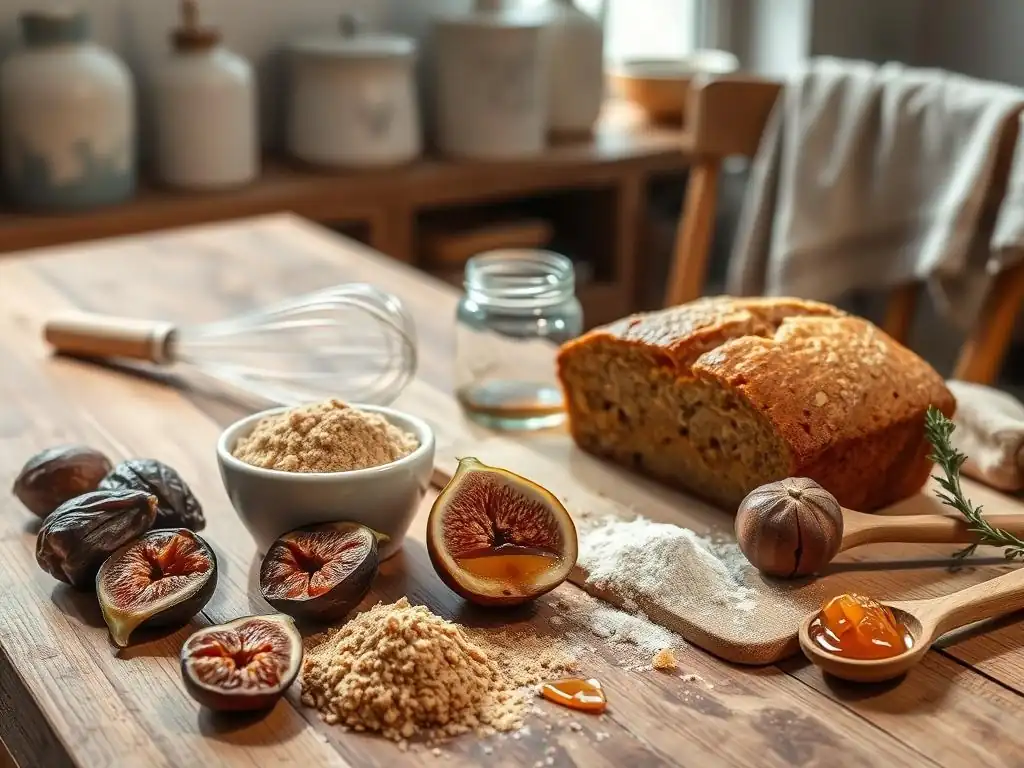
Diving into easy sugarfree baking recipes is much less intimidating if you start with simple, forgiving recipes. Trying to convert a complex layered cake recipe as your first attempt might lead to frustration. Instead, begin with recipes designed for alternative sweeteners or adapt straightforward recipes like muffins, cookies, or quick breads.
Focus on recipes that use one or two types of alternative sweeteners initially, rather than trying to juggle multiple conversions at once. For example, try a muffin recipe sweetened only with maple syrup or a cookie recipe using only coconut sugar. Success with these simpler easy sugarfree baking recipes will build your confidence and understanding of how different sweeteners behave before you tackle more challenging bakes.
Taste as You Go: Adjust Sweetness to Your Preference
Sweetness is highly subjective, and the perceived sweetness of alternative sweeteners can vary from person to person and product to product. Unlike traditional baking where ingredient ratios are quite fixed, easy sugarfree baking recipes often allow for a little more flexibility in sweetness levels, especially when using blends or liquid sweeteners.
Taste your batter or dough before baking (if it doesn't contain raw eggs or flour). While you can't fully judge the final baked sweetness from the raw mix, it gives you a good indication. If using granular or liquid sweeteners that dissolve, you can add a little more if it seems under-sweetened. This iterative process of tasting and adjusting in your easy sugarfree baking recipes will help you tailor the sweetness precisely to your liking over time.
Store Properly: Maintaining Freshness and Flavor
Proper storage is crucial for maintaining the quality of all baked goods, and easy sugarfree baking recipes are no exception. Because alternative sweeteners can affect moisture levels and texture differently than refined sugar, some sugar-free baked goods may dry out faster or have different shelf lives.
Store cookies, muffins, and quick breads in airtight containers at room temperature for a few days, or in the refrigerator for longer storage, especially if they contain fresh fruit or other perishable ingredients. Freezing is also an excellent option for extending the life of your easy sugarfree baking recipes; most baked goods freeze well for up to 2-3 months. Ensure they are completely cooled before storing to prevent condensation, which can make them soggy.
Conclusion: Embrace the Sweetness of Refined Sugar-Free Baking
Refined sugar-free baking is an exciting journey that allows you to enjoy delicious treats while exploring different ingredients and techniques. By understanding the roles sugar plays in baking and how various alternative sweeteners behave, you can successfully adapt your favorite recipes or discover new easy sugarfree baking recipes that fit your lifestyle. It requires a bit of experimentation and patience, but the results — flavorful, satisfying baked goods made with ingredients you feel good about — are incredibly rewarding.
The Future of Healthy Baking: Innovation and Exploration
The world of easy sugarfree baking recipes is constantly evolving. As consumer demand for healthier options grows, manufacturers are developing new and improved alternative sweeteners and blends that aim to mimic the properties of sugar more closely. Ingredient suppliers are also offering flours and binders specifically suited for these applications.
This ongoing innovation means that creating delicious, refined sugar-free versions of classic baked goods is becoming easier and more accessible all the time. Whether you're motivated by health goals, dietary restrictions, or simply a desire to experiment in the kitchen, exploring easy sugarfree baking recipes is a fulfilling way to bake and enjoy treats that are both sweet and mindful. Keep experimenting, keep learning, and enjoy the process!
Frequently Asked Questions
What are some common alternatives to white sugar in baking?
Common alternatives include natural sweeteners like honey, maple syrup, and agave nectar. Sugar alcohols like erythritol and xylitol are also popular.
Are sugar-free baking recipes truly calorie-free?
No, sugar-free doesn't mean calorie-free. Alternative sweeteners may have fewer calories than white sugar, but they still contribute to the overall calorie count of the recipe.
How do alternative sweeteners affect the texture of baked goods?
Alternative sweeteners can significantly impact texture. Some may result in drier or denser products, requiring adjustments to liquid ingredients or the addition of binding agents.
Can I substitute alternative sweeteners 1:1 for white sugar in recipes?
Generally, no. Different sweeteners have varying sweetness levels and liquid content. It's crucial to consult a conversion chart or recipe specifically designed for the chosen alternative.
Where can I find easy sugar-free baking recipes suitable for beginners?
BakeWithEase.com offers a wide range of beginner-friendly sugar-free recipes using alternative sweeteners, complete with step-by-step instructions and ingredient guidance.
Final Reflection: The Sweetness of Choice and the Future of Baking
The shift away from refined white sugar is not just a trend; it's a necessary evolution in our approach to food and health. The rising awareness of sugar's impact on our well-being, coupled with the increasing availability of delicious alternative sweeteners, makes exploring sugar-free baking not just possible, but increasingly desirable. This guide has aimed to demystify the process, showing that delicious, satisfying baked goods are entirely achievable without relying on refined sugar.
This journey into the world of alternative sweeteners has been a personal one, revealing the surprising versatility and often superior flavor profiles offered by natural options. I've discovered that baking without white sugar isn't about sacrifice; it's about mindful creation. It's about understanding the subtle nuances of different sweeteners and how they interact with other ingredients to create unique textures and tastes. The best things in life are the simplest,
a phrase often used in baking, takes on a new meaning when considering the purity and natural sweetness of alternatives like maple syrup or dates.
Now, it's your turn. Consider the recipes and techniques explored in this guide as a starting point for your own culinary adventures. Experiment with different sweeteners, explore new flavor combinations, and most importantly, enjoy the process of creating healthy and delicious baked goods. Don't be afraid to fail; each attempt is a learning opportunity. Embrace the sweetness of choice, the satisfaction of creating something nourishing, and the joy of sharing your creations with loved ones. The future of baking is sweet, and it's in your hands.
Unlock Your Sweetest Baking Adventures!
Thanks for joining us on this journey into the world of sugar-free baking! We hope you discovered some delicious and healthy alternatives to refine your baking skills. Now it's time to put your new knowledge into practice!
- Bake your first sugar-free masterpiece! Choose your favorite recipe from the article and swap out the white sugar for one of the exciting alternatives we discussed. Let us know how it turns out!
- Share your sweet success! Post a picture of your creation on social media and tag us – we'd love to see your baking journey!
- Explore further by trying a completely new sugar-free recipe. Challenge yourself to create something unique and delightful.
What exciting sugar-free creation will you bake next? Let's hear about it in the comments!