
The Best Vegan Fats for Tender, Flaky Results

Welcome to BakeWithEase, your kitchen companion for all things baking! Ever wondered how to achieve that perfect tenderness and flakiness in your vegan treats? This article dives deep into vegan baking fat tips, revealing the secrets to transforming your plant-based recipes. Discover which fats deliver the best results and unlock a whole new world of delicious, cruelty-free creations. Ready to bake with confidence? Let's get started!
- Introduction: Achieving Baking Perfection with Vegan Fats
- Understanding the Role of Fat in Baking
-
Top Vegan Baking Fat Options for Superior Results
- Coconut Oil: Pros, Cons, and Best Uses in Vegan Baking
- Vegan Butter Alternatives: A Comprehensive Guide
- Olive Oil: Unexpectedly Delicious in Vegan Baking
- Avocado Oil: A Neutral Option for Versatile Baking
- Cocoa Butter: Adding Richness and Flavor to Vegan Treats
- Nut Butters: A Natural Source of Fat and Flavor
- Vegan Baking Fat Conversion Chart: Easy Substitutions
- Troubleshooting Common Issues with Vegan Baking Fats
- Expert Tips for Using Vegan Baking Fats
- Conclusion: Mastering Vegan Baking with the Right Fats
-
Frequently Asked Questions
- What are the best vegan fats to use for baking tender results?
- How do vegan fats affect the flakiness of baked goods?
- Can I substitute vegan fats directly for butter in all baking recipes?
- What are some common mistakes to avoid when using vegan fats in baking?
- Where can I find reliable vegan baking fat tips and recipes?
- Final Reflection: Unlocking the Secrets of Vegan Baking
- Unlock Your Baking Potential: Master Vegan Fats!
Introduction: Achieving Baking Perfection with Vegan Fats
Mastering vegan baking can sometimes feel like navigating a new landscape, especially when it comes to fats. Fat is a cornerstone of successful baking, playing a critical role in everything from the texture of your cookies to the rise of your cakes and the flakiness of your pastries. Without the right fat, vegan baked goods can end up dry, dense, or simply lacking that desirable richness and tenderness.
Fortunately, the world of vegan baking offers a diverse array of fats that can stand in for traditional options like butter or lard. Understanding the unique properties of each vegan baking fat is key to unlocking perfect results. From solid options ideal for flaky crusts to liquid oils that ensure moist cakes, choosing wisely and applying the right vegan baking fat tips can elevate your creations from good to truly exceptional. Let's explore the best vegan fats available and how to use them effectively.
Understanding the Role of Fat in Baking
How Fat Impacts Texture: Tenderness, Flakiness, and Moisture
Fat is a crucial ingredient in baked goods, profoundly influencing their final texture. One of its primary roles is shortening, which refers to its ability to coat flour particles and inhibit the formation of long gluten strands. This results in a more tender crumb structure in cakes and muffins and a less chewy texture in cookies and breads. Without sufficient fat, baked goods can become tough and dense.
Beyond tenderness, fat is essential for creating flakiness, particularly in pastries like pies and biscuits. When solid pieces of cold fat are cut into flour, they create layers. As the dough bakes, the fat melts, leaving behind small pockets. The water in the fat turns to steam, pushing the layers apart and creating that characteristic flaky texture. Furthermore, fat contributes moisture and richness, preventing dryness and enhancing the overall mouthfeel of your baked treats. Different vegan baking fat options will impact these textural elements in unique ways.
Traditional Baking Fats vs. Vegan Alternatives: A Comparison
Traditionally, baking relied heavily on animal-derived fats such as dairy butter, lard, and shortening. Dairy butter, composed of about 80-82% fat, 16-18% water, and milk solids, provides flavor, tenderness, and flakiness. Lard, a rendered pork fat, is nearly 100% fat and excels at creating incredibly flaky pie crusts. Hydrogenated vegetable shortening, while plant-based, often contains trans fats (though many modern versions are trans-fat free) and is known for creating tender, high-rising baked goods due to its high melting point.
Vegan baking alternatives aim to replicate these properties using plant sources. Vegan butter alternatives, often made from a blend of vegetable oils (like palm, soybean, or shea), emulsifiers, and flavorings, are designed to mimic dairy butter's composition and behavior, typically containing 70-80% fat and varying amounts of water. Liquid oils like coconut, olive, and avocado oil offer different fat profiles and melting points, making them suitable for specific applications. Understanding these differences is vital for successful vegan baking fat tips and substitutions.
Top Vegan Baking Fat Options for Superior Results
Coconut Oil: Pros, Cons, and Best Uses in Vegan Baking
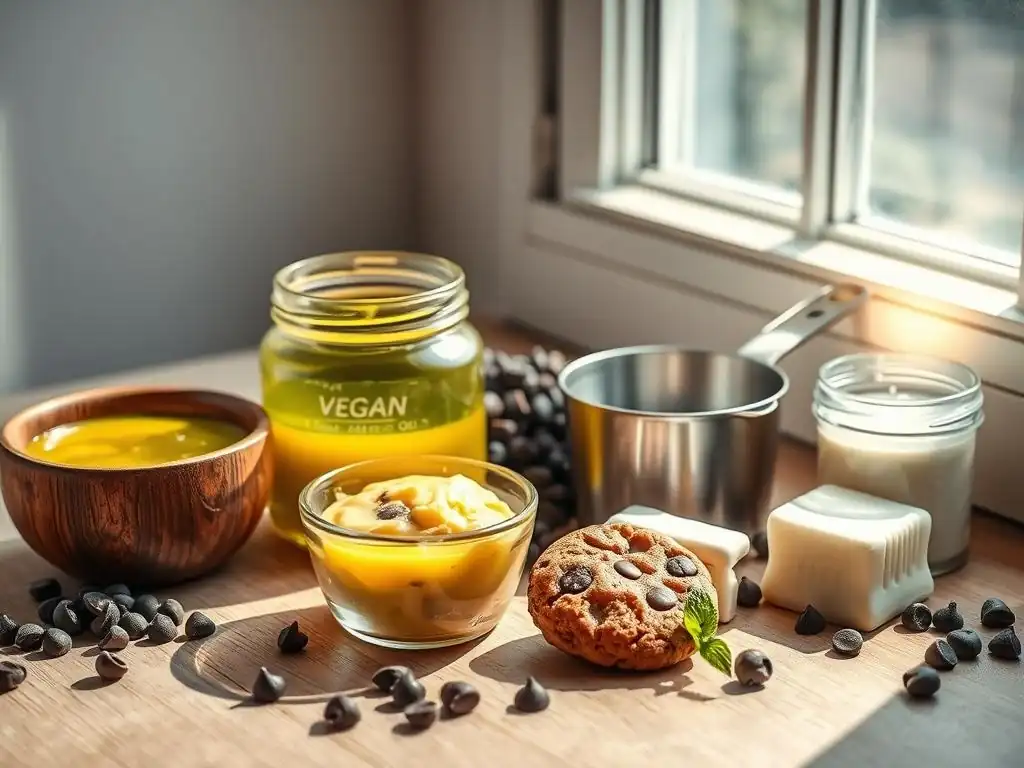
Coconut oil is a popular and versatile vegan baking fat, valued for its solid state at room temperature (below 76°F or 24°C), which makes it a good substitute for butter or shortening in certain recipes. Its high saturated fat content contributes to structure and tenderness. When used correctly, it can produce wonderfully moist cakes and crisp cookies. However, a common challenge with coconut oil is its tendency to spread excessively in cookies if not chilled properly, and it can sometimes leave a slightly greasy residue if too much is used or the temperature isn't managed.
It's particularly effective in recipes where fat is melted, such as many cookie doughs or quick breads. For instance, substituting melted dairy butter with melted coconut oil in a standard chocolate chip cookie recipe often works on a 1:1 volume basis, though chilling the dough thoroughly before baking is crucial to prevent excessive spread. It also performs well in simple cake recipes, contributing to a tender crumb. Mastering the nuances of working with coconut oil is a key vegan baking fat tip for many recipes.
Refined vs. Unrefined Coconut Oil: Choosing the Right Type
The primary difference between refined and unrefined (virgin) coconut oil lies in their processing and flavor profile. Unrefined coconut oil is minimally processed and retains a distinct coconut aroma and flavor. This makes it an excellent choice when you want to impart a tropical hint to your baked goods, such as in coconut macaroons, tropical-flavored cakes, or certain types of vegan curries baked into pastries.
Refined coconut oil, on the other hand, is processed to remove most of the coconut flavor and aroma, as well as impurities. This results in a neutral-tasting fat that behaves similarly to unrefined coconut oil in terms of texture and melting point but won't affect the flavor of your finished product.
For recipes where you don't want any coconut taste – like classic chocolate chip cookies, vanilla cakes, or pie crusts – refined coconut oil is the preferred option. Choosing between them depends entirely on the desired flavor outcome of your recipe, a crucial consideration among vegan baking fat tips.
Tips for Baking with Coconut Oil: Avoiding Greasiness
One of the most common issues bakers encounter when using coconut oil is a greasy texture or excessive spreading, particularly in cookies and pie crusts. This is often due to its lower melting point compared to traditional shortening or some vegan butter alternatives. A key vegan baking fat tip here is temperature control. When a recipe calls for solid fat cut into flour (like for biscuits or pie crust), ensure the coconut oil is very cold and solid, ideally straight from the refrigerator, and work quickly to prevent it from melting from the heat of your hands.
For cookies or recipes where the fat is creamed or melted, chilling the dough significantly before baking is paramount. For example, chilling cookie dough made with coconut oil for at least 30-60 minutes can drastically reduce spread and improve texture. If substituting for butter in a recipe, sometimes slightly less coconut oil (e.g., 7/8 cup instead of 1 cup) can help mitigate greasiness, although this requires experimentation depending on the specific recipe and other ingredients.
Vegan Butter Alternatives: A Comprehensive Guide
Vegan butter alternatives are specifically formulated to mimic the properties of dairy butter, making them one of the most straightforward substitutions in vegan baking. They are typically solid at room temperature and can be creamed with sugar, cut into flour for pastries, and melted for various applications. These products are usually made from a blend of vegetable oils (like palm, soy, canola, shea, or coconut), water, salt, emulsifiers (such as sunflower lecithin), and sometimes flavorings or colorings.
The effectiveness of vegan butter varies significantly between brands and types (sticks vs. tubs). Stick formulations are generally preferred for baking that requires creaming or cutting into flour, as they have a lower water content and firmer texture more akin to dairy butter. Tub varieties are often softer and contain more water, making them better suited for spreading or melting into sauces rather than precise baking applications like flaky pastry dough. Understanding the differences among brands and types is a key vegan baking fat tip for consistent results.
Exploring Different Brands of Vegan Butter
The market for vegan butter has expanded considerably, offering a variety of options, each with slightly different compositions and performance characteristics. Some popular brands include Miyoko's Kitchen, Melt Organic, Earth Balance, and Country Crock Plant Butter. Earth Balance, for example, offers several blends (soy-free, organic, whipped) which have been widely used for years and are known for being reliable all-purpose options, though some find their flavor distinct. Melt Organic uses a blend of coconut oil, shea butter, and sunflower oil and is often praised for its performance in pastry.
Miyoko's Kitchen stands out with its cultured, nut-based (often cashew) vegan butter, which offers a rich, tangy flavor and excellent texture, performing very well in applications like puff pastry and croissants. Country Crock Plant Butter offers stick formats made from various plant oil blends (like avocado, almond, or olive oil) and is designed to be a direct 1:1 substitute for dairy butter in most recipes. Experimenting with different brands is often necessary to find the one that best suits your specific baking needs and preferences, a practical vegan baking fat tip.
Vegan Butter vs. Dairy Butter: Key Differences
While vegan butter alternatives are designed to behave like dairy butter, there are fundamental differences that can impact baking results. Dairy butter contains milk solids, which contribute to browning and flavor development during baking (think of the nutty aroma of browned butter). Vegan butter lacks these milk solids, so baked goods made with vegan butter might not brown in exactly the same way, sometimes requiring slightly longer baking times or higher temperatures to achieve similar color.
Another crucial difference is the water content and the type of fats used. While stick vegan butters aim for around 70-80% fat like dairy butter, the source of the fat and the specific blend of oils affect melting point and plasticity. This can influence how well the butter creams with sugar (affecting rise in cakes and cookies) and how it behaves when cut into flour for pastries. Some vegan butters may melt faster or differently than dairy butter, requiring adjustments in chilling time or handling when making flaky doughs. Mastering these differences is a key vegan baking fat tip.
Miyoko's Kitchen Cultured Vegan Butter Review: Performance in Pie Crust
Miyoko's Kitchen Cultured Vegan Butter is highly regarded in the vegan baking community, particularly for applications requiring flaky layers, such as pie crusts, biscuits, and puff pastry. Unlike many vegan butters made solely from oil blends, Miyoko's is cultured using cashews and other plant ingredients, giving it a complex flavor profile reminiscent of traditional cultured dairy butter. Its composition and firmer texture make it an excellent candidate for cutting into flour.
In pie crust, for instance, using cold, cubed Miyoko's butter cut into flour yields a dough with distinct fat pockets. When baked, these pockets melt, creating steam and separating the layers of dough, resulting in a wonderfully flaky and tender crust. Its rich flavor also contributes positively to the overall taste of the pie. While it is typically more expensive than other vegan butters, many bakers find its performance in demanding pastry applications justifies the cost, making it a premium choice among vegan baking fat tips for serious pastry work.
Olive Oil: Unexpectedly Delicious in Vegan Baking
While often associated with savory cooking, olive oil can be a delightful and healthy vegan baking fat option, particularly in cakes, quick breads, and certain cookies. It contributes significant moisture and a unique flavor profile that can complement other ingredients beautifully. Unlike solid fats, olive oil doesn't contribute to flakiness or creaming in the same way, so it's best used in recipes where a liquid fat is called for or where a dense, moist crumb is desired.
Olive oil cakes are a classic example where this fat shines, resulting in a cake with a tender, moist crumb and a subtle fruity or peppery note depending on the oil used. It also works well in many muffin and quick bread recipes, often creating a lighter texture than solid fats. Substituting olive oil for solid fat typically requires using less oil, as it is 100% fat compared to butter's approximately 80%.
A common ratio is using about 3/4 cup of olive oil for every 1 cup of butter called for, though this can vary by recipe. This substitution is a useful vegan baking fat tip for adding richness and moisture.
Choosing the Right Olive Oil for Baking: Flavor Profiles
The type of olive oil you choose will significantly impact the flavor of your baked goods. Extra virgin olive oil (EVOO) is the least processed and retains the most flavor, ranging from fruity and floral to peppery and even slightly bitter. Using a good quality, flavorful EVOO in a recipe designed for it, like an olive oil cake or certain types of savory breads, can add wonderful complexity and depth.
For recipes where you want the moisture and richness of olive oil without a pronounced flavor, opt for a lighter olive oil or a refined olive oil blend. These oils have a more neutral taste profile, allowing the other flavors in the recipe to shine. For instance, using a light olive oil in banana bread or muffins will provide moisture without competing with the primary flavors. Consider the overall flavor profile you want to achieve when selecting your olive oil, a practical vegan baking fat tip.
Recipes Where Olive Oil Shines: Olive Oil Cake and Rosemary Bread
Certain recipes are specifically designed to highlight the unique qualities of olive oil as a vegan baking fat. The Olive Oil Cake is perhaps the most iconic example. This simple yet elegant cake relies on olive oil for its incredibly moist and tender crumb. The flavor of the olive oil becomes an integral part of the cake's profile, pairing wonderfully with citrus zest (like lemon or orange) or simple flavors like vanilla.
Another application where olive oil excels is in certain bread recipes, particularly those with Mediterranean influences. Focaccia, ciabatta, or simple rustic loaves often use generous amounts of olive oil in the dough and as a topping. For instance, a Rosemary Olive Oil Bread benefits from the richness of the oil, which contributes to a soft interior crumb and a slightly crisp crust, while the herb complements the oil's flavor. Using olive oil in these contexts is a fantastic vegan baking fat tip for achieving authentic textures and flavors.
Avocado Oil: A Neutral Option for Versatile Baking
Avocado oil is another excellent liquid vegan baking fat, prized for its extremely neutral flavor profile and high smoke point. Unlike coconut or olive oil, avocado oil imparts virtually no taste to baked goods, making it incredibly versatile for recipes where you want the fat to provide moisture and tenderness without adding any competing flavors. Its high smoke point also means it can be used in recipes that bake at higher temperatures without breaking down.
Composition-wise, avocado oil is primarily monounsaturated fat, similar to olive oil, which is often considered a healthier fat option. This makes it a good choice for health-conscious bakers. It's particularly well-suited for recipes that call for a neutral liquid oil, such as many muffin, quick bread, and cake recipes. Substituting avocado oil for other liquid oils (like vegetable or canola oil) is usually a straightforward 1:1 swap, offering a simple vegan baking fat tip for health-conscious modifications.
Benefits of Avocado Oil in Vegan Baking
One of the main benefits of using avocado oil in vegan baking is its neutral taste. This makes it a perfect substitute in recipes where the flavor of the fat is not meant to be prominent, allowing ingredients like vanilla, chocolate, fruit, or spices to be the stars. This is particularly useful in delicate cakes, light-colored muffins, or classic cookies where a pure flavor is desired.
Another significant advantage is its nutritional profile, being rich in monounsaturated fats. For bakers looking to incorporate healthier fats into their diet, avocado oil is a commendable choice. Furthermore, its high smoke point means it is stable at typical baking temperatures, reducing the risk of the oil breaking down and producing off-flavors or unhealthy compounds. These qualities make avocado oil a valuable addition to your arsenal of vegan baking fat tips.
Using Avocado Oil in Cakes, Muffins, and Breads
Avocado oil is incredibly versatile and can be used successfully in a wide range of baked goods, particularly those where a liquid fat is mixed directly into the batter. It performs exceptionally well in cakes and muffins, contributing to a moist, tender crumb without making the finished product greasy. For instance, using avocado oil in a vegan vanilla cake recipe helps ensure a light, fluffy texture and pure vanilla flavor.
Quick breads, such as banana bread or zucchini bread, also benefit from the moisture and neutral flavor provided by avocado oil. It blends easily into batters and helps keep the finished product soft and moist for longer. In some cookie recipes that call for melted butter or oil, avocado oil can be used as a 1:1 substitute for other neutral oils. Its ease of use and neutral profile make it a go-to liquid vegan baking fat tip for many everyday recipes.
Cocoa Butter: Adding Richness and Flavor to Vegan Treats
Cocoa butter is the fat extracted from the cocoa bean, and it is a fundamental ingredient in chocolate making. In vegan baking, it serves several unique purposes, primarily related to texture, richness, and adding a subtle chocolatey aroma, even in its deodorized form. Cocoa butter is solid at room temperature and has a relatively high melting point (around 90-100°F or 32-38°C), which means it melts sharply and quickly in the mouth, contributing to a smooth, luxurious texture.
Its hardness at room temperature also means it can add structure and a desirable snap or crispness to baked goods. It's not typically used as a primary fat for creaming or flakiness in the same way as butter, but rather as an additive or a key component in specific recipes. Using cocoa butter requires melting it gently, as overheating can damage its properties. Incorporating cocoa butter is a specialized vegan baking fat tip often used for enhancing chocolate-flavored treats.
Understanding Cocoa Butter's Unique Properties
Cocoa butter is primarily composed of saturated and monounsaturated fats, with a unique crystalline structure that gives chocolate its snap and smooth melt. This structure is key to tempering chocolate, a process that involves heating and cooling chocolate to stabilize the cocoa butter crystals, resulting in a glossy, firm finish. While tempering isn't always necessary for baking, understanding this property helps explain how cocoa butter behaves.
Its high melting point compared to many other fats means baked goods containing cocoa butter can be firmer at room temperature. For instance, adding a small amount of melted cocoa butter to vegan chocolate chip cookies can contribute to a slightly crispier edge and a richer flavor. Even deodorized cocoa butter retains a faint chocolatey aroma, which can enhance the overall sensory experience of chocolate or cocoa-based vegan treats.
Using Cocoa Butter in Vegan Chocolate and Pastries
Cocoa butter is indispensable for making vegan chocolate from scratch, providing the necessary fat structure and melt properties. Combining melted cocoa butter with cocoa powder and a sweetener (like powdered sugar or maple syrup) is the basis for simple homemade vegan chocolate. It's also used in vegan white chocolate, where it's blended with sugar and plant-based milk powder.
Beyond chocolate making, cocoa butter can be incorporated into other vegan baked goods to improve texture and richness. A small amount of melted cocoa butter can be added to vegan cookie doughs to promote crispness and a better snap. It can also be used in vegan ganaches or pastry creams to provide a firmer set and a smoother mouthfeel. Experimenting with small additions of cocoa butter is an advanced vegan baking fat tip for enhancing specific textures and flavors.
Nut Butters: A Natural Source of Fat and Flavor
Nut butters like peanut butter, almond butter, and cashew butter are not pure fats, as they also contain protein, carbohydrates, and fiber. However, their high fat content makes them significant contributors of fat in certain vegan baking applications, while also adding distinct flavors and textures. The fat content in natural nut butters typically ranges from 45% to over 55%.
Using nut butters introduces unique characteristics to baked goods. They tend to create denser, chewier textures compared to recipes using solid fats or oils. Their strong flavors also mean they are best used in recipes where their taste is desired and complements the other ingredients. They are particularly popular in cookies, brownies, and certain types of bars. Understanding how the protein and fiber content affects texture is part of using this type of vegan baking fat effectively.
Almond Butter, Peanut Butter, Cashew Butter: Choosing the Best for Your Recipe
The choice of nut butter depends largely on the desired flavor and texture. Peanut butter is a classic, providing a strong, recognizable flavor that pairs wonderfully with chocolate. Natural peanut butter, which separates into oil and solids, may require stirring and can result in slightly drier baked goods than processed versions with added oils and sugar, though many recipes are formulated specifically for natural varieties. Peanut butter typically contains around 50-52% fat.
Almond butter has a milder, slightly sweeter flavor than peanut butter and can be used when a less dominant nutty taste is desired. Its fat content is similar to peanut butter, often around 48-50%. Cashew butter is the creamiest and most neutral-flavored among the common nut butters, making it suitable for recipes where you want richness and moisture without a strong nutty taste. It's also slightly lower in fat than peanut or almond butter, averaging around 45% fat. Choosing the right nut butter is a flavorful vegan baking fat tip.
Incorporating Nut Butters into Cookies and Brownies
Nut butters are frequently used as a primary fat source in vegan cookies and brownies, contributing moisture, richness, and a chewy or fudgy texture. Classic peanut butter cookies often rely almost entirely on peanut butter for their fat content, resulting in a dense, chewy cookie with characteristic fork tines pressed on top. These recipes often use a simple ratio of peanut butter, sugar, and a binder like flax egg.
In brownies, adding a swirl of nut butter or incorporating it into the batter can enhance richness and create a fudgier texture. For example, swirling almond butter into a vegan chocolate brownie batter adds moisture and a subtle nutty note. The protein and fiber in nut butters also contribute to the structure and chewiness of these baked goods. Experimenting with different nut butters in your favorite cookie or brownie recipes is a delicious vegan baking fat tip.
Vegan Baking Fat Conversion Chart: Easy Substitutions
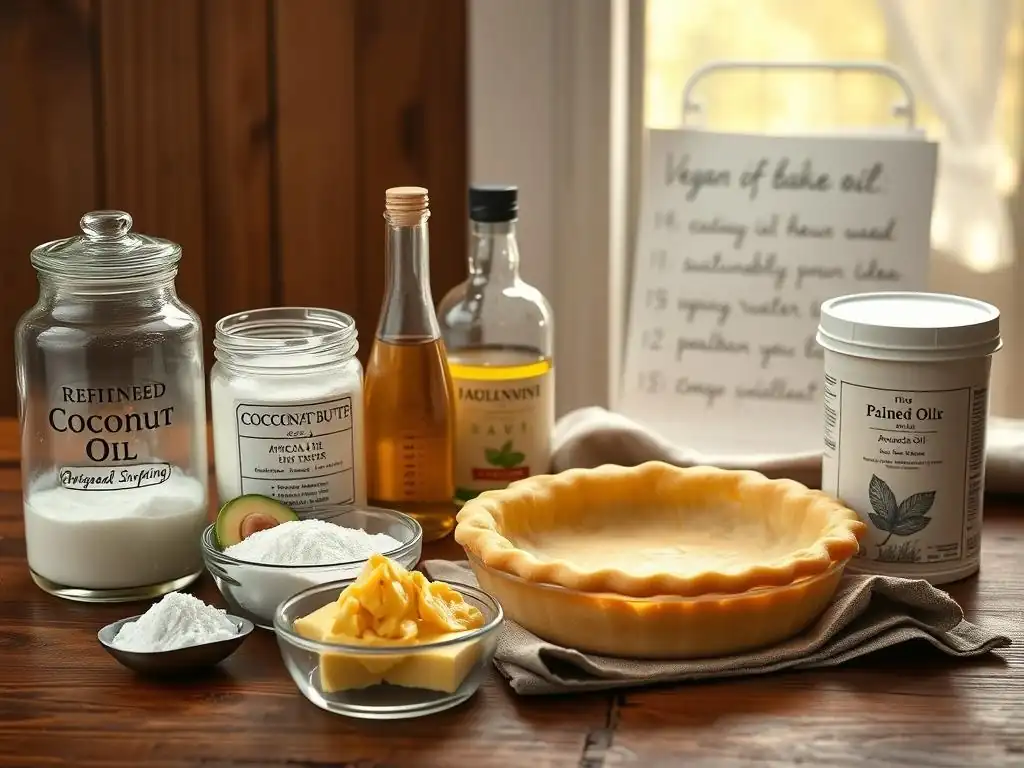
Making substitutions is a common practice in vegan baking, and having a reliable guide for converting traditional fats to vegan alternatives is incredibly helpful. While a precise conversion can sometimes require slight adjustments based on the specific recipe and brand of vegan fat used, general guidelines can provide a good starting point. This is especially true when substituting dairy butter with vegan butter alternatives or liquid oils.
Keep in mind that the goal is not just to match the amount of fat, but also to approximate the fat's behavior in the recipe (e.g., solid for creaming or flakiness, liquid for moisture). Understanding the typical composition of different fats – dairy butter at ~80% fat, stick vegan butter at ~70-80% fat, liquid oils at ~100% fat, and nut butters varying widely – is crucial for making informed substitutions. Referencing a conversion chart is a practical vegan baking fat tip.
Converting Dairy Butter to Vegan Fats: A Simple Guide
Converting dairy butter to vegan fats is one of the most frequent substitutions in vegan baking. For stick vegan butter alternatives designed for baking, a 1:1 substitution by weight or volume is often a good starting point. If a recipe calls for 1 cup of dairy butter, use 1 cup of stick vegan butter. However, be mindful that some vegan butters have a higher water content than dairy butter, which might require slight adjustments (like adding a tablespoon or two more flour) in finicky recipes like pie crusts or certain cookies.
When substituting dairy butter with a liquid oil like melted coconut oil (for recipes where fat is melted), olive oil, or avocado oil (for recipes calling for liquid fat or where a dense, moist texture is desired), you generally need less oil because it is 100% fat. A common conversion is using about 3/4 cup of liquid oil for every 1 cup of dairy butter. This is a general guideline; the optimal amount can vary depending on the specific recipe's balance of wet and dry ingredients. Utilizing these conversion rules is a fundamental vegan baking fat tip.
Adjusting Recipes for Optimal Texture and Flavor
Simply swapping fats using a conversion ratio is often a good starting point, but achieving truly optimal results in vegan baking frequently requires further adjustments. The type of fat used impacts not just texture but also flavor and how the finished product browns. For instance, using a neutral vegan butter alternative might result in less browning than dairy butter, potentially requiring a slightly longer bake time or higher temperature to achieve the desired color.
If a recipe becomes too dry or crumbly when substituting fat, it might indicate that the fat used doesn't provide enough moisture or interferes with gluten development differently. Conversely, if it's too greasy or spreads too much, the fat might have too low a melting point for the recipe's structure. Don't be afraid to make small adjustments – adding a splash more liquid for dryness or a tablespoon more flour for excessive spread.
Tasting and adjusting flavors, especially when using fats like unrefined coconut oil or olive oil, is also key. Mastering these adjustments is an advanced vegan baking fat tip.
Troubleshooting Common Issues with Vegan Baking Fats
Even with the best vegan baking fat tips, issues can sometimes arise. Common problems include dryness, crumbliness, excessive spread, or a lack of flakiness. Understanding the potential causes related to your chosen vegan fat can help you diagnose and fix these issues, leading to more consistent and successful results in your vegan baking endeavors. Patience and a willingness to experiment are valuable assets here.
For example, a cake that comes out dry might be due to using a vegan butter with too high a water content or not enough total fat for the recipe's structure. Cookies that spread too much could be a sign that the fat (like coconut oil or a low-quality vegan butter) melted too quickly before the structure set, often compounded by warm dough or oven temperature issues. Addressing these specific challenges is part of refining your vegan baking fat tips.
Dryness, Crumbliness, and Other Baking Fails: Solutions
If your vegan baked goods are consistently dry or crumbly, the issue might stem from the fat used. Some vegan butter alternatives can have a higher water content than dairy butter, effectively reducing the amount of fat in the recipe relative to the dry ingredients. Ensure you are using a stick-style vegan butter formulated for baking, which typically has a lower water content. If using a liquid oil substitution, double-check your conversion ratio; too little oil will lead to dryness.
Another factor can be the type of fat's interaction with flour. Some vegan fats might not coat flour particles as effectively as traditional options, leading to more gluten development and a tougher, drier crumb. Consider adding a touch more fat or liquid (like plant milk or applesauce) to the recipe to compensate. For instance, if a muffin recipe is dry with a specific vegan butter, try adding 1-2 tablespoons of extra plant milk in your next attempt. Adjusting hydration is a useful vegan baking fat tip for combating dryness.
Tips for Achieving the Perfect Flaky Crust with Vegan Fats
Achieving a perfectly flaky pie crust or biscuit using vegan fats relies heavily on replicating the behavior of cold, solid fat cut into flour. The key is using a solid vegan fat that is very cold and firm – stick vegan butter alternatives or solid refined coconut oil are good candidates. Avoid tub-style vegan butters, as their softer texture and higher water content make flakiness difficult.
Cut the very cold vegan fat into the flour using a pastry blender, fork, or your fingertips until the mixture resembles coarse meal with some pea-sized pieces of fat remaining. These fat pieces are crucial for creating layers. Use minimal liquid (ice-cold plant milk or water works well) and handle the dough as little as possible to prevent the fat from melting and gluten from developing excessively. Chilling the dough thoroughly (for at least 30 minutes) before rolling and baking is a non-negotiable vegan baking fat tip for a flaky crust.
Expert Tips for Using Vegan Baking Fats
Beyond choosing the right fat, employing proper techniques is essential for success in vegan baking. Paying attention to how you measure your fats, managing their temperature, and storing them correctly can significantly impact the outcome of your recipes. These expert vegan baking fat tips help ensure consistency and optimal results every time you bake.
Accuracy in measurement is particularly important with fats, as small variations can affect texture. Temperature control is critical, especially when working with solid fats that need to be cold for flakiness or softened for creaming. Proper storage helps maintain the quality and performance of your vegan fats over time, preventing issues like rancidity.
Measuring Techniques for Accurate Results
Accurate measurement is paramount in baking, and this holds true for vegan fats. For solid fats like stick vegan butter or solid coconut oil, use the displacement method or pack the fat firmly into dry measuring cups, leveling off the top with a straight edge. Avoid scooping loosely, as this can result in using too little fat. Weighing solid fats using a kitchen scale is the most accurate method, especially for recipes where precision is critical.
For liquid vegan fats like oils, use liquid measuring cups placed on a flat surface at eye level to ensure the measurement is accurate. Since oils are 100% fat, their impact on a recipe is more significant gram for gram than butter, making precise measurement even more important when substituting. Using accurate measurement techniques is a fundamental vegan baking fat tip.
Temperature Considerations for Different Vegan Fats
The temperature of your vegan fat is a critical factor influencing the texture of your baked goods. For recipes requiring creaming (like many cakes and cookies), solid vegan butter alternatives should be softened to room temperature (around 68-72°F or 20-22°C). It should be pliable but not greasy or melted. Creaming softened fat with sugar incorporates air, contributing to the lift and texture of the final product.
For flaky pastries like pie crusts, biscuits, or scones, solid vegan fat (vegan butter or solid coconut oil) must be very cold and firm, ideally straight from the refrigerator or even briefly placed in the freezer. This ensures that the fat pieces remain distinct when cut into the flour, creating those crucial layers for flakiness. Liquid fats like oils are typically used at room temperature or as called for in the recipe (e.g., melted coconut oil). Always pay attention to the temperature specified in the recipe, a key vegan baking fat tip.
Storing Vegan Baking Fats for Optimal Freshness
Proper storage is essential to maintain the quality and performance of your vegan baking fats. Liquid oils like olive oil, avocado oil, and refined coconut oil should be stored in a cool, dark place away from heat and light, which can cause them to become rancid. Ensure the caps are tightly sealed after each use. Most liquid oils have a relatively long shelf life when stored correctly.
Solid vegan butter alternatives and unrefined coconut oil often benefit from refrigeration, especially if you live in a warm climate. While stick vegan butters can sometimes be stored at cool room temperature, refrigeration extends their shelf life and ensures they are firm when needed for recipes requiring cold fat. Unrefined coconut oil's distinct flavor can degrade if not stored properly. Always check the packaging for specific storage recommendations, an important vegan baking fat tip for ensuring quality.
Conclusion: Mastering Vegan Baking with the Right Fats
Choosing the right vegan baking fat is perhaps one of the most impactful decisions you can make to improve the quality of your plant-based baked goods. From achieving tender crumbs in cakes and cookies to creating incredibly flaky pie crusts and biscuits, the type of fat used plays a starring role. We've explored a range of options, including versatile vegan butter alternatives, moistening oils like coconut, olive, and avocado, structural cocoa butter, and flavorful nut butters.
Each fat brings unique properties to the table, offering different textures, flavors, and behaviors in recipes. By understanding these characteristics and applying practical vegan baking fat tips – such as proper measurement, temperature control, and making informed substitutions – you can confidently tackle any vegan recipe. Don't be afraid to experiment with different fats and techniques to discover what works best for your favorite treats. With the right vegan baking fat tips and practice, achieving delicious, perfectly textured vegan baked goods is well within your reach.
Frequently Asked Questions
What are the best vegan fats to use for baking tender results?
The best vegan fats for tender results are generally those with a high fat content and lower water content. Options like refined coconut oil, vegan butter sticks, and vegetable shortening often produce excellent results.
How do vegan fats affect the flakiness of baked goods?
Vegan fats contribute to flakiness by creating layers when chilled and incorporated into dough. Solid vegan fats, like chilled vegan butter or shortening, are essential for creating steam and separation that results in a flaky texture.
Can I substitute vegan fats directly for butter in all baking recipes?
While often possible, a direct 1:1 substitution may not always yield the exact same result. Consider the fat's melting point and flavor profile. Experimentation and recipe-specific guidance are crucial for optimal results.
What are some common mistakes to avoid when using vegan fats in baking?
A common mistake is using melted vegan butter when a solid fat is required. Also, using unrefined coconut oil can impart a coconut flavor. Always consider the recipe's instructions and fat's characteristics.
Where can I find reliable vegan baking fat tips and recipes?
BakeWithEase.com is a great resource! It offers simple recipes, techniques, and tips specifically for vegan baking, including guidance on using vegan fats for various baked goods.
Final Reflection: Unlocking the Secrets of Vegan Baking
The quest for perfectly tender, flaky vegan baked goods is far from over, but this exploration into the best vegan fats has illuminated a crucial path forward. Understanding the unique properties of different fats—from the richness of coconut oil to the neutral profile of avocado oil—is no longer a niche pursuit; it's a key to unlocking truly exceptional vegan baking for everyone.
This journey into the world of vegan baking fats has profoundly impacted my own approach to cooking. I've learned to appreciate the subtle nuances each fat brings, moving beyond simple substitutions and embracing the creative possibilities they offer. The best baker is the one who is not afraid to experiment.
This quote, though not specifically about vegan baking, perfectly encapsulates the spirit of exploration and innovation that this research has inspired in me. The ongoing evolution of vegan baking relies on this very spirit, pushing boundaries and refining techniques to achieve ever-greater heights.
Now, it's your turn. Don't be afraid to experiment with these different fats, to discover your own favorites, and to push the boundaries of what's possible in vegan baking. Consider the texture you desire—do you crave a melt-in-your-mouth crumb or a crisp, golden-brown crust? The choice of fat is your first step towards achieving that perfect result. Embrace the process, savor the results, and share your discoveries with others. The world of vegan baking awaits your creative touch.
Unlock Your Baking Potential: Master Vegan Fats!
Thanks for joining us on this delicious journey into the world of vegan baking! We hope you've discovered some new techniques and ingredients to elevate your creations. Now it's time to put your newfound knowledge to the test.
- Bake your dream vegan pastry: Choose one recipe from the article that excites you and get baking! Experiment with different vegan fats to see what you prefer.
- Share your masterpiece: Show off your baking skills and inspire others by sharing your results on social media using #BakeWithEaseVeganFats.
- Dive Deeper into Vegan Baking: Explore other articles on our site for more tips and recipes to help you perfect your vegan baking game.
What unique vegan fat are you most excited to experiment with in your next bake?