
Freezing Dough: Have Homemade Bread and Cookies Ready in Minutes


Welcome to BakeWithEase, your trusted companion on the journey to baking brilliance! Ever dreamt of having freshly baked bread or warm cookies at a moment's notice? This article unlocks the secret to effortless baking: the freezing bread dough recipe. Discover how you can prepare dough ahead of time and enjoy homemade goodness whenever the craving strikes. Curious to learn how? Read on and transform your baking routine!
- Freezing Dough: Bake Fresh Bread and Cookies Anytime
- Freezing Bread Dough: A Comprehensive Guide
- Freezing Bread Dough: Step-by-Step Instructions
- Freezing Cookie Dough: Maximize Baking Efficiency
- Thawing Frozen Dough: Optimal Methods for Best Results
- Baking with Frozen Dough: Achieving Baking Success
- Storing Frozen Dough: Maximizing Shelf Life
- Freezing Different Dough Types: Detailed Considerations
- Freezer-Friendly Dough Recipes
- Advanced Freezing Techniques: Elevate Your Baking
-
Frequently Asked Questions
- What types of bread dough can I freeze using a freezing bread dough recipe?
- How long can I keep bread dough frozen without affecting the quality of the baked product?
- What's the best method for thawing frozen bread dough?
- Can I freeze cookie dough as well as bread dough?
- What are some key tips for successfully freezing bread dough to ensure it rises properly after thawing?
- Final Reflection: The Future of Fresh-Baked Goodness is Frozen
- Unlock Your Baking Superpowers!
Having freshly baked bread and cookies ready to go whenever the craving strikes is a baker's dream. Freezing dough makes this dream a reality, allowing you to prepare in advance and bake on demand. Whether you're looking to save time during a busy week or simply want the convenience of homemade treats without the full-day commitment, mastering how to freeze dough is a game-changer. This guide covers everything from freezing bread dough to perfect cookie dough techniques.
Freezing Bread Dough: A Comprehensive Guide
Freezing bread dough is an excellent way to streamline your baking process. It allows you to make a large batch of dough when you have time and bake smaller portions later. This flexibility is particularly useful for busy households or for those who prefer smaller, fresh loaves over one large one. The key is understanding how to preserve the dough's structure and yeast activity during the freezing and thawing process.
Benefits of Freezing Bread Dough: Convenience and Quality
The primary benefit of freezing bread dough is unparalleled convenience. Imagine having dough ready to proof and bake whenever you want, significantly cutting down the prep time on baking day. This means you can enjoy warm, homemade bread with minimal effort, perfect for weeknight dinners or unexpected guests. A proper freezing bread dough recipe allows you to maintain a high quality product.
Beyond just saving time, freezing can also help manage ingredient usage and reduce waste. If you make a large batch of dough, you don't have to feel pressured to bake it all at once. You can simply freeze portions for future use, ensuring that ingredients like flour and yeast are used efficiently. Anecdotal evidence from home bakers suggests that loaves baked from properly frozen and thawed dough can be almost indistinguishable in quality from those baked fresh, retaining a good crumb structure and flavor.
Understanding Dough Freezing: Maintaining Freshness
Understanding what happens to dough in the freezer is crucial for success. Yeast, the leavening agent, goes dormant at freezing temperatures. However, ice crystals can form and damage the gluten structure, which is essential for the bread's texture. The goal of effective dough freezing is to minimize this damage and keep the yeast viable.
Factors like the type of flour, yeast concentration, and the dough's hydration level can influence how well it freezes. Higher hydration doughs, for example, might be more susceptible to ice crystal damage. Using slightly more yeast than a standard recipe is sometimes recommended for dough intended for freezing, as some yeast cells may die during the process. This ensures there are enough active cells left to provide adequate leavening after thawing.
Freezing Bread Dough: Step-by-Step Instructions
Successfully freezing bread dough involves more than just putting it in the freezer. Proper preparation ensures the dough maintains its quality and is ready to perform after thawing. Following a systematic approach guarantees the best results for your freezing bread dough recipe.
Preparing Dough for Freezing: Essential Steps
Before freezing, the dough should undergo its first rise (bulk fermentation). However, it's often recommended to slightly under-proof the dough before freezing. This is because the yeast continues some minimal activity even at near-freezing temperatures, and it will have another opportunity to rise during thawing and the final proof.
After the first rise, gently punch down the dough to release excess gas. Divide the dough into the desired portion sizes for baking. For individual loaves or rolls, shape them before freezing. This saves a step on baking day and allows the dough to maintain its intended form. For pizza dough or larger batches, you might freeze it in a single block or divided portions.
Shaping and Pre-Freezing: Preventing Sticking
Shaping the dough before freezing is a key step, especially for rolls, buns, or shaped loaves. Once shaped, place the individual pieces on a baking sheet lined with parchment paper. Ensure there is space between each piece to prevent them from sticking together.
Place the baking sheet with the shaped dough into the freezer for about 1-2 hours, or until the dough pieces are solid to the touch but not frozen solid throughout. This pre-freezing step, also known as flash freezing, is vital. It allows you to transfer the individual, firm dough pieces into a single freezer bag or container without them clumping together, making it easy to grab just the amount you need later.
Selecting Freezer-Safe Containers and Wrapping Options
Proper packaging is crucial to protect the dough from freezer burn and absorption of freezer odors. Air is the enemy when freezing dough. Use materials that form a tight seal around the dough.
Excellent options include heavy-duty freezer bags, rigid plastic containers with airtight lids, or wrapping the dough tightly first in plastic wrap, then in aluminum foil. For shaped dough, after flash freezing, transfer the pieces to a freezer bag, pressing out as much air as possible before sealing. For dough blocks, wrap tightly in plastic wrap followed by a layer of foil or place in an airtight container. Label each package with the type of dough and the date it was frozen. aim to use within 1-3 months for optimal quality when following a freezing bread dough recipe.
Freezing Lean Doughs vs. Enriched Doughs: Key Differences
Different dough types behave differently when frozen. Lean doughs, made primarily from flour, water, yeast, and salt (like French bread or pizza dough), tend to freeze quite well. Their simpler structure is less prone to damage from ice crystals compared to richer doughs.
Enriched doughs, which contain ingredients like eggs, milk, butter, or sugar (such as brioche, challah, or sweet rolls), present more challenges. The fats and sugars can interfere with gluten development and yeast activity during the freezing and thawing process. While still possible to freeze, these doughs might require slightly longer proofing times after thawing, and the final texture might be slightly denser compared to baking fresh. Adjusting the yeast slightly upwards in an enriched dough recipe intended for freezing is a common practice to compensate for potential yeast loss.
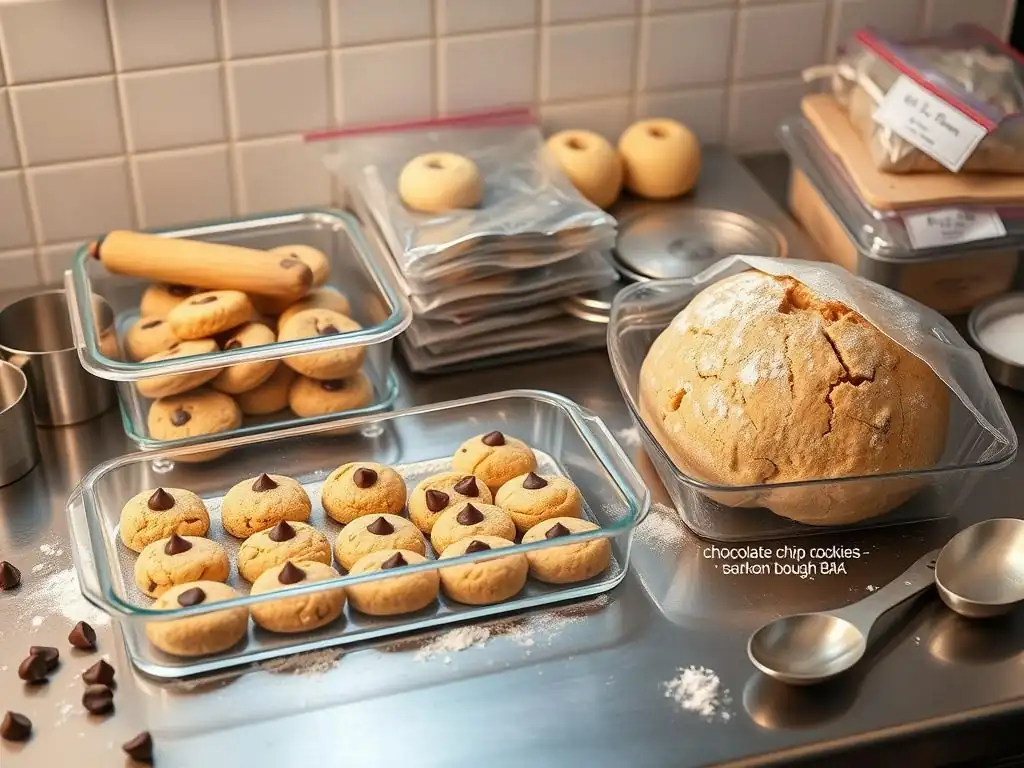
Freezing cookie dough is perhaps one of the simplest yet most effective baking hacks for convenience. It allows you to have warm, fresh cookies ready in minutes, perfect for satisfying sudden sweet cravings or baking just a few at a time. The process is straightforward and works well for most standard cookie dough recipes.
You have two primary options for freezing cookie dough: as individual scooped balls or as a rolled log. Freezing as scooped balls is ideal for drop cookies like chocolate chip, peanut butter, or oatmeal cookies. Simply scoop the dough using a cookie scoop onto a parchment-lined baking sheet and flash freeze until firm (about 1-2 hours). Once firm, transfer the dough balls to a freezer-safe bag or container. This method is incredibly convenient as you can bake the balls directly from frozen.
Freezing as a rolled log is perfect for slice-and-bake cookies like sugar cookies or shortbread. Form the dough into a log shape, wrap it tightly in plastic wrap, and then wrap again in foil or place in a freezer bag. When ready to bake, simply unwrap the log, let it soften slightly if needed, and slice into rounds before baking. Both methods offer significant time savings on baking day.
Preventing Freezer Burn: Dough Protection Techniques
Freezer burn occurs when air comes into contact with the food's surface, causing dehydration and oxidation, which can lead to dry, discolored spots and off-flavors. Preventing freezer burn is key to maintaining the quality of your frozen cookie dough.
The best defense against freezer burn is airtight packaging. For scooped dough balls, after flash freezing, transfer them to a high-quality freezer bag and press out as much air as possible before sealing. For logs, wrap tightly in plastic wrap directly against the dough's surface, ensuring no air pockets, followed by an outer layer of aluminum foil or placement in a rigid, airtight container. Double-wrapping provides an extra layer of protection against moisture loss and flavor absorption.
Most standard cookie doughs freeze exceptionally well, including popular varieties like chocolate chip, sugar, oatmeal, and peanut butter. Doughs with a higher fat content, like shortbread or butter cookies, tend to freeze particularly well due to the protective nature of fat.
Doughs containing large chunks of fruit or nuts might require careful wrapping to prevent sharp edges from piercing the packaging. While most cookie doughs are freezer-friendly, recipes with very delicate structures or high moisture content (like some meringue-based cookies) might not freeze as successfully. Always test freezing a small batch if you're unsure about a specific recipe. A standard chocolate chip cookie dough frozen as scooped balls can retain excellent quality for up to 3-4 months.
Thawing Frozen Dough: Optimal Methods for Best Results
Thawing dough correctly is just as important as freezing it properly. Improper thawing can lead to dough that is sticky, lacks structure, or doesn't rise properly. Patience is often key, especially with bread dough.
Thawing Bread Dough: Refrigerator vs. Room Temperature
The recommended method for thawing most frozen bread dough is slowly in the refrigerator. This gradual thawing minimizes stress on the gluten structure and allows the yeast to wake up gently. Transfer the frozen dough (shaped or in a block) to a greased bowl or baking pan, cover loosely with plastic wrap, and place it in the refrigerator for 8-12 hours, or overnight.
Once thawed in the refrigerator, the dough will need to come to room temperature and undergo its final proof. This can take 1-3 hours depending on the ambient temperature. A faster method is to thaw at room temperature, but this requires more careful monitoring. Place the dough in a greased bowl, cover, and let it thaw and proof simultaneously at room temperature. This can take 3-5 hours. Ensure the dough is fully thawed and has doubled in size before baking.
Thawing cookie dough is generally much faster and simpler than thawing bread dough. If you froze the dough as scooped balls, you often don't need to thaw them at all. Most recipes allow you to place the frozen dough balls directly onto a baking sheet and bake, adding a few extra minutes to the baking time.
If you froze the dough as a log, you'll need to let it soften slightly before slicing. You can let the log sit at room temperature for 15-30 minutes until it's firm enough to slice cleanly but not frozen solid. Alternatively, you can thaw the log in the refrigerator for a couple of hours. Avoid thawing cookie dough in the microwave, as this can unevenly heat the dough and affect its texture.
Troubleshooting: Addressing Common Thawing Problems
Sometimes, frozen and thawed dough doesn't behave exactly as expected. A common issue with bread dough is reduced rise after thawing. This can be due to yeast damage during freezing or insufficient proofing time after thawing. If your dough seems sluggish, give it more time to proof in a warm spot.
If thawed dough is excessively sticky, it might have thawed too quickly, or ice crystals could have damaged the gluten. Try handling it gently and use a little extra flour if necessary, but avoid adding too much, which can make the bread tough. For cookie dough, crumbling after thawing can indicate freezer burn or too much moisture loss. Ensure airtight packaging to prevent this in the future.
Baking with Frozen Dough: Achieving Baking Success

Baking dough that has been frozen requires slight adjustments compared to baking fresh dough. These small tweaks ensure that your baked goods achieve the desired texture, rise, and color.
Adjusting Baking Times: Compensating for Cold Dough
Whether you're baking frozen bread dough or frozen cookie dough, the cold temperature of the dough means it will take longer to heat through in the oven. For bread dough baked directly from a partially thawed or room-temperature state (after thawing and proofing), the baking time might be similar to fresh dough. However, if you're baking smaller items like rolls directly from frozen (after flash freezing and transferring to a pan), you will need to add several minutes to the standard baking time.
For cookies baked directly from frozen scooped balls, expect to add 2-5 minutes to the baking time specified in the recipe. For example, if a standard cookie recipe bakes for 10-12 minutes, frozen cookies might need 12-17 minutes. Always rely on visual cues like golden edges or a set center rather than strictly adhering to the original time when baking from frozen.
Achieving a Perfect Crust: Tips for Frozen Bread Dough
Achieving a beautiful, crispy crust on bread baked from frozen dough is absolutely possible. Ensure the dough is fully proofed before baking. An under-proofed loaf will have less oven spring and a potentially duller crust.
Baking in a preheated oven is crucial. Consider using a baking stone or steel, which helps conduct heat efficiently to the bottom of the loaf, promoting a good crust. For artisanal loaves, creating steam in the oven during the initial baking phase is highly effective. You can do this by placing a tray of hot water on the bottom rack or using a Dutch oven. The steam keeps the surface of the dough moist, allowing it to expand fully before the crust sets, resulting in a thinner, crisper crust.
Baking cookies from frozen dough requires careful attention to ensure even cooking. Because the dough is cold, the edges might start browning before the center is fully baked.
Place frozen cookie dough balls on a baking sheet lined with parchment paper, spacing them adequately apart (they won't spread quite as much initially as fresh dough, but they still need room). Avoid overcrowding the baking sheet. If your oven has hot spots, rotate the baking sheet halfway through the extended baking time to promote even browning. Pay attention to the edges; they should be set and lightly golden. The centers might still look slightly soft but will firm up as they cool on the baking sheet for a few minutes before transferring to a wire rack.
Storing Frozen Dough: Maximizing Shelf Life
Proper storage is key to ensuring your frozen dough remains viable and delicious for as long as possible. While freezing extends shelf life significantly, it doesn't make food last forever.
Bread Dough Storage: Optimal Freezing Duration
For best quality, frozen bread dough should ideally be used within 1 to 3 months. While it might remain safe to eat for longer, the quality, particularly the yeast's viability and gluten structure integrity, can degrade over time, leading to reduced rise and a less desirable texture in the final baked product.
Storing the dough at a consistent freezer temperature of 0°F (-18°C) or lower is essential. Fluctuations in temperature can cause thawing and refreezing, which accelerates ice crystal formation and quality deterioration. Always label your frozen dough with the date to keep track of how long it's been stored.
Frozen cookie dough generally has a slightly longer optimal shelf life than bread dough, typically remaining high quality for 3 to 6 months. The higher fat and sugar content in many cookie doughs helps protect them during freezing.
As with bread dough, airtight packaging and a consistent freezer temperature are paramount. Keep the frozen dough away from strong-smelling foods in the freezer, as it can absorb odors. Using sturdy freezer bags or containers specifically designed for freezing offers the best protection against flavor degradation and texture changes.
Identifying Freezer Burn: Recognizing Spoilage
Freezer burn is the most common sign of quality degradation in frozen dough. On bread dough, it might appear as dry, discolored patches (often grayish or brownish) on the surface. These areas will likely result in dry, tough spots in the baked bread.
On cookie dough, freezer burn can manifest as dry, crumbly surfaces or discoloration. While freezer-burned dough is generally safe to eat, the quality will be compromised. Severe freezer burn can lead to off-flavors. Using proper wrapping techniques and ensuring the dough is used within its optimal storage period are the best ways to avoid freezer burn.
Freezing Different Dough Types: Detailed Considerations
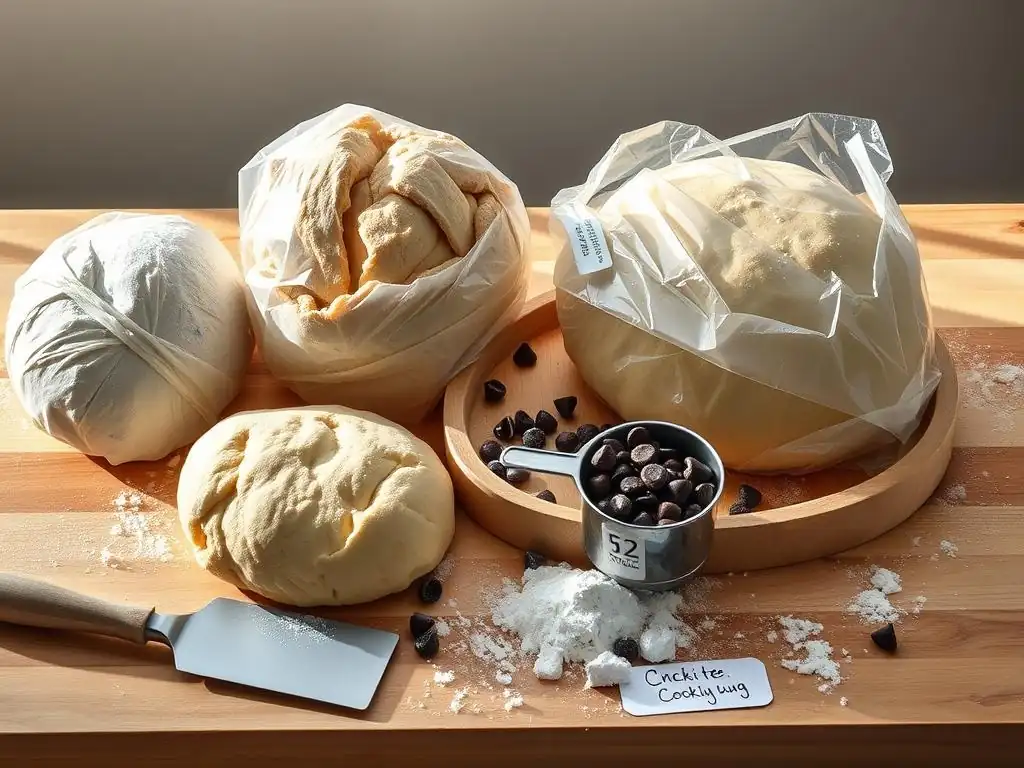
While the general principles of freezing apply to most doughs, specific types require tailored approaches to maintain their unique characteristics after thawing and baking.
Freezing Sourdough: Maintaining Starter Activity
Freezing sourdough involves preserving both the dough and, indirectly, the activity of the wild yeast and bacteria from the starter. The most common method is to freeze the dough after its bulk fermentation but before shaping and final proofing. Gently deflate the dough, divide it into portions, and follow the standard freezing bread dough recipe steps, including flash freezing and airtight packaging.
Some sourdough bakers also successfully freeze a portion of their active starter. To do this, feed your starter as usual, let it become active, then transfer a portion to a small, freezer-safe container. Freeze immediately. To revive, thaw the starter in the refrigerator, then feed it regularly at room temperature until it becomes active again. This can take a few feeding cycles, but it's a reliable backup method.
Freezing Pizza Dough: Achieving a Crispy Crust After Thawing
Pizza dough freezes exceptionally well, making it a perfect candidate for make-ahead meals. After the first rise, divide the dough into individual pizza-sized portions. Shape each portion into a ball, then lightly coat with olive oil to prevent sticking and freezer burn.
Flash freeze the dough balls on a parchment-lined tray until solid. Then, transfer them to a freezer bag or wrap each ball tightly in plastic wrap followed by foil. To bake, thaw the dough in the refrigerator overnight or at room temperature for 2-4 hours until pliable. Shape the dough gently, add toppings, and bake in a very hot oven (ideally 450-500°F or 230-260°C) on a preheated pizza stone or steel for a crispy crust, following your favorite freezing bread dough recipe for pizza.
Freezing Brioche: Preserving Richness and Delicate Texture
Brioche, being an enriched dough with high fat and egg content, requires careful handling when freezing. It's best to freeze brioche dough after the first rise and shaping, but before the final proof. Shape the dough into loaves, rolls, or other desired forms.
Flash freeze the shaped brioche pieces until solid. Wrap each piece individually and tightly in plastic wrap, then place in a freezer bag or airtight container. Thaw brioche dough slowly in the refrigerator overnight. Once thawed, let it come to room temperature and proof until doubled in size before gently egg washing and baking. The high fat content helps protect the dough, but be mindful that the final rise might be slightly slower or less voluminous than with fresh dough.
Freezer-Friendly Dough Recipes
Some recipes are specifically designed or particularly well-suited for freezing. Starting with a recipe that accounts for the stresses of freezing can lead to even better results.
Overnight Refrigerator Bread Dough for Freezing
A simple overnight refrigerator bread dough recipe is often excellent for freezing. These doughs typically develop flavor slowly in the fridge, and their structure holds up well to freezing.
Example Recipe Concept:
- Combine 3 cups all-purpose or bread flour, 1.5 teaspoons salt, 1 teaspoon instant yeast.
- Add 1.5 cups lukewarm water.
- Mix until a shaggy dough forms.
- Cover and refrigerate for 12-24 hours.
- After refrigeration, punch down gently, divide, shape (or portion for freezing), flash freeze, and wrap. This freezing bread dough recipe is versatile.
Most standard chocolate chip cookie recipes freeze well, but one with slightly less liquid or slightly more flour can sometimes hold its shape better when frozen and baked from frozen.
Example Recipe Concept:
- Cream 1 cup softened unsalted butter with 3/4 cup granulated sugar and 3/4 cup packed brown sugar.
- Beat in 2 large eggs and 1 teaspoon vanilla extract.
- Whisk together 2 1/4 cups all-purpose flour, 1 teaspoon baking soda, and 1/2 teaspoon salt.
- Gradually add dry ingredients to wet ingredients.
- Stir in 2 cups chocolate chips.
- Scoop dough balls onto a parchment-lined sheet, flash freeze, then transfer to a freezer bag. Bake directly from frozen, adding 2-4 minutes to the bake time.
Advanced Freezing Techniques: Elevate Your Baking
Moving beyond the basics, a few advanced tips can help you achieve truly professional results when baking with frozen dough.
Avoiding Common Mistakes: Ensuring Successful Freezing
One of the most common mistakes is not wrapping the dough tightly enough, leading to freezer burn. Another is freezing dough that hasn't undergone at least its first rise; yeast needs some initial activity to survive freezing well. Over-proofing dough before freezing can also weaken its structure.
Using standard active dry yeast instead of instant yeast in a recipe specifically intended for freezing might require proofing the yeast first to ensure it's active, and potentially using a slightly higher quantity. Ensure your freezer is cold enough (0°F / -18°C) and that the dough is frozen quickly to minimize large ice crystal formation.
Mastering Dough Freezing: Advanced Tips and Tricks
Consider using a dough enhancer or vital wheat gluten in your bread dough recipe if you plan to freeze it frequently. These ingredients can help strengthen the gluten structure, making it more resilient to ice crystal damage during freezing.
Experiment with slightly increasing the yeast quantity (by about 10-20%) in recipes specifically designed for freezing, especially for enriched doughs, to compensate for potential yeast cell death. For long-term storage (beyond 3 months), consider vacuum-sealing the dough if you have the equipment, as this provides the best possible barrier against air and moisture loss, preserving the quality of your freezing bread dough recipe for longer.
Frequently Asked Questions
What types of bread dough can I freeze using a freezing bread dough recipe?
Most bread doughs freeze well, including those for yeast breads, rolls, and even some types of pizza dough. Doughs with a higher fat content, like brioche, often freeze exceptionally well.
How long can I keep bread dough frozen without affecting the quality of the baked product?
For the best results, frozen bread dough should be used within 3 months. While it can technically last longer, the quality may decline, affecting the texture and rise.
What's the best method for thawing frozen bread dough?
The recommended method is to thaw the dough slowly in the refrigerator overnight. This allows for a more even thaw and prevents the dough from becoming too warm too quickly.
Yes, many cookie doughs freeze exceptionally well. You can freeze them in pre-portioned balls or as a larger log to slice and bake later.
What are some key tips for successfully freezing bread dough to ensure it rises properly after thawing?
Ensure the dough is properly proofed before freezing, and wrap it tightly in plastic wrap and then in a freezer bag to prevent freezer burn. Thawing it slowly is also essential for a good rise.
Final Reflection: The Future of Fresh-Baked Goodness is Frozen
The convenience of freezing bread dough is no longer a niche skill; it's a time-saving revolution in the kitchen. Imagine the aroma of freshly baked bread wafting through your home, not after hours of kneading and proofing, but minutes after popping a frozen loaf into the oven. This isn't a futuristic fantasy; it's the reality unlocked by mastering the art of freezing dough.
The impact of this simple technique extends far beyond individual kitchens. It empowers busy individuals and families to enjoy homemade bread without sacrificing precious time. It reduces food waste by allowing for the preparation of larger batches, freezing portions for later use. This resonates deeply with my own experience; I used to feel overwhelmed by the time commitment of baking, but freezing dough has transformed my relationship with baking, making it a joyful and sustainable practice. The best things in life are homemade,
and freezing dough allows us to enjoy that homemade goodness more often, without the usual time constraints.
Now, consider your own baking journey. Will you embrace the freedom and flexibility of freezing bread dough? Will you experiment with different recipes, freezing portions for future meals and spontaneous baking sessions? The possibilities are endless. Take the leap, try a new recipe, and experience the joy of fresh-baked bread, whenever you desire, thanks to the power of freezing. Let the aroma of homemade goodness fill your home, effortlessly and frequently.
Unlock Your Baking Superpowers!
Thanks for diving into the world of frozen dough! We hope you now feel empowered to conquer busy weeknights and spontaneous baking cravings. Ready to put your newfound skills to the test?
- Bake a batch of your favorite cookies or bread from frozen – today! (Really, try it! You’ll be amazed.)
- Share your frozen dough creations with us on social media using #BakeWithEaseFrozenFun – let’s inspire each other!
- Explore our other time-saving baking tips and tricks on BakeWithEase.com (While you're there, check out our recipe for amazing frozen pizza dough!)
What deliciousness will you unleash from your freezer first?