
Unlock the Secrets of GlutenFree Baking Substitutions

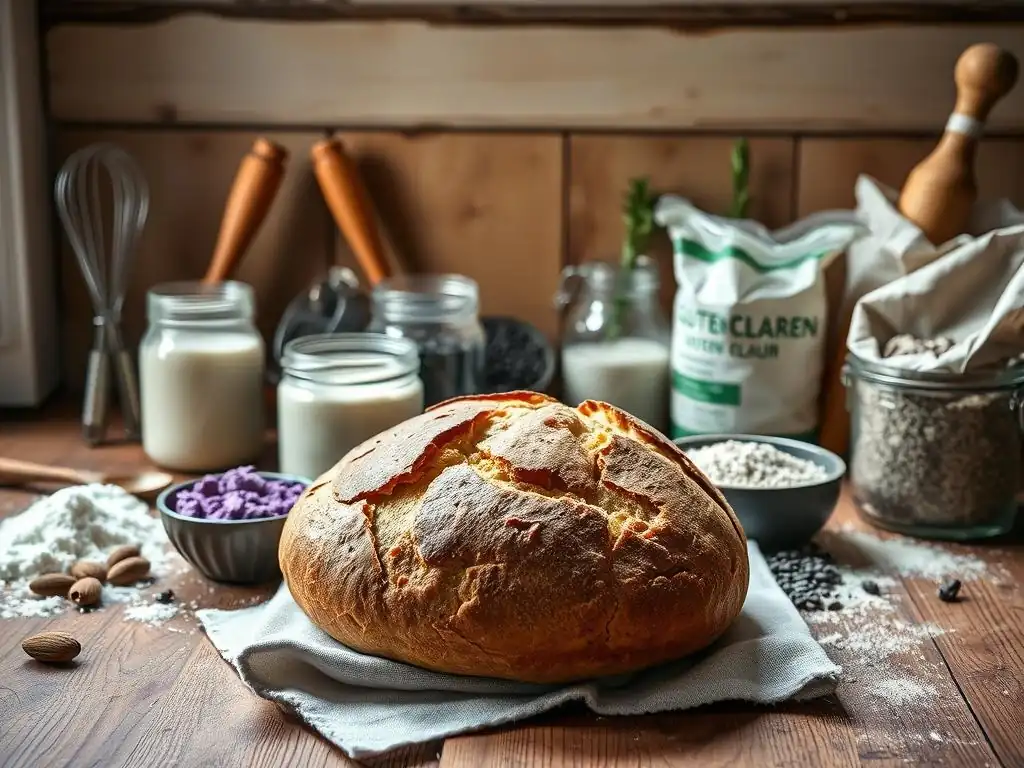
Welcome to BakeWithEase, where baking becomes a joy, not a chore! Are you ready to unlock the secrets to delicious, worry-free baking? This week, we're diving deep into the world of GlutenFree baking ingredient substitutions. Discover how to effortlessly create amazing treats, even without gluten. Intrigued? Let's explore the simple swaps that will revolutionize your baking and open up a world of flavorful possibilities!
- Mastering Gluten-Free Baking: Ingredient Substitutions for Delicious Results
- Introduction to Gluten-Free Baking
- Understanding Gluten's Role in Traditional Baking
- Key Gluten-Free Flour Substitutes
- Binding Agents: Replacing Gluten's Binding Properties
- Liquid Substitutions: Maintaining Moisture
- Sweetener Substitutions in Gluten-Free Baking
- Fat Substitutions: Adding Richness
- Mastering Gluten-Free Baking: Tips and Techniques
- Troubleshooting Common Gluten-Free Baking Problems
- Gluten-Free Recipe Adaptations
- Conclusion: Confidence in Gluten-Free Baking
-
Frequently Asked Questions
- What are the most common gluten-free flour substitutions for all-purpose flour?
- Can I use any gluten-free flour substitution interchangeably in a recipe?
- What binding agents are essential for gluten-free baking when substituting flours?
- Are there any liquid substitutions I should consider when baking gluten-free?
- How can I avoid a gritty texture when using gluten-free flour substitutions?
- Final Reflection: The Ever-Evolving World of Gluten-Free Baking
- Unlock Your Gluten-Free Baking Potential!
Mastering Gluten-Free Baking: Ingredient Substitutions for Delicious Results
Introduction to Gluten-Free Baking
Why Ingredient Substitutions are Crucial
Gluten-free baking isn't as simple as just removing wheat flour. Gluten, a protein found in wheat, barley, and rye, plays a vital role in traditional baking. It forms an elastic network when mixed with liquid and kneaded, providing structure, trapping gases for rise, and contributing to texture – think the chewiness of bread or the tenderness of a cake crumb.
When gluten is removed, these functions must be replaced by other ingredients. Simply swapping wheat flour 1:1 with a single gluten-free flour often results in dense, crumbly, or dry baked goods because that new flour doesn't have the same structural capabilities.
Understanding the functional properties of various gluten-free ingredients is therefore crucial. Whether you're baking due to celiac disease, gluten sensitivity, or personal preference, successful gluten-free baking relies heavily on smart ingredient substitutions. It's about rebuilding the necessary structure and texture using alternative flours, starches, and binders, ensuring the final product is enjoyable and replicates, or even surpasses, the qualities of its gluten-containing counterpart. This knowledge is the foundation for unlocking truly delicious gluten-free treats.
Achieving Delicious Results Without Gluten
The good news is that achieving delicious results in gluten-free baking is absolutely possible. It requires a shift in perspective and an understanding of how different gluten-free flours and binders interact. By carefully selecting and combining gluten-free baking ingredient substitutions, you can create everything from light and airy cakes to perfectly chewy cookies and well-structured breads. It's less about finding a single "perfect" substitute and more about building a harmonious blend of ingredients that collectively mimic the properties of gluten.
Success comes from recognizing that each gluten-free flour or starch brings unique characteristics to the table – some provide structure, others tenderness, others binding. By learning how to use binding agents like xanthan gum or psyllium husk, incorporating moisture-retaining ingredients, and mastering specific techniques, you can overcome the common challenges of dryness or crumbliness. The journey involves experimentation, but with the right guidance on ingredient substitutions for gluten-free baking, you can confidently create baked goods that everyone will love, regardless of dietary needs.
Understanding Gluten's Role in Traditional Baking
Gluten's Impact on Structure and Texture
In traditional baking, gluten is the structural backbone. When wheat flour is mixed with water, two proteins, glutenin and gliadin, hydrate and link together to form gluten. Kneading or mixing develops this network, making it stronger and more elastic. This elasticity allows dough to stretch and expand as leavening agents (like yeast or baking powder) produce carbon dioxide gas. The gluten network traps these gas bubbles, causing the dough or batter to rise.
Beyond providing structure and rise, gluten significantly impacts the final texture. In bread, the strong gluten network gives it chewiness and allows for a well-aerated crumb. In cakes, a weaker gluten network (developed by minimal mixing) contributes to a tender, fine crumb. In cookies, controlled gluten development affects spread and crispness. Removing this fundamental component means we must find ways to replicate these diverse textural outcomes using gluten-free baking ingredient substitutions.
Challenges of Gluten Removal
Simply removing wheat flour creates a void in the structural integrity of baked goods. Without gluten's ability to form an elastic network and trap gases, baked items made with only a single gluten-free flour (like rice flour) tend to be dense, flat, and fall apart easily, resulting in a crumbly texture. They lack the elasticity needed for proper rise and the cohesive structure that holds everything together.
The primary challenge when implementing gluten-free baking ingredient substitutions is replicating gluten's complex functions. This involves finding alternative ways to:
- Bind ingredients together to prevent crumbling.
- Create enough elasticity or structure to allow for rise.
- Retain moisture to prevent dryness.
- Achieve desirable textures, from fluffy to chewy to crisp.
This is why effective gluten-free baking rarely relies on just one substitute but rather a combination of different flours, starches, and binding agents.
Key Gluten-Free Flour Substitutes
Almond Flour: Benefits, Uses, and Tips
Almond flour is made from ground sweet almonds. Blanched almond flour, made from almonds with the skins removed, is finer and lighter in color than unblanched. It's relatively high in protein, fiber, and healthy fats, and lower in carbohydrates compared to many grain flours. This nutritional profile makes it a popular choice. Almond flour adds a rich, moist, and slightly sweet, nutty flavor to baked goods. It's excellent for creating tender cakes, soft cookies, muffins, and pie crusts. For example, it's the traditional base for delicate French macarons and makes fantastic shortbread.
When using almond flour, keep in mind its fat content can affect the final texture, sometimes making baked goods denser or greasier if not balanced. It also absorbs less liquid than many other gluten-free flours or wheat flour. While it can often be substituted 1:1 by weight in some recipes, especially cookies or quick breads, volume substitution (1:1 by cup) can be tricky due to varying grind sizes and its density.
It pairs well with starches like tapioca or potato starch to lighten the texture. Store almond flour in the refrigerator or freezer to prevent it from going rancid due to its oil content.
Coconut Flour: Absorbency, Flavor, and Applications
Coconut flour is derived from the dried, defatted meat of coconuts. It is exceptionally high in dietary fiber and protein, making it very absorbent – significantly more so than most other flours, including wheat flour. This high absorbency means you need to use much less coconut flour compared to other flours in a recipe, and you'll need to drastically increase the amount of liquid and often eggs (which provide structure and moisture to balance the fiber). It imparts a distinct, slightly sweet coconut flavor to baked goods.
Due to its unique properties, coconut flour cannot typically be substituted 1:1 for other flours. A general rule of thumb is to substitute about 1/4 cup of coconut flour for 1 cup of wheat flour or a standard gluten-free blend, while also adding one extra egg and increasing liquid. It works well in recipes designed specifically for it, such as dense muffins, quick breads, and pancakes, often providing a soft, tender crumb when properly hydrated. It's also frequently used in small quantities as part of a larger gluten-free flour blend to boost fiber content.
Rice Flour (White & Brown): Texture and Blending
Rice flour, made from finely milled rice, is a staple in many gluten-free flour blends. White rice flour is produced from polished white rice and has a neutral flavor and fine texture. Brown rice flour, made from whole grain rice, retains the bran and germ, offering more nutrients, fiber, and a slightly nuttier flavor; it can sometimes have a slightly coarser or grittier texture depending on the grind. Both types provide bulk and structure to gluten-free baked goods and are often the base of commercial and homemade flour mixes.
Used alone, rice flour can result in crumbly or gritty textures, especially brown rice flour. However, when combined with starches like tapioca or potato starch and possibly other flours, it contributes structure without being overly heavy. For instance, a common homemade blend might be 60% white rice flour, 20% tapioca starch, and 20% potato starch. The fine texture of white rice flour is particularly useful in creating delicate cakes and cookies, while brown rice flour adds a wholesome note to muffins and breads. Ensuring a very fine grind is key to minimizing grittiness.
Tapioca Starch/Flour: Binding and Lightness
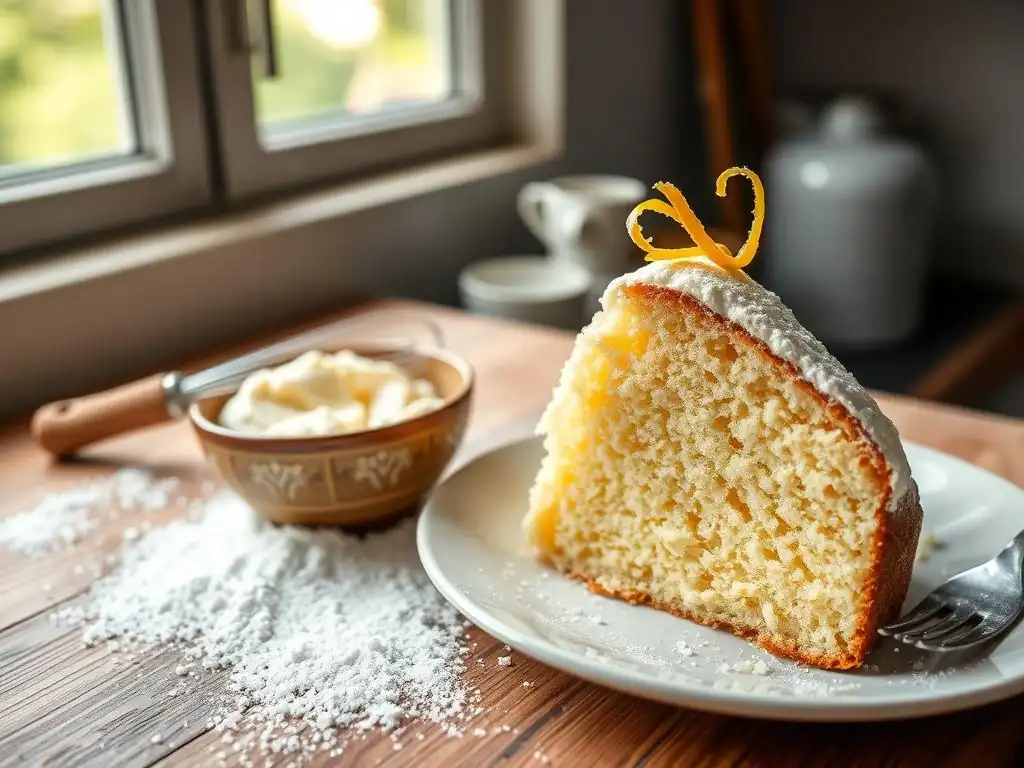
Tapioca starch, also often labeled as tapioca flour, is a fine, white powder extracted from the starch of the cassava root. Despite the "flour" label, it functions primarily as a starch and binder rather than a traditional flour. It is valued for its ability to create chewiness and crispness in baked goods. When heated, it forms a gel-like substance that helps bind ingredients together, preventing crumbling and improving the texture of gluten-free items.
Tapioca starch contributes to a light and airy texture, especially when combined with heavier flours. It's excellent for achieving crispy crusts on breads or pies and providing a pleasant chew in cookies and mochi. It's a common component in gluten-free flour blends, typically making up 20-30% of the mix to provide necessary binding and lightness. It's also used as a thickener in sauces and fillings.
Potato Starch: Enhancing Texture and Moisture
Potato starch is another common gluten-free starch derived from potatoes. Like tapioca starch, it's a fine, white powder that acts as a binder and helps create a tender, moist crumb. It has a neutral flavor and contributes to a lighter texture in baked goods, balancing the density of some gluten-free flours. It works synergistically with other flours and starches in blends to improve overall structure and texture.
Potato starch is often used in gluten-free flour blends alongside rice flour and tapioca starch. It helps retain moisture, which is particularly beneficial in gluten-free baking where dryness can be an issue. It contributes to a softer crumb in cakes and muffins and can help achieve a better rise. Note: Potato starch is different from potato flour, which is made from whole, dried potatoes and is much heavier and absorbent. Potato starch typically makes up about 10-20% of a balanced gluten-free flour blend.
Oat Flour (Certified Gluten-Free): Flavor and Nutrition
Oat flour is made from ground oats. It's important to use oats and oat flour that are certified gluten-free if baking for someone with celiac disease or severe gluten sensitivity, as oats are often cross-contaminated with wheat during processing. Oat flour adds a pleasant, slightly nutty flavor and a soft, chewy texture to baked goods. It's a good source of soluble fiber, particularly beta-glucan, which can have health benefits.
Oat flour can be used in a variety of gluten-free baking applications, including muffins, cookies, quick breads, and pancakes. It absorbs a fair amount of liquid and can add structure and moisture retention. While it can sometimes be used as a primary flour, it often works best when combined with other gluten-free flours and starches to achieve optimal texture and structure. It can be easily made at home by grinding certified gluten-free rolled oats in a blender or food processor until a fine flour is achieved.
Binding Agents: Replacing Gluten's Binding Properties
Xanthan Gum: The Primary Gluten Substitute
Xanthan gum is a polysaccharide produced by the fermentation of a microorganism, Xanthomonas campestris. In gluten-free baking, it is the most commonly used ingredient to mimic gluten's binding properties and elasticity. When added to dough or batter, it creates a slightly viscous or gel-like consistency that helps hold ingredients together, traps gas produced by leavening, and prevents baked goods from becoming dry and crumbly. It provides the necessary structure and chewiness often missing when gluten is removed.
Using the correct amount of xanthan gum is crucial; too much can result in a gummy or slimy texture, while too little will leave baked goods crumbly. General guidelines for adding xanthan gum to a recipe using a gluten-free flour blend without added binder are:
- Cakes and Muffins: 1/4 teaspoon per cup of flour blend
- Cookies and Biscuits: 1/4 to 1/2 teaspoon per cup of flour blend
- Breads and Pizza Dough: 3/4 to 1 teaspoon per cup of flour blend
Always whisk it thoroughly with the dry ingredients before adding liquids to ensure even distribution and prevent clumping.
Guar Gum: An Alternative Binding Option
Guar gum is a natural fiber derived from the seeds of the guar bean. Like xanthan gum, it acts as a thickening and binding agent in gluten-free baking, helping to provide structure and prevent crumbling. It functions similarly to xanthan gum and can often be used as a 1:1 substitute, although some bakers find that xanthan gum performs slightly better in baked goods, while guar gum might be preferred in cold applications like ice cream or salad dressings.
When substituting guar gum for xanthan gum, use the same general ratios per cup of flour blend (e.g., 1/4 to 1 tsp depending on the baked good). Experimentation may be needed as individual preferences and specific recipes can yield different results with each gum. Ensure it is well-mixed with the dry ingredients before liquids are added to avoid clumping and ensure even distribution of its binding properties throughout the batter or dough.
Chia Seeds & Flaxseeds: Natural Binders
Ground chia seeds and flaxseeds are popular natural and vegan binding agents in gluten-free baking. When mixed with water, they form a gelatinous mixture that can effectively replace eggs in some recipes, providing binding and moisture. To make a 'chia egg' or 'flax egg', combine 1 tablespoon of finely ground seeds with 3 tablespoons of water and let the mixture sit for 5-10 minutes until it thickens into a gel. This amount typically replaces one chicken egg.
These seed gels work well in recipes like muffins, quick breads, cookies, and brownies where the slightly noticeable texture and flavor are acceptable. They add fiber and omega-3 fatty acids, boosting the nutritional value of your baked goods. While effective for binding, they don't provide the same leavening or richness as eggs, so they are less suitable for recipes that rely heavily on eggs for structure and rise, such as delicate cakes or meringues.
Psyllium Husk: Improving Dough Structure
Psyllium husk is a form of fiber made from the husks of the Plantago ovata plant seeds. It is highly absorbent and forms a thick gel when mixed with liquid. In gluten-free bread baking, psyllium husk is particularly valuable as it helps to provide structure, elasticity, and cohesion to the dough, mimicking some of the qualities of gluten. It helps prevent bread from becoming too dense or crumbling apart.
Adding psyllium husk (either whole or powdered) to gluten-free bread dough significantly improves its handling and the final crumb structure. It requires extra liquid in the recipe because of its high absorbency. A common ratio is about 10-15 grams of psyllium husk per 500 grams of gluten-free flour blend. Using it can result in a more pliable dough that's easier to shape and a loaf with a better rise and less crumbly texture, making it a key ingredient for successful gluten-free yeast breads.
Liquid Substitutions: Maintaining Moisture
Applesauce: Adding Moisture and Sweetness
Unsweetened applesauce is a fantastic ingredient substitution in gluten-free baking, particularly for adding moisture and reducing fat. It can replace some or all of the oil, butter, or eggs in a recipe. Applesauce contributes moisture and a subtle sweetness without adding saturated fat. This can result in baked goods that are healthier and very moist.
When substituting applesauce for fat (like oil or melted butter), a 1:1 ratio by volume often works well, though you might need to slightly reduce other liquids in the recipe. If substituting for eggs, you can typically use about 1/4 cup of applesauce per egg, but be aware that this will add moisture and density and won't provide leavening. Applesauce is best used in moist baked goods like muffins, quick breads, and some cakes where its texture and slight flavor are complementary. Using unsweetened applesauce gives you better control over the overall sugar content.
Yogurt & Sour Cream: Enhancing Texture and Flavor
Yogurt (dairy or non-dairy) and sour cream are excellent gluten-free baking ingredient substitutions for adding richness, moisture, and tenderness. Their fat content contributes to a soft crumb, while their acidity can react with baking soda to provide lift. They also lend a slight tanginess that can enhance the overall flavor profile of baked goods, often complementing sweetness.
These ingredients can replace some of the liquid, milk, or even fat in a recipe. For example, replacing some of the milk with yogurt or sour cream in a muffin or cake recipe can result in a significantly more tender and moist crumb. The substitution ratio varies depending on the recipe and the consistency of the yogurt/sour cream, but you can often substitute them gram-for-gram for other wet ingredients like milk or buttermilk, adjusting slightly based on thickness. They work particularly well in cakes, muffins, scones, and biscuits.
Aquafaba (Chickpea Brine): Vegan Egg Replacement
Aquafaba, the liquid found in a can of chickpeas (or other white legumes), is a surprisingly versatile ingredient substitution in vegan and gluten-free baking. It has properties similar to egg whites and can be whipped into stiff peaks, making it an excellent replacement for meringue, mousse, or as a binder. It's a key ingredient for making vegan gluten-free macarons or meringues.
As an egg binder in other recipes like cakes, muffins, or cookies, you can generally substitute about 3 tablespoons of aquafaba for one whole egg. While it provides binding and some structure when whipped, it doesn't offer the same richness or leavening power as a whole egg in all applications. It's best used in recipes where the primary function of the egg is binding or creating air pockets when whipped. The flavor of aquafaba is relatively neutral once baked.
Sweetener Substitutions in Gluten-Free Baking
Honey & Maple Syrup: Natural Sweeteners
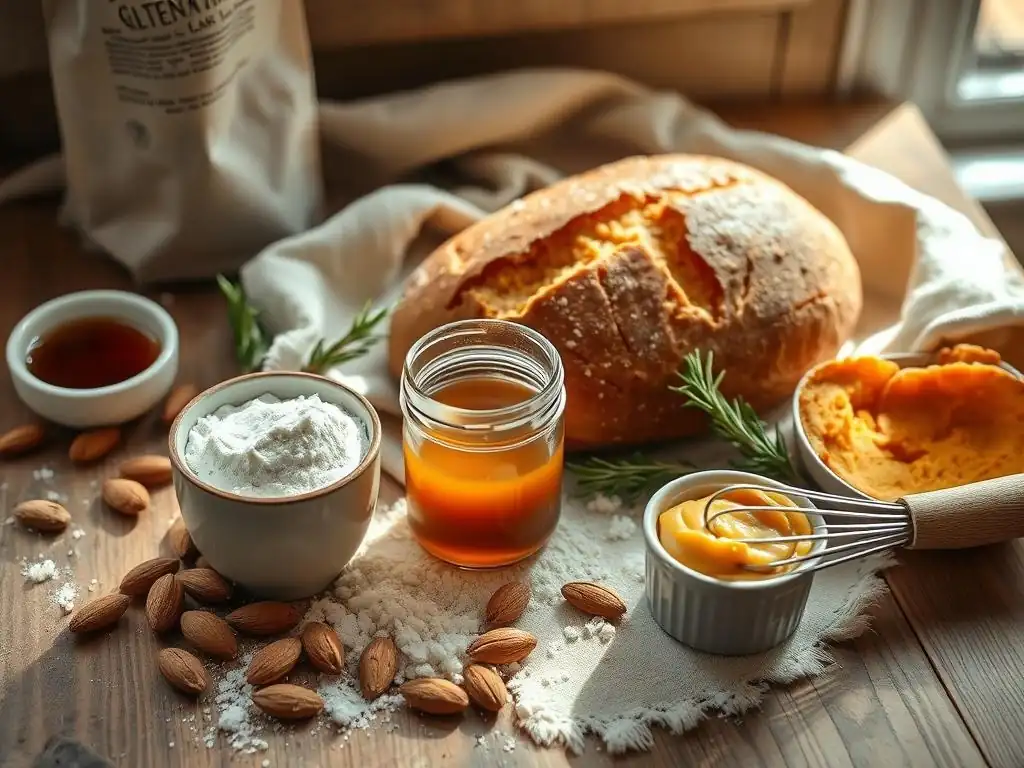
Honey and maple syrup are popular natural liquid sweeteners that can be used as ingredient substitutions for granulated sugar in gluten-free baking. They offer distinct flavors – floral for honey, earthy/caramel for maple syrup – and add moisture to baked goods. However, their liquid form requires adjustments to the recipe's overall wet-to-dry ingredient ratio.
When substituting liquid sweeteners for granulated sugar, you generally need to reduce the total amount of other liquids in the recipe. A common guideline is to substitute about 3/4 cup of honey or maple syrup for 1 cup of granulated sugar and reduce other liquids by about 2-4 tablespoons. Liquid sweeteners also cause baked goods to brown faster, so you may need to reduce the oven temperature slightly (e.g., by 25°F or 15°C) and monitor baking time closely. They work well in muffins, quick breads, and some cookies.
Dates and Date Syrup: Natural and Nutritious Sweeteners
Pureed dates (often made into a paste) or date syrup are whole-food, natural ingredient substitutions for refined sugar, offering sweetness along with fiber, vitamins, and minerals. They provide a rich, caramel-like flavor and add significant moisture to baked goods. Using dates or date syrup results in denser, darker baked goods compared to using granulated sugar.
Date paste can be made by soaking pitted dates and then blending them into a thick paste. Date syrup is a concentrated liquid sweetener. The substitution ratio is not always straightforward and depends on the desired sweetness and consistency, but you can often use date paste or syrup at a 1:1 ratio by volume for sugar in recipes where the added moisture and density are acceptable, like brownies, energy bars, or dense muffins. They are excellent for adding natural sweetness and a chewy texture.
Coconut Sugar: A Lower Glycemic Option
Coconut sugar is a granulated sugar made from the sap of the coconut palm flower. It has a texture similar to brown sugar and a pleasant caramel-like flavor. It's often perceived as a healthier alternative to white sugar and is sometimes cited as having a slightly lower glycemic index, although the difference is often minimal in the context of a baked good.
Coconut sugar can often be used as a 1:1 ingredient substitution for white or brown sugar in many gluten-free baking recipes without needing significant adjustments to liquid levels because it is a granulated sweetener. It will impart a subtle caramel flavor and a light brown color to your baked goods. It works well in cookies, muffins, cakes, and crumbles, providing sweetness and contributing to structure much like traditional sugars.
Fat Substitutions: Adding Richness
Coconut Oil: Versatile Fat Source
Coconut oil is a popular fat substitution in gluten-free baking, especially for those seeking dairy-free options. Virgin coconut oil has a noticeable coconut flavor, while refined coconut oil is more neutral. It's solid at room temperature (below approximately 76°F or 24°C) and melts when heated. Coconut oil adds moisture, tenderness, and helps with browning.
You can often substitute coconut oil at a 1:1 ratio for butter or other solid fats in recipes where the fat is melted or creamed. If creaming with sugar, ensure the coconut oil is solid but pliable, similar to room-temperature butter. If substituting for liquid oils, use it melted. Coconut oil works well in a wide range of gluten-free baked goods, from cookies and muffins to pie crusts and cakes, providing a rich texture.
Avocado Oil: Neutral Flavor and Healthy Fats
Avocado oil is a liquid oil known for its very neutral flavor and high smoke point, making it a versatile ingredient substitution for other liquid oils in gluten-free baking. It's rich in monounsaturated fats, considered heart-healthy. Using avocado oil adds moisture and richness to baked goods without imparting any significant taste of its own, allowing the primary flavors of the recipe to shine.
Avocado oil can typically be substituted at a 1:1 ratio for other liquid vegetable oils like canola or sunflower oil in recipes. It's particularly well-suited for cakes, muffins, quick breads, and brownies where oil is used to create a moist and tender crumb. Its neutral flavor makes it a good choice when you don't want the fat to influence the taste of your baked goods.
Olive Oil: Adding Flavor and Moisture
Olive oil, particularly extra virgin olive oil, is a liquid fat substitution that can add moisture and a unique flavor profile to gluten-free baked goods. While extra virgin olive oil has a distinct fruity or peppery taste, lighter olive oils are more neutral. Olive oil contributes to a moist crumb and can be a flavorful alternative to butter or other oils in certain recipes.
When substituting olive oil for other liquid oils, use a 1:1 ratio. It works best in recipes where its flavor is complementary, such as certain cakes (like citrus or chocolate), quick breads, or savory baked goods. The strong flavor of extra virgin olive oil might not be suitable for delicate pastries or cookies unless specifically desired. Choosing a lighter olive oil allows you to gain the benefits of its fat content and moisture without an overpowering taste.
Mastering Gluten-Free Baking: Tips and Techniques
Blending Gluten-Free Flours
Successful gluten-free baking ingredient substitutions often involve using a blend of different flours and starches rather than relying on a single flour. Wheat flour contains both protein (gluten) and starch, and a single gluten-free flour rarely replicates this balance. A well-designed gluten-free flour blend combines different ingredients to provide structure, tenderness, binding, and proper texture.
A typical gluten-free flour blend might include a base flour (like rice flour, sorghum, or millet) for structure, one or more starches (like tapioca, potato, or cornstarch) for binding and lightness, and potentially a high-fiber flour (like oat or almond flour) for flavor and nutrition. Many commercial blends are available, or you can create your own based on common ratios, such as approximately 40% white rice flour, 20% brown rice flour, 20% tapioca starch, and 20% potato starch, plus a binder like xanthan or guar gum added separately per recipe.
Adjusting Liquid Levels for Hydration
Gluten-free flours and starches absorb liquid differently than wheat flour. Some, like coconut flour or psyllium husk, are exceptionally absorbent and require significantly more liquid. Others might absorb less initially but continue to absorb over time. Properly hydrating your gluten-free flour blend is critical to prevent dry, crumbly baked goods.
It's common for gluten-free batters or doughs to appear wetter than their wheat-based counterparts. Resist the urge to add more flour immediately. Instead, add liquid gradually and observe the consistency. Allowing batters and doughs to rest for 15-30 minutes before baking gives the flours and starches time to fully absorb the liquid, which can improve texture and reduce grittiness. Always refer to recipes specifically developed for gluten-free baking or follow guidelines for adjusting liquid when adapting traditional recipes.
Resting Gluten-Free Doughs
Resting gluten-free doughs is a simple but effective technique that significantly improves the final texture. Just as resting allows gluten in wheat dough to relax and hydrate, resting gluten-free doughs allows the alternative flours and starches to fully absorb the liquid and for added binders like xanthan gum or psyllium husk to develop their gel-like properties.
For cookie doughs, chilling in the refrigerator for at least 30 minutes (or longer) not only makes the dough easier to handle but also allows flavors to meld and the flours to hydrate, resulting in cookies that spread less and have a better texture. Bread doughs also benefit from a rest period after mixing before shaping. This resting time helps reduce grittiness from rice flour blends and contributes to a more cohesive, less crumbly baked good.
Adjusting Baking Temperatures and Times
Gluten-free baked goods can sometimes behave differently in the oven compared to traditional ones. They might brown faster due to the sugar content in starches or the presence of alternative sweeteners. However, they can also take slightly longer to cook through without the efficient heat transfer provided by a strong gluten network.
To prevent over-browning while ensuring the interior is fully cooked, you might need to adjust baking temperatures and times. A common practice is to reduce the oven temperature by about 25°F (15°C) and potentially increase the baking time slightly. Tent delicate items like cakes or quick breads loosely with foil partway through baking if they are browning too quickly. Always check for doneness using a skewer or internal thermometer; a skewer inserted into the center should come out clean, or baked goods should reach an appropriate internal temperature (e.g., 200-210°F / 93-99°C for bread).
Troubleshooting Common Gluten-Free Baking Problems
Dry and Crumbly Baked Goods: Causes and Solutions
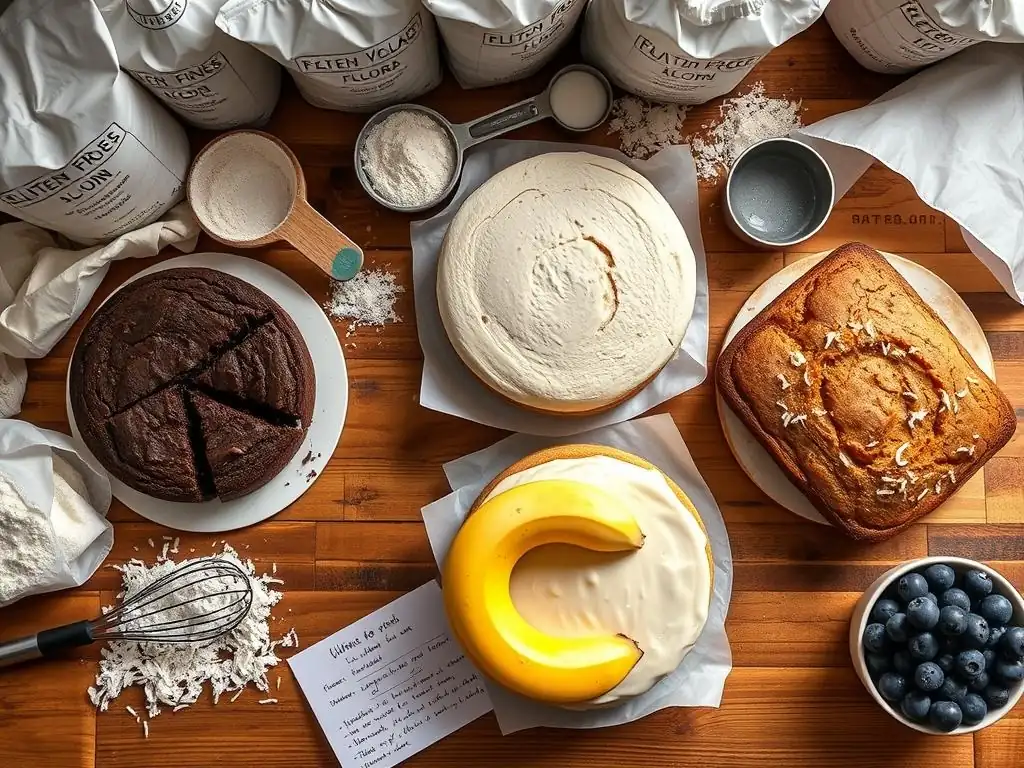
One of the most frequent issues encountered when using gluten-free baking ingredient substitutions is ending up with dry and crumbly results. This typically happens because the flour blend doesn't have enough moisture, lacks sufficient binding, or the flours weren't properly hydrated. Causes include using too much flour or starch, not enough liquid or fat, or insufficient binder (like xanthan gum).
To solve this, first ensure accurate measurement, preferably by weight using a kitchen scale (1 cup of a GF blend typically weighs around 120-140 grams). Increase the liquid slightly in your recipe, or consider adding a moist ingredient like applesauce, yogurt, or extra fat. Ensure you are using an appropriate amount of binder for the type of baked good (refer to xanthan gum guidelines). Using a well-balanced gluten-free flour blend that includes a mix of flours and starches tailored for GF baking is also key.
Dense and Gummy Textures: Causes and Solutions
Conversely, baked goods can sometimes turn out dense or gummy. This is often a result of too much binding agent, an imbalance of starches, or underbaking. Using too much xanthan gum or guar gum is a common culprit for gumminess. An excess of starchy flours without enough protein or fiber can also lead to a dense, heavy texture.
If your baked goods are gummy, try reducing the amount of xanthan or guar gum in the recipe for your next attempt. Ensure your gluten-free flour blend is balanced and not overly reliant on starches. Make sure you are baking the item fully; underbaked goods can feel dense and gummy in the center. Check doneness with a skewer – it should come out clean, not with wet batter or crumbs attached.
Lack of Rise: Addressing Leavening Issues
Gluten-free baked goods can sometimes lack the expected rise. This can be due to inactive leavening agents, insufficient binding to trap gases, a flour blend that is too heavy, or improper mixing techniques. If your cakes are flat or your bread doesn't rise, check the freshness of your baking powder and baking soda (test baking soda by adding vinegar; it should fizz vigorously. Test baking powder by adding hot water; it should bubble).
Ensure your recipe includes an adequate amount of binder (xanthan gum or psyllium husk) to create a structure capable of holding the gas produced by leavening. Using a lighter, well-balanced gluten-free flour blend designed for the specific type of baked good can also help. Finally, follow mixing instructions carefully; sometimes over-mixing can deflate batters, while under-mixing might not activate leavening properly.
Gluten-Free Recipe Adaptations
Adapting Traditional Recipes
Adapting a favorite traditional recipe to be gluten-free requires more than a simple 1:1 flour swap. Gluten plays multiple roles, and effective gluten-free baking ingredient substitutions must address all of them. While it's possible to convert recipes, it often requires experimentation and understanding how different GF ingredients function. Simple recipes like muffins, cookies, or quick breads are easier to adapt than complex yeasted breads or flaky pastries.
A general approach to adapting a recipe involves replacing the wheat flour with a similar weight of a good quality gluten-free all-purpose flour blend that is designed for 1:1 substitution (or use a homemade blend). You will almost always need to add a binder like xanthan gum if the blend doesn't already contain it (refer to guidelines for amount per cup of flour).
Be prepared to adjust liquid levels, potentially adding a bit more moisture as gluten-free flours can be thirsty. Start with the original baking temperature and time, but be ready to adjust based on observation (e.g., tenting with foil, baking longer).
Creating New Gluten-Free Recipes
Designing gluten-free recipes from scratch allows you to build the formula around the strengths and weaknesses of gluten-free baking ingredient substitutions from the ground up. This approach can often lead to more consistent and better results than trying to force a traditional recipe into a gluten-free format. When creating a new recipe, you can specifically select flour blends, binders, and other ingredients to achieve the desired texture and structure without trying to replicate gluten's behavior perfectly.
Start by deciding on the type of baked good you want to make and choose an appropriate gluten-free flour blend or combination of flours and starches. Determine the necessary binding agent and amount based on the recipe type (e.g., more binder for bread than cake). Select leavening agents and fats that complement your chosen flours. Carefully balance wet and dry ingredients, keeping in mind the hydration needs of your flours. Plan for resting periods and appropriate baking temperatures/times. Testing and refining the recipe is a key part of the process, adjusting ratios based on results.
Conclusion: Confidence in Gluten-Free Baking
Embracing Experimentation
Venturing into gluten-free baking can feel daunting initially, especially when faced with the need for different ingredient substitutions. However, it's also an opportunity to explore new ingredients, flavors, and techniques. Embracing experimentation is key to building confidence. Not every attempt will be perfect – sometimes a cake might be a little too dense, or cookies spread unexpectedly – but each bake is a learning experience.
Think of each recipe as a chance to understand how different gluten-free flours, starches, and binders interact. Try varying the type or amount of a specific ingredient substitution slightly to see how it affects the outcome. Keep notes on your successes and failures. This hands-on approach, combined with the knowledge of how different gluten-free baking ingredient substitutions function, will empower you to troubleshoot issues and gradually refine your skills, leading to more consistent and delicious results.
Continuous Learning and Improvement
The world of gluten-free baking is constantly evolving, with new ingredients and techniques emerging. Staying curious and continuing to learn is essential for improvement. Read recipes from trusted gluten-free sources, explore different types of gluten-free baking ingredient substitutions, and don't be afraid to try recipes that push your boundaries.
With practice and a solid understanding of the fundamental principles of gluten-free baking ingredient substitutions – how flours absorb liquid, the role of binders, and the impact of fats and sweeteners – you will build confidence. The satisfaction of creating delicious, safe, and enjoyable baked goods for yourself, friends, and family is incredibly rewarding. Keep baking, keep learning, and enjoy the process of mastering the art of gluten-free baking.
Frequently Asked Questions
What are the most common gluten-free flour substitutions for all-purpose flour?
The most common substitutions include almond flour, rice flour, and gluten-free flour blends. Choosing the right one depends on the recipe and desired texture.
Can I use any gluten-free flour substitution interchangeably in a recipe?
No, different gluten-free flours have different properties. Some are denser, while others are lighter. You may need to adjust other ingredients or use a blend for best results.
What binding agents are essential for gluten-free baking when substituting flours?
Since gluten provides structure, using binding agents like xanthan gum, guar gum, or psyllium husk is crucial to prevent crumbly results. These act as gluten replacements.
Are there any liquid substitutions I should consider when baking gluten-free?
Sometimes, adding a little extra moisture can help with the texture. Consider using applesauce, yogurt, or dairy-free milk alternatives to improve the moisture content.
How can I avoid a gritty texture when using gluten-free flour substitutions?
Using finely ground flours is key. Sifting your gluten-free flours and allowing the batter to rest for a short period can also help reduce grittiness and improve the final product.
Final Reflection: The Ever-Evolving World of Gluten-Free Baking
The quest for the perfect gluten-free bake is a journey, not a destination, and understanding ingredient substitutions is the compass guiding us. The demand for delicious and satisfying gluten-free alternatives continues to rise, fueled by dietary needs and a growing awareness of food sensitivities. This necessitates a constant exploration and refinement of techniques and ingredient swaps, ensuring that everyone can enjoy the joy of baking.
This exploration into gluten-free baking substitutions has been a personal journey, revealing the intricate science behind texture and flavor in the absence of gluten. The challenge lies not just in finding replacements, but in understanding why certain substitutions work better than others. This understanding allows for greater creativity and innovation in the kitchen. The best baker is the one who is not afraid to experiment.
This quote, though not specifically about gluten-free baking, perfectly encapsulates the spirit of this exploration. The more we understand the nuances of gluten-free baking, the more we can push the boundaries of what's possible.
Now, it's your turn to embark on this exciting journey. Don't be afraid to experiment with different flours, starches, and binding agents. Each failed attempt brings you closer to mastering the art of gluten-free baking. Embrace the challenges, celebrate the successes, and most importantly, enjoy the process of creating delicious and satisfying treats for yourself and others. The world of gluten-free baking is vast and waiting to be explored – your culinary adventure starts now!
Unlock Your Gluten-Free Baking Potential!
Thanks for taking the time to explore the world of gluten-free baking with us! We hope you've gained valuable insights into creating delicious and successful gluten-free treats. Now it's time to put your newfound knowledge into practice.
- Bake your dream gluten-free recipe today! Use the techniques and substitutions you've learned to create something amazing – even if it’s just a simple muffin. Don't be afraid to experiment!
- Share your baking journey! Tell us about your experience in the comments below – what did you bake, and what worked best for you? Let's inspire each other!
- Consider trying a completely new recipe from our extensive archive of gluten-free goodies. We have plenty of amazing recipes for all skill levels.
What unexpected ingredient will you try in your next gluten-free baking adventure?