
Unsweetened Chocolate: Mastering Its Intense Flavor in Baking

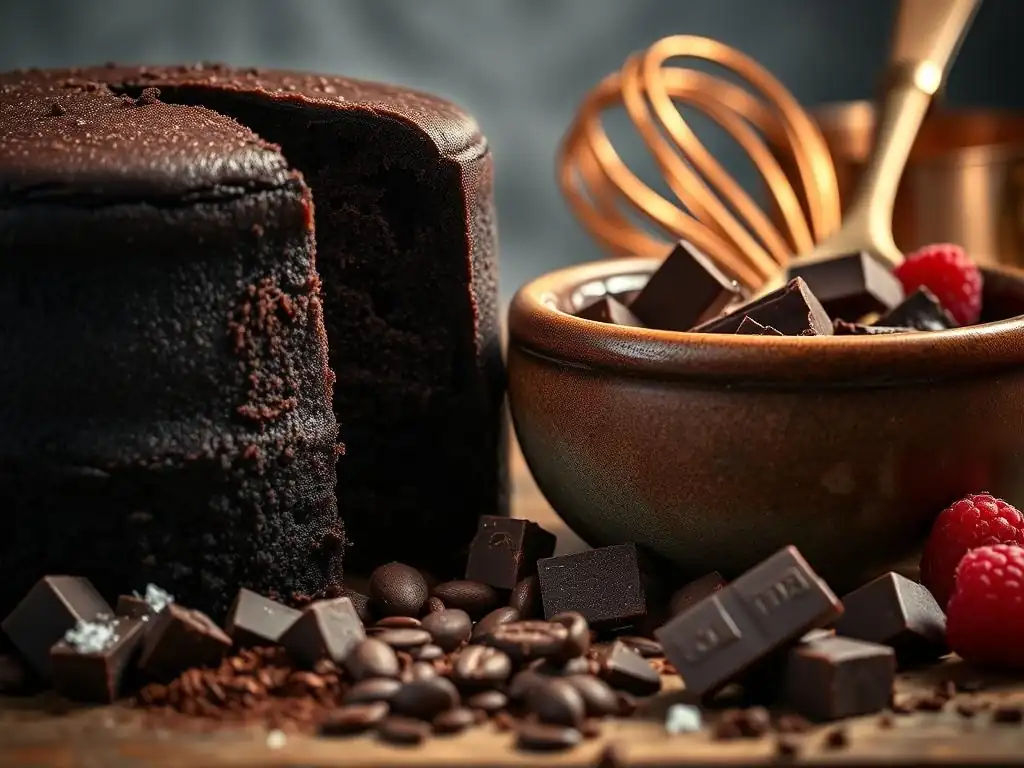
Welcome to BakeWithEase, your haven for effortless baking! Are you ready to unlock the intense, rich potential of unsweetened chocolate? Dive into our guide and discover exciting unsweetened chocolate baking recipes that will elevate your desserts to a whole new level. Intrigued? Let's explore the secrets to mastering this powerful ingredient – you might be surprised at what delectable creations await!
- Baking with Unsweetened Chocolate: A Comprehensive Guide
- Understanding Unsweetened Chocolate
- Essential Baking Techniques with Unsweetened Chocolate
- Recipe Ideas: Showcasing Unsweetened Chocolate
- Troubleshooting Common Baking Issues
- Storage and Handling Best Practices
- Advanced Baking Applications
- Conclusion: Elevating Your Baking with Unsweetened Chocolate
-
Frequently Asked Questions
- What is unsweetened chocolate, and how does it differ from other types of chocolate?
- Why would I use unsweetened chocolate in baking?
- How do I substitute unsweetened chocolate for other types of chocolate in a recipe?
- What are some common baking recipes that use unsweetened chocolate?
- Where can I find unsweetened chocolate, and how should I store it?
- Final Reflection: Unlocking the Rich Potential of Unsweetened Chocolate
- Unlock the Richness: Elevate Your Baking with Dark Chocolate!
Baking with Unsweetened Chocolate: A Comprehensive Guide
Unsweetened chocolate is the pure, unadulterated essence of cocoa bean, offering an intensity of flavor that is unmatched in the world of baking. Unlike its sweeter counterparts like semi-sweet or milk chocolate, unsweetened chocolate contains no added sugar, making it a powerful ingredient that demands respect and understanding. Mastering its use opens up a world of deeply rich, complex unsweetened chocolate baking recipes.
Understanding Unsweetened Chocolate
Delving into the nature of unsweetened chocolate is the first step towards successfully incorporating it into your baking repertoire. Its unique composition and processing are key to its distinct characteristics.
Defining Unsweetened Chocolate and Its Production Process
Unsweetened chocolate, also known as baking chocolate or bitter chocolate, is made from 100% cocoa solids. It is produced by grinding roasted cocoa beans into a liquid called cocoa liquor. This cocoa liquor contains both the non-fat cocoa solids and the cocoa butter naturally present in the bean. Unlike cocoa powder, which has most of the cocoa butter removed, unsweetened chocolate retains its full fat content, typically ranging from 50% to 58%.
The production process begins with fermenting cocoa beans, which develops flavor precursors. They are then dried, roasted (further developing flavor), and winnowed to separate the nibs from the husks. Grinding these nibs generates heat from friction, melting the cocoa butter and turning the mass into the thick, flowing cocoa liquor. This liquor is then solidified into blocks or bars, ready for use in unsweetened chocolate baking recipes. Its high cocoa butter content is crucial for smooth melting and rich texture in baked goods.
The Intense Flavor Profile: Bitterness, Acidity, and Aromatics
The defining characteristic of unsweetened chocolate is its intense, pure cocoa flavor, often perceived as bitter. This bitterness comes from natural compounds like theobromine and caffeine, present in high concentrations in the cocoa solids. However, beneath the initial bitterness lies a complex array of flavors.
High-quality unsweetened chocolate also exhibits varying degrees of acidity, often described as bright or tangy, which is a result of the fermentation process. Furthermore, it contains hundreds of aromatic compounds that contribute notes ranging from fruity and floral to nutty, earthy, or even spicy, depending on the origin of the cocoa beans and the processing method. This complexity makes unsweetened chocolate a fascinating ingredient to work with, as it provides a deep, foundational chocolate flavor in unsweetened chocolate baking recipes that cannot be achieved with milder chocolates.
Nutritional Aspects of Unsweetened Chocolate
While primarily used for flavor in unsweetened chocolate baking recipes, unsweetened chocolate does offer nutritional benefits due to its high cocoa content. Since it contains no added sugar, its carbohydrate content comes primarily from fiber and some naturally occurring sugars in the cocoa bean. A typical 100-gram serving contains approximately 500-600 calories, largely from fat (around 50-55g).
It's also a good source of dietary fiber, often providing 10-15 grams per 100g. More significantly, unsweetened chocolate is packed with minerals, including substantial amounts of iron (potentially 50-75% of daily value per 100g), magnesium (around 60-80%), zinc (around 30-40%), copper, and manganese. It also contains flavonoids, which are antioxidants, though the amount can vary based on processing. While not typically consumed plain, its nutritional density contributes to the overall profile of baked goods, especially in fiber and mineral content.
Essential Baking Techniques with Unsweetened Chocolate
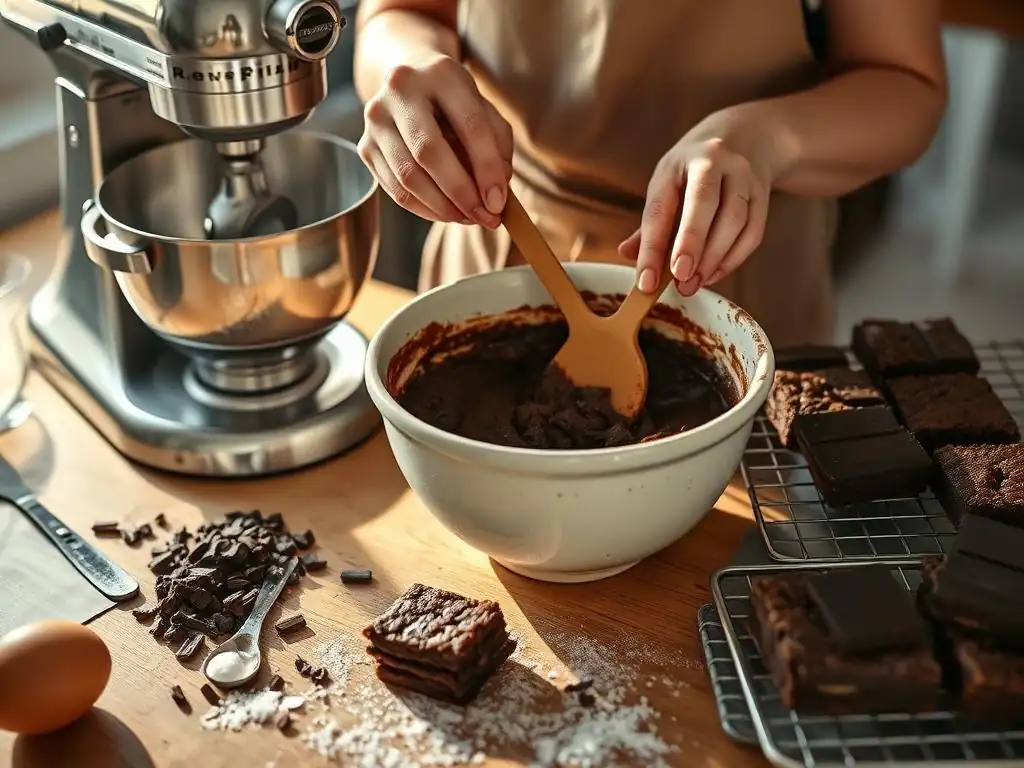
Working with unsweetened chocolate requires specific techniques to ensure it melts smoothly, incorporates properly, and contributes its full flavor potential without overwhelming sweetness or resulting in poor texture.
Melting and Incorporating Unsweetened Chocolate
Proper melting is crucial when using unsweetened chocolate in unsweetened chocolate baking recipes. Because it has no sugar to stabilize it, it's more susceptible to seizing (becoming stiff and grainy) if overheated or exposed to even a tiny amount of water during melting. The best methods involve gentle, indirect heat. A double boiler is ideal: place chopped chocolate in a heatproof bowl set over a pot of simmering (not boiling) water, ensuring the bottom of the bowl doesn't touch the water. Stir gently until smooth.
Alternatively, you can melt it carefully in the microwave on low power (50% or less), stirring every 30 seconds until just melted and smooth. Once melted, unsweetened chocolate should be incorporated into other ingredients while still warm and fluid. If adding to a batter, ensure the other ingredients (like eggs or dairy) are not excessively cold, as this can cause the chocolate to solidify too quickly and create streaks or uneven distribution.
Balancing Sweetness and Flavor Intensity in Recipes
The primary challenge and art of using unsweetened chocolate in unsweetened chocolate baking recipes is balancing its intense bitterness with sweetness and other flavors. Since the chocolate itself provides zero sweetness, the recipe must include enough sugar (or other sweeteners) to make the baked good palatable. However, the goal isn't just to mask the bitterness but to complement and enhance the deep cocoa notes.
A recipe using unsweetened chocolate will typically call for significantly more sugar than one using semi-sweet or bittersweet chocolate. For example, a standard brownie recipe might use 1 cup of sugar with semi-sweet chocolate, but an unsweetened version might require 1.5 to 2 cups of sugar to achieve a similar perceived sweetness level while allowing the rich cocoa flavor to shine through.
Other ingredients like vanilla extract, a pinch of salt (which enhances sweetness and complexity), or even a touch of instant coffee or espresso powder can further round out and deepen the chocolate flavor, creating a more balanced and nuanced result.
Flavor Pairings: Enhancing Unsweetened Chocolate's Complexity
Unsweetened chocolate's robust flavor profile pairs wonderfully with a variety of ingredients that can either complement its bitterness or provide a contrasting element. Classic fruit pairings include tart berries like raspberries or cherries, and citrus fruits such as orange or even passion fruit, whose acidity cuts through the richness and brightens the chocolate notes.
Dairy products like heavy cream, butter, and even sour cream or buttermilk work well, adding richness and moisture that smooth out the intensity. Nuts, such as almonds, hazelnuts, or pecans, offer textural contrast and their own subtle flavors that harmonize with cocoa. Spices like cinnamon, chili powder (think Mexican chocolate), or cardamom can add warmth and intrigue. Even a simple addition like sea salt sprinkled on top of a finished unsweetened chocolate creation can dramatically enhance its flavor complexity by providing a pop of contrast that makes the chocolate taste even more intensely chocolatey.
Recipe Ideas: Showcasing Unsweetened Chocolate
Unsweetened chocolate is the secret ingredient for achieving truly profound chocolate flavor in baked goods. Here are a few classic unsweetened chocolate baking recipes where its intensity plays a starring role.
Intense Chocolate Brownies with Sea Salt
Brownies are a perfect canvas for unsweetened chocolate. Using 100% cocoa solids results in a brownie with an incredibly deep, almost black cocoa flavor that is fudgy rather than cakey, assuming the recipe is balanced correctly with sufficient fat and sugar. The lack of sugar in the chocolate itself means you control the final sweetness level precisely.
An intense unsweetened chocolate brownie often starts with melting the chocolate and butter together, then whisking in a generous amount of sugar and eggs, followed by flour. The high ratio of chocolate and butter to flour contributes to the dense, fudgy texture. Finishing these brownies with a sprinkle of flaky sea salt just after baking is a popular technique because the salt crystals provide a delightful crunch and a powerful contrast that amplifies the deep, slightly bitter notes of the unsweetened chocolate, creating a truly addictive treat.
Dark Chocolate Cake with Raspberry Coulis
For a truly sophisticated dessert, a dark chocolate cake made with unsweetened chocolate delivers a rich, profound cocoa flavor that is far from cloyingly sweet. Unlike cakes made with cocoa powder alone, the addition of melted unsweetened chocolate brings richness and depth from the cocoa butter.
Pairing this deeply flavored cake with a tart raspberry coulis is a classic combination for a reason. The bright, slightly acidic flavor of the raspberries provides a vibrant counterpoint to the intense, earthy notes of the unsweetened chocolate. The coulis adds moisture and a refreshing tang that lightens the richness of the cake, creating a balanced and elegant dessert experience. Recipes for such cakes often use ingredients like buttermilk or sour cream to add moisture and tenderness, which also complements the chocolate flavor.
Unsweetened Chocolate Ganache for Tarts and Truffles
Ganache is a simple yet luxurious mixture of chocolate and cream, and using unsweetened chocolate elevates it to new levels of intensity. An unsweetened chocolate ganache, typically made with hot cream poured over finely chopped unsweetened chocolate and perhaps a bit of butter for gloss, results in a very firm, deeply flavored mixture when cooled.
This intense ganache is perfect as a filling for tarts, providing a rich, almost bittersweet base that pairs well with fruit toppings or a sprinkle of sea salt. When chilled, this ganache can be rolled into truffles, which are then often coated in cocoa powder or tempered chocolate. The pure, unadulterated chocolate flavor shines through, offering a sophisticated taste experience that is less sweet and more complex than ganaches made with sweeter chocolates.
Troubleshooting Common Baking Issues
Working with unsweetened chocolate can sometimes present challenges, but understanding common pitfalls allows you to navigate them successfully and achieve perfect unsweetened chocolate baking recipes.
Preventing Dryness in Baked Goods
A common issue when using unsweetened chocolate is ending up with dry baked goods. This can happen because cocoa solids, being hydrophilic, tend to absorb moisture from the batter or dough. Additionally, some recipes may not adequately adjust the fat or liquid content when substituting unsweetened chocolate for a sweeter variety which contains sugar (a tenderizer and moisture-retainer) and often less pure cocoa solid by percentage.
To prevent dryness, ensure your recipe is specifically designed for unsweetened chocolate or has been properly adjusted. This often means increasing the amount of fat (like butter or oil) or liquid (such as milk, buttermilk, sour cream, or even hot coffee or water) compared to a similar recipe using semi-sweet chocolate. Creaming butter and sugar thoroughly also helps create a tender crumb structure. Paying attention to baking time is critical; overbaking is a major cause of dryness in any baked good, especially rich unsweetened chocolate baking recipes.
Mitigating Excessive Bitterness
While unsweetened chocolate is inherently bitter, the goal in baking is usually to balance, not eliminate, this bitterness. If your baked goods taste too bitter, several factors could be at play. Insufficient sugar is the most common culprit; the recipe simply didn't include enough sweetener to counteract the 100% cocoa solids.
Beyond adding more sugar (which should be done carefully to maintain texture), consider adding ingredients that complement or soften the bitterness. A pinch of salt enhances sweetness and complexity. A touch of vanilla extract rounds out the flavor. Coffee or espresso powder can deepen the chocolate flavor while subtly mitigating bitterness. Ensure you are using fresh ingredients, as stale chocolate or cocoa powder can sometimes develop harsher notes. Also, consider the brand of chocolate; some unsweetened chocolates have a naturally less harsh flavor profile than others due to bean origin or processing.
Achieving Desired Texture and Consistency
The texture of baked goods made with unsweetened chocolate is heavily influenced by its high fat content (cocoa butter) and high percentage of cocoa solids. These factors contribute to richness and structure. If your unsweetened chocolate baking recipes result in an undesirable texture (e.g., crumbly, tough, or not fudgy enough), review your technique and ingredient ratios.
The amount of fat (from the chocolate itself and added butter/oil) relative to flour is key for richness and fudginess, particularly in recipes like brownies. Overmixing the batter after adding flour can develop gluten, leading to a tough texture; mix only until just combined. The temperature and duration of baking are also critical for texture. Underbaking often results in a gooey center (desired for some brownies), while overbaking leads to dryness and a more cakey or crumbly texture. Ensure accurate measurement of all ingredients, as the balance is crucial for achieving the intended consistency in unsweetened chocolate baking recipes.
Storage and Handling Best Practices
Proper storage and handling ensure that your unsweetened chocolate remains in peak condition, preserving its flavor and melting properties for successful unsweetened chocolate baking recipes.
Maintaining Freshness and Flavor During Storage
Unsweetened chocolate, like all chocolate, is susceptible to absorbing odors and developing "fat bloom" (a harmless, grayish surface film caused by cocoa butter crystals migrating) or "sugar bloom" (rare in unsweetened, but possible if exposed to moisture). To maintain its freshness and intense flavor, store it tightly wrapped in its original packaging or in an airtight container.
Keep the container in a cool, dark, and dry place, away from direct sunlight, heat sources (like ovens or stovetops), and strong odors (like spices). The ideal temperature range for storing chocolate is between 60°F and 70°F (15°C to 21°C). Avoid storing it in the refrigerator unless you live in a very hot, humid climate, as refrigeration can cause condensation, leading to sugar bloom and dulling of flavor. Stored correctly, unsweetened chocolate can maintain good quality for 1-2 years.
Optimal Melting Methods for Baking Applications
As discussed earlier, melting unsweetened chocolate requires care due to its sensitivity to heat and moisture. Using the optimal method for your specific unsweetened chocolate baking recipes is crucial for a smooth, glossy finish. The double boiler method remains the gold standard for controlled melting.
When using the microwave, always chop the chocolate into small, uniform pieces to ensure even melting. Use low power settings (50% or less) and stir frequently. Chocolate retains its shape even when melted, so stirring is essential to check its consistency and prevent burning. Stop heating when there are still a few small lumps, and let the residual heat melt them as you stir. Avoid stirring vigorously or introducing water vapor, which can cause seizing. Proper melting ensures the cocoa butter is evenly dispersed, contributing to the desired texture in your baked goods.
Selecting Quality Unsweetened Chocolate
The quality of your unsweetened chocolate directly impacts the flavor of your unsweetened chocolate baking recipes. While all unsweetened chocolate is 100% cocoa solids, the flavor can vary significantly between brands due to the quality of the cocoa beans, their origin, and the processing methods used (fermentation, roasting time and temperature).
When selecting unsweetened chocolate, look for brands that specify "100% Cacao" or "Unsweetened Chocolate" on the label. High-quality chocolate should have a deep, rich aroma and a smooth texture when melted. If possible, taste a tiny piece (be prepared for intense bitterness!) to get an idea of its core flavor profile – some are fruitier, some nuttier, some more earthy. Experiment with different brands to find the one whose flavor profile you prefer for your unsweetened chocolate baking recipes. Reputable brands often provide more consistent results.
Advanced Baking Applications
Once comfortable with the basics, unsweetened chocolate offers exciting avenues for more advanced unsweetened chocolate baking recipes and flavor exploration.
Exploring Single-Origin Unsweetened Chocolates
Just as with coffee or wine, the origin of cocoa beans profoundly influences the flavor of the resulting chocolate. Exploring single-origin unsweetened chocolates allows bakers to introduce nuanced, terroir-specific notes into their creations. For instance, unsweetened chocolate made from beans sourced from Madagascar might exhibit bright, fruity, and acidic notes (like raspberries or citrus), which would beautifully complement a specific cake or tart.
In contrast, chocolate from West Africa, like Ghana, often has a more classic, fudgy, and earthy profile. Beans from regions like Ecuador might offer floral or nutty undertones. Using single-origin unsweetened chocolate in a simple ganache or a minimalist cake recipe allows the unique characteristics of the bean to truly shine, adding an extra layer of complexity and sophistication to your unsweetened chocolate baking recipes. It's a way to move beyond generic "chocolate flavor" to highlight the subtle variations of the cacao bean itself.
Combining with Other Chocolates for Nuanced Flavors
Unsweetened chocolate doesn't always have to be used alone. Combining it with other types of chocolate – such as bittersweet, semi-sweet, or even milk chocolate – is a common technique used by chocolatiers and bakers to create custom chocolate blends with specific flavor profiles and sweetness levels.
For example, a recipe might call for a mix of unsweetened and bittersweet chocolate to achieve a desired intensity that is less aggressive than 100% unsweetened but deeper than using bittersweet alone. This allows the baker to fine-tune the balance of pure cocoa flavor and sweetness. Using unsweetened chocolate provides the foundational, deep cocoa notes, while the sweeter chocolates contribute sugar, different fat percentages, and sometimes milk solids, resulting in a more complex and layered chocolate experience in the final baked good or confectionery.
Savory Applications: Chocolate Chili and Mole Poblano
While primarily associated with desserts, unsweetened chocolate is a traditional ingredient in various savory dishes, particularly in Mexican cuisine. Its high cocoa solid content and low sugar make it ideal for adding depth, complexity, and a subtle bitter note that balances rich, savory flavors without adding sweetness.
In dishes like chili con carne, a small amount of unsweetened chocolate can deepen the color and add a mysterious, earthy richness that complements the spices and meat. Perhaps the most famous savory application is Mole Poblano, a complex sauce that can contain dozens of ingredients, including various chilies, spices, nuts, seeds, and a significant amount of unsweetened chocolate. The chocolate doesn't make the mole taste sweet; instead, it acts as an emulsifier, thickener, and flavor enhancer, tying together the diverse ingredients and adding a profound, dark undertone that is essential to the sauce's characteristic flavor profile.
Conclusion: Elevating Your Baking with Unsweetened Chocolate
Mastering unsweetened chocolate is a rewarding journey for any baker. Its pure, intense cocoa flavor provides a depth and richness that is simply unattainable with other types of chocolate. By understanding its composition, learning proper handling techniques like careful melting, and practicing the art of balancing its natural bitterness with other flavors, you can unlock a world of sophisticated unsweetened chocolate baking recipes.
From fudgy brownies and elegant cakes to rich ganaches and even savory applications, unsweetened chocolate is a versatile ingredient that elevates your baked goods from merely sweet treats to complex culinary creations. Don't be intimidated by its intensity; embrace it, experiment with pairings, and discover the profound difference 100% cocoa solids can make in your kitchen. Your unsweetened chocolate baking recipes will thank you.
Frequently Asked Questions
What is unsweetened chocolate, and how does it differ from other types of chocolate?
Unsweetened chocolate, also known as baking chocolate or bitter chocolate, is pure chocolate liquor with no added sugar. It differs from other chocolates because it contains only cocoa solids and cocoa butter, offering an intense, bitter flavor.
Why would I use unsweetened chocolate in baking?
Unsweetened chocolate provides a deep, rich chocolate flavor without the sweetness of other chocolates. It's often used to balance sweetness in recipes and add complexity.
How do I substitute unsweetened chocolate for other types of chocolate in a recipe?
Substitution requires careful consideration of the sugar content. You'll need to reduce the sugar in the recipe to compensate for the lack of sweetness in the unsweetened chocolate.
What are some common baking recipes that use unsweetened chocolate?
Many recipes utilize unsweetened chocolate, including devil's food cake, brownies, and some types of chocolate mousse. These recipes often benefit from the intense chocolate flavor.
Where can I find unsweetened chocolate, and how should I store it?
Unsweetened chocolate is readily available in the baking aisle of most grocery stores. Store it in a cool, dry place away from strong odors to maintain its quality.
Final Reflection: Unlocking the Rich Potential of Unsweetened Chocolate
The intense, pure flavor of unsweetened chocolate remains a cornerstone of sophisticated baking, yet its potential is often underestimated. Mastering its use unlocks a world of complex flavor profiles and allows for unparalleled control over the sweetness and depth of your creations. From fudgy brownies to decadent cakes, the possibilities are truly endless.
The journey of exploring unsweetened chocolate has been a personal one, revealing not only its versatility in the kitchen but also its ability to evoke powerful memories and emotions. The rich, bittersweet taste transports me back to childhood memories of baking with my grandmother, a time filled with warmth, flour dust, and the intoxicating aroma of chocolate. The best things in life are bittersweet,
a sentiment that perfectly encapsulates the unique charm of unsweetened chocolate and its ability to enhance, rather than simply sweeten, a recipe.
Now, it's your turn to embark on this delicious adventure. Don't be intimidated by its intensity; embrace it. Experiment with different recipes, adjust the sweetness to your preference, and discover the magic that unfolds when you let the pure, unadulterated flavor of unsweetened chocolate shine. The rewards – a deeper understanding of baking and truly unforgettable treats – are well worth the effort. Go forth and bake!
Unlock the Richness: Elevate Your Baking with Dark Chocolate!
Thanks for exploring the world of unsweetened chocolate with us! You've now unlocked the secrets to harnessing its intense flavor and creating truly exceptional baked goods. Ready to put your new knowledge to the test?
- Bake a masterpiece: Try substituting unsweetened chocolate in your favorite recipe – the results will amaze you! Think rich brownies, intensely decadent cakes, or even a surprising twist on your cookies.
- Share your creations: Post a picture of your dark chocolate baking triumph on social media and tag us – we’d love to see what you come up with!
- Dive deeper: Explore our other baking articles for more tips and tricks on achieving perfect textures and flavors.
What delicious dark chocolate creation will you bake first?