Using Farmer's Cheese & Quark in Eastern European Baking
🌟 Discover the secrets of Eastern European cheese baking recipes using farmer’s cheese and quark. Bake delicious, authentic pastries and breads with…
Read article

Discover the rich, soulful traditions of Eastern European baking with BakeWithEase—where every loaf, roll, and pastry tells a story of heritage and comfort. From the tender, layered sweetness of babka and strudel to the hearty, rustic charm of rye breads and pierogi dough, this regional style is all about time-honored techniques and deeply satisfying flavors. We simplify classic recipes like kulich, paska, and kolache with clear, step-by-step guidance, ensuring you can recreate authentic textures—crisp crusts, pillowy interiors, and delicate crumbles—using everyday ingredients. Whether you’re a novice eager to try your first sourdough starter or an experienced baker aiming to master flaky laminated pastries, our tips demystify the art of fermentation, shaping, and filling. Embrace the warmth of hearth-baked goodness and bring a taste of Eastern Europe’s cozy kitchens to your own, one memorable bite at a time. 🍞🥨✨

🌟 Discover the secrets of Eastern European cheese baking recipes using farmer’s cheese and quark. Bake delicious, authentic pastries and breads with…
Read article
😊 Discover the joy of easy Eastern European baking recipes with BakeWithEase.com, your ultimate guide to mastering traditional pastries, breads, and treats…
Read article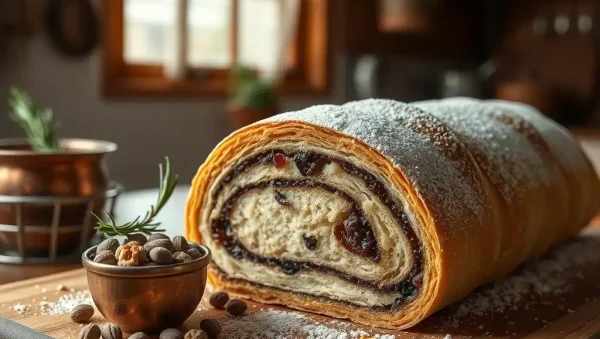
🌟 Discover our easy Polish poppy seed recipe for Makowiec, a delicious and traditional Polish treat. Perfect for bakers of all levels,…
Read article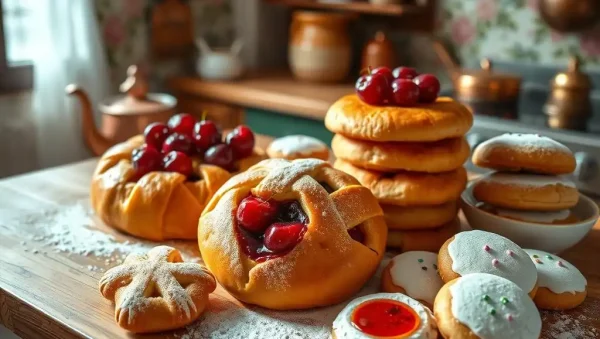
😊 Discover the charm of authentic Eastern European pastry recipes easy to make at home. BakeWithEase.com offers simple techniques and step-by-step guides…
Read article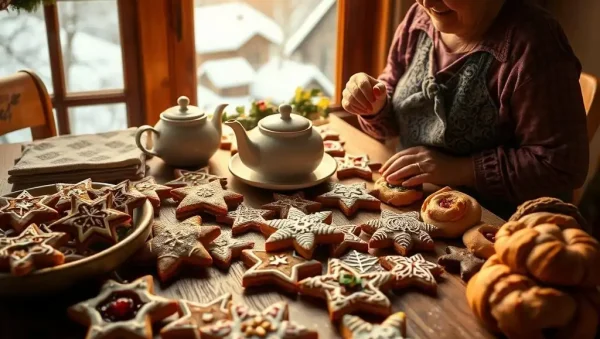
🎄Discover delightful Eastern European Christmas cookies recipes that bring festive warmth and tradition to your baking. BakeWithEase.com offers simple, step-by-step guides to…
Read article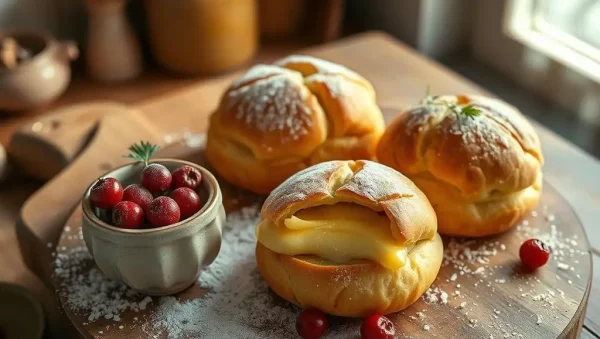
😊 Discover how to make the perfect Easy Russian cheese bun recipe with our simple, step-by-step guide. Bake delicious Vatrushka cheese buns…
Read article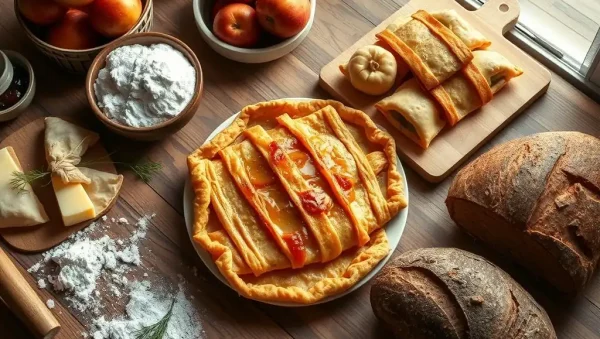
😊 Discover the delicious world of easy Eastern European baking recipes with BakeWithEase.com. Perfect for all skill levels, our step-by-step guides make…
Read article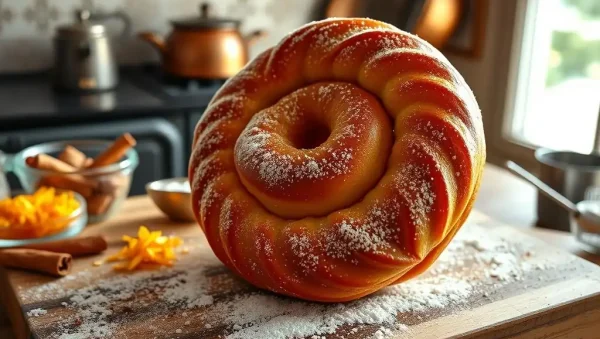
😊 Discover how to make authentic Slovakian trdelník at home with our easy Slovakian trdelník recipe. Perfect for bakers of all levels,…
Read article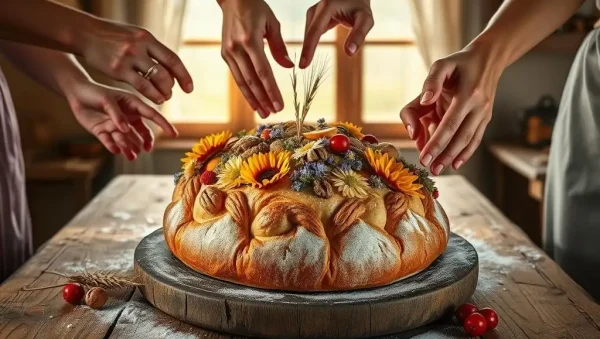
🌟 Discover the rich tradition of Ukrainian korovai with our beginner guide, offering step-by-step instructions to master this beautiful wedding bread. Perfect…
Read article
😊 Discover how to create delicious Rugelach with our easy Rugelach filling recipes. Perfect for bakers of all levels, these simple tips…
Read article
🌟 Discover the joy of baking with our simple guide to making your first easy Eastern European yeast bread. Perfect for beginners,…
Read article
😊 Discover the world of easy Eastern European baking with BakeWithEase.com, your ultimate guide to mastering simple recipes, techniques, and tips. Perfect…
Read articleEastern European baking is a treasure trove of hearty breads, delicate pastries, and festive cakes that tell stories of tradition, resilience, and community. From the honey-kissed layers of a Ukrainian medivnyk to the savory punch of a Polish pierogi dough, this subcategory on BakeWithEase.com unlocks authentic recipes and time-honored techniques. Whether you are a curious beginner or a seasoned baker, expect to find approachable guides that use everyday ingredients while honoring regional nuances. Dive into a world where butter, sour cream, rye flour, and poppy seeds shine, and where every loaf carries a legacy worth savoring.
Eastern European baking revolves around robust, tangy rye breads and dense dark loaves that accompany every meal. You will learn to craft traditional Polish żytni, Russian borodinsky, and Lithuanian dark rye with a sourdough starter or commercial yeast. These recipes emphasize long fermentation for depth, and we simplify the process with clear steps for home ovens. Expect tips on handling sticky dough, using bread flour blends, and achieving that coveted crackly crust.
Beyond technique, you will discover why these breads are nutrient-dense and naturally lower in gluten. We cover how to pair them with smoked fish, pickles, or sweet butter, and how to store them to retain moisture. Each guide includes troubleshooting for common issues like dense crumb or overly sour flavor, ensuring your loaves turn out bakery-worthy. With our step-by-step photos and metric conversions, you can confidently replicate the taste of a European bakery in your own kitchen.
Eastern European baking isn’t just sweet—it’s a celebration of savory hand-held delights. Here, you’ll master pierogi dough (both boiled and baked), flaky pirozhki filled with cabbage or meat, and Georgian khachapuri with its molten cheese center. We provide foolproof dough recipes that roll out thin yet sturdy, plus filling ideas from mushroom and potato to farmer’s cheese and dill. Each recipe highlights regional twists, like adding sour cream for tenderness or using buckwheat flour for rustic texture.
Expect detailed guides on shaping, crimping, and cooking methods—whether you prefer boiling, pan-frying, or oven-baking. We also share time-saving batch tips, including freezing options for future meals. For beginners, we break down the science of gluten development and resting times so your pastry stays light, not tough. These recipes become weeknight heroes or party showstoppers, and you’ll learn to balance flavors with classic accompaniments like smetana (sour cream) or fried onions.
Eastern European baking shines in its rich, spiced cakes that are perfect for holidays or cozy afternoons. You will bake Ukrainian medivnyk, a honey cake with layers of sour cream frosting, and Russian pryanik—soft gingerbread often glazed with sugar. We also cover Easter kulich, a tall, yeasted sweet bread studded with raisins and almonds. These recipes rely on pantry staples like honey, molasses, cinnamon, and cloves, and we show you how to balance sweetness without overpowering the spices.
Expect detailed instructions for achieving moist, tender crumbs—from proper honey caramelization to careful folding of whipped eggs. You’ll also learn about resting times that deepen flavor, as well as glazing and decorating techniques. For special occasions, we offer variations like chocolate-honey or citrus-infused versions. Our troubleshooting sections address common issues like dryness or sinking centers, ensuring your festive bakes rise tall and proud. These cakes become comforting classics that evoke nostalgia with every slice.
Eastern European baking is famous for its rolled pastries filled with poppy seeds, walnuts, or sweet cheese. You’ll master Hungarian beigli, a yeast-based roll with a generous poppy seed filling, and Polish makowiec, often served at Christmas. We also detail flaky strudel dough—stretched paper-thin—filled with apple, cherry, or cottage cheese. These recipes require patience but reward you with stunning spirals and rich flavors. We simplify the rolling process with step-by-step visual cues and provide a no-fail dough that is both elastic and tender.
Beyond technique, you’ll learn how to prepare fillings that stay moist without making the pastry soggy. Expect tips on grinding poppy seeds (or using pre-ground), toasting nuts, and incorporating citrus zest or rum. For beginners, we offer a shortcut version using puff pastry, while purists can follow the traditional method. We also cover slicing and storing so your rolls remain fresh for days. These pastries are ideal for gift-giving or festive brunches, and each recipe includes weight measurements for precision.
No exploration of Eastern European baking is complete without indulgent fried or enriched doughs. You will learn to make Polish pączki—airy, jam-filled donuts—and Russian syrniki, pan-fried cheese pancakes. We also cover babka, a braided sweet bread often swirled with chocolate or cinnamon. These recipes teach you how to handle enriched doughs rich in eggs, butter, and sometimes sour cream. Expect detailed proofing instructions, proper frying temperatures, and methods for glazing or dusting with powdered sugar.
We break down each step, from mixing to shaping, ensuring your dough is light and pillowy. For pączki, you’ll master the classic rosehip or plum jam filling, plus tips for even frying without oil absorption. Syrniki recipes include both classic and gluten-free versions using quark or cottage cheese. Babka dough becomes a canvas for endless variations—try cinnamon-walnut or rum-raisin. We also address common issues like heavy dough or crackly crusts, helping you achieve that perfect golden finish. These treats bring festive joy to any table and are surprisingly approachable for home bakers.
No, most recipes require basic tools like mixing bowls, rolling pins, and baking sheets. A stand mixer with dough hooks is helpful for heavy rye doughs but not mandatory—you can knead by hand. For strudel, a large clean tablecloth or towel helps stretch the dough thin. A kitchen scale is recommended for accurate measurements, but we provide cup equivalents where possible. Just ensure you have a good oven thermometer for even baking.
Yes, you can substitute full-fat Greek yogurt for sour cream, and for quark, use a mix of ricotta and plain yogurt drained overnight. For rye flour, you can replace up to half with whole wheat or all-purpose, but expect a milder flavor. Poppy seeds can be swapped with ground almonds in some fillings, though texture will differ. Always adjust liquid slowly to achieve the desired dough consistency.
Rye breads stay fresh for up to a week when wrapped in a cloth and kept in a cool place; avoid plastic to keep crust crisp. Pastries like pierogi freeze well before cooking—just lay them on a tray, freeze, then transfer to a bag. Cakes and rolls should be wrapped tightly in plastic and refrigerated for up to four days. For longer storage, freeze unfrosted cakes for up to three months.
You can use a coffee grinder dedicated to spices, or boil the seeds in milk for 10 minutes, then squeeze out excess liquid and process in a food processor. Another method involves soaking seeds in hot water overnight, then blending with honey or sugar. The goal is to release oils for a creamy paste; ensure no whole seeds remain for best texture.
Absolutely, many are beginner-friendly, especially pirozhki, syrniki, and honey cakes. We provide detailed photo tutorials and slow, clear instructions. Start with simpler recipes like syrniki or pączki to build confidence before tackling strudel or kulich. Even complex recipes include troubleshooting sections, so you can anticipate and fix issues. Remember, practice improves your intuition—and every attempt is delicious.