Bake Perfect French Almond Financiers Every Time
🍰 Discover the ultimate guide to the perfect French almond financiers recipe on BakeWithEase.com. Master easy techniques and tips to bake moist,…
Read article
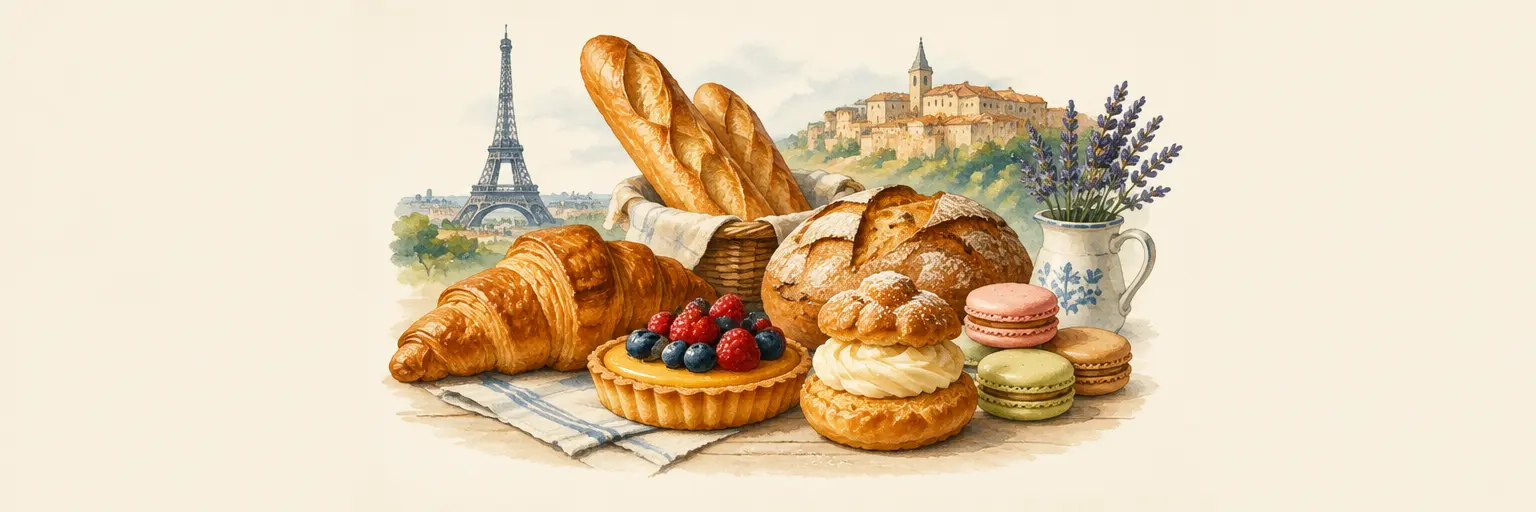
Discover the timeless art of French Baking Classics and bring the soul of Parisian patisserie into your own kitchen 🥐✨. From flaky, golden croissants and buttery madeleines to rich chocolate éclairs and delicate tarte Tatin, this collection unlocks the secrets behind France’s most beloved treats. Whether you’re just starting your baking journey or refining your skills, our step-by-step guides simplify classic techniques like laminating dough, tempering chocolate, and creating silky crème pâtissière—all with easy-to-find ingredients. Master the perfect baguette crust, celebrate seasonal delights like galette des Rois, or impress guests with an authentic clafoutis. Each recipe is crafted to build confidence, demystifying French precision while preserving the rustic charm of regional traditions. Embrace the elegance of le savoir-faire and transform simple flour, butter, and sugar into unforgettable masterpieces that taste like they came straight from a charming boulangerie. Perfect for home bakers craving authentic flavor without the fuss—your journey to French perfection starts here 🇫🇷🍰.
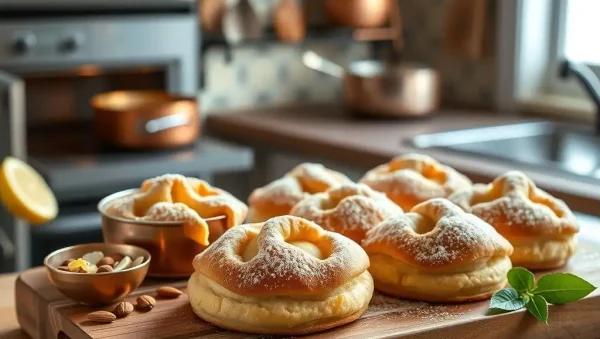
🍰 Discover the ultimate guide to the perfect French almond financiers recipe on BakeWithEase.com. Master easy techniques and tips to bake moist,…
Read article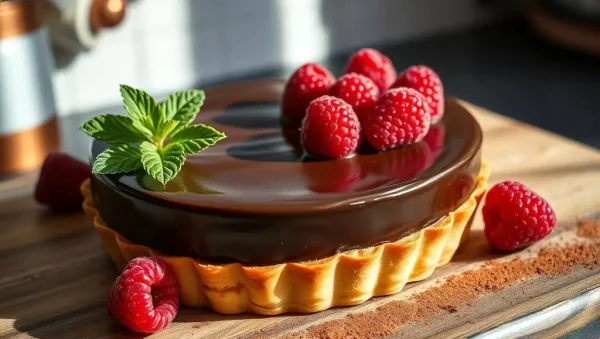
🍫 Discover the ultimate easy French chocolate tart recipe on BakeWithEase.com! Perfect for bakers of all levels, this step-by-step guide makes creating…
Read article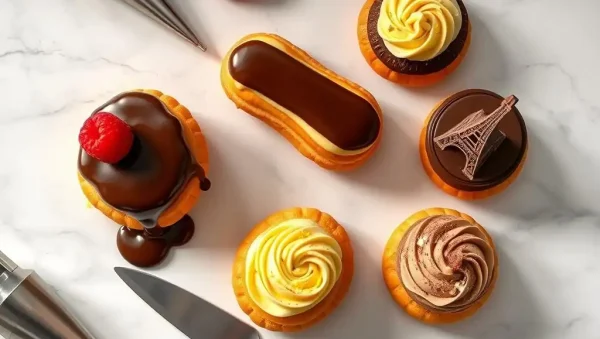
🍰 Discover easy techniques in our French eclair decorating tutorial, perfect for bakers of all levels. BakeWithEase.com guides you through simple steps…
Read article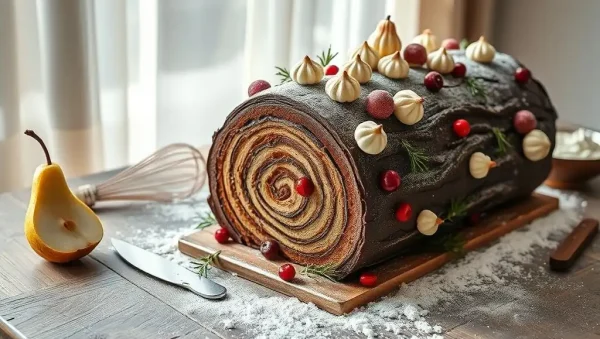
🎂 Discover how to create an irresistible Easy French Yule Log with our simple step-by-step guide. Perfect for bakers of all levels,…
Read article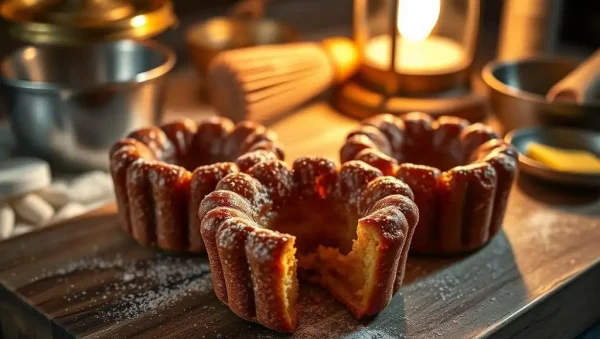
🍰 Discover essential French canelé baking tips on BakeWithEase.com to perfect your treat! From batter preparation to baking techniques, our expert advice…
Read article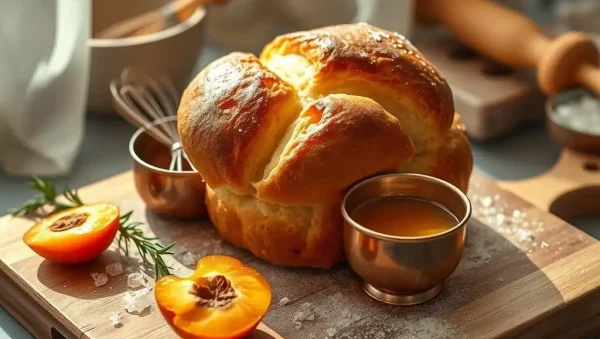
😊 Discover how to make an Easy French brioche recipe with our simple, step-by-step guide. Perfect for bakers of all levels, BakeWithEase.com…
Read article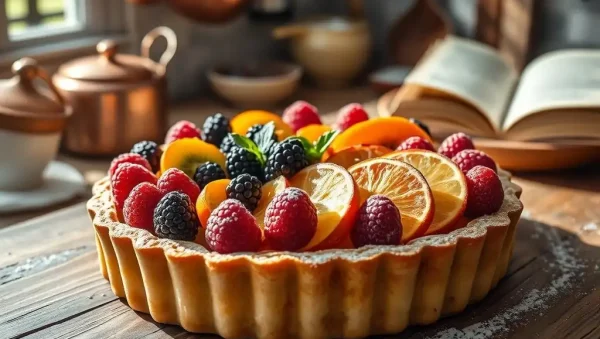
😊 Discover the joy of baking with our Easy French Fruit Tart Recipe on BakeWithEase.com. Perfect for all skill levels, this step-by-step…
Read article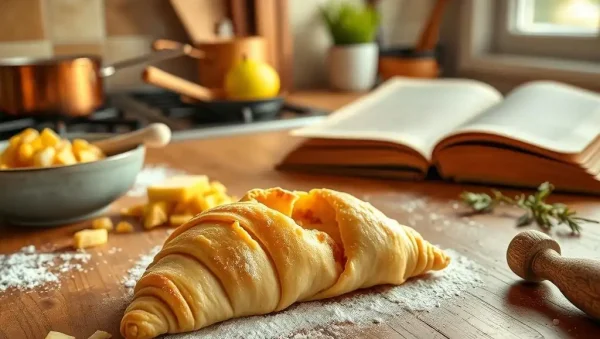
😊 Discover how to make an easy homemade puff pastry from scratch with our simple, step-by-step guide. Perfect for creating classic French…
Read article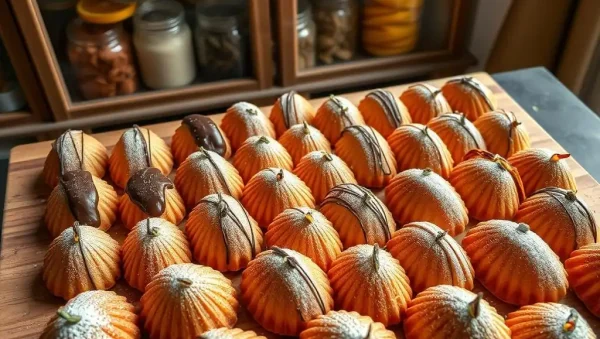
😊 Discover exciting French madeleine flavor variations to elevate your baking. BakeWithEase.com offers simple tips and creative ideas to transform classic madeleines…
Read article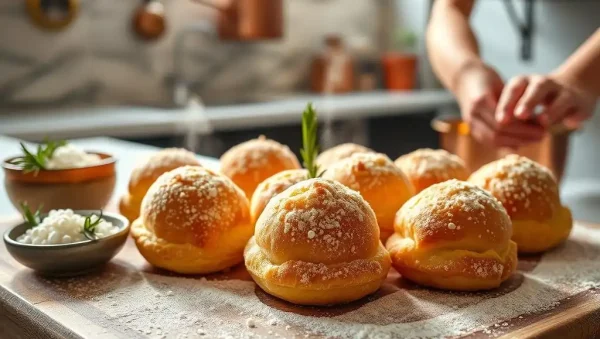
😊 Unlock the secret to perfect, airy French chouquettes with our expert Airy French chouquette recipe tips. At BakeWithEase.com, discover simple techniques…
Read article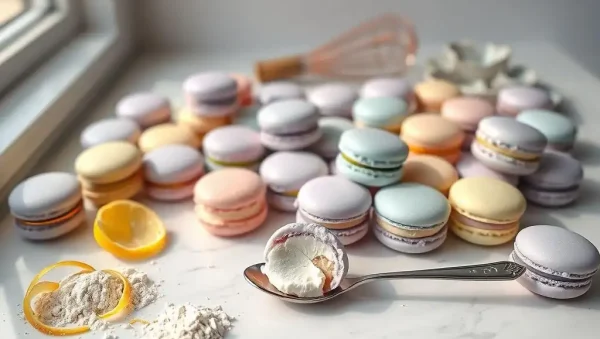
✨ Discover the ultimate guide to achieving the perfect French macaron shells with our simple, step-by-step Perfect French macaron shells recipe. BakeWithEase.com…
Read article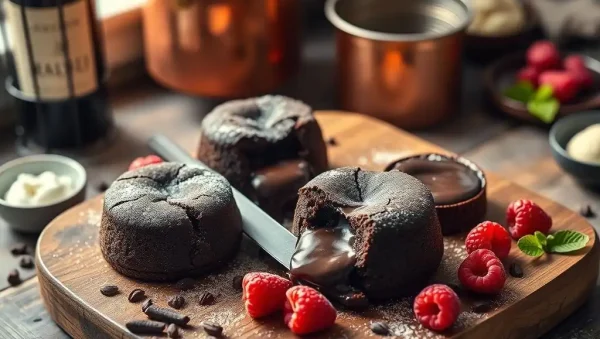
🍫 Discover how to make irresistible Easy French chocolate lava cakes with simple steps on BakeWithEase.com. Perfect for bakers of all levels,…
Read articleFrench baking is synonymous with elegance, precision, and layers of buttery flavor. Within the Regional & Cultural Baking category, our French Baking Classics subcategory at BakeWithEase demystifies iconic recipes like croissants, éclairs, and macarons. Instead of intimidating techniques, you’ll find simplified, step-by-step guidance that respects tradition while using accessible ingredients. Whether you’re aiming for a flaky pâte feuilletée or a silky crème pâtissière, this resource is designed to build your confidence through clear explanations, troubleshooting tips, and cultural context. Let’s bring the charm of a Parisian pâtisserie into your kitchen—one classic at a time.
The croissant is the crown jewel of French viennoiserie, demanding patience with lamination—layering butter and dough through repeated folds. In this section, you’ll learn the proper dough temperature, the technique for a honeycomb crumb, and how to avoid the dreaded butter leak. Expect visual guides on shaping crescents and a timeline for overnight proofing that fits busy schedules. We also cover variations like almond-filled croissants and whole-wheat versions without losing that delicate flake.
Beyond technique, we share pro tips for humidity control and oven steam to achieve a glossy, shattering crust. You’ll also find a troubleshooting chart for common issues like dense layers or uneven rise. By the end, you’ll not only replicate bakery-style croissants but also understand why rest times matter. This is your gateway to French pastry logic, where every fold builds flavor and structure.
Choux pastry (pâte à choux) is a magical dough that puffs into hollow shells, perfect for classic éclairs, cream puffs, and Paris-Brest. Here, we break down the two-stage cooking method—stovetop drying and oven blast—that ensures crisp, airy results. You’ll learn the exact flour incorporation technique and why eggs must be added gradually to achieve the right ribbon consistency. We also include a foolproof recipe for chocolate glaze that sets with a professional shine.
This section also demystifies crème pâtissière and chiboust cream, offering stabilizer alternatives for home kitchens. Expect a guide on piping uniformity, bake times for different sizes, and how to fill without soggy shells. We address common pitfalls like deflation or cracks with actionable fixes. Whether you’re making mini choux for a party or a towering croquembouche, you’ll feel equipped to handle this versatile pastry with grace.
From the rustic galette des rois to the polished tarte au citron, French tarts celebrate simplicity with high-quality ingredients. This facet focuses on sweet shortcrust (pâte sucrée) and puff pastry alternatives, plus the art of blind baking to prevent soggy bottoms. You’ll find recipes for seasonal fruit tarts with vanilla bean pastry cream, plus savory versions like tomato and goat cheese tarts. We emphasize ratios—flour, butter, sugar, egg—so you can scale confidently.
Additionally, we explore free-form galettes that require no tart pan, perfect for beginners. Learn to detect doneness from color and aroma, and how to brush with apricot glaze for that glossy finish. Each recipe includes make-ahead notes and storage tips to keep your tart fresh. We also cover gluten-free adaptations using rice flour. This section proves that French baking isn’t always fussy—it can be spontaneous, forgiving, and deeply satisfying.
French desserts often hinge on perfect custards—velvety, silky, and set with precision. Here, we teach classic crème brûlée with a crackly caramel top, silky crème caramel, and light-as-air chocolate mousse using whipped egg whites. You’ll master the water bath (bain-marie) technique to avoid curdling and learn how to gauge doneness with a gentle jiggle. Each recipe includes a step for tempering eggs, reducing curdle risk, and adding flavor infusions like lavender or orange zest.
We also dive into mousses and Bavarian creams, explaining gelatin usage and folding methods for stability. Expect troubleshooting for weeping custards, overcooked eggs, or overly firm set. You’ll find variations using white chocolate, caramel, or seasonal berries. These desserts are perfect for dinner parties, as they can be made ahead and finished with a blowtorch or garnish. This section provides the science behind silky texture, so you can adapt any recipe with confidence.
Macarons are notorious for finicky behavior, but this section breaks down the Italian vs. French meringue methods with clear comparative guidance. You’ll learn the importance of aging egg whites, precise macaronage (folding) with visual cues, and how to achieve a smooth “foot” (the crusty base). We provide a master template for parchment paper to keep shapes uniform, plus a troubleshooting guide for hollow shells, cracked tops, or lopsided feet. Full-stop solutions are given for humidity and oven hot spots.
Beyond the shells, we cover ganache fillings and buttercream flavors—from salted caramel to pistachio—plus how to store macarons for optimal maturation. Expect a timeline that fits a weekend, with rest periods clearly noted. We also share vegan and nut-free alternatives using aquafaba, though with a caveat on texture differences. This section is about mastery through practice, offering a positive mindset and small batch tests. By the end, you’ll approach macarons with courage, not dread.
French meringue uses raw egg whites whipped with sugar, producing a lighter shell that needs longer drying. Italian meringue involves a cooked sugar syrup poured into frothy whites, yielding a more stable batter that’s forgiving with humidity. For beginners, Italian method often gives more consistent results, though it requires a candy thermometer. Both work; choose based on your equipment and comfort level.
Margarine with high fat content (above 80%) can work, but flavor and texture will differ. Butter’s water content creates steam, aiding flakiness. For best results, use European-style butter with at least 82% fat. If dairy-free, choose a baking block specifically designed for lamination. Expect a less rich taste and slightly softer layers, but it’s possible for dietary needs.
Sogginess usually comes from filling too early or using a wet custard. Let choux shells cool completely and fill them just before serving. A thin layer of melted chocolate or a spoonful of jam inside acts as a moisture barrier. Also, ensure the custard is thick enough and not overcooked—the starch should be fully activated to hold moisture.
Check by gently shaking the ramekin; the edges should be set but the center should jiggle like jelly. Overbaking causes curdling, while underbaking leaves it runny. The internal temperature should be around 170-175°F (77-80°C). Cool completely, then chill for at least four hours to set before torching the sugar topping.
Most pastries with custard should be refrigerated and eaten within 1-2 days. Croissants and tarts with fruit can sit at room temperature for a day, but freeze them for longer. Macarons mature in the fridge for 24-48 hours, improving texture. Always wrap in airtight containers to prevent staling. Reheat croissants in a 300°F oven for crispness.