Easy Italian Flatbreads You Can Bake Today
😊 Discover how to make delicious, crispy Easy Italian flatbread recipes with simple ingredients and step-by-step guidance. Perfect for bakers of all…
Read article
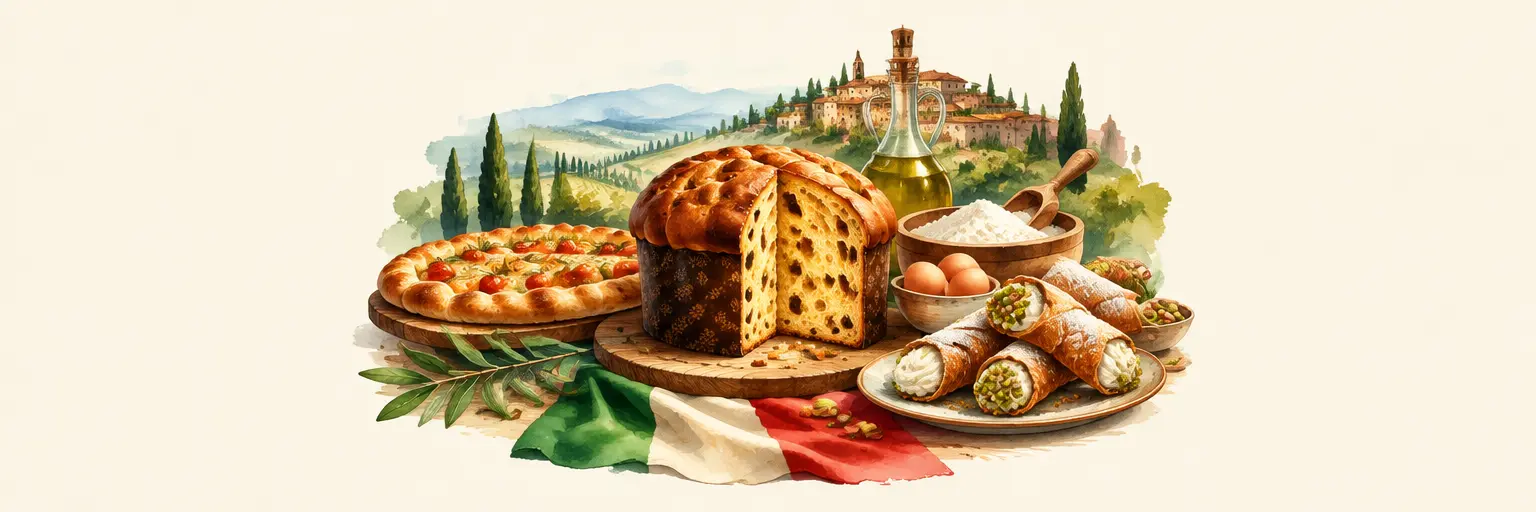
Explore the heart of Italian baking traditions, where every loaf, biscotti, and festive tart carries centuries of regional pride and family ritual. From the rustic, crusty pane di Altamura of Puglia to the buttery, golden panettone of Milan, this journey reveals how simple ingredients—flour, olive oil, honey, and almonds—transform into iconic masterpieces. Learn the secrets behind crisp taralli, fluffy focaccia, and the delicate layers of sfogliatelle, all grounded in time-honored techniques passed down through generations. Whether you’re recreating a Sunday morning ciambella or diving into the sweet, saffron-infused panforte of Siena, our guides simplify authentic methods without losing depth. Perfect for home bakers craving a taste of la dolce vita, these recipes emphasize patience, quality ingredients, and the joy of sharing. Unlock the cultural stories behind each bake—from Easter’s Colomba to Christmas’s Pandoro—and bring the warmth of an Italian nonna’s kitchen straight to your oven. Start with accessible variations, then elevate your skills with pro tips on dough hydration, proofing times, and wood-fired flavor substitutes.
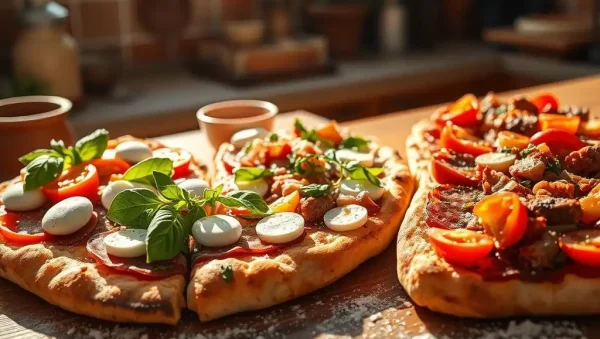
😊 Discover how to make delicious, crispy Easy Italian flatbread recipes with simple ingredients and step-by-step guidance. Perfect for bakers of all…
Read article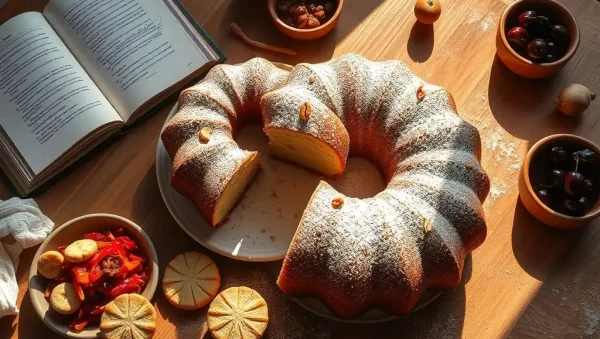
😊 Discover the delicious world of Piedmontese baking with our easy Piedmontese cake recipes simple to make. Perfect for bakers of all…
Read article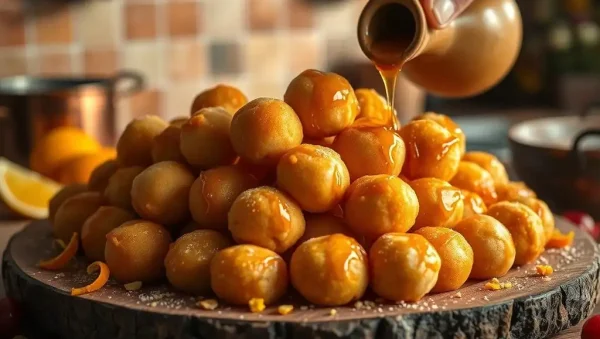
😊 Discover the joy of baking with our easy honey Struffoli recipe, a delicious Italian treat. Perfect for beginners, this simple Struffoli…
Read article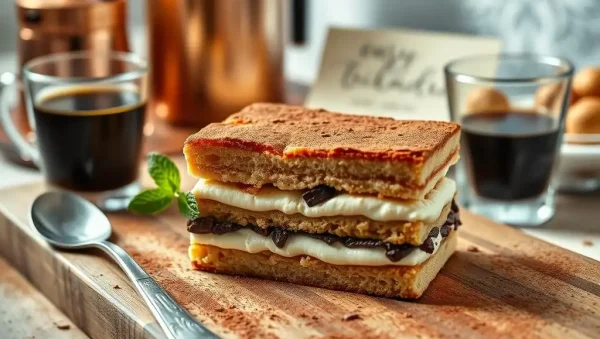
😊 Discover the ultimate Easy Baked Tiramisu Recipe at BakeWithEase.com, perfect for bakers of all levels! Learn simple steps to create this…
Read article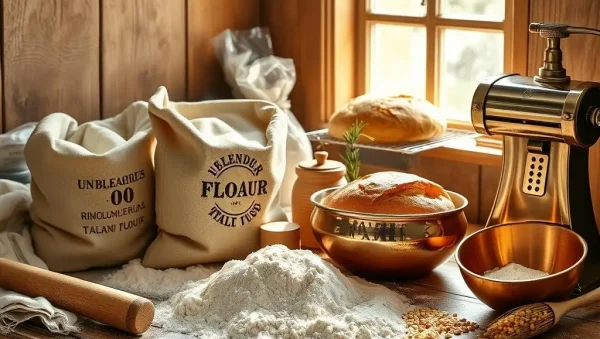
🌟 Discover essential Italian flour baking tips to elevate your home baking. Learn how different Italian flours impact texture and flavor, and…
Read article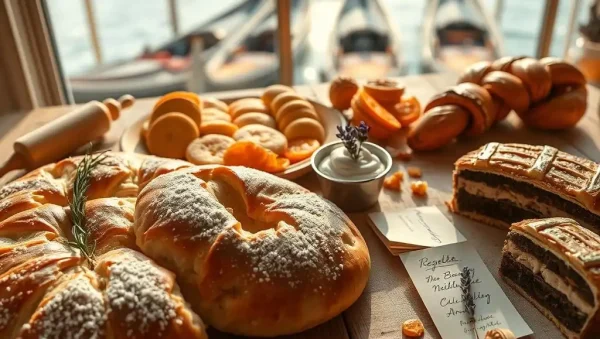
🌟 Discover Venetian baking recipes for beginners, featuring traditional sweets and breads that highlight Venice’s rich culinary heritage. Bake with ease using…
Read article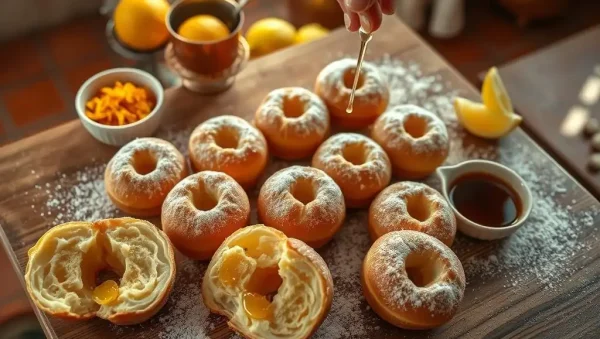
🍩 Discover the joy of baking with our Easy Italian Zeppole recipe, perfect for creating delicious, fluffy Italian doughnuts at home. BakeWithEase.com…
Read article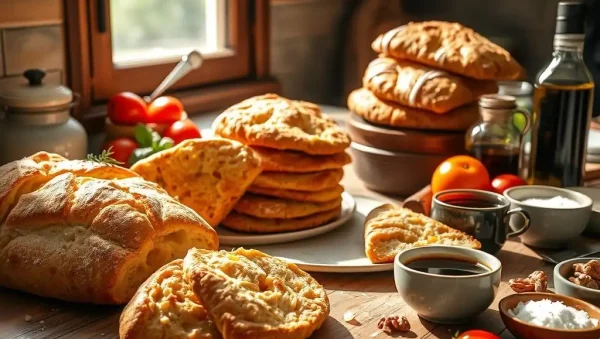
🌟 Discover the joy of easy Italian baking recipes with BakeWithEase.com! Whether you're a beginner or seasoned baker, learn simple techniques and…
Read article
🍰 Discover the delightful world of baking with dried fruit Italian cake on BakeWithEase.com. Learn simple techniques and tips to create irresistibly…
Read article
😊 Discover the vibrant flavors of Italy with our easy citrus cake recipes, perfect for bakers of all levels. At BakeWithEase.com, learn…
Read article
😊 Discover the charm of baking with our Easy Italian Ring Cake Recipe, a stunning and delicious treat perfect for bakers of…
Read article
🥖 Discover how to create a perfect rustic ciabatta bread with our easy-to-follow rustic ciabatta bread recipe on BakeWithEase.com. Perfect for beginners…
Read articleWelcome to Italian Baking Traditions, a dedicated corner of BakeWithEase.com where the rustic charm of Tuscany meets the sweet sophistication of Sicily. Here, we celebrate the time-honored techniques, regional ingredients, and cultural rituals that define Italy’s rich baking heritage. From crusty pane casareccio to festive panettone, this subcategory will guide you through authentic recipes and stories, ensuring you can recreate the soulful flavors of an Italian nonna’s kitchen right in your own home. Expect practical tips, ingredient substitutions, and step-by-step confidence builders.
Italian bread is a daily ritual, and our collection focuses on achieving that perfect crackly crust and airy, chewy crumb. You’ll learn the art of biga (pre-ferment) and poolish, essential for depth of flavor. Expect classic recipes like ciabatta, pane di Altamura, and the ever-versatile focaccia Genovese, topped simply with olive oil and rosemary. We demystify hydration levels and baking stones so you can master professional-grade results at home, even on a standard oven.
Beyond technique, we explore regional variations—Sicilian sesame-crusted cunsato versus Ligurian crisp focaccia. You’ll find troubleshooting guides for dense loaves and tips for using semola rimacinata flour for that authentic southern texture. Each recipe includes video timelapses and a “Why It Works” section, making it easy to adapt to your environment. Whether you’re a sourdough enthusiast or a beginner, these breads become a rewarding weekly staple.
Italian celebrations are incomplete without towering golden cakes. Our focus is on panettone and pandoro, the Milanese and Veronese holiday icons. We break down the multi-day process into manageable stages, from making the lievito madre (sourdough starter) to the final double-proofed bake. Expect detailed schedules, temperature charts, and guidance on using paper molds or traditional tin forms. You’ll also discover simpler crowd-pleasers like torta della nonna (pine nut and custard tart) and cassata Siciliana.
These recipes emphasize patience and precision, but we ensure no step feels intimidating. We include gluten-free adaptations for panettone using a blend of rice and tapioca flours, plus tips for dairy-free custards. Each post highlights a cultural anecdote—like the legend of panettone’s creation—to enrich your baking story. By mastering these festive cakes, you’ll bring authentic Italian joy to any holiday table, impressing guests with both flavor and history.
From crunchy biscotti di Prato to buttery paste di mandorla, this section covers the beloved bite-sized treats of Italy. We focus on texture—twice-baked crispness for dunking in Vin Santo, and soft, chewy almond cookies from Sicily. Expect recipes for cantucci, amaretti, ricciarelli, and regional specialties like struffoli (honey-glazed dough balls) from Naples. You’ll learn proper shaping, egg wash techniques, and how to toast nuts for maximum aroma.
We also delve into the science of using almond flour versus blanched whole almonds, and how to adjust sweetness without compromising structure. Each cookie recipe includes storage tips—biscotti keep for weeks—and gift-wrapping ideas using parchment and twine. For holidays, we add variations like chocolate-dipped or spice-infused versions. These cookies are perfect for beginner bakers, requiring minimal equipment, yet delivering complex, bakery-quality flavor that pairs beautifully with espresso.
Italian savory baking goes beyond pizza. Our collection features hearty torte salate and erborinati (herb-filled pies) that make stunning mains or appetizers. Expect classics like torta pasqualina (Easter pie with spinach and eggs), pizza rustica, and Ligurian torta di verdure. We guide you through making flaky olive oil pastry or buttery pasta frolla, and how to layer ricotta, vegetables, and cured meats for balanced flavor. You’ll learn blind-baking tricks to prevent soggy bottoms and how to seal edges for beautiful lattice tops.
Regional variations shine—from Sicilian impanata to Tuscan schiacciata stuffed with greens. We provide vegetable substitutions for seasonal produce and dairy-free ricotta alternatives. Each recipe includes a “Prep Ahead” section, showing how to assemble and refrigerate overnight for stress-free entertaining. These savory pies are perfect for picnics, brunches, or weeknight dinners, offering a slice of Italian comfort that’s both elegant and rustic.
Italy’s twenty regions each boast hidden baking treasures. This section celebrates niche recipes like pane carasau (paper-thin Sardinian crispbread), focaccia di Recco (cheese-stuffed Ligurian flatbread), and zeppole (fried dough balls) from Campania. We share authentic family methods, passed down through generations, with precise measurements and technique nuances. Expect to learn how to roll dough so thin you can read through it, or how to achieve that perfect airy, fried texture without absorbing oil.
We also highlight festive breads like colomba di Pasqua (Easter dove cake) and pane di San Martino—each with its own legend and shaping tradition. Our posts include printable regional maps and “Flavor Profiles” to help you choose recipes based on your pantry or palate. By exploring these niche gems, you’ll gain a deeper appreciation for Italy’s culinary diversity and be inspired to try something beyond the mainstream. These recipes often become the most treasured in your baking repertoire.
A sturdy wooden rolling pin and a heavy-duty baking stone or steel are absolute game-changers. For breads, a lamé (bread scoring blade) is crucial for controlled oven spring. You’ll also need a digital scale for accuracy, as Italian recipes rely heavily on weight. Don’t forget a spray bottle for steam—this simple tool creates that crisp crust.
Yes, but expect texture differences. “00” flour is finely milled with lower protein, yielding softer, more tender crumb for cakes and focaccia. All-purpose (around 11-12% protein) works for breads but may require slightly higher hydration. For pastries, mixing all-purpose with a bit of cake flour mimics “00” results. Always check protein content on your bag.
Create steam in your oven by placing a pan of boiling water on the lower rack during the first 10 minutes of baking. Preheat a cast iron pan, then carefully add ice cubes to create burst of steam. Alternatively, mist the dough with water before sliding it onto the stone. For extra shine, brush with an egg wash or olive oil halfway through.
This usually results from underproofing or overmixing the dough, which weakens gluten structure. Ensure your lievito madre is active and pass the “windowpane test” before adding butter. Bake at a consistent 350°F (175°C) and cool upside down, hanging from skewers, to prevent sinking. Patience is key—allow 8-12 hours of rising time.
No, many are savory or subtly spiced. Examples include pizza di grano (wheat berry pie), torta di erbe (herb tart), and focaccia con l’uva (grape focaccia, sweet-savory). Southern regions use more honey and citrus, while northern areas favor butter and nutmeg. Every family has its own balance, so always taste as you go and adjust seasonings.