
Sourdough Discard Onion Rings: Unexpectedly Simple & Delicious

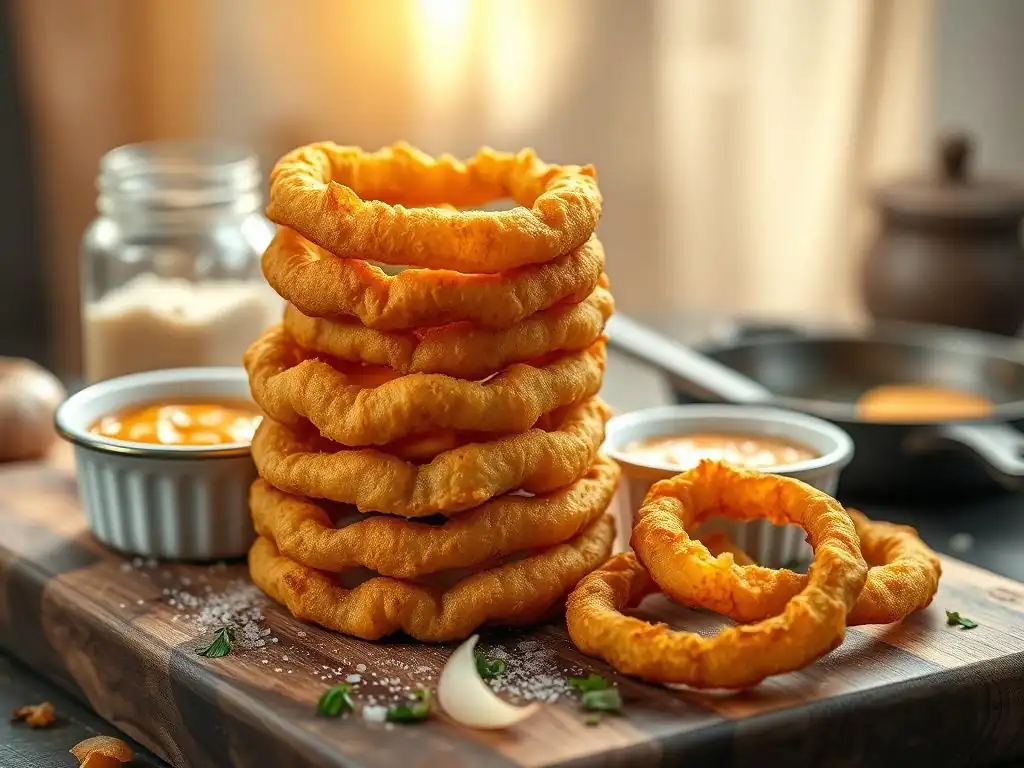
Welcome to BakeWithEase, where we transform baking aspirations into delicious realities! Ever wondered what to actually do with that sourdough discard? Prepare to be amazed! We're diving into an unexpectedly simple and incredibly flavorful recipe that's turning heads: Sourdough Discard Onion Rings. Discover how to use that often-wasted starter to create the crispiest, most satisfying onion rings you've ever tasted. Curious to learn the secret? Let's get baking!
- Introduction: Elevate Your Onion Rings with Sourdough Discard
- Why Use Sourdough Discard for Onion Rings? A Baker's Secret Weapon
- Sourdough Discard Onion Rings Recipe: Step-by-Step Guide
- Tips and Tricks for Sourdough Discard Onion Ring Success
- Storing and Reheating Sourdough Discard Onion Rings
- Sourdough Discard Onion Rings: Recipe Variations and Customization
- Troubleshooting Common Sourdough Onion Ring Problems
- Conclusion: Your New Favorite Sourdough Discard Recipe
-
Frequently Asked Questions
- What exactly is sourdough discard and why would I use it in onion rings?
- Is a specific type of sourdough starter needed for this recipe?
- Can I substitute any of the ingredients in the sourdough discard onion rings recipe?
- How do I ensure the onion rings are perfectly crispy and not soggy?
- How long can I store leftover sourdough discard onion rings?
- Final Reflection: The Humble Discard, Elevated
- Unlock the Flavor: Turn Your Sourdough Discard into Crispy Rings!
Introduction: Elevate Your Onion Rings with Sourdough Discard
Who doesn't love a crispy, golden onion ring? That satisfying crunch followed by the sweet, tender onion within is a culinary delight. But what if you could make this classic snack even better, while also making use of something you might otherwise discard? Enter the world of sourdough discard onion rings. This innovative approach not only transforms a common kitchen byproduct into something spectacular but also adds a unique depth of flavor and texture that traditional batters often lack.
This guide will walk you through creating the perfect batch of sourdough discard onion rings. We'll explore why sourdough discard is an excellent ingredient for this purpose, provide a detailed recipe, share essential tips for success, and even touch on variations. Get ready to discover a new favorite way to enjoy onion rings and put your sourdough discard to delicious use!
Why Use Sourdough Discard for Onion Rings? A Baker's Secret Weapon
For anyone maintaining a sourdough starter, the regular discarding process is a familiar routine. While often seen as waste, this unfed starter, or "discard," is a versatile ingredient brimming with potential. It carries the characteristic tangy flavor and contains active cultures and flour, making it a fantastic base for various recipes beyond bread, including this delightful sourdough discard onion rings recipe. Utilizing discard is an excellent way to reduce food waste and unlock new flavor profiles in your cooking.
Beyond the environmental and economic benefits, sourdough discard brings unique properties to batter recipes. Its slight acidity can interact with baking soda (if used) to provide lift, and its inherent structure contributes to a potentially crispier finished product. This makes it a secret weapon for achieving exceptionally light and crunchy coatings, perfect for upgrading your next batch of onion rings.
The Tangy Flavor Boost of Sourdough Discard
Sourdough discard, particularly unfed discard that has been sitting for a few days in the refrigerator, develops a distinct tang. This characteristic acidity comes from the lactic and acetic acids produced by the wild yeast and bacteria in the starter. When incorporated into a batter for onion rings, this tangy note provides a subtle, pleasant counterpoint to the sweetness of the onion and the richness of the frying oil. It's a flavor complexity not found in standard milk or water-based batters.
Think of it like a squeeze of lemon on fried fish – that touch of acidity cuts through the richness and brightens the overall taste. In sourdough discard onion rings, the tang isn't overpowering; it's a background note that elevates the entire experience. Many home cooks find this added dimension makes their onion rings more addictive and memorable than traditional versions.
Sourdough Discard: A Sustainable Baking Practice
Maintaining a vibrant sourdough starter requires regular feeding, which inevitably generates discard. For many bakers, finding creative uses for this discard is a priority to avoid waste. A typical starter might require discarding half or more of its volume daily or weekly, depending on feeding schedules and storage methods. Over a month, this can amount to several cups of discard.
Incorporating discard into recipes like this sourdough discard onion rings recipe is a practical and delicious way to embrace sustainable baking. Instead of sending that flour and water mixture to the drain, you're transforming it into a tasty snack. It aligns perfectly with a mindful approach to cooking, ensuring that valuable ingredients are used to their full potential.
Crispier Onion Rings: The Sourdough Advantage
One of the key benefits of using sourdough discard in batter is its potential to contribute to a crispier texture. While the exact science can be complex, the acidity in the discard can affect gluten development in the flour used in the batter, potentially leading to a lighter, less dense coating. Furthermore, the unique composition of the discard itself can influence how the batter fries.
Many bakers report that batters made with sourdough discard tend to fry up exceptionally light and airy, resulting in a satisfyingly crisp crust that holds up well. Compared to heavy, doughy batters, the sourdough version often yields a delicate shell that shatters beautifully with each bite. This textural advantage is a significant reason why this specific sourdough discard onion rings recipe stands out.
Sourdough Discard Onion Rings Recipe: Step-by-Step Guide

Ready to make your own delicious sourdough discard onion rings? This recipe is designed to be straightforward, guiding you from preparing the batter to frying golden perfection. Follow these steps closely, and you'll be enjoying a batch of uniquely flavorful onion rings in no time. This detailed guide covers everything you need to know to execute this specific sourdough discard onion rings recipe successfully.
Ingredients for Perfect Sourdough Onion Rings
Gathering your ingredients is the first step to mastering this sourdough discard onion rings recipe. Ensure everything is measured out and ready to go before you begin mixing the batter or slicing the onions.
Sourdough Discard
You'll need about 1 to 1.5 cups of unfed sourdough discard for this recipe. The discard should be at room temperature or cold from the fridge; either works, though cold discard can sometimes make the batter slightly thicker. Aim for discard that is between 50% and 100% hydration. Older discard (several days in the fridge) tends to have a stronger tang, which is excellent for flavor.
Onions (Sweet Onions Recommended)
Large sweet onions, like Vidalia or Walla Walla, are ideal for their mild flavor and large rings. Two large onions should yield plenty of rings for a generous batch, likely around 20-30 rings depending on size and thickness. Red onions can also be used for a sharper flavor and vibrant color.
Flour Mixture for Coating
A simple all-purpose flour mixture is needed for the initial coating. You'll need about 1 cup of all-purpose flour. You can also add a tablespoon or two of cornstarch or rice flour to this mixture for extra crispiness, a trick often used in professional kitchens to enhance the crunch of fried foods.
Seasoning Blend for Enhanced Flavor
Don't underestimate the power of seasoning! A basic blend includes salt, black pepper, and paprika. About 1 teaspoon of salt, 1/2 teaspoon of black pepper, and 1/2 teaspoon of paprika is a good starting point. Feel free to customize; garlic powder, onion powder, or a pinch of cayenne pepper can add extra layers of flavor to your sourdough discard onion rings.
Frying Oil Options
Choose an oil with a high smoke point suitable for deep frying. Canola oil, vegetable oil, or peanut oil are common choices. You will need enough oil to submerge the onion rings, typically between 4 to 6 cups depending on the size of your pot or deep fryer. Ensure you have adequate ventilation when frying.
Preparing the Sourdough Batter
The heart of this sourdough discard onion rings recipe is the batter. Getting the consistency right is key to achieving a perfect coating that adheres well to the onions and fries up crispy.
Combining Sourdough Discard and Milk
In a medium bowl, whisk together the sourdough discard and about 1/2 cup of milk (dairy or non-dairy works). Start with the milk amount suggested and add more if needed to reach the desired consistency. The discard's hydration level will influence how much liquid is required.
Achieving the Right Batter Consistency
The batter should be thick enough to coat the onion rings generously but thin enough to drip off slowly, not clump up. It should resemble a thick pancake batter or a thin tempura batter. If it's too thick, whisk in milk, one tablespoon at a time. If too thin, whisk in a tablespoon or two of all-purpose flour. A smooth batter without lumps is the goal for even coating on your sourdough discard onion rings.
Slicing and Preparing the Onions
Properly preparing the onions is crucial for uniform cooking and easy handling during the breading and frying process for your sourdough discard onion rings.
Onion Ring Thickness: Finding the Sweet Spot
Slice the onions into rings about 1/4 to 1/3 inch thick. If they are too thin, they can become limp and overcooked quickly. If they are too thick, the onion inside may not cook through before the batter burns. Use a sharp knife for clean cuts that help the rings hold their shape.
Soaking the Onions (Optional)
Soaking the sliced onion rings in ice water for 15-30 minutes can help reduce their pungency and make them crisper. This step is optional but recommended if you are sensitive to strong onion flavors or want extra-crisp results. After soaking, drain the rings thoroughly and pat them very dry with paper towels. Excess moisture can cause the oil to spatter and prevent the batter from adhering properly.
Breading the Onion Rings: The Double Dip Technique
The double-dip technique ensures a robust coating that results in maximum crispiness for your sourdough discard onion rings. Set up a dredging station with three bowls: one for the flour mixture, one for the sourdough batter, and one for the breadcrumbs.
First Coating: Flour Mixture
Take a dry onion ring and dredge it completely in the flour mixture, shaking off any excess. This initial layer of flour helps the wet batter adhere better to the onion surface. Ensure the entire ring is lightly coated.
Second Coating: Sourdough Batter
Carefully dip the flour-coated onion ring into the sourdough batter, ensuring it is fully submerged and coated. Lift it out, letting excess batter drip back into the bowl. The batter should evenly coat the ring without thick clumps.
Third Coating: Panko Breadcrumbs
Immediately transfer the batter-coated ring to the bowl of Panko breadcrumbs. Gently press the breadcrumbs onto the surface of the ring to ensure full coverage. Panko breadcrumbs are recommended because they are larger and flakier than standard breadcrumbs, yielding a superior crunch for your sourdough discard onion rings. Place the breaded rings on a wire rack set over a baking sheet while you bread the remaining onions.
Frying the Onion Rings to Golden Perfection
Frying is the final step to transforming your breaded rings into crispy sourdough discard onion rings. This step requires attention to detail for the best results.
Oil Temperature and Maintenance
Heat your frying oil in a heavy-bottomed pot or deep fryer to a temperature between 350°F (175°C) and 375°F (190°C). Using a thermometer is highly recommended to maintain a consistent temperature. If the oil is too cool, the rings will be greasy; if too hot, they will burn before the batter cooks through. Adjust the heat as needed throughout the frying process.
Frying Time and Doneness Indicators
Carefully place a few breaded onion rings into the hot oil using tongs, ensuring they are not touching. Fry for 2-4 minutes per batch, flipping halfway through, until they are golden brown and crispy. The exact time will depend on the oil temperature and the thickness of the rings. They should look uniformly golden and sound crisp when gently tapped.
Avoiding Overcrowding the Fryer
Fry the onion rings in small batches. Overcrowding the pot will lower the oil temperature significantly, resulting in soggy, greasy rings instead of the desired crispy sourdough discard onion rings. Fry only as many rings as comfortably fit in a single layer in your pot. Allow the oil temperature to recover between batches before adding more rings.
Serving and Enjoying Your Sourdough Onion Rings
Once fried, transfer the sourdough discard onion rings to a wire rack set over a baking sheet to drain excess oil. Sprinkle them immediately with a little extra salt, if desired, while they are hot. Serve them while they are fresh and crispy for the best experience.
Best Dipping Sauces for Sourdough Onion Rings
Sourdough discard onion rings pair wonderfully with a variety of dipping sauces. Classic options include ketchup, ranch dressing, or barbecue sauce. For something different, try a spicy aioli, a creamy sriracha mayo, or a tangy remoulade. The slight tang of the sourdough batter complements both creamy and acidic sauces beautifully.
Serving Suggestions for Optimal Enjoyment
Serve your sourdough discard onion rings as an appetizer, a side dish alongside burgers or sandwiches, or simply as a satisfying snack. They are best enjoyed hot and fresh from the fryer. A squeeze of lemon or a sprinkle of fresh parsley can add a bright finishing touch. Share them quickly, as they tend to disappear fast!
Tips and Tricks for Sourdough Discard Onion Ring Success

Achieving consistently perfect sourdough discard onion rings involves a few key techniques. Mastering these tips will elevate your results from good to outstanding.
Mastering the Sourdough Discard Batter
The consistency of your sourdough discard batter is paramount. As mentioned, it should be like thick pancake batter. If your discard is very thick (low hydration), you might need more milk. If it's very thin (high hydration), you might need less milk or a little extra flour. Don't be afraid to adjust the liquid or flour amounts slightly until you get a batter that coats the back of a spoon thickly but still flows smoothly. Using a whisk helps ensure a lump-free batter for smooth coating.
Consider resting the batter for 10-15 minutes before using it. This allows the flour to hydrate fully and can lead to a slightly smoother batter. However, avoid letting it sit for too long, especially if your discard is active, as it might start producing significant bubbles, which can affect the coating texture.
Achieving Even Breading
Proper breading is critical for a crispy, uniform crust on your sourdough discard onion rings. Ensure each onion ring is thoroughly coated in the initial flour step – this creates a dry surface for the wet batter to cling to. When dipping in the batter, submerge the ring completely and lift slowly, allowing excess to drip off.
In the breadcrumb step, gently press the Panko onto the batter to ensure good adhesion. Don't be shy with the breadcrumbs; a generous coating provides maximum crunch. Placing the breaded rings on a wire rack prevents the bottom from getting soggy while you bread the rest. Handle the breaded rings carefully to avoid knocking off the coating before frying.
Maintaining Consistent Oil Temperature
Fluctuating oil temperature is a common culprit for less-than-perfect fried food. For sourdough discard onion rings, aim to keep the oil between 350°F and 375°F (175°C-190°C). Use a deep-fry thermometer clipped to the side of your pot. When you add cold rings, the temperature will drop. Allow it to come back up before adding the next batch.
Frying at too low a temperature results in oil-logged, greasy rings. Frying at too high a temperature causes the outside to burn before the onion is cooked and the batter is set. Adjust your burner heat as needed throughout the process to maintain the target range.
Preventing Soggy Onion Rings
Soggy sourdough discard onion rings are disappointing. Several factors contribute to this. First, ensure your onion rings are patted very dry if you soaked them. Second, maintain the correct oil temperature; low temp = greasy sogginess. Third, do not overcrowd the pot; this lowers the oil temperature and steams the rings instead of frying them.
Finally, drain the fried rings on a wire rack (not paper towels directly on a plate) immediately after removing them from the oil. The rack allows air circulation, preventing steam from building up and making the bottom soggy. Serve them as soon as possible after frying for peak crispiness.
Storing and Reheating Sourdough Discard Onion Rings
While sourdough discard onion rings are best enjoyed fresh, you might occasionally have leftovers. Proper storage and reheating methods can help retain some of their crispiness.
Best Storage Practices
Allow any leftover sourdough discard onion rings to cool completely to room temperature before storing them. Placing warm or hot rings directly into a container will create condensation, leading to sogginess. Store them in an airtight container in the refrigerator for up to 2-3 days. For longer storage, you can freeze cooled, fried onion rings in a single layer on a baking sheet until solid, then transfer them to a freezer-safe bag or container for up to 1-2 months.
Labeling the container with the date is helpful for tracking freshness. While refrigeration preserves them, the texture will soften considerably compared to freshly fried rings. Freezing preserves texture slightly better for reheating.
Reheating Methods for Crispy Results
Avoid reheating sourdough discard onion rings in a microwave, as this will make them rubbery and soggy. The best way to restore crispiness is using dry heat. Preheat your oven or toaster oven to 375°F (190°C).
Place the leftover onion rings in a single layer on a baking sheet. Reheat for 5-10 minutes, or until heated through and re-crisped. For frozen rings, you can often bake them directly from frozen, which might take slightly longer, perhaps 10-15 minutes, depending on thickness. The goal is to heat them gently and evaporate any moisture without burning the coating. An air fryer is also an excellent tool for reheating, usually taking 3-5 minutes at around 375°F (190°C).
Sourdough Discard Onion Rings: Recipe Variations and Customization
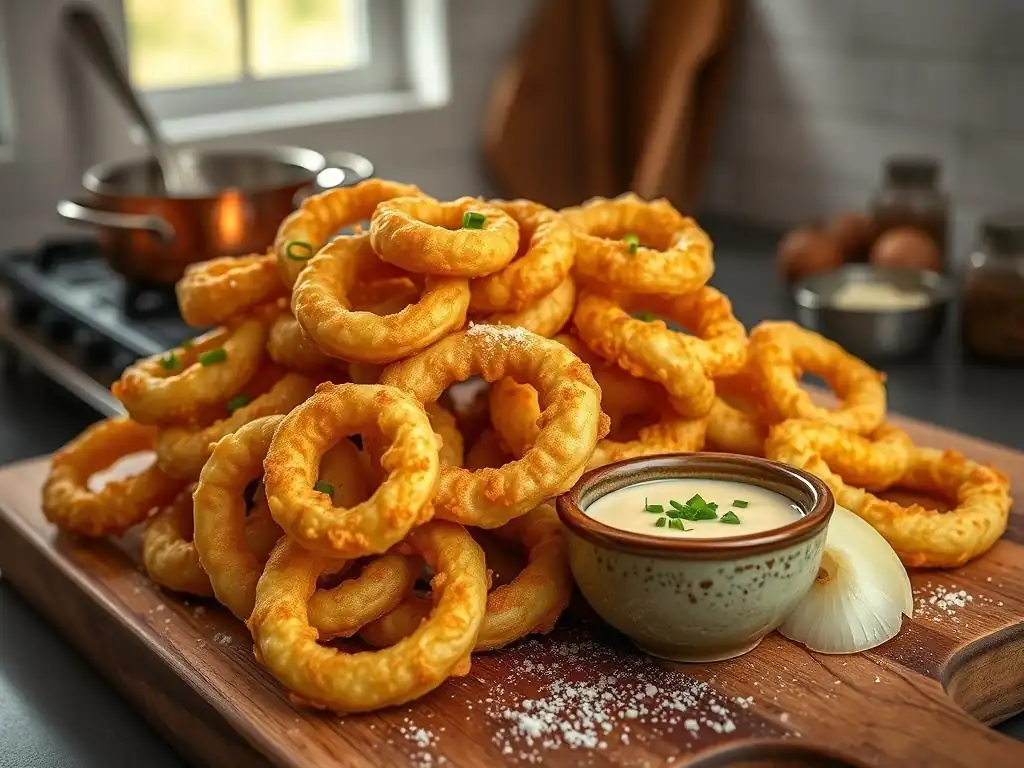
Once you've mastered the basic sourdough discard onion rings recipe, you can easily customize it with different flavors and ingredients.
Spicy Sourdough Onion Rings
Add a kick to your sourdough discard onion rings by incorporating heat into the batter or the flour/breadcrumb mixture. Whisk a teaspoon or two of hot sauce (like sriracha or Frank's RedHot) into the sourdough batter. You can also mix a pinch of cayenne pepper or chili powder into the flour coating or the breadcrumbs. For extra heat, serve with a spicy dipping sauce like sriracha aioli or a chipotle ranch.
Another method is to use a seasoning blend for the breadcrumbs that includes smoked paprika and cayenne, like a Cajun seasoning mix. Start with about 1/2 teaspoon of cayenne for a moderate heat level and adjust up or down according to your preference.
Sweet Sourdough Onion Rings
While sweet onions are naturally mild, you can enhance the sweetness profile of your sourdough discard onion rings. Ensure you are using a very sweet variety like Vidalia or Walla Walla. Consider adding a tiny pinch of sugar (1/4 teaspoon) to the sourdough batter, although the onion's natural sweetness should be sufficient.
Serving with a sweet and tangy dipping sauce, such as a honey mustard or a sweet chili sauce, will also bring out the sweetness of the onion and complement the tang of the sourdough batter. The contrast between the savory, tangy coating and the sweet onion is a key part of this recipe's appeal.
Gluten-Free Sourdough Onion Rings (with Rice Flour Blend)
Adapting this sourdough discard onion rings recipe for a gluten-free diet is possible, though it requires a gluten-free sourdough starter. Replace the all-purpose flour in the initial coating and potentially some in the batter with a gluten-free flour blend. A blend heavy on rice flour, like a white rice flour and tapioca starch mix, often works well for crispiness in frying.
Ensure your sourdough starter is made with gluten-free grains (like rice, sorghum, or buckwheat). Use a certified gluten-free flour blend for dredging and potentially for thickening the batter if needed. Panko breadcrumbs are not gluten-free; look for gluten-free breadcrumbs or use crushed gluten-free crackers or cornflakes for the final coating. Frying technique remains the same.
Troubleshooting Common Sourdough Onion Ring Problems
Even experienced cooks can encounter issues when frying. Here's how to tackle some common problems with your sourdough discard onion rings.
Batter Too Thick or Thin
If your batter is too thick, it will create a heavy, doughy coating that doesn't cook through properly and can make the rings soggy. Whisk in milk (or water) one tablespoon at a time until the batter reaches the desired consistency (thick pancake batter). If the batter is too thin, it won't adhere well to the onions and will result in a sparse, non-crispy coating. Whisk in a tablespoon or two of all-purpose flour (or gluten-free blend) until it thickens.
Remember that the hydration of your sourdough discard varies, so you may need to adjust the liquid or flour accordingly. A batter that coats the back of a spoon and drips slowly is ideal for this sourdough discard onion rings recipe.
Onion Rings Not Crispy Enough
Lack of crispiness is often due to incorrect oil temperature or overcrowding the fryer. If the oil is too cool (below 350°F / 175°C), the rings absorb too much oil and become greasy and limp. Ensure your oil is hot enough and maintain the temperature using a thermometer.
Additionally, frying too many rings at once drastically lowers the oil temperature and prevents proper crisping. Fry in small batches, leaving plenty of space between the rings. Also, ensure the rings are drained on a wire rack after frying, not on paper towels directly on a plate, which can trap steam.
Onion Rings Burning Too Quickly
If your sourdough discard onion rings are burning on the outside before the onion is cooked through, your oil is too hot (above 375°F / 190°C). Lower the heat and allow the oil temperature to drop into the correct range. Use a thermometer to monitor it closely.
It could also indicate the rings are too thick, requiring more cooking time than the batter can handle at high heat. Try slicing your onions slightly thinner (closer to 1/4 inch). Ensure you are using Panko breadcrumbs, which tend to fry up golden and crisp without burning as quickly as fine breadcrumbs.
Conclusion: Your New Favorite Sourdough Discard Recipe
Making sourdough discard onion rings is a fantastic way to utilize your discard, adding a unique tang and exceptional crispiness to a beloved snack. This recipe transforms a potential waste product into a culinary highlight, proving that delicious innovation can come from unexpected places in your kitchen. The simple steps outlined provide a clear path to achieving golden, crunchy results that are far superior to most store-bought versions.
Whether you're a seasoned sourdough baker looking for new ways to use discard or simply curious about adding a gourmet twist to classic comfort food, this sourdough discard onion rings recipe is a must-try. It's approachable, rewarding, and delivers on flavor and texture.
Sourdough Discard Onion Rings: A Delicious and Versatile Treat
Beyond just a snack, sourdough discard onion rings are a versatile addition to various meals. They make a perfect side for burgers, hot dogs, or grilled meats. Stack them high on a sandwich for an extra layer of texture and flavor. Or, simply enjoy them on their own with your favorite dipping sauces. The slight tang from the sourdough discard makes them particularly enjoyable and helps cut through the richness of fried food.
This recipe is a testament to the potential of sourdough discard – it's not just for bread! By embracing this ingredient, you open up a world of possibilities for savory applications. Give this sourdough discard onion rings recipe a try, and you might just find it becomes a regular rotation in your kitchen, turning discard day into a delicious event.
Frequently Asked Questions
What exactly is sourdough discard and why would I use it in onion rings?
Sourdough discard is the excess starter you remove during feeding. It adds a unique tang and helps to create a crispier, more flavorful coating for the onion rings.
Is a specific type of sourdough starter needed for this recipe?
No, this recipe is very forgiving. Any active or inactive sourdough starter will work, whether it's a white flour or rye starter. The flavor profile might subtly change but the result will still be deliciously crispy onion rings.
Can I substitute any of the ingredients in the sourdough discard onion rings recipe?
While we recommend following the recipe for best results, you can experiment. For instance, you could substitute breadcrumbs with panko for extra crispiness. However, changes might affect the final texture.
How do I ensure the onion rings are perfectly crispy and not soggy?
Make sure the oil is at the correct temperature (around 350°F) before frying. Also, avoid overcrowding the pan; fry in batches to maintain the oil temperature and ensure even browning.
How long can I store leftover sourdough discard onion rings?
Leftover onion rings are best enjoyed immediately for optimal crispness. However, you can store them in an airtight container in the refrigerator for up to 2 days. Reheat in an oven or air fryer to re-crisp.
Final Reflection: The Humble Discard, Elevated
The seemingly insignificant sourdough discard, often destined for the compost bin, holds the key to unexpectedly delicious culinary creations. This article explored the simple yet rewarding process of transforming this byproduct into crispy, flavorful onion rings, proving that resourcefulness in the kitchen can lead to surprising delights. The ease of the recipe, combined with the satisfying crunch and unique tang, makes it a testament to the power of mindful cooking.
The journey of transforming sourdough discard into something so enjoyable has been a personal revelation. It highlights the importance of viewing "waste" not as trash, but as an opportunity for creativity and deliciousness. Waste is a resource out of place,
a quote often attributed to various sources, perfectly encapsulates the spirit of this recipe. It's a reminder that even in the seemingly mundane aspects of baking, there's potential for innovation and deliciousness. The impact of this simple recipe extends beyond just a tasty snack; it encourages a more mindful approach to food and resource management.
Now, I invite you to experiment! Try this recipe, adapt it to your own tastes, and discover the joy of transforming something often discarded into a culinary treasure. Don't be afraid to get creative in the kitchen – you might be surprised by the delicious possibilities hidden within your everyday ingredients. Let the humble sourdough discard inspire you to look at your kitchen waste with new eyes, and unlock a world of unexpected flavors.
Unlock the Flavor: Turn Your Sourdough Discard into Crispy Rings!
Thanks for taking the time to explore the surprisingly simple world of sourdough discard onion rings! We hope you discovered a new way to appreciate this often-overlooked baking byproduct. Ready to dive in and create your own crispy, flavorful rings?
- Make your first batch of sourdough discard onion rings! Follow the recipe again, experimenting with different spices and dipping sauces.
- Share your culinary creation with us and the BakeWithEase community! Tag us on social media with your photos. We love seeing your baking triumphs!
- Consider exploring other creative uses for your sourdough discard – from pancakes to flatbreads, the possibilities are endless!
What unexpected flavor combinations will you experiment with in your next batch of sourdough discard onion rings?