
Speed Up Your Starter: Tips for Faster Sourdough Activity


Welcome to BakeWithEase! Are you tired of waiting days for your sourdough starter to double? This week, we're diving into the secrets of faster sourdough starter feeding. Discover proven techniques and simple adjustments that will dramatically increase your starter's activity, allowing you to bake more frequently and with greater success. Intrigued? Read on to unlock the potential of your sourdough and say goodbye to sluggish starters!
- Introduction: Achieving Peak Sourdough Starter Activity
- Identifying Factors Affecting Sourdough Starter Speed
- Pro Tips for Faster Sourdough Starter Feeding and Activation
- Troubleshooting Slow Sourdough Starter Activity
- Advanced Techniques for Accelerating Sourdough Starter
- Maintaining a Healthy and Active Sourdough Starter Long-Term
- Conclusion: Mastering the Art of Faster Sourdough Starter Feeding
-
Frequently Asked Questions
- How can I encourage a faster rise in my sourdough starter after feeding?
- What type of flour is best for faster sourdough starter feeding results?
- How often should I feed my sourdough starter to achieve faster activation?
- Does the hydration level of my starter affect the speed of its activity?
- What are some visible signs that my sourdough starter is responding well to faster feeding methods?
- Final Reflection: The Joy of a Lively Starter, and the Time We Save
- Unleash Your Sourdough's Potential!
Introduction: Achieving Peak Sourdough Starter Activity
Welcome to the world of sourdough baking! There's a unique satisfaction in creating bread using a living culture. However, one common challenge bakers face is getting their sourdough starter to be consistently active and vigorous. A sleepy starter can lead to flat loaves and long, unpredictable proofing times. Understanding how to encourage faster sourdough starter feeding and activity is key to unlocking your baking potential.
This guide will walk you through the science behind starter activity, identify common inhibitors, and provide practical tips and advanced techniques to help you achieve a bubbly, ready-to-bake starter more quickly. We'll explore everything from environmental factors like temperature to ingredient choices like flour type and water quality, ensuring you have the knowledge to nurture a truly dynamic starter.
Why a Vigorous Sourdough Starter Matters
A robust and active sourdough starter is the heart of successful sourdough baking. Its primary job is to produce carbon dioxide gas, which causes your dough to rise, and organic acids, which develop flavor and improve texture. A starter that consistently doubles or triples in size within a predictable timeframe indicates a healthy, active population of wild yeast and lactic acid bacteria.
When your starter is vigorous, your dough will rise more reliably, resulting in a lighter crumb and better oven spring. Furthermore, a strong starter can handle various types of flour and hydration levels more effectively. Achieving faster sourdough starter feeding and subsequent activity means less waiting, more consistent results, and the ability to bake on a more predictable schedule.
Understanding Sourdough Starter Feeding for Optimal Rise
Feeding your sourdough starter is essentially providing it with fresh food (flour and water) to keep the wild yeast and bacteria happy and propagating. The ratio of starter to fresh food is critical. A typical feeding ratio might be 1:1:1 (1 part starter, 1 part flour, 1 part water by weight). However, adjusting this ratio can significantly impact the speed and strength of fermentation.
When you feed your starter, the microorganisms consume the starches and sugars in the flour, producing carbon dioxide, alcohol, and organic acids. A well-fed starter will show signs of activity relatively quickly – bubbling, increasing in volume, and developing a pleasant, tangy aroma. Understanding how your starter responds to different feeding strategies is fundamental to achieving faster sourdough starter feeding and maximizing its leavening power.
Identifying Factors Affecting Sourdough Starter Speed
Several environmental and ingredient factors play a significant role in how quickly your sourdough starter becomes active after feeding. Pinpointing which of these might be slowing down your starter is the first step towards achieving faster sourdough starter feeding. From the ambient temperature of your kitchen to the type of flour you use, each element contributes to the complex microbial ecosystem thriving in your jar.
Ignoring these factors can lead to frustration, with starters that take too long to peak or seem sluggish. By understanding and controlling these variables, you can create an environment that encourages the yeast and bacteria to work efficiently, leading to a more predictable and faster sourdough starter feeding cycle and a consistently active culture ready for baking.
Temperature's Impact on Sourdough Starter Fermentation
Temperature is perhaps the most influential factor in sourdough starter activity. Wild yeast and lactic acid bacteria are living organisms, and their metabolic rate is highly dependent on temperature. Warmer temperatures generally accelerate fermentation, while cooler temperatures slow it down. The ideal temperature range for rapid sourdough starter feeding and activity is typically between 75°F (24°C) and 80°F (27°C).
Below this range, activity slows considerably; above it, temperatures can become detrimental, potentially killing the beneficial microorganisms. For instance, a starter kept at 65°F (18°C) might take 10-12 hours or longer to double, whereas the same starter fed the same ratio and kept at 78°F (26°C) might double in just 4-6 hours. Finding a warm spot in your kitchen or using aids like a proofing box or oven with the light on can make a significant difference in achieving faster sourdough starter feeding.
Flour Type and its Influence on Sourdough Starter Activity
The type of flour you use to feed your starter provides the necessary food for the microorganisms. Different flours have varying levels of nutrients, enzymes, and starches, all of which affect fermentation speed and activity. High-extraction flours, like whole wheat or rye flour, tend to contain more nutrients and enzymes than refined white flour, which can lead to faster sourdough starter feeding and more vigorous activity.
For example, feeding a starter with 100% bread flour might result in a slower peak compared to feeding it with a blend that includes 20-50% rye or whole wheat flour. The enzymes in whole grains, particularly amylase, break down complex starches into simple sugars more readily, providing easily accessible food for the yeast. While an all-purpose or bread flour starter is perfectly viable, incorporating some whole grain can be a simple trick for faster sourdough starter feeding.
Hydration Levels: Finding the Sweet Spot for a Fast Starter
Hydration refers to the ratio of water to flour in your starter, typically expressed as a percentage (e.g., a 1:1 ratio of water to flour by weight is 100% hydration). The hydration level affects the consistency of the starter and the environment for the microbes. A higher hydration starter (like 100% or more) tends to be more liquid, allowing the yeast and bacteria to move and access food more easily, potentially leading to faster sourdough starter feeding and activity.
However, extremely high hydration can sometimes dilute the microbial population too much, while very low hydration (a stiff starter, perhaps 50-60%) can slow down activity due to reduced mobility and access to food. Most home bakers maintain a 100% hydration starter because it's easy to manage and provides a good balance for consistent, faster sourdough starter feeding and reliable activity. Experimenting slightly with hydration (e.g., going up to 110% or down to 90%) might reveal what works best for your specific starter and environment.
The Role of Water Quality: Chlorine and Chloramine Considerations
The water you use to feed your sourdough starter can also impact its health and activity. Tap water in many areas contains chlorine or chloramine, disinfectants used to kill bacteria in the water supply. While harmless to humans in these concentrations, they can potentially inhibit the beneficial bacteria and yeast in your starter, slowing down fermentation and hindering faster sourdough starter feeding.
Chlorine is volatile and will dissipate if you leave tap water sitting out for 24 hours. Chloramine, however, is more stable and does not evaporate easily. If your water contains chloramine, you may need to use filtered water (filters designed to remove chloramine are necessary) or bottled water to ensure optimal conditions for your starter's microbes. While not always a significant issue for every starter, addressing water quality can sometimes be the missing piece in achieving consistently faster sourdough starter feeding.
Pro Tips for Faster Sourdough Starter Feeding and Activation
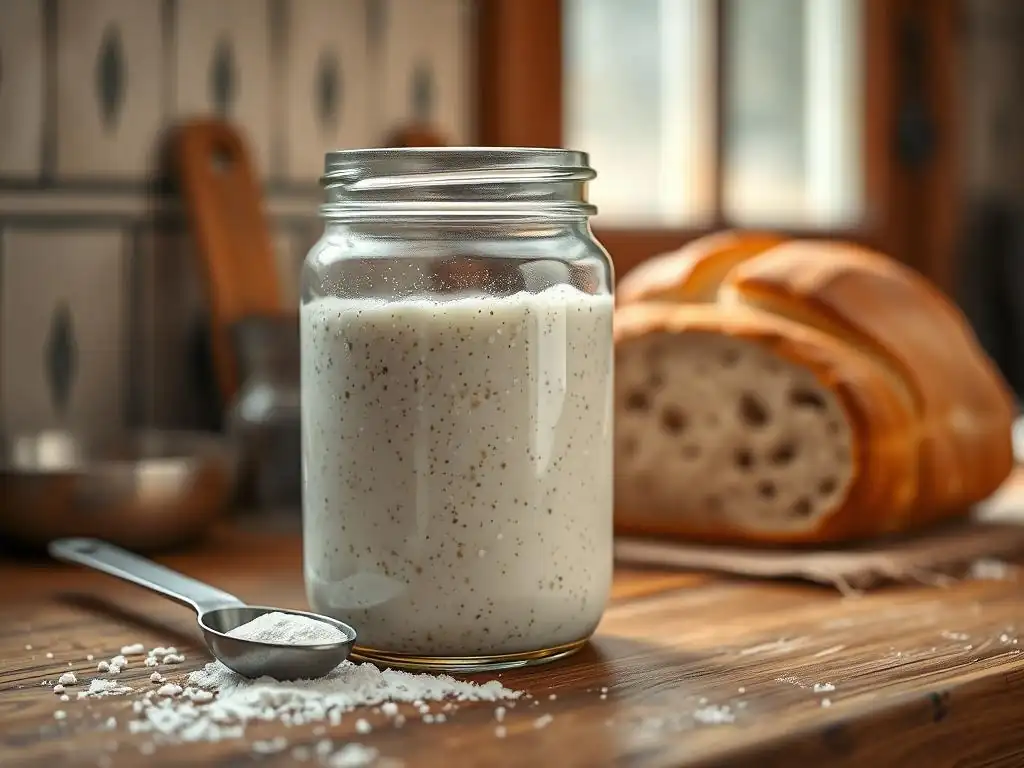
Now that we've explored the underlying factors, let's dive into actionable strategies you can implement to encourage faster sourdough starter feeding and boost activity. These tips focus on optimizing your feeding routine and environment based on the principles we've discussed. Implementing even one or two of these can make a noticeable difference in how quickly your starter is ready to bake with.
Achieving a consistently active starter is a journey of observation and adjustment. Don't be discouraged if your starter doesn't respond instantly. By applying these pro tips, you'll be well on your way to mastering faster sourdough starter feeding and enjoying the benefits of a powerful leavening agent.
Optimizing Feeding Ratios for Rapid Growth
Adjusting your feeding ratio is a powerful way to influence how quickly your starter becomes active. A "hungry" starter (one with a high ratio of fresh food to starter) will peak faster because the existing microbes have abundant food to consume and multiply rapidly. Ratios like 1:2:2 (1 part starter, 2 parts flour, 2 parts water) or even 1:3:3 can lead to a quicker peak compared to a standard 1:1:1 ratio.
For example, if you typically feed 25g starter with 25g flour and 25g water (1:1:1), try feeding 10g starter with 20g flour and 20g water (1:2:2). This provides proportionally more fresh food per unit of starter. While a 1:1:1 ratio is great for maintenance, using a higher ratio like 1:2:2 or 1:3:3 when you need the starter to peak quickly can significantly contribute to faster sourdough starter feeding and readiness for baking. Remember that higher ratios mean you'll need less of the 'old' starter, which can also help manage discard.
Maintaining a Consistent Feeding Schedule
Consistency is key when working with living cultures. Feeding your starter at roughly the same time each day helps establish a predictable cycle of activity. The microorganisms thrive on routine. When they are fed consistently, they reach their peak activity within a more reliable timeframe after each feeding. This predictability is invaluable for planning your baking schedule.
Feeding your starter every 12 or 24 hours (depending on your temperature and desired activity level) without skipping days helps maintain a healthy, active population. Irregular feeding can lead to imbalances in the microbial community, resulting in sluggishness or unpredictable behavior. A consistent routine is a fundamental practice for achieving reliable and faster sourdough starter feeding.
Utilizing Warmer Temperatures to Accelerate Fermentation
As previously mentioned, temperature is a major driver of fermentation speed. If your kitchen is cool, finding or creating a warmer spot for your starter can dramatically speed up its activity. Aim for that sweet spot between 75°F (24°C) and 80°F (27°C).
Ideas for creating a warmer environment include placing the starter near a window (but out of direct sunlight, which can overheat it), on top of the refrigerator (heat rises), inside a microwave or oven with the light turned on (check the temperature with a thermometer first, as oven lights can vary), or using a proofing box or seedling mat. Even a few degrees difference can shave hours off the time it takes for your starter to double, directly contributing to faster sourdough starter feeding cycles.
Choosing the Right Flour for a Quick Starter Boost
Selecting the right flour for feeding can give your starter a significant boost. While all-purpose or bread flour is common, incorporating a portion of whole grain flour, especially rye, is known to accelerate activity. Rye flour contains high levels of amylase enzymes and readily available nutrients that yeast and bacteria love.
Try replacing 10-30% of your usual white flour with whole rye or whole wheat flour during feeding. For instance, if you normally feed with 50g white flour, try 40g white flour and 10g rye flour. Many bakers find that even a small amount of rye leads to a noticeably faster sourdough starter feeding and a more vigorous rise. This is an easy adjustment that can yield impressive results.
Implementing a Double Feeding Strategy for Increased Activity
If you need your starter to be exceptionally active for a specific bake and your usual feeding isn't quite cutting it, consider a double feeding strategy. This involves feeding your starter, letting it peak, and then feeding it again shortly after it begins to fall.
For example, you might feed your starter in the morning (e.g., 1:2:2 ratio). Once it has peaked and shows signs of starting to fall (perhaps 6 hours later), discard down to a small amount again and feed it immediately with fresh flour and water (e.g., another 1:2:2 ratio). This back-to-back feeding provides a continuous supply of fresh food, encouraging the microorganisms to remain highly active and multiply rapidly, leading to a very strong and faster sourdough starter feeding cycle for your bake.
Troubleshooting Slow Sourdough Starter Activity

Even with the best practices, sometimes a sourdough starter can seem sluggish. This can be frustrating, especially when you're aiming for faster sourdough starter feeding. Understanding how to identify the signs of an inactive starter and knowing how to address common issues are essential skills for any sourdough baker. Don't despair; most slow starters can be revived with a little care and attention.
Troubleshooting involves observing your starter closely and systematically addressing potential problems based on the factors we've discussed. Is it the temperature? The feeding ratio? The water? By methodically checking these variables, you can often pinpoint the cause of the inactivity and take steps to bring your starter back to peak performance, ensuring future faster sourdough starter feeding.
Recognizing Signs of an Inactive Starter
An active starter will typically double or triple in volume within 4-12 hours after feeding (depending on temperature and ratio), be full of bubbles, and smell pleasantly tangy. Signs of an inactive or sluggish starter include minimal or no rise after feeding, few or no visible bubbles, a thin, watery consistency that doesn't thicken, or an unpleasant, overly alcoholic or acetone-like smell (often accompanied by a layer of hooch).
While a little hooch isn't necessarily a sign of a dead starter, excessive hooch indicates it's very hungry and hasn't been active enough to consume the available food efficiently. A starter that consistently fails to double within a reasonable timeframe for its feeding ratio and temperature is generally considered inactive or weak. Recognizing these signs promptly allows you to take corrective action for faster sourdough starter feeding.
Addressing Common Issues: Mold, Hooch, and Weak Rise
Mold is a less common but serious issue, appearing as fuzzy, colored spots (usually green, black, or orange). If you see mold, it's generally recommended to discard the entire starter and begin again, as mold indicates contamination that can be harmful. Hooch (a layer of liquid on top) is a sign of hunger. Simply stir it in or pour it off, discard most of the starter, and feed it a higher ratio (like 1:2:2 or 1:3:3) more frequently for a few days to encourage faster sourdough starter feeding.
A weak rise is often due to suboptimal temperature, inconsistent feeding, or using a less nutritious flour. Review the tips above: ensure your starter is warm enough (75-80°F), feed it consistently (daily or every 12 hours), and consider incorporating some whole grain flour. Sometimes, simply discarding a larger portion before feeding (e.g., keeping only 10-15g of old starter) can help by providing a proportionally larger amount of fresh food for the remaining microbes, promoting faster sourdough starter feeding.
Adjusting Feeding Ratios to Revive a Sluggish Starter
If your starter is consistently sluggish and not doubling reliably, adjusting your feeding ratio is often the most effective fix. A 1:1:1 ratio can sometimes be too low for a weak starter to build momentum. By increasing the ratio of fresh flour and water to starter, you provide a much larger meal for the existing microbial population, allowing them to reproduce more vigorously.
Try feeding your sluggish starter a 1:3:3 or even 1:4:4 ratio for several consecutive feedings. For example, if you have 20g of sluggish starter, feed it 60g flour and 60g water. Repeat this feeding every 12-24 hours, depending on how quickly it shows signs of activity. This influx of food often kickstarts fermentation and encourages faster sourdough starter feeding, helping the culture regain its strength and vitality.
Monitoring Temperature and Humidity for Optimal Fermentation
Temperature and humidity play a crucial role in fermentation. We've already emphasized temperature (75-80°F is ideal), but ensuring a stable temperature is also important. Wild fluctuations can stress the microorganisms. Use a simple thermometer to check the temperature of your starter and its environment regularly.
While humidity is less critical than temperature for the starter itself, a very dry environment can cause the surface to dry out and form a crust, which can hinder gas exchange and activity. Keeping the starter loosely covered (a lid resting on top, not screwed on tightly) allows gases to escape while preventing excessive drying. Consistent, warm temperatures are paramount for achieving faster sourdough starter feeding and reliable activity.
Advanced Techniques for Accelerating Sourdough Starter
Once you've mastered the basics of feeding, temperature, and flour choice, you might be interested in more advanced techniques to give your starter an extra boost. These methods can be particularly useful for jumpstarting a newly created starter or reviving a stubborn one. However, use them judiciously, as they can alter the microbial balance.
These techniques leverage specific ingredients or conditions known to accelerate fermentation. While not part of a standard daily routine, they can be powerful tools in your arsenal for achieving faster sourdough starter feeding when needed.
The "Baking with Java" Method: Using Pineapple Juice to Jumpstart
Explain Briefly: Some bakers recommend using pineapple juice instead of water for the initial days of creating a new starter or for a single feeding to revive a sluggish one. Pineapple juice is acidic, which can help inhibit undesirable bacteria in the early stages, creating a more favorable environment for the beneficial lactic acid bacteria and yeast. The sugars in the juice also provide readily available food.
Use unsweetened pineapple juice. Replace the water in your feeding with the same weight of pineapple juice for one or two feedings only, then switch back to water. This technique is often cited as a way to achieve faster sourdough starter feeding in the initial week of development.
Using Rye Flour to Boost Starter Activity
Explain Briefly: We touched on this earlier, but using 100% rye flour for a few feedings is a very effective way to significantly boost starter activity. Rye flour is exceptionally rich in enzymes that break down starches into simple sugars quickly, providing an abundant and fast-acting food source for the yeast. If your starter is slow, try feeding it exclusively with whole rye flour and water (e.g., 1:1:1 or 1:2:2 ratio) for 2-3 consecutive feedings. You will likely see a dramatic increase in bubble production and rise, leading to much faster sourdough starter feeding and a stronger culture.
Incorporating a Small Amount of Honey to Kickstart Fermentation
Explain Briefly and Cautiously: A tiny amount of honey can sometimes be used to provide an immediate source of simple sugars to kickstart fermentation in a very slow or new starter. Honey contains various sugars that yeast can quickly consume. However, honey also contains enzymes and can potentially introduce undesirable bacteria or alter the flavor profile if used excessively.
Use this technique cautiously: add just a small drizzle (perhaps 1-2 grams per 50g flour) to one feeding. Do not make it a regular practice. This is a last-resort method for very stubborn starters and is not necessary for achieving faster sourdough starter feeding in a healthy culture.
Maintaining a Healthy and Active Sourdough Starter Long-Term

Achieving faster sourdough starter feeding isn't just about occasional boosts; it's about establishing practices that ensure your starter remains healthy and vigorous over time. Consistency in care and understanding your starter's needs are paramount. Long-term health means less troubleshooting and more reliable baking.
Think of your starter as a pet; it thrives on routine and attention. By incorporating these maintenance strategies, you can ensure your starter is always ready to perform, making faster sourdough starter feeding a consistent reality rather than a temporary fix.
Consistent Feeding Practices for Sustained Activity
The single most important factor for long-term starter health and sustained activity is consistent feeding. Whether you keep your starter at room temperature and feed it daily or store it in the refrigerator and feed it weekly, stick to a schedule. Room temperature starters generally require daily feeding (or even twice daily in warm conditions) using a ratio like 1:1:1 or 1:2:2 to maintain peak activity and enable faster sourdough starter feeding whenever you need it.
Refrigerated starters are fed less often because the cold slows down microbial activity significantly. A common schedule is feeding once a week. When you take a refrigerated starter out to bake, you'll typically need to feed it 1-3 times at room temperature to wake it up and restore its vigorous activity before use. Establishing and sticking to your chosen schedule prevents the starter from becoming overly hungry or dormant.
Proper Storage Techniques for Dormant Starters
If you don't bake frequently, storing your starter in the refrigerator is an excellent way to reduce maintenance and waste. Refrigeration dramatically slows down fermentation, meaning the starter needs to be fed less often. This puts the starter into a state of dormancy.
To store, feed your starter as usual, let it sit at room temperature for 1-2 hours to begin fermentation, and then place it in a clean jar in the refrigerator. When you're ready to bake, take it out, let it warm up for a few hours, discard most of it, and feed it. It may take 1-3 feedings at room temperature (spaced 12-24 hours apart) for it to regain its peak activity and demonstrate faster sourdough starter feeding capability. Ensure the container allows some gas to escape; a lid resting loosely is fine.
Recognizing and Addressing Potential Problems Early On
Being observant is key to maintaining a healthy starter. Pay attention to its smell (should be pleasantly tangy, not strongly alcoholic or cheesy), texture, and how it rises after feeding. Slight deviations are normal, but significant changes can signal an issue.
If you notice a change in smell, excessive hooch, or slower-than-usual activity for your typical conditions, address it promptly. Often, this simply requires a more generous feeding ratio (e.g., 1:3:3 for a few cycles), a slightly warmer environment, or switching to a more active flour like rye for a feeding or two. Catching issues early makes them much easier to fix and prevents your starter from becoming severely weakened, ensuring you can return to faster sourdough starter feeding quickly.
Conclusion: Mastering the Art of Faster Sourdough Starter Feeding
Achieving a consistently active and fast-rising sourdough starter is a rewarding aspect of sourdough baking. It provides the confidence and predictability needed to bake delicious loaves reliably. By understanding the core principles of fermentation – temperature, feeding ratios, flour type, and water quality – you can significantly influence your starter's speed and vigor.
Remember that every starter is unique, and your environment plays a big role. Be patient, observe your starter, and don't be afraid to experiment with the tips provided. With consistent care and attention to these details, faster sourdough starter feeding will become second nature, opening up a world of baking possibilities.
Recap of Key Strategies for Enhanced Starter Activity
To recap, key strategies for promoting faster sourdough starter feeding include:
- Maintaining a warm environment, ideally 75-80°F (24-27°C).
- Using higher feeding ratios (e.g., 1:2:2 or 1:3:3) to provide abundant food.
- Incorporating active flours like rye or whole wheat into your feeding mix.
- Ensuring your water is free of chlorine or chloramine.
- Maintaining a consistent feeding schedule.
- Considering advanced techniques like a double feeding or using a small amount of rye flour for a boost.
- Storing dormant starters properly in the refrigerator and reviving them with multiple feedings.
Encouragement for Bakers to Experiment and Refine Their Technique
Sourdough is a living process, and mastering it involves hands-on experience. Don't be discouraged by occasional setbacks. Each feeding, each bake, is an opportunity to learn more about your unique starter and how it responds to different conditions.
Experiment with different feeding ratios, try varying temperatures within the optimal range, and see how your starter reacts to different flours. Keep notes if that helps you track changes. The journey to faster sourdough starter feeding is one of observation, adaptation, and continuous learning. Enjoy the process, trust your instincts, and soon you'll have a vibrant, active starter ready to produce amazing sourdough bread.
Frequently Asked Questions
How can I encourage a faster rise in my sourdough starter after feeding?
Increasing the temperature of your starter's environment is crucial. A warmer spot, around 75-80°F (24-27°C), accelerates yeast activity and therefore the rise.
What type of flour is best for faster sourdough starter feeding results?
Using whole wheat flour or rye flour can significantly boost starter activity. These flours contain more nutrients that feed the yeast and bacteria.
How often should I feed my sourdough starter to achieve faster activation?
Feeding your starter more frequently, such as every 12 hours instead of 24, can encourage faster growth and activity. This keeps the microorganisms well-fed.
Does the hydration level of my starter affect the speed of its activity?
Yes, the hydration level influences the speed of activity. A slightly wetter starter (higher hydration) can sometimes ferment faster, though it's important to maintain a balanced consistency.
What are some visible signs that my sourdough starter is responding well to faster feeding methods?
Look for a rapid increase in volume, lots of bubbles throughout the starter, and a pleasant, slightly sour aroma. These are all indicators of a healthy, active starter.
Final Reflection: The Joy of a Lively Starter, and the Time We Save
The quest for a faster sourdough starter isn't just about efficiency; it's about unlocking the potential of this ancient leavening agent for a wider audience. A quicker rise translates to more time for baking, experimentation, and ultimately, enjoying the delicious rewards of homemade sourdough bread. This isn't a race to the bottom; it's about optimizing a process to better fit our busy modern lives.
The impact of readily available, fast-rising sourdough starters extends beyond individual kitchens. It democratizes access to this craft, allowing more people to experience the unique flavor and texture of sourdough bread. The techniques discussed here, from temperature control to mindful feeding schedules, empower bakers to take control of their starter's activity and, in turn, their baking journey. The best bread is made with love, patience, and a little bit of science.
- Unknown (This quote can be replaced with a more relevant quote if you have one).
Consider the implications of this newfound control. You, the baker, now hold the key to a more responsive starter, leading to more consistent baking results and a deeper understanding of the fermentation process. Don't just speed up your starter; use this newfound efficiency to explore new recipes, experiment with different flours, and share the joy of sourdough with others. Embrace the journey, and let the aroma of freshly baked bread fill your home, a testament to your dedication and the power of a lively starter.
Unleash Your Sourdough's Potential!
Thanks for diving into the world of faster sourdough! We hope you've gained valuable insights to boost your starter's activity. Now it's time to put your newfound knowledge into practice.
- Prioritize your starter's feeding schedule: This is the most significant step to achieving consistent and rapid fermentation. Remember the optimal feeding times and techniques we discussed!
- Share your sourdough journey: Tell us about your experiences – successes and challenges alike – in the comments below. Let's build a supportive community of bakers!
- Experiment with different flours and temperatures: Explore the subtle nuances that various flours and ambient temperatures have on your starter’s performance.
Ready to see how much faster your starter can become? What adjustments will you make to your routine today?