
Using a Pizza Stone or Steel: How It Impacts Your Dough's Texture

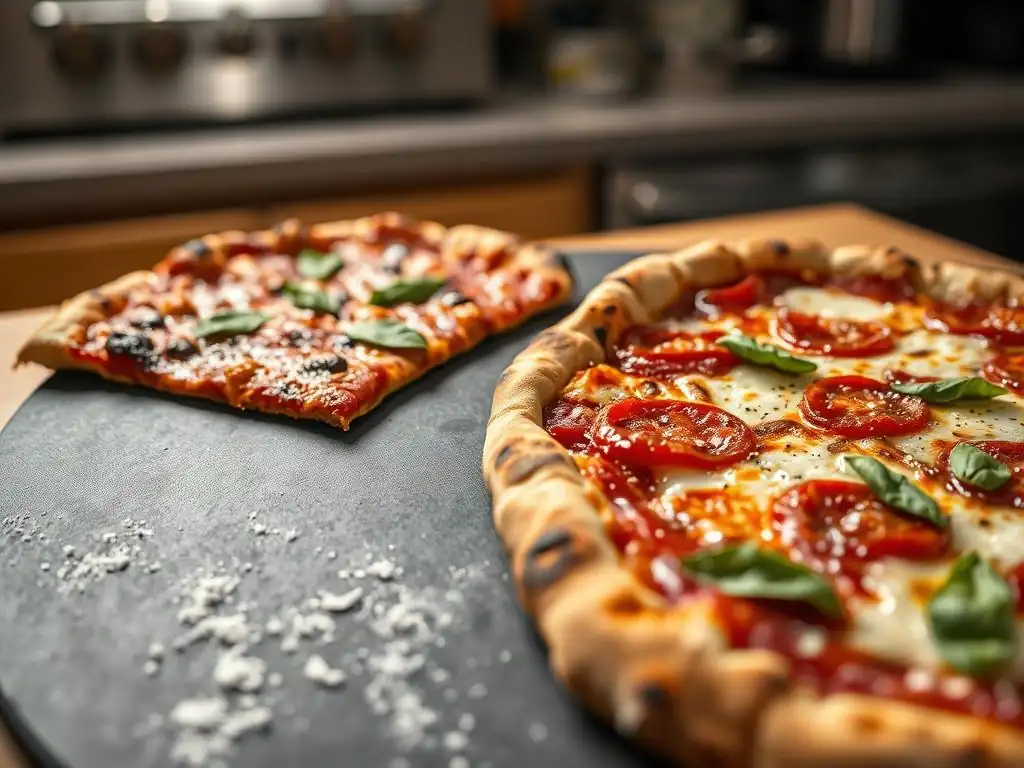
Welcome to BakeWithEase, your kitchen companion for crafting delicious baked goods! Ever wondered how to achieve that perfectly crisp pizza crust you crave? This week, we're diving deep into a game-changing technique that will revolutionize your pizza nights. Discover how the secret to achieving an exceptional pizza stone dough texture lies in the tools you use. Prepare to unlock a world of flavor and texture – your pizza adventures are about to get a whole lot tastier!
- Introduction: Achieving the Perfect Pizza Dough Texture at Home
- Understanding Pizza Dough Texture: Key Factors
- Pizza Stone: Enhancing Dough Texture
- Pizza Stone vs. Pizza Steel: A Detailed Comparison for Dough Texture
- Tips for Achieving Optimal Dough Texture with Either Surface
- Conclusion: Choosing the Right Surface for Your Pizza Dough
-
Frequently Asked Questions
- How does a pizza stone affect the texture of my pizza dough compared to a regular baking sheet?
- Can I use a pizza stone for other types of dough, besides pizza?
- What type of pizza dough works best with a pizza stone to achieve optimal texture?
- How do I properly preheat a pizza stone to ensure the best dough texture?
- What are the key differences in dough texture achieved with a pizza stone versus a pizza steel?
- Final Reflection: The Transformative Power of a Pizza Stone
- Unleash Your Inner Pizzaiolo: Craft the Perfect Crust!
Introduction: Achieving the Perfect Pizza Dough Texture at Home
Welcome to BakeWithEase, your guide to mastering homemade pizza! There's nothing quite like biting into a slice with a perfectly crisp crust and a tender, airy interior. Achieving that ideal pizza dough texture isn't just about the ingredients or the kneading; the surface you bake on plays a surprisingly significant role.
Understanding how different baking surfaces interact with your dough's texture is key to elevating your pizza game. Whether you're aiming for a super-crispy Neapolitan style or a chewy New York slice, the choice between a pizza stone and a pizza steel can make all the difference in the final outcome of your pizza stone dough texture.
This guide will delve into the specifics of both pizza stones and pizza steels, comparing their properties and explaining exactly how they influence the texture of your pizza dough. By the end, you'll have a clear understanding of which surface is right for your baking style and how to get the best results every time you bake.
Understanding Pizza Dough Texture: Key Factors
The Science Behind Great Pizza Dough
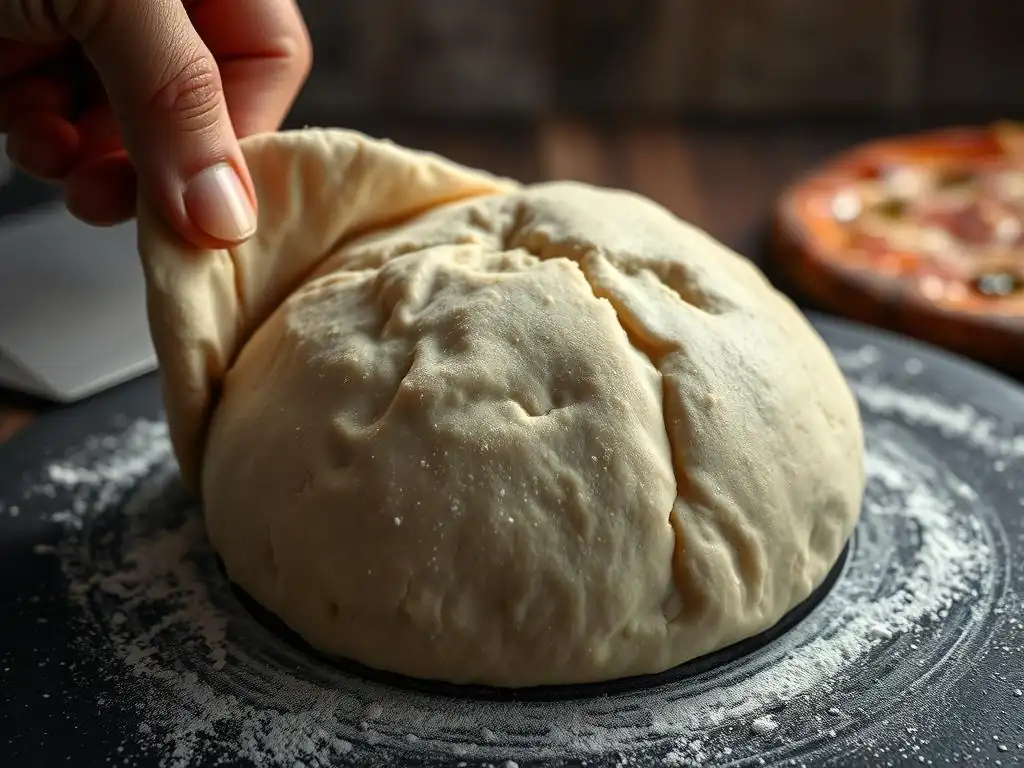
The magic of pizza dough texture starts with the science of its ingredients. When flour and water combine and are kneaded, proteins called glutenin and gliadin form a network known as gluten. This elastic network is crucial because it traps the carbon dioxide gas produced by the yeast, allowing the dough to rise and develop its structure. Proper gluten development, achieved through sufficient kneading and resting, is essential for a chewy yet tender crust.
Hydration, or the ratio of water to flour, also profoundly impacts texture. A dough with higher hydration (more water, perhaps 70-80% hydration) tends to be stickier and more challenging to handle, but it often results in a lighter, airier crust with large bubbles due to increased steam production during baking. Conversely, a lower hydration dough (around 60-65%) is easier to work with and typically produces a denser, crispier crust. Yeast activity, influenced by factors like temperature and sugar, dictates how much gas is produced, directly affecting the dough's rise and the resulting airy pockets within the crust.
Desired Pizza Dough Textures: From Crispy to Chewy
When we talk about desired pizza textures, we often mean "crispy," "chewy," or "airy." A crispy crust shatters slightly when you bite into it, often achieved with lower hydration doughs baked at very high temperatures. Think of the bottom of a Roman-style pizza. A chewy crust has resilience and requires a bit more work to bite through, characteristic of many Neapolitan or New York-style pizzas, often linked to strong gluten development and moderate hydration. An airy crust is light and full of large holes, typically the result of high hydration and a hot, fast bake that creates significant steam.
Achieving your ideal pizza texture involves controlling several variables, including the dough's hydration, the type of flour used (high-gluten bread flour vs. lower-protein all-purpose), the fermentation time, and critically, the baking surface and temperature. The rapid transfer of heat from the baking surface to the dough's bottom is what sets the crust structure and determines how crispy or chewy that foundational layer will be, directly influencing the overall pizza stone dough texture.
Pizza Stone: Enhancing Dough Texture
How Pizza Stones Work: Heat Retention and Distribution
Pizza stones are typically made from ceramic, cordierite, or other porous materials. Their primary function is to absorb and retain heat from the oven. As the oven preheats, the stone slowly heats up, becoming a thermal mass. When you place the pizza on the stone, this stored heat is transferred to the dough.
The porous nature of a pizza stone is a key feature. It allows the stone to absorb some of the moisture released from the dough as it bakes. This moisture absorption helps the bottom crust dry out and crisp up more effectively than baking directly on a metal baking sheet, contributing to a desirable pizza stone dough texture. The stone also radiates heat evenly, helping to bake the pizza consistently from the bottom up.
Pizza Stone Benefits for Dough Texture
One of the main benefits of using a pizza stone is its ability to create a lovely char on the bottom crust, often referred to as "leoparding." This happens when small areas of the dough come into direct contact with the super-heated stone, cooking rapidly and developing dark spots that add flavor and visual appeal. This intense heat transfer also contributes significantly to the overall crispness of the bottom crust.
Using a pizza stone helps improve the overall structure and crispness of the crust, especially for doughs with moderate hydration (around 65-70%). The stone's heat sets the bottom quickly, preventing it from becoming soggy. Pizza stones are particularly well-suited for traditional, moderately hydrated doughs and offer a classic approach to achieving a satisfying pizza stone dough texture.
Pizza Stone Drawbacks & Considerations
Despite their benefits, pizza stones do have potential drawbacks. Their porous nature makes them susceptible to thermal shock, meaning they can crack or break if exposed to sudden temperature changes, like placing a frozen pizza directly onto a hot stone. This fragility requires careful handling and mindful use.
Another consideration is the significant preheating time required. A pizza stone needs ample time, often 45-60 minutes or even longer in a hot oven (around 500°F), to fully saturate with heat and perform effectively. Skipping this step results in a stone that hasn't stored enough energy to properly cook the bottom crust. Cleaning can also be challenging, as porous stones absorb spills and cannot typically be cleaned with soap and water; scraping and high-heat cleaning are usually recommended.
How Pizza Steels Work: Superior Heat Transfer
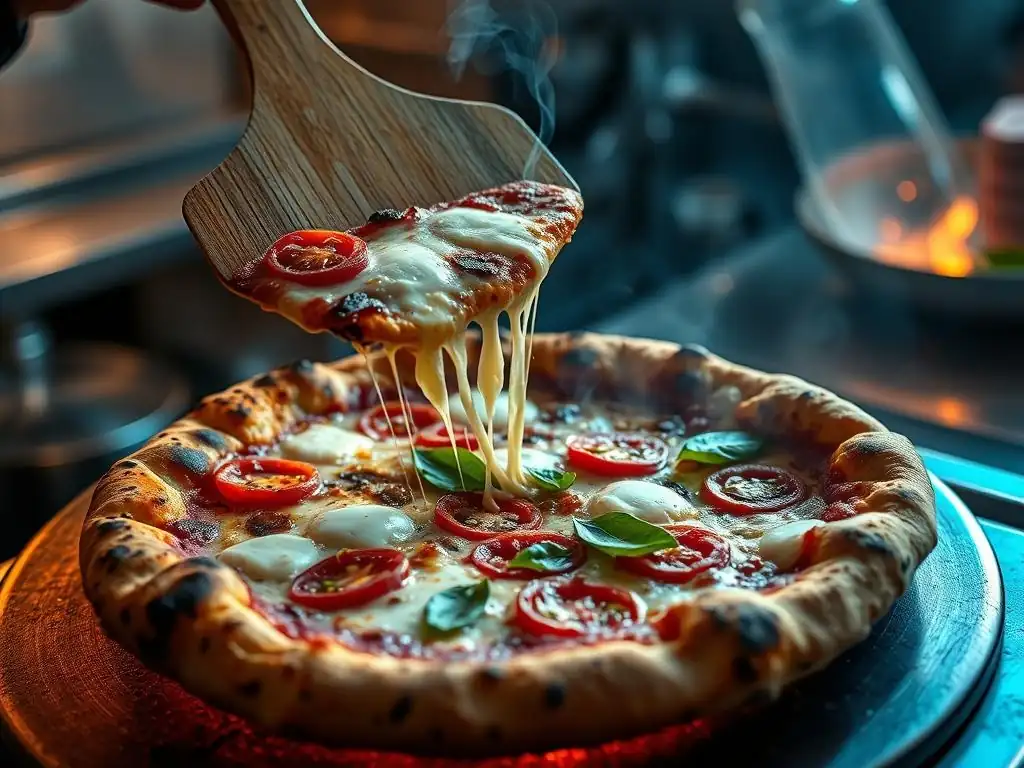
Pizza steels are made from solid steel, usually carbon steel or stainless steel. Unlike porous stones, steel is an excellent conductor of heat. This means it absorbs and transfers heat much faster and more efficiently than ceramic or stone materials. Steel is significantly more conductive than stone, perhaps 18-20 times more so.
When a pizza is placed on a preheated steel, the dough receives an intense burst of thermal energy almost instantly. This rapid heat transfer is incredibly effective at setting the bottom crust very quickly, leading to faster cooking times and distinct textural outcomes. The steel also distributes heat evenly across its surface, ensuring consistent cooking of the pizza's base.
Pizza Steel Benefits for Dough Texture
The superior heat transfer of a pizza steel directly translates to a darker, more aggressively crisped bottom crust. The intense heat causes rapid expansion and browning of the dough's surface in contact with the steel, often creating a more uniform and pronounced crispness compared to a stone. This fast setting of the base also helps the edges rise beautifully, contributing to an airy crust structure.
Pizza steels are particularly ideal for high-hydration doughs (70%+ hydration) that might make a stone crust soggy. The steel's ability to quickly evaporate moisture and set the base ensures even these wet doughs achieve a crispy foundation. This makes steels a favorite for bakers aiming for Neapolitan-style pizzas cooked rapidly at very high temperatures, optimizing the pizza stone dough texture for speed and crispness.
Pizza Steel Drawbacks & Considerations
One significant drawback of pizza steels is their higher price point compared to most pizza stones. High-quality steels can cost significantly more, representing a larger initial investment for home bakers. Their intense heat transfer, while beneficial, also carries the risk of scorching the bottom of the crust if not managed carefully, especially with lower-temperature ovens or longer bake times.
Furthermore, pizza steels are considerably heavier than stones. A standard steel can weigh upwards of 15-20 pounds or even more, making them more cumbersome to handle, move, and store. This weight can be a practical consideration for some home bakers.
Pizza Stone vs. Pizza Steel: A Detailed Comparison for Dough Texture
Heat Retention and Transfer: Which is Better?
When comparing heat properties, pizza steels are superior in heat transfer speed and conductivity. They heat up faster and deliver intense heat to the dough rapidly, crucial for quick, high-temperature baking and achieving a very crisp bottom crust. Steel also stores slightly more heat energy per unit volume than common stone materials.
Pizza stones excel in heat retention over longer periods and diffuse heat more gently. While they take longer to heat up, they maintain a stable temperature well, which can be beneficial for baking multiple pizzas in succession. The difference in heat transfer speed is the primary factor influencing how quickly the bottom crust cooks and browns, directly impacting the initial pizza stone dough texture development.
Dough Texture Differences: Stone vs. Steel
The textural outcomes on a stone versus a steel are notably different. A pizza stone typically yields a crust with good crispness and some charring, often described as a classic, rustic texture. It manages moisture well for moderate hydration doughs, preventing sogginess while promoting a pleasant chew.
A pizza steel, due to its rapid and intense heat transfer, tends to produce a darker, more uniformly crispy, and often airier crust, especially with high-hydration doughs. The quick setting of the base pushes more energy into oven spring, leading to a lighter crumb structure. While both surfaces improve upon baking directly on a rack, the steel generally provides a more powerful punch of heat for maximum crispness and oven spring, significantly impacting the final pizza stone dough texture.
Ease of Use and Maintenance: A Practical Comparison
In terms of ease of use, both require significant preheating, though steels generally heat up faster (often ready in 30-45 minutes vs. 45-60+ minutes for stone). Handling differs significantly; stones are lighter but fragile, while steels are heavy but virtually indestructible. Transferring the pizza requires a peel for both surfaces to avoid burns and ensure smooth placement.
Maintenance also varies. Pizza stones are difficult to clean thoroughly due to their porosity and cannot handle soap. Spills often need to be burned off. Pizza steels, being non-porous, are easier to clean by scraping but are susceptible to rust if not seasoned and dried properly after washing. Storage also differs, with heavy steels requiring sturdy placement.
Tips for Achieving Optimal Dough Texture with Either Surface
Preheating Techniques for Pizza Stones and Steels
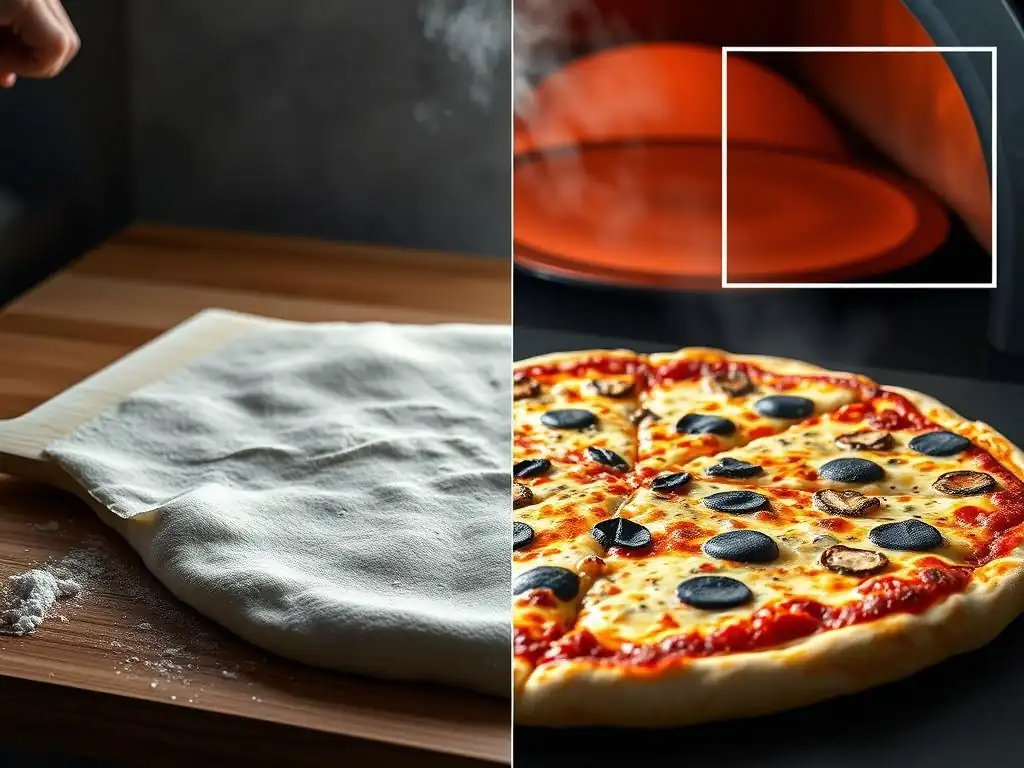
Proper preheating is non-negotiable for both stones and steels to achieve optimal pizza stone dough texture. Place your stone or steel in a cold oven before turning it on to prevent thermal shock (for stones) and ensure even heating. Preheat the oven to its highest setting, ideally 500°F (260°C) or even higher if your oven allows.
Allow ample time for the surface to come to temperature and fully saturate with heat. For a steel, this might be 30-45 minutes at peak temperature. For a stone, plan for at least 45-60 minutes. Using an oven thermometer placed near the stone or steel can help you verify that the surface temperature is adequate before launching your pizza.
Dough Handling and Transfer Techniques
Successful transfer of your dough onto a hot stone or steel is crucial to avoid mishaps and maintain the desired pizza stone dough texture. Always use a pizza peel. Dust the peel generously with flour, cornmeal, or semolina flour just before placing your stretched dough on it. This creates tiny ball bearings that help the dough slide off smoothly.
Work quickly once the dough is on the peel, adding sauce and toppings without delay to prevent the dough from sticking. Position the peel over the back of the hot surface, tilt it downwards slightly, and give a quick, decisive jerk to slide the pizza onto the stone or steel. Practice makes perfect, and a smooth transfer prevents tearing or bunching that can ruin your crust shape and texture.
Adjusting Your Dough Recipe for Stone or Steel
While many dough recipes work on both surfaces, minor adjustments can optimize your pizza stone dough texture for each. If using a steel, especially at high temperatures, you might experiment with slightly higher hydration levels (e.g., 70-75%) to take advantage of the rapid heat transfer and achieve a very open, airy crumb. Steels handle wetter doughs beautifully.
For a stone, a slightly lower hydration (e.g., 65-70%) might be more manageable and less likely to result in a soggy bottom before the stone's heat can fully penetrate. Consider the type of flour too; a strong bread flour with higher protein content (12-14%) will develop more gluten, contributing to chewiness, which pairs well with the intense heat of a steel. Ultimately, experimenting with hydration and bake time on your specific surface is key to perfecting your pizza stone dough texture.
Conclusion: Choosing the Right Surface for Your Pizza Dough
Deciding between a pizza stone and a pizza steel comes down to understanding their fundamental differences and aligning them with your baking goals and preferences for pizza stone dough texture. Stones offer a classic, reliable path to a crisp bottom and some char, ideal for traditional doughs and those who value heat retention for multiple pizzas. They are generally more affordable but require careful handling due to fragility and longer preheating.
Steels provide a more intense, faster heat transfer, perfect for achieving maximum crispness, darker browning, and excellent oven spring, especially with high-hydration doughs. They are durable but heavier, more expensive, and require diligent maintenance to prevent rust.
Your choice depends on whether you prioritize the speed and extreme crispness of steel or the steady heat and classic results of a stone, alongside practical considerations like budget and handling. Whichever you choose, using a dedicated baking surface is a significant step towards achieving pizza dough texture perfection right in your own home kitchen, a skill we love helping you master here at BakeWithEase.
Frequently Asked Questions
How does a pizza stone affect the texture of my pizza dough compared to a regular baking sheet?
A pizza stone retains heat much better than a baking sheet. This allows the dough to cook more quickly and evenly, resulting in a crispier crust and a softer interior.
Can I use a pizza stone for other types of dough, besides pizza?
Yes, you can! Pizza stones are great for baking bread, cookies, and even some pastries. The even heat distribution helps achieve a better texture in various baked goods.
What type of pizza dough works best with a pizza stone to achieve optimal texture?
A high-hydration dough typically works best. The rapid heat transfer from the stone allows the crust to develop quickly before the inside dries out, creating a light and airy texture.
How do I properly preheat a pizza stone to ensure the best dough texture?
Preheat your pizza stone in your oven at the highest temperature for at least 30-60 minutes. This ensures the stone is thoroughly heated and ready to deliver that desirable crisp crust texture.
What are the key differences in dough texture achieved with a pizza stone versus a pizza steel?
While both improve crust texture, a pizza steel generally transfers heat more efficiently than a stone. This can lead to an even crispier crust and potentially a faster cooking time compared to using a stone.
Final Reflection: The Transformative Power of a Pizza Stone
The quest for the perfect pizza crust is a journey, not a destination, and the humble pizza stone plays a surprisingly pivotal role in that journey. Understanding how a pizza stone or steel interacts with your dough, as explored throughout this article, isn't just about achieving a crispier crust; it's about unlocking a deeper understanding of the baking process itself. This knowledge empowers home bakers to elevate their pizza-making game to a whole new level.
The impact of the pizza stone extends beyond the immediate satisfaction of a perfectly blistered crust. It represents a connection to traditional baking methods, a return to the fundamentals of heat transfer and dough development. The best things in life are simple,
a phrase often uttered, perfectly encapsulates the joy of achieving a superior crust through such a seemingly simple tool. The subtle nuances in texture—from the airy lightness of the interior to the satisfying crunch of the exterior—are a testament to the power of understanding the interplay between heat, time, and dough. This understanding fosters a deeper appreciation for the craft of pizza making, transforming it from a mere meal preparation into a mindful culinary experience.
Consider the possibilities. Imagine the pride you'll feel presenting your friends and family with a pizza boasting a crust so exceptional, it elevates the entire dish. You now possess the knowledge to achieve that. Experiment with different dough recipes, explore various baking temperatures, and observe the subtle changes in texture. Don't be afraid to fail; each attempt brings you closer to mastering the art of pizza-making, and the journey itself is incredibly rewarding. Embrace the transformative power of the pizza stone and discover the delicious potential within your own kitchen.
Unleash Your Inner Pizzaiolo: Craft the Perfect Crust!
Thanks for diving into the world of pizza stone perfection! You've now learned how the right tool can dramatically improve your dough's texture. Ready to take your pizza game to the next level?
- Bake a masterpiece tonight! Put your new knowledge to the test. Experiment with different dough hydration levels and see the results for yourself.
- Share your pizza journey! Post a picture of your crispy crust creation on social media and tag us – we'd love to see it!
- Explore our other baking guides to discover even more tips and tricks for achieving bakery-quality results at home.
So, what unique topping will you try on your next perfectly crisped pizza?