
Waste Not: Easy Sourdough Discard Pie Crust

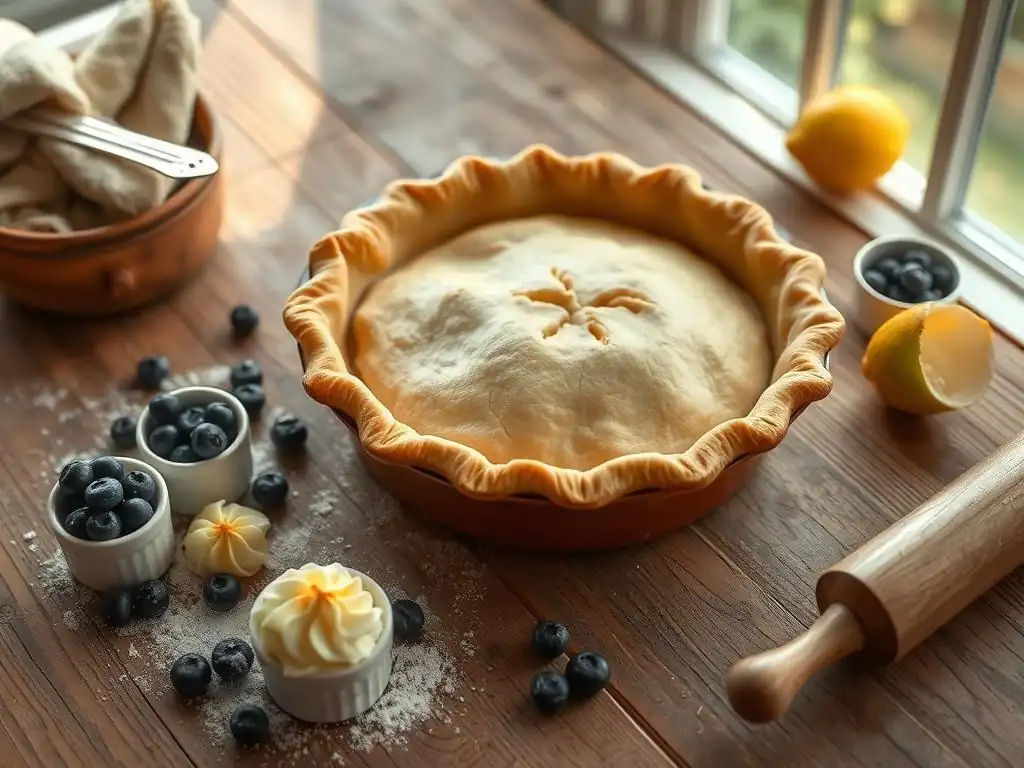
Welcome to BakeWithEase, your companion in the delightful world of baking! Ever wondered what magic you can conjure with that leftover sourdough discard? Prepare to be amazed! This week, we're diving into the secrets of crafting a truly exceptional pie crust – a easy sourdough discard pie crust that's both delicious and resourceful. Discover how to transform your discard into a flaky, flavorful foundation that will elevate your pies to new heights. Intrigued? Let's get baking!
- Introduction to Sourdough Discard Pie Crust
- Mastering the Easy Sourdough Discard Pie Crust Recipe
- Step-by-Step Guide: Making the Perfect Sourdough Discard Pie Crust
- Rolling Out Your Sourdough Discard Pie Crust
- Baking with Your Sourdough Discard Pie Crust
- Sourdough Discard Pie Crust Variations & Flavor Ideas
- Storing Your Sourdough Discard Pie Crust
- Troubleshooting Your Sourdough Pie Crust
- Frequently Asked Questions About Sourdough Discard Pie Crust
- Conclusion: Enjoying Your Homemade Sourdough Discard Pie
-
Frequently Asked Questions
- How does using sourdough discard impact the pie crust's flavor?
- Can I use sourdough starter instead of discard in this pie crust recipe?
- What is the best type of fat to use for an easy sourdough discard pie crust?
- How do I prevent my sourdough discard pie crust from shrinking during baking?
- How long can I store sourdough discard pie crust dough in the refrigerator?
- Final Reflection: The Humble Discard, Elevated
- Unleash Your Inner Baker: Transform Sourdough Discard into Delicious Pie!
Introduction to Sourdough Discard Pie Crust
Using sourdough discard in your baking is a fantastic way to reduce waste and add incredible depth of flavor to your recipes. While many bakers focus on discard crackers or pancakes, incorporating this tangy byproduct into a pie crust is a game-changer. It takes a simple crust and elevates it with a subtle complexity that pairs beautifully with both sweet and savory fillings.
An easy sourdough discard pie crust isn't just about using up what you have; it's about enhancing your final product. The slight acidity from the discard works wonders with the fat in the crust, contributing to a tender crumb and a unique taste profile you won't get from a standard recipe. It's a simple substitution that yields impressive results, making it a favorite for those looking to add a little something extra to their pies.
Why Use Sourdough Discard in Pie Crust?
Sourdough discard, the unfed portion of your sourdough starter, is a treasure trove of flavor and potential. When added to pie crust, it introduces a mild tanginess that cuts through the richness of the butter or shortening, creating a more balanced taste. This isn't the strong sourness of a fully fermented loaf; it's a gentle, pleasant note that enhances the overall pie experience.
Beyond flavor, the discard's acidity can actually help tenderize the dough by slightly inhibiting gluten development. This means less risk of a tough crust, provided you handle the dough gently. It's an ingenious way to add both flavor and improved texture without requiring complex techniques, making it an ideal ingredient for an easy sourdough discard pie crust.
The Benefits of a Sourdough Discard Pie Crust: Flavor and Texture
The primary benefit of using sourdough discard in your pie crust is the distinct, slightly tangy flavor it imparts. This subtle acidity complements a wide range of fillings. For example, a classic apple pie filling benefits from the tang, creating a more dynamic flavor profile than a crust made with just flour and fat. Similarly, a savory quiche or pot pie filling is enhanced by the crust's nuanced taste.
In terms of texture, the discard contributes to a wonderfully tender and flaky crust. The acidity helps tenderize the gluten strands, while the moisture from the discard integrates with the fat to create steam pockets during baking, resulting in those coveted flaky layers. Many bakers report a more reliable flakiness and a less 'tough' feel compared to traditional crusts when using this method, making it an excellent choice for an easy sourdough discard pie crust.
Mastering the Easy Sourdough Discard Pie Crust Recipe
Creating an easy sourdough discard pie crust is surprisingly straightforward. The process largely mirrors that of a standard pie crust, with the key difference being the inclusion of the discard alongside the traditional wet ingredients. The goal is always a cold, pliable dough that bakes up flaky and golden brown.
The beauty of this recipe lies in its simplicity. You don't need perfectly active starter; unfed discard straight from the fridge works perfectly. This adaptability makes it incredibly convenient for regular sourdough bakers who often have discard on hand. Follow the steps carefully, and you'll achieve a delicious and easy sourdough discard pie crust every time.
Ingredients for a Flaky Sourdough Discard Pie Crust
A reliable, flaky pie crust starts with quality ingredients, and this sourdough discard version is no exception. You'll need:
- All-purpose flour: About 2 ½ cups (300 grams). Some bakers prefer pastry flour for extra tenderness, but all-purpose works beautifully for an easy crust.
- Cold unsalted butter: About 1 cup (2 sticks, 225 grams), cut into cubes. Using cold butter is crucial for creating flaky layers. Shortening or a combination of butter and shortening can also be used.
- Sourdough discard: About 1 cup (240 grams). This should be unfed discard, ideally straight from the refrigerator. The hydration level of your discard will affect the amount of other liquid needed, but 1:1 or 1:2 fed discard works well.
- Ice water: Approximately 2-6 tablespoons (30-90 ml). The exact amount will depend on the hydration of your discard and the humidity. It's essential to use ice water to keep the fat cold.
- Salt: About 1 teaspoon (6 grams). Salt enhances the flavor of the crust.
- Optional: 1 tablespoon sugar (for sweet crusts).
These ingredients, when combined correctly, form the base for a truly excellent and easy sourdough discard pie crust. Using cold ingredients and handling the dough minimally are key principles to remember throughout the process.
Equipment Needed for Your Sourdough Pie Crust
Having the right tools can make the process of creating an easy sourdough discard pie crust even smoother. You don't need fancy equipment, but a few basics are essential.
You will definitely need a large mixing bowl for combining your ingredients. A pastry blender, fork, or your fingertips are necessary for cutting the cold fat into the flour. For rolling, a rolling pin and a lightly floured surface are a must. A bench scraper is helpful for gathering dough and cleaning up. Finally, you'll need a pie plate or tart pan (a standard 9-inch pie plate is common) to shape and bake your crust in.
Step-by-Step Guide: Making the Perfect Sourdough Discard Pie Crust
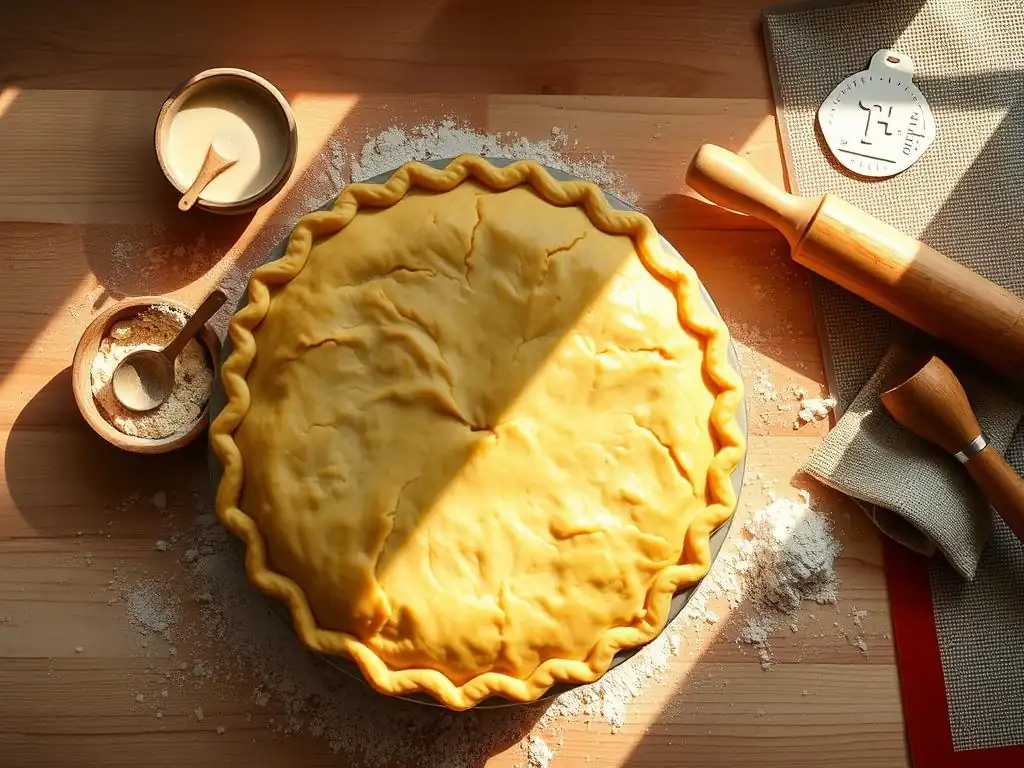
Making an easy sourdough discard pie crust follows a simple, time-tested method. The key is to keep everything cold and handle the dough gently to ensure tenderness and flakiness.
By following these steps, you'll transform simple ingredients into a versatile dough ready for your favorite pie fillings. Patience, especially during the chilling phase, is rewarded with a crust that is easy to roll and bakes up beautifully.
Step 1: Combining the Dry Ingredients
Begin by whisking together the dry ingredients in your large mixing bowl. This typically includes the flour, salt, and sugar if you are making a sweet crust. Whisking ensures that the salt and sugar are evenly distributed throughout the flour, preventing pockets of intense flavor.
For a standard recipe using 2 ½ cups (300g) of flour, you would add 1 teaspoon (6g) of salt and, optionally, 1 tablespoon of sugar at this stage. Ensure everything is well combined before moving on to the next step, as this is the foundation of your easy sourdough discard pie crust.
Step 2: Adding the Sourdough Discard and Fat
Next, add the cold, cubed butter (about 1 cup or 225g) to the dry ingredients. Use a pastry blender, fork, or your fingers to cut the butter into the flour mixture until it resembles coarse crumbs with some pea-sized pieces of butter remaining. These larger pieces of butter are what create flaky layers as they melt and release steam during baking.
Once the butter is incorporated, add your cold sourdough discard (about 1 cup or 240g). Stir it into the flour-butter mixture with a fork until it's mostly distributed. The discard adds moisture and flavor at this crucial stage, setting the base for your easy sourdough discard pie crust.
Step 3: Incorporating the Liquid
Now, it's time to add the ice water, a little bit at a time. Drizzle in 2 tablespoons of ice water and gently mix with a fork or your hands until the dough just starts to come together. Avoid pouring in too much water at once, as this can lead to a tough crust.
Add more ice water, 1 tablespoon at a time, mixing just until the dough forms a shaggy ball and no dry flour remains at the bottom of the bowl. The dough should be moist enough to hold together when squeezed but not sticky. On average, expect to use between 3 and 6 tablespoons of ice water, depending on your discard's hydration and environmental factors. The goal is to add just enough liquid to hydrate the flour without developing excessive gluten, essential for an easy sourdough discard pie crust.
Step 4: Forming the Dough
Turn the shaggy dough out onto a lightly floured surface. Gently bring the dough together with your hands, forming it into a disc. Handle the dough as little as possible to avoid developing gluten, which can make the crust tough.
If you need two crusts, divide the dough in half and form two separate discs. Wrap each disc tightly in plastic wrap. Shaping the dough into a disc now makes it much easier to roll out later. This quick step prepares the dough for the crucial chilling phase, contributing to an easy sourdough discard pie crust that rolls beautifully.
Step 5: Chilling the Sourdough Discard Pie Dough
Chilling the dough is a non-negotiable step for achieving a flaky crust. The wrapped dough discs need to rest in the refrigerator for at least 30 minutes, but ideally 1 to 2 hours. This time allows the gluten to relax, making the dough easier to roll, and firms up the fat, which is essential for flakiness.
You can even chill the dough for up to 3 days in the refrigerator before rolling it out. If you plan to store it longer, freezing is an option (see Storing Your Sourdough Discard Pie Crust section). Proper chilling is key to a successful and easy sourdough discard pie crust.
Rolling Out Your Sourdough Discard Pie Crust
Rolling out your chilled sourdough discard pie dough requires a gentle touch and a lightly floured surface. The goal is to roll the dough evenly to a thickness of about 1/8 inch (approximately 3 mm), large enough to fit your pie plate with some overhang.
Patience is key here. If the dough seems too stiff, let it sit at room temperature for just a few minutes to soften slightly, but don't let it get warm. A properly chilled dough for an easy sourdough discard pie crust should roll out with relative ease.
Tips for Easy Rolling and Transfer
To make rolling easier, start with a lightly floured surface and rolling pin. Place the chilled dough disc in the center and begin rolling from the center outwards, rotating the dough frequently (about a quarter turn each time) to ensure an even circle and prevent sticking. If the dough starts to stick, lift it gently and add a tiny bit more flour underneath and on top.
Once rolled to the desired size (large enough to fit your 9-inch pie plate with about a 1-inch overhang), carefully transfer it to the pie plate. You can do this by gently rolling the dough loosely around your rolling pin and then unrolling it over the plate, or by folding the dough into quarters, placing it in the plate's center, and unfolding it. Ensure the dough is pressed gently into the bottom and sides of the plate without stretching it, which can cause shrinkage during baking. These tips ensure a smooth process for your easy sourdough discard pie crust.
Troubleshooting Common Pie Crust Rolling Issues
Sometimes, even with an easy sourdough discard pie crust recipe, you might encounter issues while rolling. If the dough is cracking excessively around the edges, it might be too cold or slightly dry. Let it warm up for a few minutes, or gently pinch the cracks together as you roll.
If the dough is sticking persistently to the surface, you need more flour on your surface and rolling pin. However, be mindful not to add too much flour, as this can make the crust tough. If the dough becomes too warm and soft, it will be difficult to handle and transfer. In this case, carefully slide it onto a baking sheet and pop it back into the refrigerator for 10-15 minutes to firm up before attempting to roll or transfer again.
Baking with Your Sourdough Discard Pie Crust
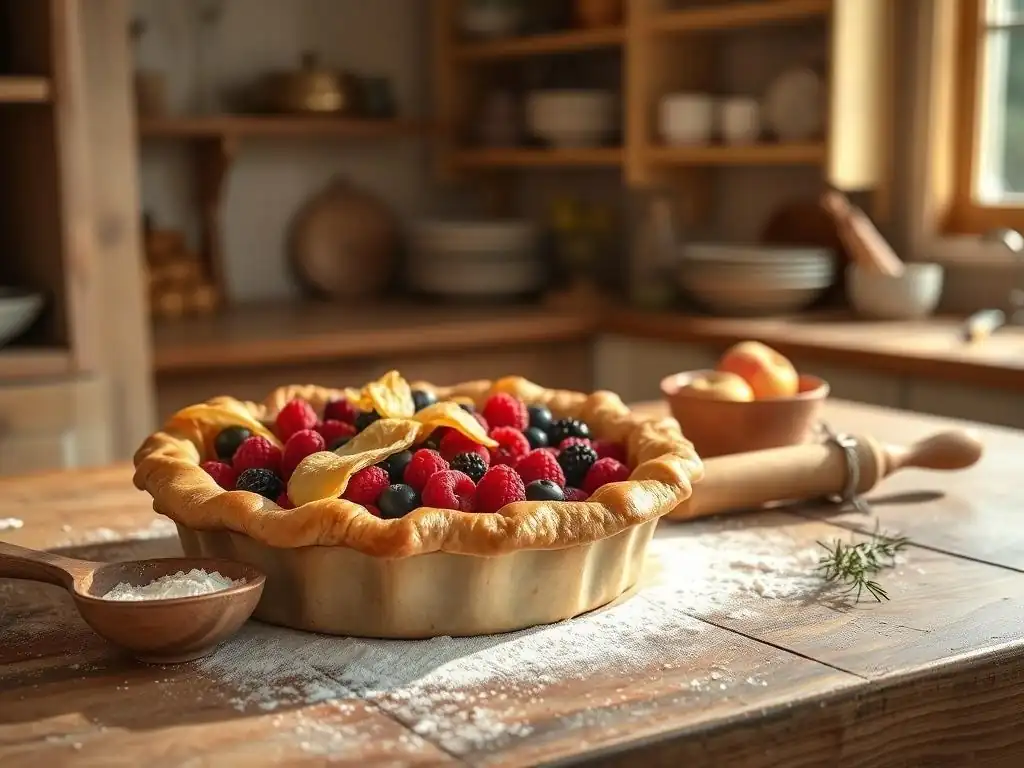
Baking your easy sourdough discard pie crust correctly is the final step to achieving that perfect golden, flaky result. Depending on your recipe, you might need to blind bake the crust (bake it partially or fully before adding the filling) or bake it with the filling already in place.
The temperature and timing will vary based on whether you are blind baking or baking with a filling, as well as the type of filling used. Pay attention to the color of the crust as it bakes; a beautiful golden brown indicates it's done and delicious.
Blind Baking the Pie Crust
Blind baking is often necessary for pies with wet fillings (like quiches or custard pies) or no-bake fillings (like cream pies). To blind bake your sourdough discard pie crust, first, prick the bottom of the crust all over with a fork. This allows steam to escape and prevents puffing. Then, line the crust with parchment paper or aluminum foil and fill it with pie weights, dried beans, or rice. This prevents the sides from collapsing and the bottom from puffing up.
Bake the weighted crust in a preheated oven, typically at 375°F (190°C), for about 15-20 minutes, or until the edges are lightly set. Remove the weights and liner, and continue baking for another 10-15 minutes, or until the bottom is lightly golden. If the recipe calls for a fully baked crust, continue baking until the bottom is deeply golden brown. This ensures a sturdy base for your easy sourdough discard pie crust.
Baking with a Filling
For pies with fillings that require significant baking time (like fruit pies), you typically add the filling to the unbaked or partially blind-baked crust and bake them together. The baking time and temperature will depend entirely on the specific pie recipe's requirements.
Generally, fruit pies might start at a higher temperature (e.g., 425°F / 220°C for 15-20 minutes) to set the crust, then reduce the temperature (e.g., 375°F / 190°C) to finish baking the filling. Cover the edges of your easy sourdough discard pie crust with foil or a pie shield if they start browning too quickly.
Achieving a Golden-Brown Crust
A beautiful, golden-brown crust is the hallmark of a well-baked pie. As your easy sourdough discard pie crust nears the end of its baking time, keep a close eye on it. The edges tend to brown faster than the center.
For an extra golden and slightly glossy finish, you can brush the exposed crust with an egg wash (one egg beaten with a tablespoon of water or milk) about 10-15 minutes before it's done. If the edges are browning too quickly, loosely cover them with strips of aluminum foil or a pie crust shield. Continue baking until the entire crust is a rich golden color and the filling is set (if applicable).
Sourdough Discard Pie Crust Variations & Flavor Ideas
The basic recipe for an easy sourdough discard pie crust is incredibly versatile. You can easily adapt it to suit different types of pies by incorporating various flavors directly into the dough.
Whether you're making a sweet dessert pie or a savory main course, a few simple additions can transform your sourdough discard pie crust and perfectly complement your chosen filling.
Sweet Sourdough Pie Crust Variations
For sweet pies, enhancing the flavor of your easy sourdough discard pie crust is simple. You can add 1-2 tablespoons of granulated or brown sugar to the dry ingredients in Step 1. This adds a touch of sweetness that pairs well with fruit or custard fillings.
Other delicious additions include ½ teaspoon of ground cinnamon, nutmeg, or ginger, or the zest of one lemon or orange. These spices and citrus zests infuse the crust with aromatic flavors that elevate classic dessert pies like apple, cherry, or pumpkin. Imagine a lemon zest-infused crust with a berry filling – the possibilities are vast!
Savory Sourdough Pie Crust Variations
A savory easy sourdough discard pie crust is perfect for quiches, pot pies, and tarts. Instead of adding sugar, you might increase the salt slightly (e.g., to 1 ¼ teaspoons). You can also mix in dried herbs like rosemary, thyme, or oregano (about 1 teaspoon total) with the dry ingredients.
Finely grated hard cheese, such as Parmesan or cheddar (about ¼ cup), can also be cut into the dough along with the cold butter in Step 2. This adds a wonderful depth of flavor and a slightly richer texture, making it ideal for savory fillings like spinach and feta or chicken pot pie.
Storing Your Sourdough Discard Pie Crust
One of the great things about an easy sourdough discard pie crust dough is that it can be made ahead of time. Proper storage ensures that your dough remains fresh and ready to use when you need it.
Knowing how to store both unbaked dough and baked pie is helpful for meal planning and enjoying your homemade creations.
Storing Unbaked Dough
Unbaked sourdough discard pie dough discs, tightly wrapped in plastic wrap, can be stored in the refrigerator for up to 3 days. The flavor may even deepen slightly over this time.
For longer storage, the dough freezes exceptionally well. Wrap the discs tightly in plastic wrap, then place them in a freezer-safe bag or container. Frozen dough can be stored for several months, typically up to 3-4 months, without significant loss of quality. Thaw frozen dough in the refrigerator overnight before rolling. This makes preparing an easy sourdough discard pie crust very convenient.
Storing Baked Pie
How you store a baked pie depends on its filling. Fruit pies can generally be stored loosely covered at room temperature for 2-3 days. The sturdy structure of the baked easy sourdough discard pie crust holds up well.
Pies with dairy-based or custard fillings (like pumpkin, pecan, or quiche) must be stored in the refrigerator. Cover them loosely with plastic wrap or aluminum foil and consume within 3-4 days. The crust may soften slightly over time, but the flavor will remain delicious.
Troubleshooting Your Sourdough Pie Crust
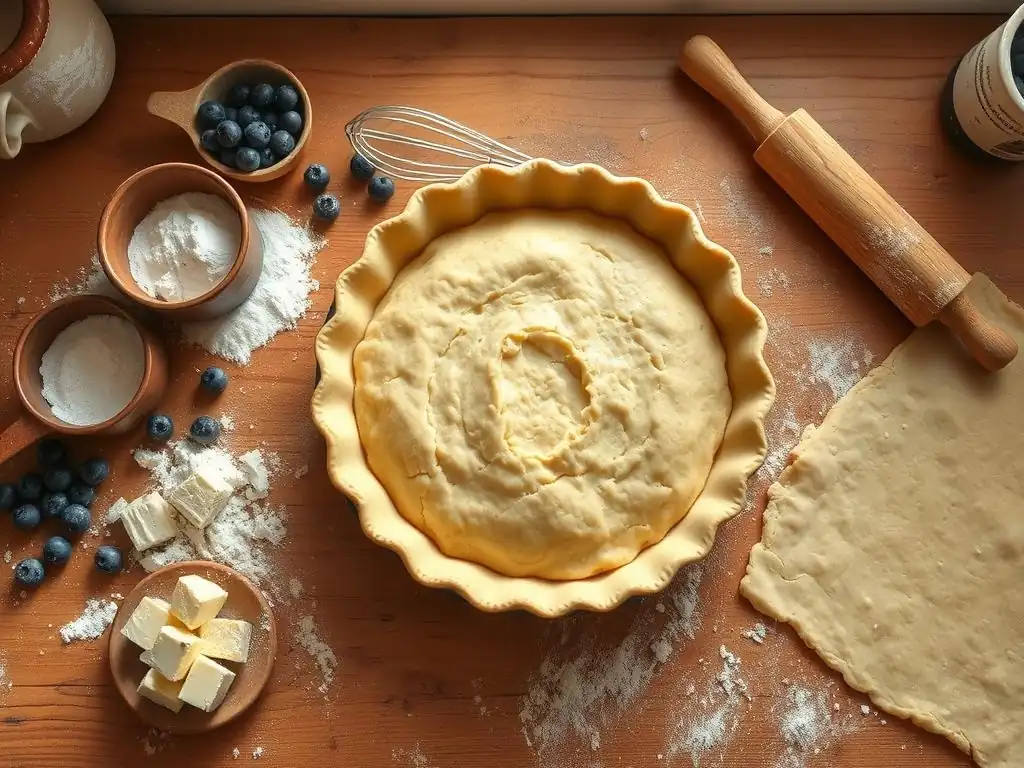
Even with an easy sourdough discard pie crust recipe, baking can sometimes present challenges. Knowing how to identify and fix common issues can save your pie.
Don't be discouraged if your first attempt isn't perfect. Understanding the causes of common problems like toughness, sogginess, or shrinkage will help you improve with each bake.
Dealing with a Tough Crust
A tough pie crust is usually the result of overworking the dough or adding too much flour during mixing or rolling. When you overwork the dough, you develop the gluten too much, which creates a chewy, bread-like texture instead of a tender, flaky one.
Ensure you mix the dough just until it comes together and handle it minimally when forming the disc and rolling. Use only enough flour on your surface and rolling pin to prevent sticking – typically just a few tablespoons total. By being gentle and using minimal flour, you help maintain the tenderness inherent in an easy sourdough discard pie crust.
Preventing a Soggy Bottom
A soggy bottom crust is a common pie woe, especially with wet fillings. Several strategies can help prevent this. Blind baking the crust (as discussed in the Baking section) is one of the most effective methods, creating a barrier against moisture.
Another tip is to bake your pie on a preheated baking sheet placed on the bottom rack of your oven. The hot baking sheet helps conduct heat quickly to the bottom crust, setting it faster. For very wet fillings, you can also brush the bottom of the partially blind-baked crust with a thin layer of egg white before adding the filling; the egg white creates a seal. Ensuring your filling isn't excessively watery also helps achieve a perfectly baked easy sourdough discard pie crust.
Fixing Cracks and Shrinkage
Cracks can occur if the dough is too cold or dry when rolling, or if it's handled too roughly. If you see small cracks while rolling, you can often pinch them together gently. If the dough is cracking significantly, let it warm up slightly at room temperature for 5-10 minutes before continuing.
Shrinkage during baking is often caused by stretching the dough into the pie plate instead of gently easing it in. If the dough is stretched, the gluten will contract as it bakes, pulling the crust away from the edges of the plate. Ensure your dough is well-chilled and rolled large enough to fit without stretching. Letting the shaped, unbaked crust rest in the refrigerator for 15-30 minutes before baking can also help the dough relax and reduce shrinkage, resulting in a well-fitting easy sourdough discard pie crust.
Frequently Asked Questions About Sourdough Discard Pie Crust
It's natural to have questions when trying a new recipe ingredient like sourdough discard in a familiar context like pie crust. Here are some common queries.
These answers should help clarify how to best use your discard for an easy sourdough discard pie crust and how to manage the dough.
Can I use different types of flour?
Yes, you can experiment with different flours, although the results will vary. All-purpose flour is recommended for a reliable and easy sourdough discard pie crust. You can substitute a portion (e.g., ¼ to ½ cup) of the all-purpose flour with whole wheat flour or spelt flour for a nuttier flavor and slightly denser texture.
Using gluten-free flour blends is also possible, but you'll need to follow the specific instructions for that blend, as they often require different hydration levels and handling compared to wheat flour. Always start with the recommended flour type for the easiest results.
How long does the sourdough discard need to be fermented?
For this easy sourdough discard pie crust recipe, the discard does not need to be highly active or recently fed. In fact, unfed discard straight from the refrigerator works perfectly. This could be discard that is anywhere from a few hours to about 7-10 days old.
Older discard might contribute a slightly stronger tang to the crust, while fresher discard will be milder. Both work well. The key is that it's unfed and relatively liquid (like a thick batter), not a stiff, active starter. Using discard this way is what makes it an easy sourdough discard pie crust!
Can I freeze the pie crust?
Absolutely! As mentioned in the storage section, both unbaked dough and fully baked, unfilled pie shells made with this easy sourdough discard pie crust recipe freeze very well.
Wrap unbaked discs tightly and freeze for up to 3-4 months. Thaw them in the refrigerator overnight before rolling. Baked, unfilled crusts can be wrapped and frozen for about 1-2 months. Thaw at room temperature before filling and baking (if needed) or adding a no-bake filling. Freezing is a great way to prepare ahead and have an easy sourdough discard pie crust ready whenever you need it.
Conclusion: Enjoying Your Homemade Sourdough Discard Pie
Making an easy sourdough discard pie crust is a rewarding endeavor. Not only does it help utilize your sourdough discard, but it also elevates your pies with a subtle, sophisticated flavor and wonderfully tender, flaky texture.
From sweet fruit pies to savory quiches, this versatile crust provides a perfect canvas for your culinary creations. Embrace the unique character that the sourdough discard brings to your baking.
Embrace the Flavor of Sourdough in Your Pies
The slight tang and depth of flavor that sourdough discard adds to pie crust are truly special. It's a simple way to make your homemade pies stand out, giving them a gourmet touch with minimal extra effort.
So, the next time you're about to discard a portion of your sourdough starter, think of the delicious, flaky pie crust waiting to be made. An easy sourdough discard pie crust is more than just waste not; it's a step towards more flavorful and satisfying baking. Happy baking!
Frequently Asked Questions
How does using sourdough discard impact the pie crust's flavor?
Sourdough discard adds a subtle tangy flavor to the pie crust, creating a more complex and interesting taste than traditional crusts. The fermented nature of the discard also contributes to a slightly softer texture.
Can I use sourdough starter instead of discard in this pie crust recipe?
While possible, using active starter will significantly alter the results. You'll need to adjust the hydration and fermentation time, as active starter contributes leavening properties. Discard provides flavor without excessive rise.
What is the best type of fat to use for an easy sourdough discard pie crust?
Butter is generally recommended for its flavor and flakiness. However, you can also use shortening for a more tender crust or a combination of both for optimal texture and flavor.
How do I prevent my sourdough discard pie crust from shrinking during baking?
Ensure the dough is properly chilled before baking, and dock the bottom with a fork to release steam. Blind baking with pie weights also helps maintain the shape and prevents shrinking.
How long can I store sourdough discard pie crust dough in the refrigerator?
Unbaked dough can be stored in the refrigerator for up to 2-3 days, tightly wrapped. Allow the dough to sit at room temperature for 10-15 minutes before rolling to prevent it from cracking or becoming too stiff.
Final Reflection: The Humble Discard, Elevated
The seemingly insignificant sourdough discard, often relegated to the compost bin, holds the key to delicious and sustainable baking. This simple pie crust recipe proves that embracing resourcefulness can lead to extraordinary results, transforming a byproduct into a culinary delight. It's a testament to the power of mindful baking and minimizing waste.
The journey of transforming sourdough discard into a flaky, flavorful pie crust has been a personal revelation. It highlights the interconnectedness of baking and sustainability, reminding us that even seemingly insignificant elements can hold immense potential. Waste not, want not
– a proverb that perfectly encapsulates the ethos of this recipe and its broader implications for responsible food practices. This isn't just about making a pie; it's about fostering a mindful approach to food production and consumption.
Now, consider your own kitchen. What seemingly "wasteful" ingredients might hold the key to delicious creations? I encourage you to experiment, to embrace the unexpected, and to discover the hidden treasures within your own culinary landscape. Don't just bake a pie; bake a future where resourcefulness and deliciousness go hand in hand. Let the humble sourdough discard inspire you to create something extraordinary.
Unleash Your Inner Baker: Transform Sourdough Discard into Delicious Pie!
Thanks for joining us on this sourdough adventure! You've learned how to turn a baking "waste" product into a wonderfully flavorful pie crust. Now it's time to put your newfound skills to the test!
- Bake that pie! Use the recipe from the article to create your own delicious and sustainable pie. Don't be afraid to experiment with your favorite fillings!
- Share your creation! Post a picture of your masterpiece on social media and tag us – we’d love to see your baking success!
- Explore more sourdough recipes: Head over to our recipe section for even more ways to utilize your sourdough discard.
What unique flavor combination will you try in your first sourdough discard pie?