
Spoon and Level vs. Scoop and Sweep: Mastering Powder Ingredient Techniques

Welcome to BakeWithEase, your guide to unlocking baking brilliance! Ever wondered if you're really measuring your ingredients correctly? Today, we dive deep into a seemingly simple task that can make or break your recipe: How to measure powdered sugar. Discover the secrets behind achieving perfect consistency and elevate your baking game with our essential tips and tricks. Ready to ditch the guesswork and embrace precision? Let's get started!
- BakeWithEase: Spoon and Level vs. Scoop and Sweep - Mastering Powder Ingredient Techniques
- Why Accurate Measurement Matters in Baking: The Foundation of BakeWithEase Recipes
- Spoon and Level Method: A Detailed Guide for Measuring Flour and Other Powders
- Scoop and Sweep Method: Understanding and Avoiding Common Pitfalls
- Comparing Spoon and Level vs. Scoop and Sweep: Which Method is Best?
- Tips for Ensuring Accurate Powder Measurements in Baking
- Mastering Flour Measurement: Real-World Baking Examples
- Troubleshooting Common Powder Measurement Issues in Baking
- Conclusion: Embracing Precise Powder Measurement for Baking Excellence
-
Frequently Asked Questions
- How does "Spoon and Level" differ from "Scoop and Sweep" when measuring powdered sugar?
- Why is accurately measuring powdered sugar important in baking?
- What tools are recommended for precisely measuring powdered sugar?
- Can I use a kitchen scale instead of measuring cups for powdered sugar?
- What are some common mistakes to avoid when measuring powdered sugar?
- Final Reflection: The Art and Science of Precise Baking
- Unlock Your Baking Potential: Mastering Powder Precision
BakeWithEase: Spoon and Level vs. Scoop and Sweep - Mastering Powder Ingredient Techniques
Introduction to Accurate Powder Ingredient Measurement for Baking Success
Welcome to BakeWithEase, where we demystify baking techniques to help you achieve perfect results every time! One of the most fundamental skills in baking, yet often a source of frustration, is accurately measuring dry ingredients, especially powders like flour, cocoa powder, and even understanding how to measure powdered sugar. The way you handle these ingredients before they even hit the bowl can dramatically alter the outcome of your recipe, turning a potentially light and airy cake into a dense brick or a perfectly chewy cookie into a crumbly mess. Getting this right is the bedrock of consistent baking.
Many home bakers unknowingly sabotage their creations right at the start by using imprecise measurement methods. A common culprit is simply scooping flour directly from the bag, a method that can pack the ingredient tightly and result in significantly more volume and weight than the recipe intended. This seemingly small error can throw off the delicate balance of wet and dry ingredients, leading to disappointing textures and flavors. Understanding the difference between techniques like spooning and leveling versus scooping and sweeping is crucial for anyone looking to bake with confidence and consistency.
Why Accurate Measurement Matters in Baking: The Foundation of BakeWithEase Recipes
The Impact of Precise Measurements on Baking Results
In baking, ingredients don't just mix; they react. Flour provides structure, sugar adds sweetness and tenderness, and leavening agents create lift. The precise ratio of these components dictates the chemical reactions that occur during baking, influencing everything from the crumb structure of a cake to the crispness of a cookie or the rise of bread.
Using too much flour, for instance, is a common error that leads to dry, tough baked goods because the excess flour absorbs too much liquid, leaving less moisture available for creating a tender texture. This is particularly critical when dealing with delicate recipes like sponge cakes or macarons.
Consider a typical cookie recipe calling for 2 cups of all-purpose flour. If you scoop the flour directly from the bag, you could easily end up with 10-20% more flour by weight than if you had measured it correctly. For a recipe designed for approximately 240 grams of flour (2 cups properly measured), scooping might add an extra 24-48 grams.
This seemingly small addition of dry ingredient can drastically change the dough's consistency, requiring more liquid or resulting in cookies that don't spread properly, are too firm, or lack the desired chewiness. Precision isn't just for professional bakers; it's essential for reliable results in your home kitchen.
Understanding the Importance of Consistent Ingredient Ratios
Baking recipes are essentially formulas. They are developed and tested with specific ratios of ingredients to achieve a particular outcome. These ratios are based on the weight or volume of each component, and consistency in measurement ensures that you are replicating that intended formula every time you bake. Imagine trying to replicate a scientific experiment without using precise measurements – the results would be unpredictable at best. The same principle applies to baking. If you measure inconsistently, even slightly, your banana bread might be moist and perfect one week and surprisingly dry the next, despite using the "same" recipe.
Consistency is key to mastering any baking skill, and it starts with accurate measurement. Whether you're learning how to measure powdered sugar for a buttercream frosting or flour for a loaf of sourdough, using a reliable method ensures that the variable isn't your measurement technique, but perhaps other factors like oven temperature or ingredient temperature, which can then be isolated and adjusted. By adopting consistent measurement practices, you build a foundation of reliability, allowing you to troubleshoot effectively and refine your baking skills with confidence.
Spoon and Level Method: A Detailed Guide for Measuring Flour and Other Powders
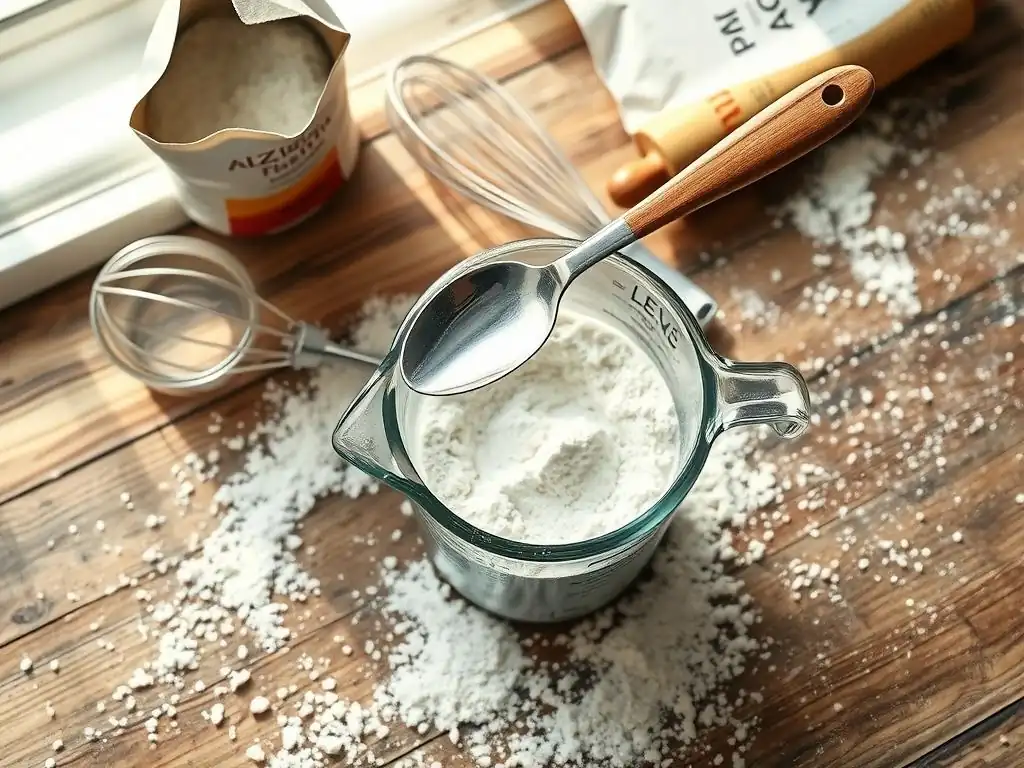
What is the Spoon and Level Method?
The spoon and level method is widely regarded as the most accurate way to measure dry, powdery ingredients by volume, especially flour. This technique minimizes the amount of compaction that occurs when measuring, ensuring that you're getting a measurement closer to what the recipe developer intended, assuming they also used this method (which is standard practice in professional recipe development). The core principle is to gently transfer the powder into the measuring cup rather than forcing the cup into the powder. This prevents the ingredient from becoming overly compressed, which would result in a heavier measurement.
This method is particularly vital for ingredients like all-purpose flour, cake flour, and self-rising flour, where density variation can significantly impact the final product's texture. It's also the recommended approach for learning how to measure powdered sugar accurately, which can easily compact and lead to overly sweet or dense frostings and glazes. By avoiding direct scooping, you ensure a lighter, more consistent volume measurement, which translates to more predictable and successful baking outcomes, especially in recipes where the structure relies heavily on the precise amount of flour.
Step-by-Step: How to Spoon and Level Flour for Baking Perfection
Mastering the spoon and level technique is simple and takes only a few extra seconds compared to less accurate methods. It involves three key steps that ensure you get a consistent and reliable volume measurement every time. Following these steps helps prevent over-measuring, which is a common cause of baking failures like dry cakes or tough cookies. This is the standard method assumed by most baking recipes that list ingredients by volume.
Here are the steps to correctly spoon and level your dry ingredients:
Step 1: Aerating the Flour
Before you begin measuring, gently aerate the flour in its container. You can do this by whisking it lightly with a fork or spoon, or simply by fluffing it up with your measuring cup if the container is large enough. This step helps to loosen the flour, which may have settled and compacted during storage, ensuring a more accurate volume measurement. If you're measuring powdered sugar or cocoa powder, which can often clump, sifting is an excellent way to aerate and remove lumps before measuring.
- Whisk or fluff the powder in its bag or container.
- Break up any visible clumps.
- Ensure the powder is light and loose.
Step 2: Spooning into Measuring Cup
Using a spoon (a regular kitchen spoon works fine), gently spoon the aerated flour into your dry measuring cup. Do not scoop the measuring cup directly into the flour bin, as this will compact the flour. Fill the measuring cup until it is overflowing, allowing the flour to pile up loosely above the rim. Avoid tapping the cup or shaking it to settle the flour, as this will also lead to compaction and an inaccurate measurement. The goal is to fill the cup with as little pressure as possible.
- Use a spoon to transfer the ingredient.
- Pile the ingredient loosely into the measuring cup.
- Do not tap, shake, or press the ingredient down.
Step 3: Leveling with a Straight Edge
Once the measuring cup is overfilled with loosely spooned flour, use a straight edge, such as the back of a knife or a flat spatula, to level off the excess flour from the top of the cup. Hold the straight edge parallel to the rim of the cup and gently sweep away the excess flour, allowing it to fall back into the flour container. Do this without pressing down on the flour in the cup. The surface of the flour should be flush with the rim of the measuring cup.
- Use a straight edge (knife back, spatula).
- Sweep across the top of the measuring cup.
- Do not press down on the ingredient while leveling.
Advantages of the Spoon and Level Technique
The primary advantage of the spoon and level method is its accuracy and consistency, especially when measuring relatively compressible powders like flour. By minimizing compaction, you get a volume measurement that is much closer to the actual weight intended by the recipe developer. This leads to more predictable baking results, reducing the common problem of dry or heavy baked goods caused by over-measured flour. It's the standard technique taught in culinary schools and used by professional bakers precisely because it yields reliable outcomes.
Furthermore, mastering this method helps build good baking habits. It encourages mindfulness in the measurement process, making you more aware of the ingredients you're adding and the potential impact of measurement variations. While it might take a few extra seconds compared to scooping, the payoff in terms of consistent, high-quality baked goods is well worth the minor investment of time. It's an essential skill for anyone serious about improving their baking prowess and achieving delicious results consistently.
When to Use the Spoon and Level Method (e.g., for cakes and delicate pastries)
The spoon and level method is the gold standard for measuring most dry ingredients by volume in baking, and it is particularly critical in recipes where the precise amount of flour or other powder is crucial for texture and structure. This includes delicate baked goods like cakes, cupcakes, muffins, scones, and tender pastries. In these recipes, excess flour can easily lead to a tough or dry crumb, ruining the intended light texture.
It is also the recommended method for learning how to measure powdered sugar, cocoa powder, cornstarch, and other fine powders that can easily compact. For example, using the scoop and sweep method for cocoa powder can result in a much darker and potentially bitter flavor than intended, while over-measuring powdered sugar can make frostings overly stiff or sickeningly sweet. Always default to the spoon and level method unless a recipe specifically instructs otherwise, as this is the technique most volume-based recipes assume.
Scoop and Sweep Method: Understanding and Avoiding Common Pitfalls
What is the Scoop and Sweep Method?
The scoop and sweep method involves plunging the measuring cup directly into the container of the dry ingredient, filling it up, and then leveling off the excess with a straight edge. While this might seem faster and more intuitive, especially for ingredients like granulated sugar or salt which don't compact as easily, it is generally not recommended for compressible powders like flour, powdered sugar, or cocoa powder when measuring by volume. This technique is often the culprit behind frustrating baking inconsistencies.
When you force a measuring cup into a bag or container of flour, you inevitably pack the flour down. The amount of compaction can vary depending on how much force is used, how full the container is, and the type of flour. This variability is precisely why the method is unreliable for accurate measurement of certain ingredients. While it might be acceptable for less critical applications or ingredients that don't compact much, relying on scoop and sweep for flour in delicate recipes is a gamble.
Why Scoop and Sweep Can Lead to Inaccurate Measurements
The fundamental problem with the scoop and sweep method for compressible powders is the inconsistency in the amount of ingredient it packs into the measuring cup. Even if you try to be gentle, the act of pushing the cup into the powder forces more material into the same volume compared to spooning it in loosely. This means that "1 cup" measured using the scoop and sweep method will almost always contain more flour (by weight) than "1 cup" measured using the spoon and level method.
Studies and tests have shown that scooping flour directly from the bag can add anywhere from 10% to 30% more flour by weight compared to the spoon and level method. For example, a cup of all-purpose flour properly spooned and leveled typically weighs around 120-125 grams. The same cup, if heavily scooped and packed, could easily weigh 140-160 grams or even more. This significant difference in weight for the same stated volume is why using the scoop and sweep method for flour is a leading cause of dense, dry, or heavy baked goods.
Common Mistakes with the Scoop and Sweep Technique
Even when attempting to use the scoop and sweep method "correctly" (which is debatable for powders), there are common errors that exacerbate the inaccuracy. Being aware of these pitfalls can help you understand why this method is less reliable for specific ingredients and encourage you to switch to the more precise spoon and level technique for better results.
Over-Packing the Powder
The most frequent mistake is simply jamming the measuring cup deep into the ingredient container with force. This action compresses the powder significantly, squeezing out air and packing particles together tightly. The deeper you push and the harder you press, the more material you force into the cup, leading to a heavily over-measured volume by weight. This is particularly easy to do with fine powders like cake flour or powdered sugar, which settle easily.
Inconsistent Scooping Pressure
Even if a baker tries to be gentle, the amount of pressure applied when scooping can vary from one measurement to the next, and even from one person to another. One day you might scoop lightly, the next you might be in a hurry and press harder. This inconsistency means that even if you use the scoop and sweep method consistently for yourself, the resulting measurement might not match what the recipe developer intended, and your own results can vary from batch to batch depending on your technique on a given day.
When Scoop and Sweep Might Be Acceptable (e.g., for rustic breads)
While generally discouraged for most baking recipes, the scoop and sweep method might be acceptable or even intended in certain specific contexts, though it's always safer to confirm. Some very rustic bread recipes or older family recipes might have been developed using this less precise method. In these cases, the slightly higher amount of flour might contribute to a desired dense texture or hydration level.
However, even in these instances, using the spoon and level method or, ideally, a kitchen scale for measuring by weight will provide more consistent and predictable results. If a recipe doesn't specify the measurement method, assume the standard spoon and level technique for powders.
For ingredients that don't compact easily, like granulated sugar, brown sugar (packed), or salt, the scoop and sweep method is generally fine and widely used, as the difference in weight between the two methods is minimal for these less compressible substances. Always read recipes carefully for specific instructions on how to measure ingredients like brown sugar, which usually calls for being "packed".
Comparing Spoon and Level vs. Scoop and Sweep: Which Method is Best?
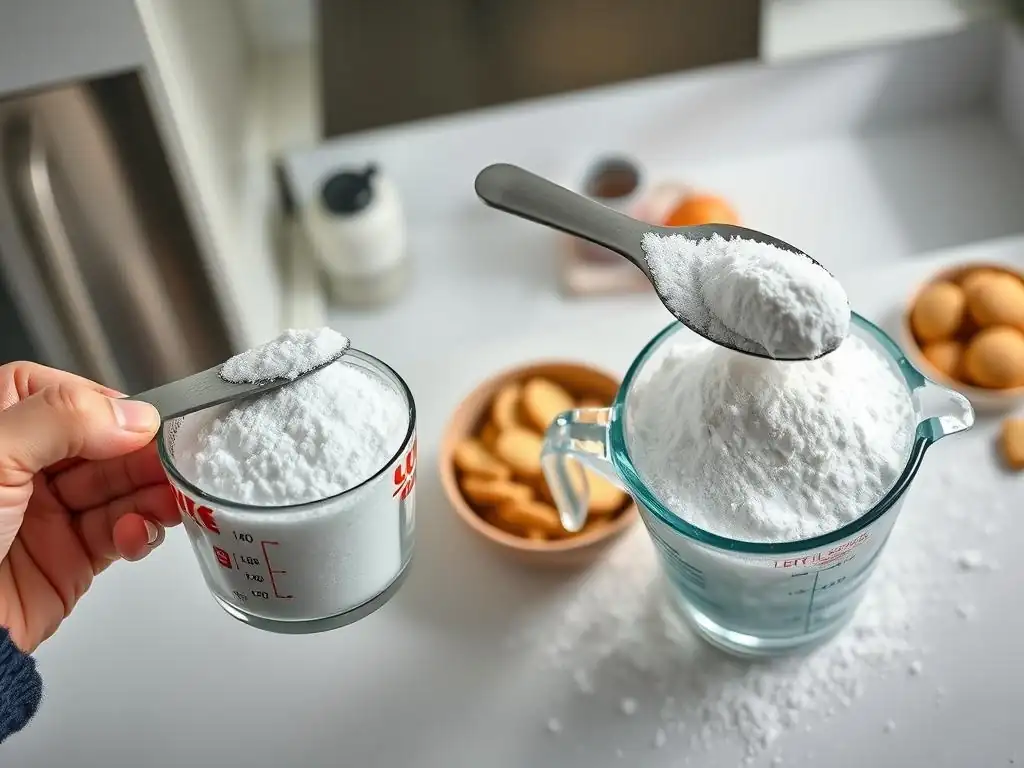
Accuracy Comparison: Spoon and Level vs. Scoop and Sweep
When it comes to measuring compressible dry ingredients like flour, powdered sugar, or cocoa powder by volume, the spoon and level method is significantly more accurate than the scoop and sweep method. As discussed, scooping can easily add 10-30% more weight for the same volume measurement compared to spooning and leveling. This difference is substantial enough to negatively impact the outcome of most baking recipes, leading to issues like dryness, toughness, or improper rise.
Think of it this way: a recipe calls for 2 cups of flour (assuming 120g/cup = 240g). If you scoop and accidentally measure 140g per cup, you've added 280g total – an extra 40g of flour. This is equivalent to adding more than a third of a cup extra flour! The spoon and level method provides a measurement much closer to the intended weight, minimizing this error and improving the reliability of your baking.
Consistency Comparison: Achieving Repeatable Results
Consistency is paramount in baking, and the spoon and level method offers far greater consistency than the scoop and sweep method, especially across different batches or different bakers. Because the amount of compaction in the scoop and sweep method can vary based on pressure, container fullness, and technique, achieving the exact same measurement every time is difficult. One cup scooped today might weigh differently than a cup scooped tomorrow.
The spoon and level method, with its gentle spooning and precise leveling, minimizes these variables. As long as the aeration step is done consistently, the amount of powder that fits into the cup will be much more uniform from one measurement to the next. This consistency is vital for developing reliable recipes and ensuring that your favorite baked goods turn out perfectly every single time you make them.
Time Efficiency: Which Method is Faster?
In terms of pure speed, the scoop and sweep method is arguably slightly faster upfront – you just plunge and level. However, the spoon and level method adds mere seconds to the process. Spooning the flour in and then leveling takes very little time. The potential time saved by scooping is negligible compared to the risk of a failed batch of baking that results from an inaccurate measurement, which costs time, ingredients, and effort.
Consider the time and ingredients wasted if a cake turns out dry and inedible because you over-measured the flour by 20% using the scoop method. Spending an extra 15-30 seconds per ingredient to measure accurately using the spoon and level method is a small price to pay for the increased likelihood of baking success and avoiding wasted time and resources.
Ingredient-Specific Considerations: Flour, Sugar, Cocoa Powder
While the spoon and level method is generally recommended for most powders, some ingredients behave differently.
- Flour (All-Purpose, Cake, Whole Wheat): Always use the spoon and level method. These flours compact easily, and scooping is the primary cause of over-measurement.
- Granulated Sugar: Less prone to compaction. Scoop and sweep is generally acceptable and widely used.
- Brown Sugar: Recipes almost always specify "packed brown sugar." For this, you do use the scoop and sweep method, pressing the sugar firmly into the cup until it holds its shape when inverted.
- Powdered Sugar (Confectioners' Sugar): Like flour, powdered sugar compacts very easily and is prone to lumps. Sifting first and then using the spoon and level method is best for accurate volume measurement. Knowing how to measure powdered sugar correctly is key for smooth frostings and glazes.
- Cocoa Powder: Also very fine and prone to compaction. Spoon and level is highly recommended to avoid adding too much, which can make baked goods dry and intensely bitter.
It's crucial to pay attention to ingredient type and recipe instructions. When in doubt for a powder, spoon and level is the safest bet for accuracy.
Tips for Ensuring Accurate Powder Measurements in Baking
Calibrating Your Measuring Cups and Spoons
Even standard measuring cups and spoons can vary slightly in accuracy depending on the manufacturer and how they are made. While extreme calibration might not be necessary for home baking, being aware of the quality of your tools is helpful. For dry measuring cups, ensure they are designed to be leveled off (i.e., they have a flat rim). Liquid measuring cups, which have a spout and volume markings below the rim, are not suitable for measuring dry ingredients.
You can perform a simple check if you suspect your cups are off. For example, a standard U.S. cup of water should weigh approximately 237 grams (or 8 fluid ounces). While this is for liquid, it gives you a baseline understanding of the cup's volume. For flour, a properly spooned and leveled cup of all-purpose flour should weigh around 120-125 grams. If your consistently spooned and leveled cup weighs significantly more (e.g., 150g), your cup might be the issue, or you might still be inadvertently compacting.
Using a Kitchen Scale for Precise Flour Measurements (and other powders)
For the ultimate accuracy and consistency in baking, especially with flour and other powders, measuring by weight using a digital kitchen scale is the superior method. Weight measurements are not subject to variations caused by compaction or volume disparities. 100 grams of flour is always 100 grams of flour, regardless of how it was scooped or spooned. Many modern recipes, particularly from professional sources or baking blogs focused on precision, provide ingredient amounts by weight (grams or ounces) in addition to or instead of volume (cups).
Using a scale is simple: place your mixing bowl on the scale, tare it (set it to zero), and spoon the ingredient directly into the bowl until the desired weight is reached. This eliminates the need for separate measuring cups and reduces the risk of error significantly. If a recipe provides weights, always use them.
If it only provides volume, you can look up standard conversions online (e.g., 1 cup AP flour ≈ 120-125g) and measure by weight for improved accuracy. This is also the most reliable way to measure how to measure powdered sugar consistently for large batches of frosting.
Properly Storing Powdered Ingredients to Prevent Clumping
How you store your dry ingredients can also affect measurement accuracy. Powders like flour, powdered sugar, and cocoa powder can absorb moisture from the air, leading to clumping. Clumped ingredients are harder to measure accurately by volume, as pockets of air or dense clumps can throw off the measurement even when using the spoon and level method.
Store all dry ingredients in airtight containers in a cool, dry place. This prevents moisture absorption and keeps the powders free-flowing and easy to measure accurately. If an ingredient like powdered sugar or cocoa powder has become clumpy despite proper storage, sifting it before measuring is essential to break up lumps and ensure a consistent texture and accurate volume.
Recognizing Visual Cues for Correct Powder Consistency
While measurement techniques are key, developing an eye for the correct consistency of batters and doughs can also help troubleshoot potential measurement errors. For example, a cake batter that looks excessively thick or a cookie dough that seems unusually stiff might indicate that too much flour was added. Conversely, a batter that seems too thin might mean you didn't add enough.
These visual cues are not a substitute for accurate measurement but serve as a helpful double-check, especially as you gain more baking experience. If a recipe consistently turns out with an unexpected texture, revisiting your measurement technique, particularly for powders, should be one of the first steps in troubleshooting. Learning how to measure powdered sugar correctly will lead to smoother, more predictable frostings, and you'll learn to recognize the right consistency.
Mastering Flour Measurement: Real-World Baking Examples
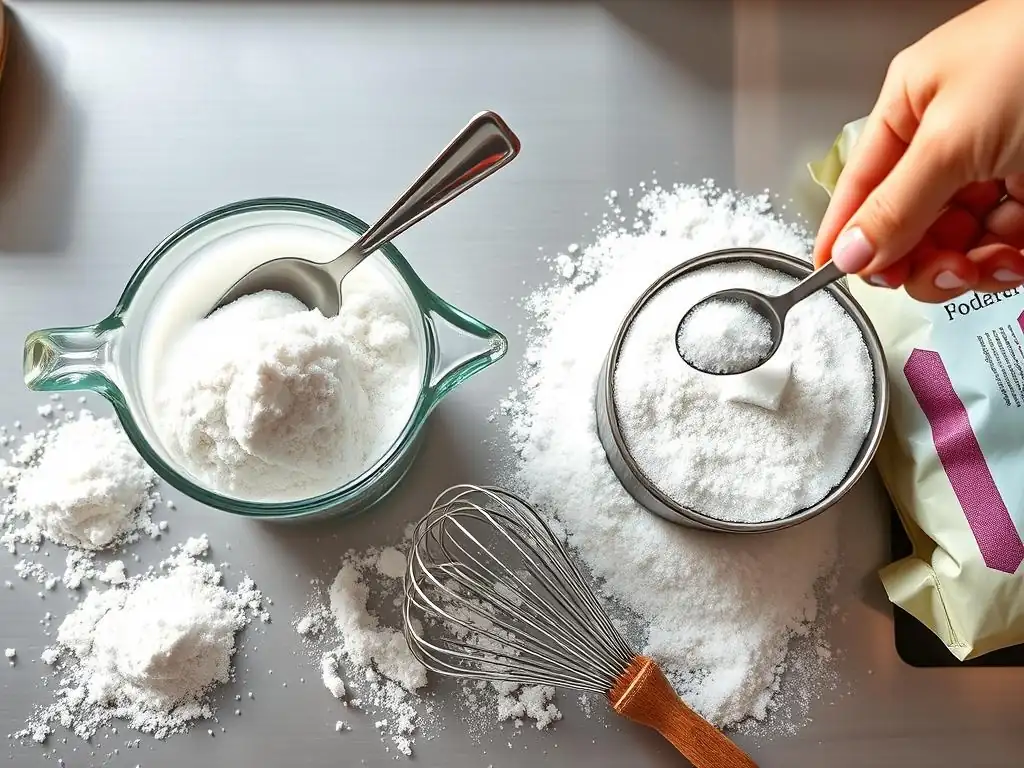
Case Study 1: Baking a Tender Cake with Spooned and Leveled Flour
Imagine you're baking a classic vanilla cake, a recipe known for its delicate, tender crumb. The recipe calls for 2 ½ cups of all-purpose flour. Following the BakeWithEase method, you first whisk the flour in its container to aerate it. Then, using a spoon, you gently scoop the flour into your dry measuring cups (one 1-cup, one 1-cup, and one ½-cup), piling it loosely. Finally, you use the back of a knife to sweep away the excess flour from the tops of the cups without pressing down.
The resulting cake, baked according to the recipe's instructions, rises beautifully in the oven and has a light, moist, and tender texture when cooled. The crumb is even and soft, exactly as a classic vanilla cake should be. This success is directly attributable to the accurate measurement of flour using the spoon and level method, which ensured the correct flour-to-liquid ratio, preventing the cake from becoming dry or tough due to excess flour.
Case Study 2: Adjusting a Recipe After Using the Scoop and Sweep Method
Let's say you baked your favorite chocolate chip cookies, a recipe you've made many times, but this time they turned out strangely dry and didn't spread out on the baking sheet like they usually do. Reflecting on your process, you realize you were in a hurry and scooped the flour directly from the bag instead of spooning it. You also notice the dough felt stiffer than usual when you mixed it.
Recognizing that scooping likely added too much flour, you decide to make the cookies again. This time, you use the spoon and level method for the flour. You also decide to measure the flour on a scale for extra precision, confirming that your spooned and leveled 2 ¼ cups of flour weighs around 270 grams (120g/cup * 2.25 cups).
The dough feels much softer and more pliable. Baked according to the same instructions, these cookies spread properly, are chewy in the center, and have the perfect texture you remember. This real-world example highlights how a simple change in measurement technique, specifically avoiding the scoop and sweep for flour, can rectify a common baking problem.
Troubleshooting Common Powder Measurement Issues in Baking
My Baked Goods are Dry: Could it be Measurement Error?
Absolutely, a common cause of dry baked goods, whether it's cake, muffins, or quick bread, is adding too much flour. When you use the scoop and sweep method for flour, you invariably pack more flour into the measuring cup than intended by the recipe developer who likely used the spoon and level method. This excess flour absorbs more of the liquid in the recipe, leaving less moisture available to create a tender crumb.
If your cakes are consistently dry, even when following the recipe, re-evaluate how you are measuring your flour. Switching to the spoon and level method, or better yet, measuring flour by weight using a kitchen scale, is often the solution to achieving a moist and tender texture. The difference in just a few tablespoons of flour can significantly impact the final moisture level.
My Bread is Too Dense: Rethinking Flour Measurement
While bread making can be complex, involving yeast activity and gluten development, inaccurate flour measurement can certainly contribute to a dense loaf, especially in recipes that rely on a specific hydration level (the ratio of water to flour). If you're scooping flour, you're adding more flour than intended for the amount of liquid, effectively lowering the hydration level. This results in a stiffer dough that can be harder to knead and proof properly, leading to a denser final product.
For consistent bread baking, measuring flour by weight is highly recommended, as hydration percentages are based on weight. If you're using volume measurements, ensure you are using the spoon and level method for the flour to get as close as possible to the intended weight and hydration. This helps ensure your dough has the correct consistency for optimal gluten development and rise.
My Muffins are Tough: Examining Flour Accuracy
Tough muffins are often a sign of overmixing the batter, which develops too much gluten. However, adding too much flour due to inaccurate measurement (like scooping and sweeping) can also contribute to toughness. Excess flour creates a stiffer batter from the start, making it easier to overmix accidentally. Furthermore, the higher proportion of flour relative to fat and liquid can lead to a tougher crumb structure.
Just like with cakes and dry goods, ensuring accurate flour measurement using the spoon and level method or a scale is crucial for achieving tender muffins with a light crumb. Pay attention to the batter consistency described in the recipe; if yours seems much thicker, it could be a sign of too much flour. Getting how to measure powdered sugar right for a streusel topping or glaze is also important for overall texture and sweetness balance.
Conclusion: Embracing Precise Powder Measurement for Baking Excellence
Choosing the Right Method for Your Baking Needs
Understanding the difference between the spoon and level and scoop and sweep methods is a fundamental step towards becoming a more confident and successful baker. For most dry, compressible powders like flour, powdered sugar, and cocoa powder, the spoon and level method is the recommended technique when measuring by volume, as it provides significantly more accuracy and consistency than scooping directly. This is especially true for delicate recipes where the precise balance of ingredients is critical.
While scoop and sweep might be acceptable for less compressible ingredients like granulated sugar or packed brown sugar (when specified), defaulting to the spoon and level method for powders minimizes the risk of over-measuring and its negative consequences. For the highest level of precision, however, measuring by weight using a kitchen scale is the gold standard and eliminates volume-related errors entirely.
The Road to Consistent and Delicious Baking Results
Mastering accurate ingredient measurement, particularly for powders, is perhaps the most impactful change you can make to improve your baking consistency. By adopting the spoon and level method or embracing measurement by weight, you eliminate a major variable that often leads to unpredictable outcomes. No more wondering why your favorite cake turned out dry this time or why your cookies didn't spread.
At BakeWithEase, we believe that successful baking is built on a foundation of good technique. By paying attention to how you measure your ingredients, you are setting yourself up for success before you even turn on the oven. So, the next time a recipe calls for flour or powdered sugar, remember to grab your spoon, level carefully, or better yet, use your scale. Your consistently delicious baked goods will be the sweet reward!
Frequently Asked Questions
How does "Spoon and Level" differ from "Scoop and Sweep" when measuring powdered sugar?
The "Spoon and Level" method involves gently spooning the powdered sugar into the measuring cup and then leveling it off with a flat edge, ensuring a consistent measurement. "Scoop and Sweep" involves scooping directly from the container, which can pack the sugar and lead to inaccurate amounts.
Why is accurately measuring powdered sugar important in baking?
Accurate measurement is crucial because too much or too little powdered sugar can significantly affect the texture and sweetness of your baked goods. It directly impacts the final result.
What tools are recommended for precisely measuring powdered sugar?
Using a dry measuring cup set is recommended for accurate measurements. A small spatula or knife helps level off the sugar precisely after spooning it in.
Can I use a kitchen scale instead of measuring cups for powdered sugar?
Yes, using a kitchen scale is highly recommended for the most accurate results. Simply weigh the powdered sugar according to the recipe’s specified weight in grams or ounces for superior precision.
What are some common mistakes to avoid when measuring powdered sugar?
Avoid shaking the measuring cup or packing the sugar down, as this compresses the sugar and results in over-measuring. Always use the spoon and level method (or a scale) to prevent errors.
Final Reflection: The Art and Science of Precise Baking
Mastering the subtle differences between measuring methods for powdered sugar isn't just about achieving the perfect texture; it's about understanding the fundamental principles of baking itself. A seemingly small detail like the choice between spooning and leveling versus scooping and sweeping can significantly impact the final outcome of your baked goods, leading to either delightful success or disappointing failure. This understanding extends far beyond powdered sugar, influencing how we approach all dry ingredients in baking.
The precision required in baking, particularly when dealing with delicate ingredients like powdered sugar, reflects a deeper cultural appreciation for meticulous craftsmanship and the satisfaction derived from creating something beautiful and delicious. Baking is a science, but it's also an art. It's about precision, but it's also about passion.
This quote encapsulates the essence of what I've explored in this article: the delicate balance between technical skill and creative expression inherent in the baking process. The seemingly simple act of measuring powdered sugar becomes a microcosm of this larger truth.
Now, consider your own baking journey. Have you ever experienced the frustration of a cake that fell flat or cookies that spread too thin? Perhaps the culprit was a simple oversight in your measuring technique.
I encourage you to experiment with both the spoon and level, and scoop and sweep methods, paying close attention to the results. By understanding the nuances of each technique, you'll not only improve your baking skills but also deepen your appreciation for the intricate dance between ingredients and technique that transforms simple flour, sugar, and eggs into something truly extraordinary. Embrace the precision, embrace the art, and embrace the delicious results.
Unlock Your Baking Potential: Mastering Powder Precision
Thanks for diving into the world of perfect powder incorporation! We hope you now feel confident tackling even the trickiest recipes. Ready to put your new skills to the test?
- Master the perfect scoop and sweep: Try it on your next baking project—you’ll notice the difference immediately! Pay close attention to how the texture and rise improve.
- Share your baking triumphs (and challenges!): Post your results on social media and tag us @BakeWithEase – we love seeing your creations.
- Experiment with different powders: Explore the subtle variations in texture and taste with various types of flour, cocoa powder, or even spices. Which one will become your new favorite?
So, what’s your next baking adventure? What powder-based recipe are you itching to try now that you've mastered these techniques?