
Unlock Perfect Bakes: Choosing the Ultimate Bakeware Set for Beginners

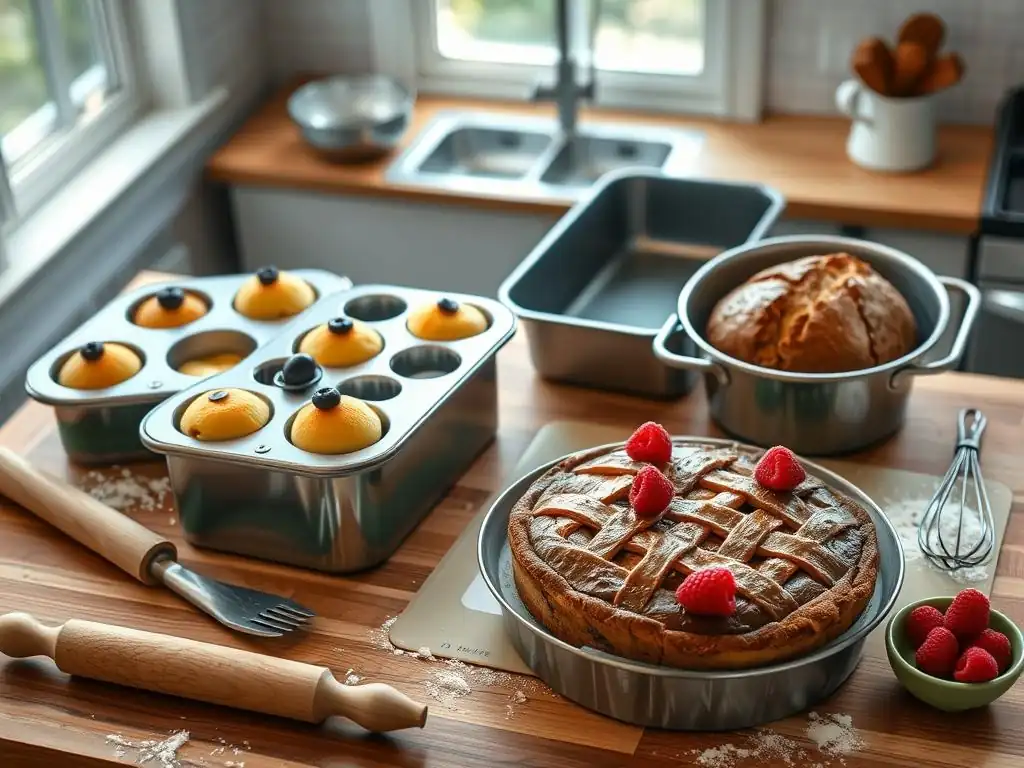
Welcome to BakeWithEase, your companion on the journey to baking bliss! Ever wondered if the secret to perfectly risen cakes and evenly baked cookies lies beyond the recipe? It does! Dive in and discover why selecting the right bakeware set is crucial for beginners. Learn what to look for and unlock the secrets to consistent, delicious results, starting with our guide to the best bakeware set for beginners. Ready to elevate your baking game? Let's get started!
- BakeWithEase' Guide to Selecting the Best Bakeware Set for Beginners
- Why a Quality Bakeware Set is Essential for Beginner Bakers
- Key Considerations When Choosing Your First Bakeware Set
- Top Bakeware Set Recommendations for Beginners
- Beyond the Basics: Expanding Your Bakeware Collection Over Time
- Tips for Using Your New Bakeware Set Like a Pro
- Master Baking with Ease: Start with the Right Bakeware
-
Frequently Asked Questions
- What exactly is a bakeware set, and why is it beneficial for beginner bakers?
- What are the key pieces I should look for in a bakeware set for beginners?
- What materials are best for bakeware sets, and what are their pros and cons?
- How do I properly care for and maintain my bakeware set to ensure it lasts?
- How much should I expect to spend on a good quality bakeware set for beginners?
- Final Reflection: The Sweet Success of the Perfect Bakeware Set
- Unleash Your Inner Baker: Take the Next Step!
BakeWithEase' Guide to Selecting the Best Bakeware Set for Beginners
Stepping into the world of baking can feel like an exciting adventure, full of sweet aromas and delicious possibilities. However, standing in front of an aisle packed with various pans, sheets, and molds can also feel a bit overwhelming, especially when you're trying to figure out what you really need. That's where choosing the best bakeware set beginners can rely on becomes crucial.
A good starter set isn't just a collection of random pans; it's the foundation for successful baking, helping you navigate your first recipes with confidence and less frustration. Think of it as your essential toolkit for creating everything from classic chocolate chip cookies to your very first fluffy layer cake.
Finding the ideal bakeware set for beginners means looking for versatility, durability, and ease of use. You want pieces that will serve multiple purposes and stand up to repeated use without warping or losing their nonstick properties quickly. This guide is designed to help you understand the core pieces you'll likely need and what to look for when making your first purchase, ensuring your initial baking experiences are positive and encourage you to keep exploring this wonderful hobby. Let's explore how the right tools make all the difference when you're just starting out.
Why a Quality Bakeware Set is Essential for Beginner Bakers
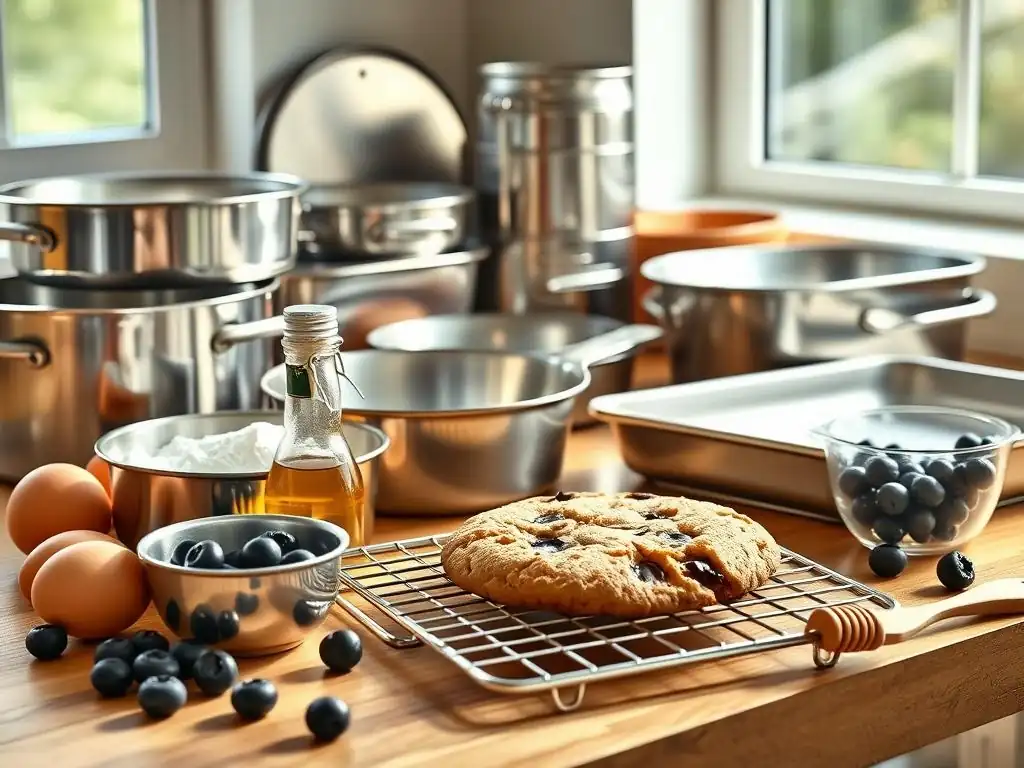
Achieving Consistent Baking Results with the Right Tools
Consistency is the hallmark of a successful bake, and having the right bakeware is fundamental to achieving it. Imagine baking two identical batches of cookies: one on a flimsy, warped sheet and the other on a sturdy, even-heating pan. The results will likely be drastically different.
High-quality bakeware distributes heat more evenly, preventing burnt edges or undercooked centers. This predictability is invaluable when you're learning, as it helps you understand how recipes should turn out without the added variable of poor equipment performance. For instance, a good heavy-gauge steel baking sheet ensures that the heat reaches all parts of your dough or batter at a similar rate, leading to uniform browning and texture across the entire batch.
Furthermore, consistent heat distribution means your baked goods rise properly and set as intended. A cake baked in a pan that heats unevenly might have a dome that cracks or sides that are too dark compared to the center. With reliable bakeware, you can trust that when a recipe says to bake for 25 minutes at 350°F (175°C), the pan will facilitate the correct heat transfer to achieve the desired doneness in that timeframe. This reduces guesswork and helps you build confidence in your ability to follow instructions and produce repeatable results, a key step in mastering baking techniques.
Avoiding Common Baking Fails with Proper Bakeware
Many common baking frustrations, from cakes sticking to pans to muffins burning on the bottom, can be directly attributed to using inadequate bakeware. For example, a nonstick coating that is scratched or worn will inevitably lead to sticky situations, turning the simple task of releasing a cake into a messy ordeal.
Similarly, using a pan that is too dark or too thin can cause the bottoms of your baked goods to brown too quickly or even burn before the rest is cooked through. Investing in a quality bakeware set for beginners significantly reduces these risks, setting you up for success rather than disappointment.
Consider the classic scenario of a loaf cake sticking stubbornly to the pan. This often happens with older, scratched, or simply low-quality pans that don't release well, even when greased and floured. A good quality loaf pan, perhaps one made from anodized aluminum or heavy-gauge steel with a durable nonstick coating, is designed for easy release, ensuring your beautiful loaf comes out intact every time. By minimizing these common pitfalls, a reliable beginner bakeware set allows you to focus on learning the nuances of ingredients and techniques, rather than battling your equipment.
Key Considerations When Choosing Your First Bakeware Set
Material Matters: Understanding Bakeware Material Options
The material your bakeware is made from plays a significant role in how it performs, affecting everything from heat distribution to durability and ease of cleaning. Understanding the properties of common bakeware materials is key to selecting the best bakeware set beginners can invest in.
Different materials conduct and retain heat differently, which impacts baking times and the final texture and appearance of your baked goods. For instance, metal pans tend to heat up quickly and conduct heat efficiently, leading to good browning, while glass pans heat up slower but retain heat longer, which can be great for casseroles or pies with specific crust needs.
Choosing the right material also impacts the longevity of your set and how much effort is required for maintenance. Some materials are more prone to scratching or warping, while others might require specific cleaning methods. For a beginner, finding a balance between performance, durability, and ease of care is important. Let's delve into the most common options you'll encounter when shopping for your first bakeware collection.
Nonstick Bakeware: Pros, Cons, and Best Uses
Nonstick bakeware is incredibly popular, especially for beginners, primarily due to its ease of food release and cleaning. The coating, often PTFE or silicone-based, prevents dough and batter from sticking, making it ideal for delicate items like cakes, muffins, and cookies where easy removal is essential. This means less need for heavy greasing and flouring, simplifying the preparation step. Cleaning is typically a breeze; often, a quick wash with warm, soapy water is sufficient, and baked-on messes are rare.
However, nonstick coatings have limitations. They can scratch easily if metal utensils are used, which can degrade their performance and potentially leach chemicals over time. Nonstick pans also shouldn't be used under a broiler or at very high temperatures (often above 450-500°F or 230-260°C), as the coating can break down. While excellent for everyday baking of cakes, muffins, and cookies, they might not be the best choice for recipes requiring extremely high heat or for baking items that develop a strong crust via sticking slightly to the pan during baking.
Glass Bakeware: Even Heating and Visual Appeal
Glass bakeware, typically made from tempered soda-lime or borosilicate glass, is known for its even heat distribution and retention. It heats up slower than metal but holds heat very well, which can be advantageous for dishes that benefit from sustained, gentle heat, such as casseroles, bread puddings, and fruit pies, where it helps brown the bottom crust nicely. The transparency of glass is also a major plus; you can easily see how your food is cooking and browning without opening the oven door, which is particularly useful for monitoring pie crusts or the edges of a lasagna.
While durable, glass can break if dropped or subjected to extreme temperature changes (thermal shock), like placing a hot glass dish on a cold surface or adding cold liquid to a hot dish. It's also heavier than metal. Glass can be used in the oven, microwave, and often the freezer, offering good versatility.
However, because it retains heat so well, you might need to reduce your oven temperature by about 25°F (15°C) compared to metal pan recipes to prevent over-browning, especially on the bottom. This material is a solid, versatile addition to any beginner bakeware set, particularly for savory bakes and pies.
Metal Bakeware: Durability and Heat Conduction
Metal bakeware, commonly made from aluminum, steel, or anodized aluminum, is prized for its excellent heat conduction properties and durability. Aluminum heats quickly and evenly, making it a favorite for cake pans and cookie sheets where consistent browning is desired. Steel, especially carbon steel or stainless steel, is very robust and can withstand high temperatures, often used for loaf pans or specialty molds. Anodized aluminum is treated to prevent corrosion and sticking, offering good performance and durability.
Different metal finishes also impact results. Shiny metal surfaces reflect heat, leading to lighter browning, while dark metal surfaces absorb heat, resulting in faster and darker browning – sometimes too fast for delicate items. Heavy-gauge metal is less likely to warp at high temperatures than thin metal. Metal bakeware can scratch, and some metals can react with acidic ingredients, though anodized or coated options mitigate this. Overall, metal offers excellent performance for a wide range of baking tasks and is a staple in virtually every bakeware set, providing reliable heat transfer for everything from bread to cookies.
Silicone Bakeware: Flexibility and Ease of Cleaning
Silicone bakeware is a relatively newer option known for its extreme flexibility and nonstick properties. Made from food-grade silicone, these molds and pans are incredibly easy to use for items that need to be popped out easily, like muffins, cupcakes, or intricate shaped cakes. They are also safe for use in the oven, microwave, freezer, and dishwasher, offering significant convenience. Their flexibility makes storage easy, as they can often be folded or nested.
While great for certain applications and incredibly easy to clean and store, silicone doesn't conduct heat in the same way as metal or glass. This means it doesn't promote browning as effectively, which can be a drawback for things like bread crusts or cookie bottoms. They often need to be placed on a baking sheet for stability in the oven, as the material is floppy when filled.
They are best used for items where the primary goal is easy release and shaping, rather than achieving a specific crust or browning level. A beginner bakeware set might include a few silicone pieces for muffins or special shapes, but it's unlikely to be the primary material.
Essential Pieces for a Beginner Bakeware Collection
When building your first bakeware collection, starting with a few versatile pieces is more effective than buying a large, specialized set you won't fully utilize. The goal is to cover the most common baking tasks you'll encounter as a beginner. A solid best bakeware set beginners can start with typically includes a few fundamental items that are used in a wide variety of recipes, allowing you to bake everything from basic cookies and cakes to muffins and loaves of bread without needing a huge amount of storage space.
Focusing on these core pieces ensures you have the tools necessary for learning foundational techniques. As you gain confidence and explore more complex recipes, you can gradually add specialty pans to your collection. But for getting started, these essentials provide the flexibility needed to tackle most beginner-friendly recipes found on websites like BakeWithEase.com.
Baking Sheets: The Foundation of Your Bakeware Set
Baking sheets (also called cookie sheets) are arguably the most fundamental piece of bakeware. They are flat or have low sides and are used for baking cookies, pastries, roasting vegetables, and even supporting silicone mats or molds. For beginners, having at least two standard half-sheet pans (approximately 18x13 inches) is highly recommended, as this allows you to bake multiple batches simultaneously, which is crucial for recipes like cookies or sheet pan dinners. Look for heavy-gauge aluminum or steel sheets that resist warping at high temperatures.
A good quality baking sheet promotes even browning across the bottom of your baked goods. Some sheets have a rim (rimmed baking sheet), which is useful for keeping things contained, especially when roasting or baking items that might release liquids. Others are rimless on one or more sides (cookie sheet), making it easy to slide baked goods off. For versatility, rimmed half-sheet pans are an excellent starting point for any beginner bakeware set, allowing you to bake a wide array of items with consistent results.
Cake Pans: Round, Square, and Specialty Shapes
Cake pans are essential for anyone wanting to bake layer cakes, sheet cakes, or even brownies and bar cookies. A standard best bakeware set beginners might include one or two round cake pans, typically 8 or 9 inches in diameter, which are perfect for classic layer cakes. An 8x8 or 9x13 inch square or rectangular pan is also incredibly versatile for brownies, bar cookies, and smaller sheet cakes. Look for pans made from aluminum or nonstick steel for even heating and easy release.
While specialty shapes like Bundt pans or springform pans (great for cheesecakes) exist, they aren't strictly necessary when you're just starting. Mastering basic cakes and bars in standard round or square pans provides a solid foundation. Ensure your cake pans are deep enough for the desired rise – typically 2 inches for layer cakes. Quality cake pans contribute to a uniform rise and golden-brown crust, making your first attempts at baking cakes much more rewarding.
Muffin Tins: Standard and Mini Sizes
Muffin tins (or cupcake tins) are indispensable for baking individual portions like muffins, cupcakes, and even mini quiches or savory egg bites. A standard-sized 12-cup muffin tin is a must-have in any beginner bakeware set. This size is used in countless recipes and is perfect for baking a dozen standard muffins or cupcakes at once. Look for a nonstick finish or opt for a metal tin and use paper liners for easy release.
While not essential initially, a mini muffin tin (usually 24 cups) can be a fun addition later for making bite-sized treats. For your first set, focus on the standard 12-cup size. Quality muffin tins ensure even baking so all your muffins rise uniformly and have properly cooked centers and golden tops. They are a fundamental tool for baking individual portions and are featured in many beginner-friendly recipes.
Loaf Pans: Perfect for Breads and More
A loaf pan is a deep, rectangular pan specifically designed for baking bread loaves, meatloaf, pound cake, banana bread, and other quick breads. A standard 9x5 inch loaf pan is the most common size and is a vital piece for any beginner baker interested in making homemade bread or simple cakes. Look for a pan made from heavy-gauge steel or anodized aluminum for good heat distribution and durability.
Nonstick loaf pans are particularly helpful for easy release of delicate quick breads or yeast breads. A quality loaf pan ensures that your bread or cake rises evenly and develops a nice crust on all sides. It's a straightforward but incredibly useful pan that opens up a whole category of delicious baked goods for you to explore as you build your skills. Having a reliable loaf pan is key to achieving that perfect shape and texture for your homemade loaves.
Pie Dishes: Creating Delicious Pies with Ease
For those who dream of baking flaky-crusted fruit pies, creamy quiches, or savory pot pies, a pie dish is essential. A standard 9 or 10-inch pie dish is the most common size. Pie dishes can be made from glass, ceramic, or metal. As mentioned earlier, glass pie dishes are popular because they allow you to see the bottom crust browning, helping prevent underbaked bottoms, a common pie pitfall. Ceramic dishes also offer even heating and come in attractive colors.
While metal pie pans heat up quickly and promote crisp crusts, they don't offer the visual monitoring benefit of glass or ceramic. For a beginner bakeware set, a single 9 or 10-inch glass or ceramic pie dish is a great starting point. It provides the versatility to bake both sweet and savory pies and quiches, allowing you to practice your pastry skills and create comforting dishes with ease.
Size and Shape: Selecting the Right Dimensions for Your Recipes
Beyond the type of pan, the size and shape are critical. Baking recipes are often developed using specific pan dimensions, and using a pan that is too large or too small can significantly alter the outcome. For instance, baking a cake recipe designed for an 8-inch round pan in a 9-inch pan will result in a thinner cake that bakes faster and might dry out. Conversely, using a pan that is too small will cause the batter to overflow or the cake to be dense and undercooked in the center.
When choosing a best bakeware set beginners, pay attention to the dimensions listed for each piece. Standard sizes like 9x13 inch rectangular pans, 8 or 9-inch round pans, 12-cup muffin tins, and 9x5 inch loaf pans are most common and will match the majority of beginner-friendly recipes you encounter. Having these standard sizes ensures that when you follow a recipe precisely, your baked goods will achieve the intended thickness, rise, and baking time. While variations exist (like 8.5x4.5 inch loaf pans), sticking to the most common dimensions for your first set is the simplest way to guarantee recipe success.
Budget-Friendly Options: Finding Affordable Bakeware Sets
Starting your baking journey doesn't require breaking the bank. Many excellent, budget-friendly bakeware sets are available that provide the essential pieces and good quality performance without a hefty price tag. These sets often feature durable nonstick coatings and are made from reliable materials like carbon steel or aluminum. While they might not have the lifetime warranty or premium finish of high-end sets, they are perfectly adequate for a beginner and will last for several years with proper care.
When looking for affordable options for a best bakeware set beginners, focus on sets that include the core pieces mentioned earlier: a baking sheet, cake pan(s), a muffin tin, and a loaf pan. Compare the materials and gauge thickness where possible, as heavier pans tend to be more durable and warp less. Reading reviews from other beginners can also provide insight into the set's performance and durability over time. Remember, the goal is to acquire functional tools to start baking, and many affordable sets meet this requirement effectively, allowing you to invest more in quality ingredients!
Top Bakeware Set Recommendations for Beginners
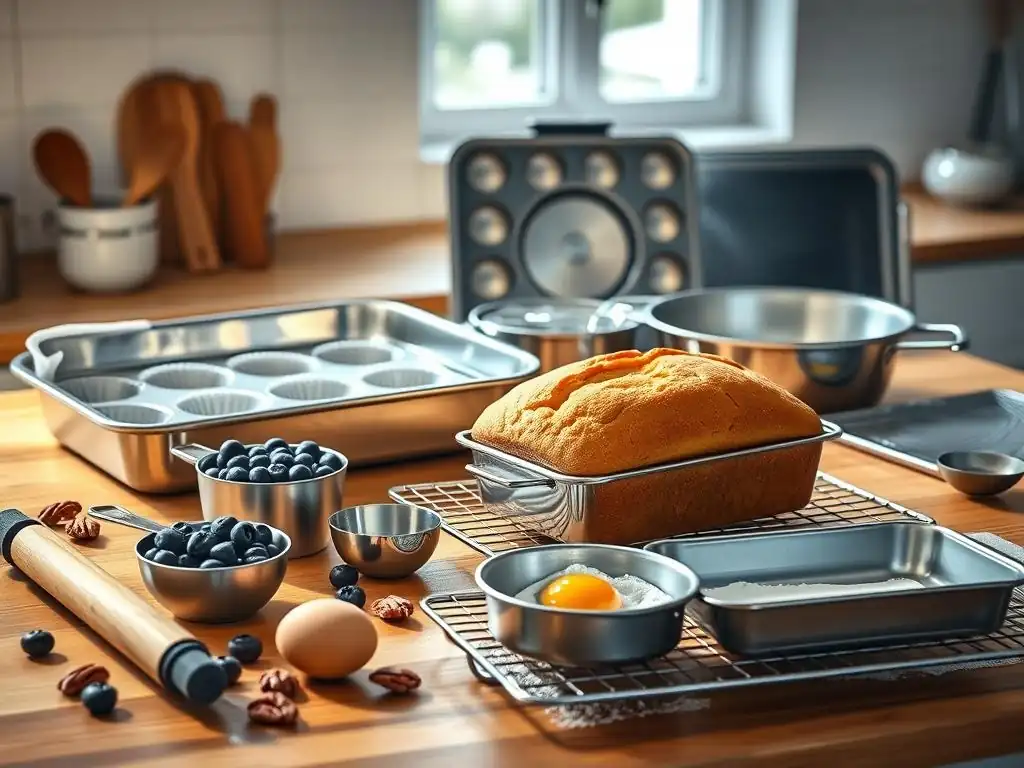
Choosing from the myriad of options can be tough, so here are a few types of bakeware sets often recommended for beginners, based on their versatility, durability, and value. These examples represent the kind of features to look for in a quality best bakeware set beginners can rely on.
The Wilton Perfect Results line is a popular choice, often cited for providing good quality at an accessible price point. Sets typically include essential pieces like baking sheets, round cake pans, a muffin tin, and a loaf pan. They are usually made from heavy-gauge steel that resists warping and feature a reinforced nonstick coating designed for easy release and cleanup. This durability means the pans hold their shape and provide consistent results over many uses.
Users often praise the even baking achieved with these pans, noting that cookies brown uniformly and cakes release cleanly. The nonstick coating is generally quite effective, making cleanup relatively simple. For a beginner, a Wilton set offers a reliable introduction to baking with tools that can handle a wide range of recipes, from simple cookies to more complex cakes, providing a solid foundation for developing baking skills.
Amazon Basics 6-Piece Nonstick Bakeware Set: Affordable and Functional
For those on a strict budget, the Amazon Basics nonstick bakeware set often provides excellent value. These sets typically include core pieces like baking sheets, a loaf pan, a muffin tin, and round or square cake pans. They are generally made from steel with a nonstick coating. While perhaps not as heavy-duty as premium brands, they are functional and perform well for basic baking needs.
The main appeal of the Amazon Basics set is its affordability, making it easy for beginners to acquire a full range of essential pans without a significant investment. While the nonstick coating might require a little more care to maintain its longevity compared to higher-end options, the pans still provide good heat distribution for everyday baking tasks. It's a practical choice for testing the waters of baking before committing to more expensive equipment.
Rachael Ray Yum-o! Oven Lovin' Bakeware Set: Colorful and Reliable
Rachael Ray's bakeware sets are known for their vibrant colors and practical design features, often including silicone grips on handles for easier handling. These sets typically include a mix of essential pans like baking sheets, cake pans, and muffin tins, often made from durable carbon steel with a nonstick coating. The "Yum-o!" feature often refers to a portion of proceeds going to charity, adding a feel-good element to the purchase.
Beyond the aesthetics, these pans generally perform well, offering even heating and good nonstick properties. The silicone grips are a small but useful feature for beginners, making it safer and easier to transfer pans from the oven. While potentially slightly more expensive than the most basic options, they offer a good balance of performance, durability, and user-friendly features, making them a solid contender for a beginner bakeware set.
Beyond the Basics: Expanding Your Bakeware Collection Over Time
Once you've mastered the basics with your initial bakeware set, you might find yourself wanting to explore new types of recipes that require specialized pans. This is where you can begin to strategically expand your collection. There's no rush to buy everything at once; add pieces as specific recipes call for them. This approach ensures that every piece of bakeware you own serves a purpose and doesn't just take up valuable kitchen space.
Expanding your collection might involve purchasing a springform pan for cheesecakes, a Bundt pan for decorative cakes, tart pans, or even specialty bread pans. Consider the types of baking you find yourself enjoying the most. If you love making bread, maybe a baguette pan or a Dutch oven for rustic loaves is next. If pastries are your passion, perhaps mini tart molds or a madeleine pan are in your future. Building your collection gradually based on your evolving interests and skills is the most practical and cost-effective way to go.
Investing in Specialty Bakeware for Advanced Recipes
As your baking skills grow, you'll likely encounter recipes that require specific types of bakeware not included in a standard beginner set. These specialty pans are designed for particular techniques or shapes and can significantly improve the outcome of certain bakes. For example, a madeleine pan creates the classic shell shape of French madeleines, while a brioche mold gives the specific fluted shape to brioche buns. Investing in these pieces allows you to broaden your baking repertoire and tackle more advanced recipes with the right tools.
Consider pans like popover pans, financiers molds, or even larger or smaller versions of standard pans, such as quarter-sheet pans or extra-deep cake pans. These are not essential for beginners but become valuable as you explore specific areas of baking, like French pastries or artisanal breads. Before purchasing, ensure it's a type of recipe you genuinely want to bake regularly, as specialty pans can be less versatile than the core pieces in your initial best bakeware set beginners.
Caring for Your Bakeware Set: Cleaning and Maintenance Tips
Proper care is crucial for extending the life of your bakeware, especially for nonstick pans. Always consult the manufacturer's instructions that came with your set, as specific materials and coatings may have unique requirements. Generally, washing bakeware by hand with warm, soapy water and a soft sponge or cloth is recommended. Avoid abrasive scrubbers or steel wool, especially on nonstick surfaces, as they can cause scratches and damage the finish.
For stubborn baked-on messes, soaking the pan for a while can help loosen debris before washing. Avoid using sharp metal utensils on nonstick surfaces; opt for wood, silicone, or plastic. Ensure pans are thoroughly dried before storing to prevent rust, particularly with steel pans. Storing pans carefully, perhaps with paper towels or soft cloths between them, can also prevent scratches. Proper maintenance ensures your best bakeware set beginners continues to perform well for years, providing reliable results for all your baking adventures.
Tips for Using Your New Bakeware Set Like a Pro
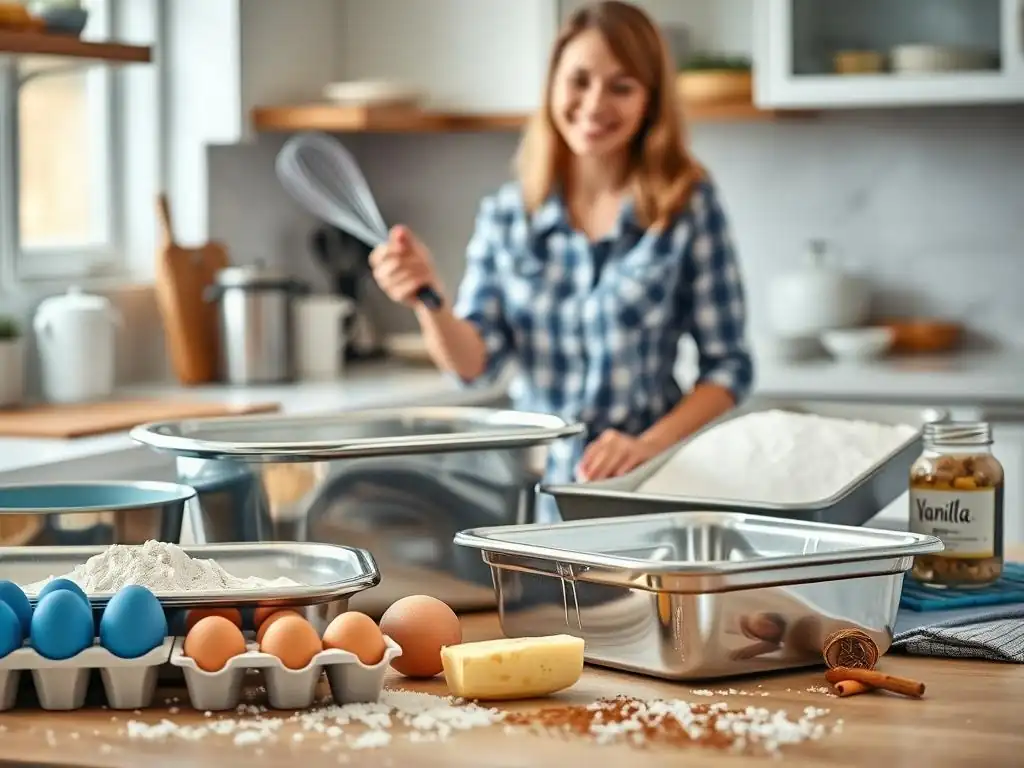
Getting your new bakeware set is exciting! To ensure you get the best results right from the start, here are a few tips to keep in mind as you begin baking with your new tools. These simple practices can make a big difference in the success of your first few baking projects.
Preparing Your Bakeware for Baking: Greasing and Flouring
Even with nonstick bakeware, properly preparing your pans before adding batter or dough is often recommended, especially for cakes and muffins. This typically involves greasing the pan (with butter, shortening, or baking spray) and sometimes flouring it as well, particularly for cakes, to ensure easy release. For nonstick pans, a light coating is often sufficient. For metal pans without a nonstick coating, thorough greasing and flouring are usually necessary.
The method for greasing and flouring varies slightly depending on the type of bake. For cakes, you usually grease the bottom and sides, then add a tablespoon or two of flour, tap it around to coat the greased surfaces, and tap out the excess. For muffins or cupcakes, using paper liners in a greased tin is common for super easy cleanup and release. Always check your specific recipe's instructions, as they will usually specify how to prepare the pan. Proper preparation is a simple step that dramatically reduces the chance of your baked goods sticking.
Understanding Oven Temperatures and Baking Times
While your bakeware plays a crucial role, understanding your oven is equally important. Oven temperatures can vary significantly, and an oven thermometer is a simple, inexpensive tool that can help you verify your oven's actual temperature. Baking at the correct temperature is vital for achieving the right texture and doneness. If your oven runs hot or cold, you may need to adjust the temperature accordingly.
Baking times provided in recipes are also guidelines. Factors like the actual temperature of your oven, the specific material and color of your bakeware, and even the altitude can affect how quickly something bakes. Learn to rely on visual cues and doneness tests (like the toothpick test for cakes) rather than strictly adhering to the clock.
For instance, a cake baked in a dark metal pan might be done a few minutes faster than one baked in a shiny metal pan, even at the same temperature. Using your new bakeware set alongside a good oven thermometer and learning to trust your instincts will lead to better results.
Troubleshooting Common Baking Issues with Bakeware
Even with the best bakeware set beginners can buy, you might encounter issues. If cakes are sticking, ensure you are properly greasing and flouring (or using parchment paper). If the bottoms of your cookies are burning while the tops are pale, you might be using a dark metal baking sheet or your oven rack is too low; try a lighter sheet or move the rack up. If muffins are unevenly browned, check if your muffin tin is warped or if your oven has hot spots.
Understanding how different bakeware materials and colors affect heat distribution can help you diagnose problems. If a recipe consistently underbakes in the center, consider if your pan is too deep for the recipe or if the material isn't conducting heat efficiently enough for that particular bake. Don't be discouraged by initial challenges; baking is a learning process. By observing how your bakeware performs and making small adjustments, you'll quickly learn how to use your set to achieve perfect results.
Master Baking with Ease: Start with the Right Bakeware
Frequently Asked Questions
What exactly is a bakeware set, and why is it beneficial for beginner bakers?
A bakeware set is a collection of essential baking pans and tools. It's beneficial for beginners because it provides a foundation of necessary equipment to start baking without buying individual items. This saves time and often money.
What are the key pieces I should look for in a bakeware set for beginners?
Essential pieces often include a 9x13 inch baking pan, a round cake pan, a loaf pan, and a muffin tin. These items offer versatility for baking a wide range of recipes.
What materials are best for bakeware sets, and what are their pros and cons?
Common materials include metal (aluminum or steel), glass, and silicone. Metal heats quickly and evenly, glass allows for seeing the baking process, and silicone is non-stick. Consider your baking needs and budget.
How do I properly care for and maintain my bakeware set to ensure it lasts?
Follow the manufacturer's instructions for cleaning. Avoid using abrasive cleaners or scouring pads, especially on non-stick surfaces. Proper storage is also key to preventing damage.
How much should I expect to spend on a good quality bakeware set for beginners?
Prices vary, but you can find a decent beginner set for between $50 and $150. Focus on quality materials and essential pieces rather than the number of items.
Final Reflection: The Sweet Success of the Perfect Bakeware Set
Choosing the right bakeware is not merely about acquiring tools; it's about unlocking a world of culinary creativity and confidence. The journey from hesitant beginner to accomplished baker is often paved with the right equipment, and selecting a high-quality, versatile bakeware set is the cornerstone of that journey. This article has explored the key features to look for, offering a practical guide to navigate the often overwhelming choices available.
The impact of accessible, high-quality bakeware extends far beyond the kitchen. It fosters a sense of accomplishment and self-reliance, empowering individuals to create delicious treats from scratch. The simple act of baking can be incredibly therapeutic, a mindful process that connects us to tradition and allows for self-expression. Baking is at once child's play and adult joy. And love, of course.
This quote perfectly encapsulates the joy and satisfaction derived from mastering the art of baking, a journey significantly enhanced by the right tools.
Now, it's your turn. Consider the lessons learned here – from material durability to size and functionality – and apply them to your own baking aspirations. Don't be afraid to experiment, to embrace the occasional mishap, and to celebrate the sweet victories along the way. The perfect bakeware set is just the beginning; your culinary journey awaits. Invest in yourself, invest in the joy of baking, and unlock your own potential for sweet success.
Unleash Your Inner Baker: Take the Next Step!
Thanks for taking the time to explore the world of bakeware with us! We hope you've gained the confidence to choose the perfect set for your baking journey. Now it's time to put that knowledge into action.
- Order your dream bakeware set today! Imagine the delicious creations you'll make with high-quality tools.
- Share this article with a friend who also loves to bake (or wants to learn!). Let's spread the baking joy!
- Consider exploring a new recipe that challenges you – perhaps something you've always wanted to try but felt intimidated by before. What new baking adventure awaits?