
Butter vs. Vegetable Oil: Which Yields the Fluffiest Cakes and Why

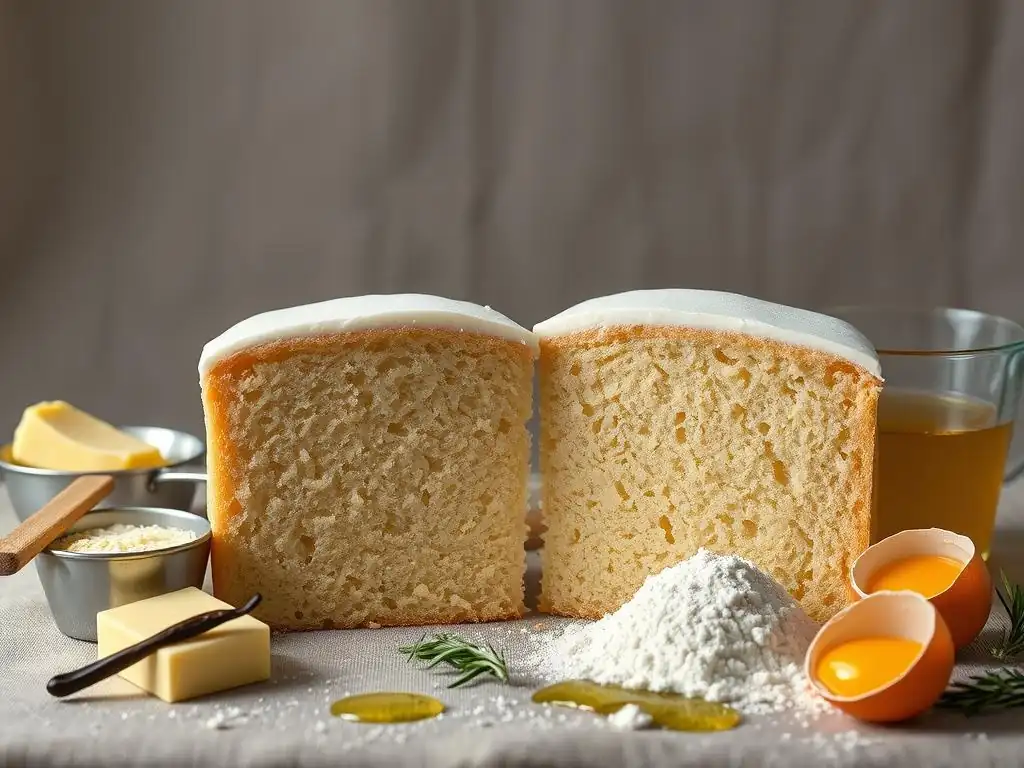
Welcome to BakeWithEase, your passport to pastry perfection! Ever wondered if your choice of fat is the secret ingredient to unlocking truly fluffy cakes? We're diving deep into the age-old debate of butter vs. vegetable oil to discover which one reigns supreme in creating that light, airy texture we all crave. Get ready to revolutionize your baking, starting with the answer to the question: what's the best oil for fluffy cakes, and why does it matter? Let's get baking!
- BakeWise: Understanding Fats & Oils for Perfect Cakes
- Brown Butter in Cakes: Exploring Flavor and Texture
- Canola Oil in Cakes: Achieving Moisture and Softness
- The Science Behind Nutty Cakes: Brown Butter vs. Oil
- Best Oil for Nutty Cakes: A Direct Comparison
- Brown Butter vs. Canola Oil: Recipe Adaptations for Nutty Results
- Achieving the Perfect Nutty Cake: Tips and Tricks
- Beyond Brown Butter and Canola Oil: Other Fat Options for Cakes
- Conclusion: Choosing the Right Fat for Your Nutty Cake Goals
-
Frequently Asked Questions
- What is the main difference between using butter and vegetable oil in cake baking?
- Why does vegetable oil generally result in a fluffier cake compared to butter?
- What type of vegetable oil is generally recommended for achieving the best results when baking fluffy cakes?
- Can I substitute butter for vegetable oil in a cake recipe and still achieve a fluffy cake?
- Does the temperature of the ingredients affect the cake's fluffiness when using butter or vegetable oil?
- Final Reflection: The Pursuit of the Perfect Fluffy Cake
- Unlock Your Fluffiest Cakes Yet!
BakeWise: Understanding Fats & Oils for Perfect Cakes
Fats are fundamental building blocks in cake baking, playing several crucial roles beyond just adding richness. They tenderize the crumb by coating flour particles, inhibiting gluten development. Fats also contribute to moisture, extend shelf life, and, significantly, carry and develop flavor. Understanding how different fats behave is key to controlling your cake's final texture and taste.
While solid fats like butter function differently from liquid fats like oil in how they interact with other ingredients (especially during creaming), both are vital for creating delicious cakes. This exploration delves into two distinct fat types – brown butter and canola oil – revealing how their unique properties shape the outcome of your baking, particularly when aiming for specific flavor profiles or textures.
Brown Butter in Cakes: Exploring Flavor and Texture
Brown butter, often called beurre noisette, is simply butter that has been melted and gently cooked past the point of just melting, allowing the milk solids to toast. This process transforms standard butter into a fragrant, nutty, caramel-colored liquid fat with a complex flavor profile that plain melted butter doesn't possess. It's a simple technique that yields dramatic results in baking.
Using brown butter introduces not just a unique flavor but also slightly alters the composition of the fat you're adding to your cake. Unlike clarified butter (ghee), brown butter retains its browned milk solids, which are integral to its characteristic taste and can influence the cake's structure and appearance.
The Role of Milk Solids in Brown Butter's Cake Structure
When you brown butter, the whey proteins and lactose sugars within the butter's milk solids undergo the Maillard reaction and caramelization. These reactions create thousands of new flavor compounds, responsible for the nutty, toasted aroma and taste. These browned solids remain suspended in the fat.
In a cake batter, these tiny browned particles distribute throughout the mixture. While the fat itself contributes to tenderness by coating flour, the presence of these solids can slightly alter the crumb structure compared to using pure liquid fat like oil or even clarified butter. They can add a subtle chewiness or a slightly more open texture, and their color contributes to the cake's golden hue.
Brown Butter's Impact on Cake Flavor Profile
The defining characteristic of brown butter in cakes is its intensely nutty, toasted, and subtly caramel flavor. This isn't just a hint; it's a prominent flavor note that can elevate simple recipes. The depth of flavor depends on how dark you brown the butter – a light brown yields a gentle nuttiness, while a darker brown offers a more robust, almost savory caramel complexity.
This unique flavor profile pairs exceptionally well with certain ingredients. Think spices like cinnamon, nutmeg, and cardamom, or flavors like brown sugar, maple, apple, pear, or nuts. Using brown butter can transform a standard vanilla or butter cake into something far more sophisticated and memorable, leaning into those warm, toasted undertones.
When to Choose Brown Butter for Your Cake Recipe
You should reach for brown butter when the primary goal is to infuse your cake with a rich, nutty, and complex flavor that standard butter or a neutral oil simply cannot provide. It's ideal for recipes where this distinct taste will complement, rather than overpower, other ingredients. Consider it for recipes like brown sugar cakes, apple cakes, pear cakes, or even certain chocolate cakes where a toasted note would be welcome.
Choosing brown butter also means accepting a slightly different texture outcome compared to a cake made with a liquid oil. While still tender, a brown butter cake might not achieve the absolute maximum level of moistness or the super-fine crumb often associated with oil-based cakes. The extra step of browning the butter is an investment in flavor, making it perfect for special occasions or recipes where flavor complexity is paramount over ultimate moistness or volume.
Canola Oil in Cakes: Achieving Moisture and Softness
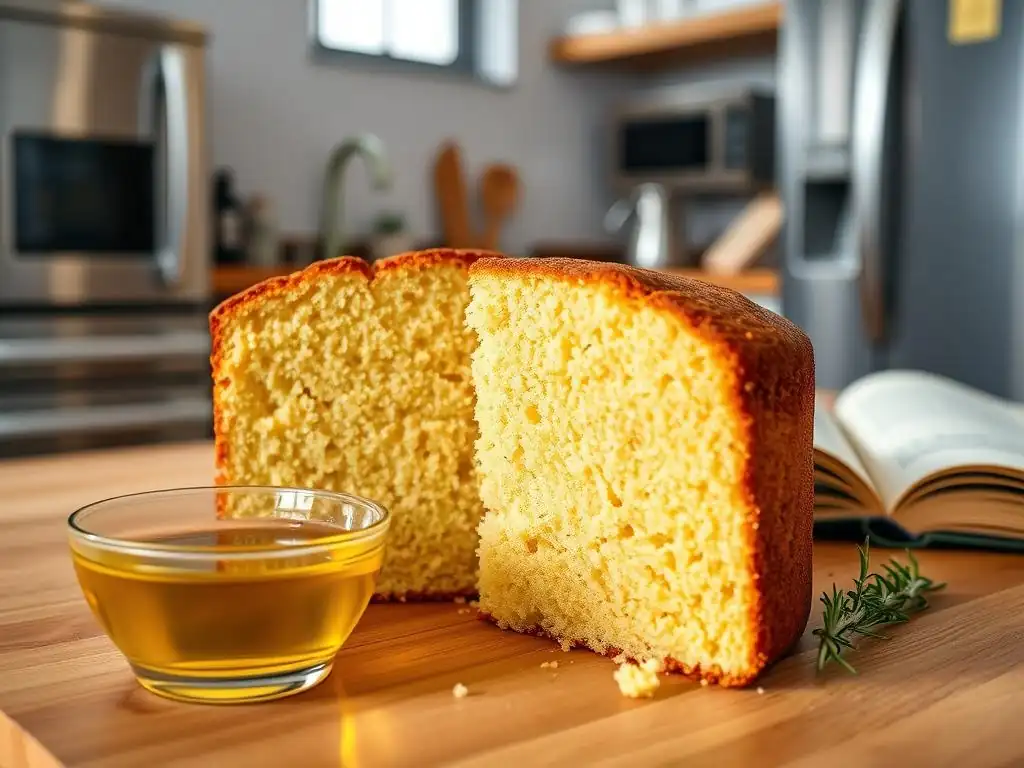
Canola oil is a widely available and popular fat choice for many cake recipes, and for good reason. Unlike solid fats such as butter or shortening, canola oil remains liquid at room temperature and throughout the baking process. This property has a significant impact on the final texture of the cake, contributing primarily to moisture and tenderness.
Its neutral flavor also makes it incredibly versatile. Canola oil doesn't compete with or mask the other flavors in your cake, allowing ingredients like vanilla, chocolate, citrus, or spices to shine through unhindered. This neutrality is a key advantage in many baking applications.
Understanding Refined Canola Oil for Baking
Refined canola oil is produced from the seeds of the canola plant. The refining process removes impurities, colors, and strong flavors, resulting in a clear, light-colored oil with a very mild, almost imperceptible taste. This neutrality is precisely what makes it so valuable in baking; it provides the necessary fat function without adding any competing flavor notes.
Refined canola oil also has a relatively high smoke point, typically around 400°F (204°C). While most cakes don't bake at temperatures that high, a higher smoke point indicates a more stable fat that is less likely to break down and produce off-flavors during baking compared to unrefined oils or fats with lower smoke points. This stability ensures consistent results and a clean taste.
Canola Oil: The Secret to Moist Cakes
The primary advantage of using canola oil in cakes is the incredible moisture it imparts. Because oil is liquid at room temperature, it coats flour particles more effectively than solid fats. This inhibits gluten development, resulting in a very tender crumb. Furthermore, as the cake cools, the oil remains liquid, keeping the cake moist over time. This is why oil-based cakes often stay fresh and soft for longer than cakes made solely with butter.
Many bakers seeking the best oil for fluffy cakes often turn to canola or similar neutral oils because the resulting texture is exceptionally soft, tender, and moist, which contributes significantly to the perception of "fluffiness." While "fluffiness" can also relate to how much air is incorporated (more common with butter creaming), oil excels at creating a moist, fine crumb that feels incredibly soft and light in the mouth.
Neutral Flavor: Choosing Wisely
The neutral flavor of canola oil is a deliberate choice in many cake recipes. When you want the star of your cake to be the chocolate, vanilla bean, lemon zest, or fresh berries, a fat that adds its own strong flavor can be detrimental. Canola oil provides the necessary fat content for texture and moisture without introducing any competing tastes.
This makes canola oil an excellent choice for delicate flavors or recipes where consistency is key. Unlike brown butter which intentionally adds a complex flavor, canola oil allows the other high-quality ingredients in your recipe to take center stage. Choosing wisely means considering whether you want the fat to be a flavor contributor (brown butter) or a silent partner focused on texture and moisture (canola oil, often considered the best oil for fluffy cakes from a texture perspective).
The Science Behind Nutty Cakes: Brown Butter vs. Oil
Understanding the science behind how fats interact with other ingredients and how flavors develop during baking helps explain the differences between cakes made with brown butter and canola oil. These differences go beyond simple taste and texture; they involve complex chemical reactions and physical properties of the fats themselves.
While both fats contribute to tenderness and moisture, the way they contribute flavor and structure differs significantly due to their composition and how they react to heat. This scientific perspective reveals why one fat yields a nutty flavor and the other excels at moisture.
Maillard Reaction and Flavor Development: A Key Factor
The Maillard reaction is a complex series of chemical reactions between amino acids and reducing sugars that occurs when foods are heated. It's responsible for the browning and development of rich, savory, and sweet flavors in everything from seared steaks to toasted bread and, crucially, browned butter. Butter contains milk solids which are rich in proteins (amino acids) and lactose (a reducing sugar).
When butter is heated past its melting point and water evaporates, the milk solids come into direct contact with the hot fat and pan. The Maillard reaction kicks in, transforming the colorless milk solids into brown particles and creating hundreds of volatile flavor compounds that give brown butter its characteristic nutty, toasted, and caramel notes. Canola oil, lacking significant proteins and sugars, does not undergo the Maillard reaction during typical cake baking temperatures, hence its neutral flavor.
Fat Distribution: How Fats Contribute to Cake Flavor
Fats play a critical role in how flavor is perceived in a cake. Fat molecules are excellent carriers of flavor compounds, both fat-soluble ones already present in ingredients (like vanilla extract or chocolate) and those developed during baking (like the Maillard compounds in brown butter). When fat is evenly distributed throughout the cake batter, it ensures that these flavor compounds are also spread throughout, contributing to the overall taste experience in every bite.
In brown butter cakes, the nutty and caramel flavor compounds created during browning are dissolved in the fat and also present within the browned milk solids. As this fat is distributed, it carries these unique flavors throughout the cake matrix. In canola oil cakes, the oil primarily distributes the flavors of the other ingredients, acting as a silent carrier rather than a flavor source itself. This is why the best oil for fluffy cakes focused purely on texture is neutral, letting other flavors dominate.
The Impact of Fat Oxidation on Cake Taste
Fats can undergo oxidation, a chemical process that occurs when fats are exposed to oxygen, heat, or light over time. This process can break down the fat molecules, leading to off-flavors often described as stale, rancid, or metallic. Unsaturated fats, like those predominant in canola oil, are more susceptible to oxidation than saturated fats, although refined oils are processed for stability.
While the flavors from oxidation are generally undesirable and distinct from the intentional flavors developed through browning, they can subtly impact the taste of a cake, especially over time. Brown butter, having been heated to high temperatures, has already undergone significant chemical changes, and its unique flavor profile is the result of intentional reactions, not oxidation in the traditional sense during baking. The stability of refined canola oil helps minimize oxidation during the baking process itself, contributing to its clean, neutral profile.
Best Oil for Nutty Cakes: A Direct Comparison
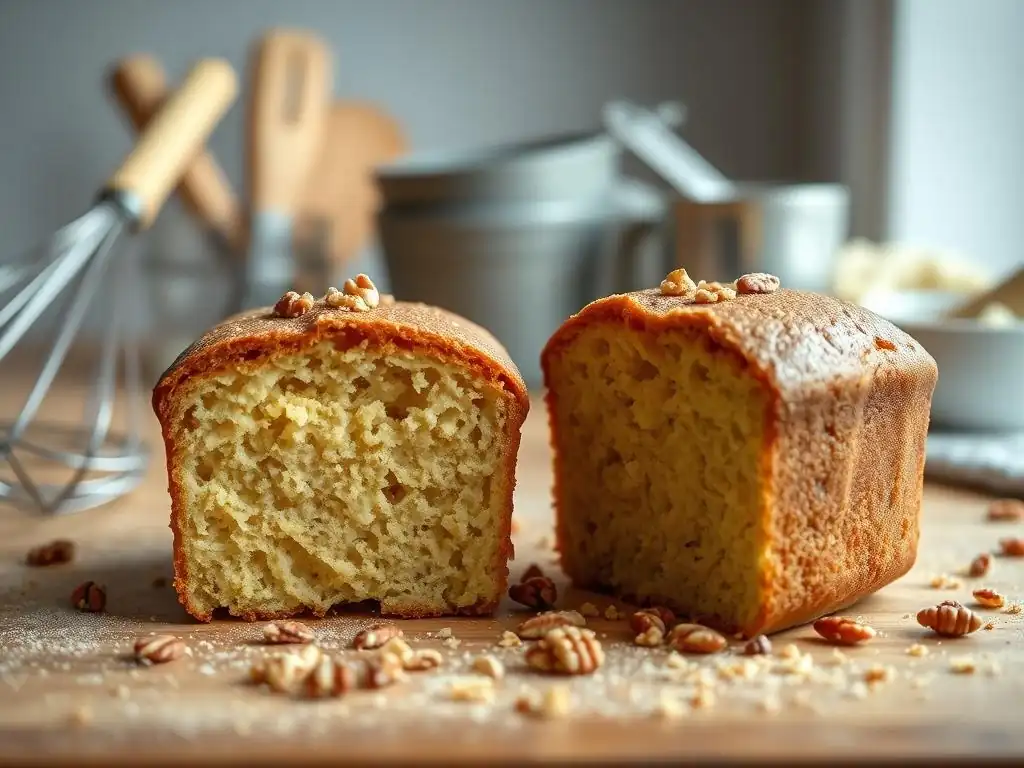
When deciding between brown butter and canola oil for your cake, the choice often comes down to prioritizing flavor versus texture and moisture. While the title specifically asks about the best oil for nutty cakes (leaning heavily towards brown butter), it's important to compare their overall impact on the final product, including aspects like height, crumb, and tenderness.
Canola oil is often cited as a contender for the best oil for fluffy cakes due to its exceptional moisture-retaining properties and ability to create a tender crumb. Brown butter, while contributing unparalleled nutty flavor, impacts texture in a slightly different way due to the presence of milk solids and the difference in fat composition compared to pure oil.
Cake Height and Volume: Brown Butter vs. Canola Oil
The type of fat used can influence how well a cake rises. Cakes made with the creaming method (beating softened butter with sugar to incorporate air) often achieve significant volume from this mechanical leavening. Oil-based cakes, where oil is simply whisked with wet ingredients, rely almost entirely on chemical leaveners (baking powder, baking soda) for lift.
Comparing melted brown butter to canola oil in a similar recipe context (where creaming isn't the primary leavening): Cakes made with liquid fats like canola oil or melted brown butter often have a slightly denser, more even crumb than traditional creamed butter cakes, but can still achieve good height with proper leavening. The presence of milk solids in brown butter might slightly affect the batter's viscosity, potentially leading to minor variations in rise compared to pure oil, though this difference is often less pronounced than the difference between solid butter and oil.
Crumb Structure: Examining the Differences
Canola oil is renowned for producing cakes with a very fine, even, and tender crumb. Because the oil effectively coats flour particles, it minimizes gluten development, resulting in a soft, almost velvety texture. This fine, moist crumb is a key factor for those seeking the best oil for fluffy cakes, as it contributes significantly to the cake's perceived softness and lightness.
Brown butter cakes, while also tender, can sometimes have a slightly more open or irregular crumb structure compared to oil cakes. This can be influenced by the browned milk solids. However, the texture is still highly desirable, often described as moist and tender, with the added bonus of those delightful little browned flecks visible throughout the crumb.
Tenderness and Moistness: The Final Verdict
For sheer, long-lasting moistness and a supremely tender crumb, canola oil is often the champion. Its liquid state ensures the cake stays soft and moist for days, making it an excellent choice for cakes meant to be stored or transported, or recipes where dryness is a common issue. This makes canola oil a strong contender for the best oil for fluffy cakes when moistness is a key component of fluffiness.
Brown butter cakes are also wonderfully tender and moist, but the texture experience is different. They offer a tender bite infused with deep, nutty flavor. While they may not retain moisture quite as long as a pure oil cake in all recipes, their unique flavor profile is often worth any minor difference in longevity. Ultimately, the "best" fat depends on whether your priority is maximum moistness and neutral flavor (canola oil, potentially the best oil for fluffy cakes in terms of texture) or a rich, nutty taste experience (brown butter).
Brown Butter vs. Canola Oil: Recipe Adaptations for Nutty Results
Successfully substituting brown butter for canola oil (or vice versa) in a recipe isn't always a one-to-one swap. Because these fats behave differently and have different compositions, minor adjustments may be needed to achieve the best results. Understanding these potential adaptations is crucial for baking success and tailoring recipes to your desired outcome, whether that's a nutty flavor or a best oil for fluffy cakes texture.
Factors like the liquid content of the fat, how it incorporates into the batter, and its impact on baking time can all require small tweaks to ensure your cake turns out perfectly. Don't be afraid to experiment, but start with these general guidelines.
Adjusting Liquid Ratios When Using Brown Butter
A standard stick of unsalted butter (approx. 113 grams or 1/2 cup) contains about 15-17% water. When you brown butter, this water evaporates. While some recipes account for this, others might not. Losing this liquid can slightly reduce the overall moisture in your batter, potentially leading to a slightly drier cake.
To compensate, particularly in recipes where precise moisture levels are important, you might consider adding back a small amount of liquid. For example, if a recipe calls for 100g of butter and you brown it, you might end up with around 80-85g of brown butter and solids.
You could add 15-20g (about 1-1.5 tablespoons) of milk, water, or the liquid called for in the recipe (like buttermilk or sour cream) to the cooled brown butter before incorporating it into the batter. Approximation: Aim to add back about 10-15% of the original butter's weight in liquid if the recipe doesn't specify.
Emulsification Techniques for Oil-Based Cakes
Unlike butter, which can be creamed with sugar to create an aerated structure, oil does not trap air in the same way. Oil-based cakes rely on chemical leaveners and proper emulsification of the liquid ingredients for their texture. Emulsification is the process of dispersing tiny droplets of one liquid evenly throughout another liquid that they wouldn't normally mix with (like oil and water/milk).
For oil-based cakes seeking that tender, moist crumb often associated with the best oil for fluffy cakes, it's essential to ensure the oil is well-dispersed in the wet ingredients. This is often achieved by vigorously whisking or beating the oil together with eggs, sugar, and any other liquids (like milk or sour cream) until the mixture is homogenous and slightly thickened. Methods like the Muffin Method (mixing wet and dry separately, then combining quickly) or Reverse Creaming (coating flour in fat first) are excellent for oil cakes as they minimize gluten development and promote tenderness.
Baking Temperature and Time Considerations
Generally, the baking temperature and time for a cake are determined more by the size and type of pan, the total volume of batter, and the recipe's specific composition (like sugar and liquid content) rather than the specific fat used, assuming standard baking temperatures. However, the type of fat can have subtle effects.
Brown butter cakes might show slightly faster browning on the crust due to the presence of browned milk solids and their interaction with sugars on the surface. Oil cakes tend to bake very evenly internally due to the fat's even distribution. Always monitor your cake towards the end of the suggested baking time using visual cues and the toothpick test. If a brown butter cake seems to be browning too quickly on top, you can loosely tent it with foil. While drastic adjustments are rarely needed, paying attention can ensure optimal results.
Achieving the Perfect Nutty Cake: Tips and Tricks
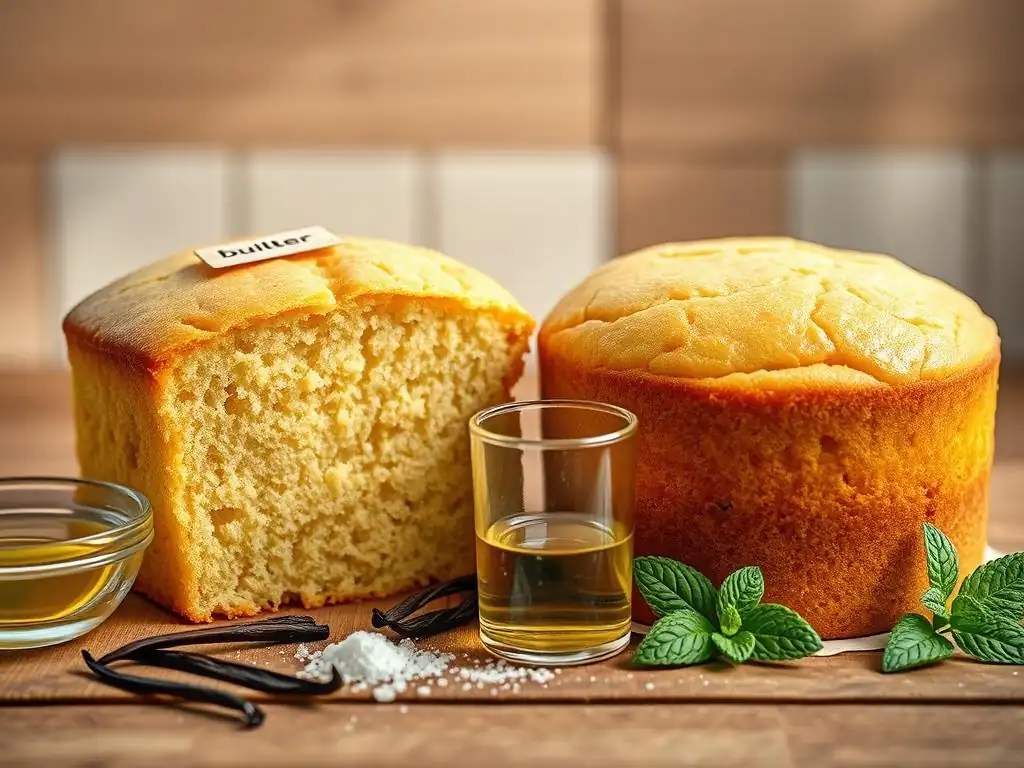
Mastering the use of brown butter or canola oil for specific outcomes requires attention to detail. If you're aiming for a cake with a distinct nutty flavor, brown butter is your primary tool, and using it correctly is key. If your goal is a cake known for its moist, tender crumb, often described as "fluffy," canola oil and the right mixing method are essential.
These tips focus on optimizing the techniques for working with each fat to achieve either a deeply nutty flavor or the texture benefits of a neutral oil, helping you bake your best oil for fluffy cakes or your nuttiest brown butter creation yet.
Browning Butter for Optimal Flavor
The process of browning butter is simple but requires attention. Start by melting butter in a light-colored pan (so you can see the color change) over medium heat. It will melt, then foam. Keep stirring as the foam subsides. You'll see white milk solids begin to separate and settle at the bottom. These solids will start to turn golden, then brown. Listen – the gentle crackling will quiet down as the water evaporates.
Watch the color closely; it progresses quickly from golden to amber to deep brown. For nutty flavor, aim for amber to medium brown solids. Remove the pan from the heat immediately when the desired color is reached, as residual heat will continue the cooking. Pour the brown butter, including the solids, into a heatproof bowl to stop the browning process. Allow it to cool slightly before using as directed in your recipe. Don't discard the solids – they are packed with flavor!
Using the Right Mixing Method for Oil-Based Cakes
To achieve the signature moist and tender texture of oil-based cakes, often considered the hallmark of the best oil for fluffy cakes, select a mixing method that minimizes gluten development. The Muffin Method is a classic: whisk all dry ingredients together, whisk all wet ingredients (including the oil) together, then pour the wet into the dry and mix just until combined. Overmixing will develop gluten, resulting in a tough cake.
Another effective method is Reverse Creaming. Here, the dry ingredients (flour, sugar, leaveners, salt) are mixed together first, then the softened fat (or liquid oil in some adaptations) is beaten in until the mixture resembles wet sand. This coats the flour particles in fat before they come into contact with liquid, further inhibiting gluten. Finally, the liquids (eggs, milk, etc.) are added gradually. Both methods prioritize tenderness and moisture, leveraging oil's properties effectively.
Measuring Ingredients Accurately for Consistent Results
Baking is often described as a science, and accurate measurement is paramount for consistent results, especially when working with different fats or adapting recipes. Small variations in the amount of fat, liquid, or flour can significantly impact the final texture and moistness of your cake, whether it's an oil-based cake aiming for peak fluffiness or a brown butter cake focused on flavor.
Using a kitchen scale to weigh ingredients is the most accurate method. While volume measurements (cups) are common, they can vary depending on how ingredients are scooped (e.g., packed flour vs. spooned flour). Approximation: 1 cup of all-purpose flour is typically around 120-130 grams, 1 cup granulated sugar is about 200-220 grams, and 1 stick (1/2 cup) of butter is about 113 grams. Precision ensures that the delicate balance of fat, liquid, and dry ingredients is maintained, leading to predictable and delicious outcomes every time.
Beyond Brown Butter and Canola Oil: Other Fat Options for Cakes
While brown butter offers unique nutty flavor and canola oil excels at moisture and neutrality (making it a strong contender for the best oil for fluffy cakes), the world of baking fats is vast. Exploring other options can open up new possibilities for flavor and texture, allowing you to further tailor your cakes to specific desires.
Each fat brings its own set of properties, from flavor profile and smoke point to how it interacts with other ingredients in the batter. Consider these alternatives when you're looking to experiment or achieve a specific nuance in your cake.
Ghee: A Clarified Butter Option
Ghee is a type of clarified butter that has been simmered longer than regular clarified butter to remove all the water and brown the milk solids, which are then strained out. What remains is pure butterfat. Ghee has a rich, buttery flavor, often with slightly nutty undertones from the browning process, though less intense than brown butter because the solids are removed.
In cakes, ghee behaves more like a liquid oil than solid butter. It contributes butter flavor and excellent moisture retention, similar to canola oil, but with the taste of butter. It's a good choice if you want the moistness benefits of oil combined with a pure butter flavor profile, without the textured contribution of brown butter's solids. Its high smoke point also makes it very stable in baking.
Walnut Oil: Adding a Nutty Twist
For a direct nutty flavor contribution without the milk solids of brown butter, walnut oil is an option. This oil, pressed from walnuts, has a distinct, strong walnut flavor that can be wonderful in specific cake applications, such as a pear and walnut cake or a simple vanilla cake where a nutty background is desired.
Walnut oil is typically unrefined and has a lower smoke point than refined oils like canola. It's often best used in recipes where the flavor is meant to be prominent and is sometimes blended with a neutral oil to temper its intensity. Because of its lower smoke point, it might be added towards the end of mixing or used in cakes baked at moderate temperatures. It's a flavorful oil alternative to neutral options when nuttiness is the goal.
Avocado Oil
Refined avocado oil is another excellent neutral liquid fat option for cakes, similar in many ways to canola oil. It has a very mild flavor, a high smoke point (often even higher than canola oil), and is rich in monounsaturated fats.
Like canola oil, refined avocado oil contributes significantly to cake moisture and tenderness. It's a reliable choice for creating cakes with a soft, fine crumb that stays moist, making it another strong contender when seeking the best oil for fluffy cakes from a texture perspective. It can generally be substituted for canola oil or other neutral vegetable oils in recipes on a one-to-one basis, offering a comparable texture outcome.
Conclusion: Choosing the Right Fat for Your Nutty Cake Goals
Selecting the best fat for your cake involves considering your desired outcome for both flavor and texture. Brown butter is a flavor powerhouse, infusing cakes with rich, nutty, and caramel notes, while canola oil is a texture champion, delivering exceptional moisture and a tender, fine crumb often associated with the best oil for fluffy cakes. Neither is inherently "better"; they simply serve different purposes in the baker's toolkit.
Understanding the unique properties of each fat – from brown butter's flavor-packed milk solids to canola oil's liquid state and neutral profile – empowers you to make informed choices that will lead to baking success. Don't be afraid to experiment and discover how these fats can transform your favorite cake recipes.
Summarizing the Key Differences
Here's a quick recap of the primary distinctions between brown butter and canola oil in cake baking:
- [ ] Brown Butter:
- Flavor: Distinct nutty, toasted, caramel notes developed through the Maillard reaction.
- Texture: Tender, moist, can have a slightly more open crumb due to milk solids.
- Best For: Recipes where a rich, complex, nutty flavor is desired and complements other ingredients.
- [ ] Canola Oil:
- Flavor: Neutral, allows other ingredients to shine.
- Texture: Very moist, tender, fine, even crumb, stays moist longer. Often considered a best oil for fluffy cakes due to its texture benefits.
- Best For: Recipes requiring maximum moisture, delicate flavors, or where consistency and shelf life are priorities.
The best oil for fluffy cakes in terms of texture and moistness is often a neutral liquid oil like canola, while the best fat for a nutty cake is unequivocally brown butter.
Tailoring Your Choice to Specific Cake Types
Consider the overall profile of the cake you want to bake. For a simple vanilla bean cake or a vibrant lemon cake where the pure flavor of the main ingredient is paramount, a neutral fat like canola oil or refined avocado oil is likely the best oil for fluffy cakes in this context, ensuring a moist texture without competing flavors.
If you're baking a spice cake, an apple cake, a brown sugar pound cake, or anything with complementary warm, earthy, or caramel notes, brown butter will add an incredible depth of flavor that elevates the recipe. For chocolate cakes, either can work: brown butter adds a layer of complexity, while canola oil ensures deep chocolate flavor and maximum moistness.
BakeWise: Experimenting with Fats for Baking Success
Ultimately, the most rewarding part of baking is experimentation. Now that you understand the science and practical differences between brown butter and canola oil, we encourage you to try them out! Bake the same cake recipe side-by-side using each fat (making necessary liquid adjustments for brown butter) and taste the difference.
Explore recipes specifically designed for brown butter to fully appreciate its unique contribution. Test different neutral oils to find your personal best oil for fluffy cakes. With a little practice and curiosity, you'll master using fats to control both the flavor and texture of your cakes, bringing you closer to baking perfection.
Frequently Asked Questions
What is the main difference between using butter and vegetable oil in cake baking?
The main difference lies in their fat content and form. Butter contributes to flavor and structure, while vegetable oil primarily adds moisture and tenderness, but less flavor.
Why does vegetable oil generally result in a fluffier cake compared to butter?
Vegetable oil, being a liquid fat, coats flour proteins more effectively, inhibiting gluten development. This leads to a more tender and fluffier crumb. Butter, a solid fat, can lead to a denser cake if not creamed properly.
What type of vegetable oil is generally recommended for achieving the best results when baking fluffy cakes?
Neutral-flavored oils like canola oil or vegetable oil blends are typically recommended because they don't overpower the other flavors in the cake. You want the focus on the other ingredients, not the oil itself.
Can I substitute butter for vegetable oil in a cake recipe and still achieve a fluffy cake?
Yes, but you'll need to adjust the recipe. Consider using melted butter and adding a bit more liquid to compensate for the lower moisture content compared to vegetable oil.
Does the temperature of the ingredients affect the cake's fluffiness when using butter or vegetable oil?
Yes, ingredient temperature is crucial, especially when using butter. Butter needs to be at room temperature for proper creaming. Vegetable oil is less temperature-sensitive, but room temperature is still best for optimal incorporation.
Final Reflection: The Pursuit of the Perfect Fluffy Cake
The quest for the fluffiest cake transcends mere culinary ambition; it's a testament to our enduring desire for culinary perfection. This article explored the age-old debate between butter and vegetable oil in cake baking, revealing the nuanced science behind achieving that light-as-air texture we all crave. We dissected the role of fat in cake structure, highlighting the unique contributions of each ingredient and ultimately concluding that while both can yield excellent results, understanding their distinct properties is key to baking success.
The impact of this seemingly simple choice extends far beyond the kitchen. The pursuit of the perfect cake, in its own way, reflects our broader human desire for mastery and the satisfaction derived from creating something beautiful and delicious. It's a pursuit shared across cultures and generations. The best things in life are simple, but not easy.
This quote perfectly encapsulates the effort and understanding required to achieve truly exceptional baking results, regardless of whether you choose butter or oil. The journey itself, filled with experimentation and learning, is as rewarding as the final product.
Now, consider your own baking journey. What have you learned about the ingredients you use? What experiments will you undertake next? Don't be afraid to embrace the process, to learn from your mistakes, and to strive for that perfect, fluffy cake. The knowledge gained in this pursuit extends beyond the kitchen, teaching us patience, precision, and the rewarding feeling of creating something truly special. So, grab your whisk, choose your fat wisely, and embark on your own culinary adventure. The fluffiest cake awaits.
Unlock Your Fluffiest Cakes Yet!
Thanks for taking the time to explore the wonderful world of cake baking with us! We hope you now have a clearer understanding of why butter and vegetable oil create such different cake textures. Ready to put your newfound knowledge into practice?
- Bake a side-by-side comparison: Try the same recipe once with butter and once with oil – then taste test to discover your personal preference! This is the ultimate test of what you've learned.
- Share your results! Post photos of your fluffy creations on social media and tag us @BakeWithEase – we’d love to see which fat you chose and how your cake turned out!
- Dive deeper into our cake-baking guides: Explore our archive for more baking tips and tricks, including everything from frosting techniques to choosing the perfect pan!
What unique flavor combinations will you create using your newfound butter-vs-oil expertise?