
Achieving Perfect Browning: Sugar's Crucial Role in the Maillard Reaction

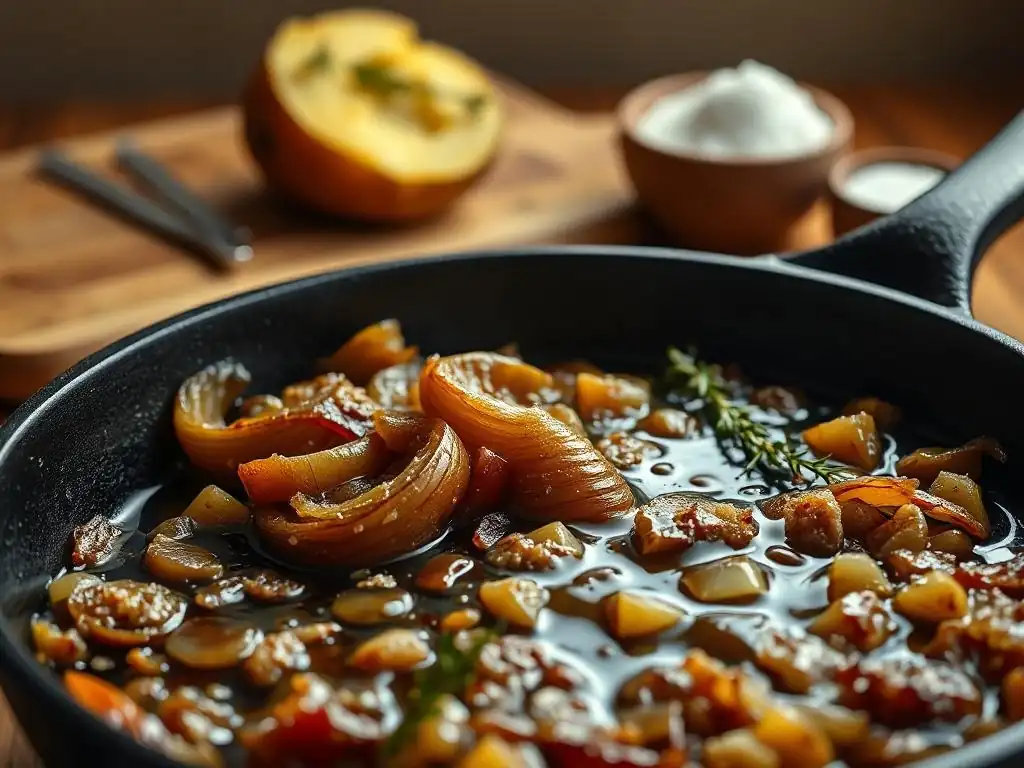
Welcome to BakeWithEase, where we unlock the secrets to baking brilliance! Ever wondered how your favorite pastries achieve that irresistible golden-brown hue? Dive into the fascinating world of the Maillard reaction and discover how seemingly simple sugar browning can elevate your recipes from ordinary to extraordinary. Ready to understand the science behind the sweetness and achieve baking perfection? Let's explore!
- Understanding the Maillard Reaction in Baking
- Sugar's Role: More Than Just Sweetness in Browning
- Factors Influencing the Maillard Reaction with Sugar
- Optimizing Sugar Browning in Recipes
- Techniques for Enhancing Sugar Browning in Recipes
- Avoiding Common Mistakes in Sugar Browning
- The Perfect Sugar Browning Recipe: Caramelized Onion Tart
- Conclusion: Mastering Sugar Browning for Baking Success
-
Frequently Asked Questions
- How does sugar contribute to the Maillard reaction in baking?
- What is the Maillard reaction, and why is it important for baked goods?
- Can I control the browning in my Sugar Browning Maillard reaction recipe?
- What are some common problems related to browning and the Maillard reaction in baking?
- Does the type of sugar I use significantly impact the browning process and final flavor?
- Final Reflection: The Sweet Science of Browning and Beyond
- Unlock the Secrets to Golden-Brown Perfection!
Understanding the Maillard Reaction in Baking
What is the Maillard Reaction?
The Maillard reaction is a complex chemical process that occurs when amino acids and reducing sugars react under heat. Unlike caramelization, which involves only sugars and higher temperatures, the Maillard reaction is responsible for the browning and development of thousands of unique flavor compounds in a vast array of foods, including baked goods. This reaction is named after French chemist Louis Camille Maillard, who first described it in 1912.
In baking, the Maillard reaction is what gives bread crust its golden-brown hue and distinctive aroma, makes cookies crisp and flavorful around the edges, and develops complex notes in cakes and pastries. It typically begins to occur at temperatures around 280°F (140°C), although the speed and intensity increase significantly at higher temperatures. Understanding this reaction is key to mastering the perfect sugar browning Maillard reaction recipe outcomes.
The Science Behind Browning and Flavor Development
At a chemical level, the Maillard reaction is a cascade of reactions that starts with the initial condensation of a sugar's carbonyl group with an amino acid's amino group. This forms unstable intermediate compounds that rearrange and degrade through various pathways, producing a wide range of molecules including melanoidins (responsible for the brown color) and volatile flavor compounds. These flavor compounds contribute notes ranging from nutty and toasty to savory and complex.
The specific flavors and colors produced depend heavily on the types of amino acids and sugars present, as well as factors like temperature, moisture, and pH. In baking, the interaction between sugars and proteins (found in flour, milk, eggs) drives this process. Achieving optimal sugar browning involves managing these variables to unlock the desired depth of color and flavor complexity, making the final product more appealing and delicious.
Sugar's Unique Contribution to the Maillard Reaction
While the Maillard reaction requires both amino acids and reducing sugars, sugar plays a particularly crucial role, acting as one of the key reactants. Different types of sugars have varying capacities to participate in the Maillard reaction. Reducing sugars like glucose and fructose are highly reactive, possessing a free carbonyl group needed to initiate the process. Sucrose (table sugar) is a non-reducing sugar, but it readily breaks down into glucose and fructose in the presence of heat and moisture, thus participating indirectly.
Sugar's presence also influences the temperature at which browning occurs. While caramelization requires temperatures typically above 320°F (160°C), the Maillard reaction can start at lower temperatures when sugars and amino acids are present. Furthermore, the concentration of sugar in a recipe directly impacts the extent of browning. Higher sugar content generally leads to more pronounced browning, contributing not just to color but also to the characteristic flavors associated with baked goods like cookies and cakes.
Sugar's Role: More Than Just Sweetness in Browning
Different Types of Sugar and Their Browning Capabilities
Not all sugars contribute to browning in the same way or at the same rate. The chemical structure of the sugar molecule dictates its reactivity in the Maillard reaction and its potential for caramelization. Understanding these differences allows bakers to select the best sugar for a desired outcome, whether it's a light golden crust or a deep mahogany finish.
Beyond chemical structure, factors like crystal size and the presence of impurities (like molasses) also affect how sugar behaves under heat. Experimenting with various sugar types is a fundamental step in mastering the art of sugar browning in baking, allowing for precise control over color, flavor, and even texture.
Granulated Sugar: The Baking Staple
Granulated sugar, or sucrose, is the most common sugar used in baking. As a non-reducing sugar, it doesn't directly participate in the initial step of the Maillard reaction. However, in the presence of heat and moisture during baking, sucrose undergoes hydrolysis, breaking down into glucose and fructose, which are reducing sugars.
Once converted, glucose and fructose actively participate in the Maillard reaction with proteins, contributing to the golden-brown color of cookies, cakes, and bread crusts. Granulated sugar also caramelizes at high temperatures, adding another layer of brown color and a distinct toffee-like flavor, often overlapping with Maillard browning in many recipes.
Brown Sugar: Adding Molasses and Depth of Color
Brown sugar is essentially granulated sugar with the addition of molasses, which is a byproduct of sugar refining. The molasses content gives brown sugar its characteristic color, moist texture, and distinct flavor. Crucially for browning, molasses contains minerals and small amounts of proteins and amino acids.
The presence of molasses means brown sugar contributes more readily to the Maillard reaction than white sugar alone. The amino acids and sugars already present in molasses react quickly under heat, resulting in faster and deeper browning at lower temperatures. This is why recipes using brown sugar, like chocolate chip cookies, often achieve a richer color and chewier texture compared to those using only white sugar.
Honey and Syrups: Natural Sweeteners and Browning Agents
Natural sweeteners like honey, maple syrup, corn syrup, and agave nectar are primarily composed of glucose and fructose (or their polymers). Since glucose and fructose are reducing sugars, these sweeteners are highly reactive participants in the Maillard reaction. They begin browning at lower temperatures than sucrose.
Using honey or syrups in a recipe leads to more rapid and often darker browning. This can be advantageous for achieving a deep color quickly, but it also increases the risk of burning if not monitored carefully. These sweeteners also contribute unique flavors that meld with the Maillard compounds, adding complexity to the final baked good.
How Sugar Interacts with Amino Acids for Optimal Browning
The core of the Maillard reaction lies in the interaction between the carbonyl group of a reducing sugar and the amino group of an amino acid or protein. This initial step, sometimes called the Maillard condensation, is pH-dependent and crucial for kickstarting the entire cascade of browning and flavor-producing reactions. Different amino acids react at different rates and produce varying sets of flavor compounds.
The availability and type of both sugar and amino acids in a baking mixture directly influence the extent and nature of the browning. For instance, high-protein ingredients like milk and eggs provide ample amino acids, while sugars provide the necessary reducing ends. The concentration ratio of these components, along with heat and moisture, determines how vigorously the sugar browning Maillard reaction proceeds.
Factors Influencing the Maillard Reaction with Sugar
Temperature's Impact on Sugar Browning
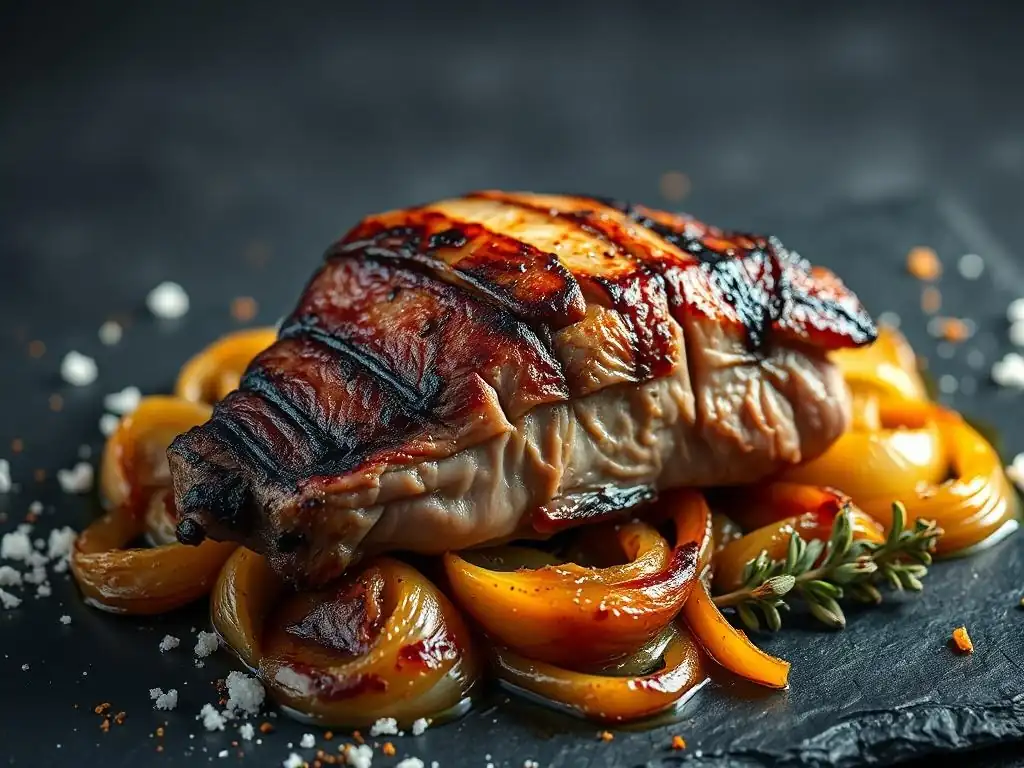
Temperature is arguably the most critical factor controlling the rate of the Maillard reaction involving sugar. While the reaction can occur slowly at room temperature over long periods (like in aged balsamic vinegar), it accelerates dramatically with increasing heat. In baking, temperatures typically range from 300°F to 450°F (150°C to 230°C), providing ample energy for the reaction to proceed rapidly on the surface of baked goods.
Optimal browning in many recipes occurs when the surface temperature reaches the 280°F to 330°F (140°C to 165°C) range. Below this, browning is slow or nonexistent; above this, the reaction can become too rapid, leading to burning before the interior is cooked. Controlling oven temperature and baking time is essential to achieve desired sugar browning without charring.
pH Level and Its Effect on the Maillard Reaction
The acidity or alkalinity of the baking environment significantly affects the speed of the Maillard reaction. The reaction proceeds much faster in alkaline (higher pH) conditions and is inhibited in acidic (lower pH) conditions. This is because the initial step of the reaction, the attack of the amino group on the sugar's carbonyl, is catalyzed by bases.
Bakers can use this knowledge to manipulate browning. Adding a pinch of baking soda (alkaline) to a cookie recipe, for example, can promote faster and deeper sugar browning, resulting in a darker, crispier edge. Conversely, acidic ingredients like buttermilk, yogurt, or lemon juice will slow down the Maillard reaction, which can be desirable in some cakes or pastries where a lighter color is preferred.
Moisture Content and Sugar Caramelization
Moisture plays a dual role in the Maillard reaction and its interplay with sugar browning. A certain level of moisture is necessary for the initial stages of the Maillard reaction to occur, as it facilitates the mobility of reactants. However, as baking progresses and surface moisture evaporates, the concentration of sugars and amino acids increases, and the temperature rises, accelerating the reaction.
As the surface becomes drier and hotter (often exceeding 320°F or 160°C), sugar caramelization begins to occur alongside the Maillard reaction, especially if sucrose is present. Too much moisture can inhibit browning by keeping the surface temperature lower and diluting reactants. Techniques like starting at a high temperature or using steam baths (for breads) manage moisture to promote optimal sugar browning.
Optimizing Sugar Browning in Recipes
Choosing the Right Sugar for Your Baking Project
Selecting the appropriate sugar is the first step in controlling sugar browning. For a gentle, golden color and classic flavor, granulated sugar is a reliable choice, relying on its breakdown into glucose and fructose. If you desire faster, deeper browning and a richer, slightly caramelized flavor profile, brown sugar or a blend of brown and white sugar is often preferred.
For recipes where intense browning is needed quickly or at lower temperatures, or where a specific flavor profile is desired, incorporating liquid sugars like honey, maple syrup, or corn syrup can be highly effective. Consider the desired texture and sweetness level as well, as these vary significantly between sugar types, impacting the overall sugar browning Maillard reaction recipe outcome.
Controlling Temperature for Even Browning
Achieving even sugar browning requires careful management of oven temperature and heat distribution. Hot spots in an oven can lead to some areas of a baked good browning too quickly while others remain pale. Rotating baking sheets halfway through the baking time helps expose all sides evenly to the heat.
Using a reliable oven thermometer is crucial to ensure your oven is heating accurately. Baking on the correct rack level is also important; placing items too close to heating elements can cause the bottom or top to burn before the rest is done. Adjusting oven temperature slightly lower or higher than specified can also fine-tune the browning rate.
Adjusting pH Levels for Deeper Color
Manipulating the pH of your dough or batter is a less common but effective way to influence sugar browning. Adding a small amount of alkaline ingredient, like baking soda, can significantly boost the Maillard reaction, leading to darker color and enhanced flavor, particularly in cookies and some cakes.
Conversely, if you find a recipe consistently over-browning or you prefer a lighter crumb color, slightly increasing the acidic components (like using buttermilk instead of regular milk, or adding a touch more cream of tartar if appropriate for the recipe) can slow down the reaction. This allows the interior to cook fully before the exterior becomes too dark.
Moisture Management for Perfect Texture and Browning
Managing moisture content is key to balancing interior doneness with exterior browning. For a crisp crust or edge, you need the surface moisture to evaporate relatively quickly so the temperature can rise to the point where the Maillard reaction and caramelization occur. Starting with a higher initial temperature can help achieve this.
In some cases, like baking bread, steam is initially introduced into the oven. This keeps the surface moist and pliable, allowing for maximum oven spring before the crust sets. Once the steam dissipates, the surface dries out, and browning begins rapidly, leading to a thick, flavorful crust through the sugar browning Maillard reaction.
Techniques for Enhancing Sugar Browning in Recipes
Egg Washes with Sugar: A Classic Technique
Applying an egg wash to the surface of pastries, breads, or pies is a time-honored method for achieving a beautiful, glossy, golden-brown finish. An egg wash typically consists of a beaten egg mixed with a liquid like water, milk, or cream. The protein in the egg contributes amino acids, and the liquid provides moisture.
Adding a pinch of sugar (granulated or brown) to the egg wash further enhances the sugar browning process. The sugars react with the egg proteins under heat, creating a deeper, richer color than egg alone would provide. This technique is perfect for giving croissants, brioche, or pie crusts that professional, appealing sheen and color.
Sugar Crusts: Adding Texture and Color
Creating a sugar crust involves sprinkling a layer of sugar directly onto the surface of a dough or batter before baking. Coarse sugars like turbinado or demerara sugar are often used for this purpose due to their larger crystals, which don't fully dissolve and provide a delightful crunchy texture.
As the baked good heats, the sugar crystals on the surface melt and caramelize, contributing a distinct color and a sweet, slightly brittle layer. This method works wonderfully on muffins, scones, coffee cakes, and cinnamon rolls, adding both visual appeal and a pleasant textural contrast to the soft interior.
Brushing with Sugar Syrup: For a Glossy Finish
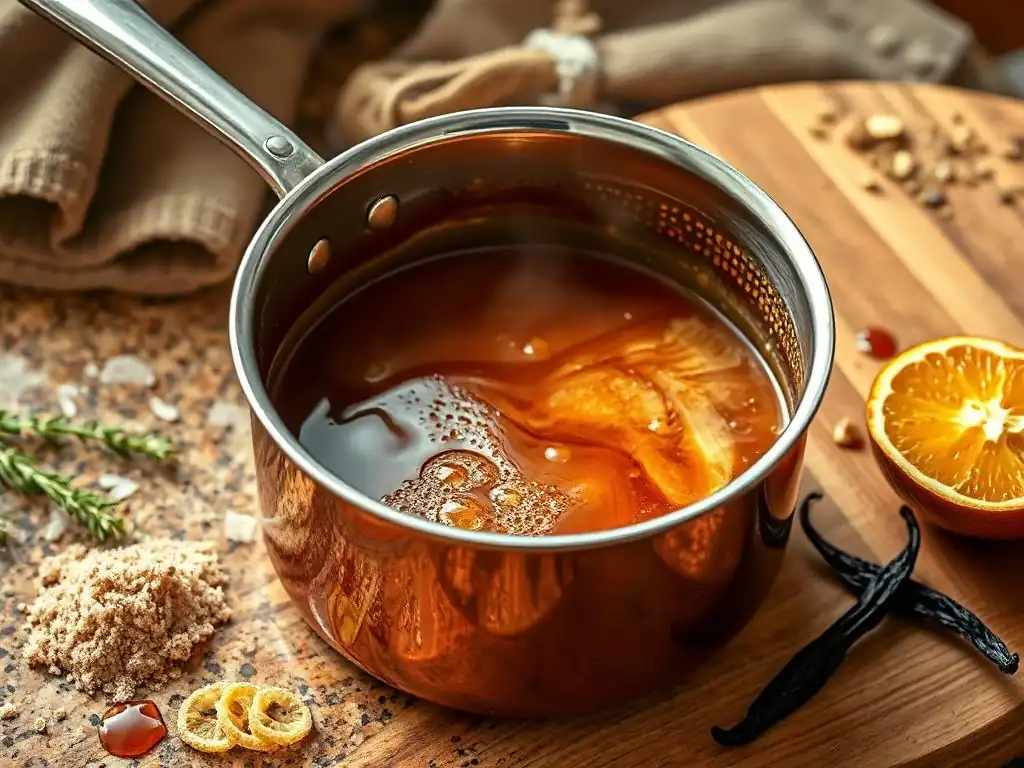
Brushing baked goods with a simple sugar syrup (equal parts sugar and water, heated until sugar dissolves) immediately after they come out of the oven is another way to enhance both shine and browning. The residual heat of the baked item helps the syrup penetrate slightly and encourages further browning or caramelization on the surface as it cools.
This technique is frequently used on cakes, pastries, and sometimes breads to add moisture, sweetness, and a beautiful, glossy finish. Flavorings like vanilla extract or citrus zest can be added to the syrup to impart extra taste dimensions that complement the sugar browning flavors.
Avoiding Common Mistakes in Sugar Browning
Over-Browning and Burning
One of the most common pitfalls in sugar browning is taking it too far, resulting in a burnt, bitter product. Burning occurs when sugars and other compounds are heated past the point of desirable browning and caramelization, breaking down into carbon. This happens quickly once the optimal temperature is exceeded.
To avoid burning, monitor baked goods closely, especially towards the end of the baking time. If the surface is browning too quickly but the interior isn't done, loosely tenting the item with aluminum foil can shield the top from direct heat while allowing the inside to finish cooking. Reducing oven temperature slightly can also help.
Uneven Browning
Uneven browning is frustrating and can lead to inconsistent texture and flavor. It's often caused by uneven heat distribution in the oven, improper placement of baking sheets, or crowding the oven. Hot spots within the oven can cause specific areas of a cookie sheet or cake to brown faster.
Ensure your oven is calibrated correctly. Rotate baking sheets 180 degrees halfway through the baking time to expose all sides equally to the heat. Avoid placing multiple sheets too close together, which can obstruct airflow. Using light-colored metal baking sheets tends to result in more even browning than dark or non-stick sheets, which absorb more heat.
Lack of Color Development
Conversely, sometimes baked goods fail to develop sufficient color, remaining pale and potentially lacking depth of flavor. This can be due to baking at too low a temperature, insufficient baking time, too much moisture inhibiting surface drying, or using a sugar type that is less reactive in the Maillard process.
If you're consistently getting pale results, try increasing the oven temperature slightly (e.g., by 10-25°F or 5-15°C), ensuring the item bakes for the full recommended time, or even a little longer if needed. Reducing the liquid slightly in the recipe (if possible without compromising texture) or incorporating a more reactive sugar like brown sugar or honey can also help encourage more vigorous sugar browning.
The Perfect Sugar Browning Recipe: Caramelized Onion Tart
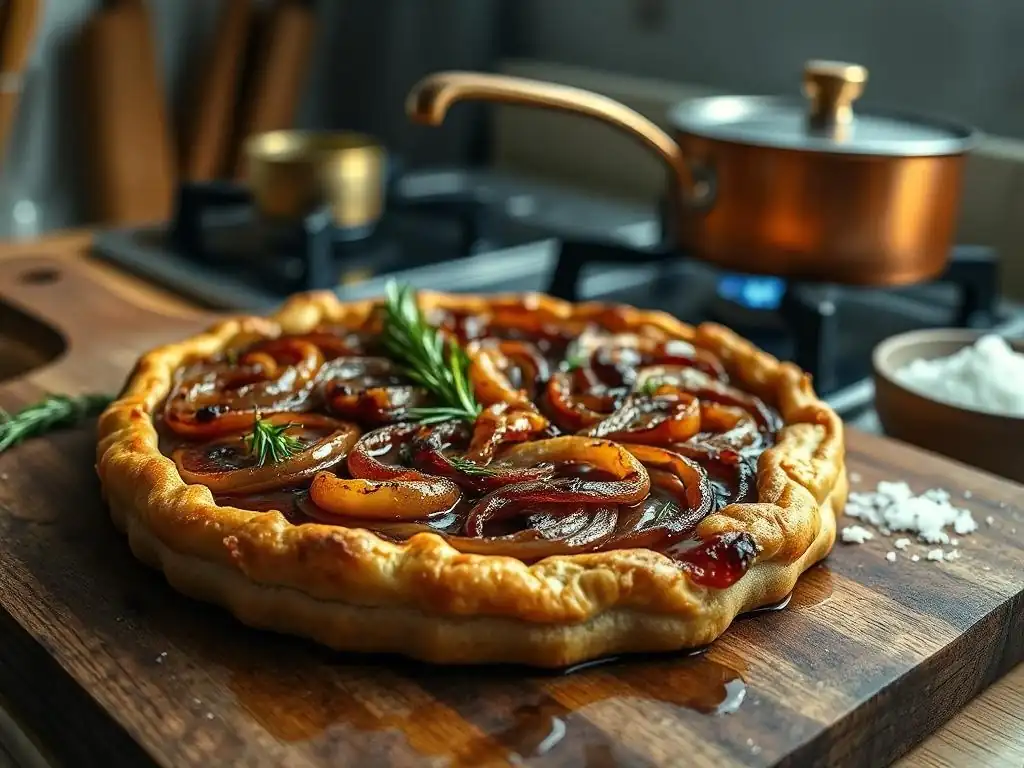
Let's put this knowledge into practice with a recipe where sugar browning, particularly caramelization intertwined with the Maillard reaction, is absolutely central to the flavor and appearance. This Caramelized Onion Tart showcases how slow cooking and the natural sugars in onions, aided by a touch of added sugar, create a deep, rich, sweet, and savory profile.
The process of caramelizing onions involves breaking down complex carbohydrates into simpler sugars and then browning these sugars. Amino acids naturally present in the onions also participate in the Maillard reaction, developing profound savory notes alongside the sweetness. This recipe highlights the beauty of sugar browning in a non-dessert context.
Ingredients for the Caramelized Onion Tart
- 1 sheet (about 9-10 oz) puff pastry, thawed
- 2 large yellow onions, thinly sliced
- 2 tablespoons olive oil
- 1 tablespoon unsalted butter
- 1 teaspoon granulated sugar (optional, to aid caramelization)
- 1/4 teaspoon salt, plus more to taste
- 1/8 teaspoon black pepper, plus more to taste
- 1/4 cup grated Gruyère or Parmesan cheese (optional, for topping)
- 1 egg, beaten (for egg wash, optional)
Step-by-Step Instructions for Achieving Ideal Browning
- Prepare the Onions: Heat olive oil and butter in a large, heavy-bottomed pan or Dutch oven over medium heat. Add the thinly sliced onions and salt. Stir to coat.
- Start the Caramelization: Reduce heat to low. Cook the onions very slowly, stirring frequently (every 5-10 minutes), for 30-60 minutes. Initially, they will soften and release moisture. As moisture evaporates, they will begin to turn translucent, then pale gold.
- Deepen the Browning: Continue cooking on low heat, stirring more often (every 2-5 minutes) as they brown. If adding the optional sugar, stir it in now. The sugars in the onions and added sugar will start caramelizing and reacting with amino acids (Maillard reaction). Scrape the bottom of the pan to prevent sticking and incorporate browned bits. Continue until onions are a deep, rich brown color and very soft, another 30-60 minutes or longer. This slow process is key to developing complex sugar browning flavors. Season with pepper.
- Prepare the Pastry: Preheat oven to 400°F (200°C). Unroll the puff pastry sheet. Score a border about 1 inch (2.5 cm) in from the edges, being careful not to cut all the way through. This creates a crust that will puff up.
- Assemble the Tart: Spread the caramelized onions evenly within the scored border of the puff pastry. If using cheese, sprinkle it over the onions.
- Bake the Tart: Brush the scored border with beaten egg wash (if using) for enhanced sugar browning on the crust. Bake for 20-25 minutes, or until the puff pastry is golden brown, puffed around the edges, and the onions are slightly crisp on top. Monitor closely to ensure even browning without burning the edges.
- Cool and Serve: Let the tart cool on a wire rack for a few minutes before slicing and serving.
Tips and Tricks for the Perfect Caramelized Onion Tart
- Use a heavy-bottomed pan: This distributes heat more evenly, preventing hot spots that can burn the onions during the long caramelization process.
- Be patient with the onions: The key to truly caramelized onions is low and slow cooking. Don't rush the process; the deep brown color and rich flavor take time to develop through sugar browning.
- Add a splash of liquid: If onions start sticking or drying out during caramelization, add a tablespoon of water, broth, or wine to deglaze the pan and scrape up the browned bits from the bottom, incorporating that flavor.
- Ensure pastry is cold: Cold puff pastry yields the flakiest crust, providing a great textural contrast to the soft, sweet onions.
- Adjust sugar: While onions have natural sugars, adding a teaspoon of granulated sugar can help jumpstart the caramelization process, especially if your onions are less sweet.
Conclusion: Mastering Sugar Browning for Baking Success
Mastering sugar browning, through both caramelization and the Maillard reaction, is a fundamental skill that elevates baked goods from simple to sublime. Sugar is far more than just a sweetener; it's a critical player in developing the appealing colors, rich aromas, and complex flavors that make baked treats so irresistible.
By understanding the science behind how different sugars react under heat, how factors like temperature, pH, and moisture influence these reactions, and by employing smart techniques, you can reliably achieve perfect browning outcomes. Experimenting with different sugars and methods in your own kitchen is the best way to hone this skill and unlock a new level of baking proficiency.
Key Takeaways for Utilizing Sugar in the Maillard Reaction
Here are some key points to remember when focusing on sugar browning in your baking:
- Maillard reaction requires both sugars (specifically reducing sugars) and amino acids.
- Different sugars (granulated, brown, honey) contribute differently to browning speed and flavor.
- Temperature is critical; the reaction accelerates significantly above 280°F (140°C).
- pH influences the reaction rate; alkaline conditions speed it up, acidic conditions slow it down.
- Moisture must be managed; some moisture is needed, but surface drying is key for crust development.
- Techniques like egg washes, sugar crusts, and syrups enhance surface browning and appearance.
- Patience and attention are needed to avoid burning and ensure even color.
Further Resources for Baking Education and Browning Techniques
To continue your journey in mastering the nuances of sugar browning and other baking techniques, explore resources that delve deeper into the science of baking ingredients and processes. Understanding the 'why' behind recipe steps empowers you to troubleshoot and adapt, leading to more consistent and delicious results in all your baking endeavors.
Frequently Asked Questions
How does sugar contribute to the Maillard reaction in baking?
Sugar provides the necessary carbonyl groups that react with amino acids from proteins. This reaction, accelerated by heat, creates the complex flavors and colors associated with browning. Different types of sugars can influence the final outcome.
What is the Maillard reaction, and why is it important for baked goods?
The Maillard reaction is a chemical reaction between amino acids and reducing sugars that occurs when heated. It's crucial because it's responsible for the brown color, crust development, and rich flavors in many baked goods.
Can I control the browning in my Sugar Browning Maillard reaction recipe?
Yes, you can! Controlling oven temperature, baking time, and the amount and type of sugar used are all key factors. Adjusting these elements can help you achieve the desired level of browning.
Over-browning can lead to a bitter or burnt taste, while under-browning results in a pale product with less flavor. Insufficient sugar or oven temperature can hinder the Maillard reaction.
Does the type of sugar I use significantly impact the browning process and final flavor?
Absolutely! Different sugars have varying levels of reducing sugars, affecting the Maillard reaction. For example, honey and molasses brown more intensely than granulated sugar due to their higher reducing sugar content, leading to distinct flavor profiles.
Final Reflection: The Sweet Science of Browning and Beyond
The Maillard reaction isn't just about achieving that perfect golden-brown crust on your roast chicken or the irresistible depth of color in a perfectly baked cookie; it's a fundamental chemical process that shapes our culinary experiences and influences our understanding of food science. Understanding the role of sugar in this reaction unlocks a world of possibilities, from creating visually appealing dishes to enhancing the complex flavors we crave. This knowledge empowers us to move beyond simple recipes and truly master the art of cooking.
The impact of the Maillard reaction extends far beyond the kitchen. It's a cornerstone of food preservation, influencing the texture and shelf life of countless products. It's also a key player in the development of aromas and flavors that define our cultural cuisines. The Maillard reaction is not merely a chemical process; it is a culinary art form, a symphony of flavors orchestrated by the careful interaction of heat, sugar, and amino acids.
This quote, though fictional, encapsulates the profound influence this seemingly simple reaction has on our sensory experiences and cultural heritage. The ongoing exploration of its intricacies continues to inspire innovation in food science and culinary arts.
Now, consider your own cooking. Think about the last time you achieved that perfect golden-brown crust, that rich, caramelized edge. What role did sugar play? I encourage you to experiment, to explore the subtle nuances of sugar's influence on the Maillard reaction in your own kitchen. Try adjusting the type of sugar, the cooking temperature, or the cooking time. Observe the changes in color, texture, and flavor. By understanding the science behind the browning, you'll unlock a new level of creativity and control in your culinary journey. The possibilities are as limitless as your imagination.
Unlock the Secrets to Golden-Brown Perfection!
Thanks for diving into the world of Maillard reactions with us! We hope you now understand the magic sugar plays in achieving that perfect, irresistible browning. Ready to put your newfound knowledge to the test?
- Master the Art of Browning: Experiment with different sugars and temperatures to discover your perfect browning technique. Try adjusting the sugar content in your next favorite recipe and observe the results!
- Share your Baking Triumphs: Show off your golden-brown creations on social media using #BakeWithEaseSugarSecrets! We'd love to see your results.
- Explore Advanced Browning Techniques: Dive deeper into the science of baking by exploring our other articles on caramelization and enzymatic browning.
What innovative browning technique will you try first? Let us know in the comments below!