
Tough Cake Texture? What Went Wrong and How to Fix It

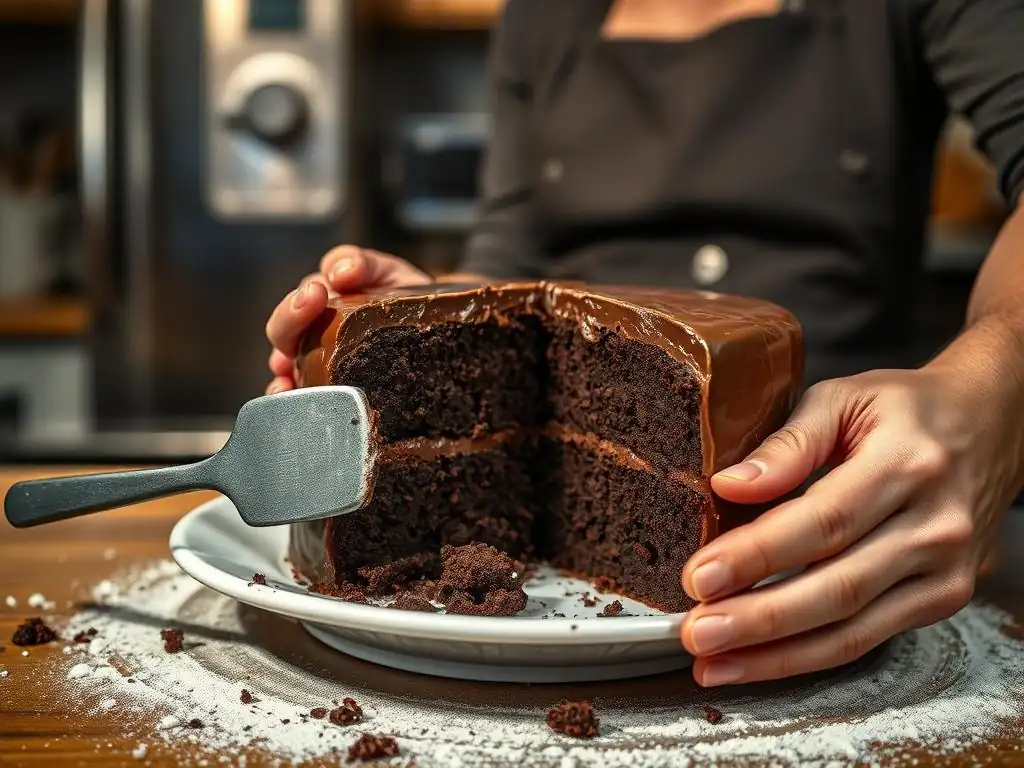
Welcome to BakeWithEase, where we demystify the delicious world of baking! Ever wondered why your cake texture is bad, leaving you with a less-than-perfect bake? Don't despair! We're diving deep into the common culprits behind tough, dry, or otherwise disappointing cakes. Discover the secrets to achieving that light, fluffy, and utterly irresistible texture you crave. Let's unlock the baking tips & hacks that will transform your cakes from frustrating flops to triumphant treats!
- Understanding a Bad Cake Texture: Why Is My Cake Tough?
- Common Causes of a Dense and Chewy Cake
-
Troubleshooting Tough Cake: How to Fix a Bad Cake Texture
- Adjusting Your Mixing Technique: Gentle Handling for a Tender Cake
- Measuring Flour Accurately: Precise Measurements for Perfect Results
- Choosing the Right Flour: Selecting the Best Flour for Your Recipe
- Monitoring Baking Time: Preventing Overbaking
- Incorporating Enough Fat: Ensuring a Tender and Moist Cake
- Preventing a Tough Cake: Proactive Baking Techniques
- Salvaging a Tough Cake: Rescue Options
- BakeWithEase Tips for a Perfect Cake Texture Every Time
-
Frequently Asked Questions
- Why is my cake so tough even though I followed the recipe?
- Can using the wrong type of flour result in a tough cake texture?
- How does overbaking contribute to a tough cake?
- I creamed the butter and sugar for the recommended time. Could that still be the problem?
- What's the best way to prevent a tough cake in the future?
- Final Reflection: Understanding Cake Texture for Culinary Success
- Unlock Your Cake's Perfect Texture!
Understanding a Bad Cake Texture: Why Is My Cake Tough?
When you bite into a cake, you expect a soft, tender crumb that melts in your mouth. But sometimes, despite following a recipe, you end up with a cake that's dense, chewy, and just plain tough. This can be incredibly frustrating, especially after putting in the effort to bake. Understanding why cake texture bad is the first step to preventing it from happening again. A tough cake isn't just disappointing; it signifies something fundamental went awry during the mixing or baking process.
A good cake texture is characterized by its tenderness, lightness, and moisture. A tough cake lacks these qualities. It feels heavy, slightly rubbery, and can even be difficult to cut cleanly. This undesirable outcome often stems from issues related to gluten development, ingredient ratios, or baking time. Pinpointing the exact cause requires a bit of detective work, but by understanding the common culprits, you can turn your baking woes into triumphs.
Defining a Tough Cake: Identifying the Problem
A tough cake is one where the structure is overly developed, leading to a dense, chewy, or even rubbery texture rather than a light and tender one. Visually, a tough cake might appear flatter than expected, with a tighter crumb structure when sliced. The surface might also seem less delicate.
Imagine biting into a slice – does it resist slightly, requiring more effort to chew than a soft sponge? Does it feel heavy and perhaps a little dry? These are key indicators of a tough cake texture. While some cakes, like pound cake, are naturally denser than others, a truly tough cake feels unpleasantly firm and lacks that desirable melt-in-your-mouth quality.
The Science Behind Cake Texture: Gluten Development and Tenderness
The primary factor influencing cake texture is the development of gluten. Gluten is a protein network formed when two proteins, glutenin and gliadin, found in wheat flour, combine with liquid and are agitated (mixed). This network provides structure to baked goods.
In bread making, significant gluten development is desired for a chewy texture and good rise. However, in cakes, too much gluten development results in a tough, undesirable texture. Fats (like butter or oil) and sugars in a cake batter interfere with gluten formation, helping to create a tender crumb. The goal in cake mixing is to minimize gluten development while still creating enough structure for the cake to hold its shape. Understanding this balance is key to avoiding why cake texture bad happens.
Common Causes of a Dense and Chewy Cake
Several factors contribute to a tough cake texture. Identifying which one (or combination) is at play is crucial for troubleshooting.
Overmixing the Batter: The Gluten Culprit
Overmixing is arguably the most common reason why cake texture bad occurs. It's easy to get carried away with electric mixers, but excessive mixing after the wet and dry ingredients are combined rapidly develops gluten.
How Overmixing Affects Gluten Formation
When flour meets liquid, glutenin and gliadin proteins begin to bond. Mechanical action, like stirring or beating, strengthens these bonds, forming a complex, elastic gluten network. In a cake batter, this network should be minimal and delicate. Overmixing whips air into the batter after gluten has begun to form, stretching and strengthening the gluten strands excessively.
Think of gluten like tiny elastic bands. A little bit provides necessary structure, but too many strong, taut bands pull the cake together tightly, resulting in that tough, chewy texture. This is a primary answer to why cake texture bad often relates to mixing.
Recognizing the Signs of an Overmixed Cake Batter
An overmixed cake batter often appears smooth and elastic, almost like a thick pancake batter, rather than slightly lumpy and cohesive. You might see long strands forming as you lift the whisk or spatula.
After baking, the resulting cake will likely have a peaked top, a dense, rubbery texture, and possibly tunnels running through it – these are signs of the overdeveloped gluten network. The crumb will be tight and uniform, lacking the open, tender structure of a well-mixed cake.
Incorrect Flour Measurement: Too Much Flour, Too Little Tenderness
Using too much flour is another frequent cause of tough cakes. Flour is the main source of gluten-forming proteins, and adding excess throws off the delicate balance of the recipe.
The Importance of Accurate Flour Measurement in Baking
Baking is a science, and ratios matter. While cooking allows for some improvisation, baking requires precision, especially when it comes to dry ingredients like flour. Too much flour means there's a higher proportion of protein available for gluten development and more dry material to absorb liquid, resulting in a drier, tougher cake.
Measuring flour correctly is critical. Simply scooping flour directly from the bag with your measuring cup can add significantly more flour than intended due to compaction. A standard cup of all-purpose flour spooned lightly into a cup and leveled weighs approximately 120-130 grams, but scooping can easily pack in 150 grams or more – a difference of 15-20% excess!
Different Flour Types and Their Impact on Cake Texture
Different flours have varying protein contents, which directly affects how much gluten can be developed. All-purpose flour typically has a protein content of 10-12%.
Flours with higher protein content, like bread flour (12-14%), are designed for strong gluten development and are unsuitable for most cakes. Conversely, flours with lower protein content, like cake flour (6-8%), produce less gluten and are ideal for tender cakes. Using all-purpose flour when cake flour is specified, or simply using too much of any flour type, contributes to why cake texture bad happens.
Using the Wrong Type of Flour: Choosing the Right Flour for the Job
As mentioned, flour type is critical. Substituting one type for another without adjustment can drastically alter the final texture.
Cake Flour vs. All-Purpose Flour: What's the Difference?
The primary difference between cake flour and all-purpose flour is their protein content. Cake flour has a lower protein content (6-8%) and is milled from soft wheat. It's also typically bleached, which further weakens the protein bonds and helps the flour absorb more liquid and fat, leading to a more tender, delicate, and moist cake crumb.
All-purpose flour, milled from a blend of hard and soft wheat, has a moderate protein content (10-12%). It's versatile, suitable for a wide range of baking, but its higher protein level means it develops more gluten than cake flour under the same mixing conditions.
When to Use Cake Flour for a Tender Crumb
Cake flour is the ideal choice for recipes where a very tender, light, and delicate crumb is desired, such as sponge cakes, angel food cakes, and many layer cakes. Its low protein content minimizes gluten development, allowing the cake to rely more on leavening agents (like baking powder or whipped eggs) for its structure and lift.
If a recipe specifically calls for cake flour, using all-purpose flour instead will almost certainly result in a tougher, less desirable texture. This is a common reason why cake texture bad appears unexpectedly.
Overbaking: Drying Out Your Cake
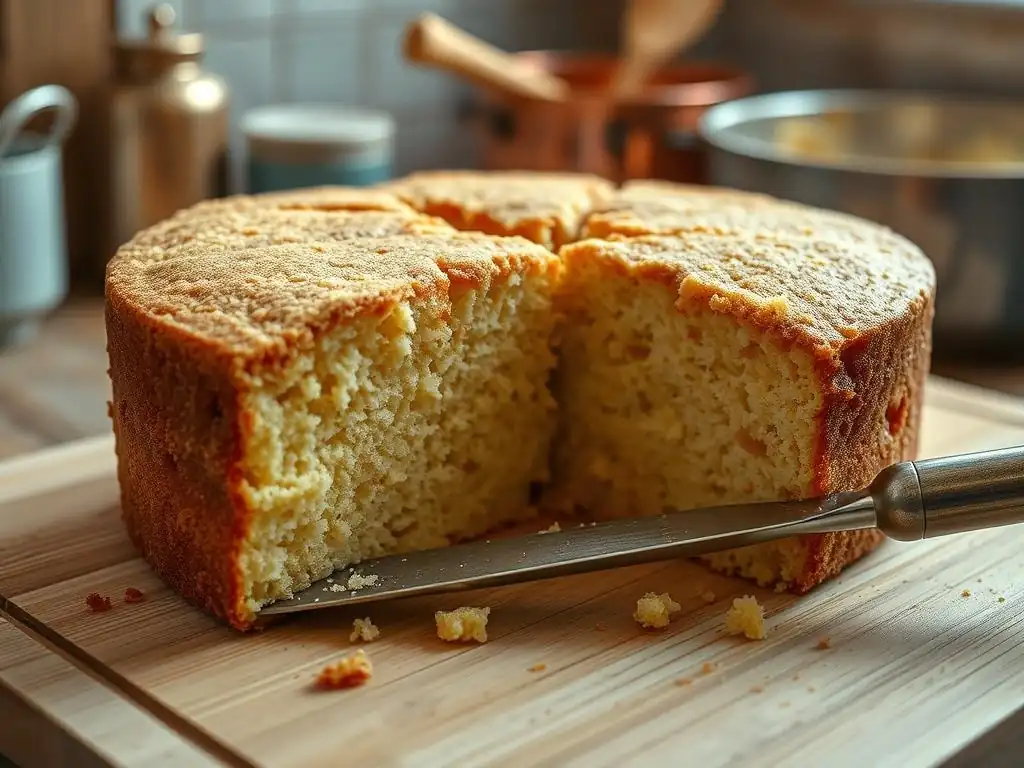
Baking for too long, even by a few minutes, can severely impact cake texture. Heat continues to cook the proteins and evaporate moisture.
How Overbaking Leads to a Tough Cake
As a cake bakes, the structure sets, and moisture turns to steam, which contributes to leavening. However, prolonged exposure to heat causes excessive moisture loss. This drying effect tightens the cake's structure, making it dense and crumbly rather than moist and tender.
Proteins continue to coagulate and toughen the longer they are heated past their setting point. Imagine cooking chicken breast for too long – it becomes dry and tough. The same principle applies to the proteins in your cake batter. This drying process is a major contributor to why cake texture bad results, regardless of how well the batter was mixed.
Tips for Preventing Overbaking
Preventing overbaking requires vigilance. Always check the cake for doneness a few minutes before the recipe's minimum baking time. Use a cake tester (like a toothpick or skewer) inserted into the center; it should come out with moist crumbs attached, but no wet batter.
Pay attention to visual cues: the edges of the cake should be pulling away slightly from the pan, and the top should spring back gently when lightly pressed. Use an oven thermometer to ensure your oven's temperature is accurate, as inaccurate oven temperatures are a common cause of both under- and overbaking.
Insufficient Fat Content: The Role of Fat in Cake Tenderness
Fat is a tenderizer in baking. It coats flour particles, inhibiting gluten development, and contributes to moisture and richness.
The Importance of Butter, Oil, and Shortening
Fats like butter, oil, and shortening shorten the gluten strands that do form, making the crumb more tender. They also contribute moisture, preventing the cake from drying out during baking and storage.
Butter provides flavor and structure through creaming (incorporating air), while oil contributes significant moisture and tenderness but less structure. Shortening is excellent for tenderness and creaming but lacks flavor. A recipe's specific fat type and amount are carefully chosen to achieve a desired texture. If a recipe has too little fat, the gluten network becomes stronger and the cake will likely be drier and tougher.
Adjusting Fat Content for a Softer Cake
While it's best to follow a tested recipe, understanding the role of fat allows for minor adjustments or troubleshooting. If a recipe consistently yields a slightly tough cake and other factors (mixing, measuring, baking time) seem correct, it might benefit from a slight increase in fat, if the recipe structure can support it.
For example, substituting a portion of the liquid with sour cream or yogurt (which contain fat) can add moisture and tenderness. However, significant changes to fat content should be approached cautiously, as they can affect the cake's structure and rise.
Troubleshooting Tough Cake: How to Fix a Bad Cake Texture
Don't despair if you've faced the question "Why cake texture bad?" It's a common issue, and several techniques can help you achieve a tender cake next time.
Adjusting Your Mixing Technique: Gentle Handling for a Tender Cake
Your approach to combining ingredients is paramount in controlling gluten development. Less is often more when it comes to mixing flour into wet ingredients.
Folding Techniques to Minimize Gluten Development
Once dry ingredients are added to wet, switch from a stand mixer or electric beater to a spatula or wooden spoon. Use a gentle folding motion: scrape down the sides and bottom of the bowl, lifting the mixture from the bottom over the top.
Mix only until the dry ingredients are just incorporated and no streaks of dry flour remain. This usually takes only 30-60 seconds. Lumps are okay; they will often dissolve during baking. Overworking the batter at this stage is a primary reason why cake texture bad results.
The Importance of Creaming Butter and Sugar Properly
Creaming butter and sugar is a crucial step before adding flour. This process incorporates air bubbles into the fat, which expand during baking and contribute to the cake's lift and tender crumb.
Creaming should be done on medium speed for 3-5 minutes (or longer for larger batches or colder butter), until the mixture is light, fluffy, and pale yellow. This step builds structure and tenderness without activating gluten. It's a key technique to master if you're trying to avoid why cake texture bad happens.
Measuring Flour Accurately: Precise Measurements for Perfect Results
Accurate measurement, especially of flour, is non-negotiable for consistent baking results.
The Spoon and Level Method for Measuring Flour
The most widely recommended method for measuring flour by volume is the spoon and level method. Gently spoon flour from its container into your dry measuring cup. Do not scoop directly with the cup, as this compacts the flour.
Once the cup is slightly overflowing, use a straight edge (like the back of a knife or a bench scraper) to level off the excess flour, ensuring it's flush with the rim of the cup. This method helps ensure you're getting approximately the correct weight of flour specified by the recipe developer.
Using a Kitchen Scale for Accurate Flour Measurement
For ultimate accuracy, especially if you're consistently wondering why cake texture bad, use a digital kitchen scale. Most modern recipes provide ingredient weights in grams or ounces.
Weighing ingredients eliminates the variability inherent in volume measurements due to differences in how ingredients are packed or sifted. For example, 1 cup of all-purpose flour is generally accepted to weigh about 125 grams. Using a scale ensures you add precisely that amount every time, removing a significant variable.
Choosing the Right Flour: Selecting the Best Flour for Your Recipe
Using the flour specified in the recipe is the simplest way to ensure the intended texture.
When to Use Cake Flour for a Light and Airy Cake
Opt for cake flour when the recipe calls for it, particularly in delicate cakes like chiffon, sponge, or fine-crumbed layer cakes. Its low protein content is specifically suited for achieving that light, airy texture.
If a recipe doesn't specify but you desire a very tender cake (and the recipe structure seems appropriate, e.g., lower in fat and sugar), you might consider using cake flour. However, this requires understanding how it might affect the recipe.
Substituting All-Purpose Flour for Cake Flour (and Vice Versa) [with Ratio Explanation]
If you don't have cake flour but the recipe calls for it, you can approximate it by substituting each cup of cake flour with 1 cup minus 2 tablespoons of all-purpose flour, plus 2 tablespoons of cornstarch. The cornstarch helps reduce the protein ratio, mimicking cake flour's effect.
Conversely, if a recipe calls for all-purpose flour and you only have cake flour, you can substitute cup-for-cup, but the resulting cake may be slightly too delicate or not rise as much due to the lower protein structure. This substitution is less ideal for recipes requiring more structure, like pound cakes. Understanding these ratios helps prevent why cake texture bad happens due to flour swaps.
Monitoring Baking Time: Preventing Overbaking
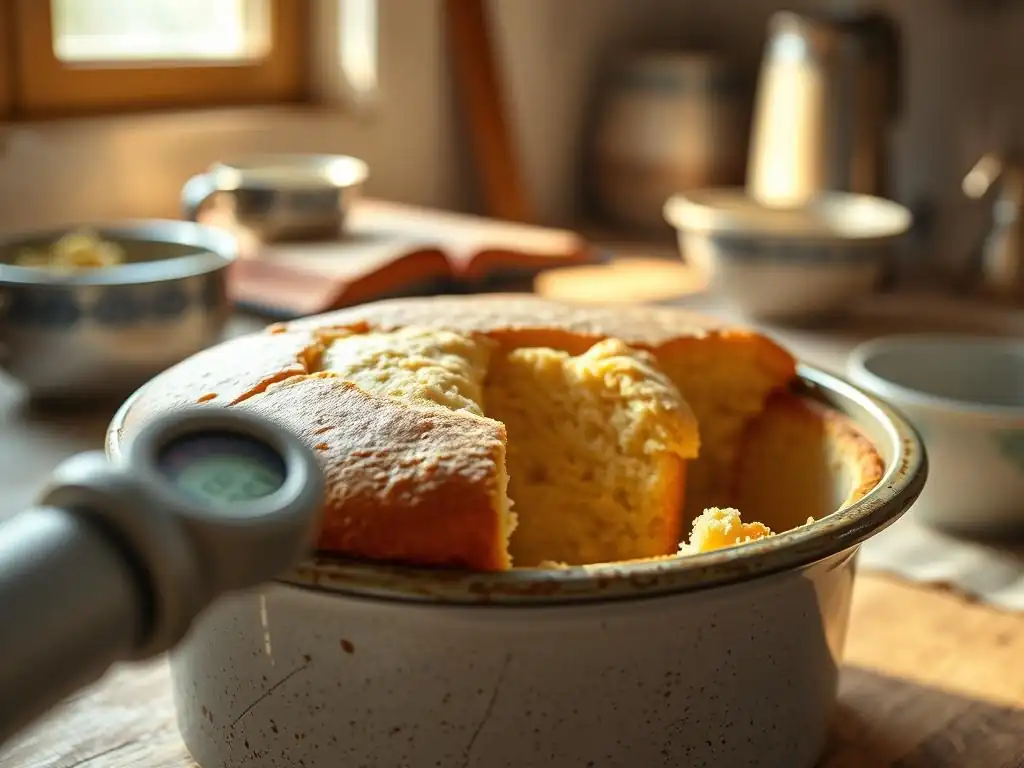
Paying close attention to the cake while it's in the oven is essential to pull it out at just the right moment.
Using a Cake Tester to Check for Doneness
The most reliable way to check if a cake is done is by inserting a thin skewer, toothpick, or cake tester into the center of the cake.
For most cakes, the tester should come out with a few moist crumbs attached. If it comes out with wet batter, the cake needs more time. If it comes out completely clean and dry, the cake is likely already slightly overbaked. This simple test is key to avoiding why cake texture bad results from excessive drying.
Adjusting Baking Time Based on Oven Temperature
Ovens can be notoriously inaccurate. A recipe might state 30-35 minutes at 350°F (175°C), but if your oven runs hot, it might be done in 25 minutes, or if it runs cool, it might take 40 minutes.
Use an oven thermometer to verify your oven's actual temperature. If it's off, you'll need to adjust the recipe's baking time accordingly. Check the cake early and frequently towards the end of the suggested baking window.
Incorporating Enough Fat: Ensuring a Tender and Moist Cake
Fat plays a crucial role in cake tenderness and moisture. Ensure your recipe has adequate fat for the desired texture.
Adding Extra Fat to a Recipe: [Recommended Amounts]
While modifying recipes can be tricky, if you suspect insufficient fat is contributing to why cake texture bad, you might slightly increase the fat content in a recipe that seems low. As a general guideline, adding an extra 1-2 tablespoons of melted butter or oil per cup of flour in the recipe might help, but this is an approximation and depends heavily on the original recipe's structure.
Alternatively, you can substitute some of the liquid (like milk or buttermilk) with a richer ingredient like sour cream or full-fat yogurt. For example, replacing 1/4 to 1/2 cup of liquid with sour cream can significantly boost moisture and tenderness without drastically altering the batter consistency.
Using Sour Cream or Yogurt for Added Moisture
Sour cream and yogurt are excellent additions to cake batters for improving moisture and tenderness. Their fat content and acidity help tenderize the crumb and activate baking soda if present.
Substituting part of the liquid or fat with an equal volume of sour cream or full-fat yogurt is a common technique used in many cake recipes specifically designed for a moist, tender result. This is a proactive step to prevent why cake texture bad might occur due to dryness.
Preventing a Tough Cake: Proactive Baking Techniques
The best way to deal with a tough cake is to prevent it from happening in the first place.
Recipe Selection: Choosing Recipes Designed for Tenderness
Not all cake recipes are created equal. Some are naturally denser (like pound cake), while others are designed for maximum tenderness (like chiffon or butter cakes with high sugar and fat ratios).
If you prioritize a tender crumb, look for recipes that:
- Call for cake flour.
- Have a relatively high ratio of sugar and fat to flour.
- Use creaming methods for butter cakes or incorporate whipped eggs for lift (like sponge cakes).
- Provide ingredient weights in grams.
Choosing a well-tested recipe from a reputable source is a great starting point to avoid why cake texture bad.
Ingredient Quality: Using Fresh and High-Quality Ingredients
The quality of your ingredients matters. Stale flour, old baking powder, or low-quality fat can all negatively impact the outcome.
Use fresh flour and store it properly in a cool, dry place. Ensure your leavening agents (baking powder and baking soda) are active. Use good quality butter or oil as specified. High-quality ingredients perform as expected in the recipe, contributing to the desired texture and flavor profile.
Oven Calibration: Ensuring Accurate Baking Temperatures
As mentioned earlier, an inaccurate oven temperature is a common culprit behind many baking failures, including tough cakes.
Invest in an inexpensive oven thermometer and place it in the center of your oven. Check it regularly. If your oven consistently runs hotter or cooler than the setting, you'll know to adjust your dial or baking time accordingly. Proper temperature control ensures the cake bakes evenly and sets correctly without drying out, helping to prevent why cake texture bad.
Salvaging a Tough Cake: Rescue Options
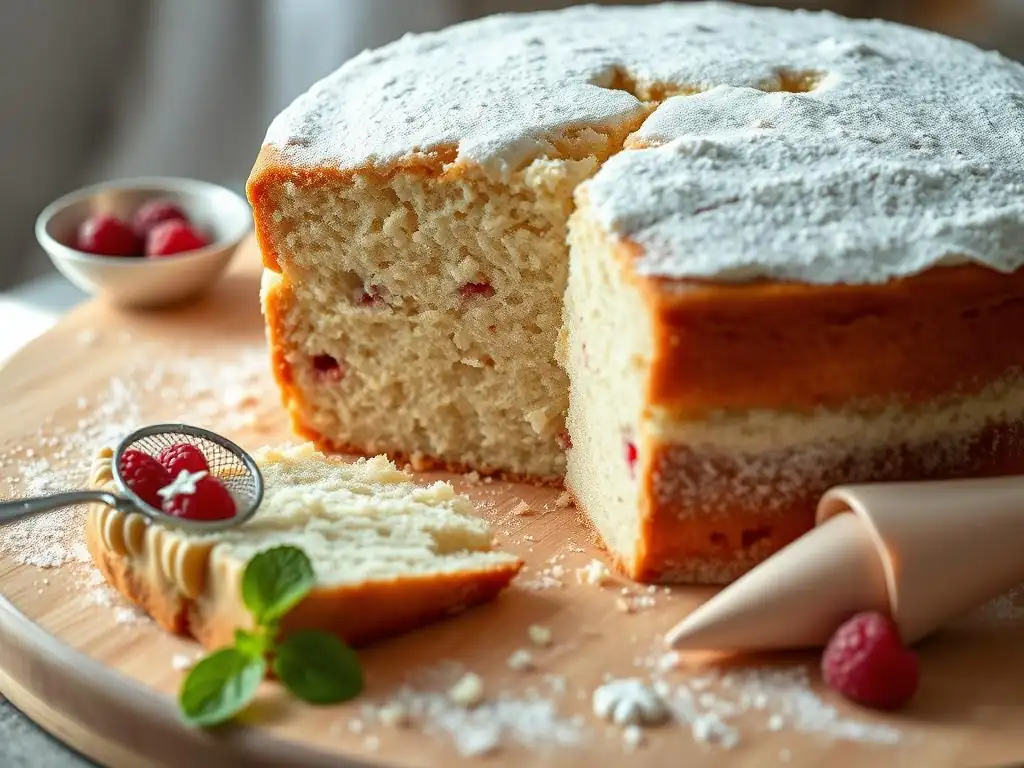
Even with the best intentions, sometimes a cake turns out tough. Don't throw it away! A tough cake can often be repurposed into other delicious desserts where its texture is less critical or even desirable.
Making Cake Pops: A Creative Way to Repurpose a Tough Cake
Tough cake is perfect for cake pops! Crumble the cake finely, mix it with frosting or ganache until a dough-like consistency is formed, roll into balls, put them on sticks, and dip in melted chocolate.
The frosting adds moisture, and the process of breaking down the cake structure eliminates the toughness. This is an excellent way to salvage a dense or rubbery cake and turn it into a fun treat.
Using the Cake in a Trifle: Layering for Moisture and Flavor
A trifle is a layered dessert that typically includes cake, pudding or custard, fruit, and whipped cream. A slightly tough cake can work well here because it holds up better to the layers of moisture.
Cut the tough cake into cubes and layer it in a bowl with moist elements like fruit soaked in juice or liqueur, creamy pudding, and whipped cream. The liquids and creams will soften the cake pieces, making the texture much more pleasant than eating it plain.
Creating Bread Pudding: Transforming Tough Cake into a Delicious Dessert
Similar to trifle, bread pudding is a baked dessert where cubes of bread (or cake) are soaked in a rich custard mixture and baked until set.
Cubes of tough cake can be substituted for bread in a bread pudding recipe. The custard mixture penetrates the cake during soaking and baking, transforming the dry, tough texture into a moist, tender, and delicious pudding. This is a classic method for using up stale or imperfect cakes and is a fantastic solution for why cake texture bad.
BakeWithEase Tips for a Perfect Cake Texture Every Time
Here are a few key takeaways to help you consistently bake tender, delicious cakes:
Use Cake Flour for Delicate Cakes
- When a recipe calls for it, or when you want a very tender crumb.
- It has lower protein (6-8%) than all-purpose flour (10-12%).
Mix Until Just Combined
- After adding dry ingredients, mix only until no dry streaks remain.
- Use a spatula or fold gently.
- Lumps are acceptable. Overmixing develops tough gluten.
Check for Doneness Early
- Start checking a few minutes before the minimum bake time.
- Use a cake tester inserted into the center.
- It should come out with moist crumbs, not wet batter or completely clean.
Frequently Asked Questions
Why is my cake so tough even though I followed the recipe?
Tough cake is often caused by overmixing the batter, which develops too much gluten. Other causes include using too much flour or overbaking the cake.
Can using the wrong type of flour result in a tough cake texture?
Yes, absolutely! Using high-protein flour (like bread flour) instead of cake or all-purpose flour can lead to a tougher texture. Cake flour has a lower protein content, resulting in a more tender crumb.
How does overbaking contribute to a tough cake?
Overbaking removes too much moisture from the cake, leading to a dry and tough texture. Always check for doneness a few minutes before the recipe's suggested time using a toothpick test.
I creamed the butter and sugar for the recommended time. Could that still be the problem?
While creaming is important, over-creaming can incorporate too much air, which can lead to a cake that rises too quickly and then collapses, resulting in a dense and potentially tough texture.
What's the best way to prevent a tough cake in the future?
Carefully measure ingredients, avoid overmixing the batter (especially after adding flour), use the correct type of flour, and monitor the baking time closely. Don't forget to let the cake cool completely before frosting.
Final Reflection: Understanding Cake Texture for Culinary Success
The texture of a cake is a crucial element that defines its overall appeal and enjoyment. In today's baking landscape, where homemade treats are cherished more than ever, understanding why cake texture can go awry is essential for both novice and experienced bakers alike. A well-textured cake not only delights the palate but also elevates the entire baking experience.
Cake texture is not just a matter of ingredients; it reflects our connection to the culinary arts and the joy of sharing food with loved ones. The nuances of baking can influence our cultural practices, from family gatherings to festive celebrations. As we navigate the complexities of cake-making, we realize that each misstep is a learning opportunity. Baking is both an art and a science, where precision and creativity come together to create something beautiful.
As you reflect on your own baking journey, consider how the lessons learned from understanding cake texture can inspire you to experiment and innovate in the kitchen. Embrace the challenges and triumphs of baking, and let each cake you create be a testament to your growth as a baker. Remember, every slice tells a story, and with each attempt, you are one step closer to mastering the perfect cake texture.
Unlock Your Cake's Perfect Texture!
Thanks for joining us on this baking adventure! We hope you gained valuable insights into troubleshooting tough cake textures. Now it's time to put your new knowledge to the test!
- Bake a test batch: Try the troubleshooting tips we discussed – perhaps a slightly lower temperature or a different mixing method – to see which yields the best results for your recipe and oven. This is the key to mastering your baking!
- Share your success (or challenge!): We'd love to hear about your baking experience! Post a picture of your perfectly textured cake (or share your learnings from a less-than-perfect one!) on your favourite social media platform using #BakeWithEaseToughCake.
- Explore more baking tips: Dive deeper into our collection of helpful baking guides on BakeWithEase.com to refine your skills even further. We've got resources on everything from frosting techniques to mastering different types of cakes!
Ready to create that melt-in-your-mouth cake you've always dreamed of? What unique challenge are you ready to tackle next in your baking journey?